

Blue Grotto Travel Guide - Free Web & App
Your ultimate guide to Blue Grotto. Discover top landmarks, proposed trips, and local tips. Free on the web or via the Evendo companion app.


Blue Grotto, Malta, pairs sea caves and limestone cliffs with boat trips, coastal views, Wied iż-Żurrieq and nearby southern Malta’s prehistoric temples.
Cliffs, Caves and Open Mediterranean Water
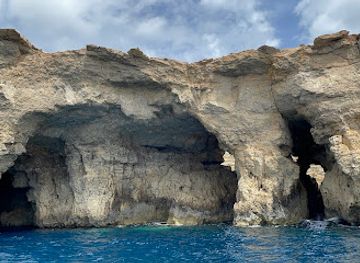
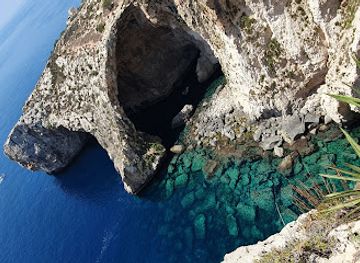
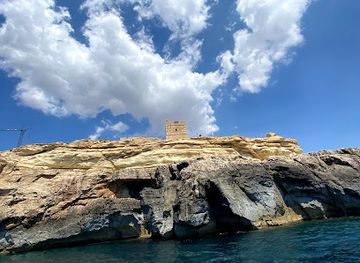
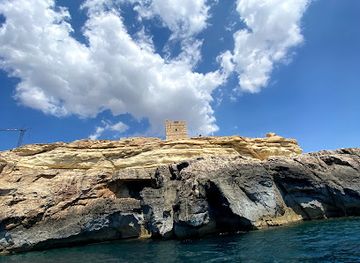
Blue Grotto is a compact coastal destination on Malta’s southern shore, centred on the dramatic limestone headland and natural sea caves seen from the viewpoint above Wied iż-Żurrieq. The name commonly refers both to the arched coastal formation and to the wider visitor area, where pale globigerina limestone meets intensely blue water, offshore islets and steep, weather-shaped cliffs. The famous Blue Grotto arch is best appreciated from land first, where the elevated viewpoint reveals the relationship between the caves, open sea and rugged coastline.Read more about Blue Grotto
Wied iż-Żurrieq and the Coastal Experience
Temples, Countryside and Southern Malta
When is the best time to visit Blue Grotto?
Best: April–June · 21–31°C| Month | High (°C) | Rainfall (mm) |
|---|---|---|
| January | 19 | 98 |
| February | 19 | 66 |
| March | 20 | 42 |
| April (best) | 21 | 21 |
| May (best) | 25 | 6 |
| June (best) | 31 | 0 |
| July | 34 | 0 |
| August | 35 | 2 |
| September | 32 | 28 |
| October | 28 | 74 |
| November | 22 | 127 |
| December | 20 | 151 |
Getting to and around Blue Grotto
How to get there
Transportation
Best attractions in Blue Grotto
The principal attraction is the Blue Grotto viewpoint, where the natural arch, sheer limestone coast and offshore rock formations form a broad panorama over the Mediterranean. Down at Wied iż-Żurrieq, small boat excursions may enter the coastal caves when conditions allow, revealing enclosed chambers, reflected light and changing marine colours that cannot be understood fully from land. The inlet itself is a compact maritime settlement with a waterfront atmosphere rather than a large resort. Nearby, but separate from the Blue Grotto site, Ħaġar Qim and Mnajdra provide Malta’s most important prehistoric attractions in a rural coastal setting, with monumental megalithic architecture and views across the sea. The surrounding Żurrieq countryside adds village streets, cultivated land and the character of southern Malta, while the coast is best explored through observation and established access points rather than improvised climbing or swimming.
-
Wedding venue
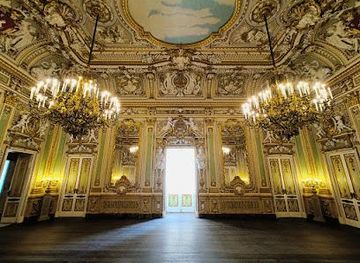
Palazzo Parisio
Explore the stunning Palazzo Parisio in Naxxar, Malta, where history meets elegance in beautiful gardens and exquisite dining.
-
Historical landmark
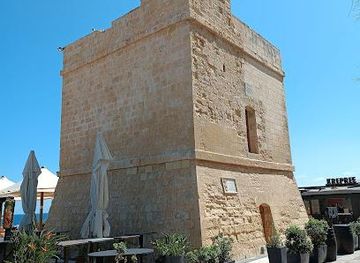
Torri ta' San Ġiljan
Discover the historical charm and stunning coastal views at Torri ta' San Ġiljan, a must-visit landmark in Sliema, Malta.
-
Animal park
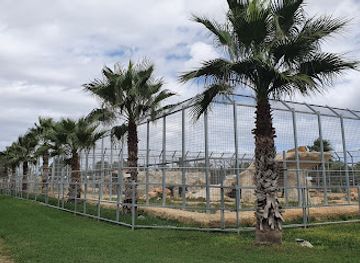
L- Arka ta' Noe
Discover the charm of L-Arka ta' Noe, an animal park in Siġġiewi, Malta, perfect for a family day out with interactive exhibits and fun activities for kids.
-
 Restaurant
Haywharf Restaurant & Clubhouse
Experience exquisite Mediterranean flavors and breathtaking waterfront views at Haywharf Restaurant & Clubhouse in Il-Furjana, Malta.
Best landmarks in Blue Grotto
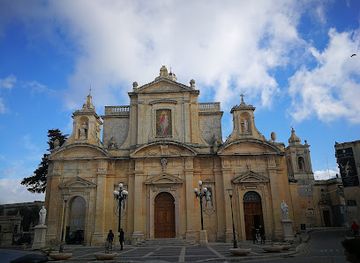
The Blue Grotto arch is the defining natural landmark, a pale limestone formation projecting above a series of sea caves on Malta’s southern coast. Its significance lies in the combined effect of the island’s sedimentary geology, wave erosion and the intense reflections within the enclosed water. Wied iż-Żurrieq is the area’s principal human landmark, a small coastal inlet whose fishing and boating character links the scenic site with southern Malta’s maritime history. The elevated Blue Grotto viewpoint is an important visual landmark in its own right, showing the arch, cliffs and open sea in one composition. Nearby Ħaġar Qim and Mnajdra are separate archaeological landmarks rather than parts of Blue Grotto, but their prehistoric temples and exposed coastal setting give the surrounding landscape an additional historical dimension.
-
Aquarium
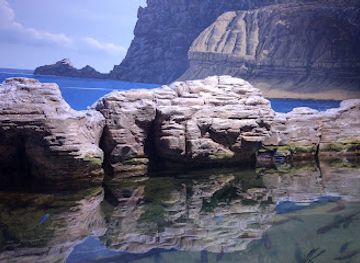
Malta National Aquarium
Explore Malta's underwater world: Discover diverse marine life at the National Aquarium in Qawra, St. Paul's Bay!
-
Boat tour agency
Visit Blue Lagoon Malta
Discover Malta's Blue Lagoon: Swim, snorkel, and explore the crystal-clear waters of this Mediterranean paradise on Comino Island.
-
Archaeological museum
St Paul’s Catacombs
Unearth Malta's ancient past: Explore the vast St. Paul's Catacombs, a window into Roman burial rituals and early Christian history.
-
Archaeological site
Hagar Qim Temple
Explore Ħaġar Qim, an ancient megalithic temple complex in Malta, dating back to 3600-3200 BC, offering insights into Neolithic culture and engineering.
Explore Blue Grotto on the map
Plan your trip on one map. See where the top attractions, landmarks, restaurants and hotels are, and book hotels and experiences in a few clicks.
Best hotels in Blue Grotto
Best restaurants in Blue Grotto
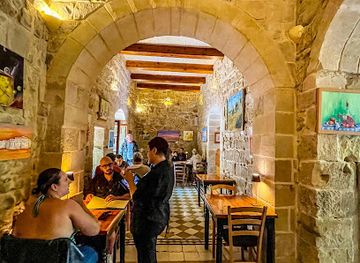
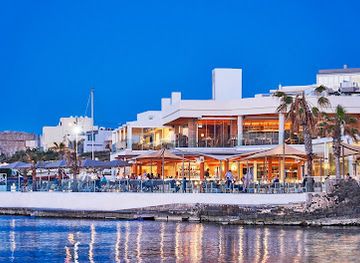
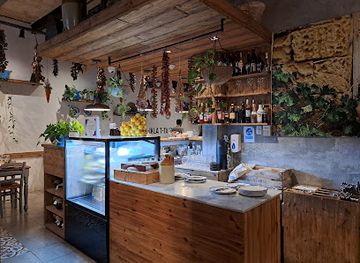
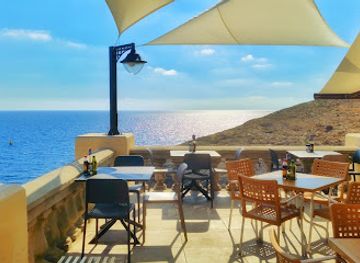
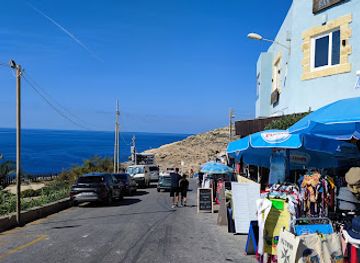
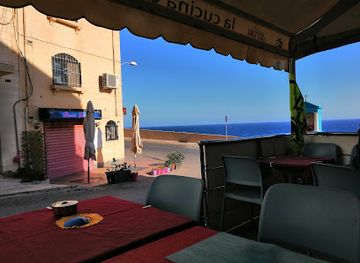
Dining at Blue Grotto is concentrated around Wied iż-Żurrieq, where waterfront restaurants and cafés cater to visitors arriving for the coastal views and boat trips. Menus commonly reflect Malta’s Mediterranean cooking, with seafood, pasta, salads, bread, local produce and familiar Maltese specialities appearing alongside international dishes, although the exact offering varies between establishments. The setting is the main distinction: tables near the inlet look towards the limestone coast and working boats, while the viewpoint area is more suited to a short refreshment stop than an extensive dining district. Żurrieq and neighbouring southern villages provide a broader choice of cafés, bakeries, takeaways and village restaurants, useful when the waterfront is busy or when combining Blue Grotto with the nearby temples. Visitors with dietary requirements should confirm ingredients directly, particularly in smaller businesses.
-
Italian
Coogi's Restaurant & Tea Garden
Experience exquisite Italian-Maltese cuisine at Coogi's Restaurant & Tea Garden with stunning views in Mdina.
-
Restaurant
Blu Beach Club
Discover Mediterranean delights at Blu Beach Club in Mellieħa - where exquisite cuisine meets stunning seaside views.
-
Maltese
Diar il-Bniet
Experience authentic Maltese cuisine at Diar il-Bniet - where tradition meets taste in every bite.
-
Mediterranean
Coast @ Cassarini Restaurant
Discover exquisite Mediterranean cuisine at Coast @ Cassarini Restaurant in Malta with stunning coastal views.
Best bars in Blue Grotto
Blue Grotto has a quiet evening character and should not be approached as a nightlife destination. Wied iż-Żurrieq’s hospitality is centred on restaurants, cafés and the waterfront, with evenings generally suited to a meal, conversation and views across the darkening sea rather than clubs or late-night entertainment. The nearby village of Żurrieq offers a more local setting through cafés, bars and community life, but it remains a residential Maltese settlement rather than a dedicated entertainment centre. Visitors seeking extensive nightlife will need to travel to larger urban areas elsewhere on Malta, while those staying near the coast should expect limited late-evening services and should plan return transport in advance, particularly if relying on buses or taxis.
-
Mediterranean
Coast @ Cassarini Restaurant
Discover the exquisite flavors of the Mediterranean at Coast @ Cassarini Restaurant, where stunning views and delightful dishes await.
-
Pizza
Step In
Experience authentic Maltese pizza at Step In in Qrendi, where local flavors come alive in every bite.
-
Mediterranean
Azul Restaurant
Experience the best of Mediterranean cuisine at Azul Restaurant, offering seafood, brunch, cocktails, and desserts in a stunning setting.
-
Italian
La Cucina Di Bettina By Bologna
Experience the authentic flavors of Italy at La Cucina Di Bettina in Żurrieq, where every dish is a celebration of Italian culinary traditions.
Best nightclubs in Blue Grotto
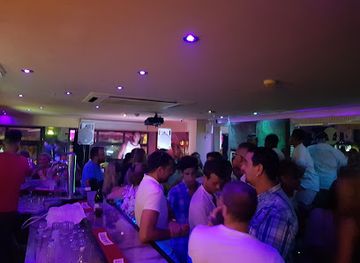
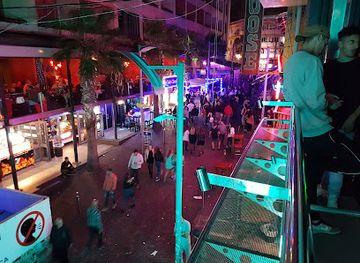
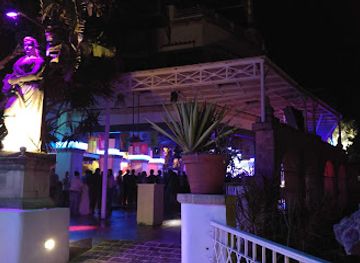
Blue Grotto has a quiet evening character and should not be approached as a nightlife destination. Wied iż-Żurrieq’s hospitality is centred on restaurants, cafés and the waterfront, with evenings generally suited to a meal, conversation and views across the darkening sea rather than clubs or late-night entertainment. The nearby village of Żurrieq offers a more local setting through cafés, bars and community life, but it remains a residential Maltese settlement rather than a dedicated entertainment centre. Visitors seeking extensive nightlife will need to travel to larger urban areas elsewhere on Malta, while those staying near the coast should expect limited late-evening services and should plan return transport in advance, particularly if relying on buses or taxis.
-
Lounge
VELVET LOUNGE CLUB (SHISHA AND FOOD )
Discover Velvet Lounge Club, the ultimate destination in San Pawl il-Baħar for exquisite shisha and vibrant nightlife.
-
Night club
Havana Club Malta
Discover the lively nightlife of St Julian's at Havana Club Malta, where unforgettable nights and electrifying music await every visitor.
-
Disco club
La Grotta
Experience the pulsating nightlife at La Grotta, Munxar's iconic disco club featuring a unique cave setting and vibrant music.
-
Night club
Footloose
Experience the vibrant nightlife at Footloose, St Julian's premier night club, where dancing and fun come together in a lively atmosphere.

Best shops in Blue Grotto
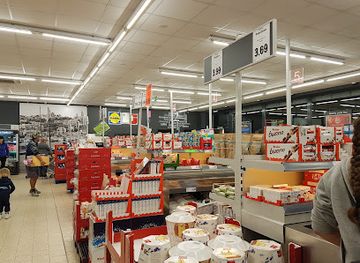
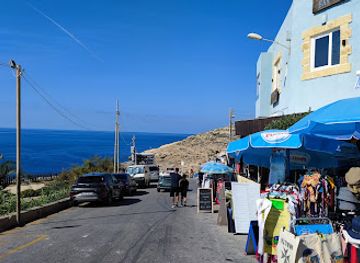
Shopping at Blue Grotto is limited and focused on visitor essentials, refreshments and locally oriented souvenirs rather than a substantial retail scene. The small businesses around Wied iż-Żurrieq may offer items associated with a day by the coast, while wider shopping and everyday services are more readily found in Żurrieq and other larger southern settlements. Visitors looking for Maltese food products, crafts, ceramics, art or textiles should treat Blue Grotto as a sightseeing stop and explore established village shops, specialist retailers or markets elsewhere on the island rather than expecting a purpose-built shopping district. Local produce and packaged regional foods can be useful souvenirs, but availability varies between businesses. The area’s most characteristic purchase is often connected to the coastal experience itself, such as refreshments after the walk down to the inlet.
-
Discount supermarket
Lidl
Explore Lidl in Żurrieq, Malta - your discount supermarket for fresh produce, local snacks, and incredible savings on every shopping trip.
-
Mediterranean
Azul Restaurant
Discover the flavors of the Mediterranean at Azul Restaurant in Wieq, where exquisite seafood, brunch delights, and delightful desserts await you.
-
Fish store
La Spigola Fish Shop Zurrieq
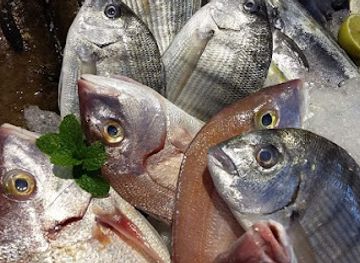
Discover the freshest seafood in Żurrieq at La Spigola Fish Shop, where quality meets local tradition in every catch.
-
Bathroom supply store
Farell Bathrooms
Explore Farell Bathrooms in Żurrieq for exquisite bathroom supplies and expert remodeling services to transform your space into a luxurious retreat.
Get your free copy of our complete guide to Blue Grotto, delivered straight to you.
Everything on this page, from attractions and restaurants to essentials and local phrases, in one PDF you can read offline, print or share.
Already have an account? Sign in
Your Blue Grotto guide is ready.
We'll send it to · Not you? Sign out

Getting your guide ready…
We are putting together a fresh copy of the Blue Grotto guide. This can take up to a minute.
This can take a few moments. If your browser asks, choose Allow so the download can start. You'll find the guide in your Downloads folder.
Nothing happened? Download it again
Sorry, the guide is taking longer than usual. Please try again in a minute, or get it by email instead.
Blue Grotto essentials
Currency and Payment
Safety
Emergency Situations
Do's and Don'ts
Local Tips
From Eve
Local phrases worth knowing
You don't need to get them perfect. A few words go a long way, and locals appreciate the effort.
Basics
| English | Local | Say it |
|---|---|---|
| Hello | Merħba | [Mer-hba] |
| Goodbye | Ċaw | [Chaw] |
| Yes | Iva | [Ee-va] |
| No | Le | [Leh] |
| Please/You're welcome | Jekk jogħġbok | [Yekk yoj-bok] |
| Thank you | Grazzi | [Grat-see] |
| Excuse me/Sorry | Jekk jogħġbni | [Yekk yoj-bnee] |
| How are you? | Kif int? | [Kif int?] |
| Fine. And you? | Tajjeb. U int? | [Tai-yeb. Oo int?] |
| Do you speak English? | Titkellem bl-Ingliż? | [Tit-kel-lem bing-lees?] |
| I don't understand | Ma nifhimx | [Ma nee-feems] |
Eating & Drinking
| English | Local | Say it |
|---|---|---|
| I'd like to see the menu, please | Nixtieq inara l-menù, jekk jogħġbok | [Nis-tyek in-ara l-menoo, yekk yoj-bok] |
| I don't eat meat | Ma nikolx laħam | [Ma nee-kol la-ham] |
| Cheers! | Saħħa | [Sa-ha] |
| I would like to pay, please | Nixtieq inħallas, jekk jogħġbok | [Nis-tyek in-hal-las, yekk yoj-bok] |
Emergencies
| English | Local | Say it |
|---|---|---|
| Help! | Għajjat! | [Ajjat!] |
| Go away! | Mur! | [Moor!] |
| Call the Police! | Illejla l-Pulizija! | [Il-leyla l-Po-lee-zee-ya!] |
| Call a doctor! | Illejla tabib! | [Il-leyla ta-beeb!] |
| I'm lost | Inkejt | [In-ket] |
| I'm ill | Jien iżjed | [Yeen iz-yed] |
Shopping
| English | Local | Say it |
|---|---|---|
| I'd like to buy... | Nixtieq inneħħi... | [Nis-tyek in-ne-hi...] |
| I'm just looking | Qed nara biss | [Ked na-ra bis] |
| How much is it? | Kemm huwa? | [Kem hoo-wa?] |
| That's too expensive | Dan huwa wisq sħiħ | [Dan hoo-wa weesk sheeh] |
| Can you lower the price? | Tista' tniżżel il-prezz? | [Tistah tneez-zel il-prezz?] |
Time & Numbers
| English | Local | Say it |
|---|---|---|
| What time is it? | Xi ħin huwa? | [Shee heen hoo-wa?] |
| It's one o'clock | Huwa l-ewwel siegħa | [Hoo-wa l-ew-wel see-eha] |
| Half past (10) | Nofsinhar (10) | [Noff-sin-har (10)] |
| Morning | Il-ġurnata | [Il-jur-na-ta] |
| Afternoon | Waranofsinhar | [Wa-ran-off-sin-har] |
| Evening | Wara l-ikla | [Wa-ra lik-la] |
| Yesterday | Ilbieraħ | [Il-bier-ah] |
| Today | Illum | [Ill-um] |
| Tomorrow | Għada | [A-da] |
| 1 | Waħda | [Wah-da] |
| 2 | Tnejn | [Tnejn] |
| 3 | Tlieta | [Tlee-ta] |
| 4 | Erba' | [Er-ba] |
| 5 | Ħamsa | [Ham-sa] |
| 6 | Sitta | [Sit-ta] |
| 7 | Sebgħa | [Seb-gha] |
| 8 | Tmienja | [Tmie-en-ja] |
| 9 | Disgħa | [Dis-gha] |
| 10 | Għaxra | [Akh-ra] |
Transport & Directions
| English | Local | Say it |
|---|---|---|
| Where's a/the...? | Fejn hemm... | [Feyn hemm...] |
| What's the address? | Xi hu l-indirizz? | [Shee hoo l-indi-reez?] |
| Can you show me (on the map)? | Tista' turiini (fuq il-mappa)? | [Tistah too-ree-nee (fuq il-map-pa)?] |
| When's the next (bus)? | Meta hu l-bidu (tal-linja)? | [Me-ta hoo l-bee-doo (tal-lin-ya)?] |
| A ticket (to ....) | Biljetta (għal ....) | [Bil-yet-ta (al ....)] |
History of Blue Grotto
A Limestone Coast Shaped by the Sea
Blue Grotto’s setting is the result of Malta’s limestone geology and the long action of waves along a faulted, exposed coastline. The cliffs and caves are formed in the island’s sedimentary rocks, while erosion has enlarged natural fractures and created the arches and chambers visible from the sea. The colour associated with the grotto is produced by the interaction of clear Mediterranean water, reflected light, pale rock and the enclosed forms of the caves, rather than by a separate underground river or lake.
Wied iż-Żurrieq’s Maritime Community
The small inlet of Wied iż-Żurrieq developed as a coastal working settlement associated with Żurrieq, one of Malta’s historic rural villages. Its relationship with the sea was expressed through small-scale fishing and the practical use of the sheltered inlet, while the surrounding plateau remained connected to agriculture and village life. The hamlet’s modest scale, boat activity and waterfront buildings still distinguish it from Malta’s larger harbour towns and purpose-built coastal resorts.
From Coastal Locality to Visitor Attraction
Blue Grotto became increasingly prominent as Malta’s roads, sightseeing culture and coastal tourism developed. The viewpoint above the caves turned the headland into one of the island’s most recognisable scenic stops, while small boats from Wied iż-Żurrieq made the formations accessible from sea level. Visitor interest has grown alongside appreciation of southern Malta’s archaeological and rural heritage, particularly the nearby temple complexes, although the Blue Grotto area itself remains a compact coastal locality rather than a large tourism centre.
Blue Grotto in Photos
Browse through our photo collection highlighting the charm and character of the destination.
Cities in Blue Grotto
The towns and cities of Blue Grotto, and the easiest places to base yourself.
-

-

-

-

-

-


Swipe for more cities
Neighbouring destination travel guides
The closest destinations to Blue Grotto, if you have time for more than one.
-

-

-
-

-


Swipe for more destinations
Explore more

Explore more of Western Region
Discover the Western Region of Malta: A blend of history, natural beauty, and local culture, offering a tranquil escape from the bustling tourist spots.
Explore Western Region
Explore more of Malta
Discover Malta's crystal-clear waters, rich history, and vibrant culture. From ancient temples to modern nightlife, this Mediterranean gem offers something for everyone.
Explore Malta