

Free Southern Region Travel Guide & Mobile App
Explore Southern Region with free travel guides. Discover regional history, expert tips, proposed trips, and audio guides on web or mobile app.


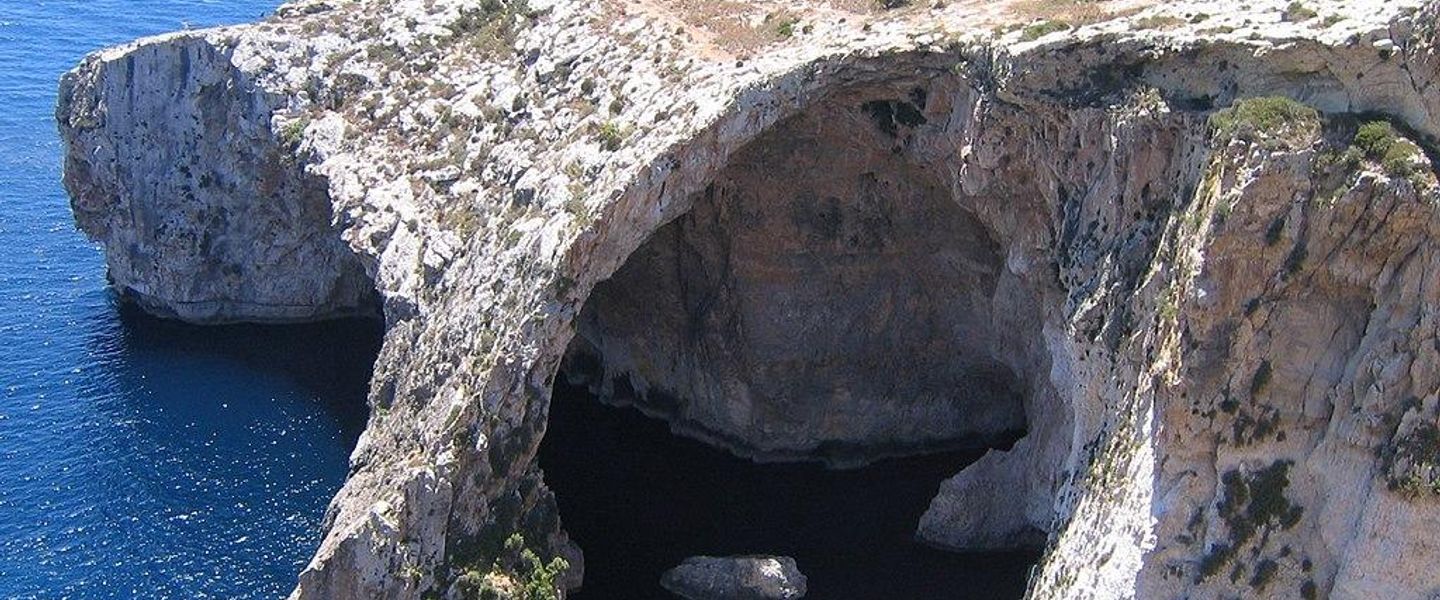


Discover the Southern Region of Malta: A blend of ancient history, stunning coastal scenery, and charming fishing villages for an unforgettable Maltese experience.
Read more about Southern Region
When is the best time to visit Southern Region?
Best: June–August · 23–26°C| Month | High (°C) | Rainfall (mm) |
|---|---|---|
| January | 0 | 40 |
| February | 2 | 35 |
| March | 7 | 45 |
| April | 13 | 55 |
| May | 18 | 60 |
| June (best) | 23 | 65 |
| July (best) | 26 | 60 |
| August (best) | 25 | 55 |
| September | 21 | 50 |
| October | 14 | 45 |
| November | 7 | 40 |
| December | 1 | 45 |
Getting to and around Southern Region
How to get there
Transportation
Top city travel guides in Southern Region
The cities of Southern Region, and the easiest places to base yourself.
-

-

-

-

-

-


Swipe for more cities
Destinations in Southern Region
Resorts, valleys and scenic spots worth a trip of their own.
-

-


Swipe for more destinations
Best attractions in Southern Region
The Southern Region of Malta offers a captivating blend of history, culture, and natural beauty that is sure to enchant any visitor. Explore the ancient megalithic temples of Ħaġar Qim and Mnajdra, some of the oldest free-standing structures in the world, and marvel at their architectural prowess. Wander through the charming streets of Birgu, one of the oldest cities in Malta, where you can experience the rich maritime heritage at the Malta Maritime Museum and the impressive Fort St. Angelo. For nature enthusiasts, the stunning Blue Grotto provides breathtaking views and opportunities for boat tours through its crystal-clear waters. Don't miss the vibrant local markets and the delectable Maltese cuisine, with fresh seafood being a highlight. Adventure seekers can dive into the underwater world off the coast of Marsaxlokk, a picturesque fishing village known for its colorful boats and bustling Sunday market. The Southern Region of Malta is a treasure trove of experiences waiting to be discovered.
-
Resort hotel
Ramla Bay Resort
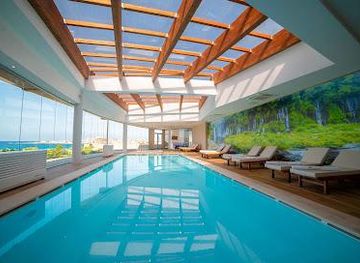
Experience the beauty of Malta at Ramla Bay Resort, a perfect blend of relaxation, adventure, and gastronomic delights in a stunning beachfront setting.
-
Tourist attraction
Palazz San Anton
Explore the historical elegance and tranquil gardens of Palazz San Anton, a must-visit attraction in Attard, Malta.
-
Tourist attraction
Montekristo Estate
Explore Montekristo Estate in Siġġiewi, Malta - a vibrant blend of animal parks, breweries, and delicious dining experiences await you.
-
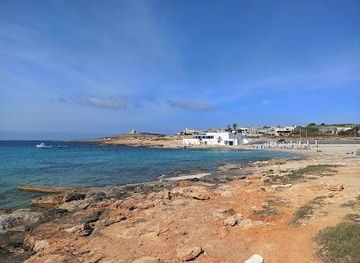
Beach
Little Armier Beach
Experience the tranquility of Little Armier Beach, a serene coastal paradise in Mellieħa, Malta, perfect for sunbathing and water sports.
Best landmarks in Southern Region
The Southern Region of Malta offers a captivating blend of history, culture, and natural beauty that will enchant any visitor. Step into the ancient past at the UNESCO World Heritage sites of the Ħaġar Qim and Mnajdra temples, marvel at the prehistoric wonders that predate the pyramids. Wander through the vibrant streets of Marsaxlokk, a picturesque fishing village renowned for its colorful luzzu boats and bustling Sunday fish market. Discover the dramatic Blue Grotto, where azure waters and stunning sea caves provide a breathtaking backdrop for boat tours and diving adventures. Explore the heritage-rich town of Birżebbuġa, home to the tranquil Pretty Bay and the fascinating Għar Dalam cave, which showcases an intriguing array of prehistoric artifacts. The Southern Region's fusion of antiquity and scenic charm promises an unforgettable journey into Malta's rich and varied past.
-
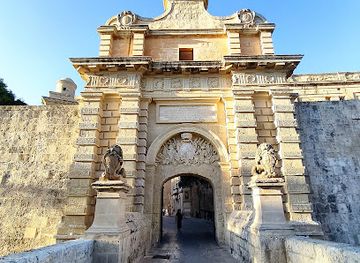
Historical landmark
Mdina Gate
Discover the majestic Mdina Gate, a historic landmark that transports you to Malta's rich past with its stunning architecture and captivating views.
-
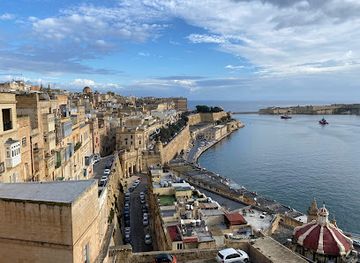
Park
Upper Barrakka
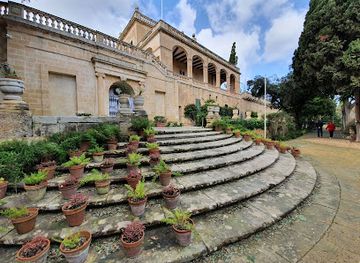
Discover the serene beauty and historical significance of Upper Barrakka Gardens, offering stunning views of Valletta's Grand Harbour.
-
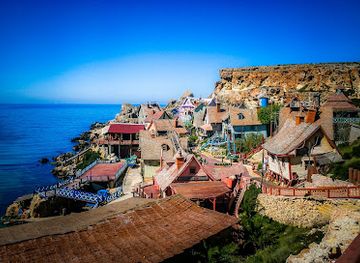
Theme park
Popeye Village
Experience the magic of childhood at Popeye Village, Malta's whimsical theme park filled with fun activities, stunning views, and delightful characters.
-
Fountain
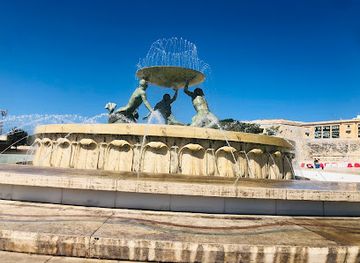
Triton Fountain
Explore the Triton Fountain, an iconic landmark in Floriana, Malta, showcasing stunning art and historical significance in a vibrant atmosphere.
Explore Southern Region on the map
Plan your trip on one map. See where the top cities, national parks and sights are, and book hotels and experiences in a few clicks.
Best hotels in Southern Region
Best restaurants in Southern Region
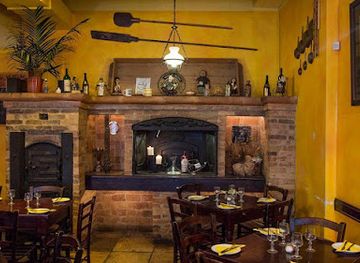
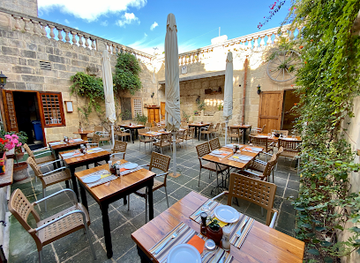
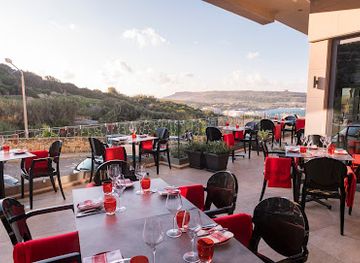
The Southern Region of Malta offers a vibrant dining scene that seamlessly blends traditional Maltese flavors with contemporary culinary innovation. Visitors can expect to indulge in fresh seafood caught daily from the Mediterranean, expertly prepared dishes featuring local ingredients such as rabbit, octopus, and the island's renowned honey. Picturesque coastal towns like Marsaxlokk boast charming waterfront eateries where you can savor lampuki pie and aljotta (fish soup) while enjoying breathtaking sea views. The area is also dotted with rustic village restaurants that invite you to experience hearty, home-cooked meals in a cozy, authentic setting. Don't miss out on the region's diverse wine selections, particularly the robust reds and crisp whites from local vineyards that perfectly complement the rich, flavorsome cuisine.
-
Maltese
Ta' Kris
Discover authentic Maltese cuisine at Ta' Kris Bistro in Sliema - A must-visit culinary gem for travelers seeking local flavors.
-
Italian
Coogi's Restaurant & Tea Garden
Experience exquisite Italian and Maltese cuisine at Coogi's Restaurant & Tea Garden in Mdina with stunning views and a tranquil ambiance.
-
Mediterranean
one80 Kitchen & Lounge
Experience exquisite Mediterranean cuisine at One80 Kitchen & Lounge in Mellieħa – where flavor meets stunning views.
-
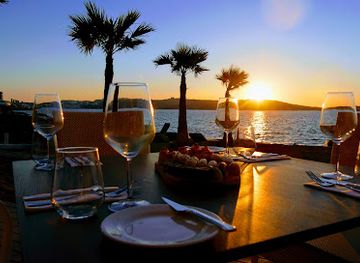
Restaurant
Nine Lives Malta
Experience authentic Mediterranean cuisine at Nine Lives Malta with breathtaking views and locally sourced ingredients.
Best bars in Southern Region
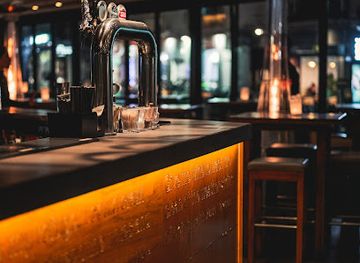
The Southern Region of Malta offers a vibrant and diverse nightlife scene that seamlessly blends rich history with contemporary entertainment. Visitors can start their evening in the charming village squares of Marsaxlokk or Żejtun, where traditional Maltese wine bars and eateries serve local delicacies accompanied by live folk music. As the night progresses, the coastal town of Birżebbuġa comes alive with beachfront bars and open-air clubs, offering breathtaking views of the Mediterranean Sea. For those looking for a more laid-back experience, the historic towns of Qrendi and Gudja provide quaint pubs nestled in centuries-old buildings, perfect for a quiet drink under the stars. Whether you're in the mood for dancing the night away or savoring a quiet cocktail, the Southern Region's nightlife promises an unforgettable experience steeped in both tradition and modernity.
-
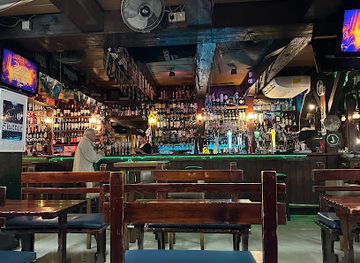
Live music bar
Black Gold Saloon
Discover Black Gold Saloon in Sliema, Malta: a lively live music bar and restaurant offering delicious cuisine and unforgettable entertainment.
-
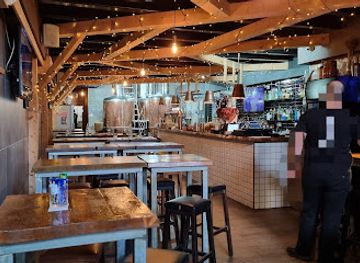
Restaurant
The Brew Grill & Brewery
Discover the best of Maltese cuisine and craft brewing at The Brew Grill & Brewery, a vibrant dining destination in Sliema.
-
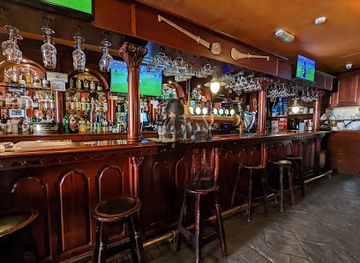
Irish pub
The Dubliner
Discover The Dubliner, an authentic Irish pub in St. Julian's, Malta, where lively ambiance and traditional fare create unforgettable moments.
-
Restaurant
Hugo's Terrace & Rooftop
Savor exquisite Mediterranean flavors and breathtaking views at Hugo's Terrace & Rooftop in St. Julian's, Malta.
Best nightclubs in Southern Region
The Southern Region of Malta offers a vibrant and diverse nightlife scene that seamlessly blends rich history with contemporary entertainment. Visitors can start their evening in the charming village squares of Marsaxlokk or Żejtun, where traditional Maltese wine bars and eateries serve local delicacies accompanied by live folk music. As the night progresses, the coastal town of Birżebbuġa comes alive with beachfront bars and open-air clubs, offering breathtaking views of the Mediterranean Sea. For those looking for a more laid-back experience, the historic towns of Qrendi and Gudja provide quaint pubs nestled in centuries-old buildings, perfect for a quiet drink under the stars. Whether you're in the mood for dancing the night away or savoring a quiet cocktail, the Southern Region's nightlife promises an unforgettable experience steeped in both tradition and modernity.
-
Lounge
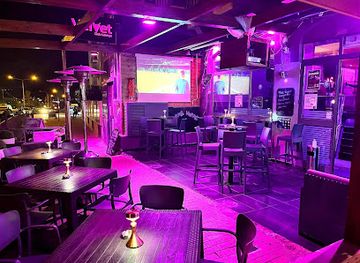
VELVET LOUNGE CLUB (SHISHA AND FOOD )
Discover Velvet Lounge Club: a vibrant cocktail and shisha bar in San Pawl il-Baħar, perfect for a night of relaxation and entertainment.
-
Night club
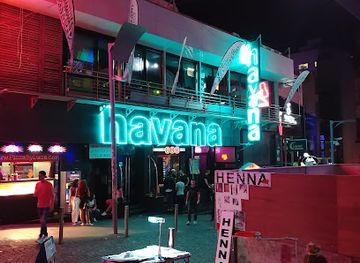
Havana Club Malta
Dive into the vibrant nightlife of St Julian's at Havana Club Malta, where electrifying music and a lively atmosphere await.
-
Night club
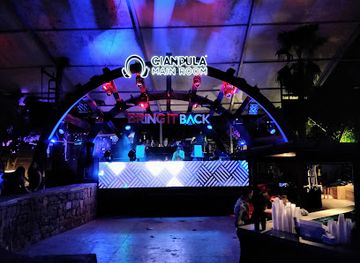
Gianpula Main Room
Experience the vibrant nightlife at Gianpula Main Room, Malta's ultimate night club, featuring eclectic music and an unforgettable party atmosphere.
-
Night club
The Nordic Bar
Discover the vibrant nightlife of St Julian's at The Nordic Bar, a premier night club offering great music, drinks, and a lively atmosphere.

Best shops in Southern Region
In the Southern Region of Malta, visitors can immerse themselves in a vibrant and eclectic shopping scene that beautifully marries traditional Maltese craftsmanship with contemporary flair. Step into bustling marketplaces like the Marsaxlokk Fish Market, where the air is filled with the aroma of fresh seafood and the stalls brim with local produce, artisanal crafts, and colorful souvenirs. Explore charming, narrow streets lined with quaint boutiques offering delicate filigree jewelry, hand-woven lace, and intricately designed ceramics. Don't miss the opportunity to visit family-run shops in historic towns such as Birgu and Żejtun, where you can find unique, locally-made treasures and experience the warm hospitality of the Maltese people. The Southern Region's shopping experience is not just about buying items; it's a journey through Malta's rich cultural tapestry and a chance to take home a piece of its enduring heritage.
-
Shopping mall
The Point Shopping Mall
Explore The Point Shopping Mall in Sliema, Malta - a premier shopping destination offering an array of brands, dining, and stunning Mediterranean views.
-
Shopping mall
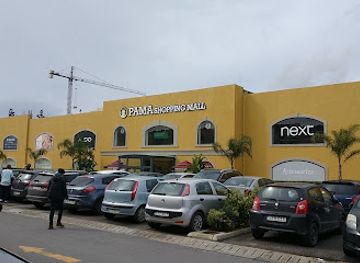
PAMA Shopping Mall
Explore PAMA Shopping Mall in Mosta, Malta for a diverse shopping experience with dining and entertainment options for all ages.
-
Shopping mall
Bay Street Shopping Complex
Discover shopping, dining, and entertainment at Bay Street Shopping Complex, the ultimate destination in St. Julian's, Malta.
-
Shopping mall
Main Street Shopping Complex, Paola
Discover the Main Street Shopping Complex in Paola, a vibrant destination for shopping, dining, and local culture.

Get your free copy of our complete guide to Southern Region, delivered straight to you.
Everything on this page, from attractions and restaurants to essentials and local phrases, in one PDF you can read offline, print or share.
Already have an account? Sign in
Your Southern Region guide is ready.
We'll send it to · Not you? Sign out

Getting your guide ready…
We are putting together a fresh copy of the Southern Region guide. This can take up to a minute.
This can take a few moments. If your browser asks, choose Allow so the download can start. You'll find the guide in your Downloads folder.
Nothing happened? Download it again
Sorry, the guide is taking longer than usual. Please try again in a minute, or get it by email instead.
Southern Region essentials
Currency and Payment
Safety
Emergency Situations
Do's and Don'ts
Local Tips
From Eve
Local phrases worth knowing
You don't need to get them perfect. A few words go a long way, and locals appreciate the effort.
Basics
| English | Local | Say it |
|---|---|---|
| Hello | Howdy | [hau-dee] |
| Goodbye | See ya | [see yah] |
| Yes | Yep | [yehp] |
| No | Nope | [nohp] |
| Please/You’re welcome | Please/No problem | [pleez/noh prah-bluhm] |
| Thank you | Thanks | [thangs] |
| Excuse me/Sorry | Excuse me/Sorry | [ex-kyoos mee/sor-ee] |
| How are you? | How ya doin'? | [hau yah doin'] |
| Fine. And you? | Good. And you? | [guhd. And yah?] |
| Do you speak English? | Do ya speak English? | [doo yah speek ing-glish?] |
| I don’t understand | I don’t get it | [I dohnt get it] |
Eating & Drinking
| English | Local | Say it |
|---|---|---|
| I’d like to see the menu, please | Can I see the menu, please? | [kan I see thuh men-yoo, pleez?] |
| I don’t eat meat | I don’t eat meat | [I dohnt eet meet] |
| Cheers! | Cheers! | [cheers] |
| I would like to pay, please | I’d like to pay, please | [I’d laik to pay, pleez] |
Emergencies
| English | Local | Say it |
|---|---|---|
| Help! | Help! | [help] |
| Go away! | Get lost! | [get lost] |
| Call the Police! | Call the cops! | [kol thuh kops] |
| Call a doctor! | Get a doctor! | [get a dok-tor] |
| I’m lost | I’m lost | [I’m lost] |
| I’m ill | I’m not feeling well | [I’m not feel-ing wel] |
Shopping
| English | Local | Say it |
|---|---|---|
| I’d like to buy... | I wanna buy... | [I wanna buy...] |
| I’m just looking | I’m just browsing | [I’m just brow-zing] |
| How much is it? | How much is this? | [How muhch is this?] |
| That’s too expensive | That’s a bit pricey | [That’s a bit pry-see] |
| Can you lower the price? | Can ya drop the price? | [Kan yah drop thuh pryce?] |
Time & Numbers
| English | Local | Say it |
|---|---|---|
| What time is it? | What time is it? | [What taim is it?] |
| It’s one o’clock | It’s one o’clock | [It’s wun uh-klok] |
| Half past (10) | Half past ten | [Haf past ten] |
| Morning | Morning | [mor-ning] |
| Afternoon | Afternoon | [af-ter-noon] |
| Evening | Evening | [eev-ning] |
| Yesterday | Yesterday | [yes-ter-day] |
| Today | Today | [to-day] |
| Tomorrow | Tomorrow | [to-mor-row] |
| 1 | One | [wun] |
| 2 | Two | [too] |
| 3 | Three | [three] |
| 4 | Four | [for] |
| 5 | Five | [fiv] |
| 6 | Six | [siks] |
| 7 | Seven | [sev-en] |
| 8 | Eight | [ayt] |
| 9 | Nine | [nayn] |
| 10 | Ten | [ten] |
Transport & Directions
| English | Local | Say it |
|---|---|---|
| Where's a/the...? | Where’s the...? | [Where’s thuh...?] |
| What’s the address? | What’s the address? | [What’s thuh ad-dress?] |
| Can you show me (on the map)? | Can ya show me (on the map)? | [Kan yah sho mee (on thuh map)?] |
| When’s the next (bus)? | When’s the next (bus)? | [When’s thuh nekst (bus)?] |
| A ticket (to ....) | A ticket (to ....) | [A tik-it (to ....)] |
History of Southern Region
Introduction to the Southern Region
The Southern Region of Malta, known locally as 'Ir-Raħal Ġdid', offers a rich tapestry of history and culture that dates back thousands of years. This area is home to some of the most significant archaeological sites, historic towns, and cultural landmarks in Malta.
The Hypogeum of Ħal-Saflieni
Dating back to around 4000 BCE, the Hypogeum of Ħal-Saflieni is an underground prehistoric burial site and a UNESCO World Heritage Site. It is considered one of the oldest and most well-preserved examples of subterranean structures, showcasing the advanced engineering skills of Malta’s early inhabitants.
Marsaxlokk: The Fishing Village
Marsaxlokk is a picturesque fishing village that has played a crucial role in Malta's maritime history. Known for its vibrant Sunday fish market and traditional 'Luzzu' boats, Marsaxlokk was also the landing site of the Ottoman forces during the Great Siege of Malta in 1565.
The Tarxien Temples
The Tarxien Temples, dating back to 3150 BCE, are a complex of megalithic structures that provide insight into the ceremonial practices of Malta's early inhabitants. These temples are renowned for their intricate carvings and serve as a testament to the island's prehistoric culture.
Fort St. Angelo and the Knights of Malta
Located in Birgu, Fort St. Angelo has been a strategic military fortification for centuries. It became the headquarters of the Knights of St. John in the 16th century and played a pivotal role during the Great Siege of 1565. Today, it stands as a symbol of Malta’s resilient spirit.
The Inquisitor’s Palace
Situated in the heart of Birgu, the Inquisitor’s Palace dates back to the 16th century and served as the residence and tribunal of the inquisitors of Malta. The palace offers a glimpse into the island's inquisitorial past and the broader history of the Catholic Church in Malta.
Vittoriosa: The City of the Knights
Vittoriosa, also known as Birgu, is one of the Three Cities and was the initial seat of the Knights of St. John upon their arrival in Malta. Its historic streets and buildings, such as the Auberge de France and the Church of St. Lawrence, reflect the Knights' influence on Maltese architecture and culture.
Zejtun and the Cotton Industry
Zejtun, often referred to as ‘Città Beland’, is a town with a rich history in the cotton industry. During the 17th and 18th centuries, Zejtun was a major center for cotton production and trade, contributing significantly to the Maltese economy of the time.
Marsaskala: From Fishing to Tourism
Marsaskala, once a small fishing village, has evolved into a popular tourist destination. The town’s development from a humble fishing port to a bustling seaside resort reflects the broader economic and social changes in Malta over the centuries.
The Siege of Malta and St. Thomas Tower
St. Thomas Tower, located in Marsaskala, was built by the Knights of St. John in 1614 as part of the island's coastal defense system. It played a significant role during the Siege of Malta, providing a strategic vantage point against Ottoman attacks.
Southern Region in Photos
Browse through our photo collection highlighting the charm and character of the destination.
Neighbouring regions of Southern Region
The closest regions to Southern Region, if you have time for more than one.
-

-

-
-

-


Swipe for more regions
Explore more
Explore more of Malta
Discover Malta's crystal-clear waters, rich history, and vibrant culture. From ancient temples to modern nightlife, this Mediterranean gem offers something for everyone.
Explore Malta