

Free Provincetown Travel Guide & Mobile App
Plan your Provincetown trip with Evendo. Get free guides to top attractions, restaurants, hotels, and bars. Web access or download the mobile app.


Provincetown, Massachusetts pairs Cape Cod beaches, Pilgrim history, artists’ galleries, LGBTQ+ culture, seafood and spirited harbourfront life at land’s end.
At the Outer Cape
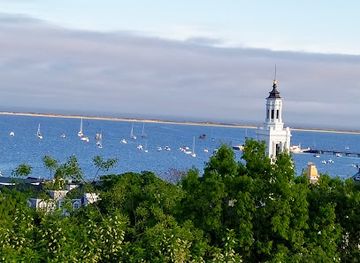
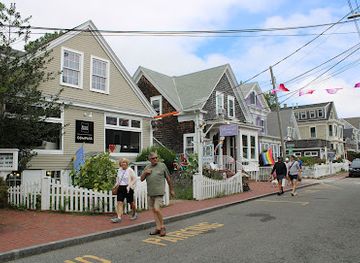
\n\nProvincetown occupies the narrow tip of Cape Cod, where the peninsula curves around a sheltered harbour and the Atlantic opens towards the horizon. The town’s compact centre follows Commercial Street, a lively waterfront thoroughfare lined with nineteenth-century houses, galleries, cafés, seafood restaurants and independent shops. Beyond the buildings, sandy beaches, salt marshes and rolling dunes create a landscape that feels both exposed and intimate, shaped by wind, tide and long maritime traditions.\n\nHistory on the Harbour
\n\nThe harbour is associated with one of the defining episodes in American history: the Mayflower anchored here in November 1620 before the Pilgrims continued to Plymouth. The Pilgrim Monument rises above the town as a visible reminder of that arrival, while the Provincetown Museum explores the settlement’s early story. Fishing, whaling and maritime trade later shaped the community, leaving a built heritage of weathered homes, working waterfront spaces and narrow lanes.\n\nArt, Performance and Community
\n\nProvincetown has long attracted painters, writers and theatre-makers, and its galleries and performance venues remain central to local life. It is also nationally recognised for its LGBTQ+ community and welcoming summer culture, expressed through cabaret, drag, nightlife, festivals and a calendar of arts events. The balance between creative energy and natural solitude is part of the town’s appeal: a morning may bring a walk through the dunes or along Herring Cove, followed by an afternoon of galleries and an evening of live performance on Commercial Street.When is the best time to visit Provincetown?
Best: June–August · 23–27°C| Month | High (°C) | Rainfall (mm) |
|---|---|---|
| January | 3 | 90 |
| February | 4 | 80 |
| March | 8 | 90 |
| April | 12 | 90 |
| May | 18 | 90 |
| June (best) | 23 | 80 |
| July (best) | 27 | 90 |
| August (best) | 26 | 90 |
| September | 23 | 90 |
| October | 17 | 100 |
| November | 11 | 100 |
| December | 5 | 100 |
Getting to and around Provincetown
How to get there
Transportation
Best attractions in Provincetown
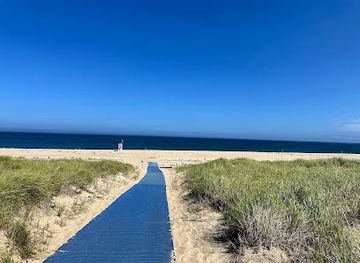
Provincetown’s attractions combine maritime history, visual art and the open landscape of the Cape Cod National Seashore. The Pilgrim Monument rises above the town with broad views over the harbour and surrounding peninsula, while the adjacent Provincetown Museum explains the Mayflower’s arrival and the community’s later development. Commercial Street provides a changing trail of galleries, studios, cafés and historic houses, and the Provincetown Art Association and Museum introduces the artists who made the town a centre of American modernism. Beyond the centre, Herring Cove offers an accessible Atlantic beach and sunset-facing shoreline, while Race Point is known for dunes, surf and the historic Race Point Lighthouse. Guided dune tours reveal the fragile terrain beyond the roads, and the West End’s quieter lanes lead towards salt marshes and harbour views. Whale-watching boats also depart seasonally from the waterfront for Stellwagen Bank, a marine sanctuary outside the town itself.
-
Tourist attraction
Pilgrim Monument and Provincetown Museum
Explore the Pilgrim Monument and Provincetown Museum, a historical landmark celebrating early American settlers, offering stunning views and rich maritime history.
18 min walk · 1.4 km from city centre
-
Tourist attraction
Pilgrim Monument and Provincetown Museum
Experience the historic Pilgrim Monument and Provincetown Museum, a stunning tribute to America's founding and a gateway to Cape Cod's scenic beauty.
18 min walk · 1.4 km from city centre
-
Beach
Race Point Beach
Experience the breathtaking beauty and tranquility of Race Point Beach in Provincetown, Massachusetts, where sandy shores meet stunning sunsets.
14 min drive · 4.8 km from city centre
-
Tourist attraction
Pilgrims' First Landing Park
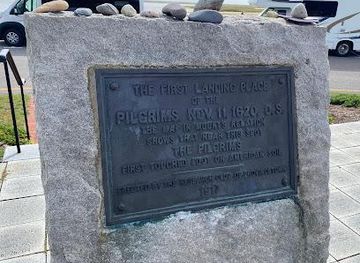
Explore the historic Pilgrims' First Landing Park in Provincetown, MA, where nature meets the rich history of America's Pilgrims.
9 min drive · 2.8 km from city centre

Best landmarks in Provincetown
The Pilgrim Monument is Provincetown’s most prominent landmark, a granite tower built between 1907 and 1910 to commemorate the Mayflower’s arrival in the harbour and the signing of the Mayflower Compact. Nearby, the Provincetown Museum occupies the monument grounds and places that event within the town’s broader maritime history. The United States Coast Guard Heritage Museum, housed in the former Old Coast Guard Station, reflects Provincetown’s long relationship with lifesaving and the sea. Commercial Street and its adjoining lanes preserve a varied mixture of nineteenth-century wooden houses, former commercial buildings and later artists’ residences, while the harbourfront remains a defining civic space. The West End’s historic homes and the Old Harbor Life-Saving Station, relocated to Race Point Beach, evoke different chapters of the town’s coastal development. Together these places express Provincetown’s colonial, maritime, architectural and cultural identities.
-
 Museum
Pilgrim Monument and Provincetown Museum
Discover the Pilgrim Monument and Provincetown Museum, a historical landmark offering breathtaking views, rich maritime history, and cultural insights.
18 min walk · 1.4 km from city centre
-
Memorial park
Pilgrims' First Landing Park
Explore the historical significance and natural beauty of Pilgrims' First Landing Park in Provincetown, a serene memorial park in Massachusetts.
9 min drive · 2.8 km from city centre
-
Visitor center
Province Lands Visitor's Center
Discover the Province Lands Visitor's Center for stunning views, educational exhibits, and a gateway to Cape Cod's natural wonders.
10 min drive · 3.5 km from city centre
-
Resort hotel
The Crown & Anchor
Experience the lively atmosphere of The Crown & Anchor, a resort hotel in Provincetown offering dining, nightlife, and cultural performances.
17 min walk · 1.4 km from city centre
Explore Provincetown on the map
Plan your Provincetown trip on one map. See where the top attractions, landmarks, restaurants, bars and hotels are, find what's near where you're staying, and book hotels and experiences in a few clicks.
Best hotels in Provincetown
Best restaurants in Provincetown
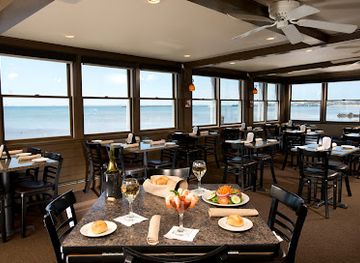
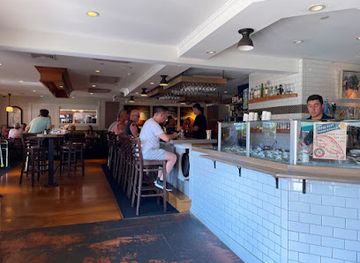
Provincetown’s dining reflects its long life as a fishing port and its connections with Portuguese and wider New England food traditions. Fresh local seafood features prominently, from oysters, clams and lobster to cod, scallops and daily fish preparations, while waterfront restaurants range from relaxed fried-seafood counters to more polished dining rooms. Portuguese influence appears in dishes and ingredients such as kale soup, salt cod, spicy sausage and seafood stews, though menus also draw on contemporary American and international cooking. Commercial Street contains much of the town’s restaurant life, with bakeries, cafés, ice-cream shops and casual places suited to daytime browsing, while the West and East Ends offer quieter settings. Fish markets and takeaway counters are useful for a less formal meal, and summer farmers’ markets may bring Cape produce, baked goods and locally made specialities into the town’s food culture.
-
Seafood
The Lobster Pot
Experience fresh seafood delights at The Lobster Pot in Provincetown - where every meal is a celebration of coastal flavors.
14 min walk · 1.2 km from city centre
-
American
The Canteen
Experience delightful American cuisine at The Canteen in Provincetown – where fresh seafood meets a vibrant atmosphere.
18 min walk · 1.5 km from city centre
-
American
Fanizzi’s Restaurant - Provincetown, MA
Discover coastal delights at Fanizzi's Restaurant in Provincetown - where American meets Italian with fresh seafood specialties.
5 min walk · 0.4 km from city centre
-
Seafood
Mac's Fish House Provincetown
Experience fresh seafood delights at Mac's Fish House in Provincetown – where local flavors meet coastal charm.
6 min drive · 1.9 km from city centre

Best bars in Provincetown
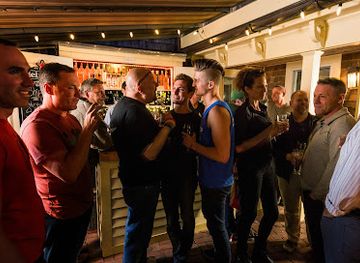
After dark, Provincetown’s social life centres on Commercial Street and a collection of established cabaret rooms, dance venues, piano bars and waterfront gathering places. The town is particularly associated with LGBTQ+ nightlife, with drag, comedy, live music and cabaret forming as important a part of the evening culture as conventional clubbing. The Crown & Anchor complex and the Atlantic House are long-established names in the local entertainment scene, while the Boatslip is associated with seasonal waterfront events. Smaller bars provide quieter spaces for cocktails, conversation and people-watching, and galleries, theatres and performance venues extend the cultural programme beyond drinking. Summer nights are the busiest, especially at weekends and during festival periods; outside the high season, the atmosphere becomes more relaxed and some entertainment operates on a reduced schedule.
-
Gastropub
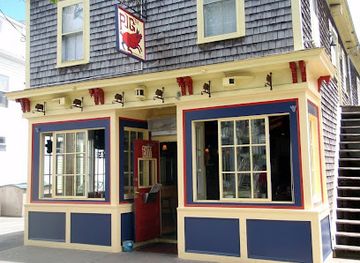
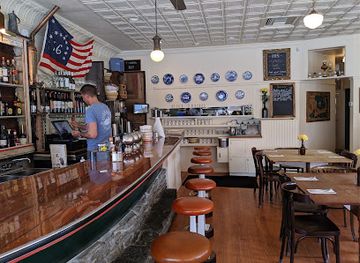
The Squealing Pig Provincetown
Experience the vibrant flavors of The Squealing Pig, a gastropub in Provincetown blending Irish and seafood cuisine in a welcoming atmosphere.
14 min walk · 1.1 km from city centre
-
Breakfast
Liz's Cafe Anybody's Bar
Explore the delightful breakfast offerings at Liz's Cafe in Provincetown, where fresh ingredients and a welcoming atmosphere await you.
6 min drive · 2.0 km from city centre
-
Bar
The Crown & Anchor
Experience the vibrant nightlife, delicious dining, and captivating entertainment at The Crown & Anchor in Provincetown, MA.
17 min walk · 1.4 km from city centre
-
New American
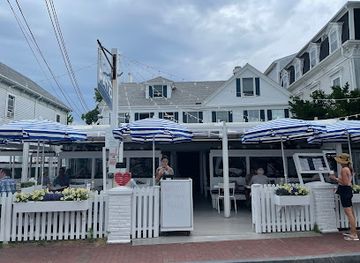
Patio American Grill
Experience the best New American cuisine at Patio American Grill in Provincetown, where fresh seafood meets vibrant dining.
14 min walk · 1.1 km from city centre
Best nightclubs in Provincetown
After dark, Provincetown’s social life centres on Commercial Street and a collection of established cabaret rooms, dance venues, piano bars and waterfront gathering places. The town is particularly associated with LGBTQ+ nightlife, with drag, comedy, live music and cabaret forming as important a part of the evening culture as conventional clubbing. The Crown & Anchor complex and the Atlantic House are long-established names in the local entertainment scene, while the Boatslip is associated with seasonal waterfront events. Smaller bars provide quieter spaces for cocktails, conversation and people-watching, and galleries, theatres and performance venues extend the cultural programme beyond drinking. Summer nights are the busiest, especially at weekends and during festival periods; outside the high season, the atmosphere becomes more relaxed and some entertainment operates on a reduced schedule.
-
Bar
The Crown & Anchor
Discover the vibrant nightlife and charming hospitality at The Crown & Anchor, the heart of entertainment in Provincetown.
17 min walk · 1.4 km from city centre
-
Bar
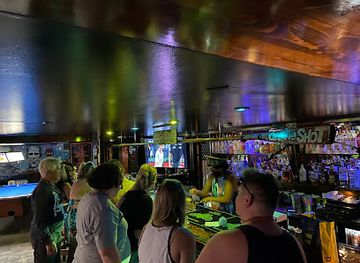
The Underground Provincetown
Experience the vibrant nightlife of Provincetown at The Underground, where drinks, dancing, and unforgettable entertainment await.
16 min walk · 1.2 km from city centre
-
Lounge
Shipwreck Lounge
Experience the vibrant charm of Shipwreck Lounge in Provincetown, where cocktails flow and good times abound in an inclusive atmosphere.
5 min drive · 1.6 km from city centre
-
Bar
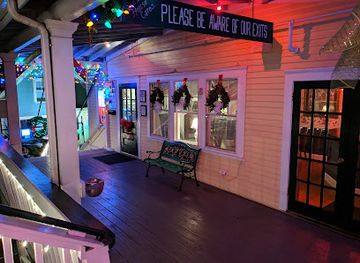
Porch Bar at Gifford House
Discover the lively Porch Bar at Gifford House in Provincetown, offering innovative cocktails and a vibrant atmosphere perfect for relaxation and socializing.
5 min drive · 1.6 km from city centre
Best shops in Provincetown
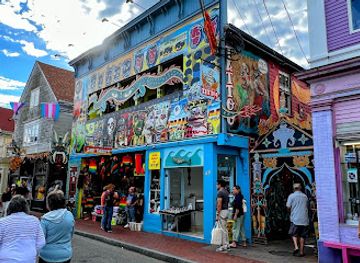
Shopping in Provincetown is concentrated along Commercial Street, where independent galleries, jewellery studios, bookshops, clothing stores, craft retailers and homeware shops occupy many of the town’s historic buildings. Art is central to the retail character: visitors will find paintings, photography, sculpture, ceramics and prints connected to the community’s long association with artists. Other purchases may include locally made ornaments, nautical goods, textiles, candles and Cape Cod food products, while small speciality shops reflect the town’s LGBTQ+ culture and theatrical personality. The East and West Ends offer additional galleries and quieter independent businesses beyond the busiest central stretch. Seasonal markets and craft events can add handmade goods, baked products and produce, but offerings vary through the year. Commercial Street is walkable, though summer crowds can make browsing slower and some premises close or reduce hours outside the main season.
-
Boutique
Shop Therapy
Discover unique gifts and local art at Shop Therapy, the charming boutique in Provincetown that captures the town's artistic spirit.
16 min walk · 1.3 km from city centre
-
Souvenir store
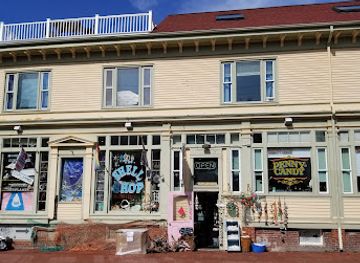
The Shell Shop
Discover unique coastal souvenirs and handcrafted treasures at The Shell Shop in Provincetown, a must-visit destination for every tourist.
16 min walk · 1.3 km from city centre
-
Gift shop
Botanica
Explore Botanica in Provincetown for unique gifts and home goods that capture the essence of Cape Cod's beauty and creativity.
12 min walk · 1.0 km from city centre
-
Boutique
Womencrafts
Explore Womencrafts in Provincetown for unique, handcrafted treasures that reflect the spirit of local artistry and culture.
12 min walk · 0.9 km from city centre

Get your free copy of our complete guide to Provincetown, delivered straight to you.
Everything on this page, from attractions and restaurants to essentials and local phrases, in one PDF you can read offline, print or share.
Already have an account? Sign in
Your Provincetown guide is ready.
We'll send it to · Not you? Sign out

Getting your guide ready…
We are putting together a fresh copy of the Provincetown guide. This can take up to a minute.
This can take a few moments. If your browser asks, choose Allow so the download can start. You'll find the guide in your Downloads folder.
Nothing happened? Download it again
Sorry, the guide is taking longer than usual. Please try again in a minute, or get it by email instead.
Provincetown essentials
Currency and Payment
Safety
Emergency Situations
Do's and Don'ts
Local Tips
From Eve
Local phrases worth knowing
You don't need to get them perfect. A few words go a long way, and locals appreciate the effort.
Basics
| English | Local | Say it |
|---|---|---|
| Hello | Ahoy | [ah-oi] |
| Goodbye | Buh-bye | [buh-bye] |
| Yes | Yep | [yep] |
| No | Nah | [nah] |
| Please/You're welcome | Sure thing | [sh-ur thing] |
| Thank you | Thanks a bunch | [thanks uh bunch] |
| Excuse me/Sorry | My bad | [my bad] |
| How are you? | How's it hangin'? | [h-ow-z i-t hang-in] |
| Fine. And you? | Doing alright. How 'bout you? | [d-oo-ing al-right. h-ow 'bout y-ou] |
| Do you speak English? | You speak English? | [y-ou speak ing-lish] |
| I don't understand | I'm lost | [i-m l-ost] |
Eating & Drinking
| English | Local | Say it |
|---|---|---|
| I'd like to see the menu, please | Can I check out the menu? | [kan i ch-ek out th-uh menu] |
| I don't eat meat | I'm a veggie | [i-m uh v-egg-ie] |
| Cheers! | Cheers! | [cheers] |
| I would like to pay, please | Check, please | [ch-ek pl-ease] |
Emergencies
| English | Local | Say it |
|---|---|---|
| Help! | Help! | [help] |
| Go away! | Beat it! | [beat it] |
| Call the Police! | Get the cops! | [g-et th-uh cops] |
| Call a doctor! | Get a doc! | [g-et uh dok] |
| I'm lost | I'm lost | [i-m l-ost] |
| I'm ill | I'm sick | [i-m s-ick] |
Shopping
| English | Local | Say it |
|---|---|---|
| I'd like to buy... | I wanna snag... | [i w-anna sn-ag] |
| I'm just looking | Just browsin' | [j-ust brow-zin] |
| How much is it? | How much? | [h-ow m-uch] |
| That's too expensive | That's steep | [that-s st-eep] |
| Can you lower the price? | Can ya do better? | [kan y-a do b-ett-er] |
Time & Numbers
| English | Local | Say it |
|---|---|---|
| What time is it? | What's the time? | [wh-ats th-uh time] |
| It's one o'clock | It's one | [it-s w-un] |
| Half past (10) | Half ten | [h-af t-en] |
| Morning | Mornin' | [m-orn-in] |
| Afternoon | Afternoon | [af-ter-noon] |
| Evening | Evenin' | [ev-en-in] |
| Yesterday | Yest'day | [y-est-day] |
| Today | Today | [t-oday] |
| Tomorrow | Tomorr'r | [t-om-orr] |
| 1 | One | [w-un] |
| 2 | Two | [t-oo] |
| 3 | Three | [thr-ee] |
| 4 | Four | [f-our] |
| 5 | Five | [f-ive] |
| 6 | Six | [s-ix] |
| 7 | Seven | [s-ev-en] |
| 8 | Eight | [e-ight] |
| 9 | Nine | [n-ine] |
| 10 | Ten | [t-en] |
Transport & Directions
| English | Local | Say it |
|---|---|---|
| Where's a/the...? | Where's the...? | [wh-eres th-uh] |
| What's the address? | What's the addy? | [wh-ats th-uh add-e] |
| Can you show me (on the map)? | Can ya point it out (on the map)? | [kan y-a point it out (on th-uh map)] |
| When's the next (bus)? | When's the next (bus)? | [wh-ens th-uh n-eks (bus)] |
| A ticket (to ....) | A ticket (to ....) | [uh tik-et (t-oo)] |
History of Provincetown
Wampanoag Lands Before European Settlement
The Outer Cape formed part of the broader homeland of Wampanoag peoples, whose communities used the peninsula’s waters, beaches and uplands for fishing, shellfishing, hunting and gathering. The region’s ecology supported seasonal movement and maritime knowledge long before European settlement. European visitors and commercial activity brought disease, economic disruption and profound political change to Indigenous communities across southeastern New England. Provincetown’s later history is therefore rooted in a landscape with a much older human story than the colonial town suggested by its eighteenth- and nineteenth-century buildings.
The Mayflower in Provincetown Harbour
In November 1620, the Mayflower reached the harbour at the tip of Cape Cod carrying the English Separatists who became known as the Pilgrims, together with other passengers. The group signed the Mayflower Compact while aboard the ship before exploring the Cape and later establishing Plymouth Colony across the bay. Although Provincetown was not the site of the colony’s permanent settlement, the harbour became a significant setting in the early English colonial narrative. The Pilgrim Monument and Provincetown Museum interpret this episode alongside the wider history of the Cape and its Indigenous inhabitants.
A Maritime Community Takes Shape
Provincetown developed as a permanent settlement during the colonial period and was incorporated as a town in 1727. Its deep harbour and position near busy Atlantic fishing grounds encouraged fishing, salt-making, shipping and related trades. Houses and wharves gradually gathered around the waterfront, while the community remained closely connected to the sea. The town’s exposed location at the end of the Cape made maritime work hazardous, but it also brought commerce and contact with other ports. Many later buildings and street patterns reflect this era of a small, outward-looking harbour community.
Fishing, Whaling and Portuguese Migration
During the nineteenth century, Provincetown grew as a fishing and whaling port, with boatbuilding and processing industries supporting the local economy. Portuguese immigrants, particularly from the Azores and Cape Verde, became an important part of the town’s population and maritime workforce. Their influence remains visible in family histories, religious traditions and local foodways, including the continued importance of seafood and Portuguese-inspired dishes. As improved transport and changing maritime industries altered the economy, the town’s waterfront gradually became less industrial and more closely connected to tourism, leisure and cultural life.
Artists, Writers and the Provincetown Players
Artists began arriving in significant numbers in the late nineteenth and early twentieth centuries, drawn by the Cape’s distinctive light, relatively inexpensive living and secluded landscape. Provincetown became associated with modern American art through painters who worked outdoors and through a growing network of studios and galleries. In 1915, the Provincetown Players helped establish the town as an important centre for experimental theatre; the group later presented plays by writers including Eugene O’Neill. This artistic history still shapes the town’s galleries, theatres, workshops and seasonal cultural calendar.
An LGBTQ+ Cultural Centre
Across the twentieth century, Provincetown developed a reputation as a place where LGBTQ+ visitors and residents could find community, creative freedom and public expression. Summer entertainment, cabaret, drag performance and social organisations became particularly influential, while artists and performers continued to reinforce the town’s unconventional character. The growth of tourism after the arrival of improved roads and regular ferry connections brought greater visibility and prosperity, though it also increased seasonal pressure on housing and infrastructure. Today, LGBTQ+ culture remains a defining part of Provincetown’s identity alongside its maritime and artistic heritage.
Provincetown in Photos
Browse through our photo collection highlighting the charm and character of the destination.
Cities near Provincetown
The closest cities to Provincetown, if you have time for more than one stop.
-

-

-

-

-


Swipe for more cities
Explore more

Explore more of Massachusetts
Discover Massachusetts: A blend of rich history, stunning landscapes, and vibrant culture. From Boston's historic sites to Cape Cod's beaches, it's the heart of New England.
Explore Massachusetts