

Malecón (Veracruz) Travel Guide - Free
Explore Malecón in Veracruz with Evendo's free guide. Find the best shops, historic streets, restaurants, and gems on web or mobile.


Malecón Veracruz pairs Gulf sunsets with port history, seafood, plazas, museums and lively waterfront walks in Mexico’s historic coastal city centre.
The Waterfront and the Port
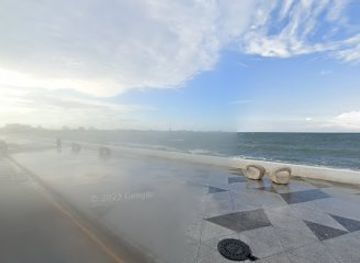
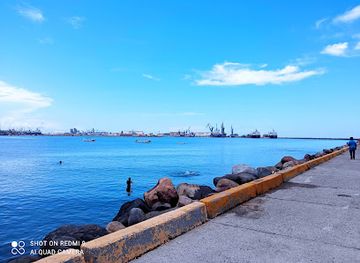
Malecón is Veracruz’s public-facing waterfront: a broad promenade along the Gulf of Mexico where the historic city meets one of the country’s most important ports. In common local usage, the name refers chiefly to the seafront walk and the adjoining central waterfront around Plaza de la República, rather than to a strictly defined administrative neighbourhood. The atmosphere changes with the light: cargo vessels and working harbour infrastructure provide the backdrop by day, while the sea breeze, open horizon and illuminated buildings give the promenade a particularly sociable character after sunset.Read more about Malecón
History in the Streets
Walking, Food and Everyday Life
Best attractions in Malecón
Malecón’s main attraction is the waterfront promenade itself, where visitors can look across the Gulf, watch vessels moving through the harbour and see Veracruz’s maritime infrastructure at close range without entering restricted port areas. Plaza de la República provides an important civic setting beside the seafront, while the Faro Venustiano Carranza and the Museo Naval México add architectural and historical interest nearby. Walkers can follow the waterfront towards the central historic streets, combining sea views with the Aduana Marítima and other buildings associated with commerce and administration. The promenade is particularly appealing for sunset light, sea breezes and people-watching, although it should be understood as part of a working port rather than a landscaped resort beach. The nearby Centro Histórico extends the visit towards plazas, cafés and religious landmarks.
-
Tourist attraction
Tranvias Veracruz
Experience the charm of Heroica Veracruz aboard the nostalgic Tranvías Veracruz, a scenic journey through history and culture.
6 min drive · 2.1 km from neighbourhood centre
-
Tourist attraction
Malecón de Veracruz por la pizta
Experience the vibrant Malecón de Veracruz, a lively waterfront promenade filled with stunning ocean views, local culture, and delicious cuisine.
7 min drive · 2.5 km from neighbourhood centre
Best landmarks in Malecón
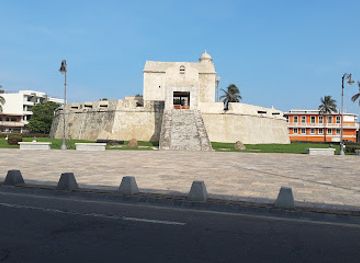
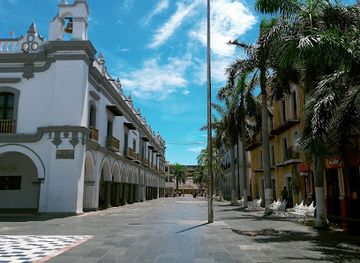
The Malecón’s landmarks express Veracruz’s identity as a commercial and naval port. The Faro Venustiano Carranza is a prominent waterfront marker beside Plaza de la República, while the Museo Naval México preserves and interprets Mexico’s maritime and naval history in a building close to the seafront. The Aduana Marítima represents the customs infrastructure that once regulated the movement of goods through Veracruz, and the surrounding civic architecture helps explain how the port was tied to railways, administration and international trade. Plaza de la República provides the public setting that brings these structures together, although the adjoining harbour remains operational and access is controlled in places. Beyond the immediate waterfront, the historic centre’s churches and civic buildings extend this architectural story inland without being part of the Malecón itself.
-
Tourist attraction
Malecón de Boca del Río
Experience the vibrant atmosphere and stunning views at Malecón de Boca del Río, a must-visit seaside promenade in Veracruz, Mexico.
7 min drive · 2.5 km from neighbourhood centre
-
Beach
Malecon
Discover the Malecon in Veracruz: A stunning coastal promenade steeped in culture, history, and breathtaking ocean views, perfect for all types of travelers.
6 min walk · 0.5 km from neighbourhood centre
Explore Malecón on the map
A handpicked selection of must-see spots in Malecón, mapped for you.
Best hotels in Malecón
Best restaurants in Malecón
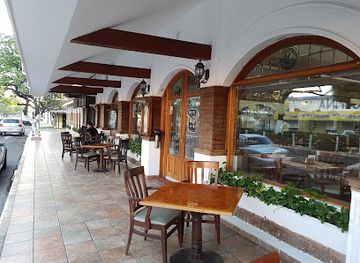
Dining around Malecón is closely tied to Veracruz’s coastal setting and its position beside the historic centre. Visitors will find seafood restaurants, cafés and casual establishments serving regional Mexican food along the waterfront and in the streets leading inland, with fish, prawns, octopus and other Gulf ingredients commonly represented on menus. Traditional coffee culture is also important in central Veracruz, where a café stop can be as much a social ritual as a refreshment. The historic Gran Café de la Parroquia is associated with the wider Centro Histórico area rather than the entire waterfront, so it is best considered part of a nearby culinary walk. Restaurant choices are more varied once the promenade meets the central streets, while the immediate port edge is defined as much by views and maritime atmosphere as by dining.
-
Argentinian
El Gaucho
Experience authentic Argentinian cuisine at El Gaucho in Veracruz, where every meal is a celebration of flavor and culture.
11 min walk · 0.9 km from neighbourhood centre
-
French
BISTRO MARTI
Experience exquisite French and Italian cuisine at Bistro Marti in Heroica Veracruz - where every dish tells a story.
14 min walk · 1.1 km from neighbourhood centre
Best bars in Malecón
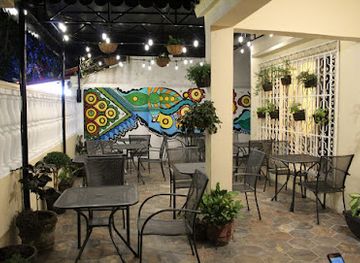
Malecón is more a waterfront social promenade than a concentrated nightclub district. After dark, the seafront attracts walkers, families and groups meeting for drinks or dinner, while cafés and restaurants around the central waterfront provide a relaxed evening setting. For more recognisable Veracruz music, dancing and late-night social life, continue inland into the Centro Histórico, particularly around the areas connected with the city’s traditional danzón and son culture; these are nearby central districts rather than features of every stretch of the Malecón itself. Evening conditions can vary between busy public sections and quieter port-facing areas, so visitors should remain on active routes and use established transport when leaving the waterfront. The appeal lies in the combination of sea air, illuminated civic buildings and access to the city centre’s broader nightlife.
-
Live music bar
R Bar
Experience the heart of Veracruz's nightlife at R Bar, a vibrant live music venue offering unforgettable performances and craft cocktails.
6 min drive · 2.0 km from neighbourhood centre
-
Bar
La Federica AFTER BAR
La Federica AFTER BAR: Your gateway to an unforgettable nightlife experience in the vibrant heart of Veracruz, Mexico.
17 min walk · 1.4 km from neighbourhood centre
Best nightclubs in Malecón
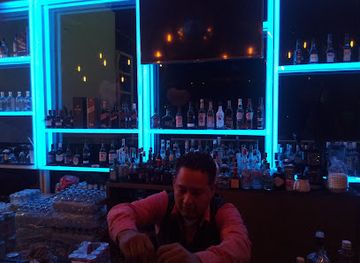
Malecón is more a waterfront social promenade than a concentrated nightclub district. After dark, the seafront attracts walkers, families and groups meeting for drinks or dinner, while cafés and restaurants around the central waterfront provide a relaxed evening setting. For more recognisable Veracruz music, dancing and late-night social life, continue inland into the Centro Histórico, particularly around the areas connected with the city’s traditional danzón and son culture; these are nearby central districts rather than features of every stretch of the Malecón itself. Evening conditions can vary between busy public sections and quieter port-facing areas, so visitors should remain on active routes and use established transport when leaving the waterfront. The appeal lies in the combination of sea air, illuminated civic buildings and access to the city centre’s broader nightlife.
-
Night club
Club Havana
Discover Boca del Río's nightlife at Club Havana, where vibrant music, dancing, and cocktails create unforgettable experiences.
7 min drive · 2.3 km from neighbourhood centre
-
Night club
Ph
Discover the vibrant nightlife of Veracruz at Ph, where music, dance, and unforgettable moments come alive in an electrifying atmosphere.
6 min drive · 2.0 km from neighbourhood centre


Malecón essentials
Getting There
Getting Around
Safety
Emergency Situations
Do's and Don'ts
Local Tips

From Eve
Local phrases worth knowing
You don't need to get them perfect. A few words go a long way, and locals appreciate the effort.
Basics
| English | Local | Say it |
|---|---|---|
| Hello | Hola | [oh-lah] |
| Goodbye | Adiós | [ah-dee-ohs] |
| Yes | Sí | [see] |
| No | No | [noh] |
| Please/You're welcome | Por favor/De nada | [pohr fah-bohr/deh nah-dah] |
| Thank you | Gracias | [grah-see-ahs] |
| Excuse me/Sorry | Perdón/Lo siento | [pehr-dohn/loh see-ehn-toh] |
| How are you? | ¿Cómo estás? | [koh-moh ehs-tahs] |
| Fine. And you? | Bien. ¿Y tú? | [byen. ee too] |
| Do you speak English? | ¿Hablas inglés? | [ah-blahs een-glehs] |
| I don't understand | No entiendo | [noh ehn-tee-ehn-doh] |
Eating & Drinking
| English | Local | Say it |
|---|---|---|
| I'd like to see the menu, please | Quisiera ver el menú, por favor | [kee-see-eh-rah behr ehl meh-noo, pohr fah-bohr] |
| I don't eat meat | No como carne | [noh koh-moh kahr-neh] |
| Cheers! | ¡Salud! | [sah-lood] |
| I would like to pay, please | Quisiera pagar, por favor | [kee-see-eh-rah pah-gahr, pohr fah-bohr] |
Emergencies
| English | Local | Say it |
|---|---|---|
| Help! | ¡Ayuda! | [ah-yoo-dah] |
| Go away! | ¡Vete! | [veh-teh] |
| Call the Police! | ¡Llama a la policía! | [yah-mah ah lah poh-lee-see-ah] |
| Call a doctor! | ¡Llama a un médico! | [yah-mah ah oon meh-dee-koh] |
| I'm lost | Estoy perdido | [ehs-toy pehr-dee-doh] |
| I'm ill | Estoy enfermo | [ehs-toy ehn-fehr-moh] |
Shopping
| English | Local | Say it |
|---|---|---|
| I'd like to buy... | Quisiera comprar... | [kee-see-eh-rah kohm-prahr] |
| I'm just looking | Sólo estoy mirando | [soh-loh ehs-toy meer-ahn-doh] |
| How much is it? | ¿Cuánto cuesta? | [kwan-toh kwehs-tah] |
| That's too expensive | Eso es demasiado caro | [eh-soh ehs deh-mah-see-ah-doh kah-roh] |
| Can you lower the price? | ¿Puede bajar el precio? | [pweh-deh bah-hahr ehl pree-see-oh] |
Time & Numbers
| English | Local | Say it |
|---|---|---|
| What time is it? | ¿Qué hora es? | [keh oh-rah ehs] |
| It's one o'clock | Es la una | [ehs lah oo-nah] |
| Half past (10) | Media (10) | [meh-dee-ah (dheez-eez)] |
| Morning | Mañana | [mah-nyah-nah] |
| Afternoon | Tarde | [tahr-deh] |
| Evening | Noche | [noh-cheh] |
| Yesterday | Ayer | [ah-yehr] |
| Today | Hoy | [oy] |
| Tomorrow | Mañana | [mah-nyah-nah] |
| 1 | Uno | [oo-noh] |
| 2 | Dos | [dohs] |
| 3 | Tres | [trehs] |
| 4 | Cuatro | [kwa-troh] |
| 5 | Cinco | [seen-koh] |
| 6 | Seis | [say-ees] |
| 7 | Siete | [see-eh-teh] |
| 8 | Ocho | [oh-choh] |
| 9 | Nueve | [nweh-veh] |
| 10 | Diez | [dyehs] |
Transport & Directions
| English | Local | Say it |
|---|---|---|
| Where's a/the...? | ¿Dónde está el/la...? | [dohn-deh ehs-tah ehl/lah] |
| What's the address? | ¿Cuál es la dirección? | [kwal ehs lah dee-rehk-see-ohn] |
| Can you show me (on the map)? | ¿Puedes mostrarme (en el mapa)? | [pweh-dehs mohs-trahr-meh (ehn ehl mah-pah)] |
| When's the next (bus)? | ¿Cuándo es el próximo (autobús)? | [kwan-doh ehs ehl prohk-see-moh (ow-toh-boos)] |
| A ticket (to ....) | Un boleto (a ...) | [oon boh-leh-toh (ah ...)] |
History of Malecón
A Port at the Gulf
Veracruz’s waterfront developed around the port established by the Spanish in the early sixteenth century, after the settlement founded by Hernán Cortés in 1519 shifted to the mainland site associated with present-day Veracruz. The harbour’s geography made the area a gateway between New Spain and the Atlantic, but also exposed it to storms, disease and attacks. Although the modern Malecón is a later urban promenade, its location reflects the same enduring relationship between the city and the Gulf: trade, migration, military movement and maritime communication all concentrated around this edge of the historic settlement.
Customs and Maritime Commerce
As Veracruz became New Spain’s principal Atlantic port, the waterfront acquired customs, warehouses and administrative buildings serving the movement of goods between the Americas and Europe. The immediate port district was shaped less by residential life than by shipping, inspection, warehousing and labour. Buildings and public spaces around the present Malecón still convey that institutional landscape, particularly around Plaza de la República, where customs and transport-related architecture helped form the city’s connection with the harbour.
Railways and the Modern Port
Nineteenth-century modernisation altered the waterfront through improved harbour works, engineering projects and stronger links with the national railway network. Rail transport connected the port more efficiently with Mexico’s interior, increasing the importance of the central waterfront as a place of transfer between ships, trains and the city. The railway and maritime structures around the Malecón therefore belong to a period when Veracruz was being reshaped as a modern commercial and strategic port, while its public seafront gradually became more legible as an urban promenade.
Public Waterfront and Living Heritage
During the twentieth century, the central seafront increasingly served both the working port and the public life of Veracruz. The Faro Venustiano Carranza and nearby civic buildings became visible markers of the waterfront, while naval institutions and port activity preserved its strategic identity. Today, Malecón is best understood as a meeting point between an operating harbour and the historic centre’s sociable streets. Tourism has added walking, photography, museums and dining to the area, but the maritime infrastructure and commercial role that built Veracruz remain central to its character.
Malecón in Photos
Browse through our photo collection highlighting the charm and character of the destination.
Neighbourhoods near Malecón
The closest neighbourhoods to Malecón, if you have time for more than one stop.
-

-

-


Swipe for more neighbourhoods
Explore more

Explore more of Veracruz
Veracruz, Mexico, pairs Caribbean-facing history with colonial squares, San Juan de Ulúa, son jarocho music, seafood and lively Gulf coast culture.
Explore Veracruz