

Silver Lake Sand Dunes, Michigan Travel Guide
Discover the excitement and beauty of Silver Lake Sand Dunes in Michigan, where adventure meets relaxation against a backdrop of stunning natural landscapes.
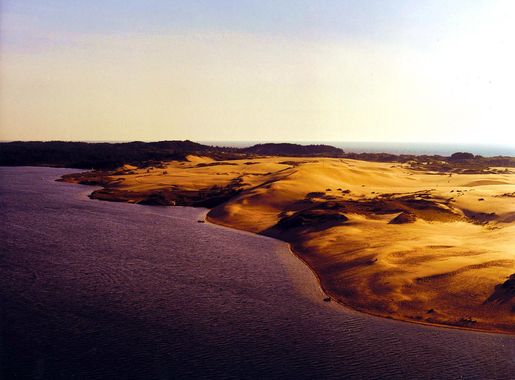
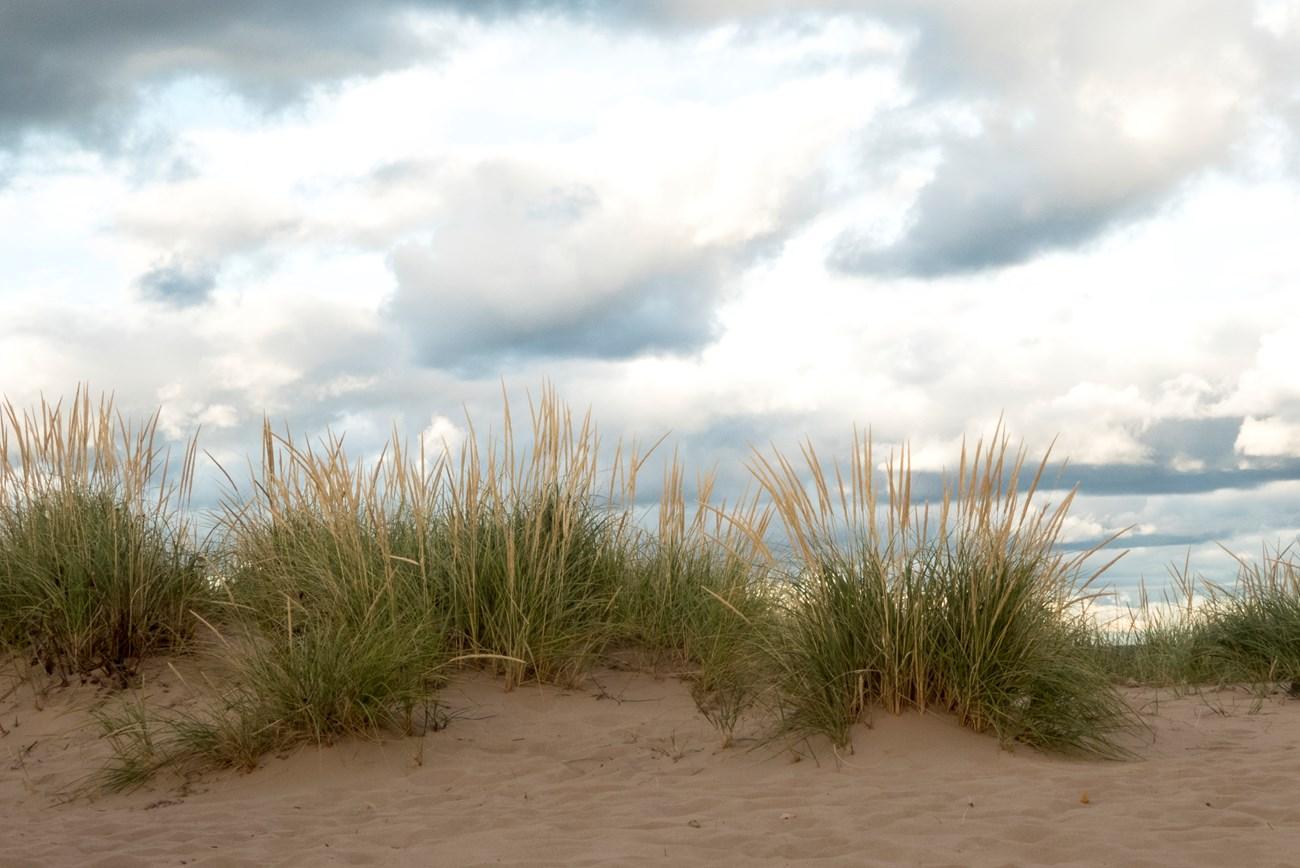
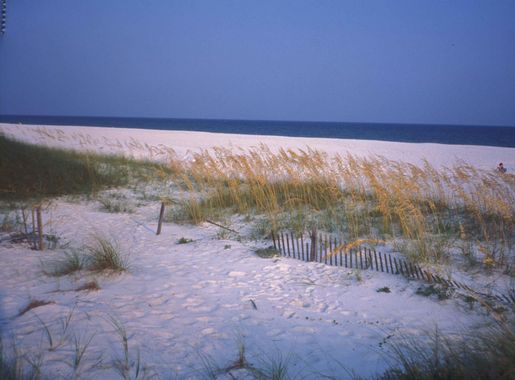
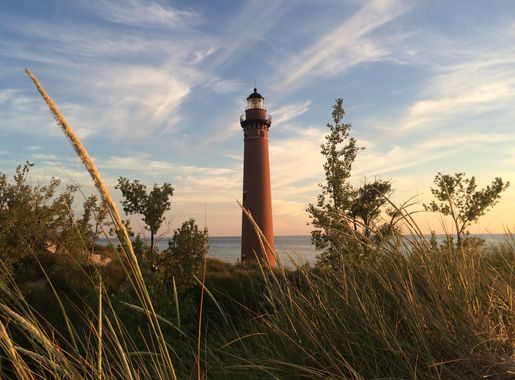
Silver Lake Sand Dunes is a unique destination in Michigan, offering a blend of stunning natural beauty and thrilling adventure. Located along the shores of Lake Michigan, these dunes cover nearly 2,000 acres of rolling sand hills, making it a perfect spot for outdoor enthusiasts. Visitors can explore the dunes in a variety of ways. Rent a dune buggy or an all-terrain vehicle to ride across the vast, sandy landscape. For those who prefer a slower pace, hiking the dunes provides a fantastic workout with rewarding views at every turn. The nearby Silver Lake State Park also offers opportunities for boating, fishing, and swimming, ensuring there's something for everyone to enjoy. Beyond the dunes, the area is rich in local culture and history. The charming town of Mears is nearby, offering quaint shops, local dining, and friendly hospitality. The picturesque Little Sable Point Lighthouse is a must-visit, providing panoramic views of the surrounding area. Silver Lake Sand Dunes is not just a destination; it's an experience. Whether you're seeking adventure or relaxation, this unique natural wonder is sure to leave a lasting impression.

Know before you go
Hi, I'm Eve. Here are a few practical things to know before exploring Silver Lake Sand Dunes.
- Visit early in the morning or late afternoon to avoid the midday heat and crowds.
- Renting a dune buggy or ATV is highly recommended for the full experience.
- Don't forget to bring sunscreen, water, and comfortable shoes suitable for sand.
- Check out the Little Sable Point Lighthouse for breathtaking views.
- Explore the local shops and eateries in the nearby town of Mears for a taste of local culture.
Explore Silver Lake Sand Dunes: Things to Do, Places to Eat, Hotels & More
Handpicked recommendations for top attractions, local dining, accommodations, and more

Best attractions in Silver Lake Sand Dunes
Top-rated picks
Best Attractions

Silver Lake State Park
Explore Silver Lake State Park: A stunning blend of sand dunes, serene lakes, and lush forests, perfect for outdoor adventures in Michigan.

Mac Wood's Dune Rides
Experience the thrill of Mac Wood's Dune Rides, a premier attraction in Mears, Michigan, showcasing the breathtaking beauty of Silver Lake Sand Dunes.

Silver Lake State Park Off-Road Vehicle Area
Discover the thrill of off-roading and stunning natural beauty at Silver Lake State Park Off-Road Vehicle Area in Michigan.

Silver Lake State Park Pedestrian Dune Access
Explore the stunning landscapes of Silver Lake State Park, a premier destination for outdoor enthusiasts and nature lovers in Michigan.

Best landmarks in Silver Lake Sand Dunes
Top-rated picks
Best Landmarks

Silver Lake State Park
Explore Silver Lake State Park: A stunning natural paradise in Michigan featuring sand dunes, lakes, and endless outdoor adventures.

Silver Lake State Park Pedestrian Dune Access
Experience the breathtaking beauty of Silver Lake State Park with its towering sand dunes, serene lakes, and thrilling outdoor activities for all ages.

Golden Township Park at The Silver Lake Sanddunes
Experience the breathtaking beauty and adventure at Golden Township Park, home to the iconic Silver Lake Sand Dunes in Michigan.

Best restaurants in Silver Lake Sand Dunes
Top-rated picks
Best Restaurants

Silver Lake Chicken Shack
Discover mouthwatering wings and casual dining at Silver Lake Chicken Shack - your go-to destination in Mears, Michigan.

Lighthouse Grill
Discover delicious grilled cuisine at Lighthouse Grill by Silver Lake - where flavor meets breathtaking views.

Best bars in Silver Lake Sand Dunes
Top-rated picks
Best Bars

Silver Lake Chicken Shack
Discover Silver Lake Chicken Shack, where crispy fried chicken meets a warm, inviting atmosphere in the heart of Mears, Michigan.

Silver Lake Pizza Factory
Discover the best pizza experience in Mears, MI at Silver Lake Pizza Factory, where local flavors and warm hospitality await every visitor.

Lighthouse Grill
Discover the culinary delights of Lighthouse Grill in Silver Lake, Michigan, where local flavors meet a relaxed atmosphere by the water.

Best shops in Silver Lake Sand Dunes
Top-rated picks
Best Shops

Parkside Store - Silver Lake
Discover the charm of Parkside Store in Silver Lake, Michigan - your go-to grocery shop for local delights and fresh produce.

The Sand Box
Explore The Sand Box in Mears, Michigan; your go-to destination for unique souvenirs and local treasures that celebrate Silver Lake.

SunChasers Souvenirs
Explore a wide range of unique gifts and custom apparel at SunChasers Souvenirs in Mears, Michigan, your go-to destination for memorable keepsakes.

Silver Lake Tees
Discover unique clothing and souvenirs at Silver Lake Tees, your perfect stop for capturing the essence of Silver Lake's beauty.

Explore Silver Lake Sand Dunes on the Map
A handpicked selection of must-see spots in Silver Lake Sand Dunes, mapped for you.
Silver Lake Sand Dunes Essentials
-
Silver Lake Sand Dunes are located in Mears, Michigan. The nearest major airport is Gerald R. Ford International Airport in Grand Rapids, approximately 90 miles away. From the airport, you can rent a car and drive to Silver Lake, which takes about 1.5 to 2 hours. Alternatively, you can take a bus from Grand Rapids to Hart, Michigan, and then a taxi or rideshare service for the final stretch to Silver Lake.
-
Having a car is the most convenient way to explore Silver Lake Sand Dunes and the surrounding areas. There are car rental services available at the Gerald R. Ford International Airport and in nearby towns. Once at Silver Lake, you can rent dune buggies, ATVs, or take guided tours to explore the dunes. Biking is also a popular option for getting around. Public transportation is limited, so planning your own transport is recommended.
-
The official currency is the United States Dollar (USD). Credit and debit cards are widely accepted in most establishments, including hotels, restaurants, and shops. ATMs are available in the area, but it's a good idea to carry some cash for smaller vendors and tips.
-
Silver Lake Sand Dunes are generally safe for tourists. However, it's always wise to take standard precautions such as not leaving valuables unattended and being aware of your surroundings. The area is known for outdoor activities, so ensure you follow all safety guidelines provided by rental services and tour operators. There are no specific high-crime areas targeting tourists, but it's always best to stay vigilant.
-
In case of emergency, dial 911 for immediate assistance. The nearest medical facilities are in Hart, Michigan, a short drive from Silver Lake. It’s advisable to have travel insurance that covers medical emergencies. For minor health concerns, there are pharmacies in the nearby towns where you can purchase over-the-counter medications.
-
Fashion: Do wear comfortable, casual clothing suitable for outdoor activities. Don't forget to bring swimwear if you plan to enjoy the lake. Religion: There are no specific religious customs to observe, but always be respectful to others. Public Transport: Public transportation is limited; do plan your transport in advance. Greetings: A friendly handshake is a common greeting. Eating & Drinking: Do try local foods and beachside eateries. Don't leave trash behind; help keep the area clean.
-
To experience Silver Lake Sand Dunes like a local, visit in the early morning or late afternoon to avoid the busiest times. Bring a picnic and enjoy it by the lake. Engage with the local community by visiting farmers' markets and seasonal festivals. For a unique experience, take a sunset cruise on Silver Lake or climb the Little Sable Point Lighthouse for panoramic views.
When is the best time to visit Silver Lake Sand Dunes?
Useful Local Phrases for Silver Lake Sand Dunes
You don't need to speak the language perfectly. Even learning a few simple words can make conversations warmer—and locals usually appreciate the effort.
— Eve

Here are the phrases I use most often in Silver Lake Sand Dunes. Try a few—you'll be surprised how far they go! 😊
❤️
-
- HelloHowdy
[haw-dee] - GoodbyeSee ya
[see yah] - YesYup
[yuhp] - NoNah
[nuh] - Please/You're welcomeSure thing
[shur thang] - Thank youThanks
[thanks] - Excuse me/SorryPardon me
[par-dun mee] - How are you?How ya doin'?
[how yah doo-in] - Fine. And you?Doin' alright. How 'bout you?
[doo-in al-right. how bout yah] - Do you speak English?Ya speak English?
[yah speak ing-glish] - I don't understandI ain't gettin' ya
[I ent get-tin yah]
- HelloHowdy
-
- I'd like to see the menu, pleaseCan I check out the menu?
[kan eye chek out the men-yoo] - I don't eat meatI don't do meat
[I don't do meat] - Cheers!Here's to ya!
[heers to yah] - I would like to pay, pleaseI'll settle up now
[I'll set-tul up now]
- I'd like to see the menu, pleaseCan I check out the menu?
-
- Help!I need a hand!
[I need a hand] - Go away!Beat it!
[beat it] - Call the Police!Get the sheriff!
[get the sheriff] - Call a doctor!Fetch a doc!
[fetch a doc] - I'm lostI'm all turned around
[Im all turned a-round] - I'm illI'm feelin' poorly
[Im feel-in poor-ly]
- Help!I need a hand!
-
- I'd like to buy...I'm lookin' to purchase...
[Im look-in to pur-chase] - I'm just lookingJust browsin'
[just brow-zin] - How much is it?What's the damage?
[whats the dam-age] - That's too expensiveThat's a bit steep
[thats a bit steep] - Can you lower the price?How 'bout droppin' the tag?
[how bout drop-pin the tag]
- I'd like to buy...I'm lookin' to purchase...
-
- What time is it?What's the time?
[whats the time] - It's one o'clockIt's one
[Its one] - Half past (10)Ten-thirty
[ten-thur-ty] - MorningMornin'
[mor-nin] - AfternoonAfternoon
[aft-er-noon] - EveningEvenin'
[ev-en-in] - YesterdayYest'day
[yest-day] - TodayToday
[to-day] - TomorrowTomorrah
[tom-or-rah] - 1One
[wun] - 2Two
[too] - 3Three
[three] - 4Four
[four] - 5Five
[fiv] - 6Six
[siks] - 7Seven
[sev-en] - 8Eight
[ate] - 9Nine
[nien] - 10Ten
[ten]
- What time is it?What's the time?
-
- Where's a/the...?Where's the...?
[wheres the] - What's the address?What's the addy?
[whats the addy] - Can you show me (on the map)?Can ya point it out (on the map)?
[can yah point it out on the map] - When's the next (bus)?When's the next bus comin'?
[whens the next bus com-in] - A ticket (to ....)A pass (to ....)
[a pass to]
- Where's a/the...?Where's the...?
History of Silver Lake Sand Dunes
-
The Silver Lake Sand Dunes were formed over thousands of years by the natural processes of wind and water. The dunes are composed of fine, glacially deposited sands that have been shaped by the prevailing westerly winds blowing across Lake Michigan. This ongoing process continually changes the landscape, creating a dynamic environment that is both beautiful and fragile.
-
Long before European settlers arrived, the area around Silver Lake Sand Dunes was inhabited by Native American tribes, primarily the Ottawa and Chippewa. These tribes utilized the land for hunting, fishing, and gathering, and the dunes held spiritual significance for them. Evidence of their presence includes various artifacts and burial mounds found in the region.
-
The mid-19th century saw the arrival of European settlers in the Silver Lake area. The fertile lands and abundant natural resources attracted farmers, lumberjacks, and entrepreneurs. The logging industry, in particular, played a significant role in the region's development during this period, with lumber from the dense forests being transported via Lake Michigan to various markets.
-
In 1927, Mears State Park was established, encompassing part of the Silver Lake Sand Dunes. Named after Charles Mears, a prominent lumber baron and developer who played a key role in the area's early development, the park aimed to preserve the natural beauty of the dunes while providing recreational opportunities for the public.
-
The mid-20th century marked the beginning of Silver Lake Sand Dunes' transformation into a popular recreational destination. The unique landscape attracted visitors interested in off-road vehicle (ORV) riding, hiking, and sandboarding. The establishment of the Silver Lake State Park ORV Area in the 1970s further solidified the dunes' reputation as an adventure hotspot.
-
As tourism grew, so did concerns about the environmental impact on the delicate dune ecosystem. Various conservation efforts have been implemented over the years to preserve the natural habitat, including restricting ORV access to designated areas, promoting sustainable tourism practices, and conducting regular environmental assessments.
-
Beyond their natural beauty, the Silver Lake Sand Dunes hold cultural significance for the local community. Annual events such as the Apple & BBQ Festival and the Sand Dune Classic draw visitors from across the region, celebrating the area's unique heritage and fostering a sense of community.
Neighbouring destination travel guides
Browse our curated selection of top destinations, scenic points, and must-visit spots in the area.


Your all‑in‑one travel companion app
Explore expert travel guides, compare and book tours, experiences, hotels, and more—all from the palm of your hand. Download now for seamless trip planning wherever your wanderlust takes you.


Explore More of Lower Peninsula

Looking beyond Silver Lake Sand Dunes? Discover Lower Peninsula for broader travel guides, local hot-spots, and regional highlights.
Explore Lower PeninsulaExplore More of Michigan

Looking beyond Silver Lake Sand Dunes? Discover Michigan for broader travel guides, local hot-spots, and regional highlights.
Explore MichiganSilver Lake Sand Dunes in Photos
Browse through our photo collection highlighting the charm and character of the destination.




Silver Lake Sand Dunes: Michigan's Natural Playground
Silver Lake Sand Dunes is a unique destination in Michigan, offering a blend of stunning natural beauty and thrilling adventure. Located along the shores of Lake Michigan, these dunes cover nearly 2,000 acres of rolling sand hills, making it a perfect spot for outdoor enthusiasts. Visitors can explore the dunes in a variety of ways. Rent a dune buggy or an all-terrain vehicle to ride across the vast, sandy landscape. For those who prefer a slower pace, hiking the dunes provides a fantastic workout with rewarding views at every turn. The nearby Silver Lake State Park also offers opportunities for boating, fishing, and swimming, ensuring there's something for everyone to enjoy. Beyond the dunes, the area is rich in local culture and history. The charming town of Mears is nearby, offering quaint shops, local dining, and friendly hospitality. The picturesque Little Sable Point Lighthouse is a must-visit, providing panoramic views of the surrounding area. Silver Lake Sand Dunes is not just a destination; it's an experience. Whether you're seeking adventure or relaxation, this unique natural wonder is sure to leave a lasting impression.