

Oud-West (Amsterdam) Travel Guide - Free
Explore Oud-West in Amsterdam with Evendo's free guide. Find the best shops, historic streets, restaurants, and gems on web or mobile.


Oud-West, Amsterdam blends De Hallen, Ten Katemarkt, independent cafés and Vondelpark walks with lively local streets and 19th-century architecture.
Between Canal Belt and Vondelpark
Oud-West occupies the lively western side of Amsterdam’s historic centre, a neighbourhood of 19th-century streets, broad tram corridors, intimate cafés and a dense mixture of apartments, local businesses and cultural venues. Its eastern edge approaches the Canal Belt, while Overtoom and the western side of Vondelpark provide recognisable boundaries in the everyday geography of the city. The area feels urban and intensely local rather than monumental: bicycles, trams and pedestrians share streets such as Kinkerstraat, Jan Pieter Heijestraat and Eerste Constantijn Huygensstraat.Read more about Oud-West
Markets, Culture and Everyday Life
Architecture and Atmosphere
Best attractions in Oud-West
De Hallen is Oud-West’s principal visitor focus, combining a restored former tram depot with the Foodhallen, a cinema, creative businesses, exhibition spaces and Bellamyplein. The complex is particularly interesting because it makes the neighbourhood’s industrial and transport history part of a contemporary public setting. Nearby Ten Katemarkt offers a more everyday attraction: a street market where visitors can browse produce, snacks and household goods while observing local routines. Kinkerstraat and Jan Pieter Heijestraat are useful for strolling, shopping and café-hopping, with late-19th-century streetscapes linking the larger destinations. The Vondelpark edge provides access to one of Amsterdam’s best-known urban parks, although parts of the park lie beyond Oud-West’s informal boundaries. The Vondelkerk, just off the park, adds architectural interest, while smaller streets around Bellamyplein reveal the area’s mixture of housing, independent businesses and converted industrial buildings.
-
Tourist attraction
Stedelijk Museum Amsterdam
Explore the Stedelijk Museum Amsterdam, a premier destination for modern and contemporary art in the heart of Amsterdam's vibrant Museumplein.
5 min drive · 1.8 km from neighbourhood centre

Best landmarks in Oud-West
The former tram depot at De Hallen is Oud-West’s defining piece of industrial heritage: its large early-20th-century buildings preserve the scale and character of municipal transport infrastructure while now serving cultural and culinary purposes. The complex’s relationship with Bellamyplein makes the square an important public landmark as well as an arrival point. The Vondelkerk, a neo-Gothic church near the park, provides a contrasting architectural presence among the residential streets and is one of the neighbourhood’s most recognisable historic buildings. Kinkerstraat and Overtoom are landmarks of a different kind, functioning as long-established urban corridors whose shops, tram routes and continuous terraces express the district’s 19th-century expansion. Ten Katemarkt also has local significance as a market street woven into everyday neighbourhood life rather than an isolated monument.
-
Park
Vondelpark
Experience the beauty and culture of Vondelpark, Amsterdam's iconic urban park, perfect for relaxation, recreation, and local events.
5 min drive · 1.6 km from neighbourhood centre
-
Tourist attraction
National Monument
Explore the National Monument in Amsterdam's Dam Square, a tribute to history, resilience, and a vibrant cultural hub.
5 min drive · 1.7 km from neighbourhood centre
-
Church
Vondelchurch
Discover Vondelchurch, a stunning architectural gem in Amsterdam, combining history and tranquility in a vibrant cultural setting.
16 min walk · 1.3 km from neighbourhood centre
-
Historical landmark
Westertoren
Discover the Westertoren, a historic tower in Amsterdam, offering breathtaking views and rich cultural heritage, perfect for your travel adventure.
13 min walk · 1.0 km from neighbourhood centre


Explore Oud-West on the map
A handpicked selection of must-see spots in Oud-West, mapped for you.
Best hotels in Oud-West
Best restaurants in Oud-West
Oud-West has one of Amsterdam’s broadest mixed-use food scenes, ranging from market snacks and bakeries to neighbourhood cafés, contemporary restaurants and international cooking. Foodhallen at De Hallen gathers multiple food counters under one roof, making it a convenient introduction to the area’s informal, social dining culture, while Ten Katemarkt provides stalls and takeaway food in a more traditional market setting. Kinkerstraat and the streets around Bellamyplein, Jan Pieter Heijestraat and Overtoom contain a changing selection of independent eateries, coffee shops and restaurants, with cuisines reflecting Amsterdam’s international population without reducing the district to a single culinary identity. Dining here is often casual and spread across compact venues rather than concentrated in one formal restaurant quarter. Visitors should distinguish the neighbourhood’s cafés and restaurants from its specialist food shops, which are part of the same local retail ecosystem but offer a different experience.
-
Asian Fusion
Umami by Han Amsterdam
Discover a culinary journey at Umami by Han Amsterdam, where Asian Fusion meets exquisite flavors in a vibrant setting.
15 min walk · 1.2 km from neighbourhood centre
-
Italian
FIKO - Restaurant
Experience authentic Italian cuisine at FIKO in Amsterdam-West – where every dish is crafted with love and tradition.
13 min walk · 1.0 km from neighbourhood centre
-
Italian
Pazzi De Clercqstraat
Discover authentic Italian flavors at Pazzi De Clercqstraat in Amsterdam-West – your destination for delicious pizzas and warm hospitality.
4 min walk · 0.3 km from neighbourhood centre
-
Italian
Gustatio oud west
Experience authentic Italian cuisine at Gustatio Oud West in Amsterdam; where every dish tells a story of tradition and flavor.
5 min drive · 1.7 km from neighbourhood centre


Best bars in Oud-West
Evenings in Oud-West tend to revolve around bars, restaurants, the cinema and cultural spaces rather than a large nightclub district. De Hallen gives the area a sociable evening anchor, with food, drinks and film bringing people together in the former tram complex, while bars around Bellamyplein, Kinkerstraat and Overtoom offer more informal settings. Café Panache and Bar Centraal are among the better-known names associated with the neighbourhood’s contemporary bar scene, although venues and operating arrangements can change. The streets around Jan Pieter Heijestraat provide additional places for a relaxed drink, while Vondelpark becomes quieter after dark. Noise carries easily in the dense residential streets, so nightlife is best approached as part of a mixed local neighbourhood rather than as a dedicated entertainment strip.
-
Bar
Craft & Draft
Discover the vibrant world of craft beers at Craft & Draft, a must-visit bar in Amsterdam-West, perfect for beer enthusiasts and casual drinkers alike.
5 min drive · 1.6 km from neighbourhood centre
-
Bar
Hendrix
Experience the vibrant atmosphere at Hendrix, Amsterdam's favorite bar for coffee, lunch, and late-night drinks in a unique setting.
3 min walk · 0.2 km from neighbourhood centre
-
Bar
Bar Kosta
Experience the vibrant atmosphere and delicious offerings at Bar Kosta, a must-visit cocktail and hamburger bar in Amsterdam.
6 min drive · 1.9 km from neighbourhood centre
-
Pub
Café Helmers
Experience the vibrant ambiance and delectable offerings at Café Helmers, a must-visit pub in Amsterdam's charming West district.
14 min walk · 1.1 km from neighbourhood centre


Best nightclubs in Oud-West
Evenings in Oud-West tend to revolve around bars, restaurants, the cinema and cultural spaces rather than a large nightclub district. De Hallen gives the area a sociable evening anchor, with food, drinks and film bringing people together in the former tram complex, while bars around Bellamyplein, Kinkerstraat and Overtoom offer more informal settings. Café Panache and Bar Centraal are among the better-known names associated with the neighbourhood’s contemporary bar scene, although venues and operating arrangements can change. The streets around Jan Pieter Heijestraat provide additional places for a relaxed drink, while Vondelpark becomes quieter after dark. Noise carries easily in the dense residential streets, so nightlife is best approached as part of a mixed local neighbourhood rather than as a dedicated entertainment strip.
-
Night club
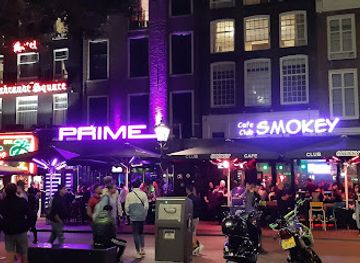
Club Prime
Dive into the heart of Amsterdam's nightlife at Club Prime, a stylish night club offering an electrifying atmosphere and exquisite cocktails.
6 min drive · 2.0 km from neighbourhood centre
-
Night club
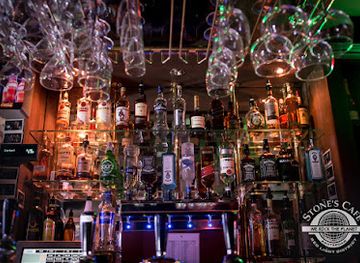
Stone's Café Bar & Nightclub
Discover Amsterdam's nightlife at Stone's Café Bar & Nightclub, where great music, drinks, and unforgettable experiences await.
6 min drive · 1.9 km from neighbourhood centre
-
Disco club
Chin Chin Club
Experience the vibrant nightlife of Amsterdam at Chin Chin Club, where dining meets dancing in a stylish and energetic atmosphere.
8 min walk · 0.7 km from neighbourhood centre
-
Disco club
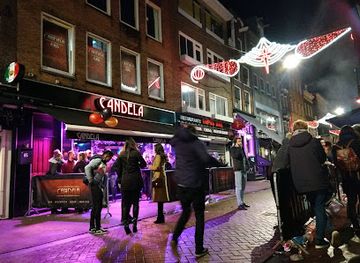
Club Candela
Experience the vibrant nightlife of Amsterdam at Club Candela, where unforgettable moments and energetic vibes come alive every night.
18 min walk · 1.4 km from neighbourhood centre

Best shops in Oud-West
Shopping in Oud-West is concentrated along Kinkerstraat, Jan Pieter Heijestraat, Overtoom and the smaller streets surrounding Ten Katemarkt. Kinkerstraat combines practical city shopping with cafés and specialist food businesses, while Jan Pieter Heijestraat has a more neighbourhood-oriented mix of independent retailers, boutiques and everyday services. Ten Katemarkt is the area’s most characteristic retail experience, offering fresh food, snacks and household goods in a street-market setting; its appeal lies less in souvenirs than in observing how residents shop. De Hallen adds design, craft and creative businesses within a reworked industrial complex, though stock and tenants change. The district is well suited to browsing rather than destination luxury shopping, with much of its retail identity found in small storefronts embedded in residential streets and local food culture.
-
Vintage clothing store
We Are Vintage
Explore We Are Vintage in Amsterdam, your destination for unique vintage clothing and accessories that celebrate sustainable fashion.
10 min walk · 0.8 km from neighbourhood centre
-
Men's clothing store
ABOUTLIFESTYLE
Explore ABOUTLIFESTYLE in Amsterdam for contemporary men's fashion that blends style and quality seamlessly.
3 min walk · 0.2 km from neighbourhood centre
-
Gift shop
Conceptstore Gekaapt
Discover unique gifts and home goods at Conceptstore Gekaapt, a creative haven in Amsterdam offering local artistry and charm.
12 min walk · 0.9 km from neighbourhood centre
-
Store
Gathershop
Explore Gathershop in Amsterdam for unique handmade jewelry and decor, a perfect blend of local craftsmanship and artistry.
8 min walk · 0.6 km from neighbourhood centre


Oud-West essentials
Getting There
Getting Around
Safety
Emergency Situations
Do's and Don'ts
Local Tips

From Eve
Local phrases worth knowing
You don't need to get them perfect. A few words go a long way, and locals appreciate the effort.
Basics
| English | Local | Say it |
|---|---|---|
| Hello | Hallo | [ha-lo] |
| Goodbye | Tot ziens | [tot zeens] |
| Yes | Ja | [ya] |
| No | Nee | [nee] |
| Please/You're welcome | Alstublieft | [al-stu-bleeft] |
| Thank you | Dank je | [dank ye] |
| Excuse me/Sorry | Sorry | [so-ree] |
| How are you? | Hoe gaat het? | [hu gaht het] |
| Fine. And you? | Goed. En met jou? | [khoot. en met yow] |
| Do you speak English? | Spreek je Engels? | [sprek ye eng-els] |
| I don't understand | Ik begrijp het niet | [ik buh-hrayp het neet] |
Eating & Drinking
| English | Local | Say it |
|---|---|---|
| I'd like to see the menu, please | Ik zou graag de menukaart willen zien, alstublieft | [ik zou khraahg de me-nu-kahrt vil-len zeen, al-stu-bleeft] |
| I don't eat meat | Ik eet geen vlees | [ik ayt khayn vleys] |
| Cheers! | Proost! | [prohst] |
| I would like to pay, please | Ik zou graag willen betalen, alstublieft | [ik zou khraahg vil-len buh-ta-len, al-stu-bleeft] |
Emergencies
| English | Local | Say it |
|---|---|---|
| Help! | Help! | [help] |
| Go away! | Ga weg! | [ga wekh] |
| Call the Police! | Bel de politie! | [bel de po-lee-see-uh] |
| Call a doctor! | Bel een dokter! | [bel ayn dok-ter] |
| I'm lost | Ik ben verdwaald | [ik ben fer-dwahld] |
| I'm ill | Ik ben ziek | [ik ben zeek] |
Shopping
| English | Local | Say it |
|---|---|---|
| I'd like to buy... | Ik wil graag kopen... | [ik vil khraahg koh-pen] |
| I'm just looking | Ik ben alleen aan het kijken | [ik ben a-layn ahn het kee-ken] |
| How much is it? | Hoeveel kost het? | [hu-vayl kost het] |
| That's too expensive | Dat is te duur | [dat is tuh dyoor] |
| Can you lower the price? | Kunt u de prijs verlagen? | [kunt u de preys ver-lah-ghen] |
Time & Numbers
| English | Local | Say it |
|---|---|---|
| What time is it? | Hoe laat is het? | [hu laht is het] |
| It's one o'clock | Het is een uur | [het is ayn oor] |
| Half past (10) | Half elf | [hahlf elf] |
| Morning | Ochtend | [ohk-tend] |
| Afternoon | Middag | [mid-dahkh] |
| Evening | Avond | [ah-vohnd] |
| Yesterday | Gisteren | [khis-tuh-run] |
| Today | Vandaag | [vahn-dahkh] |
| Tomorrow | Morgen | [mor-khun] |
| 1 | Eén | [ayn] |
| 2 | Twee | [tway] |
| 3 | Drie | [dree] |
| 4 | Vier | [veer] |
| 5 | Vijf | [vayf] |
| 6 | Zes | [zehs] |
| 7 | Zeven | [zay-ven] |
| 8 | Acht | [ahkht] |
| 9 | Negen | [nay-khen] |
| 10 | Tien | [teen] |
Transport & Directions
| English | Local | Say it |
|---|---|---|
| Where's a/the...? | Waar is een/de...? | [vahr is ayn/de] |
| What's the address? | Wat is het adres? | [vhat is het ah-dres] |
| Can you show me (on the map)? | Kunt u mij laten zien (op de kaart)? | [kunt u may lah-tun zeen (op de kaart)] |
| When's the next (bus)? | Wanneer is de volgende (bus)? | [vhen-er is de vol-hen-der (bus)] |
| A ticket (to ....) | Een kaartje (naar ....) | [ayn kahrt-ye (nar)] |
History of Oud-West
From Polder Land to Urban Expansion
Before its streets were built, much of present-day Oud-West lay beyond Amsterdam’s dense historic core in low-lying polder land and fields. The area’s later development was connected to routes leading west from the city, especially the Overtoom, whose name recalls the historic transfer of boats over a short strip of land between waterways. As Amsterdam expanded beyond the older canal belt during the 19th century, roads and new residential districts gradually replaced the rural landscape. This outward growth created the urban setting in which Oud-West would take shape, linking the centre with settlements and routes towards the western outskirts.
The Nineteenth-Century Building Boom
Oud-West was largely built during Amsterdam’s rapid 19th-century expansion, when population growth and industrialisation created demand for housing beyond the old city walls. Streets around Kinkerstraat, Overtoom and the later residential lanes filled with tightly packed brick houses, shops and workshops. The architecture reflects practical urban development rather than a single planned style: narrow façades, continuous terraces and occasional larger institutional buildings stand close together. The neighbourhood’s street pattern and building stock still express this period of expansion, when Amsterdam was becoming a modern industrial city and the western edge was absorbed into the metropolitan fabric.
Trams, Markets and Working Life
Transport helped turn Oud-West into a connected residential and commercial district. Tram routes along major corridors linked the neighbourhood to central Amsterdam and the western suburbs, while the former municipal tram depot at De Hallen became an important local industrial complex. The depot, built in the early 20th century, housed tram-related functions for decades and contributed to the area’s working identity. Markets and shopping streets developed alongside this infrastructure, with Ten Katemarkt serving everyday needs rather than functioning solely as a visitor attraction. These transport and commercial networks helped establish the mixed-use character that remains central to Oud-West.
Industrial Heritage and Cultural Reuse
As tram operations changed and the depot at De Hallen ceased its original use, the complex became an example of how Oud-West’s industrial past could be adapted for contemporary urban life. Its buildings were restored and reopened as a cultural and leisure centre in the 2010s, bringing food, film, design and public events into a former transport setting. More broadly, the neighbourhood has seen the pressures common to central Amsterdam: rising demand for housing and commercial space, new hospitality businesses and changing retail patterns alongside long-established residents and shops. Oud-West’s present identity is therefore layered rather than wholly new, combining 19th-century housing, transport heritage and contemporary cultural activity.
Oud-West in Photos
Browse through our photo collection highlighting the charm and character of the destination.
Neighbourhoods near Oud-West
The closest neighbourhoods to Oud-West, if you have time for more than one stop.
-

-

-

-

-


Swipe for more neighbourhoods
Explore more

Explore more of Amsterdam
Amsterdam blends canal-side architecture, world-class museums, historic neighbourhoods and cycling culture with thoughtful food, design and lively local life.
Explore Amsterdam