

Washington Park (Albany) Travel Guide - Free
Explore Washington Park in Albany with Evendo's free guide. Find the best shops, historic streets, restaurants, and gems on web or mobile.


Washington Park in Albany, New York, pairs Olmsted-designed landscapes, spring tulips, historic monuments, lakeside walks and lively nearby Lark Street.
A Park at the Centre of Albany Life
Washington Park is both a formal urban landscape and a lived-in neighbourhood surrounding one of Albany’s most important public spaces. Extending across roughly 81 acres, the park occupies a broad area between Washington Avenue, Madison Avenue, Willett Avenue and South Lake Avenue, with handsome nineteenth-century houses and row buildings forming part of its setting. Its curving paths, mature trees, open lawns and lake create a striking contrast with the city’s rectilinear streets, while the surrounding blocks lead naturally towards Center Square, Park South and Lark Street.Read more about Washington Park
Landscapes, Monuments and Seasonal Traditions
Residential Streets and Local Culture
Best attractions in Washington Park
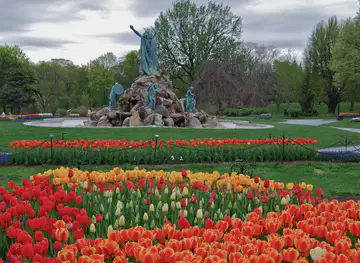
Washington Park is the neighbourhood’s principal attraction, offering a substantial urban landscape of lawns, mature trees, winding paths, bridges and a central lake. A circuit through the grounds brings visitors to the Lake House, civic memorials and sculptures, including the Soldiers’ and Sailors’ Monument and the Robert Burns statue, while the changing plantings make the park particularly appealing in spring. The annual Tulip Festival transforms the grounds with displays, performances, food and public events, drawing on Albany’s long Dutch association. Outside festival season, the park is more quietly atmospheric, with walkers, joggers, families and informal recreation sharing the paths. The streets around the perimeter add architectural interest, especially near Willett Avenue, State Street and Madison Avenue, and nearby Lark Street provides an easy extension for cafés, independent businesses and evening activity without confusing the adjacent commercial area with the park itself.
-
Monument
Moses Statue - King Memorial Fountain
Experience the legacy of freedom and community at the Moses Statue in Albany's scenic Washington Park, a symbol of hope and resilience.
4 min walk · 0.4 km from neighbourhood centre
-
Park
Washington Park Parade Ground
Discover the tranquil beauty of Washington Park Parade Ground, a lush, vibrant oasis in Albany, NY, perfect for relaxation, recreation, and community events.
4 min walk · 0.3 km from neighbourhood centre
-
Playground
Washington Park Playground
Experience the joy of play at Washington Park Playground, where adventure awaits amid Albany's beautiful scenery and family-friendly atmosphere.
3 min walk · 0.2 km from neighbourhood centre


Best landmarks in Washington Park
Washington Park’s most important landmarks are integrated into its landscape rather than gathered in a single monumental square. The Lake House is a distinctive historic park structure beside the water, while the Soldiers’ and Sailors’ Monument provides a formal memorial focus near the park’s State Street side. Statues such as the monument to Scottish poet Robert Burns add literary and cultural meaning to the grounds, and the lake, bridges and planned vistas express the nineteenth-century ideals behind the park’s naturalistic design. The surrounding streets contribute further significance through their rows of historic houses and civic-scale architecture, especially along Willett Avenue and the park-facing sections of State Street and Madison Avenue. Together, these elements record Albany’s expansion westward, its public memorial traditions and the continuing role of Washington Park as a shared civic setting.
-
Park
Washington Park
Discover the beauty of Washington Park in Albany, NY – a serene urban oasis with stunning landscapes, recreational activities, and local events year-round.
2 min walk · 0.2 km from neighbourhood centre
-
Monument
Moses Statue - King Memorial Fountain
Discover the iconic Moses Statue at King Memorial Fountain, a historical gem in Albany's beautiful Washington Park, perfect for relaxation and reflection.
4 min walk · 0.4 km from neighbourhood centre
-
Park
Washington Park Parade Ground
Explore the serene beauty and rich history of Washington Park Parade Ground in Albany, NY, a perfect escape for tourists and locals alike.
4 min walk · 0.3 km from neighbourhood centre
-
Tourist attraction
Washington Park Lake House
Discover the tranquility of Washington Park Lake House, a serene escape in Albany, NY, perfect for nature lovers and tourists seeking relaxation.
2 min walk · 0.2 km from neighbourhood centre


Explore Washington Park on the map
A handpicked selection of must-see spots in Washington Park, mapped for you.
Best hotels in Washington Park
Best restaurants in Washington Park
Dining around Washington Park is concentrated along its edges and in the adjoining Center Square, Park South and Lark Street areas rather than in the park itself. Madison Avenue and Lark Street offer a useful mix of cafés, casual restaurants, bakeries, bars serving food and independent dining rooms, making them convenient before or after a walk through the grounds. The area’s food culture reflects the varied residential communities and creative character of central Albany, with familiar American cooking alongside vegetarian options, international flavours, sandwiches, brunch and contemporary small-plate menus. During major park events, temporary food stalls and community vendors may add another layer to the experience, although their presence is seasonal rather than permanent. Visitors seeking a quieter meal can look along the nearby side streets, where converted historic buildings and mixed-use blocks give dining a more local, neighbourhood setting than the city’s larger downtown venues.
-
American
Iron Gate Cafe
Discover the culinary delights of Iron Gate Cafe in Albany - where American breakfast meets cozy charm in an inviting atmosphere.
11 min walk · 0.8 km from neighbourhood centre
-
Italian
Villa di Como Ristorante
Experience the taste of Northern Italy at Villa di Como Ristorante in Albany – where authentic cuisine meets warm hospitality.
9 min walk · 0.7 km from neighbourhood centre
-
Mexican
El Loco Mexican Cafe
Discover authentic Mexican flavors at El Loco Mexican Cafe in Albany – where every meal feels like a fiesta!
8 min walk · 0.6 km from neighbourhood centre
-
Restaurant
Umana Yana
Discover Umana Yana in Albany - where exquisite cuisine meets vibrant atmosphere for an unforgettable dining experience.
8 min walk · 0.6 km from neighbourhood centre


Best bars in Washington Park
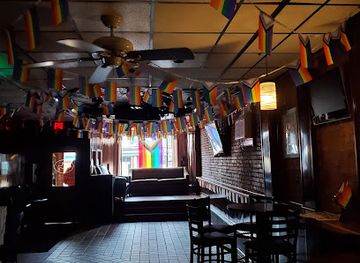
Washington Park itself is generally a daytime and event-oriented public space, with evening entertainment most visible during seasonal concerts, outdoor theatre and festival programmes rather than through permanent nightlife inside the grounds. After dark, the principal nearby options are along Lark Street and Madison Avenue, where pubs, bars, cafés and casual venues serve the surrounding residential districts and student population. The atmosphere varies from relaxed drinks and conversation to busier evenings connected with live music or special events, but this is not a concentrated nightclub quarter. Visitors should distinguish the commercial strips from the quieter streets around the park, where many homes face the grounds. During performances or festivals, check current arrangements and leave with consideration for residents, pedestrians and late-evening traffic.
-
American
Savoy Taproom
Experience the flavors of Albany at Savoy Taproom, where American cuisine meets innovative cocktails in a vibrant setting.
8 min walk · 0.7 km from neighbourhood centre
-
Gay bar
Waterworks Pub
Experience the lively atmosphere of Waterworks Pub, Albany's premier gay bar and dance club, where inclusivity and nightlife meet in perfect harmony.
7 min walk · 0.5 km from neighbourhood centre
-
Pub
Lionheart Pub and Brewery
Experience the vibrant atmosphere of Lionheart Pub and Brewery in Albany, where craft brews and delicious pub fare create unforgettable moments.
8 min walk · 0.7 km from neighbourhood centre
-
Grill
Cafe Hollywood
Discover Cafe Hollywood, a vibrant grill and cafe in Albany, NY, offering delectable dishes and a cozy atmosphere for unforgettable dining experiences.
8 min walk · 0.7 km from neighbourhood centre


Best nightclubs in Washington Park
Washington Park itself is generally a daytime and event-oriented public space, with evening entertainment most visible during seasonal concerts, outdoor theatre and festival programmes rather than through permanent nightlife inside the grounds. After dark, the principal nearby options are along Lark Street and Madison Avenue, where pubs, bars, cafés and casual venues serve the surrounding residential districts and student population. The atmosphere varies from relaxed drinks and conversation to busier evenings connected with live music or special events, but this is not a concentrated nightclub quarter. Visitors should distinguish the commercial strips from the quieter streets around the park, where many homes face the grounds. During performances or festivals, check current arrangements and leave with consideration for residents, pedestrians and late-evening traffic.
-
Night club
Waterworks Pub
Discover the electrifying nightlife at Waterworks Pub in Albany, NY, where fun, dance, and community come together in a vibrant atmosphere.
7 min walk · 0.5 km from neighbourhood centre
-
Hotel
The Argus Hotel & Cocktail Lounge
Experience the elegance of The Argus Hotel & Cocktail Lounge in Albany, NY, where luxury meets vibrant nightlife and exceptional comfort.
3 min walk · 0.2 km from neighbourhood centre
-
Bar
The Lark Street Tavern
Experience Albany's vibrant nightlife at The Lark Street Tavern, where delicious food meets live entertainment in a welcoming atmosphere.
8 min walk · 0.6 km from neighbourhood centre
-
Bar
Fuze Box
Experience Albany’s nightlife at Fuze Box, a vibrant bar and live music venue where unforgettable moments and great tunes await.
9 min walk · 0.7 km from neighbourhood centre


Best shops in Washington Park
Washington Park has limited large-scale retail within its boundaries, and shopping here is better understood through the independent businesses on nearby Lark Street, Madison Avenue and adjoining central Albany blocks. Visitors can browse small clothing and gift shops, specialist retailers, cafés, book-related businesses and locally oriented services, with the exact mix changing as businesses open and close. The area’s strongest retail character comes from its walkable, mixed-use streets rather than a conventional shopping centre, making a park visit easy to combine with browsing and coffee stops. Seasonal festivals may bring craft sellers, food vendors and local makers into Washington Park, but these stalls should be regarded as event-based rather than permanent. The neighbourhood is therefore most appealing to visitors who enjoy combining landscape, architecture and independent urban retail rather than searching for department stores or extensive souvenir shopping.
-
Tobacco shop
That Store
Explore the eclectic offerings of That Store in Albany, a unique tobacco, candle, and metaphysical supply shop that captures the local spirit.
8 min walk · 0.7 km from neighbourhood centre
-
Gift shop
Romeo's Gifts Inc
Explore Albany's hidden gem for unique gifts at Romeo's Gifts Inc, where every item tells a story and supports local artisans.
8 min walk · 0.7 km from neighbourhood centre
-
Gift shop
Elissa Halloran Designs
Explore Elissa Halloran Designs in Albany, NY for unique gifts and handcrafted jewelry that celebrate local artistry and creativity.
8 min walk · 0.7 km from neighbourhood centre
-
Gift shop
Marshmallow Gift Shop
Experience the enchanting world of marshmallows at Albany's beloved Marshmallow Gift Shop, a sweet destination for unique gifts and treats.
8 min walk · 0.6 km from neighbourhood centre


Washington Park essentials
Getting There
Getting Around
Safety
Emergency Situations
Do's and Don'ts
Local Tips

From Eve
Local phrases worth knowing
You don't need to get them perfect. A few words go a long way, and locals appreciate the effort.
Basics
| English | Local | Say it |
|---|---|---|
| Hello | Hey | [Hey] |
| Goodbye | Later | [Lay-ter] |
| Yes | Yeah | [Yeah] |
| No | Nah | [Nah] |
| Please/You're welcome | Please/No worries | [Pleez/No worries] |
| Thank you | Thanks | [Thanks] |
| Excuse me/Sorry | Sorry | [Sor-ee] |
| How are you? | How you doin'? | [How you doin'?] |
| Fine. And you? | Good. You? | [Good. You?] |
| Do you speak English? | You speak English? | [You speak English?] |
| I don't understand | I don't get it | [I don't get it] |
Eating & Drinking
| English | Local | Say it |
|---|---|---|
| I'd like to see the menu, please | Menu, please | [Menu, please] |
| I don't eat meat | No meat for me | [No meat for me] |
| Cheers! | Cheers! | [Cheers!] |
| I would like to pay, please | Check, please | [Check, please] |
Emergencies
| English | Local | Say it |
|---|---|---|
| Help! | Help! | [Help!] |
| Go away! | Go away! | [Go away!] |
| Call the Police! | Call the cops! | [Call the cops!] |
| Call a doctor! | Get a doctor! | [Get a doctor!] |
| I'm lost | I'm lost | [I'm lost] |
| I'm ill | I'm sick | [I'm sick] |
Shopping
| English | Local | Say it |
|---|---|---|
| I'd like to buy... | I wanna buy... | [I wanna buy...] |
| I'm just looking | Just looking | [Just looking] |
| How much is it? | How much? | [How much?] |
| That's too expensive | Too pricey | [Too pricey] |
| Can you lower the price? | Can you do better? | [Can you do better?] |
Time & Numbers
| English | Local | Say it |
|---|---|---|
| What time is it? | What time is it? | [What time is it?] |
| It's one o'clock | It's one | [It's one] |
| Half past (10) | Half past ten | [Half past ten] |
| Morning | Morning | [Morning] |
| Afternoon | Afternoon | [Afternoon] |
| Evening | Evening | [Evening] |
| Yesterday | Yesterday | [Yesterday] |
| Today | Today | [Today] |
| Tomorrow | Tomorrow | [Tomorrow] |
| 1 | One | [One] |
| 2 | Two | [Two] |
| 3 | Three | [Three] |
| 4 | Four | [Four] |
| 5 | Five | [Five] |
| 6 | Six | [Six] |
| 7 | Seven | [Seven] |
| 8 | Eight | [Eight] |
| 9 | Nine | [Nine] |
| 10 | Ten | [Ten] |
Transport & Directions
| English | Local | Say it |
|---|---|---|
| Where's a/the...? | Where's the...? | [Where's the...?] |
| What's the address? | What's the address? | [What's the address?] |
| Can you show me (on the map)? | Show me on the map | [Show me on the map] |
| When's the next (bus)? | When's the next bus? | [When's the next bus?] |
| A ticket (to ....) | Ticket to... | [Ticket to...] |
History of Washington Park
From Common Land to City Park
Before its park landscape was established, the area formed part of Albany’s expanding western side, where open land, reservoirs and developing residential streets lay beyond the older city centre. In the nineteenth century, Albany’s growth created pressure for permanent public recreation grounds rather than relying on scattered commons. The state authorised the creation of Washington Park in 1869, and the city subsequently assembled and improved the land as a major civic amenity. Its location west of the historic core reflected Albany’s changing urban geography as housing spread towards modern Washington Avenue and the surrounding avenues.
An Olmsted Landscape Emerges
During the 1870s, Washington Park was shaped according to naturalistic landscape principles associated with Frederick Law Olmsted and his practice, with John Charles Olmsted closely involved in the design tradition. Curving routes, broad lawns, planted areas and a central lake created a picturesque setting intended for both pleasure and public health. The Lake House and other park structures gave the grounds a more formal civic presence, while the surrounding avenues developed with substantial houses and row buildings. The result was not simply a recreation ground but a carefully planned urban landscape integrated with Albany’s residential expansion.
Monuments and Public Memory
As Washington Park matured, monuments and sculpture turned it into a place where Albany represented its civic and cultural ideals. The Soldiers’ and Sailors’ Monument commemorates local service and sacrifice, while statues including the figure of Robert Burns reflect the nineteenth-century habit of placing literary and historical figures in public landscapes. These works joined the lake, bridges and park buildings as elements of a shared civic setting. Their presence also helped establish Washington Park as a venue for ceremonies, gatherings and everyday encounters rather than a purely ornamental garden.
Dutch Heritage and Contemporary Use
The park’s modern public identity is strongly associated with Albany’s Dutch heritage and the Tulip Festival, first held in 1949. The event developed into a major annual celebration featuring flowers, performances, food and community activity, linking the city’s historical associations with a contemporary public tradition. Washington Park has also continued to host outdoor theatre, concerts and informal recreation, while its surrounding housing has experienced the broader pressures affecting older central Albany neighbourhoods. Today, preserved landscape features and historic buildings coexist with cafés, restaurants and changing residential patterns around Madison Avenue, Lark Street and the park’s perimeter.
Washington Park in Photos
Browse through our photo collection highlighting the charm and character of the destination.
Neighbourhoods near Washington Park
The closest neighbourhoods to Washington Park, if you have time for more than one stop.
-
-

-


Swipe for more neighbourhoods
Explore more

Explore more of Albany
Albany, New York blends Hudson River history, grand civic architecture, museums, leafy parks and lively neighbourhoods with easy access to the Capital Region.
Explore Albany