

The Hamptons Travel Guide - Free Web & App
Your ultimate guide to The Hamptons. Discover top landmarks, proposed trips, and local tips. Free on the web or via the Evendo companion app.


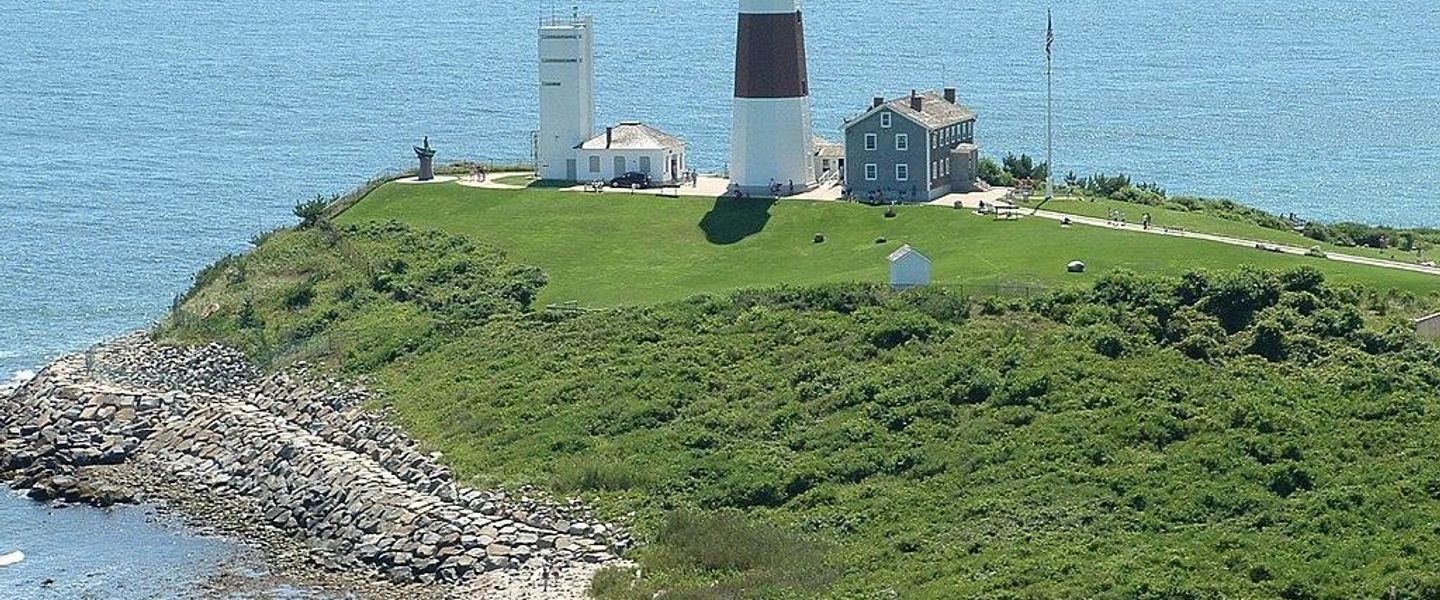


Discover the Hamptons: A blend of pristine beaches, luxurious estates, and charming villages on New York's Long Island.
Read more about The Hamptons
When is the best time to visit The Hamptons?
Best: June, August–September · 23–27°C| Month | High (°C) | Rainfall (mm) |
|---|---|---|
| January | 3 | 85 |
| February | 4 | 75 |
| March | 8 | 90 |
| April | 14 | 95 |
| May | 20 | 95 |
| June (best) | 24 | 100 |
| July | 27 | 105 |
| August (best) | 27 | 105 |
| September (best) | 23 | 100 |
| October | 18 | 95 |
| November | 12 | 95 |
| December | 5 | 95 |
Getting to and around The Hamptons
How to get there
Transportation
Best attractions in The Hamptons
The Hamptons offers a unique blend of pristine beaches, luxurious estates, and charming villages, making it a must-visit destination for any traveler. Visitors can enjoy sunbathing and swimming at popular beaches like Main Beach in East Hampton, explore historic sites such as the Pollock-Krasner House and Study Center, or indulge in shopping and dining in the upscale boutiques and restaurants of Southampton. Art enthusiasts can visit the Parrish Art Museum to admire a collection of American art, while nature lovers can hike through the beautiful Montauk Point State Park. With its rich history, stunning landscapes, and vibrant cultural scene, The Hamptons has something to offer for every type of traveler.
-
Tourist attraction
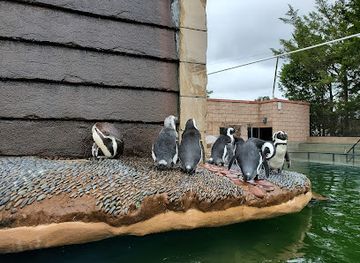
Long Island Aquarium
Explore the Long Island Aquarium, where marine wonders come alive and unforgettable family adventures await!
-
Tourist attraction
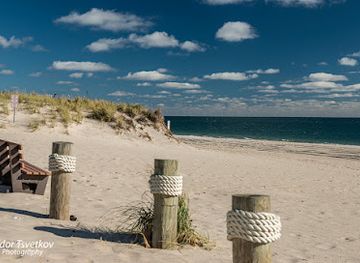
Cupsogue Beach County Park
Experience the beauty of Cupsogue Beach County Park - a serene retreat with pristine sands, scenic views, and outdoor adventures in Westhampton Beach, NY.
-
Tourist attraction
Coopers Beach
Discover Coopers Beach, a pristine public beach in Southampton, offering stunning views, soft white sands, and a perfect coastal escape.
-
Tourist attraction
Quogue Wildlife Refuge
Discover the serene beauty of Quogue Wildlife Refuge, a haven for wildlife enthusiasts and nature lovers in New York's picturesque landscapes.
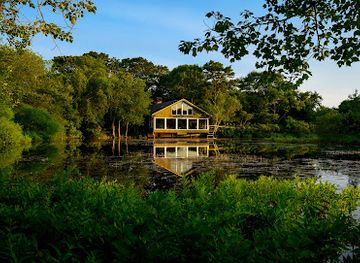
Best landmarks in The Hamptons
The Hamptons offer visitors a rich tapestry of historical landmarks, luxurious estates, pristine beaches, and charming villages. From the iconic Montauk Lighthouse standing tall against the Atlantic Ocean to the opulent mansions of the Gilded Age in Southampton, there is something for everyone to explore. Discover the artistic legacy of Jackson Pollock at the Pollock-Krasner House, stroll through the quaint streets of East Hampton lined with boutique shops and art galleries, or relax on the sandy shores of Main Beach in East Hampton. Whether you're interested in history, art, or simply soaking up the sun, The Hamptons have it all.
-
Garden
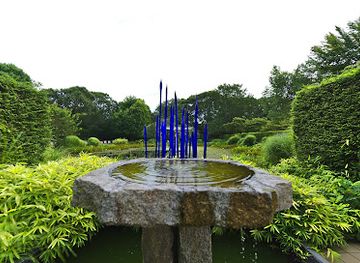
LongHouse Reserve
Explore the serene beauty of LongHouse Reserve, a garden and sculpture museum blending nature and art in East Hampton.
-
Museum
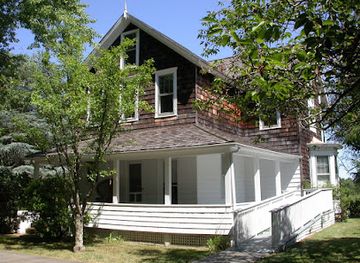
Pollock-Krasner House
Discover the Pollock-Krasner House, a museum that celebrates the legacy of two modern art pioneers in a serene East Hampton setting.
Explore The Hamptons on the map
Plan your trip on one map. See where the top attractions, landmarks, restaurants and hotels are, and book hotels and experiences in a few clicks.
Best hotels in The Hamptons
Best restaurants in The Hamptons
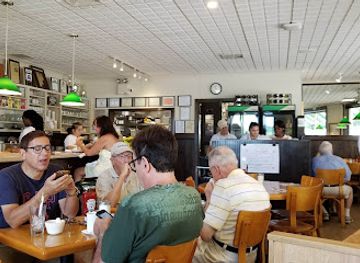
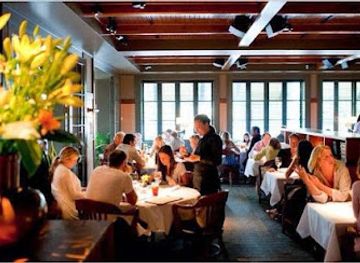
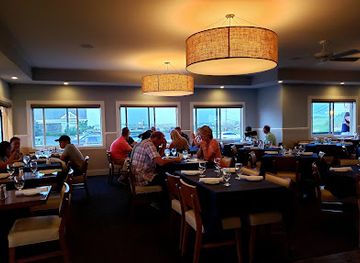
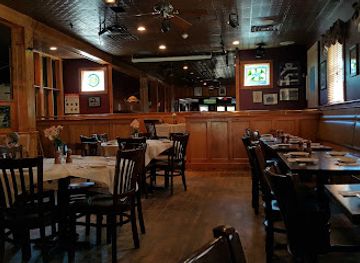
The Hamptons dining scene offers a unique blend of upscale and casual options, showcasing the area's diverse culinary offerings. From beachfront seafood shacks serving up fresh catch-of-the-day to farm-to-table restaurants highlighting locally sourced ingredients, visitors can indulge in a wide array of flavors and dining experiences. Whether you're looking for a romantic dinner overlooking the ocean or a laid-back brunch spot with a cozy atmosphere, The Hamptons has something for every palate. Don't miss out on the chance to taste the seasonal specialties and signature dishes that make dining in The Hamptons a truly unforgettable experience.
-
Seafood
Cowfish
Discover Cowfish in Hampton Bays: A delightful blend of fresh seafood and American cuisine set in an inviting atmosphere perfect for any occasion.
-
Seafood
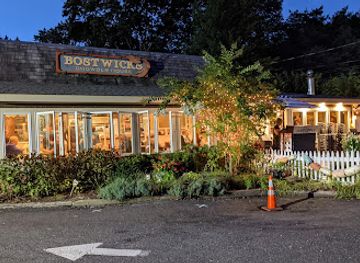
Bostwick's Chowder House
Discover East Hampton’s Bostwick’s Chowder House – where fresh seafood meets coastal charm in a delightful dining experience.
-
Breakfast
John Papas Cafe
Experience the charm of East Hampton at John Papas Cafe, where delicious breakfast and lunch await you in a cozy setting.
-
American
East Hampton Grill
Experience exquisite American cuisine at East Hampton Grill, where vibrant flavors meet an inviting atmosphere in the heart of East Hampton.
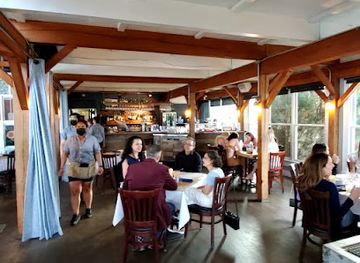
Best bars in The Hamptons
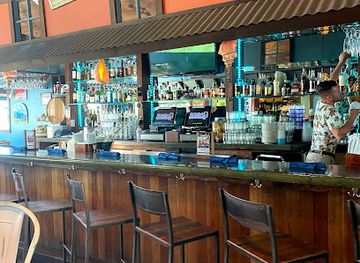
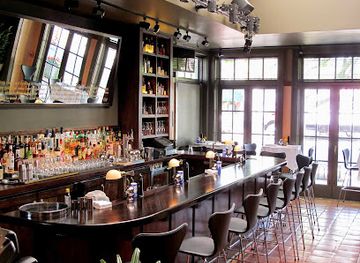
The Hamptons nightlife scene offers a unique blend of upscale beachfront bars, trendy nightclubs, and laid-back lounges, creating a vibrant and diverse atmosphere for visitors to enjoy. From sipping cocktails at sunset overlooking the ocean to dancing the night away in a chic club, there is something for everyone in this exclusive destination. With celebrity sightings, live music performances, and themed parties adding to the excitement, the nightlife in The Hamptons is a must-experience for any tourist looking for a memorable night out.
-
Bar
Rumba
Experience the vibrant Caribbean culture at Rumba, a premier bar and restaurant in Hampton Bays, offering fresh seafood and exotic cocktails.
-
American
Sundays On The Bay
Discover the flavors of American cuisine and fresh seafood at Sundays On The Bay, where stunning waterfront views meet a vibrant dining atmosphere.
-
Family-friendly
Buckleys Inn Between
Discover the perfect family-friendly restaurant in Hampton Bays, offering a delightful mix of American and Irish cuisine in a vibrant atmosphere.
-
American
East Hampton Grill
Experience the essence of American cuisine at East Hampton Grill, where seasonal flavors meet a charming atmosphere in the heart of East Hampton.
Best nightclubs in The Hamptons
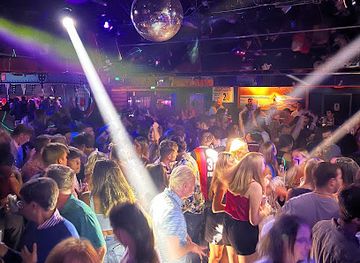
The Hamptons nightlife scene offers a unique blend of upscale beachfront bars, trendy nightclubs, and laid-back lounges, creating a vibrant and diverse atmosphere for visitors to enjoy. From sipping cocktails at sunset overlooking the ocean to dancing the night away in a chic club, there is something for everyone in this exclusive destination. With celebrity sightings, live music performances, and themed parties adding to the excitement, the nightlife in The Hamptons is a must-experience for any tourist looking for a memorable night out.
-
Night club
Beach Bar
Discover the lively ambiance and vibrant nightlife of Beach Bar in Hampton Bays, where great drinks, music, and food create unforgettable memories.
-
Restaurant
MARS & EL TURCO
Experience a fusion of culinary delights, live music, and vibrant nightlife at MARS & EL TURCO in East Hampton, where every night feels like a celebration.
-
Night club
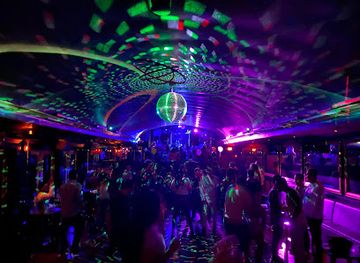
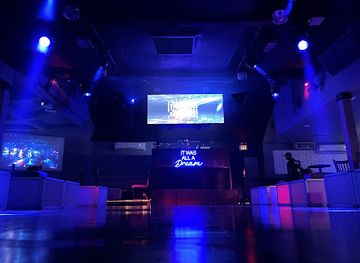
DREAM HAMPTONS
Dive into the electrifying nightlife at Dream Hamptons, where unforgettable nights of dancing and music await in the heart of Hampton Bays.
-
Night club
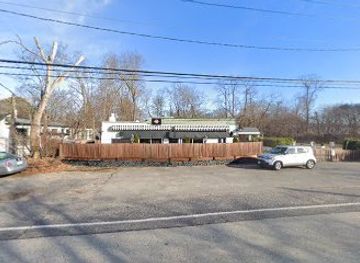
Mimosas
Discover the lively nightlife at Mimosas, East Hampton’s top night club for music, dancing, and unforgettable experiences.
Best shops in The Hamptons
The Hamptons offers a unique shopping experience for visitors, with a mix of high-end boutiques, local artisan shops, and quaint beachside stores. From designer labels to one-of-a-kind finds, shoppers can explore charming villages like East Hampton and Southampton to discover trendy fashion, home decor, and specialty gifts. Stroll along tree-lined streets, pop into upscale stores, and browse the weekend markets for locally made goods. Whether you're looking for luxury brands or bohemian treasures, the shopping scene in The Hamptons has something for everyone to enjoy.
-
Department store
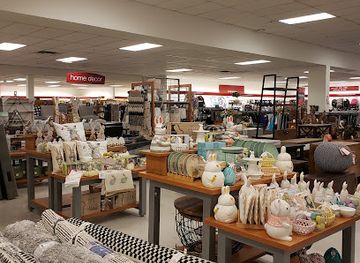
T.J. Maxx
Discover unbeatable deals on clothing, accessories, and home goods at T.J. Maxx in Bridgehampton, NY - your ultimate shopping destination.
-
Antique store
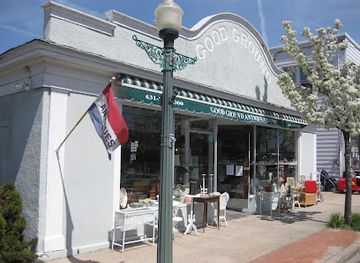
Good Ground Antique Center
Explore Good Ground Antique Center in Hampton Bays for unique antiques, collectibles, and vintage treasures that capture the essence of the Hamptons.
-
Thrift store
ARF Thrift & Treasure Shop
Explore the ARF Thrift & Treasure Shop in Sagaponack for unique second-hand finds, vintage clothing, and sustainable shopping that benefits local animal welfare.
-
Toy store
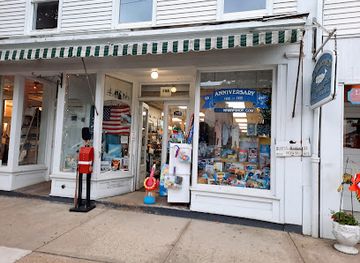
The Wharf Shop
Discover a whimsical toy store in Sag Harbor, filled with unique toys and games for all ages, perfect for creating cherished memories.
Get your free copy of our complete guide to The Hamptons, delivered straight to you.
Everything on this page, from attractions and restaurants to essentials and local phrases, in one PDF you can read offline, print or share.
Already have an account? Sign in
Your The Hamptons guide is ready.
We'll send it to · Not you? Sign out

Getting your guide ready…
We are putting together a fresh copy of the The Hamptons guide. This can take up to a minute.
This can take a few moments. If your browser asks, choose Allow so the download can start. You'll find the guide in your Downloads folder.
Nothing happened? Download it again
Sorry, the guide is taking longer than usual. Please try again in a minute, or get it by email instead.
The Hamptons essentials
Currency and Payment
Safety
Emergency Situations
Do's and Don'ts
Local Tips
From Eve
Local phrases worth knowing
You don't need to get them perfect. A few words go a long way, and locals appreciate the effort.
Basics
| English | Local | Say it |
|---|---|---|
| Hello | Hey | [hey] |
| Goodbye | Catch you later | [catch yuh lay-tuh] |
| Yes | Yeah | [yeh] |
| No | Nah | [nah] |
| Please/You're welcome | Sure thing | [shore thing] |
| Thank you | Thanks a bunch | [thanks uh bunch] |
| Excuse me/Sorry | Pardon me | [pahr-dun me] |
| How are you? | What's up? | [wuts up] |
| Fine. And you? | Doing well. How about you? | [doin well. how bout yuh] |
| Do you speak English? | You speak English? | [yuh speak english] |
| I don't understand | I'm lost | [im lost] |
Eating & Drinking
| English | Local | Say it |
|---|---|---|
| I'd like to see the menu, please | Let me check out the menu, please | [let me check out the menu, please] |
| I don't eat meat | I'm a vegetarian | [im a vedge-eh-tair-ee-an] |
| Cheers! | Cheers! | [cheers] |
| I would like to pay, please | I'll take the check, please | [ill take the check, please] |
Emergencies
| English | Local | Say it |
|---|---|---|
| Help! | I need assistance! | [i need uh-sis-tance] |
| Go away! | Get lost! | [get lost] |
| Call the Police! | Get the cops! | [get the cops] |
| Call a doctor! | Get a doctor! | [get uh doctor] |
| I'm lost | I'm disoriented | [im dis-or-ee-en-ted] |
| I'm ill | I'm not feeling well | [im not fee-ling well] |
Shopping
| English | Local | Say it |
|---|---|---|
| I'd like to buy... | I'm interested in... | [im in-ter-es-ted in] |
| I'm just looking | Just browsing | [just browse-ing] |
| How much is it? | What's the price? | [whats the price] |
| That's too expensive | That's a bit pricey | [thats uh bit pry-see] |
| Can you lower the price? | Can you give me a deal? | [can yuh give me uh deal] |
Time & Numbers
| English | Local | Say it |
|---|---|---|
| What time is it? | What's the time? | [whats the time] |
| It's one o'clock | It's one | [its one] |
| Half past (10) | Ten thirty | [ten thur-tee] |
| Morning | Morning | [morning] |
| Afternoon | Afternoon | [after-noon] |
| Evening | Evening | [even-ing] |
| Yesterday | Yesterday | [yes-ter-day] |
| Today | Today | [to-day] |
| Tomorrow | Tomorrow | [to-mor-row] |
| 1 | One | [wun] |
| 2 | Two | [too] |
| 3 | Three | [three] |
| 4 | Four | [four] |
| 5 | Five | [five] |
| 6 | Six | [six] |
| 7 | Seven | [sev-en] |
| 8 | Eight | [ate] |
| 9 | Nine | [nine] |
| 10 | Ten | [ten] |
Transport & Directions
| English | Local | Say it |
|---|---|---|
| Where's a/the...? | Where can I find...? | [where can eye find] |
| What's the address? | What's the location? | [whats the lo-ca-tion] |
| Can you show me (on the map)? | Can you point it out (on the map)? | [can yuh point it out on the map] |
| When's the next (bus)? | When's the next (bus) coming? | [whens the next bus com-ing] |
| A ticket (to ....) | One ticket (to ....) | [wun ticket to] |
History of The Hamptons
Indigenous Beginnings
Long before European settlers arrived, the area now known as The Hamptons was inhabited by the Shinnecock and Montaukett tribes. These indigenous peoples thrived along the coastal areas, relying on fishing, farming, and hunting. Their rich cultural heritage is still evident today, particularly through the Shinnecock Nation's presence and annual powwows.
Colonial Settlement
The Hamptons' modern history began in the 17th century with the arrival of English settlers. In 1640, a group of Puritans from Lynn, Massachusetts, established the first European settlement in Southampton. These early settlers engaged in agriculture, whaling, and fishing, shaping the region's initial economic landscape.
Whaling Era
During the 18th and 19th centuries, The Hamptons became a significant whaling hub. Sag Harbor, in particular, grew into a bustling port town where whaling ships embarked on long voyages. This era brought economic prosperity and a diverse population to the area, including many African Americans who played crucial roles in the whaling industry.
The Gilded Age
The late 19th century saw The Hamptons transform into a summer retreat for New York City's elite. Wealthy industrialists and socialites built grand summer 'cottages' in towns like East Hampton and Southampton. This period marked the beginning of The Hamptons' reputation as a playground for the rich and famous.
Artistic Colony
In the early 20th century, The Hamptons became a haven for artists and writers. The picturesque landscapes and serene environment attracted prominent figures such as Jackson Pollock, Willem de Kooning, and Truman Capote. The area continues to be a vibrant artistic community, with numerous galleries and art events.
World War II Impact
During World War II, The Hamptons played a strategic role due to its coastal location. The U.S. military established bases and training grounds in the area, including Camp Wickham in Montauk. The presence of the military brought significant changes and left a lasting impact on the local communities.
Modern Transformation
In the latter half of the 20th century, The Hamptons evolved into a premier destination for luxury living and tourism. The real estate boom led to the development of upscale properties, while the region maintained its charm with preserved historical sites, pristine beaches, and vibrant cultural events.
The Hamptons in Photos
Browse through our photo collection highlighting the charm and character of the destination.
Cities in The Hamptons
The towns and cities of The Hamptons, and the easiest places to base yourself.

Swipe for more cities
Neighbouring destination travel guides
The closest destinations to The Hamptons, if you have time for more than one.
-

-

-

-

-


Swipe for more destinations
Explore more

Explore more of Long Island
Discover Long Island: A blend of pristine beaches, historic mansions, vibrant arts, and exquisite culinary experiences just a short trip from New York City.
Explore Long Island
Explore more of New York
Discover the electrifying energy, iconic landmarks, and diverse cultural experiences of New York City, the ultimate urban playground for travelers from around the world.
Explore New York