

Free Montauk Travel Guide & Mobile App
Plan your Montauk trip with Evendo. Get free guides to top attractions, restaurants, hotels, and bars. Web access or download the mobile app.


Montauk blends Atlantic beaches, the historic lighthouse, surf culture, fishing heritage and coastal parks at Long Island’s scenic eastern tip.
Land, Sea and Light
Montauk occupies the eastern tip of Long Island, where the Atlantic Ocean meets the broad waters of Block Island Sound. Known locally as the End, it combines a working fishing harbour, long beaches, windswept coastal parks and a small community shaped by the sea. At Montauk Point, the red-and-white lighthouse overlooks a meeting of currents that has guided ships since 1796; farther west, dunes and open grassland create a distinctly less developed landscape than the resort villages of the Hamptons.Read more about Montauk
A Coastal Community
History in the Landscape
When is the best time to visit Montauk?
Best: June–August · 23–26°C| Month | High (°C) | Rainfall (mm) |
|---|---|---|
| January | 5 | 89 |
| February | 5 | 83 |
| March | 8 | 103 |
| April | 12 | 99 |
| May | 18 | 95 |
| June (best) | 23 | 92 |
| July (best) | 26 | 101 |
| August (best) | 26 | 100 |
| September | 23 | 104 |
| October | 18 | 102 |
| November | 11 | 101 |
| December | 6 | 103 |
Getting to and around Montauk
How to get there
Transportation
Best attractions in Montauk
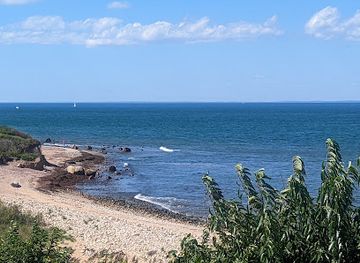
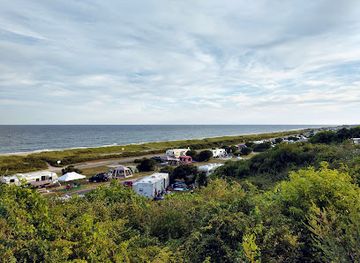
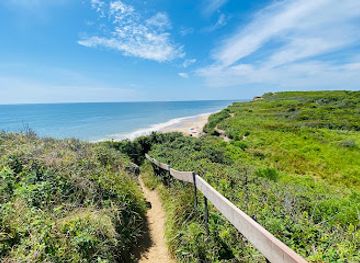
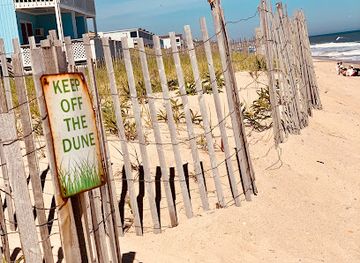
Montauk’s principal attractions are spread across a dramatic Atlantic setting rather than concentrated in a single centre. Montauk Point Lighthouse, commissioned in 1796, anchors the eastern headland with maritime history, sea views and a museum interpreting the site. Camp Hero State Park combines ocean bluffs, woodland and former military structures, while nearby Montauk Point State Park preserves the exposed shoreline around the lighthouse. Hither Hills State Park offers broad beaches, trails and a landscape of dunes and coastal forest, and Shadmoor State Park is known for steep bluffs, open grassland and sweeping views over the ocean. In the settled area, Montauk Harbor reveals the hamlet’s continuing connection with commercial fishing and charter boats. Ditch Plains has a long association with surfing, while Kirk Park Beach provides a more central stretch of oceanfront. Together these places show Montauk as a working coastal community as much as a summer beach resort.
-
Tourist attraction
Montauk Point State Park
Discover the breathtaking landscapes and outdoor adventures at Montauk Point State Park, a coastal paradise in New York's scenic Long Island.
19 min drive · 6.5 km from city centre
-
Tourist attraction
Hither Hills State Park
Discover Hither Hills State Park, a serene coastal retreat in Montauk, New York, offering breathtaking views, outdoor activities, and relaxing picnic spots.
21 min drive · 7.0 km from city centre
-
Tourist attraction
Ditch Plains Beach
Explore Ditch Plains Beach, a stunning public beach in Montauk, NY, perfect for surfers, sunbathers, and families seeking coastal relaxation.
8 min drive · 2.6 km from city centre
-
Tourist attraction
Kirk Park Beach
Experience the beauty of Kirk Park Beach in Montauk, a perfect destination for families and beach lovers seeking sun, relaxation, and coastal adventures.
6 min drive · 1.9 km from city centre
Best landmarks in Montauk
Montauk Point Lighthouse is the hamlet’s defining landmark, a stone tower begun in 1796 that marks the eastern end of Long Island and remains an active aid to navigation. Its significance is both architectural and maritime, linking Montauk to the coastal dangers faced by shipping in the early United States. Camp Hero’s former radar and military structures provide a more austere twentieth-century counterpoint, preserving evidence of the area’s strategic role during the Second World War and Cold War. In the harbour, fishing boats, docks and waterfront working spaces form a living maritime landmark rather than a single monument. The open headland and protected coastline around Montauk Point also carry cultural meaning through their association with the Montaukett homeland. Nearby state parks retain the visual relationship between bluffs, dunes, woodland and sea that has shaped the community’s identity.
-
Resort hotel
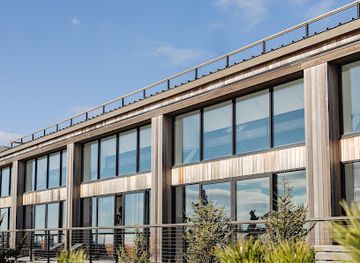
Gurney's Montauk Resort & Seawater Spa
Experience the ultimate coastal retreat at Gurney's Montauk Resort & Seawater Spa, blending luxury and natural beauty in stunning Montauk, NY.
16 min drive · 5.2 km from city centre
-
Horseback riding service
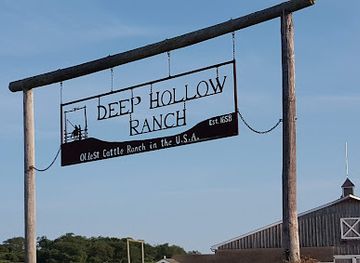
Deep Hollow Ranch
Experience the legacy of horseback riding at Deep Hollow Ranch, the oldest working ranch in the U.S., set in the stunning landscapes of Montauk.
13 min drive · 4.2 km from city centre
-
Restaurant
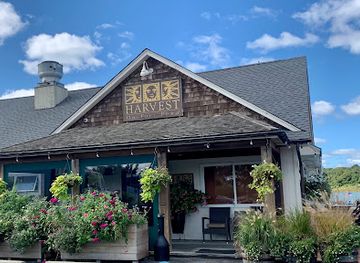
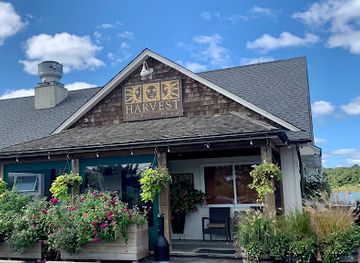
Harvest on Fort Pond
Discover the culinary delight at Harvest on Fort Pond, where fresh seafood meets breathtaking waterfront views in Montauk, NY.
5 min drive · 1.6 km from city centre
-
State park
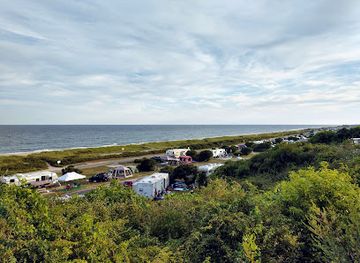
Hither Hills State Park
Explore Hither Hills State Park - a coastal gem in Montauk, NY, offering beautiful beaches, hiking trails, and a serene escape into nature.
21 min drive · 7.0 km from city centre
Explore Montauk on the map
Plan your Montauk trip on one map. See where the top attractions, landmarks, restaurants, bars and hotels are, find what's near where you're staying, and book hotels and experiences in a few clicks.
Best hotels in Montauk
Best restaurants in Montauk
Montauk’s dining culture is grounded in the Atlantic and in the practical traditions of a fishing community. Seafood is the defining thread, appearing in fish sandwiches, fried preparations, oysters, clams, lobster rolls and simply cooked local catches, with menus changing according to supply and season. The harbour area provides the clearest sense of this maritime connection, while Montauk village and the roads leading towards the beaches offer cafés, casual eateries, bakeries and restaurants ranging from relaxed family dining to more polished seasonal cooking. Farm produce from Long Island often accompanies the seafood, and American comfort food remains part of the local repertoire. Breakfast cafés and coffee shops are important to visitors heading for the beach or an early boat trip, while summer dining tends to extend outdoors when weather permits. Reservations and opening patterns can be seasonal, particularly outside the peak months.
-
Seafood
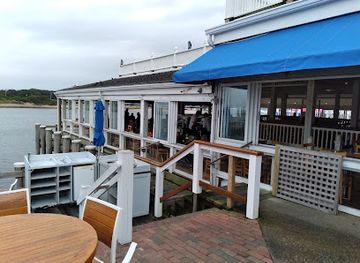
Gosman's Restaurant
Experience coastal culinary delights at Gosman's Restaurant in Montauk—where fresh seafood meets stunning waterfront views.
10 min drive · 3.2 km from city centre
-
Restaurant
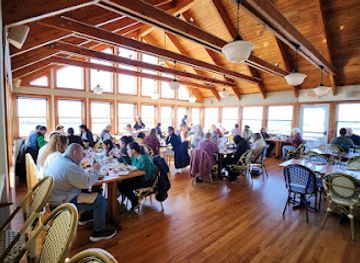
Harvest on Fort Pond
Experience exquisite seafood dining at Harvest on Fort Pond in Montauk, where fresh flavors meet stunning waterfront views.
5 min drive · 1.6 km from city centre
-
Seafood
Inlet Seafood Restaurant
Discover the taste of Montauk at Inlet Seafood Restaurant – where fresh seafood meets stunning coastal views.
10 min drive · 3.4 km from city centre
-
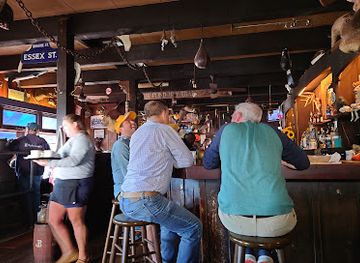
Seafood
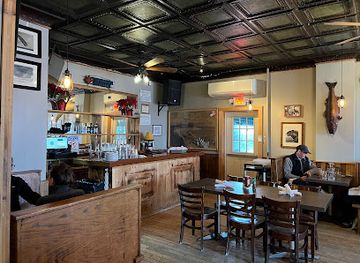
Shagwong
Experience fresh seafood and vibrant nightlife at Shagwong Tavern in Montauk - a true taste of coastal New York.
18 min walk · 1.4 km from city centre
Best bars in Montauk
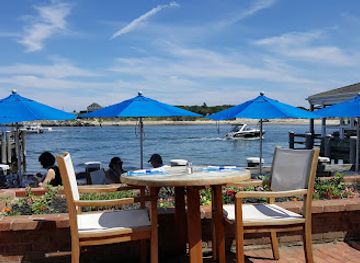
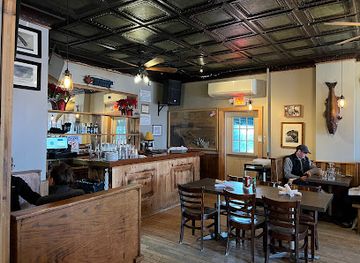
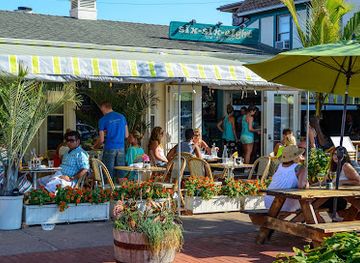
Montauk’s evening scene is seasonal and coastal rather than metropolitan. Harbour-front and village bars draw visitors for beer, cocktails and sunset views, while restaurants often provide the main setting for a relaxed night out. During summer, music and social activity become more noticeable around the village, beaches and waterfront, with live performances and informal gatherings supplementing the drinking scene. The atmosphere ranges from low-key pubs and hotel bars to busier venues associated with the East End’s summer crowd, but late-night options are more limited outside the high season. Montauk also suits quieter evenings: a walk along the village streets, a sunset near the harbour or an early night before a fishing charter can be more characteristic than a full club circuit. Local rules concerning alcohol, noise, driving and beach access should be observed, especially after dark.
-
Seafood
Gosman's Restaurant
Experience the best seafood dining at Gosman's Restaurant in Montauk, where fresh flavors meet stunning ocean views.
10 min drive · 3.2 km from city centre
-
Seafood
Shagwong
Discover the best seafood in Montauk at Shagwong Tavern, where fresh flavors and a cozy atmosphere await seafood enthusiasts.
18 min walk · 1.4 km from city centre
-
American
668 The Gig Shack
Experience the best of Montauk with exquisite American and seafood cuisine at 668 The Gig Shack, a vibrant dining hotspot.
17 min walk · 1.4 km from city centre
-
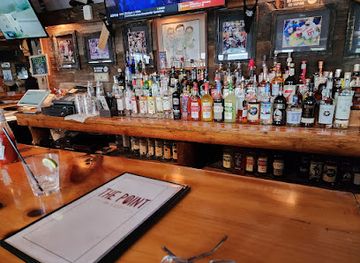
Grill
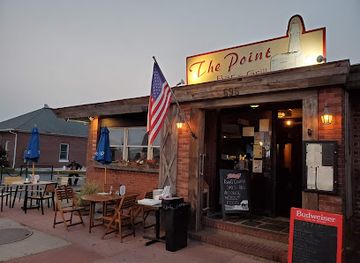
The Point Bar & Grill
Discover the vibrant flavors and welcoming atmosphere at The Point Bar & Grill, a must-visit culinary destination in Montauk, NY.
5 min drive · 1.6 km from city centre
Best nightclubs in Montauk
Montauk’s evening scene is seasonal and coastal rather than metropolitan. Harbour-front and village bars draw visitors for beer, cocktails and sunset views, while restaurants often provide the main setting for a relaxed night out. During summer, music and social activity become more noticeable around the village, beaches and waterfront, with live performances and informal gatherings supplementing the drinking scene. The atmosphere ranges from low-key pubs and hotel bars to busier venues associated with the East End’s summer crowd, but late-night options are more limited outside the high season. Montauk also suits quieter evenings: a walk along the village streets, a sunset near the harbour or an early night before a fishing charter can be more characteristic than a full club circuit. Local rules concerning alcohol, noise, driving and beach access should be observed, especially after dark.
-
Grill
The Point Bar & Grill
Experience the vibrant flavors and relaxed atmosphere at The Point Bar & Grill in Montauk, where delicious food meets coastal charm.
5 min drive · 1.6 km from city centre
-
Grill
The Dock Bar & Grill
Experience the best of Montauk dining at The Dock Bar & Grill, where fresh coastal flavors meet stunning waterfront views.
9 min drive · 3.1 km from city centre
-
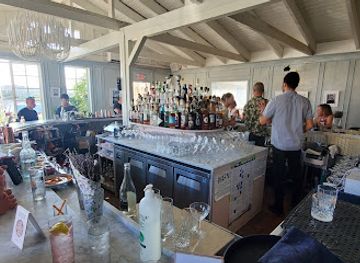
Restaurant
Sel Rrose Montauk
Experience coastal dining at Sel Rrose Montauk; indulge in fresh seafood and crafted cocktails in a vibrant atmosphere.
5 min drive · 1.7 km from city centre
-
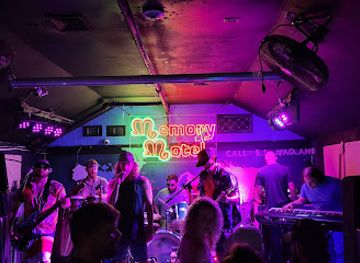
Bar
Memory Motel
Discover the vibrant nightlife at Memory Motel in Montauk, NY – a lively bar perfect for socializing, music, and creating unforgettable memories.
5 min drive · 1.6 km from city centre
Best shops in Montauk
Shopping in Montauk is concentrated around Montauk Highway, the village centre and the harbour, where independent shops reflect the hamlet’s beach, fishing and surfing culture. Surf retailers sell boards, clothing and practical beach equipment, while smaller boutiques carry casual coastal clothing, gifts, jewellery and locally themed goods. Visitors can also find art, photography and handmade items connected with the East End, though the retail scene is more informal and seasonal than that of a major shopping district. Food shops and fish markets provide opportunities to take home regional products, and harbour businesses supply equipment and clothing suited to boating and outdoor life. Montauk Point and other visitor sites offer historical or maritime souvenirs, but the most characteristic purchases tend to be useful rather than ornamental: surfwear, beach essentials, locally produced foods and objects reflecting the area’s relationship with the Atlantic.
-
Coffee shop
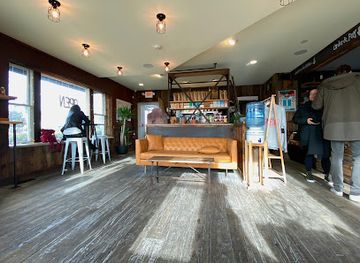
Left Hand Coffee
Savor the finest brews at Left Hand Coffee in Montauk, where quality meets community in a cozy, inviting atmosphere.
19 min walk · 1.5 km from city centre
-
Candy store
Fudge N Stuff
Discover the sweet magic of Fudge N Stuff in Montauk, a delightful candy store and ice cream shop perfect for families and candy lovers.
5 min drive · 1.5 km from city centre
-
Gift shop
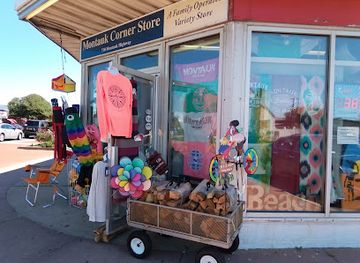
Montauk Corner Store
Explore Montauk Corner Store - your go-to destination for unique gifts and pharmacy essentials in the heart of Montauk, NY.
5 min drive · 1.6 km from city centre
-
Clothing store
Wyld Blue Montauk
Discover unique clothing and accessories that capture the essence of Montauk at Wyld Blue, the ultimate shopping destination for fashion lovers.
5 min drive · 1.5 km from city centre

Get your free copy of our complete guide to Montauk, delivered straight to you.
Everything on this page, from attractions and restaurants to essentials and local phrases, in one PDF you can read offline, print or share.
Already have an account? Sign in
Your Montauk guide is ready.
We'll send it to · Not you? Sign out

Getting your guide ready…
We are putting together a fresh copy of the Montauk guide. This can take up to a minute.
This can take a few moments. If your browser asks, choose Allow so the download can start. You'll find the guide in your Downloads folder.
Nothing happened? Download it again
Sorry, the guide is taking longer than usual. Please try again in a minute, or get it by email instead.
Montauk essentials
Currency and Payment
Safety
Emergency Situations
Do's and Don'ts
Local Tips
From Eve
Local phrases worth knowing
You don't need to get them perfect. A few words go a long way, and locals appreciate the effort.
Basics
| English | Local | Say it |
|---|---|---|
| Hello | Howdy | [haw-dee] |
| Goodbye | Catch ya later | [katch ya lay-ta] |
| Yes | Yeah | [yeh] |
| No | Nah | [nah] |
| Please/You're welcome | Sure thing | [shuhr thing] |
| Thank you | Thanks a lot | [thanks uh lot] |
| Excuse me/Sorry | Pardon me | [par-dun mee] |
| How are you? | How's it goin'? | [hows it go-in] |
| Fine. And you? | I'm good. How 'bout you? | [aym good. how bowt yuh] |
| Do you speak English? | Do ya speak English? | [do yuh speak ing-lish] |
| I don't understand | I ain't gettin' it | [ay aint get-tin it] |
Eating & Drinking
| English | Local | Say it |
|---|---|---|
| I'd like to see the menu, please | Can I check out the menu? | [kan eye chek out the menu] |
| I don't eat meat | I don't do meat | [ay doont do meat] |
| Cheers! | Bottoms up! | [bot-ums up] |
| I would like to pay, please | I'll settle up, thanks | [ayl set-tul up thanks] |
Emergencies
| English | Local | Say it |
|---|---|---|
| Help! | I need a hand! | [ay need uh hand] |
| Go away! | Beat it! | [beet it] |
| Call the Police! | Get the cops! | [get the cops] |
| Call a doctor! | Ring up a doc! | [ring up uh doc] |
| I'm lost | I'm all turned around | [aym all turned uh-round] |
| I'm ill | I'm feelin' under the weather | [aym feelin un-der the weath-ur] |
Shopping
| English | Local | Say it |
|---|---|---|
| I'd like to buy... | I'm lookin' to pick up... | [aym lookin tuh pick up] |
| I'm just looking | Just browsin' | [just brow-sin] |
| How much is it? | What's the damage? | [whats the dam-midge] |
| That's too expensive | That's a bit steep | [thats uh bit steep] |
| Can you lower the price? | Can ya cut me a deal? | [can yuh cut me uh deal] |
Time & Numbers
| English | Local | Say it |
|---|---|---|
| What time is it? | What's the time? | [whats the time] |
| It's one o'clock | It's one | [its one] |
| Half past (10) | Ten-thirty | [ten-thur-tee] |
| Morning | Mornin' | [morn-in] |
| Afternoon | Afternoon | [after-noon] |
| Evening | Evenin' | [even-in] |
| Yesterday | Yest'day | [yest-day] |
| Today | Today | [to-day] |
| Tomorrow | Tomorra | [tom-or-ruh] |
| 1 | One | [wun] |
| 2 | Two | [too] |
| 3 | Three | [three] |
| 4 | Four | [four] |
| 5 | Five | [five] |
| 6 | Six | [six] |
| 7 | Seven | [sev-un] |
| 8 | Eight | [ayt] |
| 9 | Nine | [nine] |
| 10 | Ten | [ten] |
Transport & Directions
| English | Local | Say it |
|---|---|---|
| Where's a/the...? | Where's the...? | [wheres the] |
| What's the address? | What's the addy? | [whats the add-ee] |
| Can you show me (on the map)? | Can ya point it out? | [can yuh point it out] |
| When's the next (bus)? | When's the next (bus)? | [whens the next bus] |
| A ticket (to ....) | A ticket (to ....) | [a ticket to] |
History of Montauk
The Montaukett Homeland
Long before English settlement, the eastern end of Long Island was home to the Montaukett, an Indigenous Algonquian-speaking people whose seasonal life was closely connected with fishing, shellfish, hunting and the peninsula’s coastal environment. Montaukett sachem Wyandanch maintained relationships with English settlers in the seventeenth century, but the agreements and land transactions that followed remain part of a deeply contested history of colonial expansion and dispossession. In 1658, English settlers from East Hampton acquired rights to land at Montauk, while Montaukett communities continued to live in the area. This early history is not simply a prelude to the resort town: it forms the cultural and political foundation for understanding the landscape and the continuing significance of Montaukett identity.
Colonial Farming and Coastal Trade
After English settlement expanded eastwards from East Hampton, Montauk was used for grazing, farming and access to the sea. Its distance from the island’s main settlements limited dense development, while the exposed coast supported fishing and maritime activity. The peninsula’s waters were also important to whaling and other forms of coastal trade during the colonial and early national periods. Over time, land ownership became increasingly concentrated among non-Montaukett settlers, contributing to the loss of Indigenous control over ancestral territory. The open fields and long roads visible today therefore reflect both the practical demands of a remote agricultural district and the uneven transformation of Indigenous land under colonial rule.
Montauk Point Lighthouse
The dangers of the eastern Long Island coast prompted the construction of Montauk Point Lighthouse in 1796, after Congress authorised the project during George Washington’s presidency. First lit in 1797, it became an essential aid for vessels approaching the meeting waters of the Atlantic Ocean and Block Island Sound. The stone tower and keeper’s buildings established the most enduring architectural symbol of Montauk and helped give the remote headland a national maritime role. The lighthouse was later transferred to New York State and remains an active aid to navigation, while its preservation reflects the continuing importance of the point as both a working coastal site and a historic landmark.
Fishing, Railways and the Rise of a Resort
Montauk’s modern transformation accelerated in the late nineteenth and early twentieth centuries. The arrival of the Long Island Rail Road in 1895 improved access to the eastern end of the island, encouraging visitors, sporting camps and new commercial activity. Fishing remained central, particularly around the harbour, but tourism increasingly developed around beaches, boating, hunting and the appeal of a comparatively wild shoreline. Roads and seasonal accommodation gradually linked the hamlet more closely with the rest of Long Island. This combination of working waterfront and leisure economy became a defining feature of Montauk, distinguishing it from more formalised resort settlements farther west in the Hamptons.
Military Landscapes and Conservation
During the Second World War and the Cold War, the strategic position of Montauk Point led to military use of Camp Hero and nearby coastal land. Radar, observation and defensive facilities formed part of the wider protection of the New York metropolitan area, leaving concrete structures and ruined buildings within a landscape now experienced as a state park. After military operations ended, public concern over development helped secure conservation of substantial stretches of the coast. Camp Hero State Park, Hither Hills State Park and other protected areas preserve dunes, woodland, freshwater wetlands and ocean frontage. Contemporary Montauk is consequently shaped by overlapping histories of Indigenous stewardship, maritime work, military strategy and environmental protection.
Montauk in Photos
Browse through our photo collection highlighting the charm and character of the destination.
Cities near Montauk
The closest cities to Montauk, if you have time for more than one stop.
-

-

-

-

-


Swipe for more cities
Explore more

Explore more of New York
Discover the electrifying energy, iconic landmarks, and diverse cultural experiences of New York City, the ultimate urban playground for travelers from around the world.
Explore New York