

Free Polesia Travel Guide & Mobile App
Explore Polesia with free travel guides. Discover regional history, expert tips, proposed trips, and audio guides on web or mobile app.


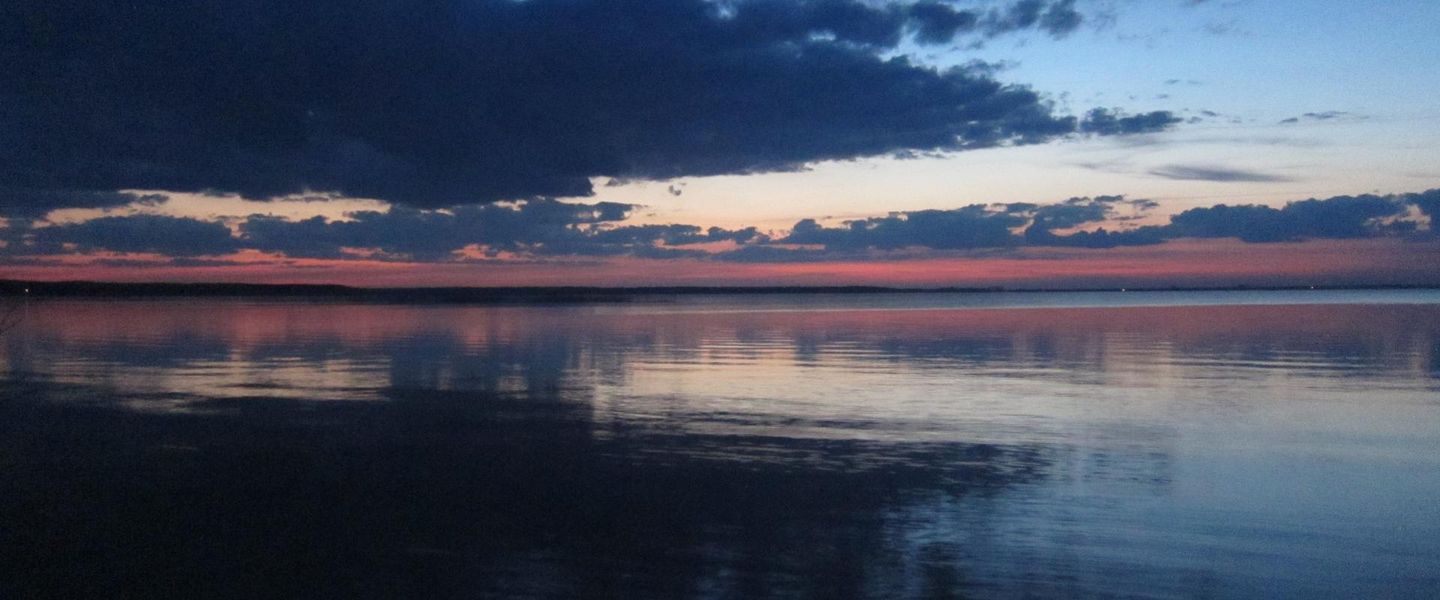


Explore Ukrainian Polesia through pine forests, wetlands, quiet lakes, wooden villages and historic towns shaped by rivers and frontier history.
Read more about Polesia
When is the best time to visit Polesia?
Best: June–August · 23–25°C| Month | High (°C) | Rainfall (mm) |
|---|---|---|
| January | 1 | 35 |
| February | 1 | 30 |
| March | 8 | 35 |
| April | 14 | 40 |
| May | 20 | 50 |
| June (best) | 23 | 55 |
| July (best) | 25 | 60 |
| August (best) | 23 | 55 |
| September | 19 | 50 |
| October | 14 | 45 |
| November | 7 | 40 |
| December | 3 | 40 |
Getting to and around Polesia
How to get there
Transportation
Top city travel guides in Polesia
The cities of Polesia, and the easiest places to base yourself.
-

-
-

-

-

-


Swipe for more cities
Destinations in Polesia
Resorts, valleys and scenic spots worth a trip of their own.
-

-

-

-
-
-


Swipe for more destinations
Best attractions in Polesia
Polesia's attractions are defined less by a concentrated list of monuments than by the scale and texture of its natural landscape. The Shatsk Lakes in Volyn provide the region's best-known setting for swimming, boating, birdwatching and forest walks, while the Pripyat-Stokhid National Nature Park protects a watery world of channels, meadows, reed beds and seasonally flooded woodland. Rivne Nature Reserve offers another major wetland environment, although access is managed and should be arranged according to current regulations. In Zhytomyr oblast, Polissia National Nature Park and the Drevliansky Nature Reserve combine pine forests, rivers and quiet rural scenery. Historic interest ranges from Ovruch and Korosten to the medieval churches and monastic architecture of Chernihiv on the region's eastern margin. The Chornobyl exclusion zone has scientific and historical importance, but it is not a conventional attraction: access is controlled, and current security conditions may prevent visits altogether. Across the region, canoeing, walking, cycling, nature observation and visits to village churches offer a more grounded understanding of Polesian life than a rapid sightseeing circuit.
-
Tourist attraction
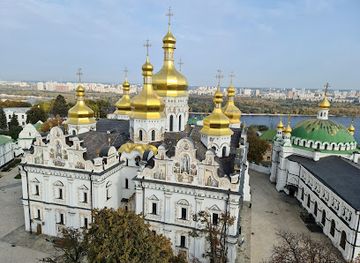
Kiev Pechersk Lavra
Discover the historical and spiritual essence of Kyiv at the breathtaking Kiev Pechersk Lavra, a UNESCO World Heritage site and treasure of Ukraine.
-
Tourist attraction
Independence Square
Explore Independence Square in Kyiv, a vibrant hub of history, culture, and community that symbolizes Ukraine's journey to freedom.
-
Tourist attraction
National Museum of the History of Ukraine in the Second World War
Discover Ukraine's rich wartime history at the National Museum of the History of Ukraine in the Second World War, a profound cultural landmark and memorial.
-
Tourist attraction
Park Landscape Alley
Explore the serene Park Landscape Alley in Kyiv, where nature meets art in a vibrant and inviting atmosphere perfect for all ages.


Best landmarks in Polesia
The most recognisable landmarks of Ukrainian Polesia range from medieval architecture to landscapes shaped by water and twentieth-century catastrophe. Chernihiv's historic churches and monastery complex form one of the most important architectural ensembles associated with the northern Ukrainian cultural sphere, with roots reaching back to Kyivan Rus. In the west, Ovruch's Church of Saint Basil is a notable medieval monument linked to the region's early Rus and later historical layers. Korosten's rocky banks and river setting on the Uzh provide a visible connection with the ancient settlement history of northern Zhytomyr. The Shatsk Lakes, especially Lake Svityaz, function as natural landmarks whose broad water, wooded shores and changing light define western Polesia. In the east, the abandoned urban landscape of Pripyat and the Chornobyl nuclear complex are internationally recognised symbols of the 1986 disaster, but they lie within a controlled zone and must not be approached independently. Forest reserves, wooden churches and village memorials complete a landmark tradition that is often local, modest and closely tied to the landscape.
-
Tourist attraction
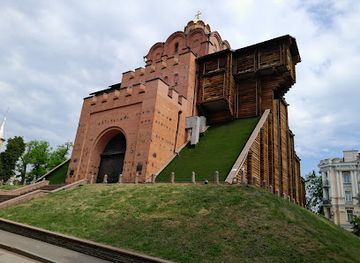
Golden Gate
Discover the historical significance and architectural beauty of the Golden Gate in Kyiv, an essential stop for every traveler exploring Ukraine's capital.
-
Zoo
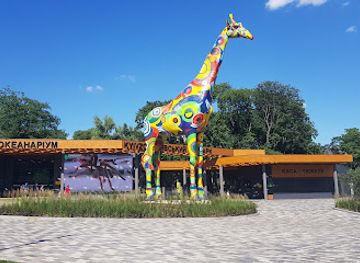
Kiev Zoo
Experience the captivating wildlife and lush landscapes of Kiev Zoo, a top tourist attraction in Kyiv, ideal for families and animal lovers.
-
Monastery
Kiev Pechersk Lavra
Explore Kiev Pechersk Lavra, a UNESCO World Heritage site showcasing stunning architecture, ancient caves, and vibrant spiritual life in the heart of Kyiv.
-
Tourist attraction
Arka Svobody Ukrayinsʹkoho Narodu
Discover the beauty and significance of Arka Svobody, a cultural landmark in Kyiv that symbolizes Ukraine's enduring spirit and offers stunning river views.

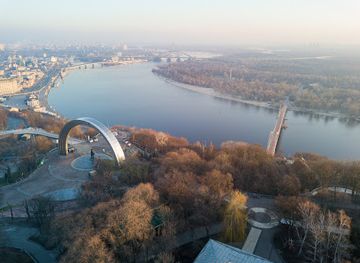
Explore Polesia on the map
Plan your trip on one map. See where the top cities, national parks and sights are, and book hotels and experiences in a few clicks.
Best hotels in Polesia
Best restaurants in Polesia
Polesian food reflects forests, wetlands and a relatively modest rural economy rather than a single nationally famous cuisine. Menus in northern Ukrainian towns and villages may feature potato dishes, buckwheat, cabbage, mushrooms, pickled vegetables, freshwater fish and soups, with berries, honey and forest herbs appearing in seasonal cooking. In Volyn and Rivne, lake and river districts have traditions of preparing fish, while dairy products, rye bread and home preserves remain familiar rural staples. Restaurants in larger towns offer standard Ukrainian dishes such as varenyky, deruny and borshch alongside contemporary interpretations, whereas village cafés and family-run establishments tend to be simpler and more seasonal. Farmers' markets are useful for finding local honey, berries, mushrooms when legally and safely sourced, apples, smoked products and baked goods. In areas affected by war or restricted access, dining options can be limited, so accommodation with kitchen facilities may be practical for excursions into remote countryside.
-
Bistro
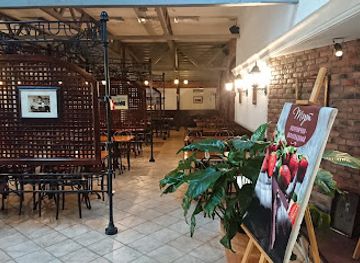
Puzata Hata
Experience the heartwarming flavors of traditional Ukrainian cuisine at Puzata Hata, Kyiv's beloved bistro destination.
-
Georgian
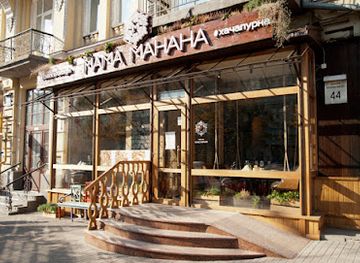
Mama Manana
Experience authentic Georgian cuisine at Mama Manana in Kyiv – where every dish brings tradition to your table.
-
Meat
Rebernya Na Uzvozi
Experience the rich flavors of Ukrainian cuisine at Rebernya Na Uzvozi, where delicious meats meet craft beer in a cozy atmosphere.
-
Restaurant
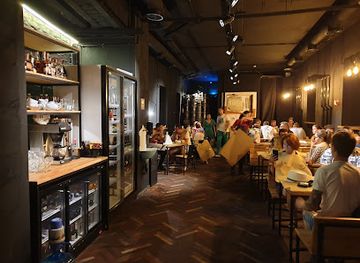
Ostannya Barykada
Discover Ostannya Barykada: A delightful blend of traditional Ukrainian flavors in a modern setting at the heart of Kyiv.
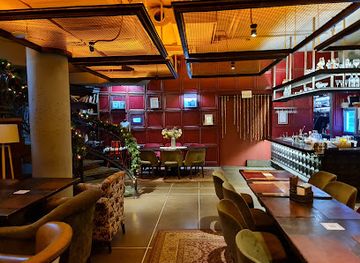
Best bars in Polesia
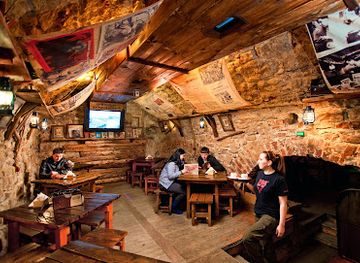
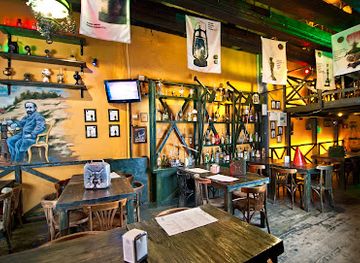
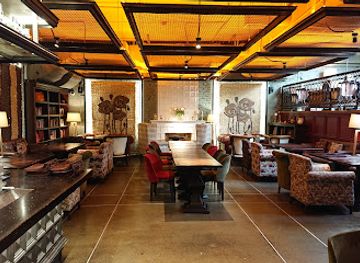
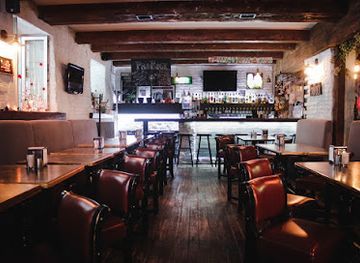
Evening life in Ukrainian Polesia is concentrated in regional centres such as Rivne, Lutsk, Zhytomyr and Chernihiv, rather than distributed through the forests and lake districts. These towns offer cafés, restaurants, modest cocktail bars, breweries and live-music venues, while smaller settlements generally rely on traditional pubs, hotel restaurants and cafés that close earlier. In Shatsk and other lake areas, summer brings a more seasonal atmosphere around accommodation clusters, but it should not be confused with a large resort nightlife scene. Visitors may encounter curfews, alcohol restrictions, power interruptions or venue closures connected with martial law, so current local guidance matters. In rural districts, quiet evenings, conversation and early starts for walking or boating are more characteristic than clubbing, and responsible drinking is especially important when transport options are limited.
-
Ukrainian
Kryivka
Experience authentic Ukrainian cuisine at Kryivka, a unique restaurant in Lviv that blends tradition, history, and delectable flavors.
-
Restaurant
Gas Lamp
Experience authentic Ukrainian cuisine at Gas Lamp, a delightful restaurant and café in Lviv offering a cozy atmosphere and delicious local flavors.
-
Restaurant
Ostannya Barykada
Experience authentic Ukrainian cuisine in the heart of Kyiv at Ostannya Barykada, a restaurant celebrating local flavors and culture.
-
Gastropub
ProRock Pub
Discover the vibrant ProRock Pub in Kyiv, a top gastropub offering delicious food and drinks in an energetic atmosphere.
Best nightclubs in Polesia
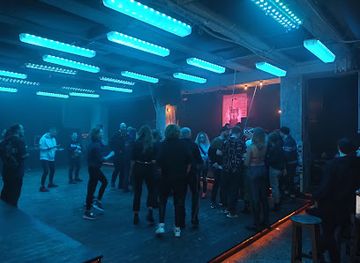
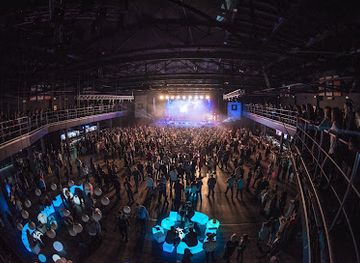
Evening life in Ukrainian Polesia is concentrated in regional centres such as Rivne, Lutsk, Zhytomyr and Chernihiv, rather than distributed through the forests and lake districts. These towns offer cafés, restaurants, modest cocktail bars, breweries and live-music venues, while smaller settlements generally rely on traditional pubs, hotel restaurants and cafés that close earlier. In Shatsk and other lake areas, summer brings a more seasonal atmosphere around accommodation clusters, but it should not be confused with a large resort nightlife scene. Visitors may encounter curfews, alcohol restrictions, power interruptions or venue closures connected with martial law, so current local guidance matters. In rural districts, quiet evenings, conversation and early starts for walking or boating are more characteristic than clubbing, and responsible drinking is especially important when transport options are limited.
-
Night club
Клуб на !FESTrepublic
Experience the electrifying nightlife at Клуб на !FESTrepublic in Lviv, a vibrant fusion of music, dance, and unforgettable moments.
-
Night club
CLOSER
Discover the fusion of nightlife and art at CLOSER, a vibrant night club in Kyiv that promises unforgettable experiences and cultural richness.
-
Night club
Caribbean Club
Discover the ultimate nightlife experience at Caribbean Club, a vibrant venue in Kyiv offering dining, concerts, and unforgettable entertainment.
-
Night club
Stereo Plaza
Discover the exhilarating nightlife of Kyiv at Stereo Plaza, where music, dance, and unforgettable experiences await every night.


Best shops in Polesia
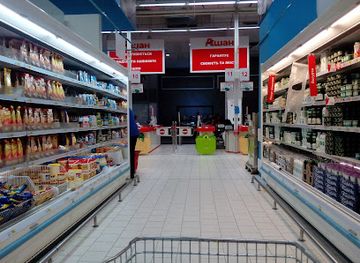
Shopping in Polesia is primarily local and practical, with the greatest variety found in regional centres such as Rivne, Lutsk, Zhytomyr and Chernihiv. Market halls and open-air markets sell seasonal fruit, vegetables, honey, preserves, bread, dairy products and household goods, while smaller village markets offer a more limited selection. Visitors looking for regionally meaningful products should consider Ukrainian honey, berry preserves, herbal teas, linen or wool textiles, carved wooden items and locally made ceramics, provided that provenance and legal sale are clear. In lake and forest districts, small shops may stock basic supplies rather than a broad range of souvenirs. Avoid buying objects said to come from abandoned villages, military sites or the Chornobyl exclusion zone, since removal can be unsafe or illegal. Independent craft shops, museum stores and authorised cultural centres are generally better places to find books, traditional designs and responsibly produced gifts than informal roadside sellers.
-
Shopping mall
Ocean Plaza
Discover shopping, dining, and entertainment at Ocean Plaza, Kyiv's vibrant mall offering a unique blend of local and international experiences.
-
Shopping mall
Lavina Mall
Explore Lavina Mall, Kyiv's dynamic shopping center, featuring an extensive range of shops, dining, and entertainment for an unforgettable experience.
-
Shopping mall
Forum Lviv
Explore Forum Lviv, a vibrant shopping mall in the heart of Lviv, featuring diverse shops, dining options, and family-friendly entertainment.
-
Shopping mall
ТРЦ Gulliver
Explore ТРЦ Gulliver: Kyiv's premier shopping destination blending luxury stores, diverse dining, and vibrant entertainment.

Get your free copy of our complete guide to Polesia, delivered straight to you.
Everything on this page, from attractions and restaurants to essentials and local phrases, in one PDF you can read offline, print or share.
Already have an account? Sign in
Your Polesia guide is ready.
We'll send it to · Not you? Sign out

Getting your guide ready…
We are putting together a fresh copy of the Polesia guide. This can take up to a minute.
This can take a few moments. If your browser asks, choose Allow so the download can start. You'll find the guide in your Downloads folder.
Nothing happened? Download it again
Sorry, the guide is taking longer than usual. Please try again in a minute, or get it by email instead.
Polesia essentials
Currency and Payment
Safety
Emergency Situations
Do's and Don'ts
Local Tips
From Eve
Local phrases worth knowing
You don't need to get them perfect. A few words go a long way, and locals appreciate the effort.
Basics
| English | Local | Say it |
|---|---|---|
| Hello | Привіт | [Pryvit] |
| Goodbye | До побачення | [Do pobachennya] |
| Yes | Так | [Tak] |
| No | Ні | [Ni] |
| Please/You're welcome | Будь ласка | [Bud' laska] |
| Thank you | Дякую | [Dyakuyu] |
| Excuse me/Sorry | Вибачте | [Vybachte] |
| How are you? | Як справи? | [Yak spravy?] |
| Fine. And you? | Добре. А ти? | [Dobre. A ty?] |
| Do you speak English? | Ви говорите англійською? | [Vy hovoryte anhliyskoyu?] |
| I don't understand | Я не розумію | [Ya ne rozumiyu] |
Eating & Drinking
| English | Local | Say it |
|---|---|---|
| I'd like to see the menu, please | Я б хотів побачити меню, будь ласка | [Ya b khotiv pobachyty menyu, bud' laska] |
| I don't eat meat | Я не їм м'ясо | [Ya ne yim myaso] |
| Cheers! | На здоров'я! | [Na zdorov'ya!] |
| I would like to pay, please | Я хотів би заплатити, будь ласка | [Ya khotiv by zaplatyty, bud' laska] |
Emergencies
| English | Local | Say it |
|---|---|---|
| Help! | Допоможіть! | [Dopomozhit'!] |
| Go away! | Ідіть геть! | [Idit' het'!] |
| Call the Police! | Подзвоніть у поліцію! | [Podzvonyt' u politsiyu!] |
| Call a doctor! | Подзвоніть лікарю! | [Podzvonyt' likaryu!] |
| I'm lost | Я загубився | [Ya zahubyvsyas'] |
| I'm ill | Я хворий | [Ya khvoryy] |
Shopping
| English | Local | Say it |
|---|---|---|
| I'd like to buy... | Я хотів би купити... | [Ya khotiv by kupyty...] |
| I'm just looking | Я лише дивлюся | [Ya lyshe dyvlyusya] |
| How much is it? | Скільки це коштує? | [Skil'ky tse koshtuye?] |
| That's too expensive | Це занадто дорого | [Tse zanadto doroho] |
| Can you lower the price? | Ви можете знизити ціну? | [Vy mozhete znyzyty tsinu?] |
Time & Numbers
| English | Local | Say it |
|---|---|---|
| What time is it? | Скільки часу? | [Skil'ky chasu?] |
| It's one o'clock | Одна година | [Odna hodyna] |
| Half past (10) | Пів на (десяту) | [Piv na (desyatu)] |
| Morning | Ранок | [Ranok] |
| Afternoon | Після обіду | [Pislya obidu] |
| Evening | Вечір | [Vechir] |
| Yesterday | Вчора | [Vchora] |
| Today | Сьогодні | [Syohodni] |
| Tomorrow | Завтра | [Zavtra] |
| 1 | один | [odyn] |
| 2 | два | [dva] |
| 3 | три | [try] |
| 4 | чотири | [chotyry] |
| 5 | п’ять | [pyat'] |
| 6 | шість | [shist'] |
| 7 | сім | [sim] |
| 8 | вісім | [visim] |
| 9 | дев’ять | [dev'yat'] |
| 10 | десять | [desyat'] |
Transport & Directions
| English | Local | Say it |
|---|---|---|
| Where's a/the...? | Де ...? | [De ...?] |
| What's the address? | Яка адреса? | [Yaka adresa?] |
| Can you show me (on the map)? | Ви можете показати мені (на карті)? | [Vy mozhete pokazaty meni (na karti)?] |
| When's the next (bus)? | Коли наступний (автобус)? | [Koly nastupnyy (avtobus)?] |
| A ticket (to ....) | Квиток (до ....) | [Kvytoк (do ....)] |
History of Polesia
Prehistoric and Early Slavic Polesia
Polesia's rivers, forests and wetlands supported human settlement from prehistoric times, although the archaeological record is uneven because waterlogged and sandy environments preserve material differently. Communities used the region's waterways for movement, fishing and exchange, while higher ground offered sites for cultivation and settlement. Early Slavic groups later occupied the wider Pripyat and Dnieper basin, contributing to the cultural foundations of medieval eastern Europe. The persistence of river routes, woodland resources and dispersed settlement patterns helps explain why Polesia developed a character different from Ukraine's open agricultural steppe.
Kyivan Rus and Medieval River Routes
From the ninth to the thirteenth centuries, parts of Ukrainian Polesia lay within the orbit of Kyivan Rus, whose political and commercial centres were linked by the Dnieper and its tributaries. Chernihiv, on the southern-eastern edge of the Polesian zone, became one of the most important cities of medieval Rus, while Ovruch was a significant centre in the north-western part of the medieval polity. Christianity, princely administration and long-distance trade left enduring marks in church architecture, settlement names and archaeological sites, even though much of Polesia remained wooded and comparatively sparsely populated.
Lithuanian and Polish-Lithuanian Rule
After the fragmentation of Kyivan Rus and the Mongol invasions, much of Ukrainian Polesia came under the Grand Duchy of Lithuania and later the Polish-Lithuanian Commonwealth. Local nobles, monastic institutions and royal administrations managed forests, estates and market settlements, while Orthodox and, in some areas, Uniate and Roman Catholic communities shaped religious life. The region's position between major political centres made it a zone of overlapping jurisdictions and cultural influences. Several towns and historic churches preserve elements of these later medieval and early modern connections.
Cossack and Imperial Borderlands
In the seventeenth and eighteenth centuries, the political upheavals associated with the Cossack era affected the southern and eastern margins of Polesia, while northern districts remained connected to estates and administrative structures under the Polish-Lithuanian Commonwealth and, later, the Russian Empire. Imperial rule brought new systems of taxation, land management and administration. Woodland products, river transport and small-scale farming remained important, and the region's marshes and forests continued to make centralised control more difficult than in the open agricultural lands farther south.
Railways, Forestry and Rural Change in the Nineteenth Century
The nineteenth century brought gradual integration into wider imperial markets. Railways and improved roads connected forest districts with larger towns, while timber, firewood, resin, peat and agricultural products became more commercially significant. Drainage schemes and land surveys attempted to make parts of the wetlands more productive, though Polesia's hydrology limited the success of large-scale transformation. Industrialisation remained lighter than in the Donbas or the Dnieper cities, but sawmills, railway settlements and administrative centres altered local economic life and increased movement through the region.
War, Occupation and Post-war Soviet Transformation
Polesia experienced severe disruption during the First World War, the revolutionary period, the Polish-Soviet conflict and the Second World War. The forests became contested spaces for armies, underground groups and partisan formations, while Jewish communities and other residents suffered catastrophic persecution and loss during the Nazi occupation. After 1945, Soviet authorities expanded collective agriculture, forestry, drainage and industrial activity, while rebuilding towns and transport links. These changes reshaped settlement and land use but did not eliminate the region's extensive wetlands and forests.
Chornobyl and the Contemporary Landscape
The explosion at Reactor Four of the Chornobyl Nuclear Power Plant on 26 April 1986 transformed the history of eastern Polesia. Large areas were evacuated, villages disappeared from official maps and a restricted zone was established around the plant. The exclusion zone has since become an internationally recognised site for studying ecological succession, radiation and the consequences of technological disaster, while the nearby town of Pripyat remains a powerful symbol of abandonment. Access is regulated, and the wider region continues to be affected by wartime security conditions and the consequences of Russia's invasion of Ukraine.
Polesia in Photos
Browse through our photo collection highlighting the charm and character of the destination.
Neighbouring regions of Polesia
The closest regions to Polesia, if you have time for more than one.
-

-

-

-

-


Swipe for more regions
Explore more

Explore more of Ukraine
Explore Ukraine: From Kyiv's golden domes to the Carpathian Mountains, discover a country rich in history, culture, and natural beauty in the heart of Eastern Europe.
Explore Ukraine