Bristol Old Vic, Bristol Travel Guide
England’s oldest continuously working theatre, Bristol Old Vic blends historic Georgian charm with vibrant contemporary arts on King Street.
Bristol Old Vic, located on King Street, Bristol, is the oldest continuously operating theatre in the English-speaking world, founded in 1766. Renowned for its Georgian architecture and historic horseshoe-shaped auditorium, it has survived centuries of social upheaval and evolved into a vibrant cultural hub with a rich legacy in theatre education and innovative productions.
A brief summary to Bristol Old Vic
- King St, Bristol, BS1 4ED, GB
- Click to display
- Click to display
- Duration: 1 to 4 hours
- Mid ranged
-
 Indoor
- Mobile reception: 5 out of 5

Know before you go
Hi, I'm Eve. Here are a few practical things to know before exploring Bristol Old Vic.
- Book tickets in advance for popular shows to secure seating in the historic horseshoe auditorium.
- Explore the adjoining Coopers’ Hall foyer to appreciate its ornate 18th-century architecture.
- Visit during refurbishment exhibitions or heritage tours to learn about the theatre’s rich history.
- Check out performances by the Bristol Old Vic Company and emerging artists in the New Vic studio theatre.
Do you manage this location?
Take control to get all the benefits, like improved information, better appearance, and stronger visibility across AI-powered discovery. Learn more about listing your business on Evendo
Activate your presenceOther nearby places you may find interesting
The closest places of the same kind, if this one is not quite what you had in mind.
Explore Bristol Old Vic on the Map
A handpicked selection of must-see spots near Bristol Old Vic, mapped for you.
Unlock the Best of Bristol Old Vic
Buy tickets
-
No tickets available
Book tours with entry


Getting There
-
Public Bus
Take the First Bus services 1 or 2 from Bristol city centre, which run frequently and stop near King Street. The journey takes approximately 10–15 minutes. Tickets cost around £2–£3. Note that services may be less frequent on weekends.
-
Train and Walk
Arrive at Bristol Temple Meads railway station, about 1.5 km from the theatre. From there, enjoy a 20-minute walk through the city centre along accessible pavements. Alternatively, take a taxi from the station, which takes 5 minutes and costs about £6–£8.
-
Car
Driving to Bristol Old Vic is possible but parking nearby is limited and often paid. The closest public car parks are at Broadmead or Cabot Circus, about a 10-minute walk away. Expect parking fees of £2–£4 per hour. Traffic congestion is common during peak hours.
For the on-the-go comforts that matter to you
-
 Restrooms
-
 Drink Options
-
 Food Options
-
 Seating Areas
-
 Information Boards
Discover more about Bristol Old Vic
Foundations of a Historic Theatre
Bristol Old Vic first opened its doors on May 30, 1766, originally named the Theatre Royal. Conceived by fifty wealthy shareholders who funded its construction, the theatre was designed by James Saunders and supervised by local architect Thomas Paty. Its Georgian architecture features a distinctive horseshoe-shaped auditorium, modeled with inspiration from London's Theatre Royal, Drury Lane. Initially, the theatre operated under legal restrictions imposed by the Licensing Act of 1737, leading to its entrance being hidden behind terraced houses to evade authorities. It was not until 1788 that the theatre was granted a Royal patent, allowing it to perform full-length plays openly.Architectural Grandeur and Preservation
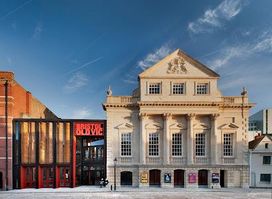
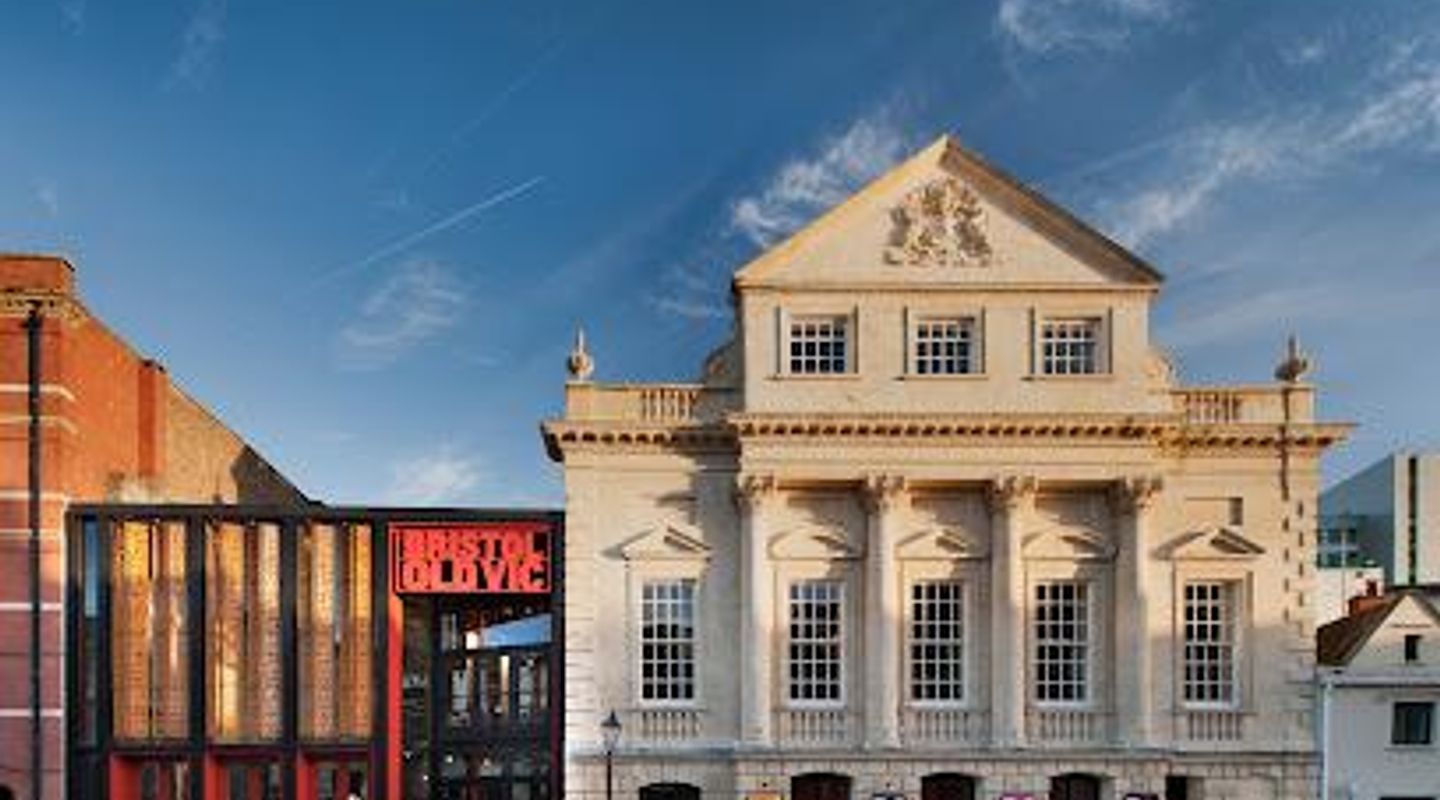
The theatre is a Grade I listed building, recognized for its architectural and historical significance. Its façade, described as 'debased Palladian,' is adorned with four Corinthian columns. The adjoining Coopers' Hall, built in 1744 and incorporated into the theatre complex in the early 1970s, adds to its grandeur with ornate chandeliers and elegant detailing. Over the centuries, the theatre has undergone several refurbishments, including a significant redevelopment in 1972 that introduced the New Vic studio theatre, making it the first regional theatre in the UK to have its own studio space.Surviving Turbulent Times and Community Support
Throughout its history, Bristol Old Vic has endured challenges including the Bristol Riots of 1831, when nearby fires threatened its existence, and the threat of closure during financial difficulties in 2007. The theatre’s survival has been largely due to strong community support, exemplified by public appeals in 1942 to save the venue and a remarkable turnout of over 1,000 locals in 2007 to prevent its closure. These efforts culminated in major refurbishments, most notably the £12 million renovation completed in 2012, which restored the theatre’s original geometry and enhanced backstage facilities.A Centre for Artistic Excellence and Education
Since 1946, Bristol Old Vic has been home to the Bristol Old Vic Company and the Bristol Old Vic Theatre School, the latter founded by Laurence Olivier. The school has trained numerous renowned actors, including Daniel Day-Lewis, Olivia Colman, and Jeremy Irons. The theatre continues to produce a diverse range of performances, from classic plays to innovative new works, and has nurtured a vibrant artistic community through outreach, education, and artist development programs.Modern Revitalization and Cultural Impact
In 2018, a new front-of-house building designed by Stirling Prize-winning architects Haworth Tompkins was unveiled, blending historic and contemporary elements. This transformation created inviting public spaces, uncovered original 1766 walls, and introduced new event venues and a studio theatre to support emerging artists. The theatre embraces its complex history, including its links to Bristol’s past, and commits to inclusion and diversity through ambitious programming and community engagement.Legacy and Ongoing Influence
Bristol Old Vic stands as a testament to resilience and cultural vitality, having entertained over seven million spectators across more than 250 years. It remains a beacon of theatrical innovation and heritage, continuously inspiring audiences and artists alike. Its unique blend of historic charm and modern creativity ensures its place as a cherished landmark in Bristol’s cultural landscape.












Your all‑in‑one travel companion app
Explore expert travel guides, compare and book tours, experiences, hotels, and more—all from the palm of your hand. Download now for seamless trip planning wherever your wanderlust takes you.


Explore More of Bristol
Looking beyond Bristol Old Vic? Discover Bristol for broader travel guides, local hot-spots, and regional highlights.
Explore Bristol