

Historic Old City Walls of Bristol
Explore the medieval heart of Bristol through the historic Old City Walls and the iconic St John’s Gate, where centuries of history come alive.
The Old City Walls of Bristol mark the medieval boundaries of this historic English city, tracing its Norman and Saxon roots. Though much of the original fortification has vanished, the walls’ route shapes the Old City's street pattern and heritage sites, including the iconic St John’s Gate. Exploring this area reveals centuries of Bristol’s mercantile, architectural, and wartime history, blending medieval remnants with Georgian and Victorian influences.
A brief summary to Old City Walls
- Bristol, GB
- Duration: 1 to 2 hours
- Free
-
 Outdoor
- Mobile reception: 4 out of 5
Local tips
- Visit St John’s Gate to see the unique church built into the medieval city wall and admire the statues of Bristol’s legendary founders.
- Follow the Walled City Walk route to experience the Old City’s historic street pattern and discover hidden lanes reflecting the ancient walls.
- Explore nearby St Nicholas Market for a vibrant mix of local crafts, food, and Georgian architecture.
- Learn about Bristol’s wartime history by noting how the Second World War air raids reshaped the Old City area.

For the on-the-go comforts that matter to you
- Restrooms
- Drink Options
- Food Options
- Seating Areas
- Information Boards
Getting There
-
Bus
Take local buses from Bristol Temple Meads station to the city centre, with frequent services running every 10-15 minutes; journey time approximately 15-20 minutes; single fare around £2.50. Buses stop within a short walk of the Old City Walls area.
-
Train and Walk
Arrive at Bristol Temple Meads railway station, then walk about 20 minutes through the city centre to reach the Old City Walls. The walk is mostly flat and accessible, passing through historic streets and landmarks.
-
Taxi
Local taxis or ride-hailing services from Bristol Temple Meads to the Old City Walls take approximately 10 minutes, depending on traffic. Expect fares around £7-£10.
Old City Walls location weather suitability
-
 Any Weather
-
 Rain / Wet Weather
-
 Clear Skies
-
 Mild Temperatures
Discover more about Old City Walls
Medieval Origins and Defensive Heritage
The Old City Walls of Bristol date back to the Norman period, built to protect the burgeoning medieval town that evolved from the earlier Saxon settlement known as Brycgstow. These fortifications enclosed the core of the city, with gates positioned at the ends of major streets like Broad Street, High Street, Corn Street, and Wine Street. The walls not only served as a defensive barrier but also controlled trade and access, shaping Bristol’s growth as a vital port and commercial hub in southwest England.St John’s Gate: A Unique Architectural Landmark
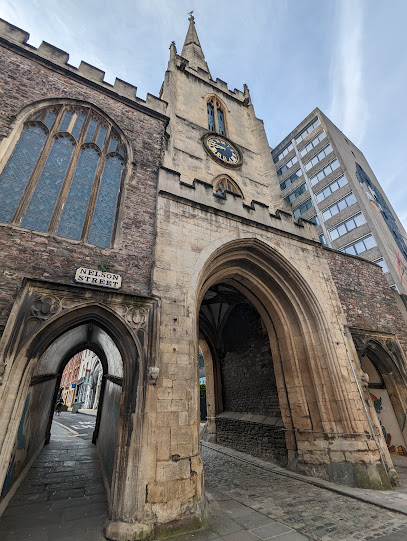
The last surviving gateway of the medieval walls, St John’s Gate, stands at the bottom of Broad Street. Built in the 14th century, it is distinctive for having the Church of St John the Baptist constructed above it, a rare example of ecclesiastical architecture integrated with city fortifications. The gate features carved statues of Brennus and Belinus, legendary founders of Bristol, symbolizing the city’s deep historical roots. Adjacent to the gate is St John’s Conduit, a medieval water supply that played a crucial role during wartime shortages.Transformation Through Centuries
While the walls themselves have largely disappeared, their legacy endures in the street layout and surviving structures. Over time, much of the Old City was rebuilt with Georgian and Victorian buildings, reflecting Bristol’s mercantile prosperity. Notable nearby landmarks include the Corn Exchange, built in 1743, and the Guildhall, which illustrate the city’s commercial and civic evolution. The area also bears scars from the Second World War, when bombing destroyed significant parts of the medieval core, leading to post-war reconstruction that altered the urban fabric.Walking the Route of the Walls Today
Modern visitors can follow the approximate path of the Old City Walls via the Walled City Walk, a circular trail highlighting 25 historic sites. Although the walls themselves are no longer visible, the walk offers a rich architectural and cultural experience, passing through narrow lanes, historic markets like St Nicholas Market, and the preserved medieval street pattern. This route invites exploration of Bristol’s layered history, from its Saxon origins through to its role as a vibrant contemporary city.Historical Significance and Cultural Legacy
The Old City Walls represent more than just fortifications; they embody Bristol’s identity shaped by centuries of trade, conflict, and community life. The walls enclosed a city pivotal in maritime commerce and abolitionist movements, with nearby churches and civic buildings bearing witness to these stories. The integration of religious, commercial, and defensive architecture around the walls illustrates the multifaceted nature of medieval urban life.Preservation and Visitor Experience
Today, the Old City Walls area is a protected heritage zone where history enthusiasts can appreciate the juxtaposition of medieval remnants and later architectural styles. Informational plaques and guided walks enrich understanding, while the surrounding streets bustle with independent shops, markets, and eateries that keep the area lively. The walls’ legacy continues to influence Bristol’s cultural landscape, offering a tangible connection to its medieval past.Iconic landmarks you can’t miss

Old City Walls
0.0 km
Trace the vanished medieval walls that shaped Bristol’s historic Old City, revealing centuries of rich heritage and urban evolution.
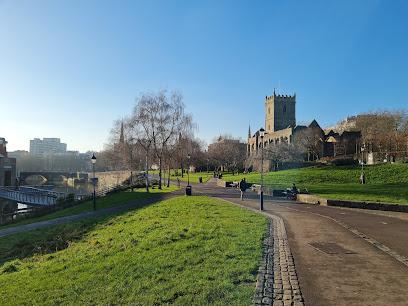
St Mary Le Port Church
0.0 km
Historic Saxon-era church ruins in Bristol’s Castle Park, a poignant landmark of medieval heritage and wartime resilience.
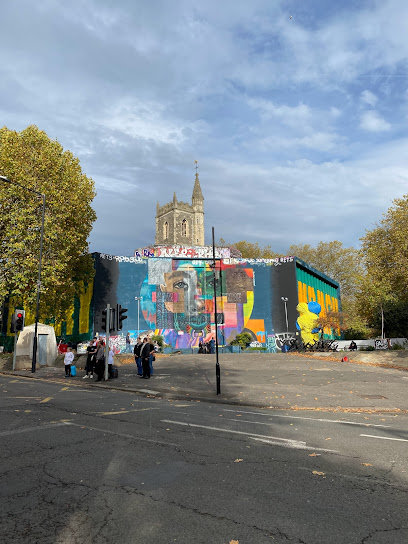
Medieval Vaults
0.1 km
Explore Bristol’s hidden medieval cellars beneath High Street, where Gothic vaults tell tales of centuries past beneath the city’s modern bustle.
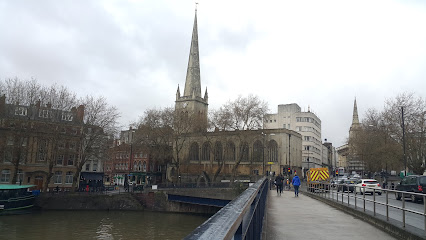
Bristol Bridge
0.1 km
A historic Georgian stone bridge spanning Bristol’s floating harbour, blending medieval roots with modern pedestrian charm.
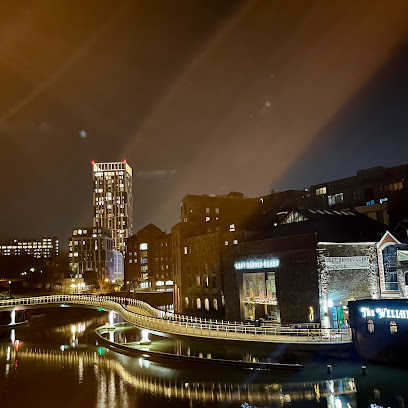
Fermentation Buildings
0.1 km
Grade II-listed former brewery warehouses reborn as a creative office and waterfront dining hub on Bristol’s Floating Harbour.
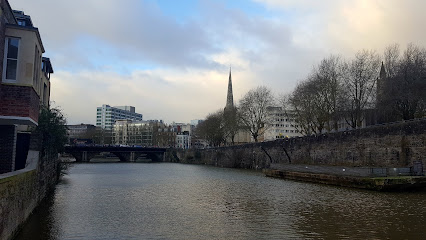
Historic England - Bristol Office
0.1 km
Discover Bristol's rich history and heritage at the Historic England office, a key player in preserving the city's architectural treasures.
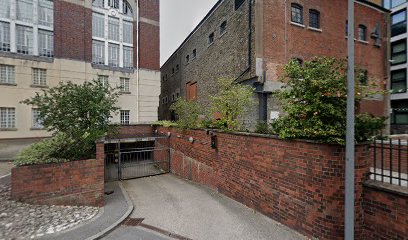
Royal Talbot Buildings
0.1 km
Discover the Royal Talbot Buildings in Redcliffe, Bristol: A luxurious executive suite experience perfect for your city escape.
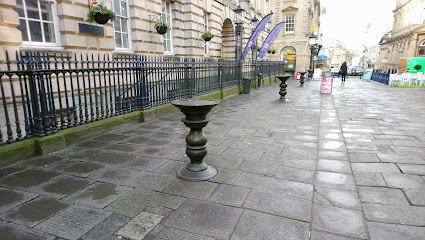
The Nails
0.2 km
Historic iron nails in Bristol’s Corn Street where medieval merchants sealed their deals, embodying the city’s rich trading heritage.
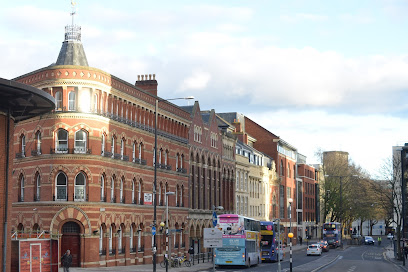
Old Post Office
0.2 km
Discover Bristol’s 18th-century Old Post Office, a preserved Georgian landmark blending rich history with vibrant city life at Corn Street.
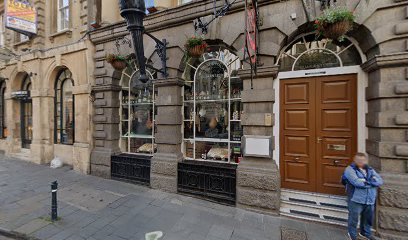
Bristol Castle
0.3 km
Discover the historic heart of Bristol at Castle Park, where medieval ruins meet serene urban green space along the scenic Welsh Back waterfront.
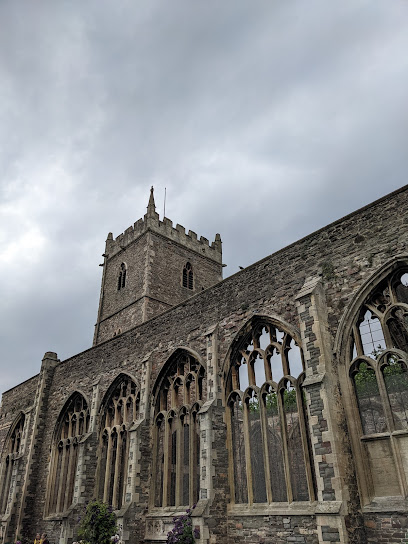
Cheese Lane Shot Tower
0.4 km
Bristol's brutalist shot tower—where gravity shaped ammunition and history shaped preservation.
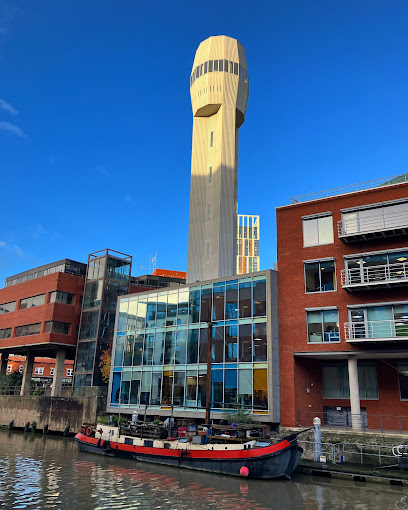
Statue of Edmund Burke
0.4 km
A bronze tribute to Edmund Burke on Bristol’s waterfront, where 18th-century ideals meet modern city life.
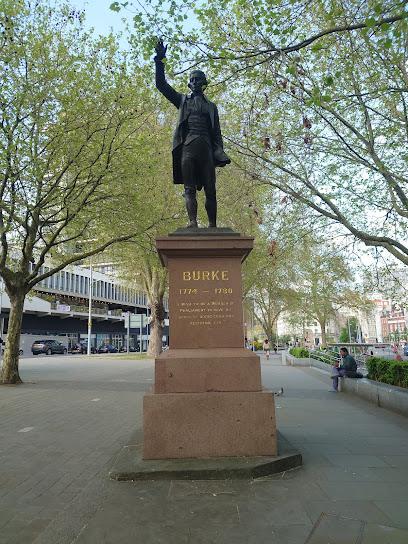
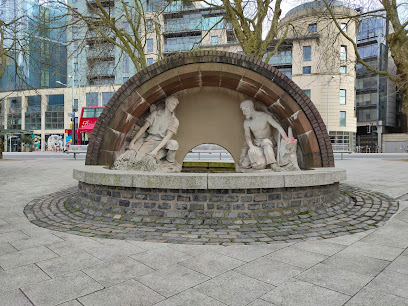
King George V Memorial Fountain
0.5 km
Lutyens-designed waterfront memorial honouring King George V with monumental sculptural figures.
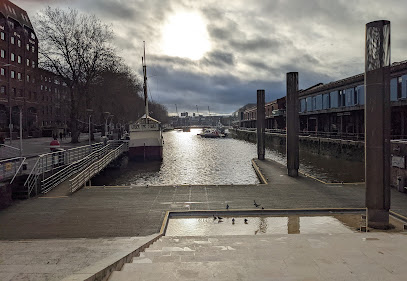
Cascade Steps
0.5 km
Historic Cascade Steps in Bristol offer scenic waterfront views and a tranquil urban retreat steeped in maritime heritage.
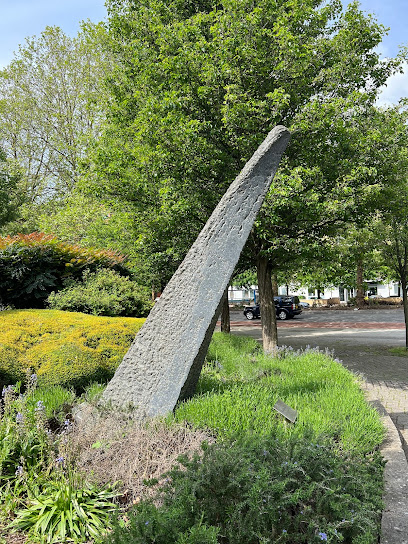
Templar Stone
0.6 km
Explore the evocative ruins of Bristol’s 12th-century Temple Church, a landmark steeped in Knights Templar history and medieval mystery.
Unmissable attractions to see

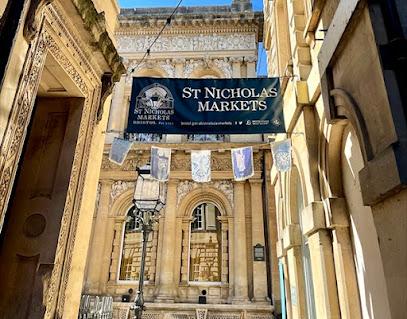
St Nicholas Market
0.1 km
Discover Bristol’s historic St Nicholas Market, a lively hub of independent shops, artisan crafts, and global street food in a charming Georgian arcade.
St Peter's Church
0.1 km
Explore the rich history and architectural beauty of St Peter's Church, a beloved landmark in Castle Park, Bristol, steeped in centuries of heritage.
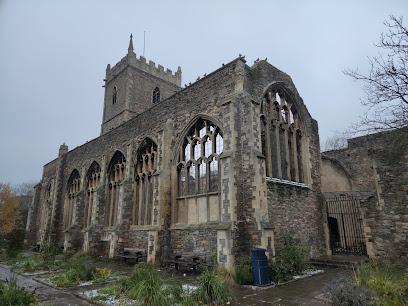
Alcotraz Bristol: Cell Block Two-Two-Six
0.2 km
Discover the immersive cocktail experience at Alcotraz Bristol, where every drink tells a story in a unique prison-themed setting.
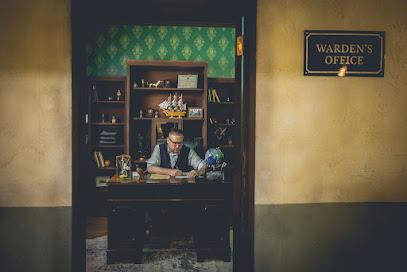
Round Pool
0.2 km
Discover Castle Park’s blend of medieval ruins, peaceful gardens, and vibrant community spirit in the heart of Bristol city centre.
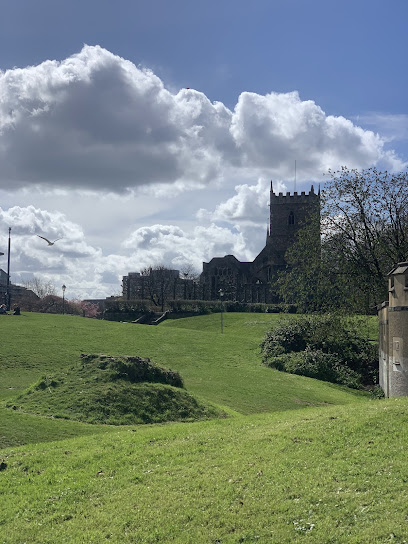
Castle Wharf
0.2 km
Modern waterside living in Bristol’s Redcliffe district, with views across the Floating Harbour to Castle Park and the city centre.
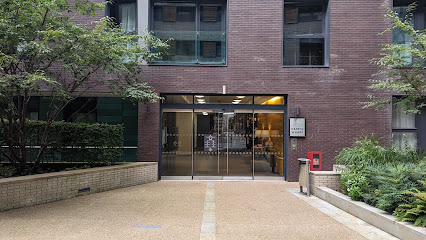
Floating Harbour
0.3 km
Explore Bristol’s historic Floating Harbour—a vibrant waterfront blending maritime heritage, cultural attractions, and lively harbourside charm.
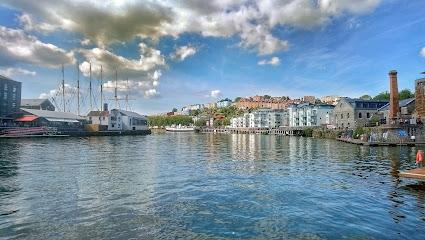
Castle Park
0.3 km
Discover Bristol’s historic heart and peaceful riverside green space at Castle Park, where medieval ruins meet vibrant urban life.
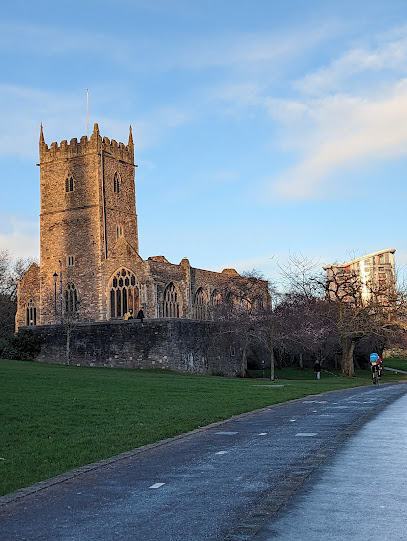
Cosy Club
0.3 km
Historic elegance meets vibrant British dining in a stunning former banking hall at the heart of Bristol’s Old City.
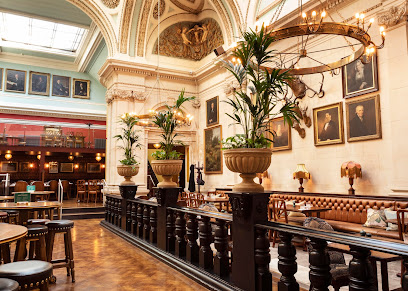
The Lanes
0.3 km
Bristol’s ultimate destination for boutique bowling, live music, karaoke, and great pizza in a lively, vibrant setting.

TimeTrail
0.3 km
Step into history with TimeTrail, an immersive live-action adventure on Bristol’s historic King Street that challenges your wits and teamwork.
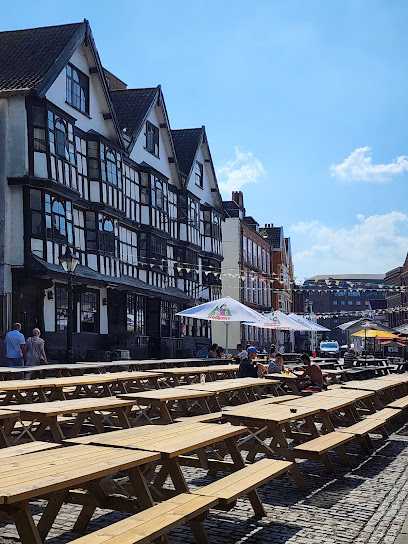
Palestine Museum & Cultural Centre
0.3 km
Explore Palestinian heritage and culture at Bristol’s vibrant Palestine Museum & Cultural Centre, a hub for history, art, and community events.
St John's Church
0.3 km
A medieval church built into Bristol’s city walls, St John on the Wall is the last of five gate churches, offering a unique glimpse into the city’s fortified past and spiritual life.
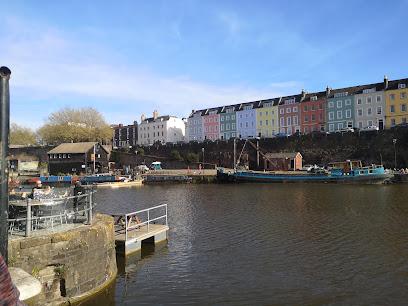
Welsh Back
0.3 km
Historic waterfront street in Bristol, blending maritime heritage, abolitionist history, and vibrant cultural life along the Floating Harbour.
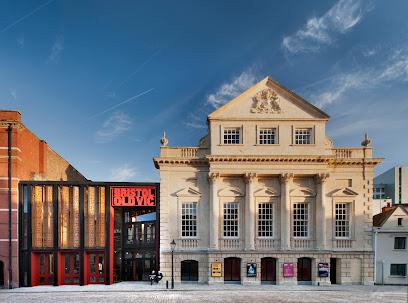
Bristol Old Vic
0.3 km
Experience the oldest continuously working theatre in the English-speaking world, where history and innovation meet on Bristol’s King Street.
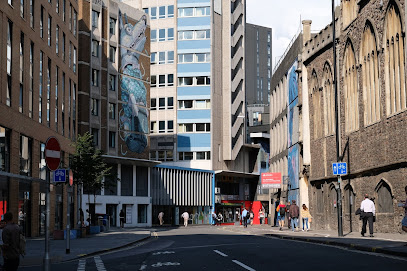
Bristol Shopping Quarter
0.4 km
Explore Bristol Shopping Quarter, where historic charm meets modern retail in a vibrant city-centre shopping and leisure destination.
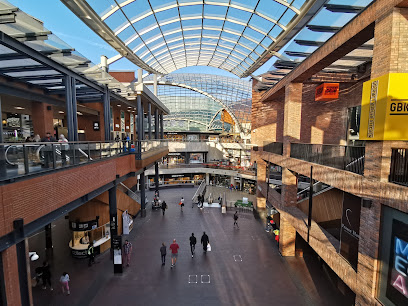
Essential places to dine

Mugshot Restaurants Bristol
0.2 km
Experience 1920s vintage glamour and interactive hot stone steak dining in the heart of Bristol’s historic old town.
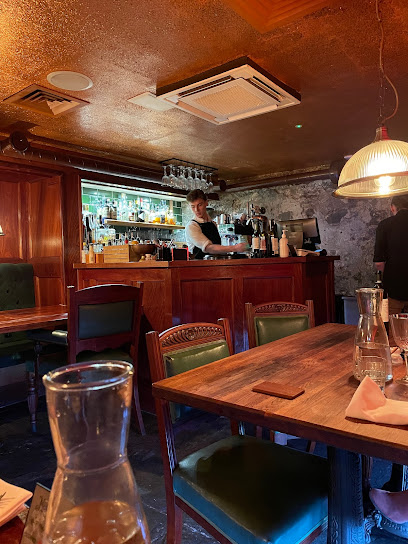
Harbour Kitchen & Bar
0.2 km
Stylish seafood dining with British seaside soul in the heart of Bristol’s vibrant Corn Street.
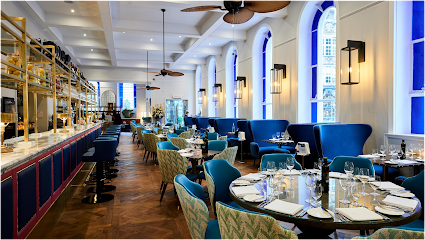
San Carlo - Bristol
0.2 km
Elegant Italian dining in Bristol with sumptuous seafood, grand interiors, and a vibrant atmosphere perfect for special occasions.
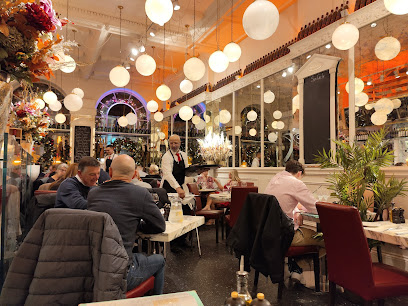
The Ox
0.2 km
Charcoal-grilled steaks in an atmospheric basement vault with cocktails and old-money elegance.
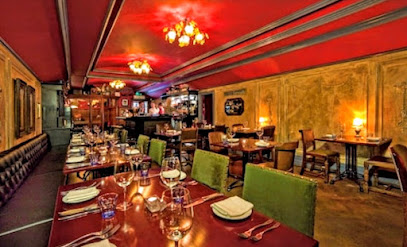
Aqua Welshback
0.2 km
Stylish Italian-inspired dining with seasonal British flair on Bristol’s scenic Welsh Back harbourside.
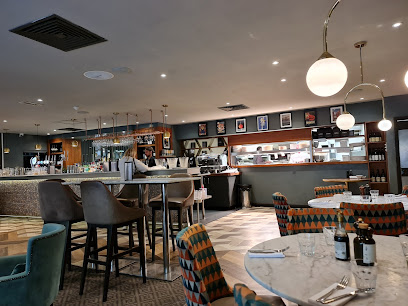
Marmo Restaurant & Wine Bar
0.2 km
Michelin-recognized Italian cooking with organic wines in Bristol's vibrant restaurant quarter.
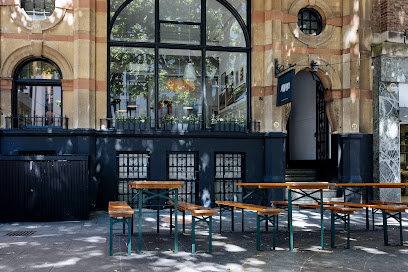
Pasta Ripiena
0.3 km
A tiny Bristol gem where every bite of handmade stuffed pasta bursts with seasonal Italian flavour.
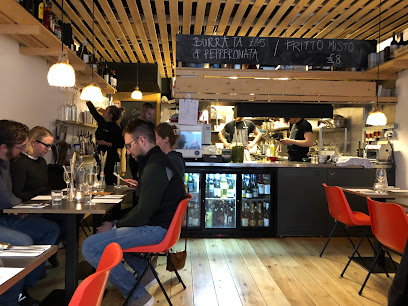
Three Brothers Burgers
0.3 km
Waterfront burgers of genuine quality in Bristol's vibrant harbourside district.
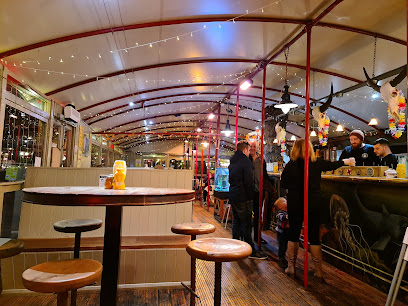
Four Wise Monkeys
0.3 km
Lively pan-Asian fusion dining with retro Tokyo vibes and bold flavours in Bristol’s city centre.
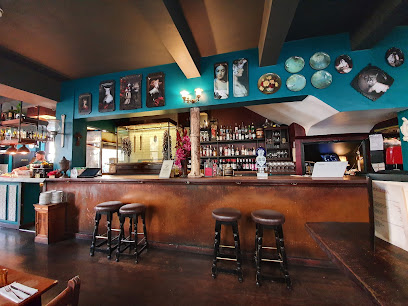
Turtle Bay Bristol Broad Quay
0.4 km
Experience authentic Caribbean cuisine, tropical cocktails, and lively reggae vibes in Bristol’s vibrant Broad Quay district.
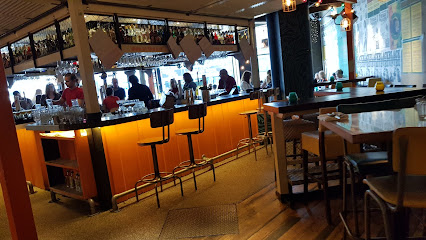
Pieminister
0.4 km
Award-winning British pies, piled high with mash, peas and gravy, in a lively harbourside restaurant with views of Bristol’s fountains and waterfront.
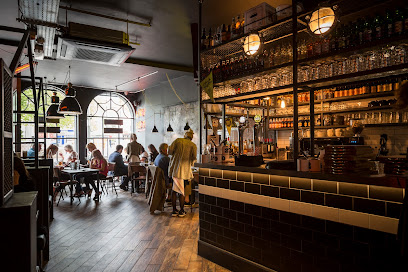
Adelina Yard
0.4 km
Modern European fine dining on Bristol’s historic Welsh Back, where seasonal ingredients and inventive dishes create an intimate, Michelin-recognized experience.
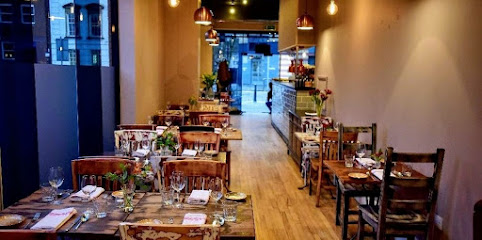
Bambalan
0.5 km
Vibrant Mediterranean dining with rooftop views, lively DJs, and a spirited social scene in the heart of Bristol.
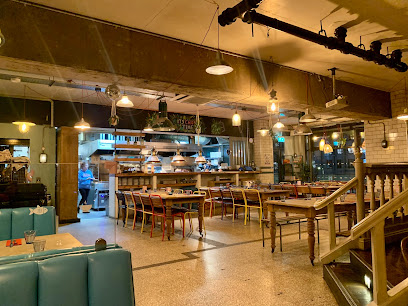
Under the Stars
0.5 km
Discover exquisite tapas and crafted cocktails at Under the Stars in Bristol's scenic waterfront area – where culinary delight meets vibrant ambiance.
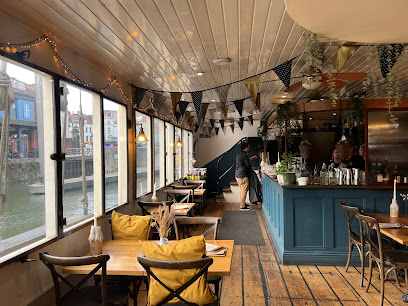
No.1 Harbourside
0.5 km
Bristol's independent waterside gem serving bold burgers, local drinks, and genuine hospitality.
Markets, malls and hidden boutiques

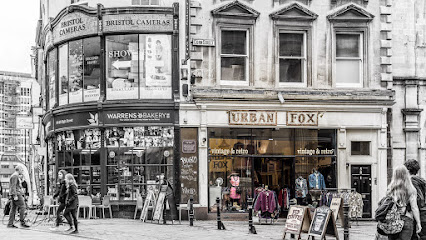
Urban Fox
0.1 km
Unearth retro gems at Urban Fox, Bristol's vintage clothing nook in vibrant St Nicholas Market—quality finds with 25 years of expertise.
uchi clothing co
0.1 km
Discover stylish, sustainable fashion in Bristol’s historic Corn Exchange at Uchi Clothing Co, where quality meets contemporary design.
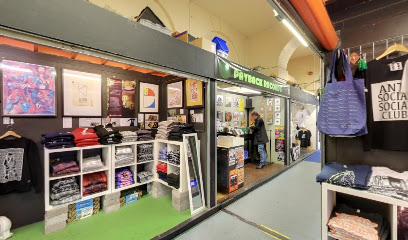
This Feeling
0.1 km
Trendy threads in Bristol's historic market heart—independent fashion amid Georgian charm and bustling stalls.
Over Here
0.2 km
Discover quirky gifts and stylish clothing at Over Here, a hidden gem in Bristol's historic St Nicholas Markets arcade.
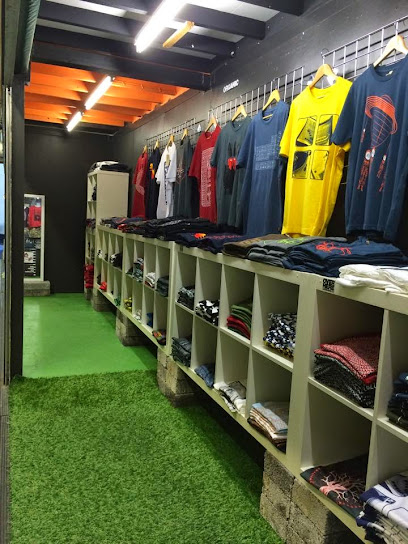
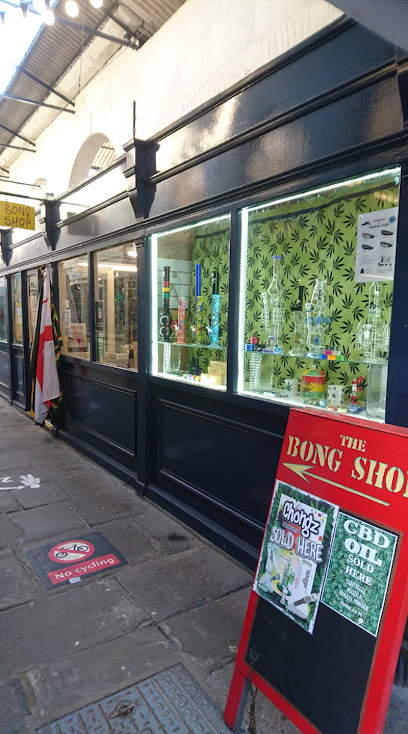
Riff Raff Gifts The Bong Shop
0.2 km
Specialist smoking accessories retailer in historic St Nicholas Market's Covered Market.
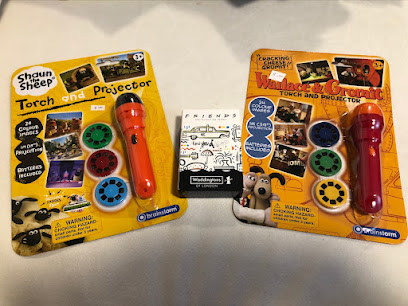
Memories
0.2 km
Explore 'Memories' in Bristol for unique gifts and local treasures that capture the spirit of your visit.
Quadrant Trading
0.2 km
Discover handcrafted Bristol treasures at Quadrant Trading in the historic Corn Exchange—a shopper's delight of local artistry and unique souvenirs.
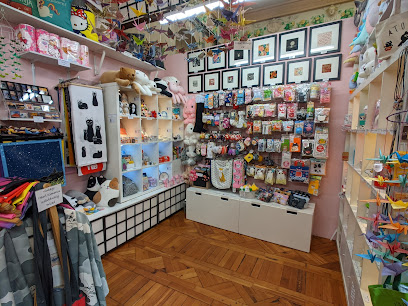
Japonicat
0.2 km
Discover unique Japanese gifts and charming collectibles at Japonicat, nestled in Bristol’s historic St Nicholas Market.
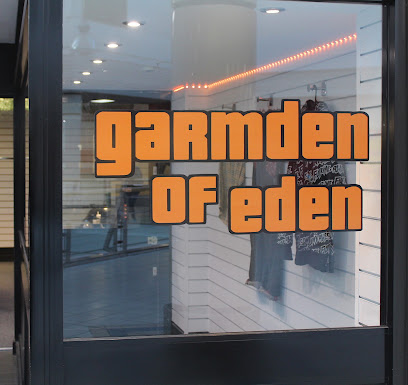
Garmden of Eden
0.3 km
A Bristol vintage clothing gem where retro style meets sustainable fashion in a welcoming, independent shop on Union Street.
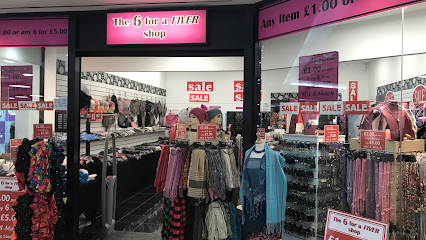
Everything one pound shop
0.4 km
Discover unbeatable bargains and a vibrant shopping experience at Everything One Pound Shop in Bristol’s The Galleries.
Prior Shop - Cabot Circus (Independent Superstore)
0.4 km
Bristol's award-winning ethical design hub showcasing 150+ independent makers in a gallery, workshop, and community space.
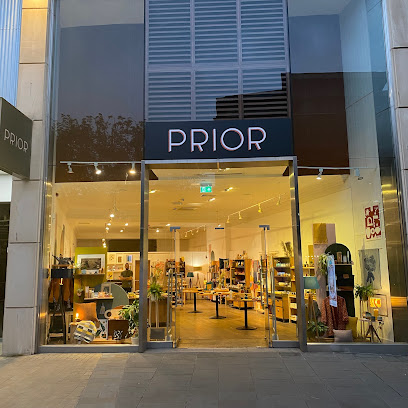
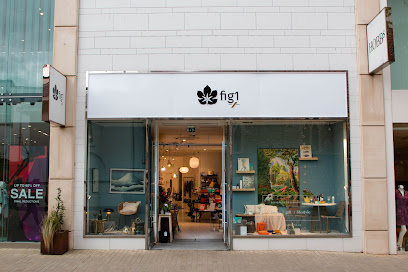
Fig1
0.4 km
Discover stylish Scandinavian-inspired homewares and gifts in the heart of Bristol’s vibrant Broadmead shopping district.
The Ethical Gift Shop
0.4 km
Discover Bristol’s charming boutique for sustainable, fair-trade gifts and eco-friendly treasures in the heart of Broadmead.
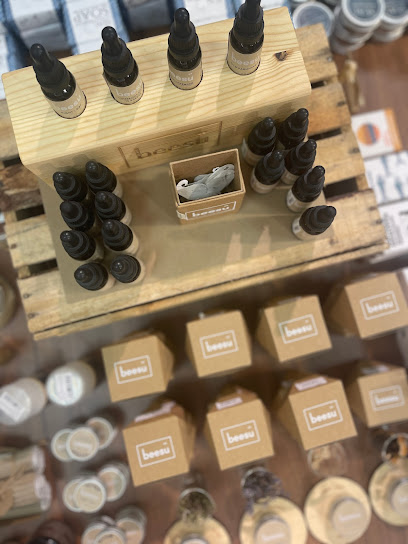
Will's doss pit
0.5 km
Dive into Bristol's quirky underbelly at Will's Doss Pit, where vintage treasures and bohemian finds await in historic Queen Square.
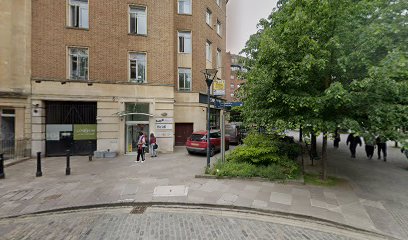
Beyond Retro - Bristol
0.5 km
Discover unique, hand-picked vintage fashion treasures in the heart of Bristol’s bustling Broadmead shopping district.

Essential bars & hidden hideouts

The Library Bristol
0.1 km
Bristol's enchanting chameleon: vintage tea parlour by day, exclusive cocktail lounge by night—where elegance meets mixology in a hidden urban gem.
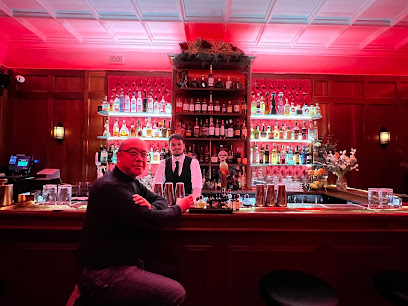
The Rummer
0.1 km
A cozy, spirit-focused pub in the medieval heart of Bristol—fireside rooms, hundreds of gins and a distilled approach to cocktails.
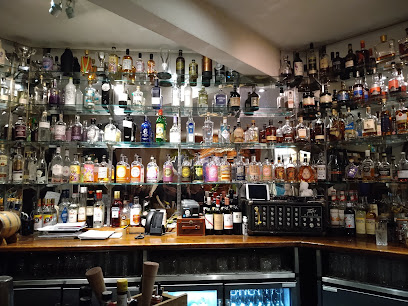
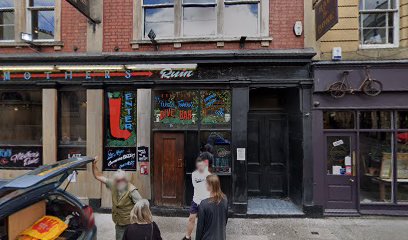
The Mothers' Ruin
0.1 km
Bristol's dive bar legend: cheap pints, basement beats, live tunes, and pizza in a historic street nook – pure debauchery awaits.
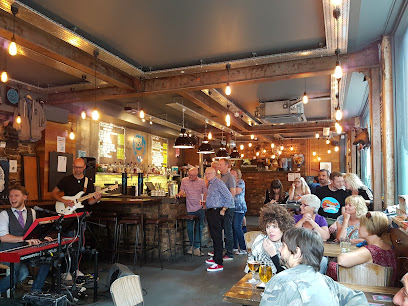
The Boardroom
0.2 km
Grazing boards, rum mastery and historic charm in Bristol's Old City—perfect for intimate drinks or private hires till late.
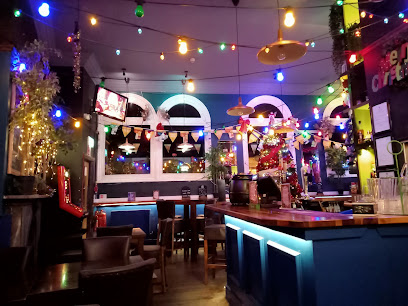
The Gold Bar
0.2 km
Experience Bristol’s ultimate speakeasy-style cocktail bar with opulent décor, masterful mixology, and vibrant weekend entertainment.
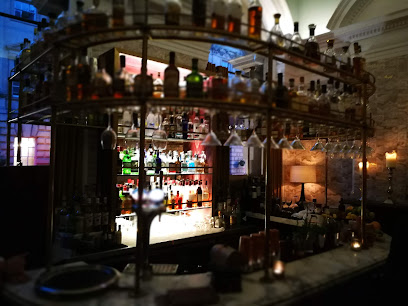
Revolution Bristol
0.2 km
Two-storey cocktail bar in Bristol’s Old Fish Market — colourful interiors, mezzanine balcony and cocktails for day and night.
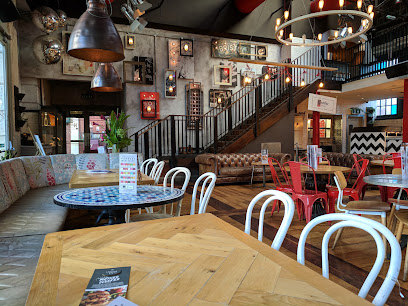
Slug & Lettuce - City Centre Bristol
0.2 km
Bristol's go-to cocktail haven on St Nicholas Street, blending lush drinks, tasty bites, and vibrant nights in the Old City heart.
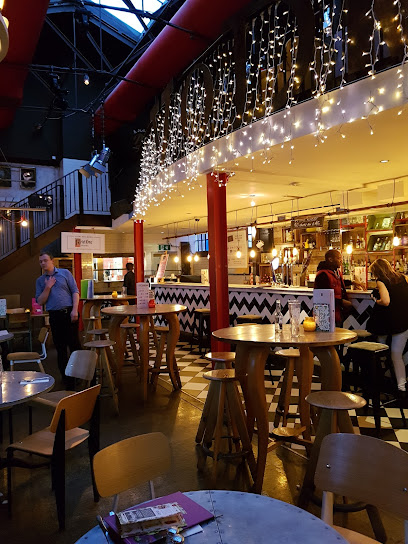
Dirty Martini - Bristol
0.2 km
Bristol's dazzling cocktail bar on Corn Street, blending royal elegance, masterful martinis, bottomless brunches, and electric nights in the heart of Old City.
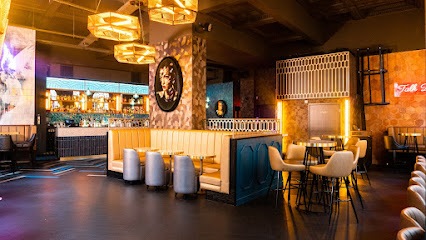
Blame Gloria - Bristol
0.2 km
Dive into Bristol’s wildest retro cocktail bar with themed brunches, dazzling performances, and a party atmosphere like no other.
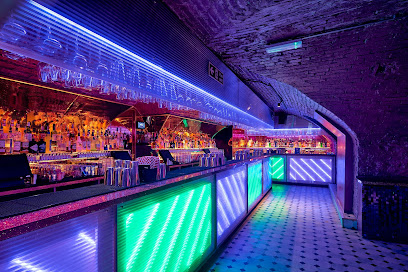
Flight Club Bristol
0.2 km
Experience the thrill of Social Darts® and vibrant cocktails in Bristol’s lively, carnival-inspired cocktail bar on historic Corn Street.
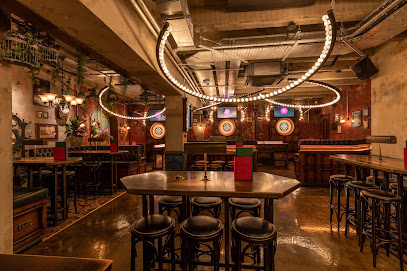
Secret Cocktail Club - Bristol
0.2 km
Discover Bristol’s hidden basement bar blending historic charm with expertly crafted cocktails in an intimate, secretive setting.
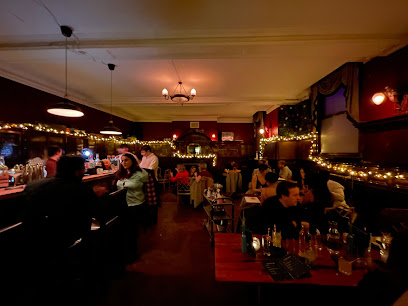
The Cocktail Club - Corn Street Bristol
0.2 km
Experience Bristol’s vibrant nightlife with expertly crafted cocktails, galactic-themed interiors, and an unforgettable party atmosphere at The Cocktail Club Corn Street.
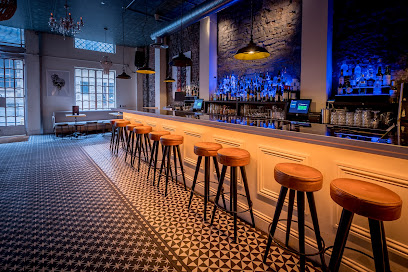
Brozen Bar - Bristol
0.3 km
Discover Bristol’s Brozen Bar, where inventive frozen cocktails and a cosy atmosphere create a unique, must-visit cocktail experience.
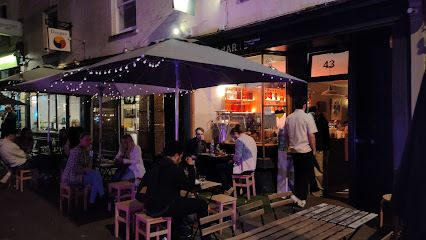
The Clockwork Rose
0.3 km
Bristol's steampunk speakeasy where airship captain's cocktails blend Victorian flair, fantastical lore, and masterful mixology into unforgettable evenings.
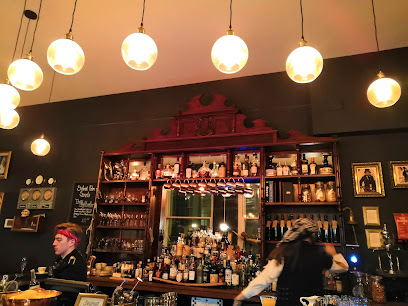
The Milk Thistle
0.3 km
Bristol's multi-level speakeasy masterpiece: inventive cocktails, taxidermy charm, and intimate lounges in a historic townhouse—pure nightlife alchemy.
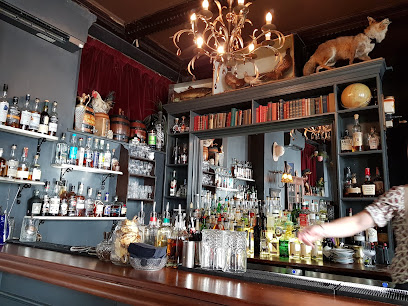
Nightclubs & after hour spots

Popworld - Bristol
0.4 km
Dance to 90s and 00s pop anthems under neon lights at Bristol's ultimate nostalgic nightclub, where cheesy hits and POPTAIL cocktails fuel epic nights out.
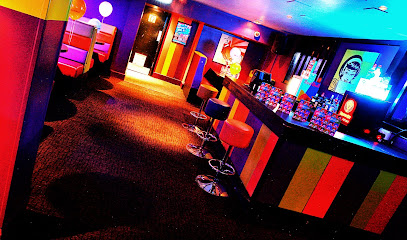
Forró Bristol
0.4 km
Ignite your night with Brazilian forró rhythms: partner dances, live bands, and sweaty joy in Bristol's beating heart.
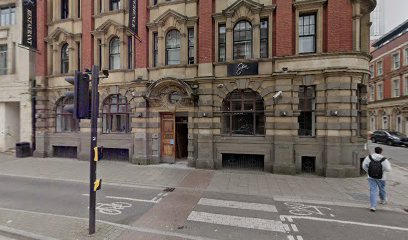
Thekla
0.6 km
A converted cargo ship transformed into Bristol’s compact, industrial live-music venue and late-night club, famed for close-up shows and throbbing club nights.
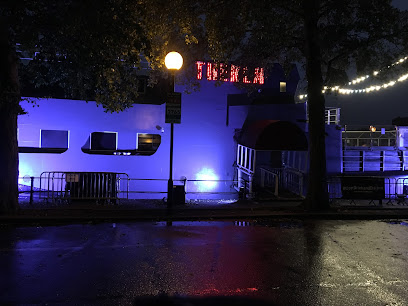
Basement 45
0.7 km
Experience Bristol’s underground nightlife at Basement 45, where eclectic music, intimate vibes, and vibrant events come alive until the early hours.
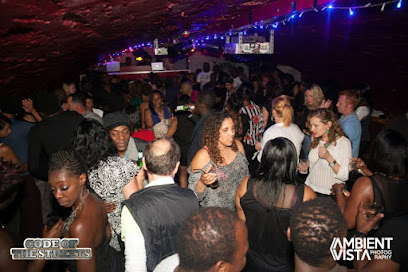
Queenshilling - Bristol Bar and Nightclub
0.7 km
Bristol's iconic LGBTQ+ haven: dance, drag, and drinks in an intimate Frogmore Street gem fueling the city's electric nightlife.
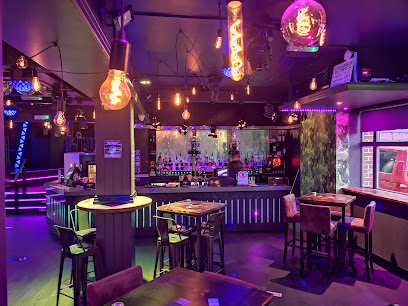
PRYZM
0.7 km
Experience Bristol’s vibrant nightlife at PRYZM, a multi-room club with themed music floors, student deals, and a lively party atmosphere.
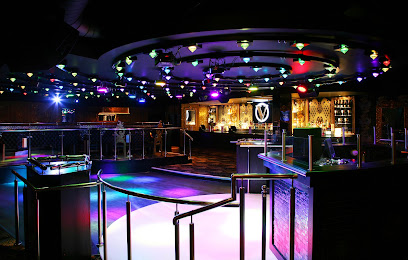
OMG
0.7 km
Southwest's biggest gay club: massive dance floor, killer sound, themed nights, and inclusive vibes until dawn in Bristol's heart.
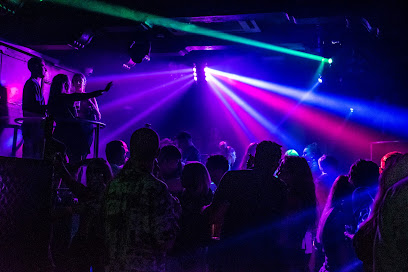
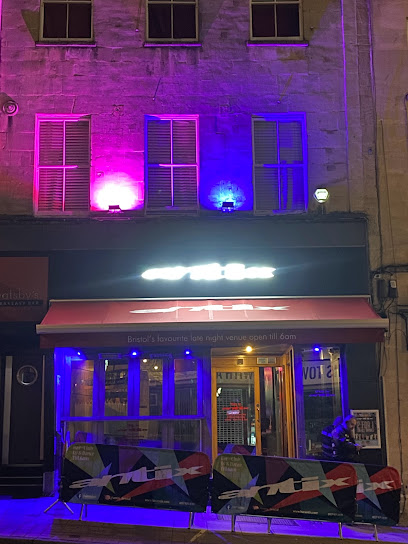
Antix
0.8 km
Bristol's enduring late-night haven on Park Street: cocktails till 1am, DJ beats till 6am, dancing into dawn with house, R&B, and reggaeton vibes.
Silk Nightclub
0.8 km
Experience Bristol’s vibrant nightlife at Silk Nightclub, where energetic beats and a lively crowd create unforgettable nights in the city center.
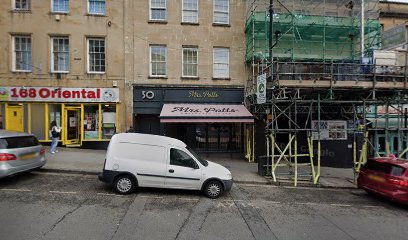
Lakota
0.8 km
Bristol's gritty heartbeat: underground raves, thunderous bass, and nights that blur into dawn at this St Paul's legend.

The Loco Klub
0.8 km
An atmospheric subterranean arts venue in Brunel’s Temple Meads arches, where tunnels, brick vaults and intimate soundscapes host club nights, theatre and live music.
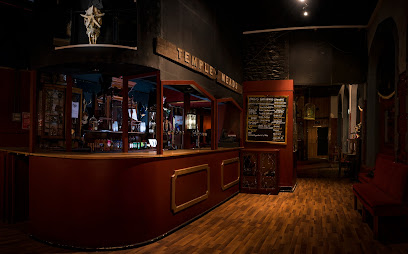
Marquee Cocktail Bar & Nightclub
0.8 km
From refined cocktails to dawn-dancing beats, Marquee delivers Bristol's ultimate nightlife evolution in one stylish venue.
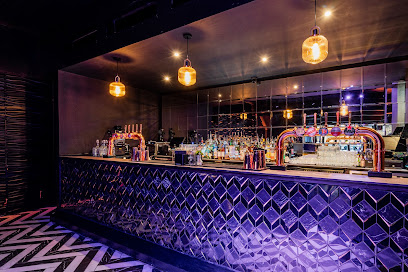
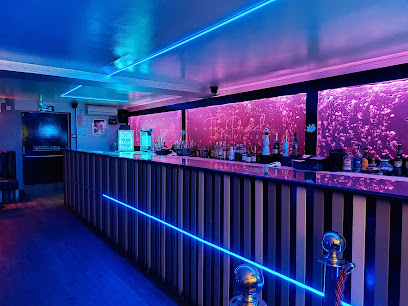
The Pearl NightClub
1.1 km
Bristol's intimate Clifton nightclub where fire DJs ignite weekend dance floors from 10pm till dawn—pure energy in a compact, electric space.
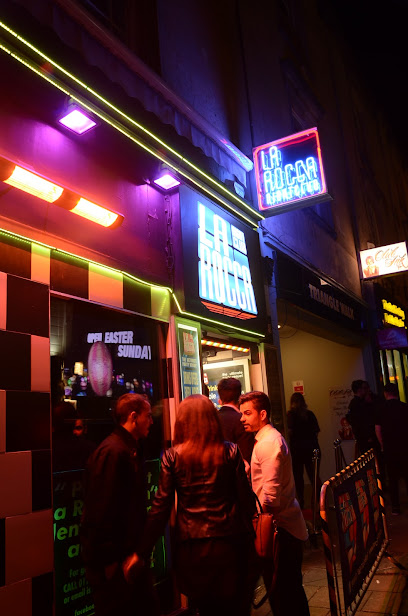
La Rocca
1.1 km
A lively Clifton nightclub blending classic tunes, affordable drinks, and a vibrant social scene in Bristol’s dynamic nightlife district.
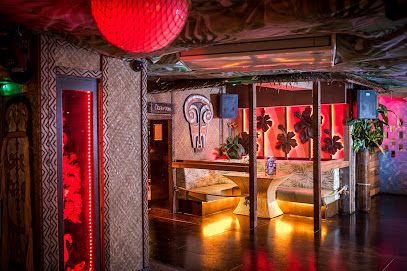
Bristol Lola Lo
1.1 km
An intimate, vintage‑Tiki nightclub in Clifton with neon cocktails, paper lanterns and a compact dancefloor for themed late‑night parties.
For the vibe & atmosphere seeker
- Historic
- Scenic
- Tranquil
- Unique
For the design and aesthetic lover
- Vintage Styles
- Rustic Designs
For the architecture buff
- Historic
- Landmarks
- Heritage Neighborhoods
For the view chaser and sunset hunter
- Iconic Views
For the social media creator & influencer
- Instagrammable
- Photo Spots
- Architectural Shots
For the eco-conscious traveler
- Public-Transport Accessible
- Locally Managed
For the kind of experience you’re after
- Cultural Heritage
- Photowalk
- Day Trip
For how adventurous you want the journey to be
- Easy Access
Location Audience
- Family Friendly
- Senior Friendly
- Child Friendly
- Teen Friendly
- Wheelchair Access
- Solo Friendly
- Couple Friendly


