Welsh Back: Historic Heart of Bristol’s Maritime Legacy
Historic waterfront street in Bristol where Welsh vessels once docked, blending maritime heritage with vibrant modern charm.
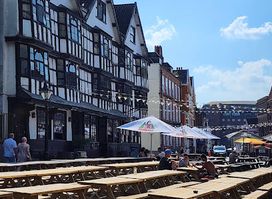
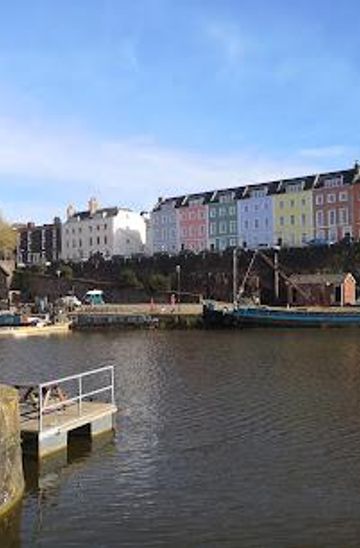
Welsh Back is a historic waterfront street in Bristol, England, renowned for its maritime heritage. Stretching along the Floating Harbour, it was once the bustling hub where goods from Wales such as slate, timber, and coal were unloaded directly from ships. Today, it blends rich history with vibrant modern life, featuring preserved dockside architecture and scenic riverside views that celebrate Bristol’s seafaring past.
A brief summary to Welsh Back
- Bristol, GB
- Duration: 0.5 to 2 hours
- Free
-
 Outdoor
- Mobile reception: 4 out of 5

Know before you go
Hi, I'm Eve. Here are a few practical things to know before exploring Welsh Back.
- Visit during daylight to fully appreciate the historic architecture and waterfront views.
- Explore nearby attractions like the M Shed museum to deepen your understanding of Bristol’s maritime history.
- Check local event listings for cultural festivals or markets held along the waterfront.
Do you manage this location?
Take control to get all the benefits, like improved information, better appearance, and stronger visibility across AI-powered discovery. Learn more
Activate your presence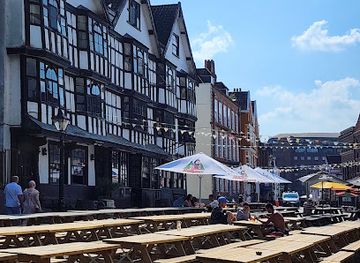
Getting There
-
Bus
Take Bristol Bus Service routes 1, 2, or 3 to the City Centre stop near Anchor Road, about a 10-15 minute ride from Bristol Temple Meads station. From there, Welsh Back is a 5-minute walk. Buses run frequently, with tickets costing approximately £2-£3.
-
Train and Walk
From Bristol Temple Meads railway station, a 20-minute walk along the harbour path leads to Welsh Back. The route is mostly flat and accessible, passing through scenic parts of the city centre.
-
Taxi or Rideshare
A taxi or rideshare from central Bristol locations typically takes 5-10 minutes depending on traffic, with fares around £5-£10. This option is convenient for travelers with luggage or limited mobility.
For the on-the-go comforts that matter to you
-
 Restrooms
-
 Drink Options
-
 Food Options
-
 Seating Areas
-
 Information Boards
Discover more about Welsh Back
Origins and Maritime Importance
Welsh Back derives its name from the frequent arrival of vessels from Wales, which brought vital cargoes including slate, stone, timber, and coal. Originally known as St Nicholas Back in the 17th century, this wharf formed a critical part of Bristol’s early maritime trade. It was literally the 'back' of merchants’ houses, where goods were loaded directly onto ships moored along the quay. This close integration of residential and commercial waterfront activity defined the character of the area for centuries.Transformation Through the Industrial Era
In the 19th century, the creation of Bristol’s Floating Harbour revolutionized the port’s operations by impounding the tidal River Avon, allowing ships to remain afloat at all tides. Welsh Back, extending approximately 450 metres between Bristol and Redcliffe Bridges, became a prominent quay within this new harbour system. The area saw the rise of warehouses, granaries, and steam cranes, which facilitated the efficient handling of cargo. Shipbuilding and repair yards nearby contributed to Bristol’s reputation as a maritime powerhouse.Wartime Impact and Resilience
During World War II, Bristol’s docks, including Welsh Back, were strategic targets and suffered extensive damage during the Bristol Blitz. The area around the harbour was heavily bombed, destroying many historic buildings and industrial facilities. Despite this devastation, Welsh Back and the wider harbour area were vital in supporting wartime logistics, including the loading of landing craft and supply ships. Post-war reconstruction reshaped parts of the waterfront while preserving key elements of its maritime heritage.Contemporary Character and Visitor Experience
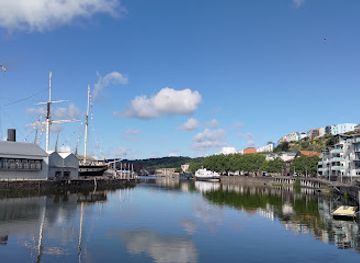
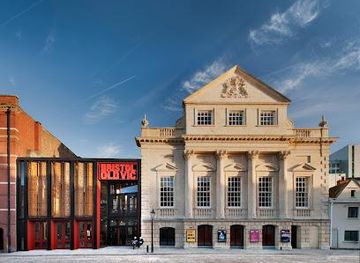
Today, Welsh Back offers a captivating blend of historic charm and modern vibrancy. The waterfront is lined with a mix of preserved dockside buildings, restaurants, and cultural venues, making it a lively destination for locals and tourists alike. Strolling along the quay, visitors can enjoy scenic views of the Floating Harbour, watch boats moored along the water, and appreciate interpretive displays that highlight the area’s rich maritime past.Architectural and Cultural Significance
The architecture along Welsh Back reflects its layered history, from 17th-century merchant houses to 19th-century industrial warehouses and cranes. The street’s layout and built environment tell the story of Bristol’s evolution from a medieval port to an industrial hub. Cultural events and heritage trails often use Welsh Back as a focal point, emphasizing its role in the city’s identity and connection to the sea.Welsh Back in the Wider Bristol Context
Situated within the broader Bristol Floating Harbour area, Welsh Back connects seamlessly to other historic docks and quays such as Prince Street and Narrow Quay. This network of waterfront spaces collectively illustrates Bristol’s maritime development and ongoing relationship with river and sea trade. Welsh Back remains a testament to the city’s resilience and adaptability, preserving its past while embracing contemporary urban life.Explore the best of what Welsh Back has to offer















More about Gwent
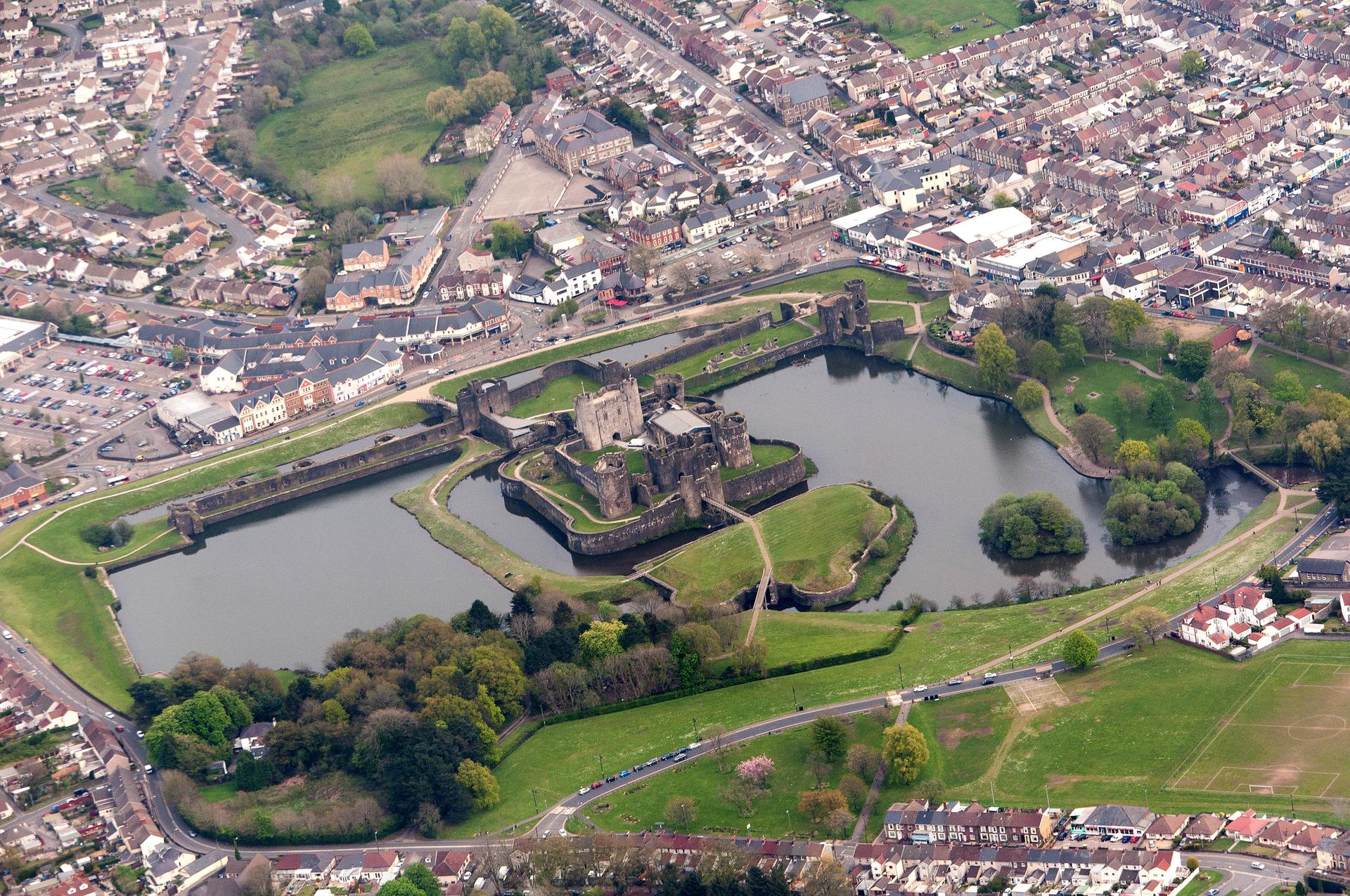
Explore Gwent, a captivating blend of ancient history, picturesque landscapes, and vibrant culture in the heart of Wales.
Tell me more about Gwent