
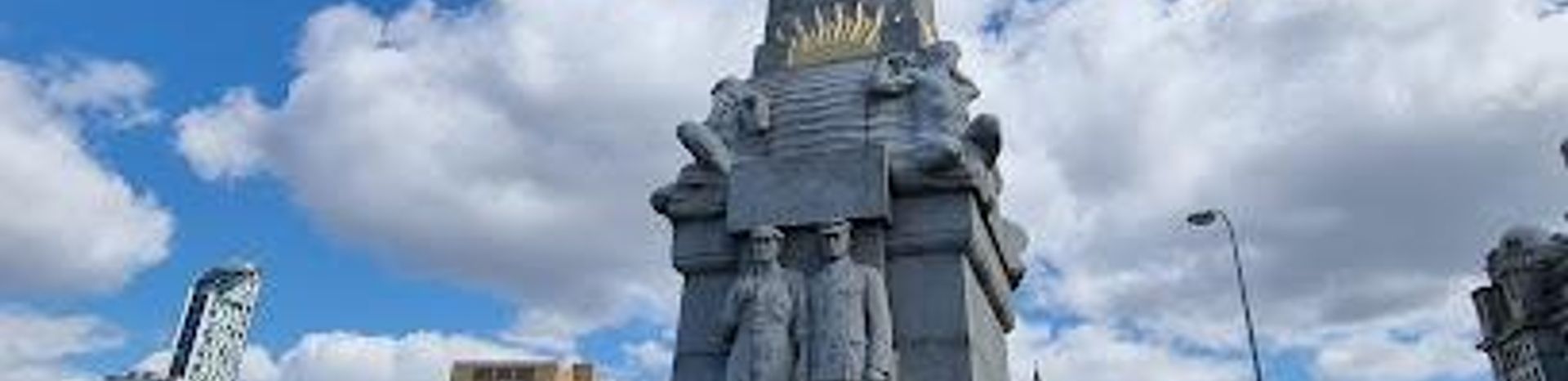
Memorial to the Marine Engine Room Heroes, Liverpool
A striking granite obelisk honoring the bravery and sacrifice of maritime engineers, standing proudly at Liverpool’s historic Pier Head.
The Memorial to the Marine Engine Room Heroes in Liverpool stands as a poignant tribute to the bravery of maritime engineers, originally commemorating the 32 engineers who perished on the Titanic. Erected in 1916 and designed by Sir William Goscombe John, this 48-foot granite obelisk features allegorical figures representing the elements and honors all marine engine room heroes lost at sea, with visible World War II bomb damage adding to its historic character.
A brief summary to Memorial to the Marine Engine Room Heroes
- St Nicholas Pl, Canada Blvd, Liverpool, L3 1QW, GB
- +441514784499
- Visit website
- Duration: 0.25 to 1 hours
- Free
-
 Outdoor
- Mobile reception: 4 out of 5
Local tips
- Visit during daylight hours to fully appreciate the detailed sculptures and inscriptions on the memorial.
- Combine your visit with nearby maritime landmarks at Liverpool’s Pier Head for a comprehensive historical experience.
- Look closely for the visible World War II bomb damage on the north face of the pedestal, adding historical depth.
- Learn about the four allegorical figures representing Earth, Air, Fire, and Water to deepen your understanding of the memorial’s symbolism.

For the on-the-go comforts that matter to you
- Information Boards
- Seating Areas
- Trash Bins
Getting There
-
Bus
Take Liverpool’s city bus services to the Pier Head stop, approximately 10 to 20 minutes from Liverpool Central Station. Buses run frequently throughout the day. Tickets cost around £2-£4 GBP one way.
-
Ferry
Use the Mersey Ferry from the Wirral Peninsula to Liverpool Pier Head, a scenic 10-minute crossing. Ferries operate every 30 minutes, with tickets priced about £4-£6 GBP.
-
Walking
From Liverpool Central Station, a 20-minute walk along city streets and waterfront paths leads you to the memorial. The route is flat and accessible.
Memorial to the Marine Engine Room Heroes location weather suitability
-
 Any Weather
-
 Rain / Wet Weather
-
 Clear Skies
-
 Mild Temperatures
-
 Windy Conditions
Discover more about Memorial to the Marine Engine Room Heroes
A Monument Born from Tragedy and Heroism
The Memorial to the Marine Engine Room Heroes was conceived in the immediate aftermath of the Titanic disaster in 1912, to honor the 32 engineers who stayed at their posts to keep the ship’s vital systems running as it sank. Liverpool, as the Titanic’s port of registry and home to White Star Line, took a leading role in commemorating these unsung heroes. Funded by international subscription, the memorial’s dedication was later broadened to include all marine engine room fatalities, especially following the heavy losses of World War I.Design and Symbolism by Sir William Goscombe John
Standing 48 feet tall, the memorial is a granite obelisk topped with a gilded flame, symbolizing eternal remembrance. At its base, four allegorical nude figures represent the classical elements—Earth, Air, Fire, and Water—each set against a wave-form backdrop, embodying the natural forces faced by marine engineers. Life-size sculptures of stokers and engineers adorn the east and west sides of the pedestal, portraying working-class heroism with striking naturalism, a rare focus in British public art of the time.Location and Historical Context
Situated on St Nicholas Place at Liverpool’s iconic Pier Head, the memorial is part of a historic maritime landscape, overlooked by the Liver Building and near the waterfront where the city’s shipping heritage is palpable. The site itself bears scars from World War II, with visible shrapnel and bomb damage on the north face of the pedestal, a somber reminder of Liverpool’s strategic importance and resilience during the Blitz.Commemorative Inscriptions and Artistic Details
Inscriptions on the pedestal honor all marine engine room heroes without specific mention of the Titanic, reflecting the memorial’s expanded dedication. Relief carvings of three-bladed propellers encircled by wreaths symbolize the engine room’s vital role. The gilded torch flame crowning the obelisk serves as a beacon of courage and sacrifice. The memorial’s artistic significance has influenced subsequent war memorial designs, highlighting the valor of working men.Preservation and Legacy
The memorial was awarded Grade II* listed status in 1975, recognizing its architectural and historic importance. It underwent restoration for the Titanic centenary, including cleaning, repointing, and re-gilding, ensuring its continued prominence as a place of reflection. The monument remains a powerful tribute to maritime engineering heroes and a key element of Liverpool’s rich maritime heritage.Surrounding Maritime Heritage
The memorial is part of a cluster of maritime commemorations at Pier Head, including the Merchant Navy War Memorial and various plaques honoring sailors of different nationalities from World War II. This area encapsulates Liverpool’s enduring connection to the sea, its shipping industry, and the sacrifices of those who served aboard its vessels.Iconic landmarks you can’t miss

Sir Alfred Lewis Monument
0.1 km
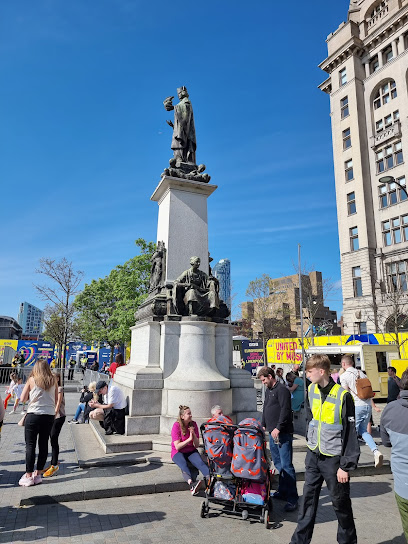
A striking bronze memorial at Liverpool’s Pier Head honoring Sir Alfred Lewis Jones, maritime pioneer and founder of tropical medicine research.
Royal Liver Suite
0.2 km
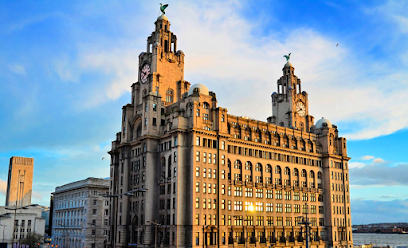
Celebrate your special moments with panoramic Mersey views in Liverpool’s iconic Royal Liver Suite, blending heritage and elegance.
Cunard Building
0.2 km
A majestic waterfront landmark embodying Liverpool’s rich maritime history and Cunard’s legacy of luxury ocean travel.
Hargreaves Buildings
0.3 km
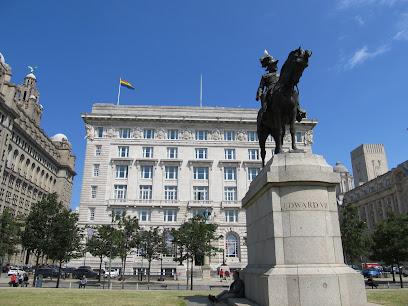
Victorian banking landmark preserving Liverpool's golden age of maritime commerce and financial power
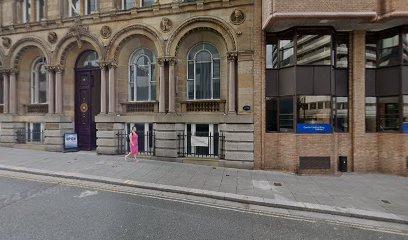
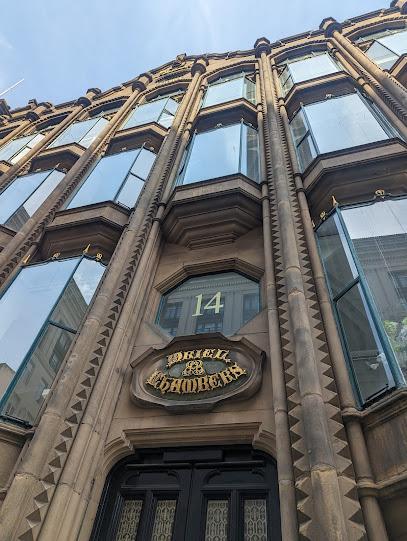
Oriel Chambers
0.3 km
Oriel Chambers: Liverpool’s revolutionary 1864 office building that pioneered the metal-framed glass curtain wall and modern skyscraper design.
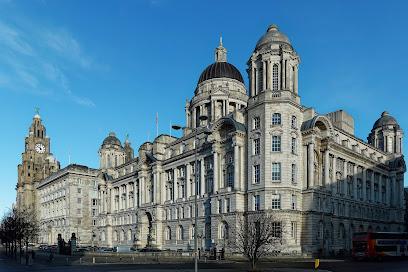
The Port Of Liverpool Building
0.3 km
The oldest of Liverpool’s Three Graces, this Edwardian Baroque masterpiece at Pier Head is a powerful symbol of the city’s golden age as a global port and a defining feature of its historic skyline.
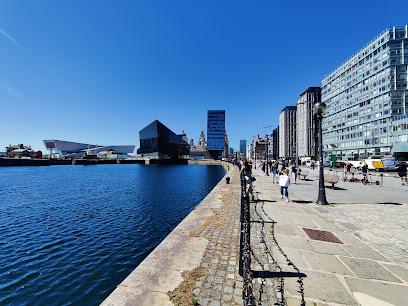
Mann Island
0.4 km
Contemporary waterfront landmark reflecting Liverpool's maritime heritage through striking architecture and cultural innovation.
Liverpool Town Hall
0.4 km
Explore Liverpool Town Hall, a stunning Georgian masterpiece and historic civic venue at the heart of Liverpool’s cultural heritage.
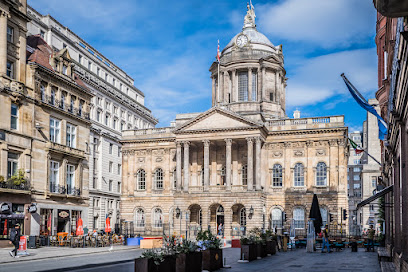
1 Exchange Flags
0.5 km
Historic Liverpool landmark featuring WWII command bunker, elegant architecture, and a courtyard rich with maritime and mercantile heritage.
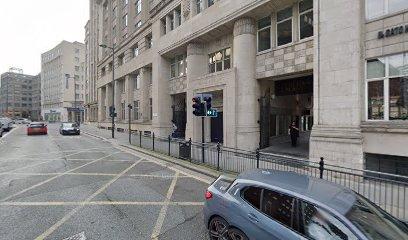
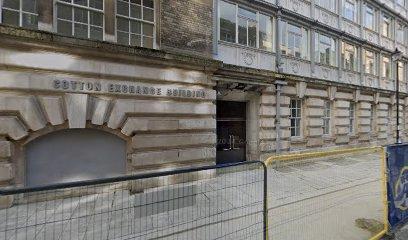
Cotton Exchange Bldg Old Hall Street
0.5 km
Historic heart of Liverpool’s cotton trade, blending Edwardian grandeur with modern business life on Old Hall Street.
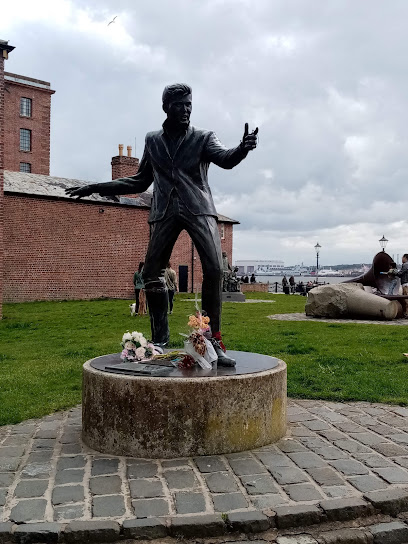
Billy Fury
0.6 km
Celebrate the legacy of Liverpool’s rock and roll pioneer with the iconic Billy Fury statue at the historic Royal Albert Dock.
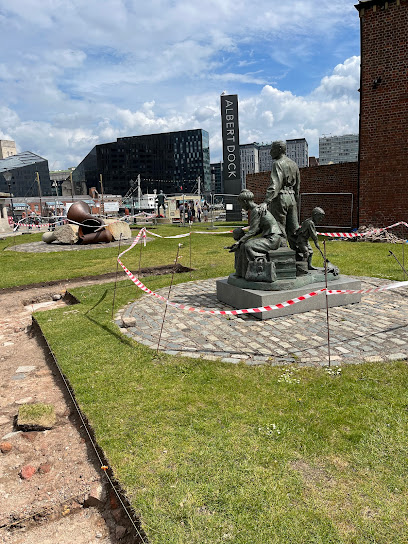
Legacy Sculpture
0.6 km
A powerful bronze tribute at Royal Albert Dock honoring Liverpool’s migrant heritage and the hopeful journeys to the New World.
Cilla Black
0.7 km
Celebrate Liverpool’s beloved entertainer with the life-size bronze statue of Cilla Black on iconic Mathew Street, near the legendary Cavern Club.
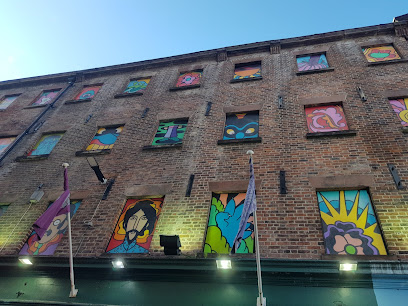
Liverpool Beatles Museum
0.7 km
Explore the largest authentic Beatles collection in Liverpool’s historic Mathew Street, celebrating the band’s legendary journey and legacy.
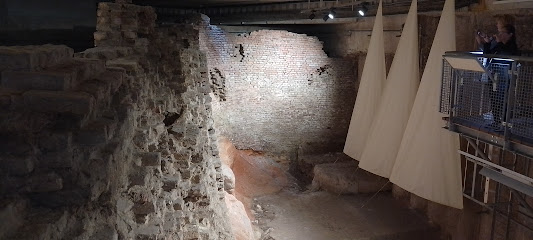
Viewing window to the Old Dock
0.8 km
Step through a glass window into the world’s first commercial wet dock, the birthplace of Liverpool’s global maritime legacy.
Unmissable attractions to see

Royal Liver Building 360 Tour
0.1 km
Discover Liverpool’s iconic Royal Liver Building with immersive tours, panoramic skyline views, and rich historical insights from its 15th-floor vantage point.
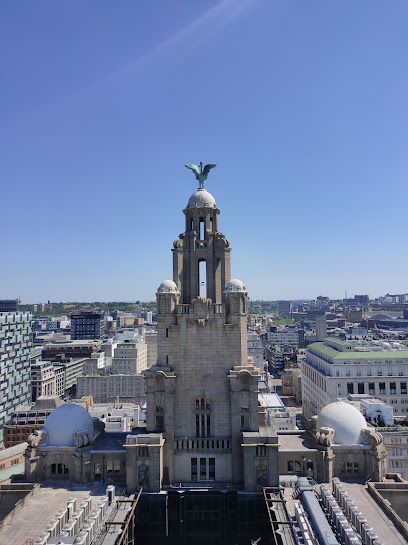
Liverbird Monument
0.1 km
Discover Liverpool’s iconic Liverbird Monument, a mythical symbol of maritime heritage and city pride perched at St Nicholas Place.
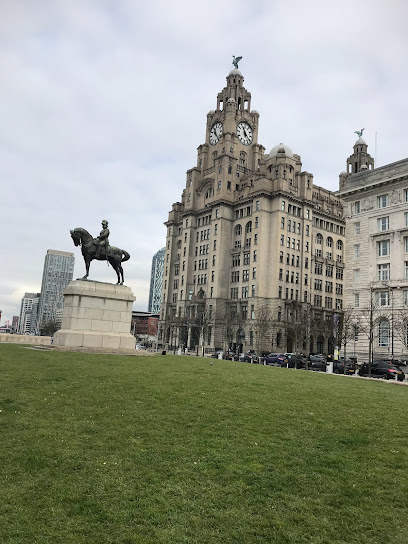
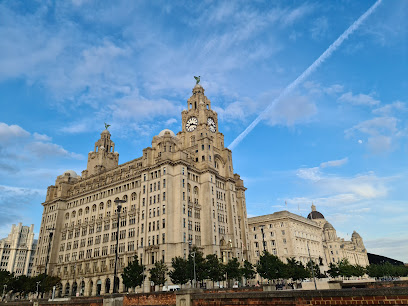
Royal Liver Building
0.1 km
Discover Liverpool’s iconic waterfront marvel, the Royal Liver Building, with its legendary Liver Birds, panoramic views, and rich maritime heritage.
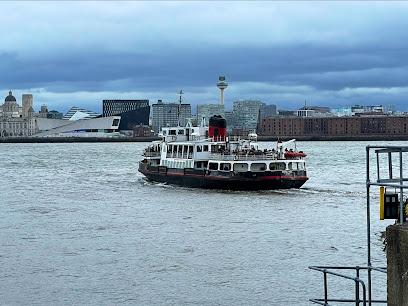
Mersey Ferries
0.2 km
Experience Liverpool’s iconic Mersey Ferries—over 800 years of rich maritime history and stunning river cruises from the historic Pier Head.
The Liverpool Waterfront
0.2 km
Explore Liverpool’s iconic waterfront, where historic landmarks, vibrant culture, and maritime heritage meet along the scenic River Mersey.
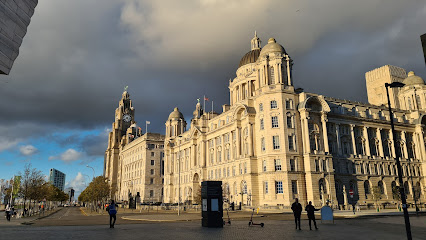
Pier Head
0.2 km
Liverpool’s iconic waterfront hub, Pier Head blends historic maritime grandeur with vibrant cultural and recreational spaces.
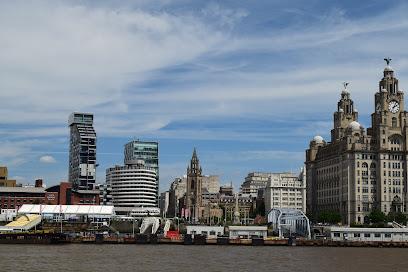
Canada Blvd
0.2 km
A serene waterfront promenade in Liverpool honoring Canadian wartime valor with memorials, maple trees, and iconic maritime views.
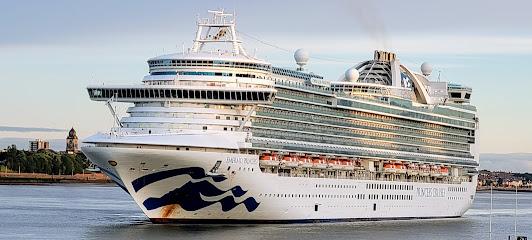
Liverpool Beatles Tours
0.2 km
Explore the legendary Beatles heritage in Liverpool with immersive tours to iconic sites, childhood homes, and musical landmarks.
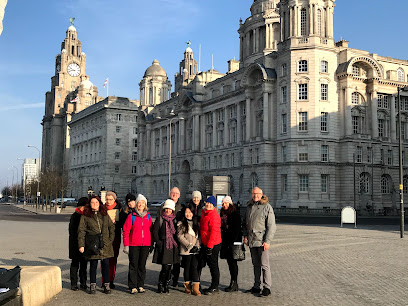
The Three Graces
0.2 km
Explore the breathtaking Three Graces in Liverpool: a stunning trio of architectural landmarks showcasing the city's rich maritime heritage.
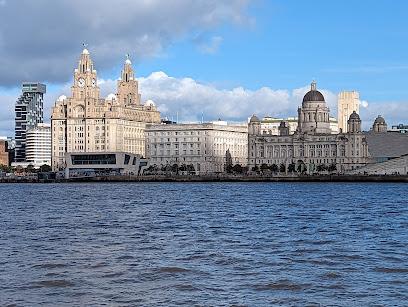
The British Music Experience
0.2 km
Step into the story of British rock and pop at Liverpool’s national museum of popular music, where iconic costumes, instruments and interactive studios bring decades of music to life.
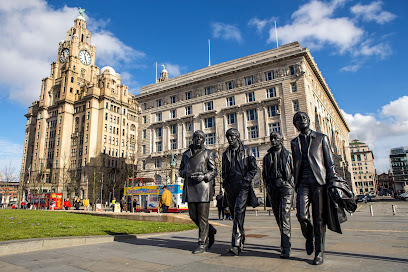
The Beatles Statue
0.2 km
A life-sized tribute on Liverpool’s Pier Head celebrating the Fab Four’s timeless legacy against the iconic Mersey waterfront.
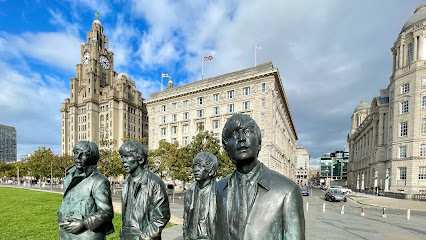
Blitz Memorial
0.2 km
Explore the Blitz Memorial in Liverpool: A poignant tribute to resilience and history during World War II, reflecting the strength of a city under siege.
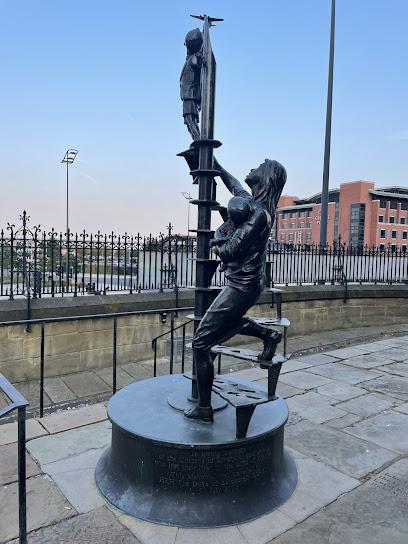
Liverpool Parish Church (Our Lady and Saint Nicholas)
0.2 km
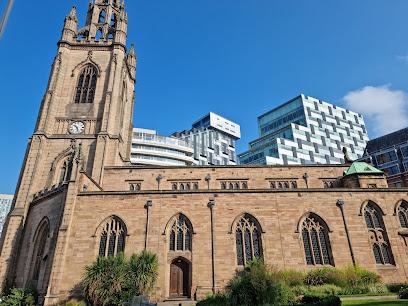
Historic Liverpool Parish Church, a maritime landmark with centuries of heritage, resilience, and iconic symbols by the Mersey waterfront.
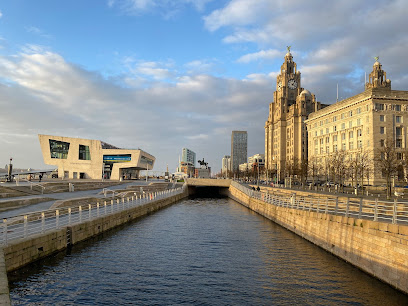
Liverpool Canal Link - Waterfront Albert Dock
0.3 km
Discover Liverpool’s historic waterfront brought to life by the scenic and engineering marvel of the Liverpool Canal Link at Albert Dock.
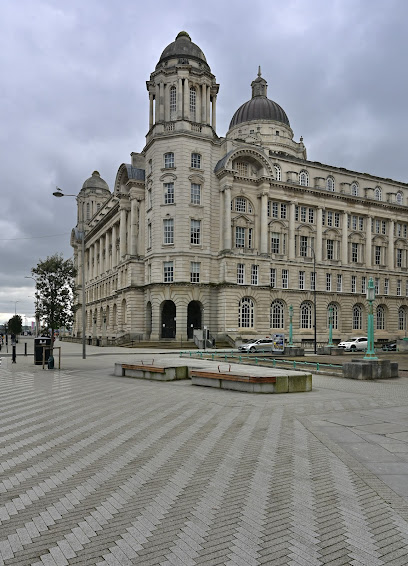
Port of Liverpool
0.3 km
An Edwardian Baroque masterpiece and one of Liverpool’s iconic Three Graces, symbolizing the city’s rich maritime heritage.
Essential places to dine

Malmaison Bar & Grill Liverpool
0.2 km
Modern British brasserie with dockside views, prime steaks, and bold cocktails in Liverpool's waterfront.
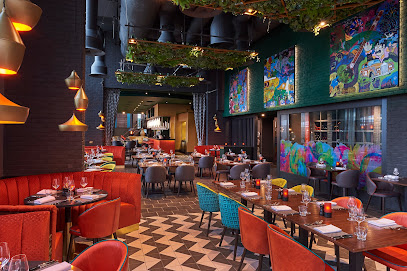
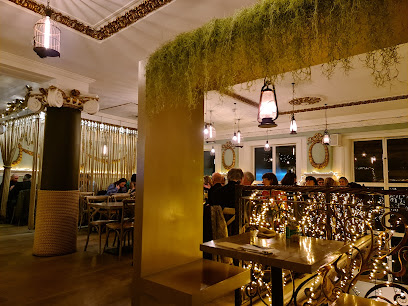
OH ME OH MY
0.3 km
Historic waterfront tea house with rooftop views, afternoon tea, and elegant events space.
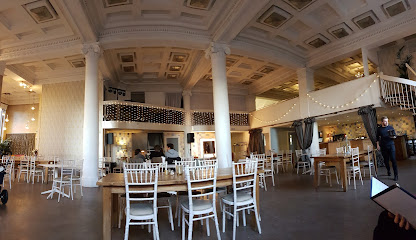
Meet Argentinian Restaurant
0.3 km
Premium Argentine beef grilled over open flames in Liverpool's most authentic steakhouse since 2006.
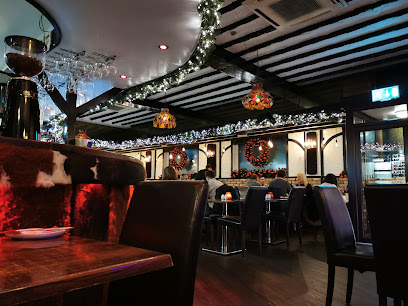
Etsu
0.3 km
Authentic Japanese flavors and warm hospitality await at Etsu, Liverpool’s premier destination for refined dining on The Strand.
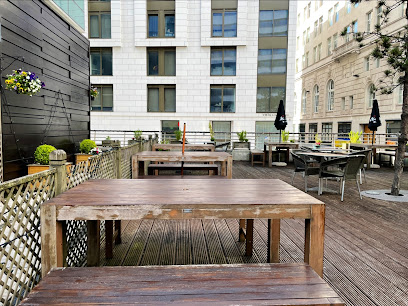
Hawksmoor Liverpool
0.4 km
Experience premium British steaks and seafood in a stylish, lively Liverpool setting with exceptional service and classic flavors.
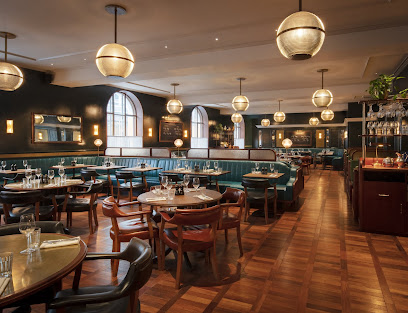
Mowgli Street Food Water Street
0.4 km
Contemporary Indian street food in a vibrant, casual setting with bold flavors and communal sharing plates.
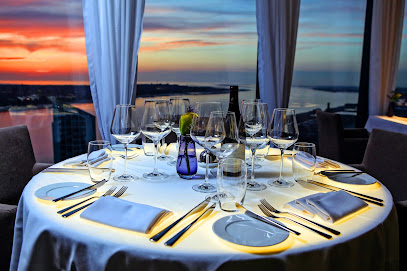
Panoramic 34
0.4 km
Experience Liverpool’s skyline from Britain’s tallest restaurant with modern European cuisine and stunning 360-degree views.
Riva Blu Italian Restaurant & Bar, Liverpool
0.5 km
Modern Italian dining and cocktails in the heart of Liverpool, with a stylish terrace and a unique vaulted private dining room for special occasions.
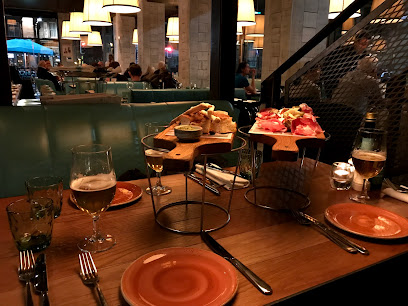
Castle St Townhouse
0.5 km
A stylish all-day dining venue in Liverpool’s historic heart, blending heritage charm with vibrant food, drinks, and social atmosphere.
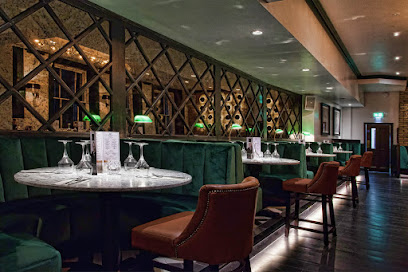
San Carlo - Liverpool
0.5 km
Experience authentic Italian elegance and vibrant city dining at San Carlo Liverpool, where classic flavors meet stylish ambiance.
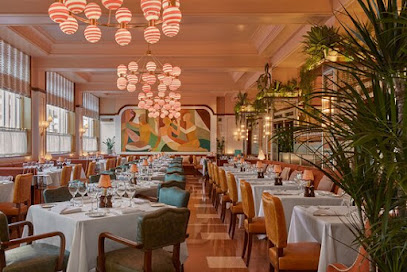
Bacaro
0.5 km
Experience vibrant Venetian small plates and authentic Italian flavors in the stylish heart of Liverpool’s Castle Street.
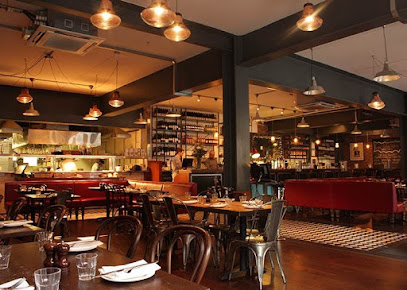
NYL Restaurant and Bar
0.6 km
Stylish American dining and cocktails in Liverpool's commercial heart, where upmarket meets approachable.
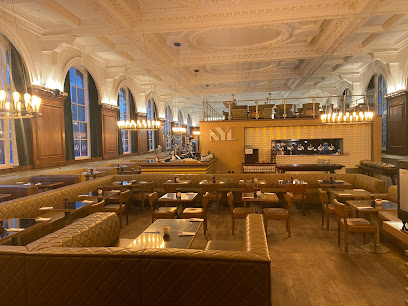
Shiraz BBQ
0.6 km
Charcoal-grilled Mediterranean excellence with generous portions and unbeatable value in central Liverpool.
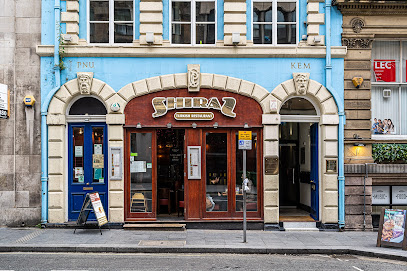
Blakes Restaurant
0.7 km
Experience British classics with a Beatles twist in Liverpool’s iconic Hard Days Night Hotel restaurant.
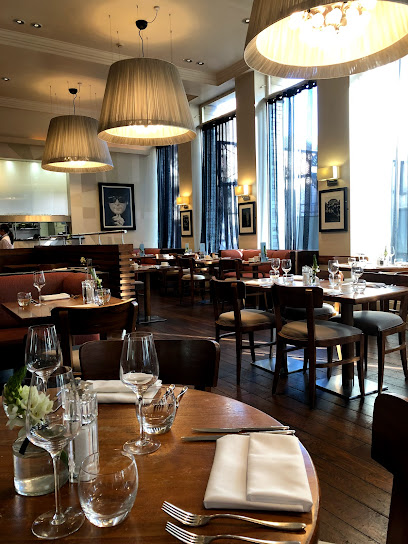
Turtle Bay Liverpool Victoria St
0.7 km
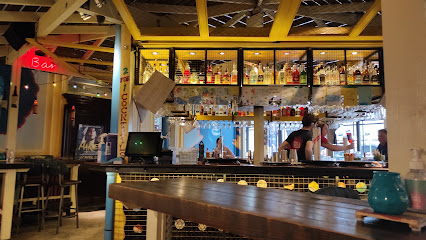
Lively Caribbean dining and cocktails in Liverpool’s historic Produce Exchange, blending authentic flavors with vibrant island vibes.
Markets, malls and hidden boutiques

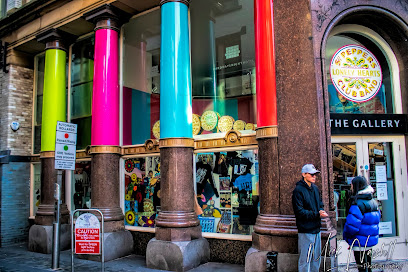
The Gallery
0.6 km
Discover Liverpool’s musical heritage and unique local crafts at The Gallery, your destination for Beatles memorabilia and authentic souvenirs.
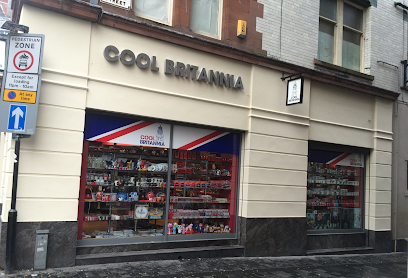
Cool Britannia
0.6 km
Liverpool's vibrant gift shop packed with Britpop t-shirts, Beatles nods, and Cool Britannia souvenirs—your one-stop for cheeky, affordable UK mementos in the city center.
Hard Days Night Shop
0.7 km
Explore the heart of Beatles heritage with exclusive memorabilia and authentic merchandise at Liverpool’s iconic Hard Days Night Shop.
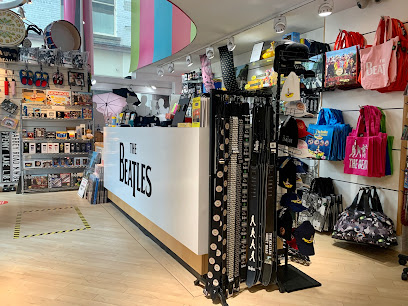
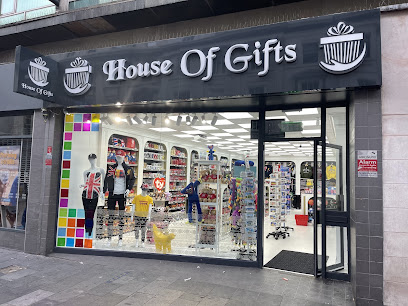
House Of Gifts
0.7 km
A fun-filled Liverpool novelty shop packed with souvenirs, local memorabilia, and quirky gifts for visitors and locals alike.
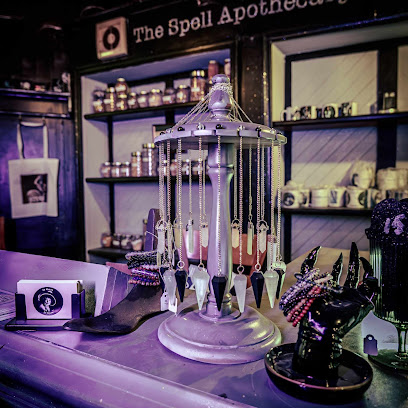
As Above So Below Emporium Ltd
0.7 km
A darkly elegant witchy emporium in Liverpool’s historic Cavern Walks, blending mysticism, tarot, and alternative culture.
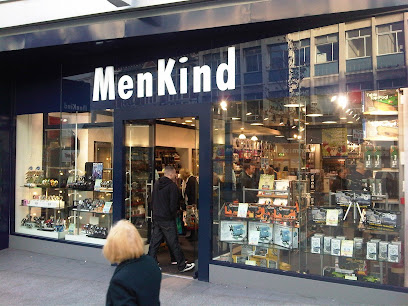
Menkind
0.7 km
Discover quirky gadgets and imaginative gifts for men and boys at Menkind Liverpool, your go-to spot for unique presents in the city centre.
Off The List Luxury
0.7 km
Discreet luxury watch boutique in Liverpool's business heart, offering Rolex Datejust and elite timepieces with expert, professional service.
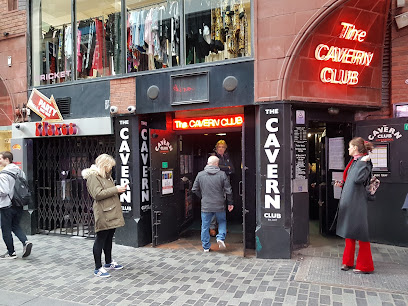
Cavern Walks - Shopping Centre
0.7 km
Boutique shopping arcade in Liverpool's Beatles epicentre, linking stylish retail to Cavern Club legacy on vibrant Mathew Street.
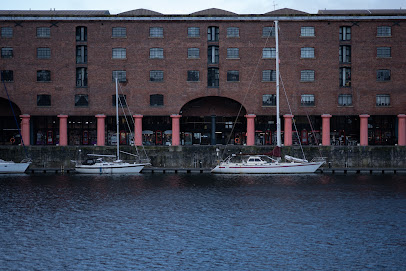
Pride of Liverpool
0.7 km
Whistle-stop souvenirs celebrating Liverpool pride and Britain's iconic cities in the heart of Royal Albert Dock's historic colonnades.
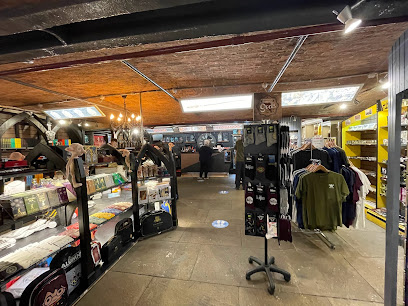
Lost Soles
0.7 km
Unique graphic tees and menswear in Liverpool's historic Albert Dock – independent style with waterfront flair.
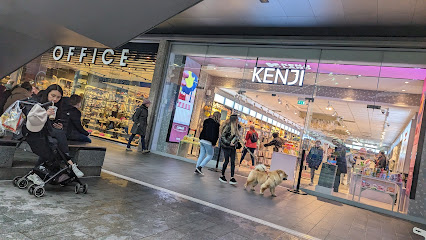
KENJI Liverpool ONE
0.8 km
Discover cute plushies, quirky gifts, and local makers in Liverpool ONE's playful arcade-gift haven—perfect for unique souvenirs and fun finds.
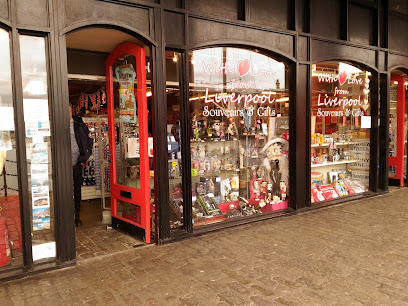
With Love From Liverpool
0.8 km
Liverpool's ultimate souvenir haven in the Royal Albert Dock, brimming with Beatles treasures, Scouse spirit, and authentic gifts that capture the city's unbeatable vibe.
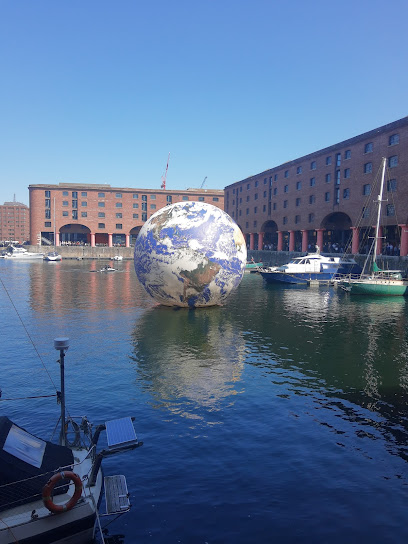
The Nest Liverpool
0.8 km
Unique gifts and local crafts in Liverpool's historic Royal Albert Dock—a perfect waterfront stop for authentic Scouse souvenirs.
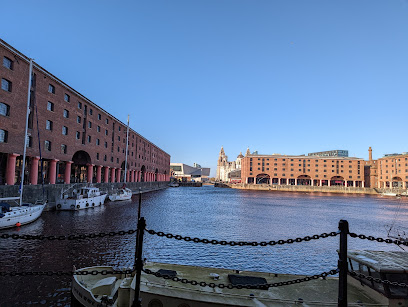
Nature's Treasure
0.8 km
Intimate jewellery boutique in The Colonnades, offering handcrafted pieces, bespoke commissions and restoration inside Liverpool’s historic Albert Dock.
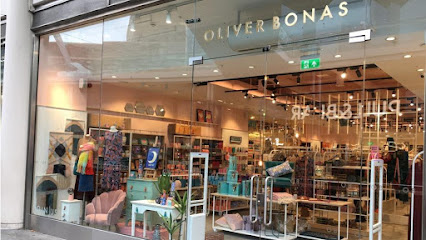
Oliver Bonas
0.8 km
Colourful, design-led fashion and homeware in Liverpool ONE — a boutique atmosphere for stylish gifts and everyday statement pieces.
Essential bars & hidden hideouts

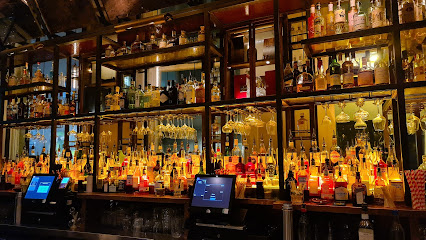
The Alchemist Liverpool
0.4 km
Experience Liverpool’s premier cocktail bar where molecular mixology meets bold flavors and vibrant city vibes.
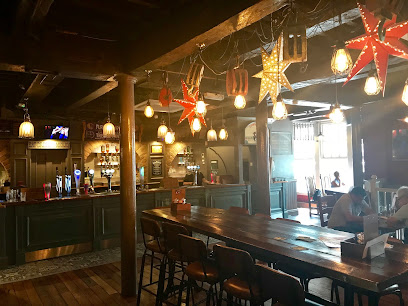
The Slaughter House
0.5 km
Historic Liverpool pub blending hearty gastropub fare with lively live music and comedy in a warm, rustic setting.
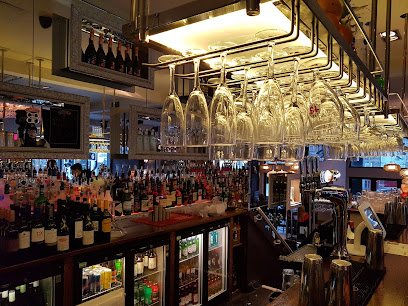
Slug & Lettuce - Liverpool
0.6 km
Liverpool's ultimate cocktail spot in a historic building—2-for-1 drinks, bottomless brunches, and three floors of festive vibes for groups and celebrations.
Rubber Soul
0.7 km
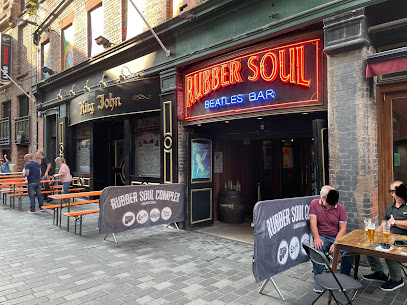
Experience Liverpool’s vibrant nightlife and Beatles heritage at Rubber Soul, a lively bar with three unique atmospheres and nightly live music.
The Bierkeller Liverpool
0.7 km
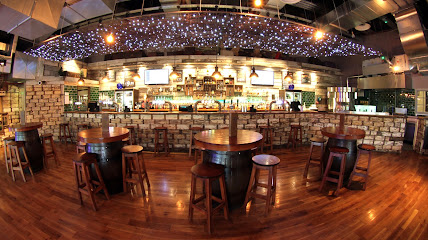
Experience the ultimate Bavarian beer hall vibe in Liverpool with giant steins, live Oompah bands, and a lively party atmosphere.
Ex-Directory
0.8 km
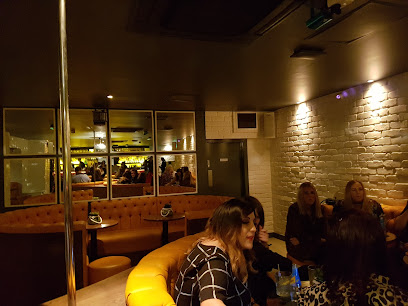
Discover Liverpool’s hidden speakeasy with quirky charm, expertly crafted cocktails, and a vibrant atmosphere on Vernon Street.
Revolution Liverpool - Albert Dock
0.8 km
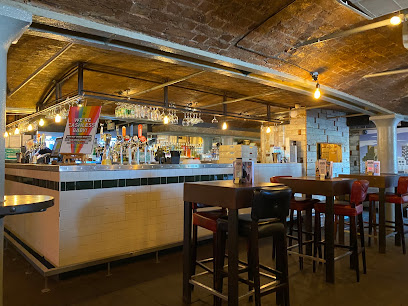
Vibrant cocktails, riverside vibes, and non-stop nightlife in Liverpool's legendary Albert Dock—where dockside history meets modern revelry.
The One O'Clock Gun
0.8 km
Raise a glass to Liverpool's maritime heartbeat at this dockside pub, where historic time signals meet modern merriment and Mersey views.
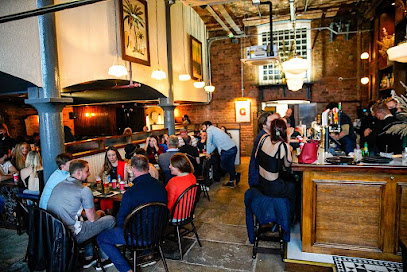
The Long Shot Bar
0.9 km
Liverpool's premier dockside sports bar: epic screens, killer cocktails, and stacked sandwiches amid Albert Dock's historic charm.
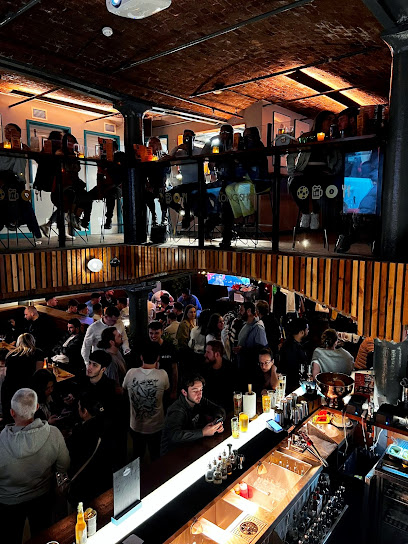
Brass Monkey
1.0 km
Liverpool's quirky cocktail haven on School Lane, blending inventive drinks, British bites, and lively vibes from midday to late-night revelry.
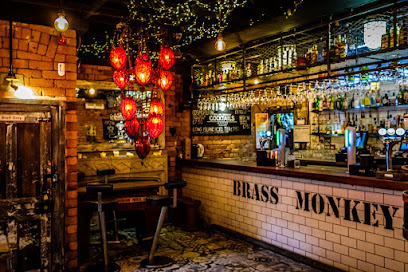
Present Company
1.0 km
Intimate Liverpool cocktail bar blending expert drinks, music culture, and warm hospitality in a stylish, relaxed setting.
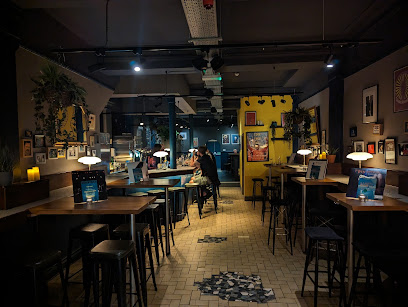
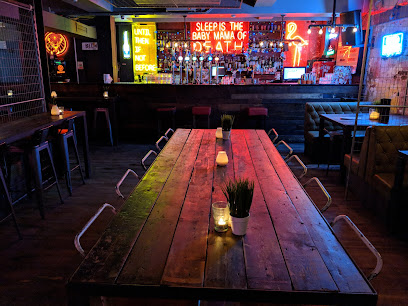
Motel Bar
1.1 km
A moody, music-first Fleet Street dive bar famous for band-backed karaoke and late-night crowds in Liverpool city centre.
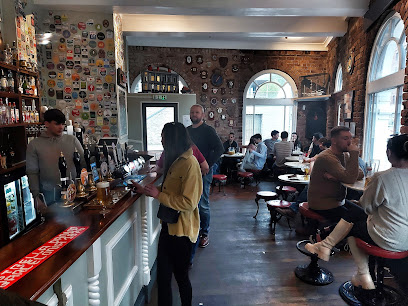
Baltic Fleet
1.1 km
Historic flat-iron pub in Liverpool's docks, pouring craft ales and cask brews amid maritime heritage and Baltic Triangle buzz.
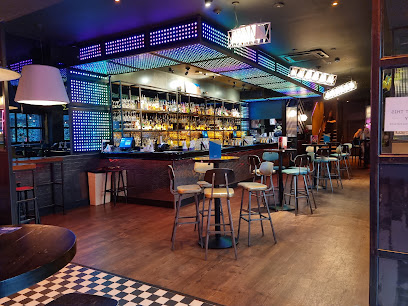
Be At One - Liverpool
1.1 km
Liverpool's cocktail epicenter: 100+ mixes, 2-for-1 happy hours, and masterclass shakes in a chic Seel Street hotspot.
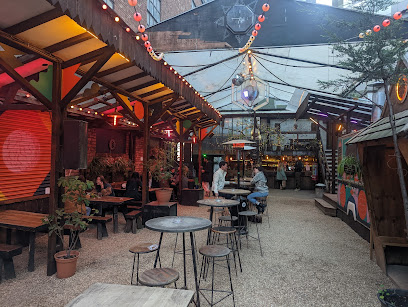
Kazimier Garden
1.1 km
Liverpool's original garden bar: quirky outdoor oasis with craft brews, live gigs, and fairy-lit magic in the heart of Ropewalks.
Nightclubs & after hour spots

GBar Liverpool
0.6 km
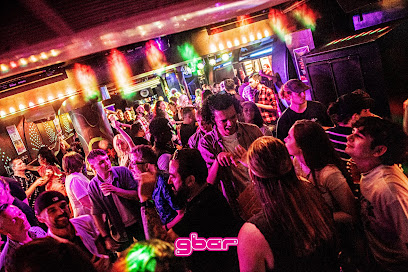
Liverpool's legendary late-night gay club: pop upstairs, bass downstairs, dancing till dawn on Eberle Street's vibrant strip.
Elysium Nightclub
0.6 km
Experience Liverpool’s vibrant nightlife with dynamic DJ events and an energetic atmosphere at Elysium Nightclub, open late on weekends.
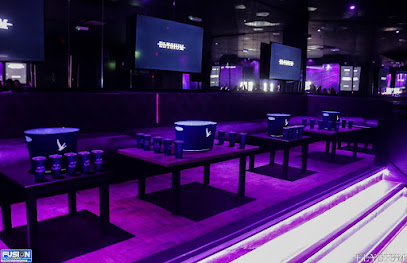
Mambo Club Liverpool
0.6 km
Experience Liverpool’s vibrant nightlife at Mambo Club, where electrifying music and lively crowds create unforgettable Saturday nights.
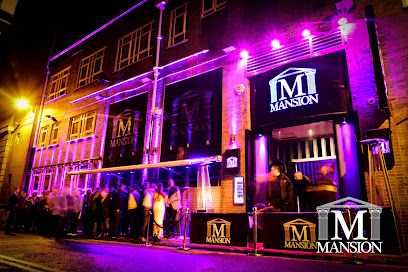
Mansion Nightclub
0.7 km
Liverpool’s vibrant nightclub with the UK’s largest LED ceiling, laser shows, and a dynamic party atmosphere in the city centre.
Flares - Liverpool
0.7 km
Experience Liverpool’s vibrant nightlife at Flares on Mathew Street, where great cocktails and unbeatable party vibes meet iconic music heritage.
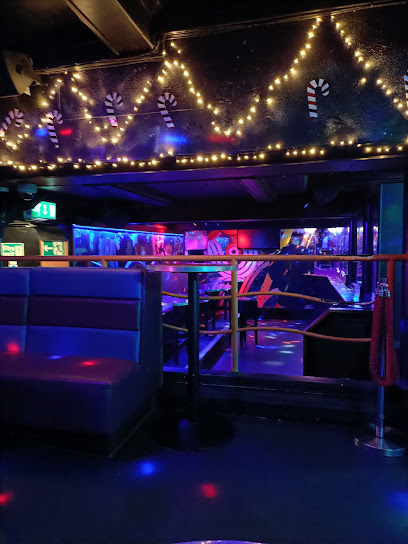
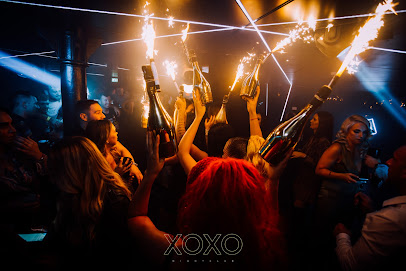
XOXO Nightclub Liverpool
0.7 km
Dive into Liverpool's electric basement beats at XOXO Nightclub, where diverse DJs and immersive vibes craft unforgettable weekends from 10pm till dawn.
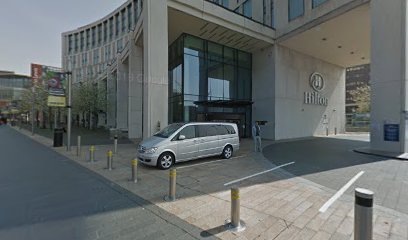
Playground Liverpool
0.8 km
Liverpool's luxury nightclub haven in the Hilton, pulsing with upscale beats by the Mersey waterfront – exclusive nights await in the heart of the city.
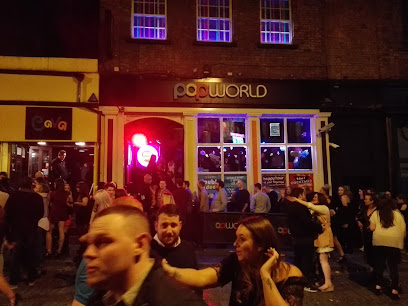
Popworld - Liverpool
1.1 km
Liverpool's ultimate cheesy pop haven: 90s bangers, cheap drinks, and dance-'til-dawn vibes in the heart of Ropewalks.
ELECTRIK WAREHOUSE
1.1 km
Liverpool's multi-floor warehouse nightclub: three dance floors of dance, RnB, indie, and chart hits in quirky industrial surrounds, open Thu-Sat till 4am.
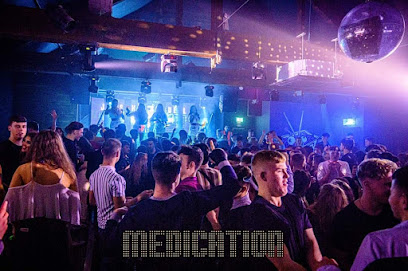
LEVEL Nightclub Liverpool
1.2 km
Liverpool’s expansive multi-floor nightclub offering diverse music, VIP areas, and a buzzing party atmosphere in the heart of Ropewalks.
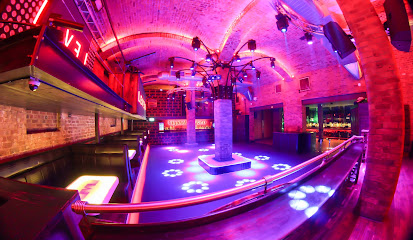
Modo, Liverpool
1.2 km
Liverpool's Concert Square legend: multi-room nightclub with cocktails, sports screens, heated terrace, and epic party spaces for every vibe.
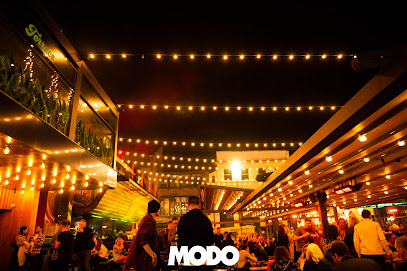
Concert Square Bars And Clubs Liverpool
1.2 km
Discover the energetic nightlife of Liverpool at Concert Square Bars and Clubs, where diverse bars and clubs create an unforgettable experience.
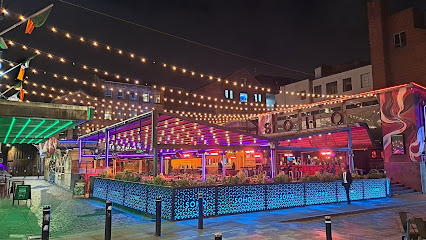
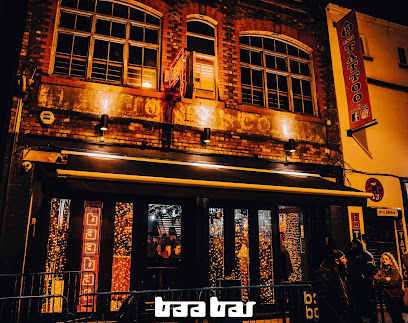
Baa Bar Liverpool
1.3 km
Two floors of house and R&B beats, £2 shooters, and courtyard vibes in Liverpool's nightlife epicenter—perfect for students and party-hoppers alike.
Aura
1.3 km
Dive into Liverpool's pulsating beats at Aura Nightclub, where Afrobeats and R&B fuel intimate, high-energy nights in Ropewalks' vibrant core.
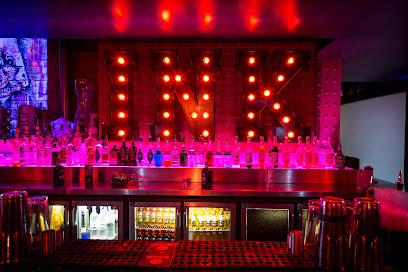
Ink Bar Liverpool
1.4 km
Liverpool's premier R&B and house nightclub, where stylish cocktails, thumping beats, and luxury vibes fuel unforgettable nights on Wood Street.
For the vibe & atmosphere seeker
- Tranquil
- Scenic
- Unique
- Casual
For the design and aesthetic lover
- Vintage Styles
For the architecture buff
- Historic
- Landmarks
- Art & Design
For the view chaser and sunset hunter
- Iconic Views
- Waterfront
For the social media creator & influencer
- Instagrammable
- Photo Spots
- Architectural Shots
For the eco-conscious traveler
- Public-Transport Accessible
For the kind of experience you’re after
- Cultural Heritage
- Photowalk
- Day Trip
For how adventurous you want the journey to be
- Easy Access
Location Audience
- Family Friendly
- Senior Friendly
- Child Friendly
- Teen Friendly
- Wheelchair Access
- Solo Friendly
- Couple Friendly
- Solo Female Friendly


