

Memorial to Sir Alfred Lewis Jones
Victorian monument to a shipping magnate who shaped Liverpool's maritime empire and founded tropical medicine research.
A striking bronze and stone monument at Liverpool's Pier Head honoring Sir Alfred Lewis Jones (1845–1909), a Welsh shipping magnate and philanthropist. Erected in 1913, the memorial features a bust of Jones crowned by an allegorical figure of Liverpool and celebrates his role in expanding British maritime commerce and founding the Liverpool School of Tropical Medicine. The Grade II listed monument stands as a testament to Victorian ambition and colonial-era enterprise.
A brief summary to Sir Alfred Lewis Monument
- Pier Head, Canada Blvd, George Parade, Liverpool, L3 1HU, GB
- Duration: 0.25 to 1 hours
- Free
-
 Outdoor
- Mobile reception: 5 out of 5
Local tips
- Visit early morning or late afternoon for the best light on the bronze sculptures and to avoid peak waterfront crowds.
- Read the inscription carefully to understand the monument's historical context and Jones's dual legacy in commerce and medicine.
- Combine your visit with nearby attractions—the Liverbird Monument, Beatles Statue, and Cunard Building are all within 100 meters.
- The Pier Head area offers excellent vantage points for photographing the memorial against the River Mersey and waterfront architecture.

For the on-the-go comforts that matter to you
- Restrooms
- Drink Options
- Food Options
- Seating Areas
- Information Boards
- Visitor Center
Getting There
-
Walking from Liverpool Lime Street Station
From Liverpool Lime Street Station, exit onto Lime Street and proceed toward St. George's Hall. Continue straight through the city center, passing Queen Square bus station. Follow signage toward the waterfront and Pier Head. The route takes approximately 15–20 minutes on foot and is flat, well-paved, and clearly marked. The final approach follows the waterfront promenade along the River Mersey.
-
Bus from City Center
Multiple bus routes serve Pier Head from Liverpool city center, including services from Queen Square bus station. Journey time is typically 5–10 minutes depending on traffic. Buses stop directly at or within 50 meters of Pier Head. Single journey fares are approximately £1.75–£2.50 GBP. Service runs throughout the day at regular intervals.
-
Merseyrail from Central Station
Take the Merseyrail from Liverpool Central Station toward Southport or West Kirby, alighting at James Street Station. From there, walk approximately 5 minutes uphill to Pier Head. Journey time is roughly 3 minutes. Single fares are approximately £1.50–£2.00 GBP. Trains run every 10–15 minutes throughout the day.
-
Taxi or Ride-Share
Taxis and ride-share services are readily available throughout Liverpool. Journey time from the city center is typically 5–10 minutes depending on traffic. Fares from the city center range from £6–£12 GBP. The Pier Head area has designated drop-off points and nearby parking facilities.
Sir Alfred Lewis Monument location weather suitability
-
 Any Weather
-
 Clear Skies
-
 Mild Temperatures
Discover more about Sir Alfred Lewis Monument
A Monument to Maritime Enterprise and Colonial Commerce
The Memorial to Sir Alfred Lewis Jones stands prominently at Liverpool's Pier Head, a location steeped in the city's maritime heritage. Completed in 1913, this Grade II listed monument commemorates one of the most influential shipping magnates of the Victorian era. The memorial takes the form of a substantial bronze and stone composition, featuring a bronze bust of Jones himself, rendered in classical style and framed by a laurel wreath. Above the bust rises an allegorical bronze figure representing the personification of the City of Liverpool, adorned with a crown and tabard decorated with the city's heraldic symbols. The monument's sculptural elements were created by George Frampton, a renowned sculptor of the period, and the work exemplifies the grandeur and ambition of early 20th-century commemorative art.The Life and Legacy of Alfred Lewis Jones
Sir Alfred Lewis Jones was born in Carmarthen, Wales, on 24 February 1845, but spent most of his formative years in Liverpool after his family relocated when he was three years old. At just twelve years of age, Jones was apprenticed to the African Steamship Company, beginning a career that would span five decades and fundamentally shape Liverpool's role in global trade. He rose to become a senior partner in Elder Dempster and Company, one of the most powerful shipping lines of the era, establishing a near-monopoly on West African trade routes and the Congo-Antwerp mail traffic. His business acumen extended beyond shipping; he invested in coal-mining operations in South Wales to supply bunker fuel for his vessels and established coaling stations across the Atlantic, from the Canary Islands to Sierra Leone. By the early 1900s, Jones held positions as president of the British Cotton Growing Association, chairman of the Liverpool Institute of Tropical Research, and president of the Liverpool Chamber of Commerce.Philanthropy and the Founding of Tropical Medicine Research
While Jones's wealth derived substantially from colonial commerce and shipping, his philanthropic contributions left an indelible mark on medical science and education. In 1898, recognizing the threat posed by tropical diseases—particularly malaria—to British colonial interests and commercial operations, Jones pledged £350 per annum for three years to support the study of tropical medicine. This contribution proved instrumental in establishing the Liverpool School of Tropical Medicine, founded in 1899 and later relocated to its own purpose-built facility at Pembroke Place in 1915. The school became a world-leading institution in tropical disease research and remains active today. Jones's will directed the remainder of his substantial estate toward a charitable trust that distributed hundreds of thousands of pounds to worthy causes, with particular emphasis on technical education in West Africa, disease research, and relief for those in poverty.Artistic Composition and Symbolic Elements
The memorial's design carries rich symbolic meaning, reflecting both Jones's achievements and the values of his era. The allegorical figure of Liverpool presiding over the bust suggests the city's primacy in commerce and culture. Beneath the principal figures, bronze allegorical sculptures represent the fruits of industry, research, and commerce—visual metaphors for the domains in which Jones excelled. The inscription on the plinth reads: "In memory of Sir Alfred Lewis Jones KCMG; a shipowner strenuous in business, he enlarged the commerce of his country by his mercantile enterprise and, as founder of the Liverpool School of Tropical Medicine, made science tributary in civilization in Western Africa and the colonies of the British Empire." This text encapsulates the Victorian worldview that framed commercial expansion and scientific advancement as intertwined expressions of civilizational progress.Setting and Surroundings
Located at Pier Head, the memorial occupies one of Liverpool's most historically significant and visually prominent locations. The Pier Head waterfront district is home to numerous other monuments and landmarks, including the Liverbird Monument, the Beatles Statue, the Cunard Building, and memorials to maritime heritage. The proximity to the River Mersey and the bustling waterfront creates an atmosphere rich with Liverpool's seafaring history. The memorial's placement among these iconic structures reinforces its role as a key waypoint in understanding the city's transformation from a modest port into one of the world's greatest trading centers during the 18th and 19th centuries.Iconic landmarks you can’t miss

Sir Alfred Lewis Monument
0.0 km
A striking bronze memorial at Liverpool’s Pier Head honoring Sir Alfred Lewis Jones, maritime pioneer and founder of tropical medicine research.
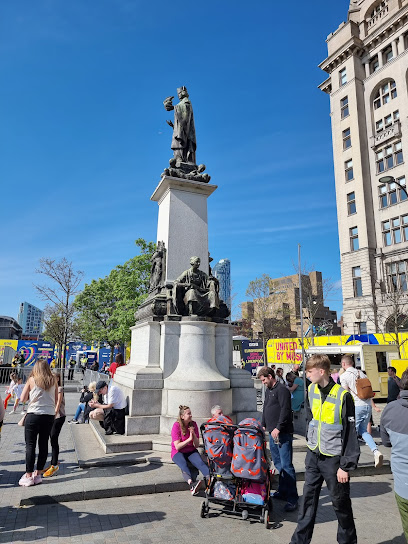
Royal Liver Suite
0.1 km
Celebrate your special moments with panoramic Mersey views in Liverpool’s iconic Royal Liver Suite, blending heritage and elegance.
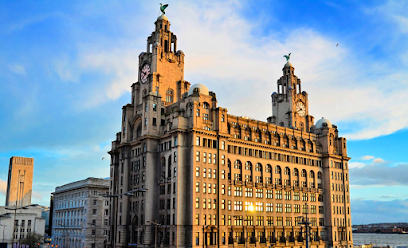
Cunard Building
0.1 km
A majestic waterfront landmark embodying Liverpool’s rich maritime history and Cunard’s legacy of luxury ocean travel.
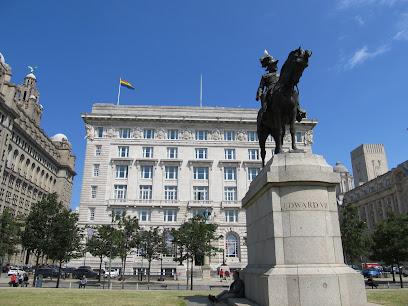
The Port Of Liverpool Building
0.2 km
The oldest of Liverpool’s Three Graces, this Edwardian Baroque masterpiece at Pier Head is a powerful symbol of the city’s golden age as a global port and a defining feature of its historic skyline.
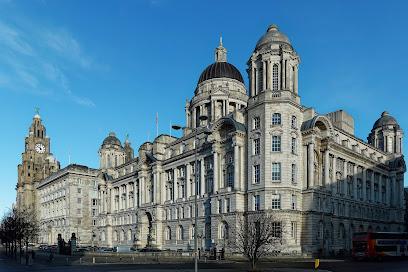
Hargreaves Buildings
0.3 km
Victorian banking landmark preserving Liverpool's golden age of maritime commerce and financial power
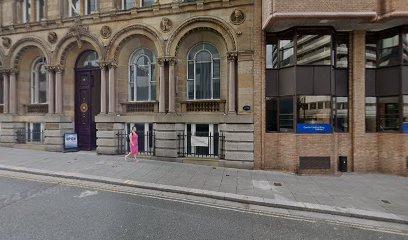
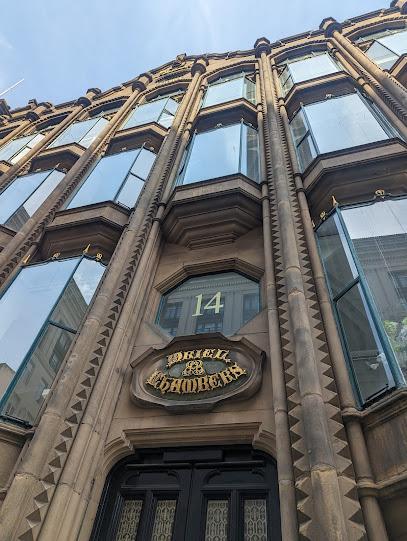
Oriel Chambers
0.3 km
Oriel Chambers: Liverpool’s revolutionary 1864 office building that pioneered the metal-framed glass curtain wall and modern skyscraper design.
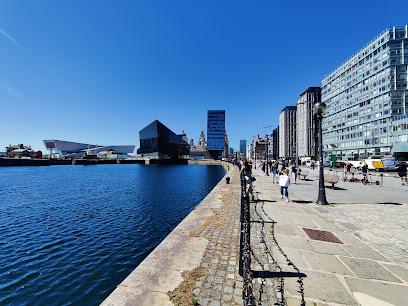
Mann Island
0.3 km
Contemporary waterfront landmark reflecting Liverpool's maritime heritage through striking architecture and cultural innovation.
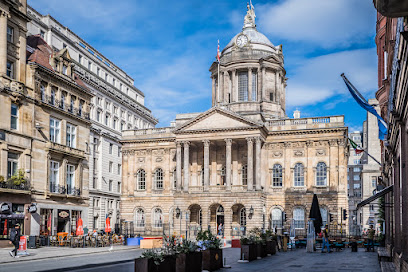
Liverpool Town Hall
0.4 km
Explore Liverpool Town Hall, a stunning Georgian masterpiece and historic civic venue at the heart of Liverpool’s cultural heritage.
1 Exchange Flags
0.4 km
Historic Liverpool landmark featuring WWII command bunker, elegant architecture, and a courtyard rich with maritime and mercantile heritage.
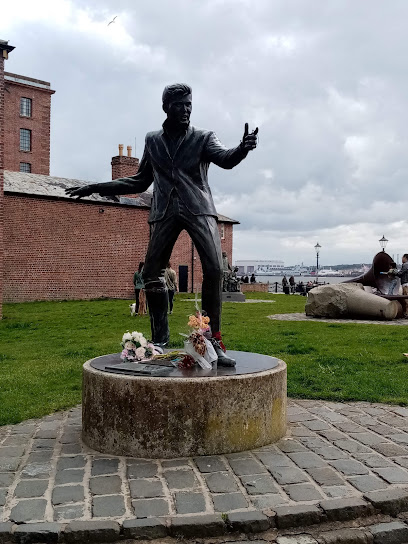
Billy Fury
0.5 km
Celebrate the legacy of Liverpool’s rock and roll pioneer with the iconic Billy Fury statue at the historic Royal Albert Dock.
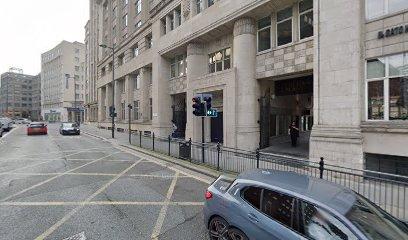
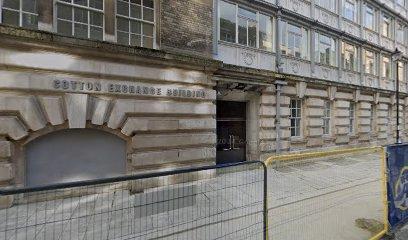
Cotton Exchange Bldg Old Hall Street
0.5 km
Historic heart of Liverpool’s cotton trade, blending Edwardian grandeur with modern business life on Old Hall Street.
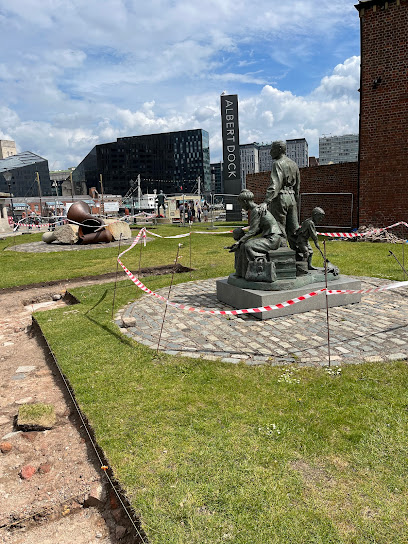
Legacy Sculpture
0.5 km
A powerful bronze tribute at Royal Albert Dock honoring Liverpool’s migrant heritage and the hopeful journeys to the New World.
Cilla Black
0.6 km
Celebrate Liverpool’s beloved entertainer with the life-size bronze statue of Cilla Black on iconic Mathew Street, near the legendary Cavern Club.
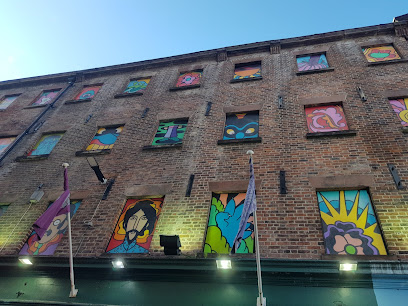
Liverpool Beatles Museum
0.6 km
Explore the largest authentic Beatles collection in Liverpool’s historic Mathew Street, celebrating the band’s legendary journey and legacy.
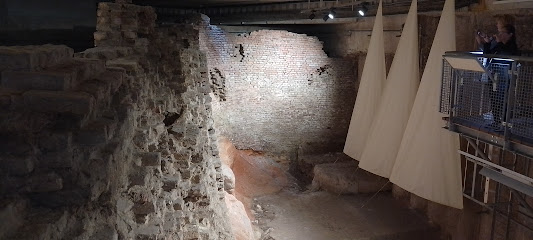
Viewing window to the Old Dock
0.7 km
Step through a glass window into the world’s first commercial wet dock, the birthplace of Liverpool’s global maritime legacy.
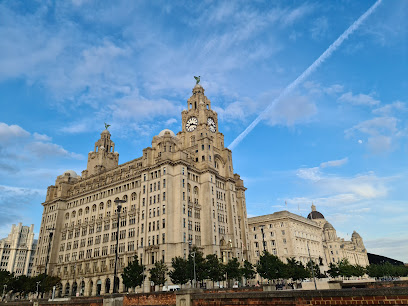
Unmissable attractions to see

Royal Liver Building
0.1 km
Discover Liverpool’s iconic waterfront marvel, the Royal Liver Building, with its legendary Liver Birds, panoramic views, and rich maritime heritage.
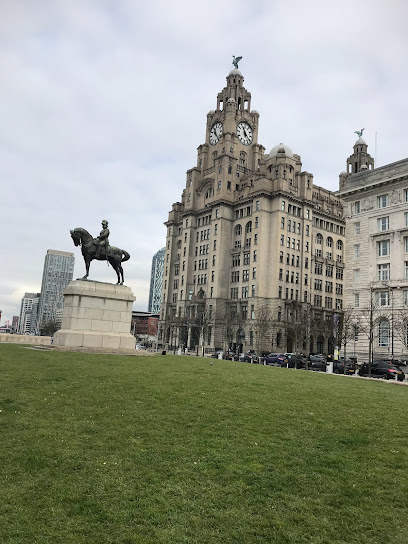
Liverbird Monument
0.1 km
Discover Liverpool’s iconic Liverbird Monument, a mythical symbol of maritime heritage and city pride perched at St Nicholas Place.
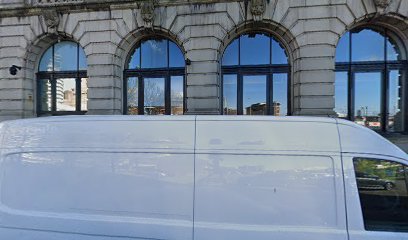
The Liverpool Waterfront
0.1 km
Explore Liverpool’s iconic waterfront, where historic landmarks, vibrant culture, and maritime heritage meet along the scenic River Mersey.
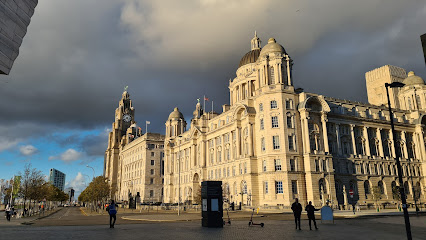
Canada Blvd
0.1 km
A serene waterfront promenade in Liverpool honoring Canadian wartime valor with memorials, maple trees, and iconic maritime views.
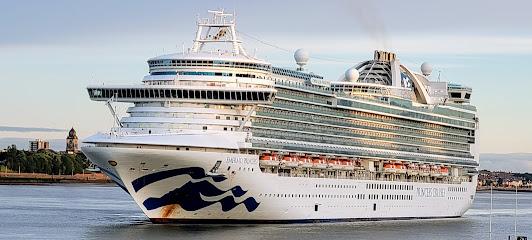
Liverpool Beatles Tours
0.1 km
Explore the legendary Beatles heritage in Liverpool with immersive tours to iconic sites, childhood homes, and musical landmarks.
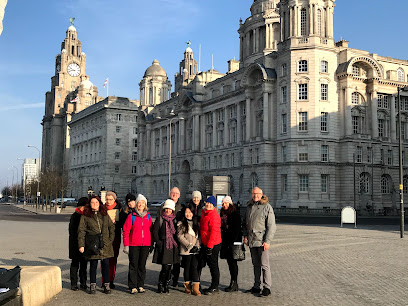
Mersey Ferries
0.1 km
Experience Liverpool’s iconic Mersey Ferries—over 800 years of rich maritime history and stunning river cruises from the historic Pier Head.
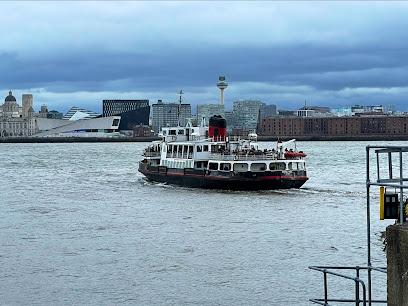
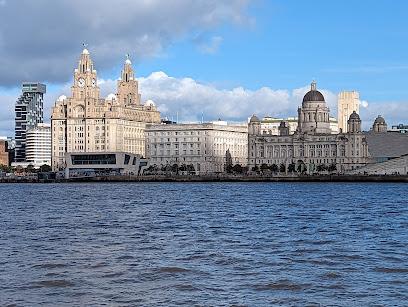
The Three Graces
0.1 km
Explore the breathtaking Three Graces in Liverpool: a stunning trio of architectural landmarks showcasing the city's rich maritime heritage.
The British Music Experience
0.1 km
Step into the story of British rock and pop at Liverpool’s national museum of popular music, where iconic costumes, instruments and interactive studios bring decades of music to life.
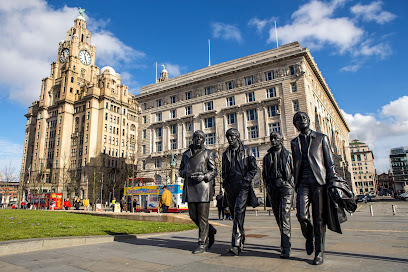
Pier Head
0.1 km
Liverpool’s iconic waterfront hub, Pier Head blends historic maritime grandeur with vibrant cultural and recreational spaces.
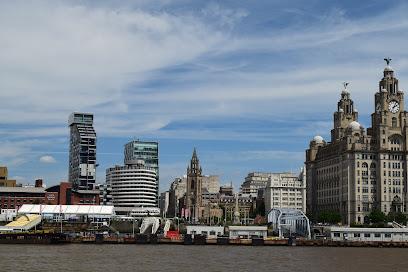
Memorial to the Marine Engine Room Heroes
0.1 km
Explore the Memorial to the Marine Engine Room Heroes in Liverpool, a historical landmark honoring the bravery of maritime engineers and crew members.
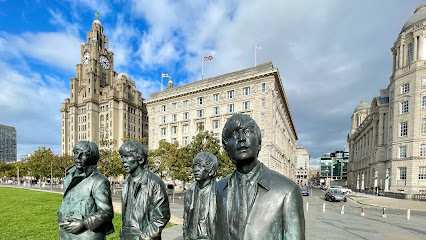
The Beatles Statue
0.1 km
A life-sized tribute on Liverpool’s Pier Head celebrating the Fab Four’s timeless legacy against the iconic Mersey waterfront.
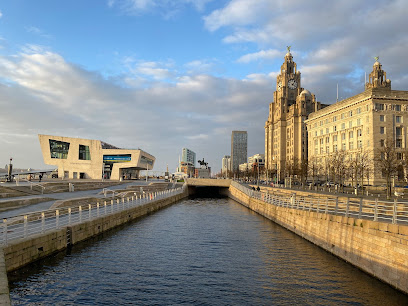
Liverpool Canal Link - Waterfront Albert Dock
0.2 km
Discover Liverpool’s historic waterfront brought to life by the scenic and engineering marvel of the Liverpool Canal Link at Albert Dock.
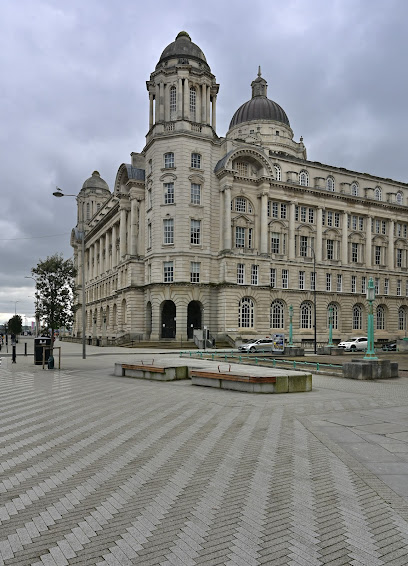
Port of Liverpool
0.2 km
An Edwardian Baroque masterpiece and one of Liverpool’s iconic Three Graces, symbolizing the city’s rich maritime heritage.
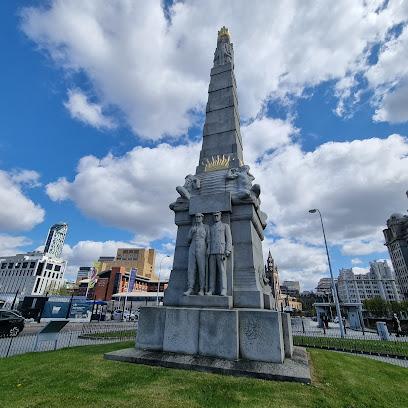
Blitz Memorial
0.2 km
Explore the Blitz Memorial in Liverpool: A poignant tribute to resilience and history during World War II, reflecting the strength of a city under siege.
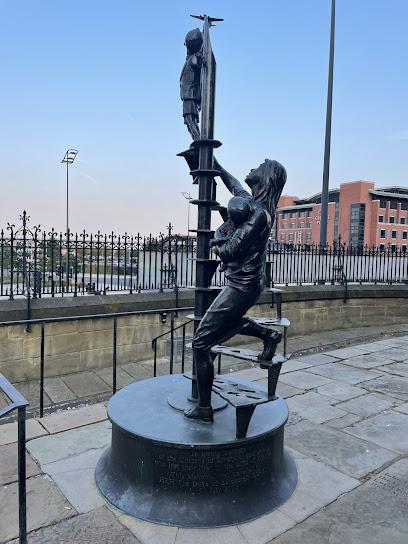
Mersey Tunnel Tours
0.2 km
Explore Liverpool’s iconic Queensway Tunnel on a fascinating guided tour revealing engineering, history, and underground adventure.
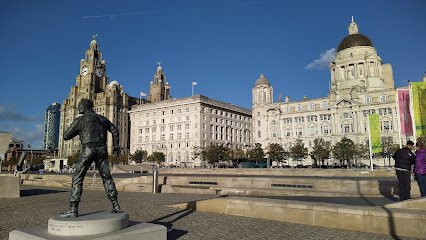
Essential places to dine

OH ME OH MY
0.2 km
Historic waterfront tea house with rooftop views, afternoon tea, and elegant events space.
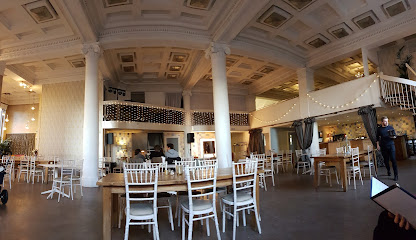
Meet Argentinian Restaurant
0.2 km
Premium Argentine beef grilled over open flames in Liverpool's most authentic steakhouse since 2006.
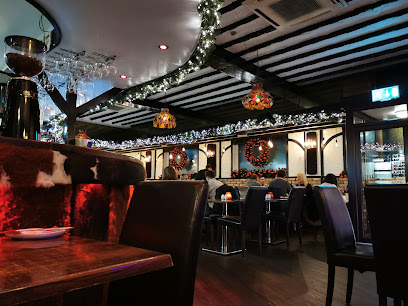
Etsu
0.2 km
Authentic Japanese flavors and warm hospitality await at Etsu, Liverpool’s premier destination for refined dining on The Strand.
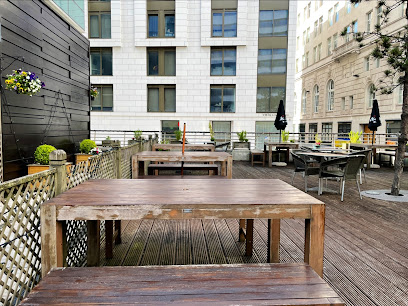
Malmaison Bar & Grill Liverpool
0.3 km
Modern British brasserie with dockside views, prime steaks, and bold cocktails in Liverpool's waterfront.
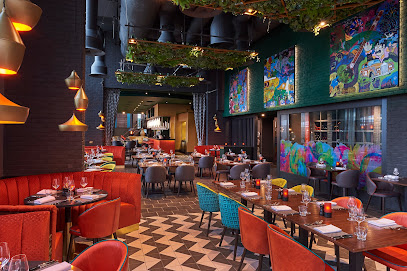
Hawksmoor Liverpool
0.3 km
Experience premium British steaks and seafood in a stylish, lively Liverpool setting with exceptional service and classic flavors.
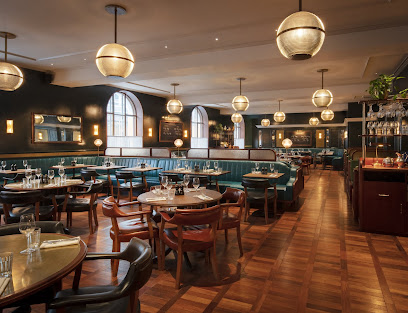
Mowgli Street Food Water Street
0.4 km
Contemporary Indian street food in a vibrant, casual setting with bold flavors and communal sharing plates.
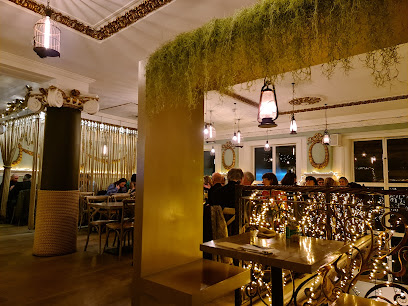
Riva Blu Italian Restaurant & Bar, Liverpool
0.4 km
Modern Italian dining and cocktails in the heart of Liverpool, with a stylish terrace and a unique vaulted private dining room for special occasions.
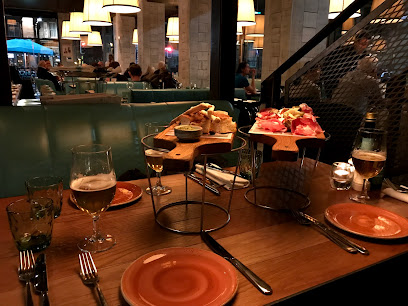
Castle St Townhouse
0.4 km
A stylish all-day dining venue in Liverpool’s historic heart, blending heritage charm with vibrant food, drinks, and social atmosphere.
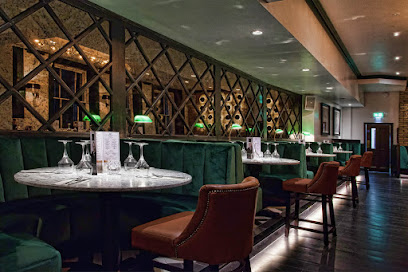
San Carlo - Liverpool
0.4 km
Experience authentic Italian elegance and vibrant city dining at San Carlo Liverpool, where classic flavors meet stylish ambiance.
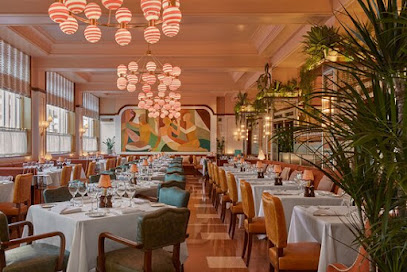
Bacaro
0.4 km
Experience vibrant Venetian small plates and authentic Italian flavors in the stylish heart of Liverpool’s Castle Street.
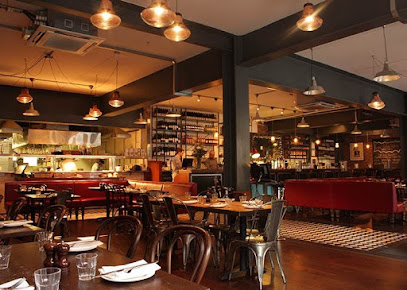
Panoramic 34
0.5 km
Experience Liverpool’s skyline from Britain’s tallest restaurant with modern European cuisine and stunning 360-degree views.
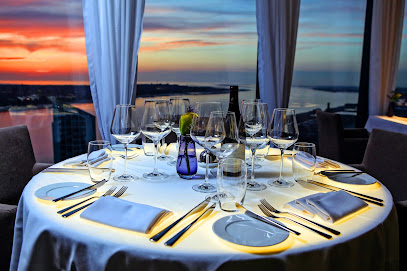
NYL Restaurant and Bar
0.5 km
Stylish American dining and cocktails in Liverpool's commercial heart, where upmarket meets approachable.
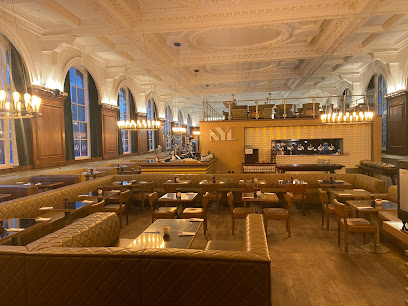
Shiraz BBQ
0.6 km
Charcoal-grilled Mediterranean excellence with generous portions and unbeatable value in central Liverpool.
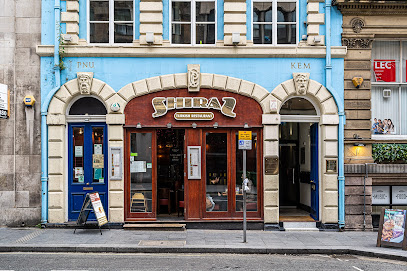
Gusto Italian
0.6 km
Stylish Italian dining in Liverpool’s Edward Pavilion, blending classic Milanese flavors with a sleek, inviting atmosphere.
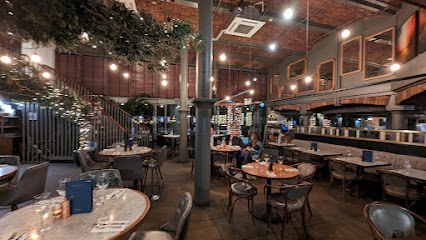
Blakes Restaurant
0.6 km
Experience British classics with a Beatles twist in Liverpool’s iconic Hard Days Night Hotel restaurant.
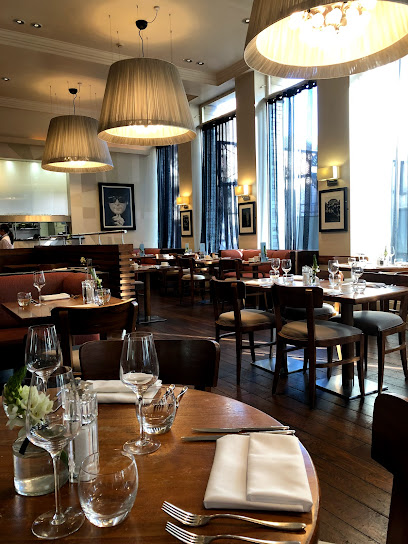
Markets, malls and hidden boutiques

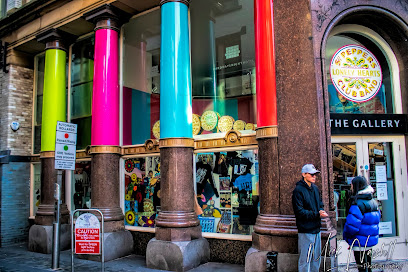
The Gallery
0.6 km
Discover Liverpool’s musical heritage and unique local crafts at The Gallery, your destination for Beatles memorabilia and authentic souvenirs.
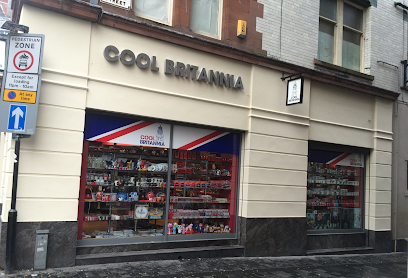
Cool Britannia
0.6 km
Liverpool's vibrant gift shop packed with Britpop t-shirts, Beatles nods, and Cool Britannia souvenirs—your one-stop for cheeky, affordable UK mementos in the city center.
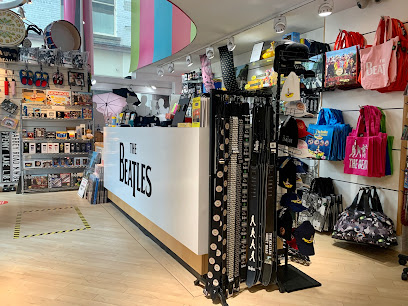
Hard Days Night Shop
0.6 km
Explore the heart of Beatles heritage with exclusive memorabilia and authentic merchandise at Liverpool’s iconic Hard Days Night Shop.
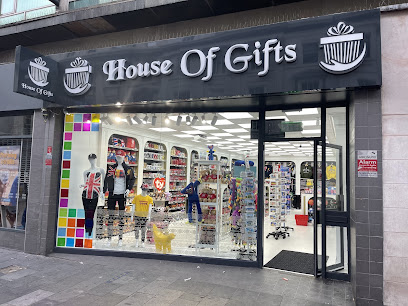
House Of Gifts
0.6 km
A fun-filled Liverpool novelty shop packed with souvenirs, local memorabilia, and quirky gifts for visitors and locals alike.
Off The List Luxury
0.6 km
Discreet luxury watch boutique in Liverpool's business heart, offering Rolex Datejust and elite timepieces with expert, professional service.
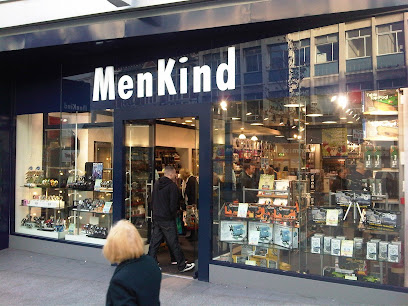
Menkind
0.6 km
Discover quirky gadgets and imaginative gifts for men and boys at Menkind Liverpool, your go-to spot for unique presents in the city centre.
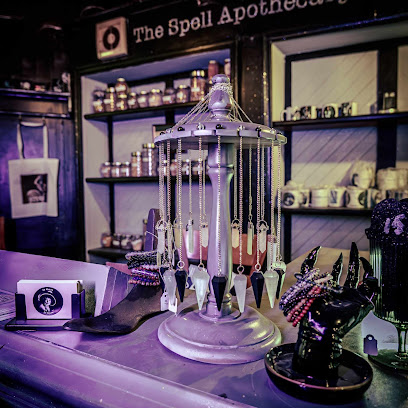
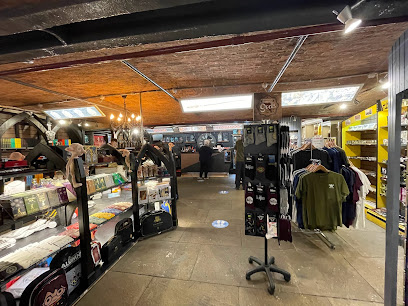
As Above So Below Emporium Ltd
0.6 km
A darkly elegant witchy emporium in Liverpool’s historic Cavern Walks, blending mysticism, tarot, and alternative culture.
Pride of Liverpool
0.6 km
Whistle-stop souvenirs celebrating Liverpool pride and Britain's iconic cities in the heart of Royal Albert Dock's historic colonnades.
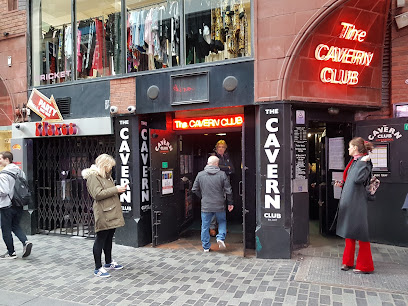
Cavern Walks - Shopping Centre
0.6 km
Boutique shopping arcade in Liverpool's Beatles epicentre, linking stylish retail to Cavern Club legacy on vibrant Mathew Street.
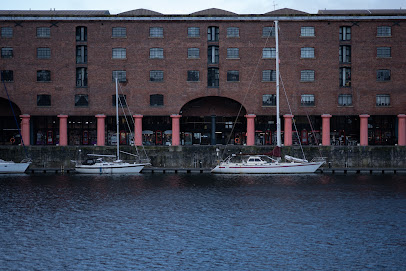
Lost Soles
0.6 km
Unique graphic tees and menswear in Liverpool's historic Albert Dock – independent style with waterfront flair.
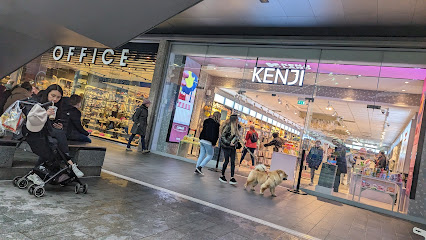
KENJI Liverpool ONE
0.7 km
Discover cute plushies, quirky gifts, and local makers in Liverpool ONE's playful arcade-gift haven—perfect for unique souvenirs and fun finds.
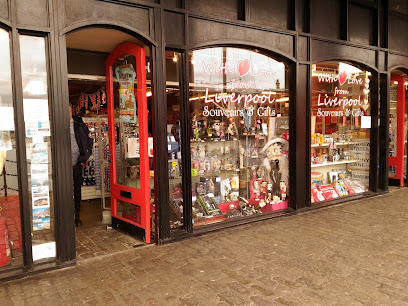
With Love From Liverpool
0.7 km
Liverpool's ultimate souvenir haven in the Royal Albert Dock, brimming with Beatles treasures, Scouse spirit, and authentic gifts that capture the city's unbeatable vibe.
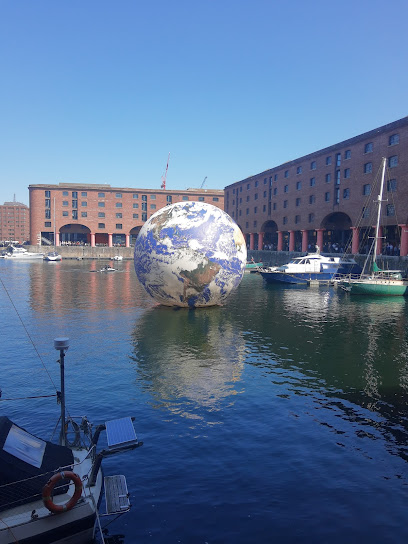
The Nest Liverpool
0.7 km
Unique gifts and local crafts in Liverpool's historic Royal Albert Dock—a perfect waterfront stop for authentic Scouse souvenirs.
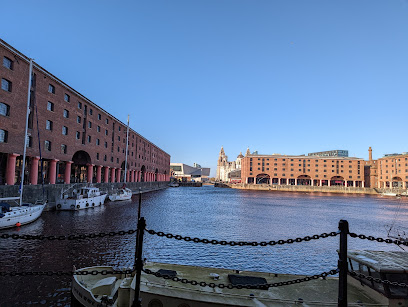
Nature's Treasure
0.7 km
Intimate jewellery boutique in The Colonnades, offering handcrafted pieces, bespoke commissions and restoration inside Liverpool’s historic Albert Dock.
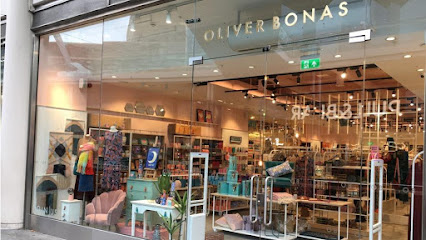
Oliver Bonas
0.7 km
Colourful, design-led fashion and homeware in Liverpool ONE — a boutique atmosphere for stylish gifts and everyday statement pieces.
Essential bars & hidden hideouts

The Alchemist Liverpool
0.4 km
Experience Liverpool’s premier cocktail bar where molecular mixology meets bold flavors and vibrant city vibes.
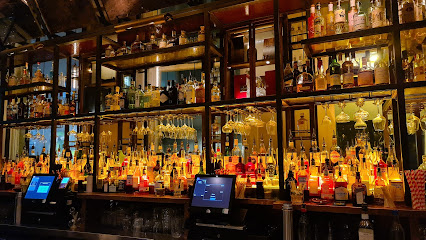
The Slaughter House
0.4 km
Historic Liverpool pub blending hearty gastropub fare with lively live music and comedy in a warm, rustic setting.
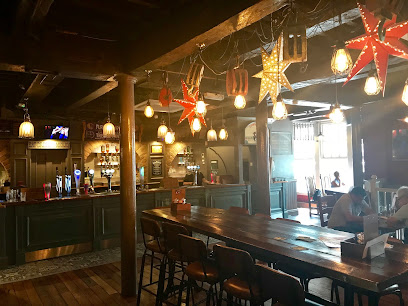
Slug & Lettuce - Liverpool
0.5 km
Liverpool's ultimate cocktail spot in a historic building—2-for-1 drinks, bottomless brunches, and three floors of festive vibes for groups and celebrations.
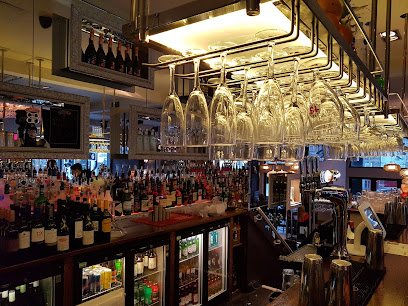
The Bierkeller Liverpool
0.6 km
Experience the ultimate Bavarian beer hall vibe in Liverpool with giant steins, live Oompah bands, and a lively party atmosphere.
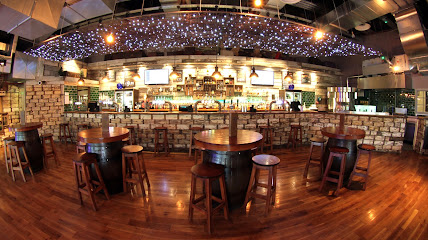
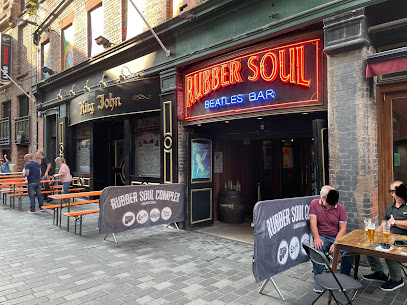
Rubber Soul
0.6 km
Experience Liverpool’s vibrant nightlife and Beatles heritage at Rubber Soul, a lively bar with three unique atmospheres and nightly live music.
Revolution Liverpool - Albert Dock
0.7 km
Vibrant cocktails, riverside vibes, and non-stop nightlife in Liverpool's legendary Albert Dock—where dockside history meets modern revelry.
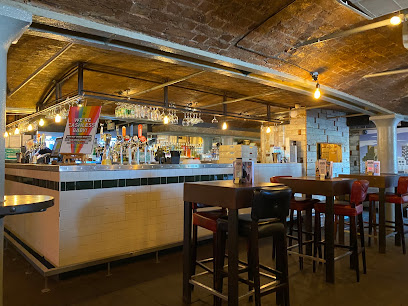
Ex-Directory
0.7 km
Discover Liverpool’s hidden speakeasy with quirky charm, expertly crafted cocktails, and a vibrant atmosphere on Vernon Street.
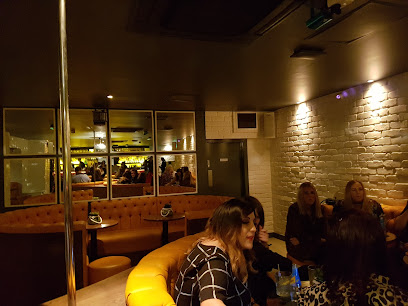
The One O'Clock Gun
0.7 km
Raise a glass to Liverpool's maritime heartbeat at this dockside pub, where historic time signals meet modern merriment and Mersey views.
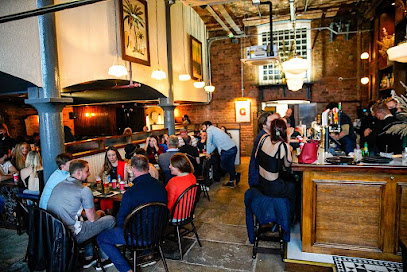
The Long Shot Bar
0.8 km
Liverpool's premier dockside sports bar: epic screens, killer cocktails, and stacked sandwiches amid Albert Dock's historic charm.
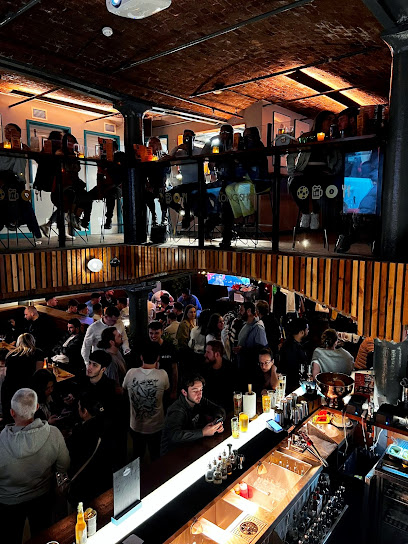
Brass Monkey
0.9 km
Liverpool's quirky cocktail haven on School Lane, blending inventive drinks, British bites, and lively vibes from midday to late-night revelry.
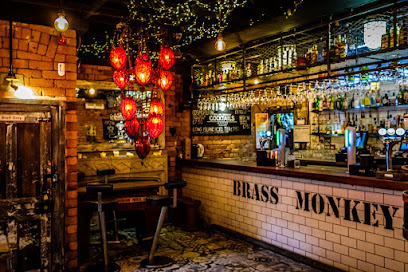
Present Company
0.9 km
Intimate Liverpool cocktail bar blending expert drinks, music culture, and warm hospitality in a stylish, relaxed setting.
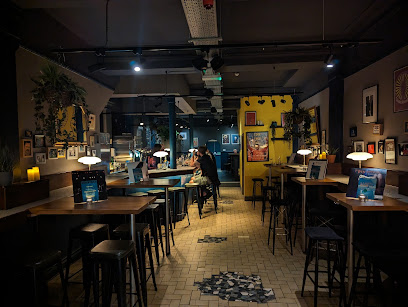
Motel Bar
1.0 km
A moody, music-first Fleet Street dive bar famous for band-backed karaoke and late-night crowds in Liverpool city centre.
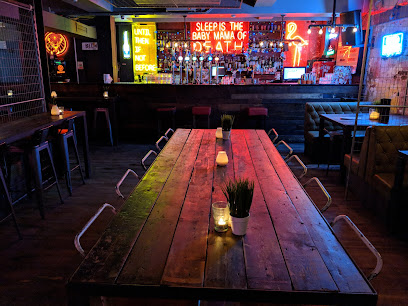
Baltic Fleet
1.0 km
Historic flat-iron pub in Liverpool's docks, pouring craft ales and cask brews amid maritime heritage and Baltic Triangle buzz.
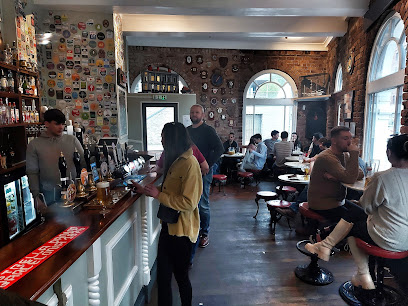
Be At One - Liverpool
1.0 km
Liverpool's cocktail epicenter: 100+ mixes, 2-for-1 happy hours, and masterclass shakes in a chic Seel Street hotspot.
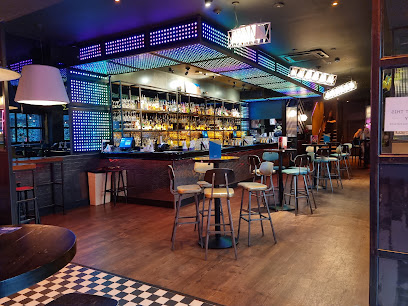
Kazimier Garden
1.0 km
Liverpool's original garden bar: quirky outdoor oasis with craft brews, live gigs, and fairy-lit magic in the heart of Ropewalks.
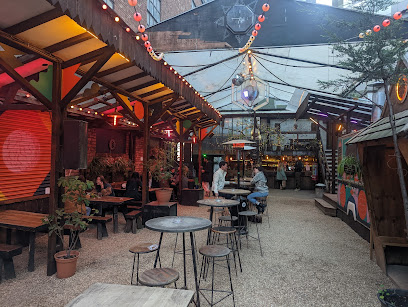
Nightclubs & after hour spots

GBar Liverpool
0.5 km
Liverpool's legendary late-night gay club: pop upstairs, bass downstairs, dancing till dawn on Eberle Street's vibrant strip.
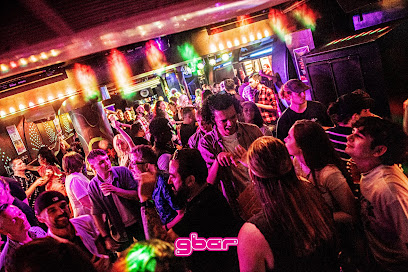
Elysium Nightclub
0.6 km
Experience Liverpool’s vibrant nightlife with dynamic DJ events and an energetic atmosphere at Elysium Nightclub, open late on weekends.
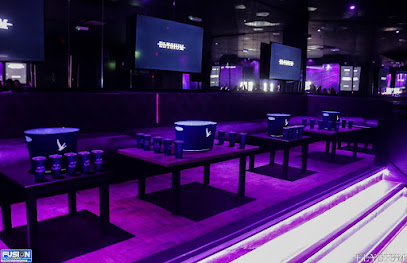
Mambo Club Liverpool
0.6 km
Experience Liverpool’s vibrant nightlife at Mambo Club, where electrifying music and lively crowds create unforgettable Saturday nights.
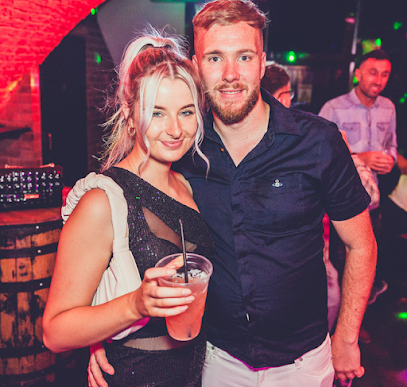
Flares - Liverpool
0.6 km
Experience Liverpool’s vibrant nightlife at Flares on Mathew Street, where great cocktails and unbeatable party vibes meet iconic music heritage.
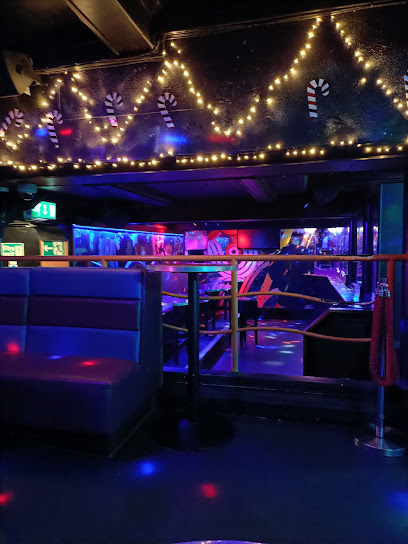
Mansion Nightclub
0.6 km
Liverpool’s vibrant nightclub with the UK’s largest LED ceiling, laser shows, and a dynamic party atmosphere in the city centre.
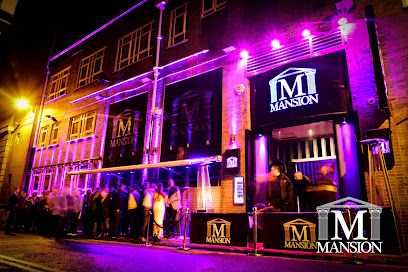
XOXO Nightclub Liverpool
0.6 km
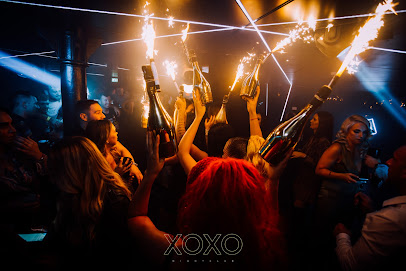
Dive into Liverpool's electric basement beats at XOXO Nightclub, where diverse DJs and immersive vibes craft unforgettable weekends from 10pm till dawn.
Playground Liverpool
0.6 km
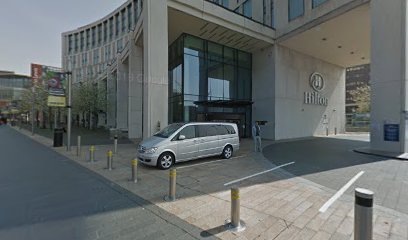
Liverpool's luxury nightclub haven in the Hilton, pulsing with upscale beats by the Mersey waterfront – exclusive nights await in the heart of the city.
Popworld - Liverpool
1.0 km
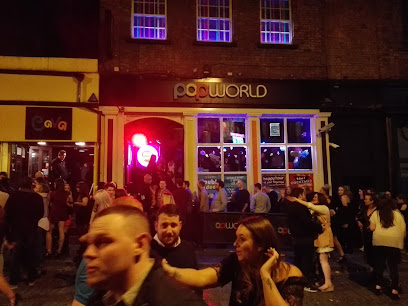
Liverpool's ultimate cheesy pop haven: 90s bangers, cheap drinks, and dance-'til-dawn vibes in the heart of Ropewalks.
ELECTRIK WAREHOUSE
1.0 km
Liverpool's multi-floor warehouse nightclub: three dance floors of dance, RnB, indie, and chart hits in quirky industrial surrounds, open Thu-Sat till 4am.
LEVEL Nightclub Liverpool
1.1 km
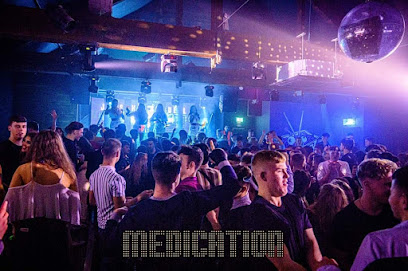
Liverpool’s expansive multi-floor nightclub offering diverse music, VIP areas, and a buzzing party atmosphere in the heart of Ropewalks.
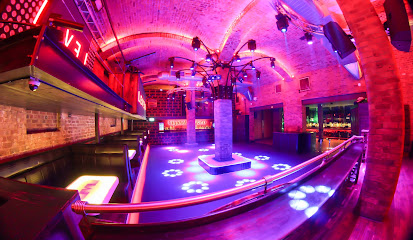
Modo, Liverpool
1.1 km
Liverpool's Concert Square legend: multi-room nightclub with cocktails, sports screens, heated terrace, and epic party spaces for every vibe.
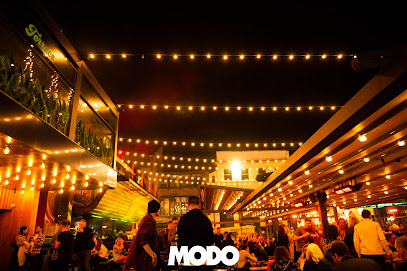
Concert Square Bars And Clubs Liverpool
1.1 km
Discover the energetic nightlife of Liverpool at Concert Square Bars and Clubs, where diverse bars and clubs create an unforgettable experience.
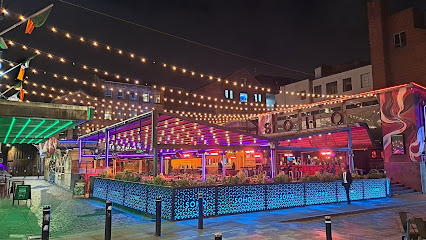
Baa Bar Liverpool
1.2 km
Two floors of house and R&B beats, £2 shooters, and courtyard vibes in Liverpool's nightlife epicenter—perfect for students and party-hoppers alike.
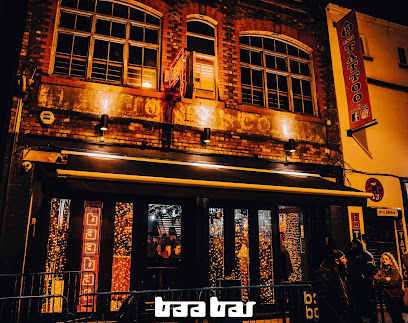
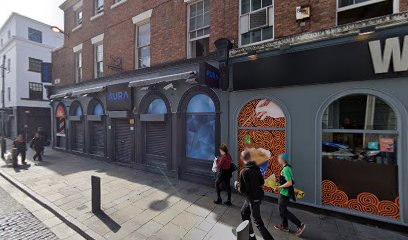
Aura
1.2 km
Dive into Liverpool's pulsating beats at Aura Nightclub, where Afrobeats and R&B fuel intimate, high-energy nights in Ropewalks' vibrant core.
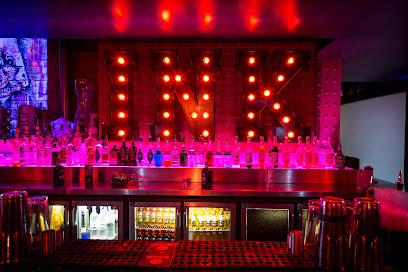
Ink Bar Liverpool
1.3 km
Liverpool's premier R&B and house nightclub, where stylish cocktails, thumping beats, and luxury vibes fuel unforgettable nights on Wood Street.
For the vibe & atmosphere seeker
- Scenic
- Unique
- Casual
For the design and aesthetic lover
- Vintage Styles
- Art Deco Styles
For the architecture buff
- Historic
- Landmarks
- Viewpoints
For the view chaser and sunset hunter
- Iconic Views
- Waterfront
- Skyline
For the social media creator & influencer
- Instagrammable
- Photo Spots
- Architectural Shots
For the eco-conscious traveler
- Public-Transport Accessible
For the kind of experience you’re after
- Cultural Heritage
- Photowalk
- Day Trip
For how adventurous you want the journey to be
- Easy Access
Location Audience
- Family Friendly
- Senior Friendly
- Child Friendly
- Wheelchair Access
- Solo Friendly
- Couple Friendly


