Greystoke Castle, Cumbria Travel Guide
Explore Greystoke Castle, a historic Cumbria fortress blending medieval origins and Victorian revival amid tranquil rural charm.
Greystoke Castle, near Penrith in Cumbria, England, is a historic castle with origins dating back nearly a thousand years. Originally a wooden pele tower built after the Norman Conquest, it evolved into a fortified stone castle with four corner towers by the 14th century. The castle has witnessed significant historical events, including the English Civil War, and was restored in the 19th century by architect Anthony Salvin. Today, it offers visitors a glimpse into medieval architecture, rich heritage, and picturesque rural surroundings.
A brief summary to Greystoke Castle
- Penrith, CA11 0TG, GB
- Click to display
- Click to display
- Duration: 1.5 to 3 hours
- Mid ranged
-
 Outdoor
- Mobile reception: 4 out of 5
- Wednesday 12 pm-4 pm
- Thursday 12 pm-4 pm
- Friday 12 pm-4 pm

Know before you go
Hi, I'm Eve. Here are a few practical things to know before exploring Greystoke Castle.
- Visit during the castle’s open hours Wednesday to Friday, 12pm to 4pm, to enjoy guided tours and onsite dining.
- Wear comfortable shoes as exploring the castle grounds and village involves walking on uneven historic paths.
- Combine your visit with nearby attractions in the Lake District for a full day of cultural and natural exploration.
- Check the weather forecast; the castle and grounds are best enjoyed in mild or dry conditions.
Do you manage this location?
Take control to get all the benefits, like improved information, better appearance, and stronger visibility across AI-powered discovery. Learn more about listing your business on Evendo
Activate your presenceOther nearby places you may find interesting
The closest places of the same kind, if this one is not quite what you had in mind.
Explore Greystoke Castle on the Map
A handpicked selection of must-see spots near Greystoke Castle, mapped for you.
Getting There
-
Train and Taxi
Take a train to Penrith station from major cities like Carlisle or Manchester, with journey times ranging from 1 to 2.5 hours. From Penrith, a taxi ride of approximately 20 minutes will bring you to Greystoke Castle. Taxi fares typically range from £20 to £30. Note that taxi availability may vary, so booking in advance is recommended.
-
Car
Driving to Greystoke Castle from Penrith takes about 25 minutes via local roads. Parking is available on site but limited, so arriving early during open days is advisable. The route involves rural roads that may be narrow and winding, so cautious driving is recommended.
-
Bus and Walking
Local bus services connect Penrith to nearby villages, but direct public transport to Greystoke is limited. Visitors can take a bus to a nearby stop such as Blencow and then walk approximately 3 km on country lanes to the castle. This option requires good mobility and suitable footwear.
For the on-the-go comforts that matter to you
-
 Restrooms
-
 Food Options
-
 Seating Areas
-
 Information Boards
Discover more about Greystoke Castle
Ancient Origins and Medieval Fortification
Greystoke Castle's history begins shortly after the Norman Conquest of England. In 1069, Ligulf de Greystoke was restored to his lands and constructed a wooden pele tower—a small fortified keep typical of the Anglo-Scottish border region. This initial defensive structure was replaced by stone in 1129 by his grandson Ivo, marking the first stone construction on the site. Over the following centuries, the castle expanded, and in 1353 King Edward III granted William de Greystoke a licence to crenellate, officially fortifying the castle. This led to the transformation of Greystoke into a quadrangular fortress with four corner towers, embodying medieval military architecture designed to withstand border conflicts and Scottish invasions.Historical Significance and Noble Lineage
Throughout the medieval period, Greystoke Castle was the seat of the barony held by the de Greystoke family, whose lineage traces back to the early 12th century. The estate passed through marriage into the powerful Dacre family in the 16th century and later to the Howard family, who maintained ownership into the 19th century and beyond. The castle played roles in national events, including negotiations for the release of King David II of Scotland in the 1350s and involvement in the turbulent politics of the Tudor era. The Howards, staunch Catholics, supported the Royalist cause during the English Civil War, leading to the castle’s siege and capture by Parliamentarian forces in 1648, after which it was largely destroyed and abandoned.19th-Century Revival and Architectural Renewal
The mid-19th century saw a revival of Greystoke Castle under the guidance of renowned architect Anthony Salvin. Between the 1840s and 1870s, Salvin rebuilt and expanded the castle, carefully integrating surviving medieval elements such as the original pele tower. This restoration transformed Greystoke into a modern country estate while preserving its historic character. However, a devastating fire in 1868 caused significant damage, particularly to the Great Hall, necessitating further reconstruction. The castle today reflects a blend of medieval fortification and Victorian-era country house elegance.The Surrounding Village and Estate Life
The castle is set within the village of Greystoke, a rural community characterized by old stone cottages, a village green, and historic features such as a market cross dating back to the early 1600s. The estate historically encompassed thousands of acres of farmland, pasture, and woodland, supporting an agricultural economy. Nearby landmarks include St. Andrew’s Parish Church and the Boot & Shoe pub, a longstanding community hub. The estate also has connections to local horse racing heritage, with racing stables operated by notable trainers.Visitor Experience and Cultural Heritage
Today, Greystoke Castle offers visitors a rich historical experience steeped in centuries of English heritage. The castle’s architecture, from its imposing pele tower to its Victorian expansions, invites exploration of medieval defensive design and 19th-century restoration. The grounds and village provide a tranquil rural setting, enhancing the sense of stepping back in time. Visitors can appreciate the layered history of noble families, military conflicts, and architectural evolution that make Greystoke a unique cultural landmark in Cumbria.Legacy and Preservation
Greystoke Castle remains privately owned but is increasingly recognized as a significant heritage site. Its preservation reflects ongoing efforts to maintain England’s medieval castles and country estates. The castle’s story—from its Norman roots through civil war devastation to Victorian revival—embodies the resilience and continuity of English history. As a tourist attraction, it offers educational insights and a picturesque destination for those interested in history, architecture, and the English countryside.












Your all‑in‑one travel companion app
Explore expert travel guides, compare and book tours, experiences, hotels, and more—all from the palm of your hand. Download now for seamless trip planning wherever your wanderlust takes you.


Explore More of Cumbria
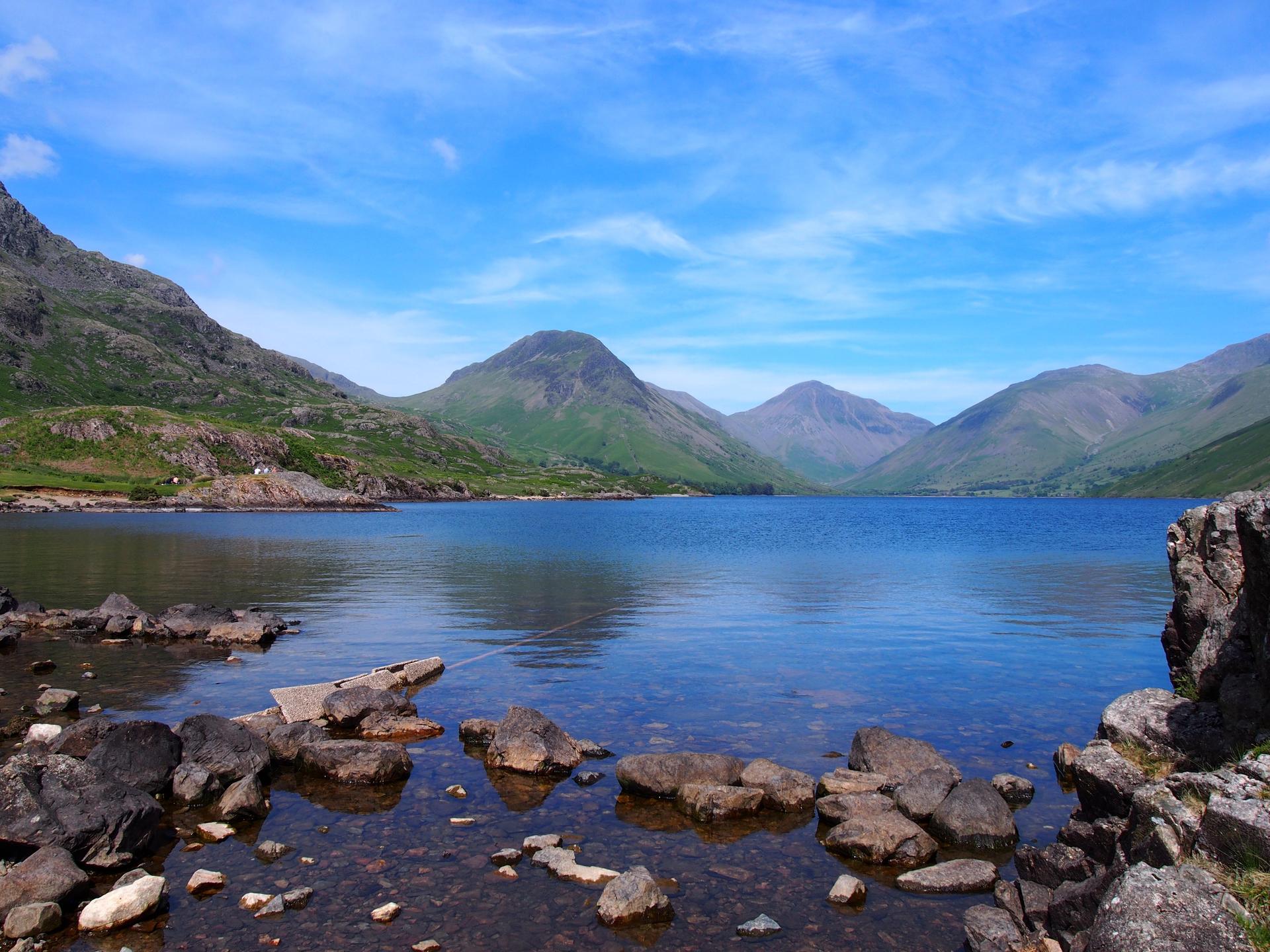
Looking beyond Greystoke Castle? Discover Cumbria for broader travel guides, local hot-spots, and regional highlights.
Explore Cumbria
Discover the serene Bronze Age Glassonby Circle in Cumbria’s Eden Valley, a window into ancient rituals amid tranquil countryside.
Explore centuries of history, award-winning gardens, and the world’s original Marmalade Festival at Dalemain Mansion & Historic Gardens in Cumbria.