Stanley Dock, Liverpool Travel Guide
Victorian dock engineering marvel and world's largest brick warehouse, now regenerating as a heritage destination.
A monumental Victorian dock complex in Liverpool's historic docklands, Stanley Dock opened in 1848 as a pioneering feat of industrial engineering. Designed by renowned architect Jesse Hartley, it features the iconic Stanley Dock Tobacco Warehouse—once the world's largest brick building—alongside Grade II* listed warehouses and innovative hydraulic systems. Now part of Liverpool's UNESCO World Heritage Site, the dock is undergoing major regeneration, including the acclaimed Titanic Hotel conversion and residential development, while remaining a powerful testament to the city's maritime trading legacy.
A brief summary to Stanley Dock
- Stanley Dock, Regent Rd, Liverpool, L3 0AN, GB
- Click to display
- Click to display
- Duration: 1 to 3 hours
- Free
-
 Outdoor
- Mobile reception: 4 out of 5

Know before you go
Hi, I'm Eve. Here are a few practical things to know before exploring Stanley Dock.
- Visit during daylight hours to fully appreciate the architectural details and scale of the Tobacco Warehouse exterior. The brickwork and arched windows are most striking in natural light, and photography is best in late morning or afternoon.
- Explore the surrounding dock complex to understand the full context—walk around the interconnected Stanley, Collingwood, and Salisbury Docks, and observe the canal locks, hydraulic systems, and railway remnants that demonstrate the site's pioneering multi-modal transport infrastructure.
- The Titanic Hotel occupies the converted North Warehouse and welcomes visitors; consider dining at the hotel's restaurant or taking a guided tour to access interior spaces and learn detailed stories about the dock's history and the Titanic connection.
- Plan transport in advance, especially for evening visits, as the dock is located slightly outside the main city center. Public transport connections are available, but journey times should be factored into your itinerary.
- Combine your visit with other UNESCO World Heritage Site areas nearby, including Albert Dock, the Pier Head with its iconic Three Graces buildings, and the William Brown Street Cultural Quarter for a comprehensive understanding of Liverpool's maritime heritage.
Do you manage this location?
Take control to get all the benefits, like improved information, better appearance, and stronger visibility across AI-powered discovery. Learn more about listing your business on Evendo
Activate your presenceOther nearby places you may find interesting
The closest places of the same kind, if this one is not quite what you had in mind.

Explore Stanley Dock on the Map
A handpicked selection of must-see spots near Stanley Dock, mapped for you.
Getting There
-
Public Transport from Liverpool City Centre
From Liverpool Lime Street railway station or the city center, take a local bus service (routes 17, 27, or 28) heading toward the northern docks area. Journey time is approximately 15–20 minutes depending on traffic and time of day. Buses stop near Regent Road, from which Stanley Dock is a short walk. Single fares are typically £1.75–£2.50. Services run regularly throughout the day, with reduced frequency in early mornings and late evenings.
-
Taxi or Ride-Sharing Service
From Liverpool city center, a taxi or ride-sharing service (Uber, local cab firms) to Stanley Dock takes approximately 10–15 minutes depending on traffic conditions. Estimated cost ranges from £8–£15. This option is convenient for groups or when traveling with luggage, and services are available 24 hours, though evening fares may be higher.
-
Walking from Albert Dock
If you're visiting other UNESCO World Heritage sites, Stanley Dock is accessible on foot from Albert Dock, approximately 1.2 kilometers away via the waterfront path and Regent Road. The walk takes 15–20 minutes through the docklands area. The route is relatively flat and follows established paths, though the area can be quiet in the evening, so daytime walking is recommended.
-
Driving and Parking
If driving, Stanley Dock is accessible via Regent Road from the city center. Limited on-street parking is available near the dock entrance, though availability varies. The Titanic Hotel has a car park for visitors and hotel guests. Parking charges typically apply (approximately £1.50–£3.00 per hour in surrounding areas). The dock is not ideal for large vehicles due to narrow historic streets in the immediate vicinity.
For the on-the-go comforts that matter to you
-
 Food Options
-
 Drink Options
-
 Restrooms
-
 Information Boards
-
 Seating Areas
Discover more about Stanley Dock
A Revolutionary Port and Pioneering Engineering Achievement
Stanley Dock opened on 4 August 1848, designed by the visionary architect Jesse Hartley, who transformed Liverpool's dock infrastructure during the 19th century. What made Stanley Dock unique among Liverpool's dock system was its construction method—it was the only dock cut directly into the sandstone bedrock rather than built outward from the foreshore. This engineering innovation, combined with its direct connections to the Leeds and Liverpool Canal and the emerging railway network, made Stanley Dock the first dock in the world to feature multi-modal transport connections. The dock could receive goods by water, rail, and canal simultaneously, revolutionizing port efficiency and establishing a model that influenced dock design globally.The Tobacco Warehouse: A Monument to Industrial Ambition
The most iconic structure within the complex is the Stanley Dock Tobacco Warehouse, constructed between 1900 and 1901 by engineer Anthony George Lyster. At the time of its completion, it was reported to be the largest brick building in the world, constructed from an extraordinary 27 million bricks and standing 125 feet high. The warehouse was purpose-built to store tobacco imported from the Americas, with capacity to hold 70,000 hogsheads of tobacco, each weighing 453 kilograms. The building's design reflects the pinnacle of Victorian industrial architecture, featuring vast internal spaces, intricate brickwork, and innovative hydraulic lifting systems powered by pressurized water—technology that was cutting-edge for its era. The warehouse operated with a sophisticated cataloging system, with each storage bay meticulously numbered and recorded to track which tobacco varieties occupied which locations across the six-story structure.Victorian Warehouses and Historic Structures
Beyond the Tobacco Warehouse, Stanley Dock contains the North and South Warehouses, built between 1852 and 1856 to designs similar to those at Albert Dock. These Grade II* and Grade II listed buildings were constructed to five stories, covering 12,000 square yards, and originally served general storage before becoming dominated by tobacco storage. The complex also includes the Victoria Clock Tower, a distinctive six-sided structure dating to 1848, the Hydraulic Pumping Station from 1854, a Bascule Bridge from 1932, and a Rum Warehouse from 1953. All structures are characteristic of Liverpool docks—predominantly red brick with sandstone and granite elements—and the area is further defined by dock gates, canal locks, setted roads, bollards, capstans, bridges, and remnants of railway lines that once crossed the site. These elements collectively represent the culmination of Jesse Hartley's dock design philosophy and showcase the innovative construction techniques of the Victorian period.War, Decline, and Heritage Recognition
During World War II, Liverpool endured heavy bombing, and Stanley Dock sustained significant damage. Part of the northern quay warehouse was demolished following air raids, though the southern quay warehouse survived. Between 1897 and 1901, the southern portion of the dock was filled in to accommodate the Tobacco Warehouse, fundamentally altering the dock's original configuration. For decades following the mid-20th century, the dock fell into disuse and deterioration. The northern warehouse was listed on the Heritage at Risk Register in 2011 due to its poor condition. However, recognition of the site's historical and architectural significance led to its designation as a conservation area in 2002 and its inclusion as one of six key areas within Liverpool's UNESCO World Heritage Site, the Maritime Mercantile City.Regeneration and Contemporary Transformation
Beginning in 2006, a £20 million extension of the Leeds and Liverpool Canal added 1.4 miles of navigable waterway toward the Pier Head, reconnecting the dock to the broader waterfront. The most significant regeneration project has been the conversion of the North and Rum Warehouses into the Titanic Hotel and conference center, which opened to considerable acclaim and has achieved high occupancy rates and multiple awards. This pioneering urban regeneration project brought visitors and economic activity to an area that had experienced decades of decline. The neighboring Tobacco Warehouse is undergoing conversion into 538 residential apartments, with plans to excavate the building's center to create a garden-filled courtyard. The Stanley Dock complex was designated a key area within Liverpool City Council's Ten Streets regeneration project in 2017, positioning it as a catalyst for broader neighborhood revitalization.Cultural Significance and Global Heritage Value
Stanley Dock represents far more than a collection of historic buildings; it embodies Liverpool's transformation from a modest port into one of the world's greatest maritime trading centers during the 18th and 19th centuries. The dock witnessed the import of rum and tobacco from exotic locations across the Americas, goods that fueled Liverpool's economic power and its role in the British Empire's expansion. The site has appeared in popular culture, featuring in the 2011 superhero film Captain America: The First Avenger and in the paranormal investigation series Most Haunted Live! in 2009. Today, Stanley Dock stands as a tangible connection to Liverpool's seafaring legacy, its monumental structures serving as powerful reminders of the ambition, engineering prowess, and industrial might that defined the Victorian era.












Your all‑in‑one travel companion app
Explore expert travel guides, compare and book tours, experiences, hotels, and more—all from the palm of your hand. Download now for seamless trip planning wherever your wanderlust takes you.


Explore More of Liverpool
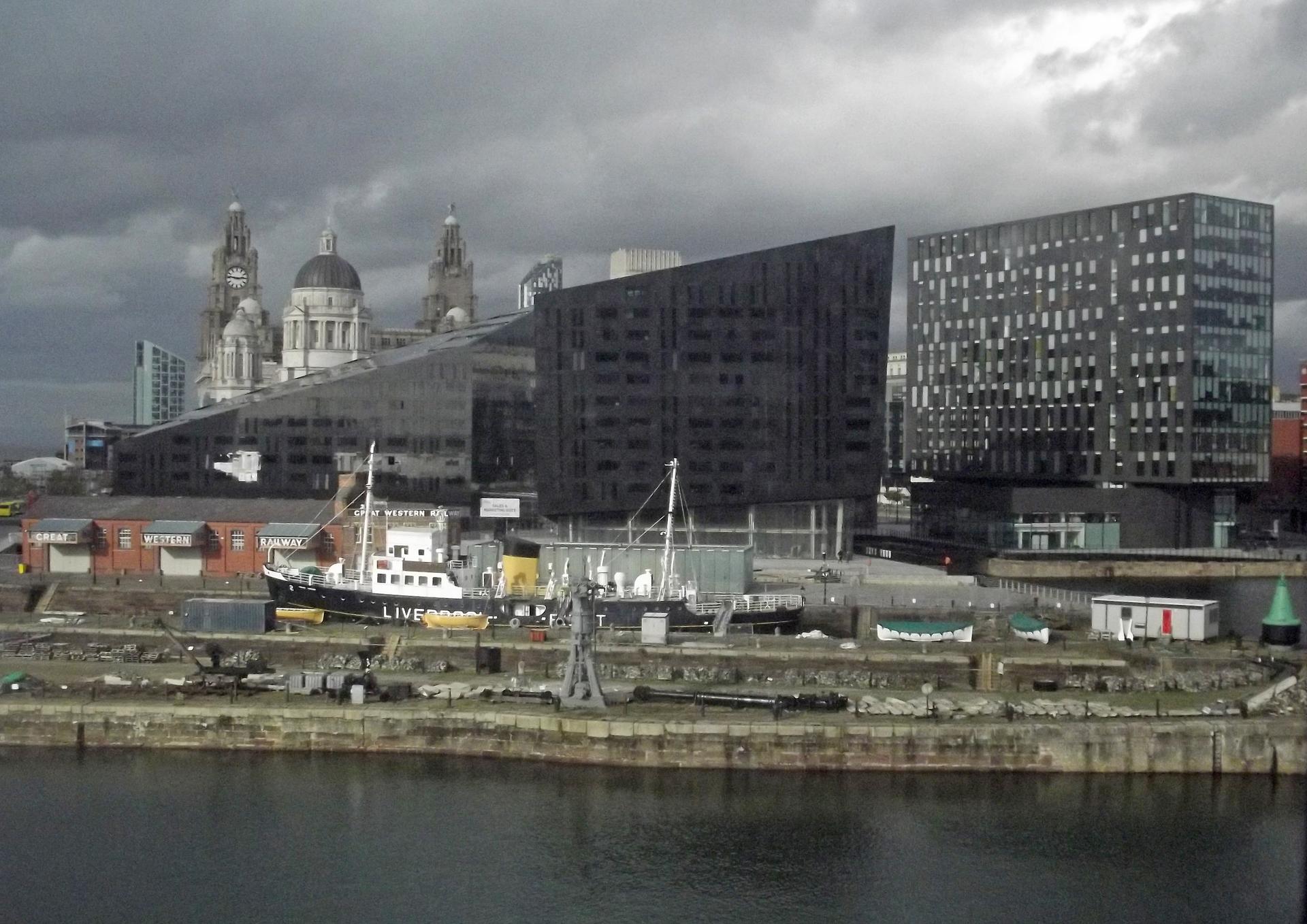
Looking beyond Stanley Dock? Discover Liverpool for broader travel guides, local hot-spots, and regional highlights.
Explore Liverpool