

St Giles-in-the-Fields
Medieval leper hospital turned Palladian masterpiece—nearly 1000 years of London's sacred and troubled history
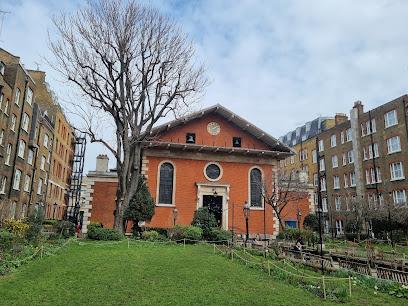
St Giles-in-the-Fields is a historic Anglican parish church in London's West End, with roots stretching back nearly 1000 years to 1101 when Queen Matilda founded a leper hospital on the site. The current Palladian-style building, designed by Henry Flitcroft and completed in 1734, stands as the third church structure on this location. The churchyard holds centuries of London history, from plague burials to executions, and features remarkable monuments including a striking Renaissance gateway depicting the Day of Judgement. Today it serves as a vibrant spiritual and cultural landmark in the heart of Bloomsbury.
A brief summary to St Giles in the Fields
- 60 St Giles High St, London, WC2H 8LG, GB
- +442072402532
- Visit website
- Duration: 0.75 to 2 hours
- Free
-
 Mixed
Mixed
- Mobile reception: 5 out of 5
Local tips
- Visit the Resurrection Gateway at the western entrance—the carved relief depicting the Day of Judgement is one of London's finest examples of 17th-century religious art and worth studying in detail.
- Allow time to read the blue interpretive panels inside the church; they provide essential context for understanding the site's complex history from plague burials to Civil War politics.
- The churchyard is a peaceful spot to sit and reflect despite its dark history; locals and visitors often rest here, making it a genuine community space rather than a museum piece.
- Visit on a weekday morning to experience the church with fewer crowds; Sunday services draw worshippers and the atmosphere shifts accordingly.
- The nearby Angel pub claims historical connections to condemned prisoners receiving their final drink before execution—a sobering reminder of the area's past.

For the on-the-go comforts that matter to you
- Restrooms
- Drink Options
- Food Options
- Seating Areas
- Information Boards
- Visitor Center
Getting There
-
Underground (Tube)
Tottenham Court Road station on the Northern Line is located directly adjacent to the church, approximately 50 metres away. Journey times from central London vary: from King's Cross St Pancras allow 5–8 minutes; from Bank or Monument allow 12–15 minutes. The station is busy during peak hours (8–9 am and 5–7 pm weekdays) but provides direct access year-round. Step out of the station and the church entrance is immediately visible on St Giles High Street.
-
Bus
Multiple bus routes serve the area: routes 7, 10, 14, 24, 29, 73, and 390 stop on Tottenham Court Road or nearby streets within 100–200 metres of the church. Journey times depend on origin and traffic conditions; expect 15–40 minutes from most central London locations during off-peak hours, longer during rush hours. Buses run frequently throughout the day and evening, with reduced service after midnight.
-
Walking
The church is accessible on foot from surrounding areas: from Leicester Square (approximately 600 metres, 8–10 minutes) via Charing Cross Road; from the British Museum (approximately 400 metres, 5–7 minutes) via Museum Street and Bloomsbury Way; from King's Cross St Pancras station (approximately 800 metres, 10–12 minutes) via Euston Road and Gower Street. The route is flat, well-lit, and passes through busy commercial and cultural districts. Pavements are standard London width and generally accessible.
-
Taxi or Rideshare
Taxis and rideshare services (Uber, Bolt, Addison Lee) can drop passengers on St Giles High Street or nearby side streets. Journey times from central London locations typically range from 10–25 minutes depending on traffic; expect longer delays during peak hours (8–9 am, 5–7 pm weekdays) and weekend evenings. Fares vary by service and time; typical costs from nearby areas range from £6–15.
St Giles in the Fields location weather suitability
-
 Any Weather
Discover more about St Giles in the Fields
Nine Centuries of Sacred Ground
St Giles-in-the-Fields occupies one of London's most historically layered sites, with continuous Christian worship spanning nearly 900 years. The story begins in 1101 when Queen Matilda, wife of Henry I, established a leper hospital here, complete with a chapel for the isolated patients. At that time, the location stood well beyond London's walls, in open countryside—hence the "in-the-fields" designation. When Henry VIII dissolved the monasteries in the 16th century, the hospital's endowments passed to the Crown, but the chapel was preserved and evolved into a parish church serving the small village that had grown around it. By the 1550s, the parish numbered roughly 350 residents, many of them drawn to the area's developing character.Transformation Through Wealth and Controversy
By the early 1600s, St Giles had begun attracting affluent residents, and the parish undertook an ambitious rebuilding. Between 1623 and 1630, a striking Gothic brick church rose on the site, largely funded by Alice, Duchess Dudley, daughter-in-law of Queen Elizabeth I's favourite Robert Dudley. When Bishop William Laud consecrated the church in 1631, it reflected the advanced "high church" style of the era, featuring a screen separating the chancel and nave, painted apostles on the organ loft, and ornate stained glass. This decorative richness became a flashpoint during the religious disputes of the 1630s and Civil War period, as parishioners clashed over liturgical practices. The church's illuminated "Doomsday Book"—a manuscript listing subscribers to the rebuilding—survives as a remarkable record of this era.The Palladian Masterpiece
By the early 18th century, the 17th-century church had deteriorated badly, weakened by dampness from centuries of burials and strained by the parish's growing population. After initial rejection, the parish successfully petitioned for a grant and commissioned architect Henry Flitcroft to design a replacement. Built between 1730 and 1734 in the elegant Palladian style, the new church was consecrated on Christmas Day 1733 and remains the St Giles we see today. Flitcroft's design brought classical proportions and refined restraint to the site, creating a building of enduring grace that would later inspire his design of Woburn Abbey for the Dukes of Bedford, major landowners in the district.Gallows, Plague, and Dark History
The churchyard's history carries a sobering weight. From the 14th century onwards, it served as an execution site, with gallows standing where worshippers now sit. Religious dissenters, including members of the Lollard movement in 1414 and Catholic conspirators like Anthony Babington in 1586, met their end here. The area became synonymous with capital punishment in medieval and Tudor London, and nearby street names like Bowl Yard preserve this grim legacy. The Great Plague of 1665 brought unimaginable tragedy: 3,216 victims were buried in the churchyard during that single year alone, their graves contributing to the damp conditions that would eventually necessitate the church's reconstruction.Monuments to Empire and Faith
The church's interior holds a complex tapestry of memorials reflecting London's role in colonial expansion and religious history. A prominent plaque commemorates Cecilius Calvert, second Lord Baltimore and founder of Maryland. The churchyard contains the remains of Roman Catholic martyrs and the chest tomb of Richard Penderel, the West Country yeoman who aided King Charles II's escape after the Battle of Worcester. These monuments speak to the parish's deep entanglement with English political and religious upheaval, from the Civil War to the Restoration.The Resurrection Gateway
Standing at the western entrance is the church's most visually arresting feature: a lych gate built in 1800 by William Leverton, adorned with a cast of an oak panel originally carved in 1687 by an artisan named Love. The relief depicts the Resurrection and Day of Judgement with striking detail—Christ stands centrally while angels trumpet the final reckoning and bodies emerge from graves. Traditionally, the left side shows the ascent to heaven while the right depicts damnation, creating a powerful theological statement at the threshold between the living world and the churchyard's sacred ground.A Living Parish in Modern London
Today, St Giles-in-the-Fields remains an active Anglican parish church and a beacon of spiritual life in London's bustling West End. The churchyard, enclosed by historic walls and mature trees, provides a tranquil refuge steps from Tottenham Court Road's commercial energy. The church welcomes visitors and worshippers alike, offering regular services and maintaining its role as a place of prayer and community gathering. Its blue interpretive panels guide visitors through centuries of local history, from the English Civil War to Victorian deprivation to the area's emergence as an entertainment and cultural hub. The parish boundaries still encompass the London School of Hygiene and Tropical Medicine, a fitting reminder of the site's ancient association with disease and healing.Iconic landmarks you can’t miss

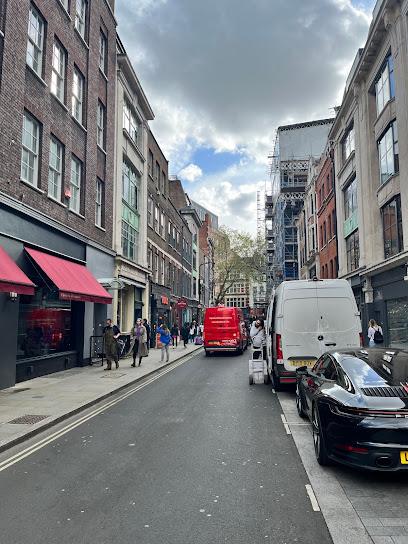
Denmark St
0.1 km
Britain's legendary Tin Pan Alley where rock and roll history was written in every studio, café, and guitar shop.
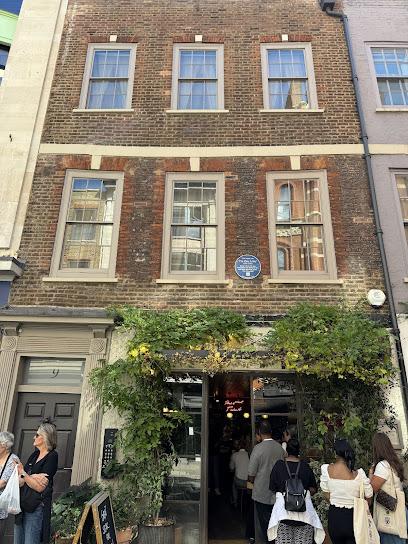
Plaque: Tin Pan Alley & La Giaconda cafe
0.1 km
Discover the legendary Tin Pan Alley and La Giaconda Cafe at 9 Denmark Street, the historic heart of London’s music scene and creative spirit.
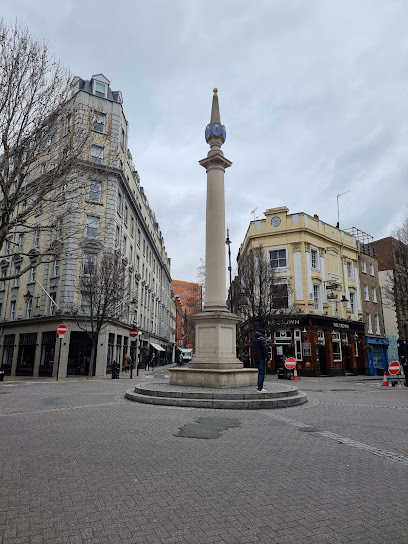
Historic Seven Dials
0.2 km
Discover Seven Dials, a historic London quarter where seven streets meet at a unique sundial pillar, blending rich heritage with vibrant culture.
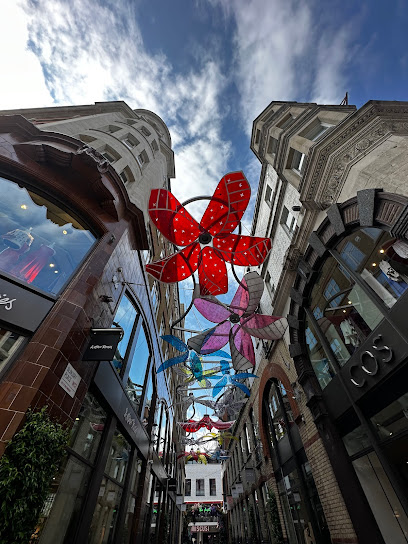
Slingsby Place
0.4 km
Explore Slingsby Place, a serene scenic point in London, offering lush greenery and stunning architecture perfect for relaxation and memorable photographs.
Agatha Christie memorial
0.4 km
A captivating bronze tribute to Agatha Christie, celebrating her literary genius and theatrical legacy in London's vibrant theatre district.
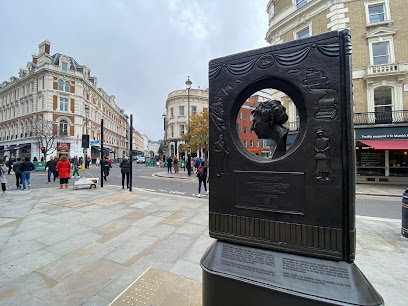
190 High Holborn
0.4 km
A modern office landmark in central London, blending contemporary design with strategic connectivity near historic Holborn.
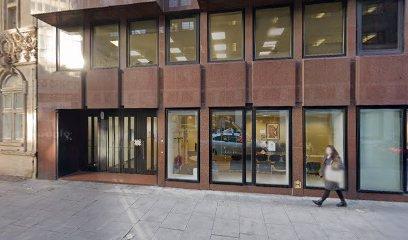
Bedford Square & Montague Pl
0.5 km
Discover Bedford Square & Montague Place, a serene Georgian oasis in Bloomsbury with elegant architecture and rich cultural heritage.
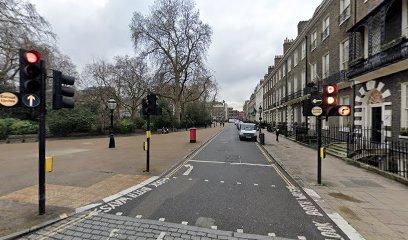
Bow St
0.5 km
Bow Street, a historic London street famed for pioneering policing, vibrant theatre, and rich cultural heritage in Covent Garden.
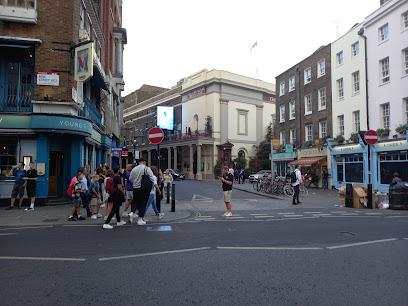
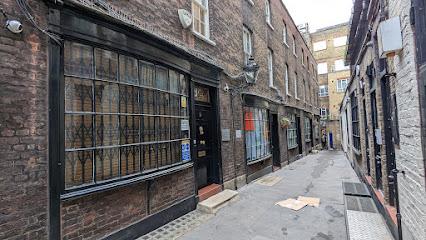
Goodwin’s Court
0.5 km
Experience the serene charm of Goodwin's Court, a historic landmark in London, perfect for leisurely strolls and captivating photography.
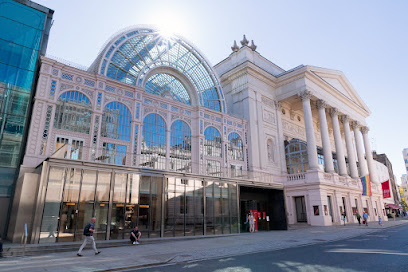
Royal Opera House
0.5 km
Experience the breathtaking performances and rich history of the Royal Opera House, a premier destination for opera and ballet enthusiasts in London.
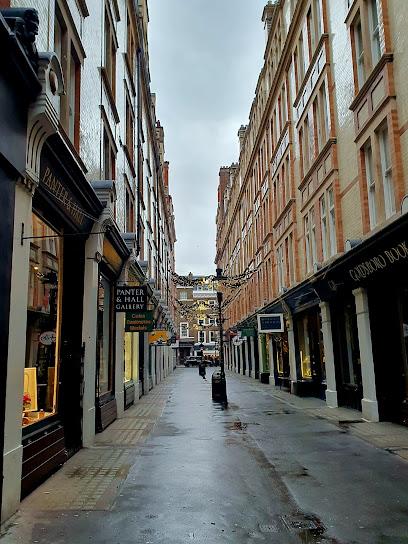
Cecil Court
0.5 km
Step into a cobbled alley where books, history, and magic converge in the heart of London.
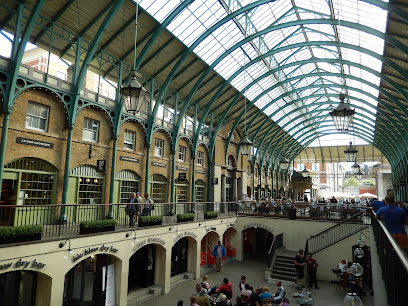
Covent Garden, street shows
0.5 km
Experience the vibrant energy of Covent Garden, where street performances, shopping, and history come together in the heart of London.
St Paul’s Church Covent Garden
0.5 km
Historic neo-classical church in Covent Garden, famed as the Actors’ Church with deep theatrical roots and an iconic classical portico.
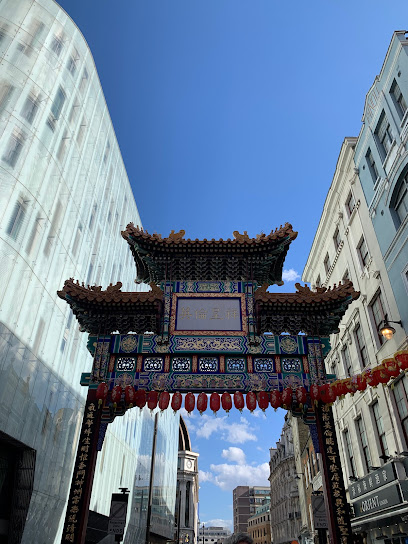
Chinatown Gate
0.5 km
Experience the vibrant spirit of London's Chinatown at the iconic Chinatown Gate, a cultural gem filled with culinary delights and rich heritage.
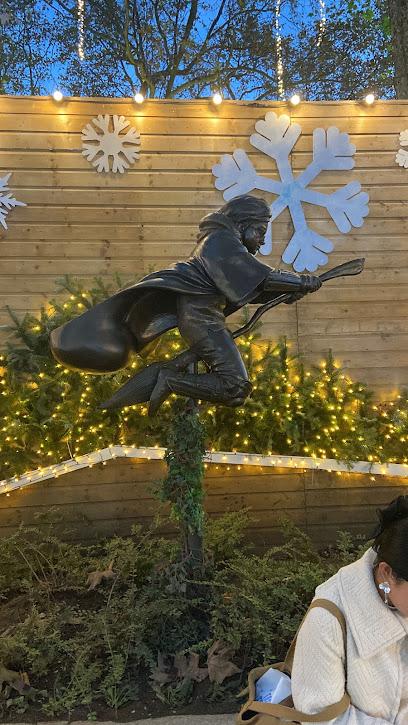
Harry Potter Statue
0.5 km
Where the boy wizard takes flight in London's cinematic heart—a bronze tribute to magic and movie history.
Unmissable attractions to see

12 Bar Club
0.0 km
Historic London music venue famed for intimate gigs, antifolk festivals, and a vibrant independent spirit on legendary Denmark Street.

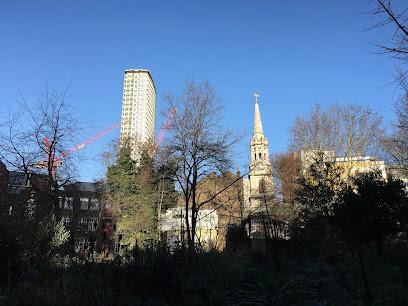
The Phoenix Garden
0.1 km
A vibrant community garden and wildlife haven offering a peaceful green escape in London’s bustling West End.
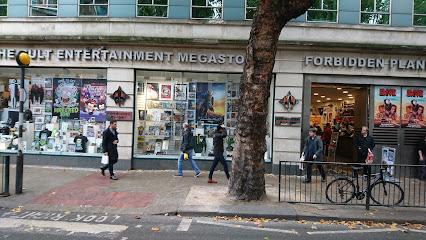
Forbidden Planet London Megastore
0.1 km
Europe’s largest sci-fi and fantasy megastore in London’s West End, a paradise for comic, manga, and pop culture fans.
Priscilla The Party
0.1 km
Experience the dazzling, immersive drag musical party inspired by Priscilla Queen of the Desert at HERE at Outernet, Soho’s cutting-edge venue.

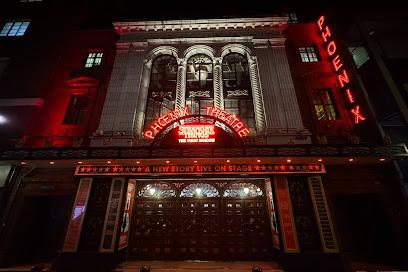
Phoenix Theatre
0.1 km
Experience timeless West End theatre in the elegant, Italian-inspired Phoenix Theatre on Charing Cross Road, home to iconic productions since 1930.
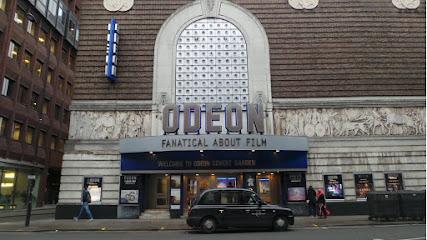
ODEON Covent Garden
0.1 km
Historic West End theatre turned iconic cinema, now poised for a vibrant new chapter in live arts and hospitality on Shaftesbury Avenue.
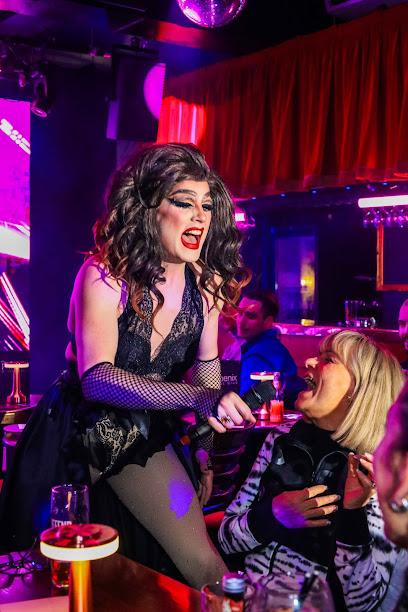
Phoenix Arts Club
0.1 km
West End's best-kept secret: intimate cabaret, burlesque, and theatre in a deliberately seductive speakeasy.
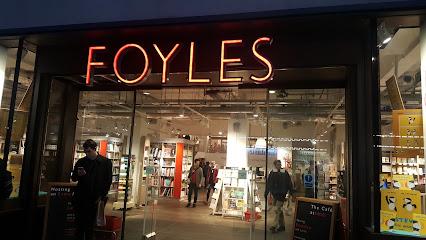
Foyles
0.2 km
Explore Foyles, London's legendary bookshop, where literature, coffee, and culture blend seamlessly in a vibrant atmosphere.
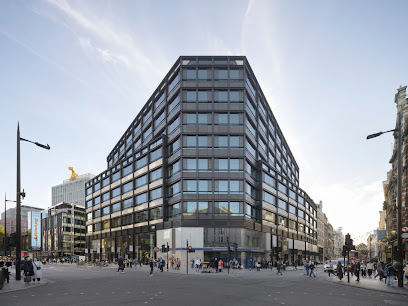
1 Soho Place
0.2 km
Contemporary business park in the heart of Soho, blending modern workspaces with London's vibrant cultural scene.
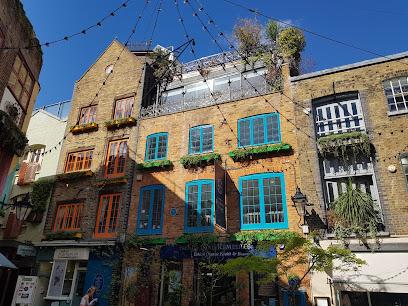
Neal's Yard
0.2 km
Discover Neal's Yard, a colorful, hidden courtyard in Covent Garden bursting with independent shops, artisan eateries, and vibrant charm.
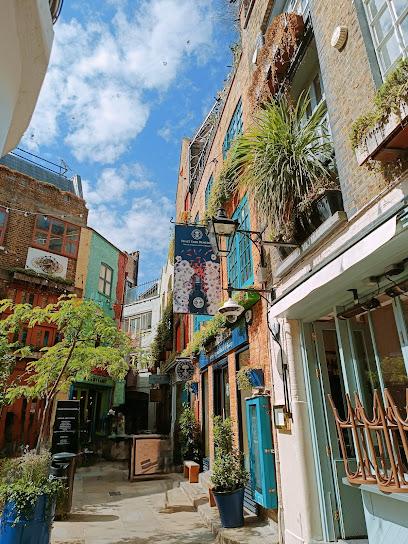
Neal’s Yard (Courtyard)
0.2 km
A vibrant, colorful courtyard in Covent Garden where alternative culture, sustainability, and community spirit thrive in the heart of London.
The Shaftesbury Theatre
0.2 km
Experience iconic West End theatre in a historic, steel-framed London venue renowned for its rich heritage and outstanding performances.
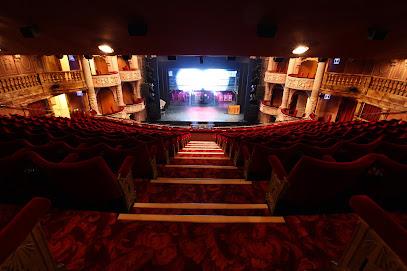
Dominion Theatre
0.2 km
Step into the spotlight at Dominion Theatre, London’s grand West End venue hosting blockbuster musicals like The Devil Wears Prada in a stunning art deco setting.

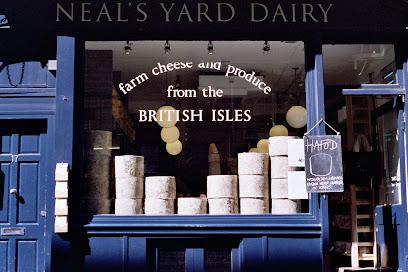
Neal's Yard Dairy (Covent Garden Shop)
0.2 km
Discover the finest British and Irish cheeses matured to perfection in the heart of Covent Garden’s vibrant Neal’s Yard.
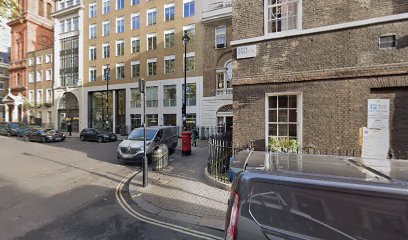
Victorian Penny Chute
0.2 km
Discover the Victorian Penny Chute in Soho—a charming historic coin chute that channels charity donations through time at the House of St Barnabas.
Essential places to dine

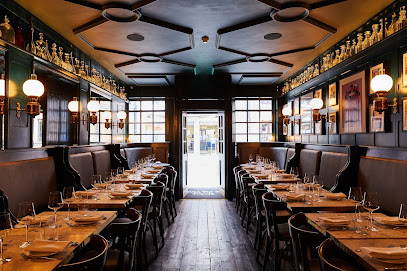
Noble Rot Soho
0.2 km
A Soho gem blending historic charm with modern European cuisine and an exceptional, accessible wine list in a cozy, clubby setting.
La Bodega Negra Restaurant
0.2 km
Experience daring Mexican cuisine and vibrant nightlife in Soho’s provocative La Bodega Negra, where edgy ambiance meets inventive flavors.
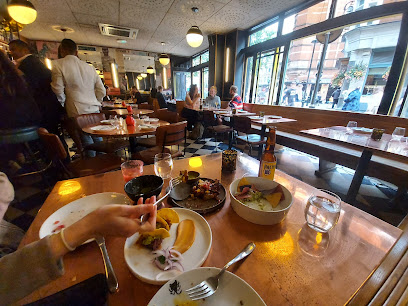
Flesh & Buns Covent Garden
0.2 km
Lively Japanese izakaya in Covent Garden famed for its signature bao buns, vibrant atmosphere, and innovative pan-Asian small plates.
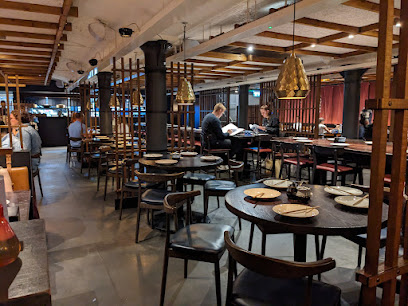
Sussex Bar & Restaurant
0.3 km
A vibrant Soho bistro blending Sussex countryside flavors with London’s energy, featuring seasonal British dishes and curated wines.
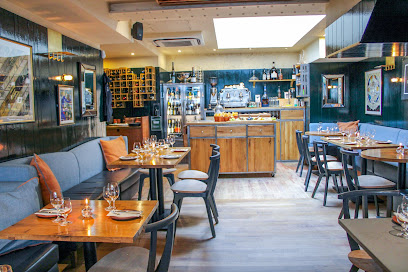
Hawksmoor Seven Dials
0.3 km
Savor expertly grilled British steaks and vibrant seafood in a historic Covent Garden brewery setting with atmospheric charm and refined cocktails.
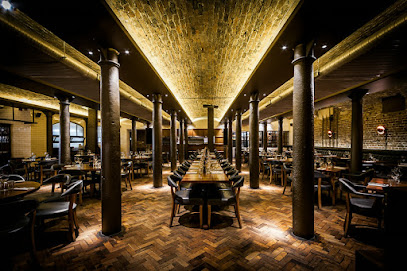
Circus
0.3 km
Experience Covent Garden’s vibrant Asian fusion dinner theatre where culinary artistry meets captivating live performances.
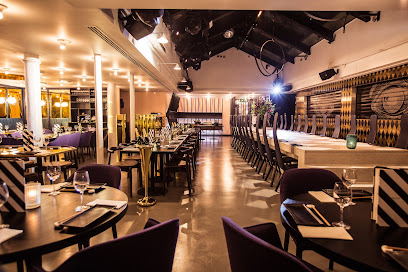
Hoppers Soho
0.3 km
Experience vibrant Sri Lankan street food and signature hoppers in a lively, intimate Soho setting bursting with authentic flavors and culture.
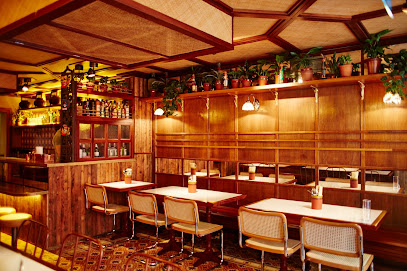
Quo Vadis
0.3 km
An iconic Soho dining destination blending refined modern British cuisine with elegant historical charm and a lively, convivial atmosphere.
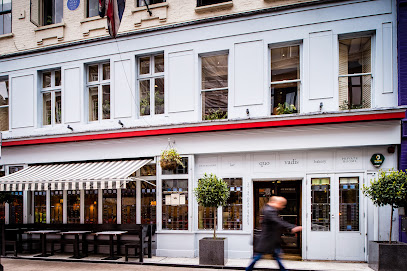
Gauthier Soho
0.4 km
Innovative vegan French fine dining in a stylish Soho townhouse, blending tradition with plant-based creativity.
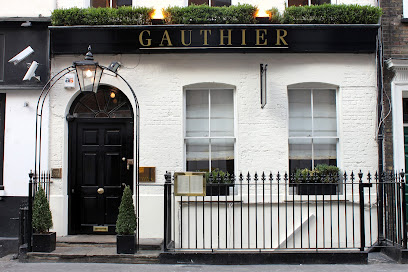
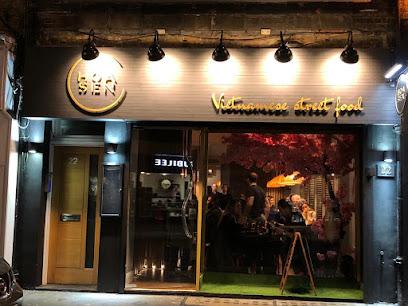
Hoa Sen Vietnamese Street Food Restaurant
0.4 km
Authentic Vietnamese street food in the heart of Covent Garden, blending vibrant flavors with a lively, cozy atmosphere.
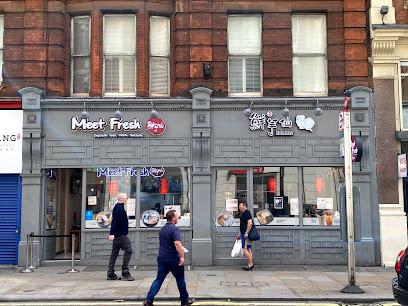
Meet Fresh
0.4 km
Authentic Taiwanese desserts in lively Soho, offering generous portions of mochi, taro balls, and refreshing fruit teas in a bustling urban setting.
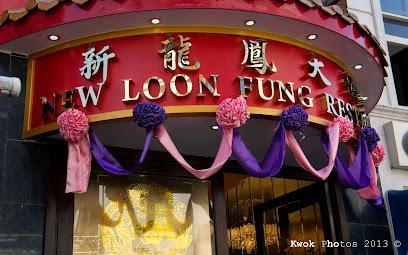
New Loon Fung Restaurant
0.4 km
Experience authentic Cantonese dim sum and classic Chinese dishes in one of Chinatown’s largest, long-standing restaurants on bustling Gerrard Street.
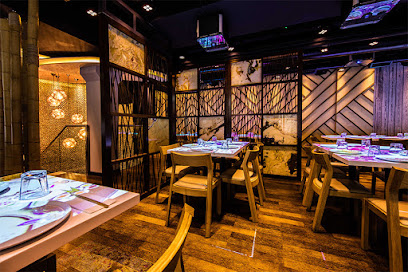
Inamo Covent Garden
0.4 km
A futuristic Pan-Asian restaurant in Covent Garden where interactive tables meet bold Asian flavours in a sleek, tech-forward space.
Inamo
0.4 km
Experience futuristic Asian fusion dining with interactive tables and vibrant sharing plates in the heart of London’s Covent Garden.
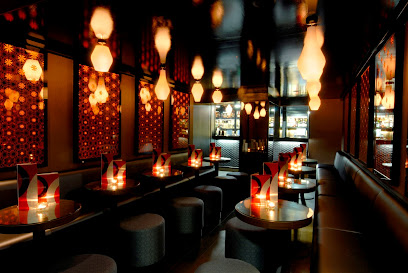
Margot
0.5 km
Sophisticated Italian dining with classic charm and an extensive wine list in the heart of Covent Garden, London.
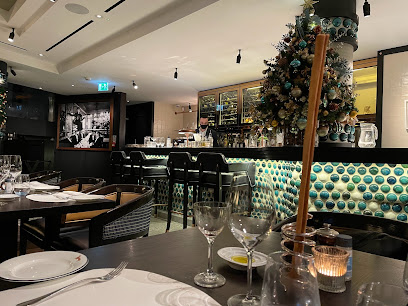
Markets, malls and hidden boutiques

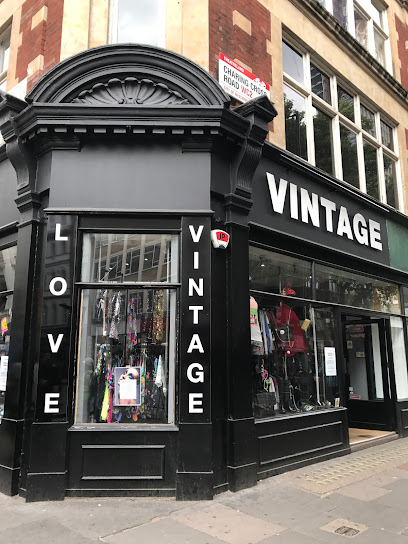
Goldsmith Vintage
0.1 km
Iconic Soho vintage shop since 1990: two floors of handpicked retro dresses, blazers, bags & accessories from decades past, with sales from £10.95.
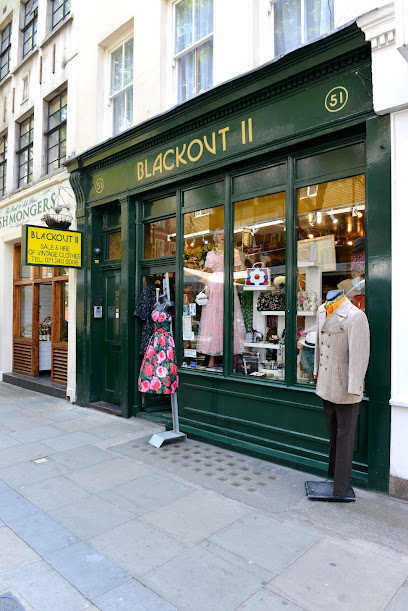
Blackout II - Vintage Clothing London
0.2 km
Discover timeless vintage fashion treasures from the 1920s to the 1980s in Covent Garden’s iconic Blackout II boutique.
Primark
0.2 km
Discover unbeatable fashion and homeware bargains across multiple floors at Primark Oxford Street, London’s premier budget shopping destination.
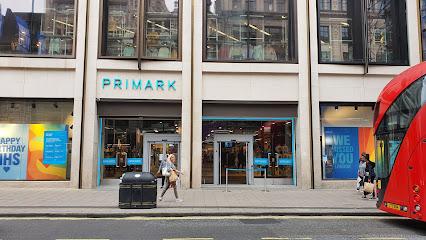
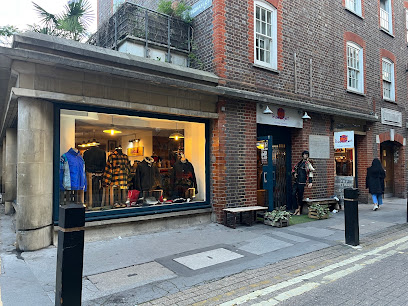
Pop Boutique
0.2 km
Discover authentic vintage fashion treasures from the 50s to 90s in a colorful, retro boutique at London’s vibrant Seven Dials.
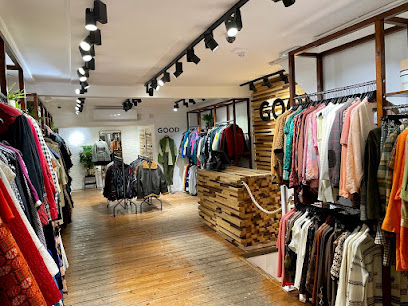
Good
0.2 km
Discover sustainable style with curated preloved vintage and designer fashion at Good London’s Seven Dials shop.
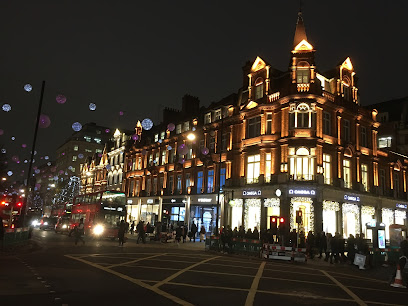
Oxford Street Gift Shop
0.2 km
A lively and colorful gift shop on Oxford Street offering quintessential London souvenirs with a vibrant atmosphere and a hint of retail adventure.
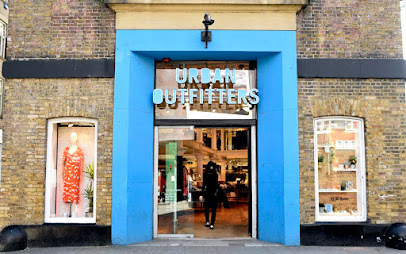
Urban Outfitters
0.3 km
Dive into Urban Outfitters' warehouse wonderland in Seven Dials, where eclectic fashion, cult beauty, and quirky homewares fuel London's youth culture vibe.
Radha's Boutique
0.3 km
A small, curated Soho boutique offering tactile womenswear and accessories with friendly, personalised service in the heart of central London.
Rokit Covent Garden
0.3 km
Dive into retro treasures at Rokit Covent Garden, where sustainable vintage fashion meets London's vibrant street style heritage on Shelton Street.

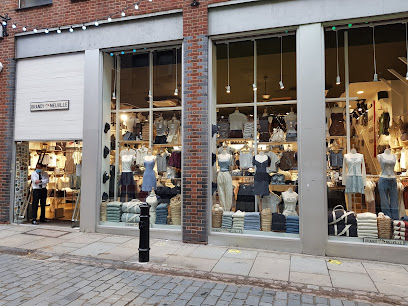
Brandy Melville - Covent Garden
0.3 km
Trendy Italian-LA fusion on Neal Street: one-size-fits-most chic for the effortless Covent Garden style seeker.
Fancy That of London
0.4 km
Discover unique London souvenirs and charming keepsakes in a warm, inviting shop just opposite the British Museum on Great Russell Street.
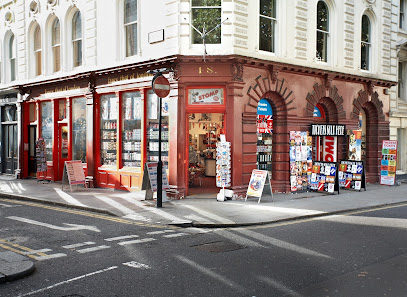
St Martin's Courtyard
0.4 km
Experience the vibrant blend of shopping, dining, and relaxation at St Martin's Courtyard in the heart of Covent Garden, London.
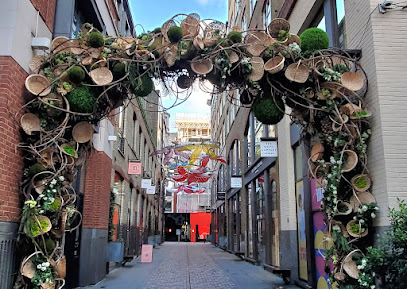
La Boutik
0.4 km
Soho's chic haven for European designer imports on buzzing Dean Street—unique fashion finds in London's creative epicenter.
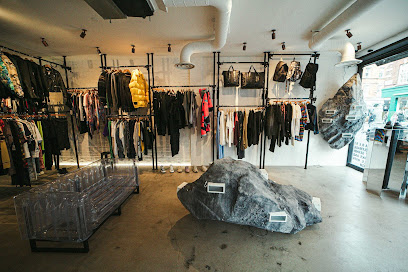
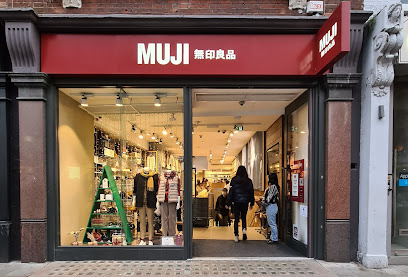
MUJI Covent Garden Store
0.4 km
Discover Japanese minimalism in Covent Garden: timeless clothing, sustainable homewares, and functional stationery for clutter-free, mindful living.
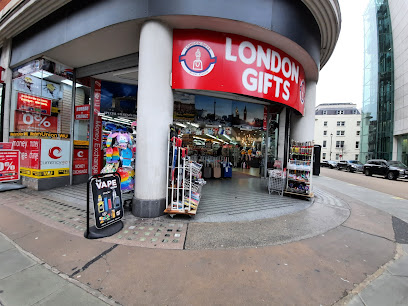
Souvenir Shop
0.4 km
Discover authentic British souvenirs in the heart of London’s iconic Oxford Street.
Essential bars & hidden hideouts

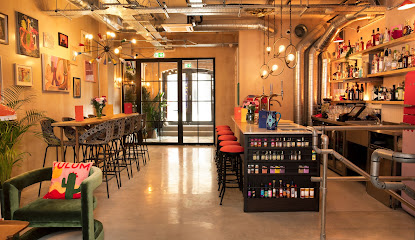
The Little Scarlet Door
0.2 km
Step through the scarlet door to a playful Soho loft bar alive with inventive cocktails, secret rooms, and a lively house party vibe.
Swift Soho
0.2 km
Soho's split-level cocktail gem: aperitivo elegance upstairs, whisky-laced intimacy below, with live jazz and legendary mixes drawing night owls to Old Compton Street.
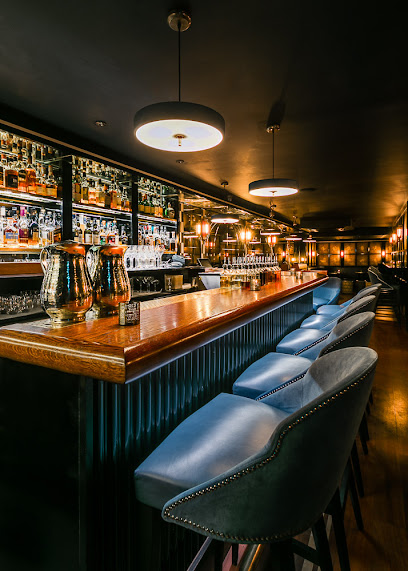
Bar Termini
0.2 km
An intimate Soho gem blending Italian cocktail artistry with a cozy, elegant atmosphere in London’s vibrant West End.
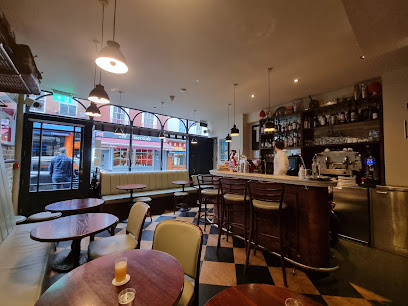
The Coral Room
0.2 km
Experience 1920s-inspired glamour and expertly crafted cocktails in the vibrant coral-hued heart of Bloomsbury Hotel.
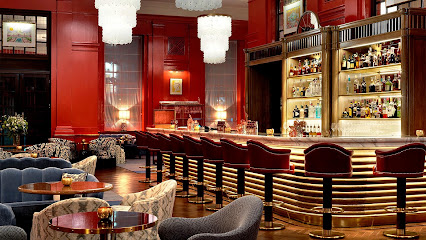
The Escapologist Bar
0.2 km
Step into a Victorian-inspired underground bar in Covent Garden where theatrical cocktails and lively entertainment create unforgettable nights.
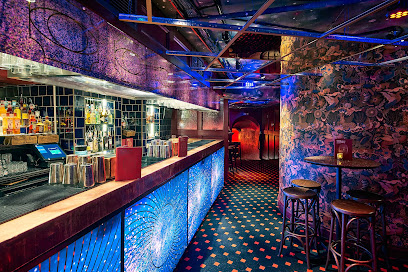
Thirst Bar Soho
0.2 km
Compact Soho cocktail bar by day, pulsing DJ‑led club by night—cheap cocktails, leather booths and a lively basement scene.
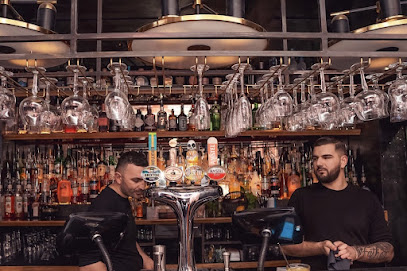
Simmons Bar | Soho
0.2 km
Soho's kitsch cocktail den with epic happy hours, retro karaoke vibes, and two floors of nostalgic nightlife fun.
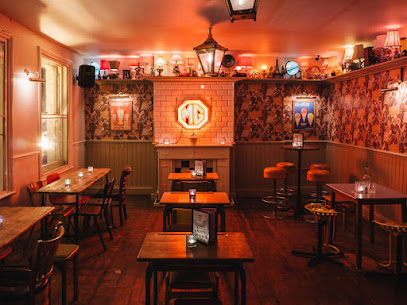
Henson's Bar and Social
0.3 km
Soho's oak-panelled cocktail sanctuary: precise classics, inventive signatures, and fireside intimacy amid Frith Street's electric vibe.
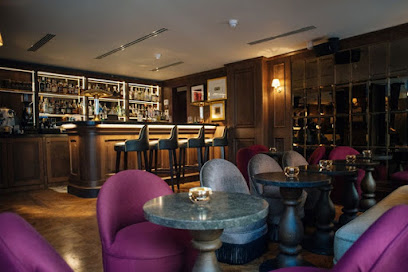
The Black Book
0.3 km
Soho's clandestine basement wine bar, pouring rare vintages by the glass alongside Mediterranean bites in a former members' club hideout—perfect for late-night indulgence.
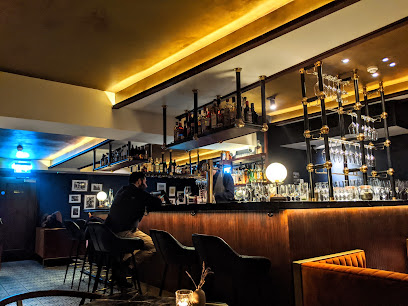
Prelude by Oriole
0.3 km
A refined Covent Garden cocktail bar blending innovative drinks, Latin American fusion cuisine, and live music in a stylish Asian-inspired setting.
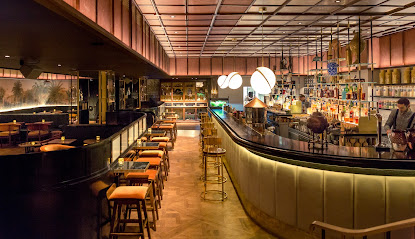
The Black Horse - Pub & Cocktail Bar
0.4 km
Experience the perfect blend of traditional pub charm and stylish cocktails in the heart of Soho’s vibrant nightlife.
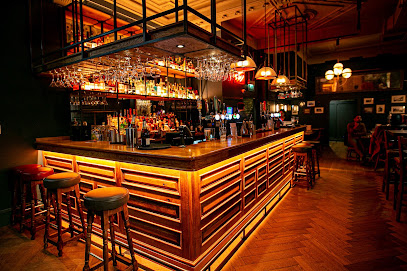
The Admiral Duncan - Soho
0.4 km
Historic Soho gay pub and resilient LGBTQ+ landmark, symbolizing community strength and vibrant nightlife since the 1830s.
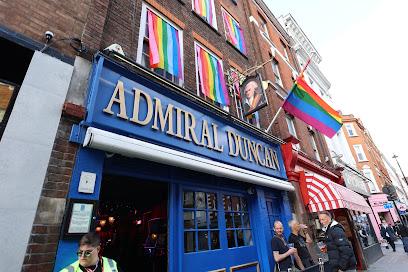
Covent Garden Social Club
0.4 km
Dive into Covent Garden's dual-world party den: prohibition cocktails below, live piano magic above—West End's ultimate nightlife hideaway for cocktails, cabaret, and endless sing-alongs. (162 characters)
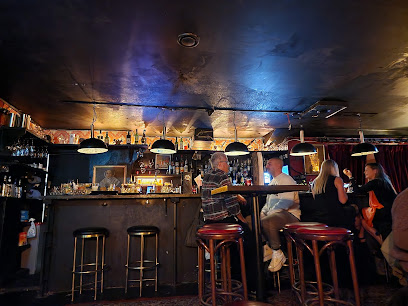
Ku Bar
0.4 km
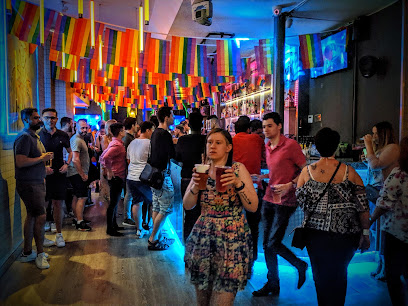
Soho's legendary gay bar icon: three levels of inclusive vibes, cocktails, and basement beats in Chinatown's electric heart.
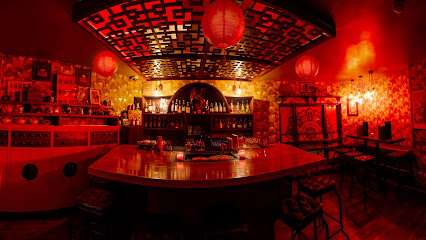
Opium Cocktail Bar - Soho
0.4 km
Discover a hidden Soho speakeasy blending 1920s Shanghai charm with inventive cocktails and exquisite dim sum in London’s Chinatown.
Nightclubs & after hour spots

The Roxy
0.2 km
Soho's unbeatable happy hour cocktail bar by day, pulsing nightclub with live music and DJ nights till 3am—affordable vibes in London's nightlife heart.
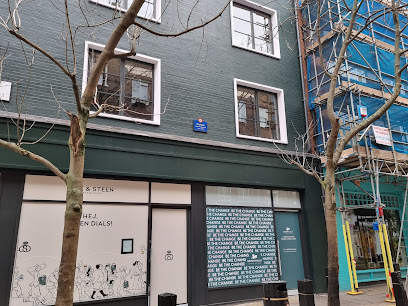
La Capannina Club
0.2 km
Discover Soho's discreet gentlemen's club: seductive stage shows, cosy vibes, and late-night allure in London's nightlife heart.
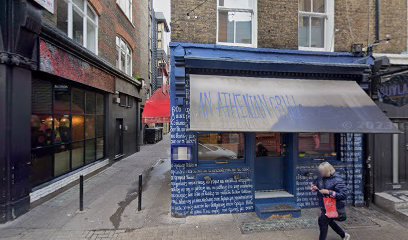
The Ivy Club
0.3 km
Art-Deco‑tinged members’ club above The Ivy — piano bars, discreet private dining and polished West End glamour.
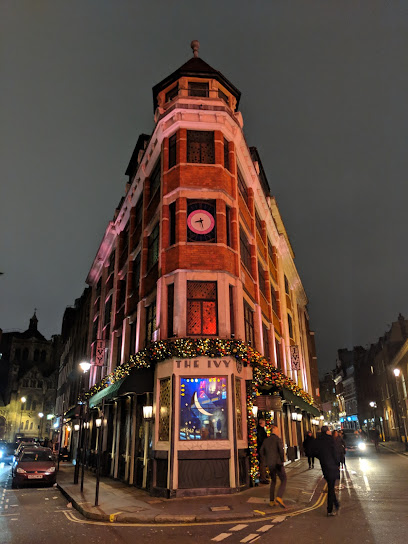
Whatdafunk Presents West End Urban Disco
0.4 km
Dive into London's grooviest urban disco beats at Whatdafunk, where Covent Garden's streets pulse with funk, soul, and non-stop dance energy in the heart of the West End.
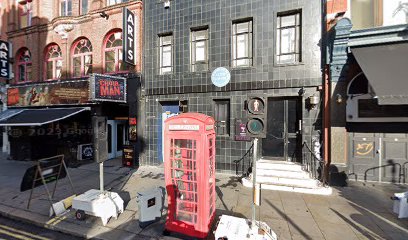
Bunga Bunga Covent Garden
0.4 km
A neon-soaked, pizza-and-karaoke supper club under Drury Lane — 90s nostalgia, stage shows and shareable Italian feasts.
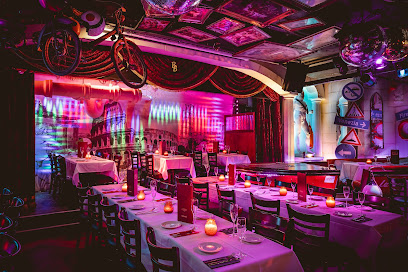
St Moritz Club
0.5 km
Soho's retro basement nightclub: 1960s vibes meet modern beats in an intimate, wood-paneled haven beneath a Swiss chalet restaurant.
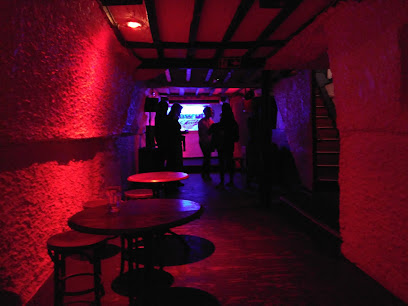
Sophisticats Soho
0.5 km
An intimate, late‑night Soho gentlemen’s club on Brewer Street offering staged performances, VIP seating and an upmarket, discreet atmosphere.
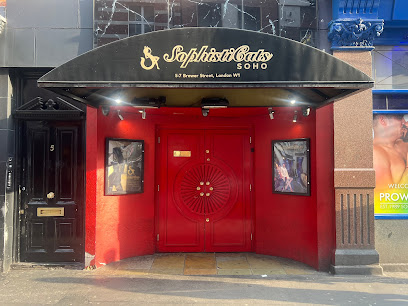
Versity Camp Nightclub
0.5 km
Dive into Soho's beating heart at Versity Camp Nightclub, where thumping bass, inventive cocktails, and an electric crowd fuel unforgettable nights until dawn.
The Box Soho
0.5 km
A clandestine Soho cabaret where decadent staging, provocative shows and high‑end cocktails collide in an intense late‑night theatre.
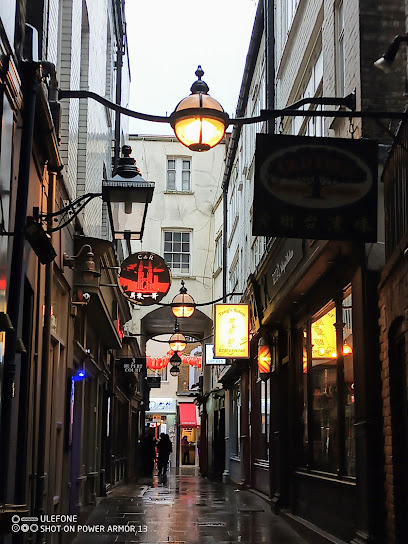
Zoo Bar & Club
0.5 km
Dive into Leicester Square's edgy nightlife hub: two floors of R&B beats, sports screens, and wild energy until 3am at Zoo Bar & Club.
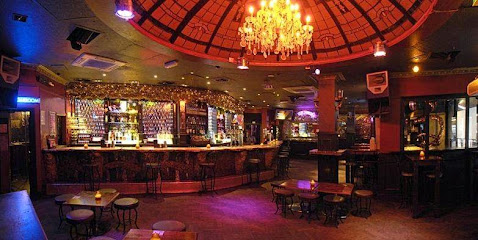
101 Nightclub London
0.5 km
Soho's raw Saturday night pulse: intimate beats, crowded floors, and unfiltered London club energy on Wardour Street.
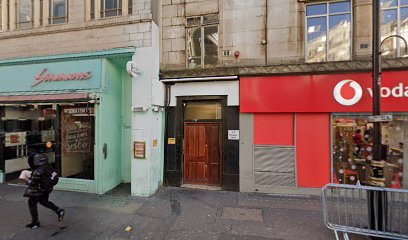
Bordello London
0.5 km
Dive into Soho's seductive basement beats at Bordello London, where Wardour Street's nightlife legacy ignites late-night frenzy on weekends.
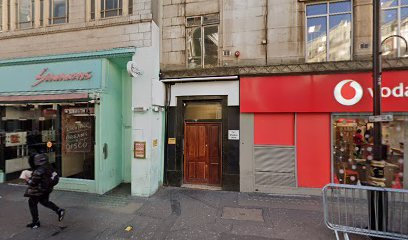
The Penthouse London
0.5 km
A compact, rooftop nightclub above Leicester Square — reached by a side lift, built for late‑night private parties and skyline glimpses.
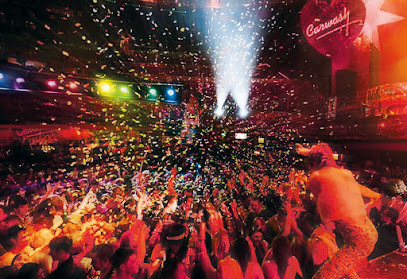
Carwash Nightclub
0.6 km
Experience Europe’s longest-running disco club in London’s West End, where retro beats, vibrant crowds, and themed parties create unforgettable nights.
Sunset night club
0.6 km
Dive into Soho's electric nightlife at Sunset Night Club, where thumping beats, craft cocktails, and dawn-chasing energy define unforgettable nights in London's vibrant core.
For the vibe & atmosphere seeker
- Romantic
- Tranquil
- Scenic
- Unique
- Casual
For the design and aesthetic lover
- Minimalist Designs
- Modern Designs
- Vintage Styles
For the architecture buff
- Historic
- Landmarks
- Art & Design
- Sacred Sites
- Heritage Neighborhoods
For the view chaser and sunset hunter
- Iconic Views
- Panoramas
For the social media creator & influencer
- Instagrammable
- Photo Spots
- Architectural Shots
For the eco-conscious traveler
- Protected Area
- Locally Managed
- Public-Transport Accessible
For the kind of experience you’re after
- Spiritual / Energy Spot
- Myth & Legends
- Cultural Heritage
- Photowalk
- Day Trip
For how adventurous you want the journey to be
- Easy Access
Location Audience
- Family Friendly
- Senior Friendly
- Wheelchair Access
- Solo Friendly
- Couple Friendly
- Solo Female Friendly


