
Guildhall, London Travel Guide
Step into Guildhall, London's medieval heart where Roman ruins, grand halls, and legendary giants tell the story of the City’s enduring power and history.
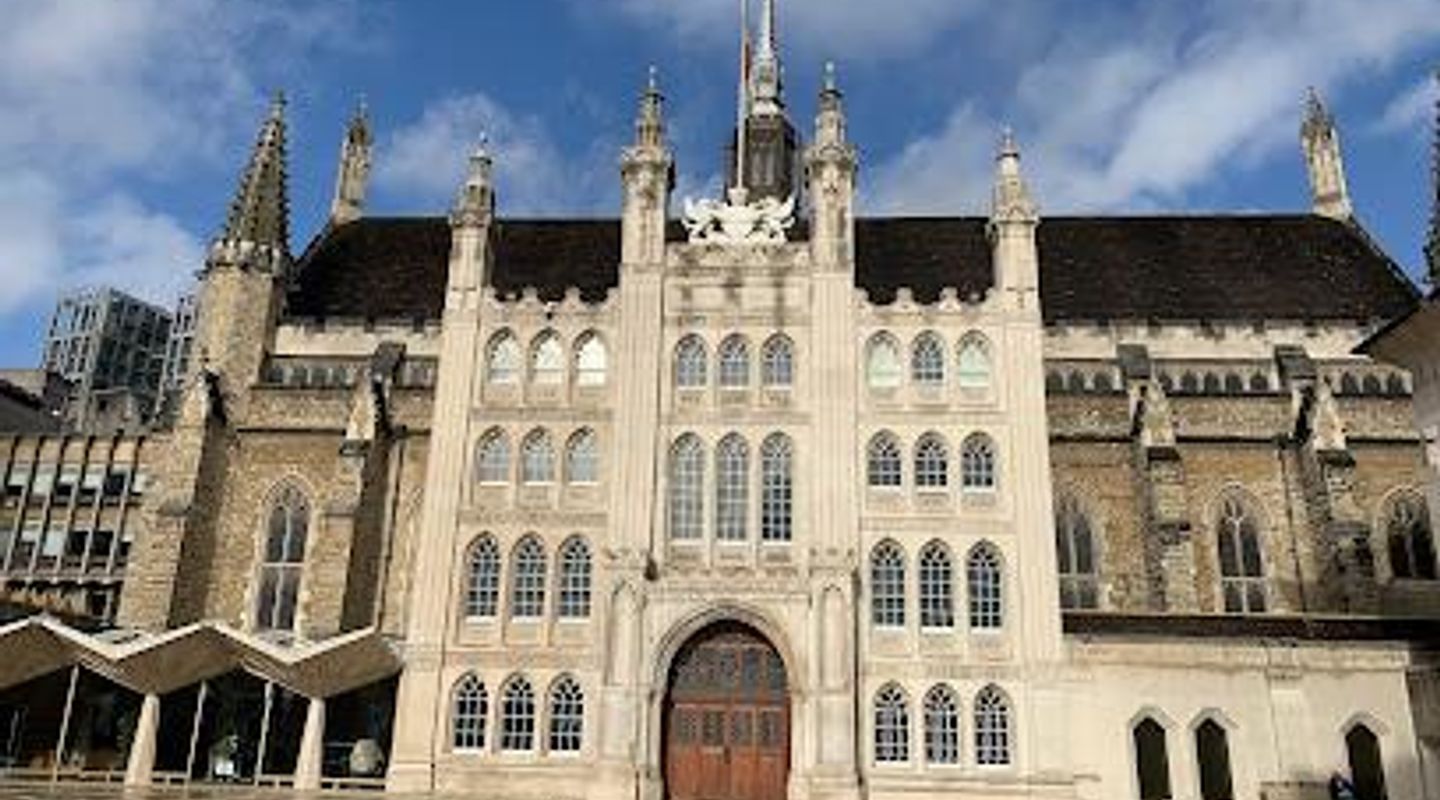
Guildhall, located at 71 Basinghall Street, London, is a majestic medieval complex that has served as the ceremonial and administrative center of the City of London for centuries. Built between 1411 and 1440, it stands on the site of a Roman amphitheatre and features the Great Hall, one of England’s largest civic halls. The site also includes the Guildhall Art Gallery, Roman amphitheatre ruins, and the iconic statues of Gog and Magog, blending deep history with ongoing civic life.
A brief summary to Guildhall
- 71 Basinghall St, London, EC2V 7HH, GB
- Click to display
- Click to display
- Duration: 1 to 3 hours
- Mid ranged
-
 Outdoor
- Mobile reception: 5 out of 5
- Monday 10:30 am-4 pm
- Tuesday 10:30 am-4 pm
- Wednesday 10:30 am-4 pm
- Thursday 10:30 am-4 pm
- Friday 10:30 am-4 pm
- Saturday 10:30 am-4 pm
- Sunday 10:30 am-4 pm

Know before you go
Hi, I'm Eve. Here are a few practical things to know before exploring Guildhall.
- Book a monthly guided tour to explore the Great Hall and learn about the City’s governance and history.
- Visit the Guildhall Art Gallery and Roman amphitheatre in the basement, both free to enter.
- Wear comfortable shoes as the site includes walking through historic crypts and the amphitheatre ruins.
- Look out for the statues of Gog and Magog, symbolic giants guarding the City of London.
Do you manage this location?
Take control to get all the benefits, like improved information, better appearance, and stronger visibility across AI-powered discovery. Learn more about listing your business on Evendo
Activate your presenceOther nearby places you may find interesting
The closest places of the same kind, if this one is not quite what you had in mind.



Explore Guildhall on the Map
A handpicked selection of must-see spots near Guildhall, mapped for you.
Unlock the Best of Guildhall
Buy tickets
-
No tickets available
Book tours with entry


Getting There
-
Public Transport
Take the London Underground to Bank or St Paul’s stations, both about a 10-15 minute walk to Guildhall. Frequent bus services also serve the area. Tickets cost £2.50–£6 depending on travel zones.
-
Taxi or Rideshare
A taxi or rideshare from central London takes approximately 10-20 minutes depending on traffic, with fares typically ranging from £10 to £20.
-
Walking
From nearby landmarks such as St Paul’s Cathedral, walking to Guildhall takes about 10 minutes via paved, flat streets. The route is accessible and suitable for most visitors.
For the on-the-go comforts that matter to you
-
 Restrooms
-
 Drink Options
-
 Food Options
-
 Seating Areas
-
 Information Boards
Guildhall location weather suitability
-
 Any Weather
-
 Clear Skies
-
 Rain / Wet Weather
Discover more about Guildhall
Ancient Foundations and Roman Legacy
Guildhall occupies a site steeped in history, originally home to Londinium’s Roman amphitheatre, the largest in Roman Britain, built around AD 70. Rediscovered in 1988, the amphitheatre’s remains are now visible beneath the Guildhall Art Gallery, with its elliptical arena marked in the courtyard paving. The site’s continuous use since Roman times is reflected in surviving medieval crypts and the alignment of nearby historic buildings, underscoring Guildhall’s role as a nexus of London’s ancient past and medieval governance.Medieval Power and Architectural Grandeur
The core of Guildhall, the Great Hall, was constructed between 1411 and 1440 by John Croxton to symbolize the power and prestige of the City’s merchant elite. It is the oldest secular building in the City of London and the third largest civic hall in England. The Great Hall has hosted royal banquets, state trials—including that of Lady Jane Grey—and key civic events such as the annual Lord Mayor’s Banquet. Despite damage from the Great Fire of London in 1666 and the Blitz in 1940, the hall’s medieval stone structure remains, with a roof designed by Sir Giles Gilbert Scott erected in 1953.Art, Statues, and Cultural Treasures
Guildhall houses an impressive art collection in its Guildhall Art Gallery, featuring Victorian masterpieces, historical London scenes, and contemporary works. Highlights include John Singleton Copley’s monumental painting "The Defeat of the Floating Batteries at Gibraltar" and memorials to British historic figures. The courtyard features the legendary giants Gog and Magog, symbolic guardians of the City, whose wooden statues have been replaced multiple times due to fire and war damage. The site also includes the Guildhall Library, renowned for its extensive London-focused collections dating back to the 11th century.Living Civic Center and Visitor Experience
Guildhall remains the ceremonial and administrative heart of the City of London Corporation, hosting the Court of Common Council and other civic functions. Monthly guided tours offer visitors insight into the City’s governance, history, and art within the medieval walls. The Great Hall and surrounding areas provide a unique atmosphere where centuries of London’s political and social life converge. The site also hosts cultural events and exhibitions, making it a vibrant destination for history enthusiasts and tourists alike.Architectural Harmony and Urban Setting
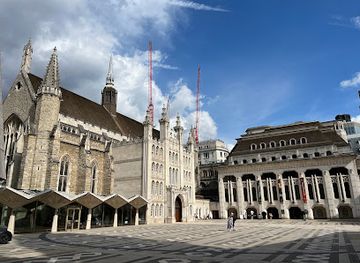
Situated in the financial district, Guildhall’s medieval Gothic architecture contrasts with the modernity of surrounding skyscrapers, creating a striking visual dialogue. The integration of the Roman amphitheatre, the medieval Great Hall, the 20th-century Guildhall Art Gallery, and the modern Guildhall Library exemplifies architectural layers spanning two millennia. The courtyard’s paving outlines the amphitheatre beneath, blending urban functionality with archaeological preservation.Symbolism and Enduring Legacy
Guildhall embodies the resilience and continuity of London’s civic identity. From its Roman origins to its role in medieval governance and modern ceremonial functions, it stands as a symbol of the City’s historical depth and enduring influence. The legends of Gog and Magog, the site’s survival through fires and wars, and its ongoing use as a center of power and culture make Guildhall a living monument to London’s past and present.












Your all‑in‑one travel companion app
Explore expert travel guides, compare and book tours, experiences, hotels, and more—all from the palm of your hand. Download now for seamless trip planning wherever your wanderlust takes you.


Explore More of London

Looking beyond Guildhall? Discover London for broader travel guides, local hot-spots, and regional highlights.
Explore London
A formal civic mansion in the City of London, where guided visits reveal ceremonial rooms, Palladian architecture, and the Lord Mayor’s working residence.

London’s only known Roman amphitheatre is marked in Guildhall Yard, where a courtyard outline leads into excavated remains and Roman London history.
