

St Bartholomew the Great
Medieval sanctuary where nine centuries of English history unfold within Norman and Gothic walls.
London's oldest surviving parish church, founded in 1123 as an Augustinian priory by Rahere, a courtier of Henry I. Located in Smithfield, this medieval gem has witnessed nearly 900 years of English history, from royal patronage and miraculous healings to the Reformation and the Great Fire of London. Today, it remains an active parish church with stunning Norman and Gothic architecture, housing precious artifacts including a 1405 font and the tomb of its founder.
A brief summary to St Bartholomew the Great
- W Smithfield, London, Barbican, EC1A 9DS, GB
- +442076000440
- Visit website
- Duration: 0.75 to 2.5 hours
- Free
-
 Indoor
- Mobile reception: 5 out of 5
Local tips
- Arrive early in the morning or late afternoon to experience the church in quieter moments and appreciate the medieval architecture without crowds. Sunday services at 8:30 AM and 11:00 AM offer a chance to witness the church in its primary function.
- Look carefully at the architectural details: the transition from Romanesque rounded arches to Gothic pointed arches tells the story of the church's medieval construction phases and financial constraints.
- Visit the Lady Chapel at the east end to stand in the location of the Virgin Mary's recorded apparition and where Benjamin Franklin once worked as a young printer's apprentice.
- Examine the 1405 font where William Hogarth was baptized, one of only two surviving pre-Reformation fonts in London, and locate Rahere's rebuilt tomb to pay respects to the church's visionary founder.
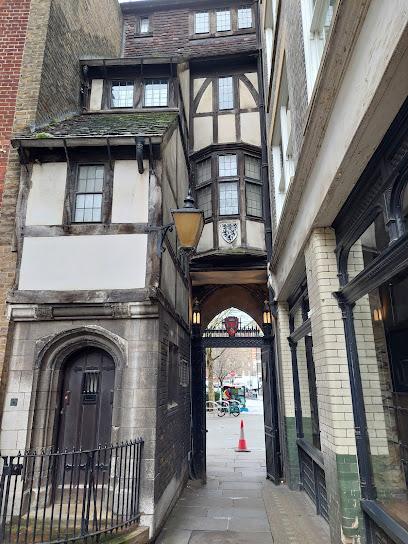
- Explore the Tudor gatehouse at the entrance, built around 1595, which reveals 13th-century stonework and marks where the demolished nave once stood before the Dissolution of the Monasteries.

For the on-the-go comforts that matter to you
- Restrooms
- Seating Areas
- Information Boards
Getting There
-
London Underground
Take the Circle, Hammersmith & City, or Metropolitan Line to Barbican station. Exit and follow signs toward Smithfield. The church is approximately 8–10 minutes' walk from the station via Aldersgate Street and Cloth Fair. The station is fully accessible with lifts and step-free access to platforms.
-
Bus
Multiple bus routes serve Smithfield, including routes 8, 25, 56, 100, 153, and 205. Alight at stops near Smithfield Market or Aldersgate Street. Journey times from central London vary between 15–30 minutes depending on traffic. Buses are equipped with wheelchair access and real-time information displays.
-
Walking
From St Paul's Cathedral, walk south and east via Cheapside and Newgate Street to reach Smithfield in approximately 10–12 minutes. The route is entirely on paved streets with level terrain. From the Museum of London (Barbican), head southwest via Aldersgate Street for approximately 8 minutes. All routes are accessible for wheelchairs and mobility aids.
-
Taxi or Ride-Share
Request pickup or dropoff at West Smithfield, London EC1A 9DS. Journey times from major London locations (King's Cross, Victoria, Paddington) range from 15–25 minutes depending on traffic conditions. Fares typically range from £12–£25 within central London. Accessible vehicles are available through most services.
St Bartholomew the Great location weather suitability
-
 Any Weather
Discover more about St Bartholomew the Great
A Vision Born from Pilgrimage
St Bartholomew the Great stands as London's oldest surviving parish church, founded in 1123 by Rahere, a prebendary of St Paul's Cathedral and courtier to King Henry I. According to legend, Rahere fell gravely ill during a pilgrimage to Rome and vowed to build a church for the poor in London if he recovered. Upon his return, he experienced a vision of the Apostle Bartholomew commanding him to establish a church upon Smithfield, then a small cemetery and royal property. When Rahere presented his divine message to Henry I, the king was so moved that he granted the land to Rahere, enabling construction to begin. The priory church was consecrated in 1133, and Henry issued a royal charter promising to defend St Bartholomew's 'as he would his own crown.' Rahere's ambitious vision extended beyond the church itself—he established both a hospital and a priory, creating an institution that would gain a reputation for miraculous healings, particularly on St Bartholomew's Day (24 August), when the sick filled its aisles seeking cures.Medieval Expansion and Spiritual Significance
Under Prior Thomas, who governed from 1144 to 1174, the priory underwent significant expansion and gained papal patronage from popes Anastasius IV, Adrian IV, and Alexander III. The number of canons grew from the original 13 (representing Jesus and the 12 disciples) to 35, necessitating an ambitious expansion of the church itself. Prior Thomas extended the nave to ten bays to accommodate the increased community. The church's reputation for spiritual power was further enhanced by recorded miracles, including the apparition of the Blessed Virgin Mary to Canon Hubert in the late 12th century—reportedly the only recorded visitation of the Virgin Mary in London. This miraculous event prompted the construction of a much larger Lady Chapel at the east end of the church. The priory also gained valuable economic privileges, including the right to hold what became England's premier fair for the sale of cloth, one of the country's most economically valuable commodities.Survival Through Reformation and Fire
The Dissolution of the Monasteries under Henry VIII in 1539 brought dramatic change to St Bartholomew's. The priory was dissolved, and approximately half of the church—including the ten-bay nave—was demolished. However, the choir and ambulatory, built by Rahere and completed by the time of his death in 1145, were preserved. Sir Richard Rich, a royal courtier and collaborator in the dissolution, acquired the priory precinct on favourable terms. Rather than destroy the remaining church, Rich respected the parish's rights and formally recognized St Bartholomew's as a separate parish, even endowing it with seven properties to provide rental income for the rector. The churchyard was formed from the space left by the demolished nave. The church's survival was further tested by the Great Fire of London in 1666, but the ancient priory walls acted as a firebreak, protecting both the church and the surrounding buildings on Cloth Fair. This remarkable escape from the Great Fire stands as one of the most significant moments in the church's long history.Architectural Character and Notable Features
Visitors encounter an unusual architectural blend within St Bartholomew's walls. Construction began in the Romanesque style, characterized by rounded arches and substantial columns brought by the Normans, but transitioned to the Gothic style during the building process. As a relatively poor parish, the church could not afford to start anew, so the southern end was completed in Gothic style, creating a distinctive architectural conversation between two medieval periods. The church houses several remarkable artifacts: a font dating from 1405, one of only two pre-Reformation fonts surviving in London, where the artist William Hogarth was baptized in 1697; the rebuilt tomb of Rahere, moved to the church in 1405; and the Lady Chapel, which once served as a printing workshop where a young Benjamin Franklin worked as a typesetter in the early 18th century before the church reclaimed it in 1885. The south transept was restored and opened in 1891 and again in 1893 in the presence of the Prince and Princess of Wales and the Archbishop of Canterbury. The distinctive Tudor gatehouse at the entrance, built around 1595 atop a 13th-century stone archway that once marked the southern entrance to the nave, survived both the Great Fire and German bombing in World War One, its original timber framing revealed only after a 1917 Zeppelin raid damaged its Georgian facade.Living History and Contemporary Significance
St Bartholomew the Great has remained a place of continuous worship for nearly 900 years, witnessing pivotal moments in English history. William Wallace was hanged, drawn and quartered within 100 metres of the site; Wat Tyler and religious martyrs of the Reformation were executed in nearby Smithfield; and John Wesley, founder of Methodism, preached here after finding other City churches closed to him. The church was briefly used as the third Dominican friary of London, refounded by Queen Mary I in 1556 and closed in 1559. Remarkably, the church escaped major damage during the Blitz of World War Two. Today, the church remains an active parish, adopted by several City Livery companies and a favourite location for filmmakers. The principal churchyard, a raised garden on Cloth Fair, was laid out in 1885 by landscape gardener Fanny Wilkinson of the Metropolitan Public Gardens Association. In 2023, the parish celebrated its 900th anniversary, marking nine centuries of faith, resilience, and service in the heart of London.Iconic landmarks you can’t miss

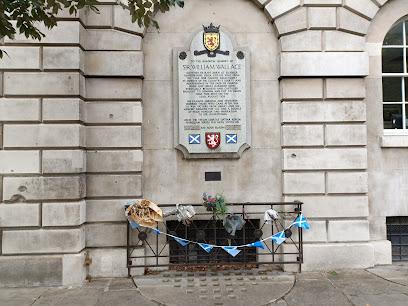
Sir William Wallace Memorial
0.1 km
A solemn 1956 memorial to Scotland's greatest patriot, executed here in 1305 for resisting English rule.
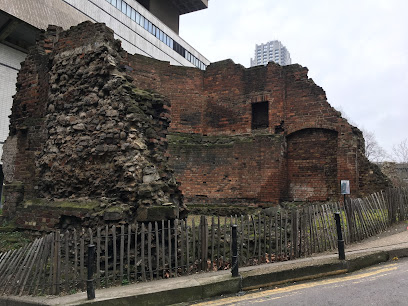
London City Wall - Bastion 14
0.3 km
Explore Bastion 14, a medieval bastion built on Roman foundations, revealing centuries of London’s ancient city defenses in the Barbican.
London City wall
0.3 km
Explore the ancient Roman and medieval London City Wall, a monumental symbol of the city’s enduring history and resilience.
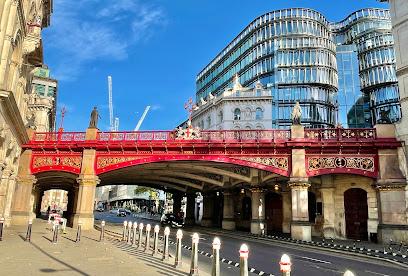
Holborn Viaduct
0.4 km
A grand Victorian bridge spanning London's hidden Fleet valley, blending engineering innovation with ornate artistry and rich history.
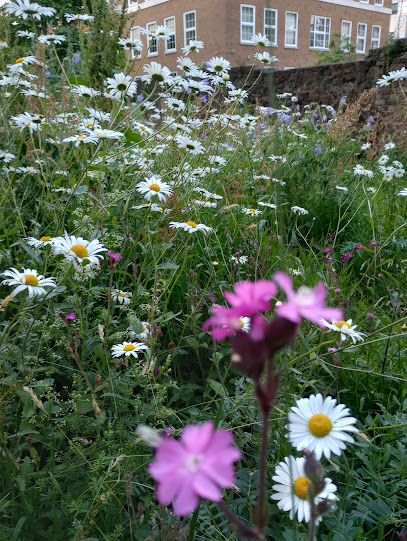
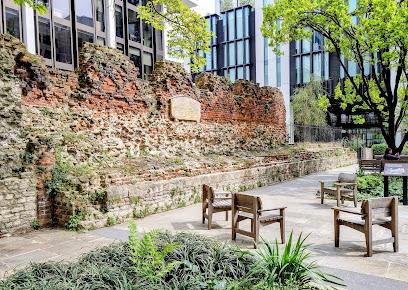
Roman London Wall (St Alphage Garden Section)
0.5 km
Explore the ancient Roman and medieval layers of London's historic city wall nestled within the peaceful St Alphage Garden in Barbican.
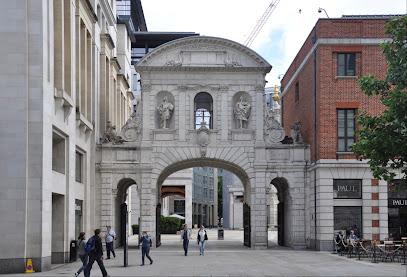
Temple Bar London
0.5 km
Explore Temple Bar, London’s historic ceremonial gateway rebuilt by Christopher Wren, rich with royal heritage and striking 17th-century architecture.
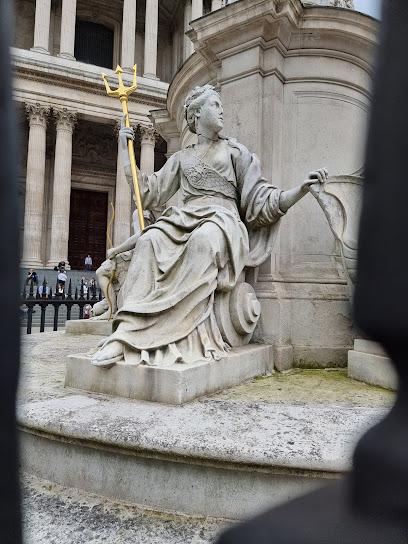
Queen Anne Statue
0.6 km
Historic statue commemorating Queen Anne’s reign and the completion of St. Paul’s Cathedral, symbolizing Britain’s royal heritage and resilience.
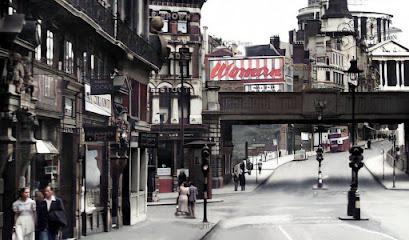
Ludgate Circus
0.6 km
Historic Victorian junction where London's ancient Ludgate once stood, blending rich legend, architecture, and urban vitality.
Guildhall
0.7 km
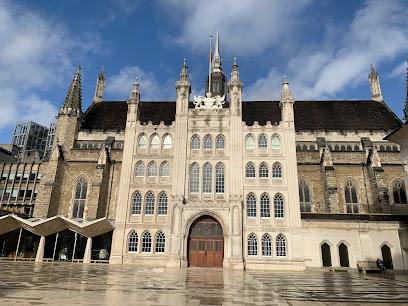
Discover Guildhall, London’s medieval civic heart where Roman ruins, grand halls, and centuries of history converge in the City’s vibrant core.
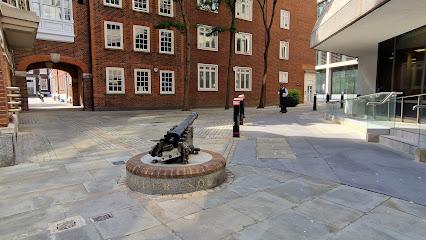
3 Gunpowder Square
0.7 km
A modern square in London’s financial district commemorating the dramatic history of the 1605 Gunpowder Plot and Guy Fawkes’ daring conspiracy.
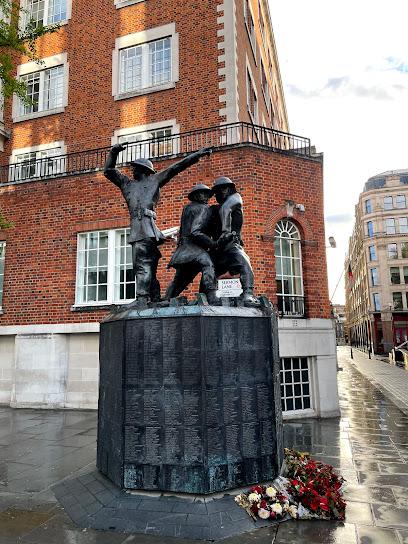
The National Firefighters Memorial
0.7 km
A solemn tribute in London honoring the bravery and sacrifice of firefighters who served during the Blitz and beyond.
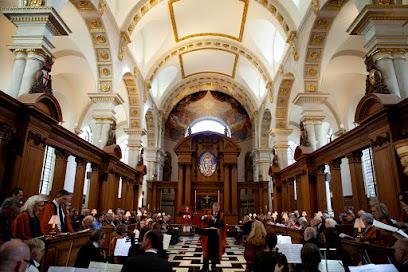
St Bride's Church, Fleet Street
0.7 km
Historic St Bride's Church on Fleet Street, London, famed for its wedding cake spire and deep ties to printing and journalism heritage.
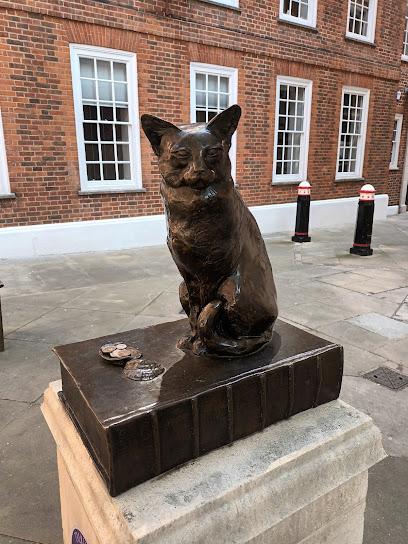
Hodge The Cat Statue
0.7 km
Discover the charm of Hodge The Cat Statue in London, a delightful tribute to literary history and a must-visit for cat lovers and culture enthusiasts.
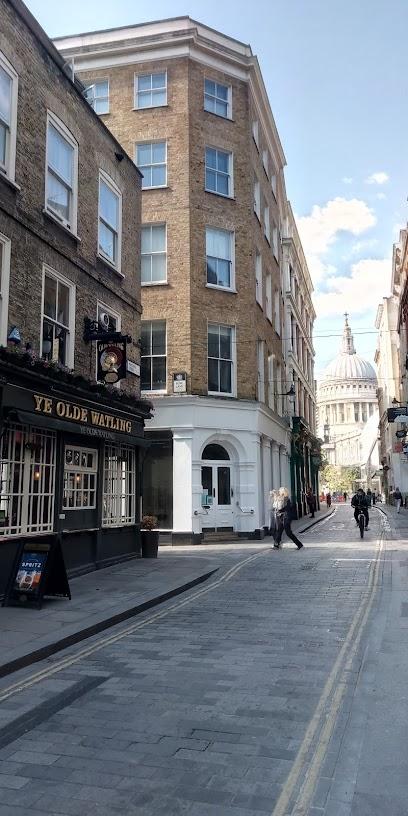
Watling St
0.7 km
Walk the ancient Roman road that shaped British history, from Boudica’s defeat to modern urban life.
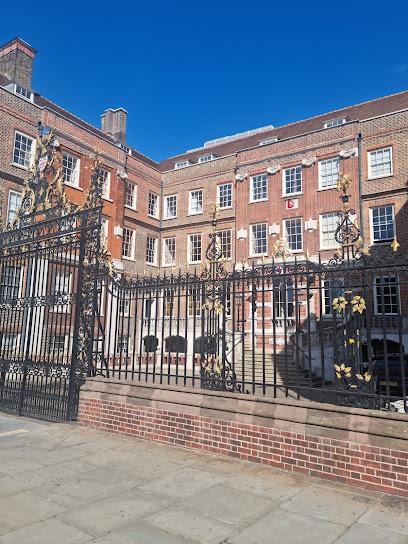
College of Arms
0.7 km
Discover the College of Arms: A Historic Icon of British Heraldry in the Heart of London, Showcasing Art and Tradition.
Unmissable attractions to see

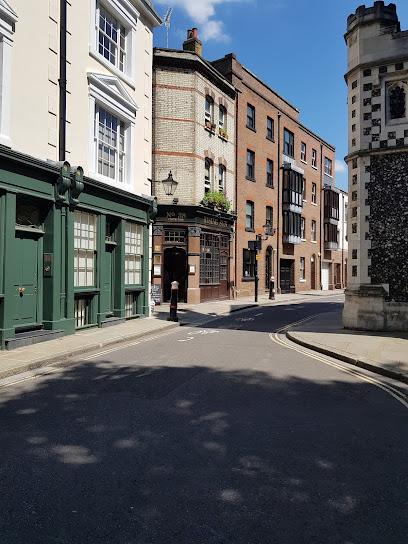
Cloth Fair
0.0 km
Step into medieval London on Cloth Fair, a historic street where merchants once traded fabric and the city’s oldest houses still stand.
St Bartholomew's Gatehouse
0.1 km
Explore the rich history and stunning architecture of St Bartholomew's Gatehouse, a must-visit historical landmark in the heart of London.
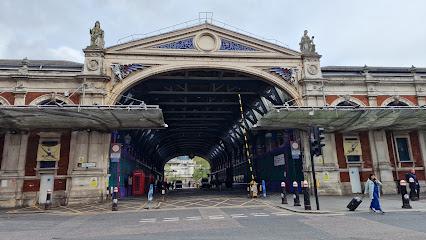
Smithfield Market
0.1 km
London's 900-year-old wholesale meat market where Victorian architecture meets modern commerce.
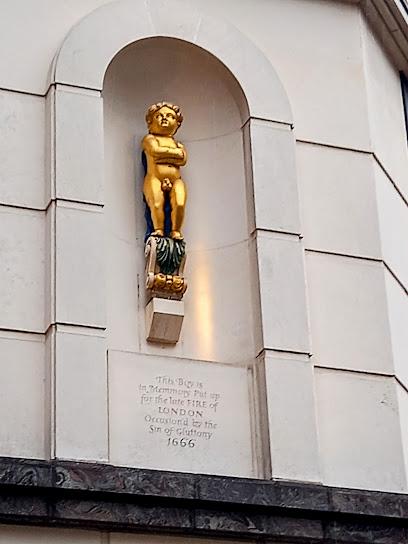
Golden Boy of Pye Corner
0.2 km
Discover the Golden Boy of Pye Corner, a gilded statue marking where London’s Great Fire ended and a moral tale of gluttony began.
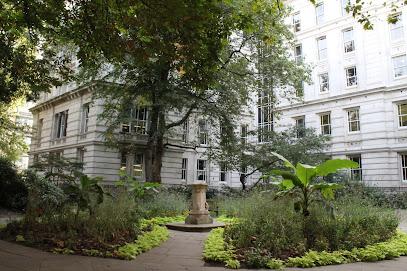
40 Charterhouse Square
0.2 km
Historic Charterhouse Square in London’s Barbican blends medieval legacy with iconic Brutalist architecture and vibrant city life.

The Charterhouse
0.3 km
Explore over 600 years of London history at The Charterhouse, from medieval monastery and Tudor mansion to enduring charity and museum.

Postman's Park
0.3 km
A serene London park honoring everyday heroes through a unique memorial of selfless sacrifice, nestled near St Paul’s Cathedral.
St Botolph’s-without-Aldersgate
0.3 km
Historic Georgian church at London’s eastern City gate, blending medieval roots with Victorian artistry and community resilience.
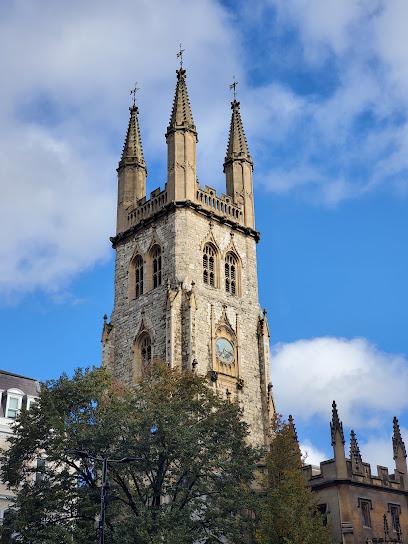
Holy Sepulchre Church
0.3 km
Discover Holy Sepulchre London, the largest City parish church, famed as the National Musicians’ Church with centuries of history and vibrant worship.
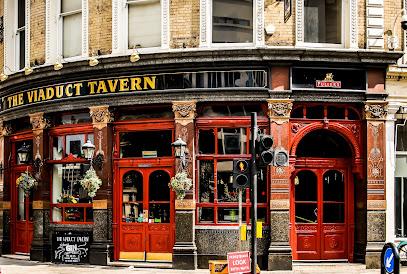
The Viaduct Tavern, EC1
0.3 km
Step into a lavish Victorian gin palace where London’s legal history and ghostly tales converge beneath ornate ceilings and historic cellars.
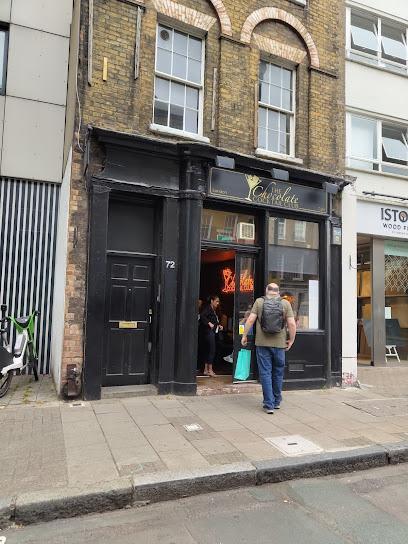
The Chocolate Cocktail Club
0.3 km
Discover the sweet side of London at The Chocolate Cocktail Club, where chocolate meets cocktail artistry in a delightful atmosphere.
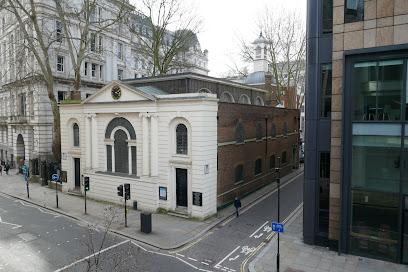
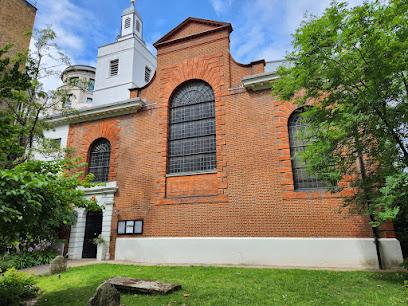
St Anne & St Agnes Church
0.4 km
Discover St Anne & St Agnes Church, a historic City sanctuary blending Dutch-inspired architecture with a vibrant musical legacy.
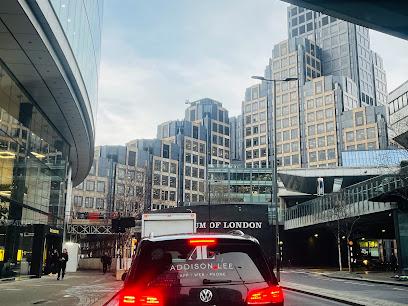
London Wall Museum Of London
0.4 km
Explore the ancient Roman city wall and artefacts at the Museum of London London Wall, a unique historical gem in Barbican.
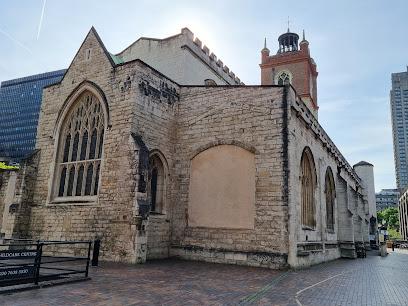
St Giles Cripplegate
0.4 km
Explore St Giles Cripplegate, a historic Anglican church in London's Barbican, rich in culture and architectural beauty, perfect for history lovers.
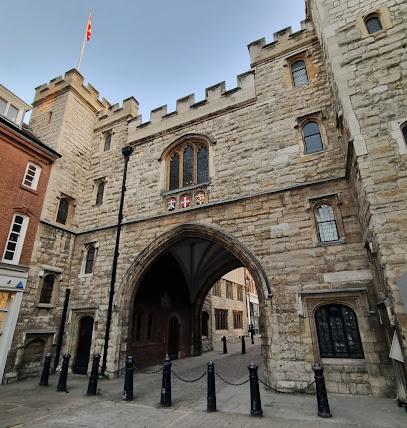
St John's Gate
0.4 km
Discover the medieval gateway of St John's Gate, home to the Knights Hospitaller and the origins of St John Ambulance in historic Clerkenwell.
Essential places to dine

St. John
0.2 km
Experience authentic British nose-to-tail dining in the heart of London’s Barbican at St. John, where tradition meets modern culinary artistry.
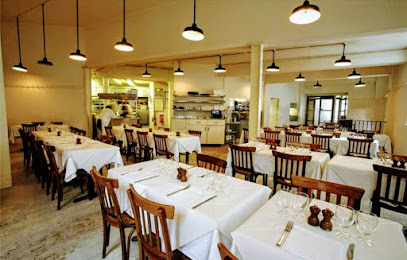
Dans le Noir ? London Restaurant
0.3 km
Experience dining like never before in total darkness, guided by visually impaired waitstaff in a sensory adventure at Dans le Noir ? London.
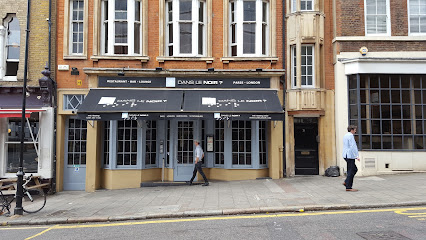
Madison
0.7 km
Stylish rooftop dining and cocktails with breathtaking views of St Paul’s Cathedral and London’s skyline.
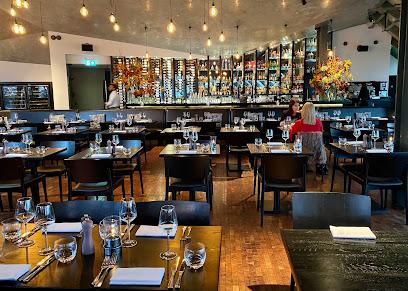
Sea Containers Restaurant
1.3 km
Stylish Modern British dining with iconic Thames views on London’s vibrant Southbank, perfect for brunch, dinner, and special occasions.
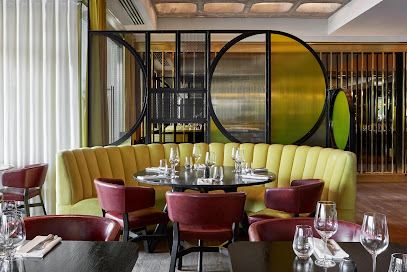
Ikoyi Restaurant
1.3 km
Discover Ikoyi, London’s two-Michelin-starred restaurant blending bold West African spices with British ingredients in an elegant, sensory tasting journey.
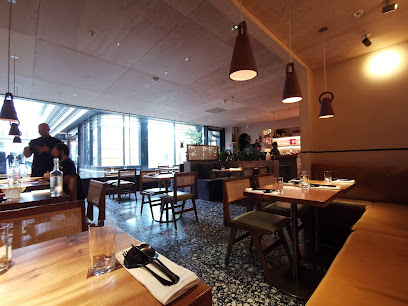
Paradiso Burger & Cocktail Bar Southbank
1.4 km
Vibrant riverside spot in Southbank serving gourmet burgers, cocktails, and bottomless brunch with stunning Thames views.
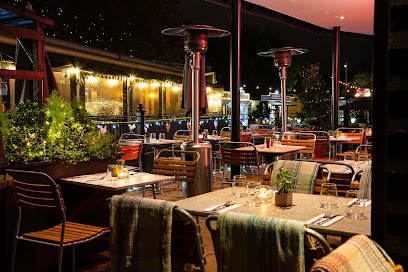
Marugame Udon Middlesex Street
1.5 km
Experience freshly handcrafted Japanese udon and crispy tempura in a lively open kitchen setting at Marugame Udon Middlesex Street, London’s authentic udon destination.
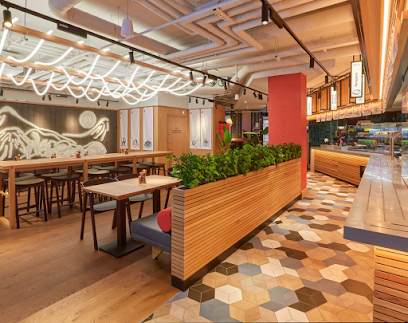
14 Hills
1.5 km
Experience modern British cuisine in a lush, sky-high garden with breathtaking panoramic views over London’s iconic skyline.
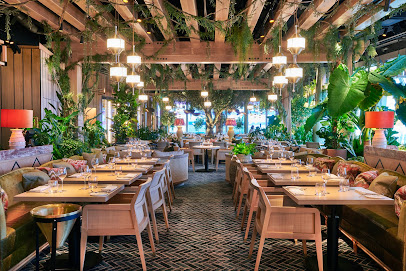
Sarastro
1.5 km
Experience vibrant Mediterranean flavors and live musical theatre in the heart of Covent Garden’s most theatrical restaurant.
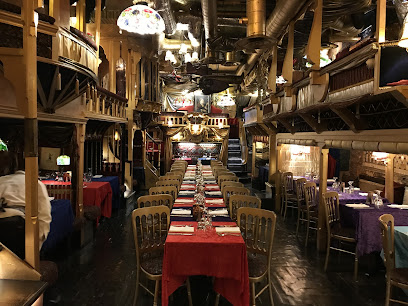
Margot
1.6 km
Sophisticated Italian dining with classic charm and an extensive wine list in the heart of Covent Garden, London.
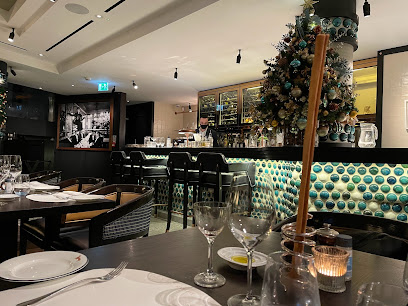
Cicchetti by San Carlo - London Covent Garden
1.6 km
Experience authentic Venetian small plates and seasonal Italian flavors in a stylish, lively Covent Garden setting.
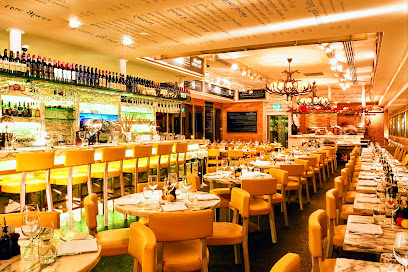
Nest Restaurant Old Street
1.7 km
Intimate Shoreditch gem offering creative British seasonal tasting menus in a cozy, historic setting with a sustainable ethos.
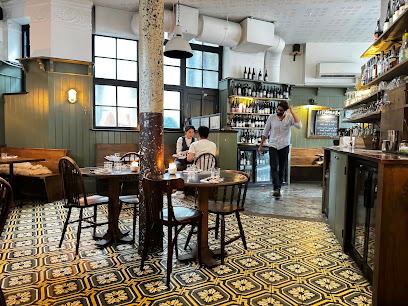
Balthazar
1.7 km
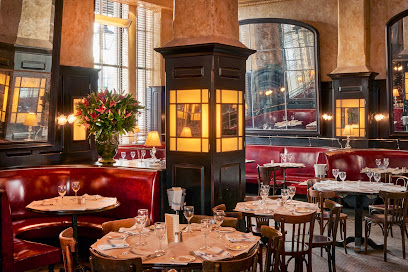
Experience the lively charm of a Parisian brasserie with classic French cuisine in the heart of Covent Garden, London.
Hoa Sen Vietnamese Street Food Restaurant
1.7 km
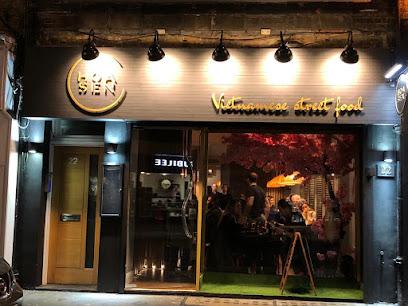
Authentic Vietnamese street food in the heart of Covent Garden, blending vibrant flavors with a lively, cozy atmosphere.
The Clove Club
1.7 km
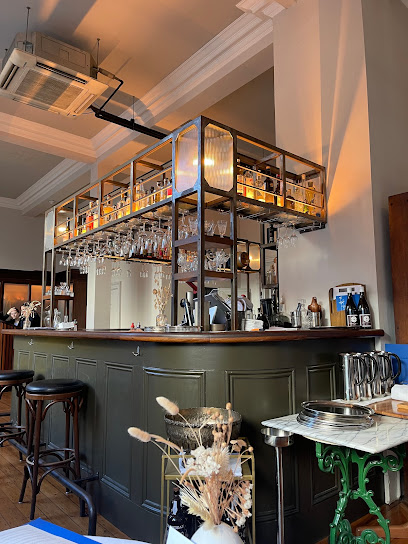
Two Michelin stars meet innovative modern British cuisine in a historic Shoreditch Town Hall setting with a unique urban garden.
Markets, malls and hidden boutiques

Barbican Shop
0.4 km
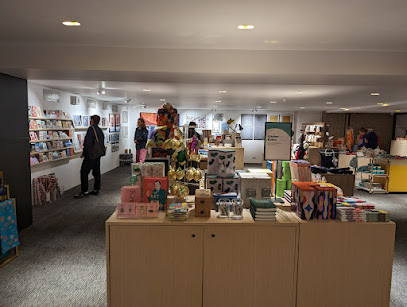
Discover curated art, design, music, and unique gifts at the Barbican Shop, a creative retail haven within London’s iconic Barbican Centre.
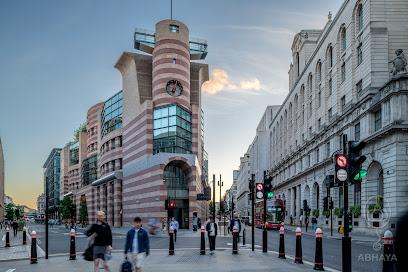
1 Poultry
0.9 km
Iconic postmodern office and retail building with vibrant limestone stripes, a colorful atrium, and a rooftop garden overlooking London’s financial district.
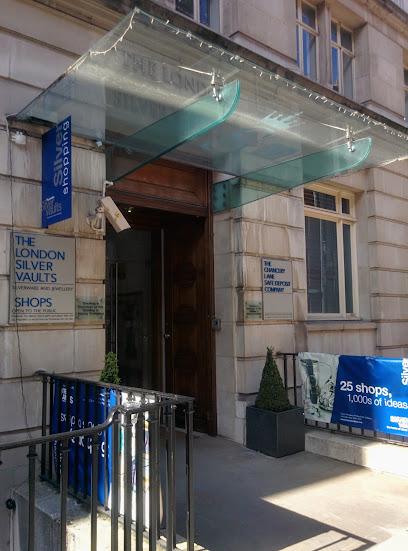
London Silver Vaults
0.9 km
The world's largest underground marketplace for fine antique and contemporary silver, hidden beneath historic Chancery Lane.
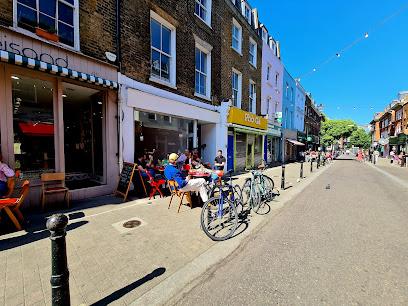
Exmouth Market
1.0 km
Discover Exmouth Market, London’s vibrant street of eclectic eateries, lively bars, and independent shops in the heart of Clerkenwell.
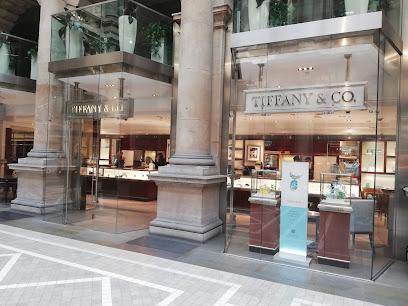
The Royal Exchange
1.0 km
A majestic neoclassical landmark blending 450 years of London’s trading history with luxury shopping in the City’s financial heart.
Unique Gifts
1.1 km
A compact London gift shop filled with original, handpicked presents and quirky souvenirs for those who love something different.
Pop Up Luxury Shop
1.1 km
Exclusive, curated luxury shopping in a stylish London pop-up setting blending fashion innovation with boutique charm.

Twinings - The Strand
1.1 km
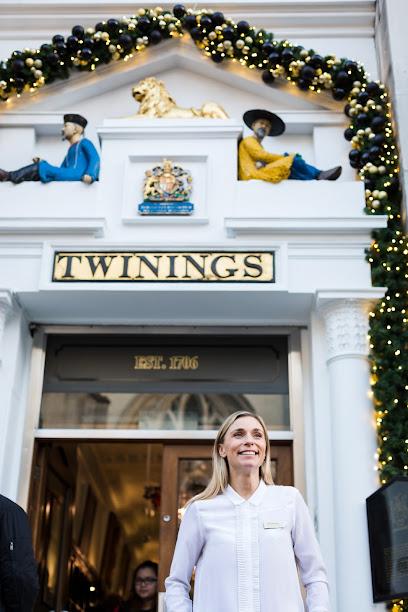
Discover over 300 years of tea heritage at London’s oldest tea shop, featuring historic charm, premium tastings, and a unique museum experience.
not just a shop
1.2 km
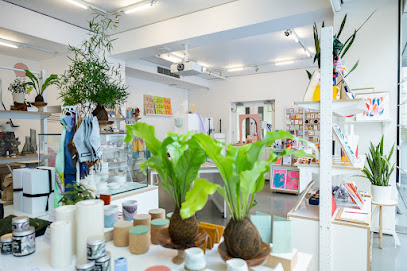
Discover unique, handcrafted art and design by UAL’s students and alumni at this creative retail hub in central London.
Bankside Arches Boutique
1.2 km
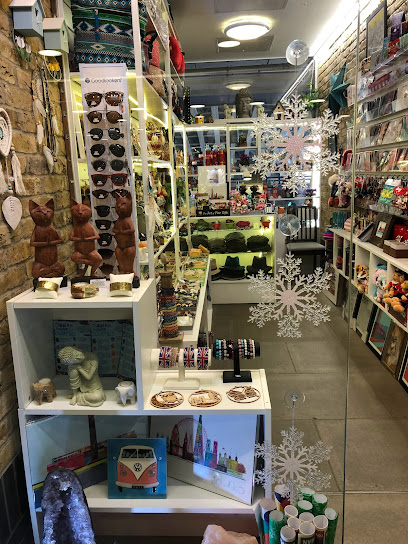
Discover unique London gifts and handcrafted treasures inside Blackfriars Station’s charming Bankside Arches Boutique.
The Store X
1.3 km
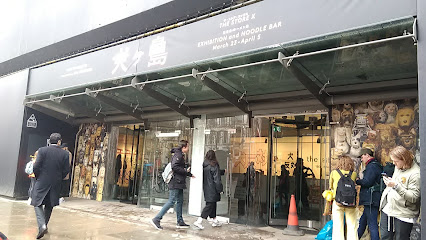
A visionary space where London’s fashion, art, and culture converge in an immersive, innovative experience.
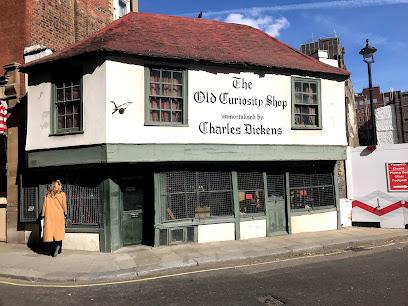
The Old Curiosity Shop
1.3 km
Step into a Tudor-era timbered cottage steeped in Dickensian lore, nestled amidst the vibrant heart of modern London.
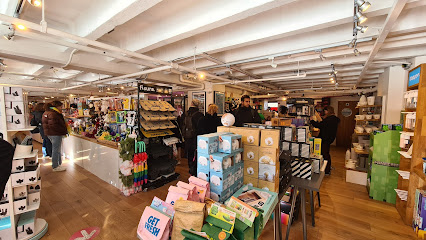
SUCK UK Alternative Gifts (OXO Tower)
1.3 km
Discover quirky, clever gifts and homewares at SUCK UK’s flagship store in London’s iconic OXO Tower.
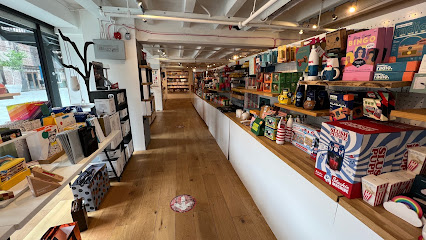
Brand Academy Independent Gift Shop
1.3 km
Dive into a world of whimsical designs and unique finds at this South Bank gem, where global brands meet emerging talents in the heart of Oxo Tower Wharf.
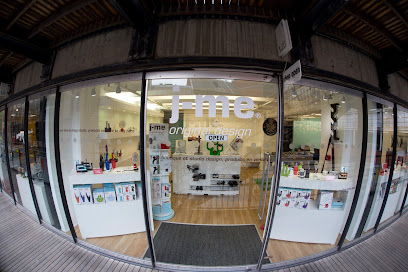
j-me original design ltd
1.4 km
Whimsical designs with a humorous twist from London's Oxo Tower creative hub – quirky home gifts blending fun, function, and British ingenuity.
Essential bars & hidden hideouts

Punch Tavern
0.7 km
Historic Victorian Gin Palace on Fleet Street, famed for its Punch magazine heritage and vast gin selection in the heart of London.
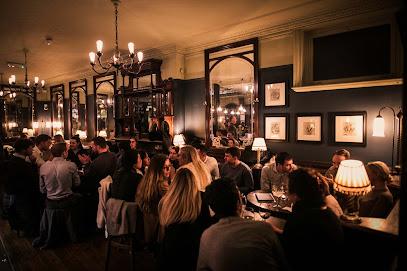
Black Parrot
0.7 km
Discover London’s top rum bar with expertly crafted cocktails, immersive masterclasses, and a lively yet intimate atmosphere in Bride Court.
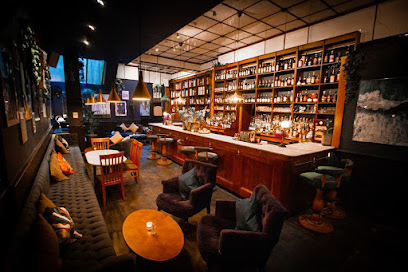
Flight Club Shoreditch
1.0 km
Experience the vibrant social darts scene with great food, cocktails, and fun at Flight Club Shoreditch in East London.
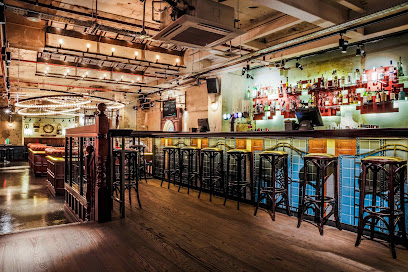
The Old Bank of England
1.0 km
Historic Victorian pub on Fleet Street housed in a former Bank of England branch with grand interiors and legendary London tales.
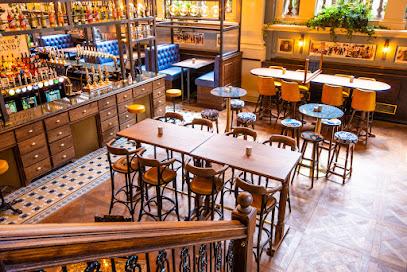
Aviary
1.0 km
Elegant rooftop dining with botanical cocktails and panoramic London skyline views in the heart of Finsbury Square.
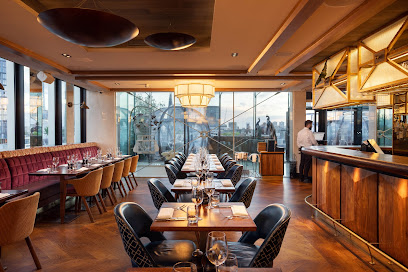
Demon, Wise & Partners
1.0 km
Classic basement cocktail bar blending historic City charm with expert mixology in London’s financial district.
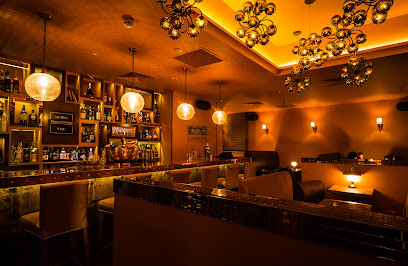
The Cocktail Club - Cocktail Bar near Old Street
1.1 km
A vibrant and stylish cocktail bar in London’s Old Street area, known for creative drinks and a lively urban atmosphere.
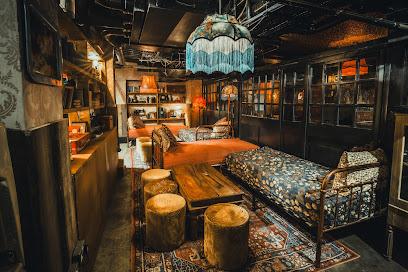
Old Fountain
1.2 km
Historic family-run freehouse in Old Street, London, famed for award-winning ales, hearty British food, and a stylish rooftop terrace.
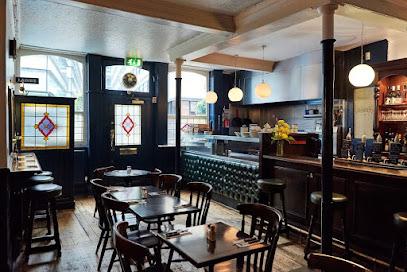
Nightjar Shoreditch
1.2 km
Step into Nightjar Shoreditch, a hidden gem where Prohibition-era cocktails meet live jazz in an intimate, vintage-inspired setting.
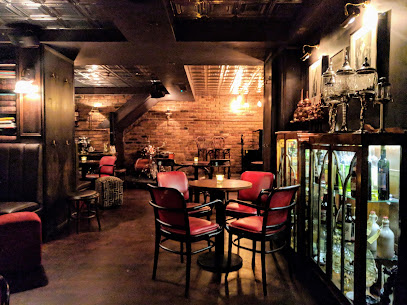
Doggett's Coat and Badge
1.2 km
A large, riverside Nicholson’s pub on Blackfriars Bridge offering classic British fare, real ales and a rooftop terrace with strong Thames views.
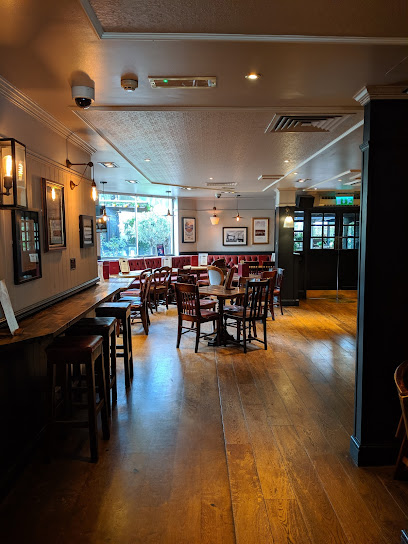
The Duke
1.2 km
A classic Bloomsbury pub offering warm hospitality, traditional drinks, and hearty British fare in a cozy setting.
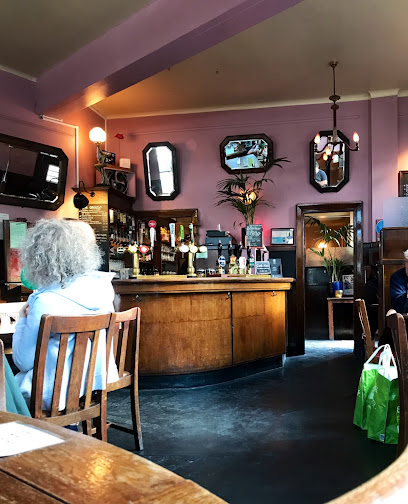
Simmons Bar | Old Street
1.3 km
A retro-inspired cocktail bar in Shoreditch offering creative drinks and a lively, youthful nightlife atmosphere.
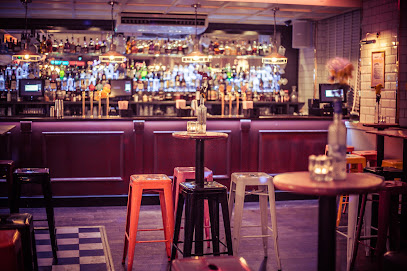
The Craft Beer Co. Old Street
1.3 km
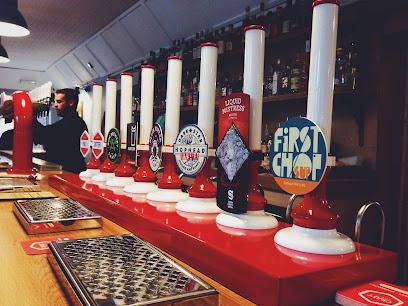
A vibrant London pub offering a top-tier selection of craft beers served with expert care in a casual, retro setting.
Lyaness
1.3 km
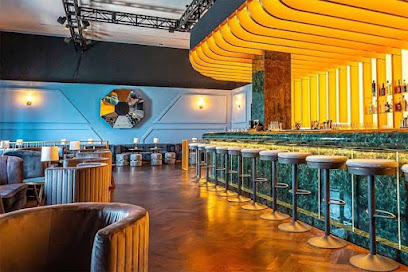
Innovative cocktails and sustainable mixology with stunning Thames views in London’s stylish South Bank hotspot.
The Cocktail Club - Cocktail Bar near Monument
1.3 km
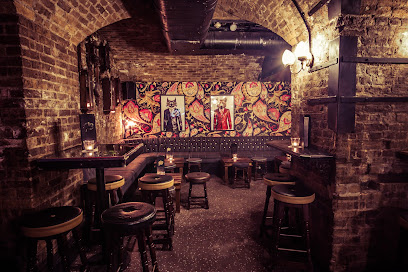
Vibrant underground cocktail bar near Monument, blending creative drinks with a lively, speakeasy-style party atmosphere.
Nightclubs & after hour spots

London Best Night Clubs
0.5 km
Experience London’s legendary Ministry of Sound, where cutting-edge sound meets dynamic club culture in a multi-room dance haven.
The Steel Yard
1.2 km
Experience London’s premier industrial-chic nightclub set in historic Victorian railway arches, with world-class sound and late-night energy until 6am.
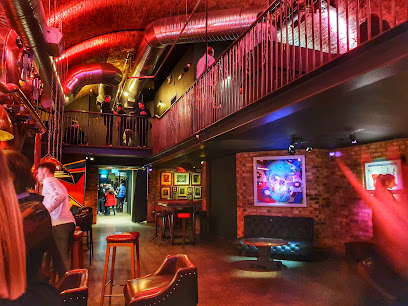
XOYO LONDON
1.2 km
Experience Shoreditch’s iconic XOYO, where cutting-edge DJs and vibrant nightlife create an unforgettable London clubbing atmosphere.

Carwash Nightclub
1.5 km
Experience Europe’s longest-running disco club in London’s West End, where retro beats, vibrant crowds, and themed parties create unforgettable nights.
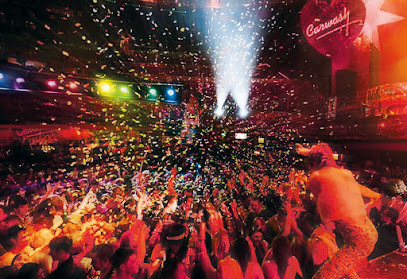
The Hoxton Pony
1.5 km
Edgy Shoreditch cocktail bar and nightclub blending vintage style with vibrant nightlife energy in East London.

Trafik
1.6 km
Shoreditch’s dynamic nightclub with underground beats, two floors of dancing, and a late licence for unforgettable nights.

Proud Late
1.6 km
Dive into two-storey glamour under Waterloo Bridge: cabaret acrobatics, burlesque dazzle, supper feasts, and non-stop clubbing till 5am in London's West End nightlife epicenter.
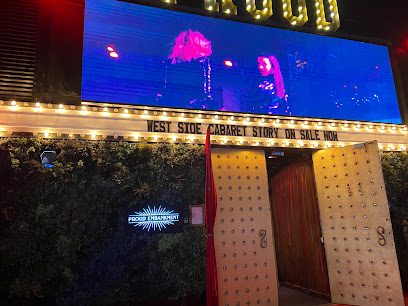
Bunga Bunga Covent Garden
1.6 km
A neon-soaked, pizza-and-karaoke supper club under Drury Lane — 90s nostalgia, stage shows and shareable Italian feasts.
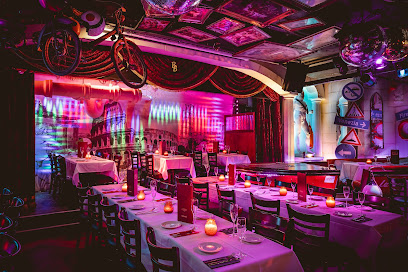
Basing House - Shoreditch
1.9 km
An intimate Shoreditch nightclub with top electronic beats, a Funktion One sound system, and a lively rooftop bar under the London skyline.
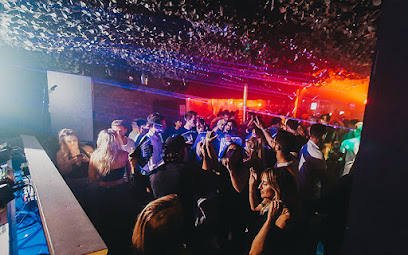
The Roxy
1.9 km
Soho's unbeatable happy hour cocktail bar by day, pulsing nightclub with live music and DJ nights till 3am—affordable vibes in London's nightlife heart.
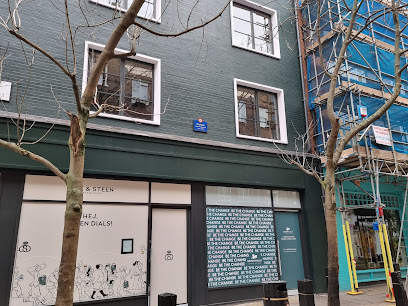
Comedy Carnival Covent Garden
1.9 km
London's premier stand-up comedy venue showcasing bold, award-winning international comedians in vibrant Covent Garden.

Whatdafunk Presents West End Urban Disco
2.1 km
Dive into London's grooviest urban disco beats at Whatdafunk, where Covent Garden's streets pulse with funk, soul, and non-stop dance energy in the heart of the West End.
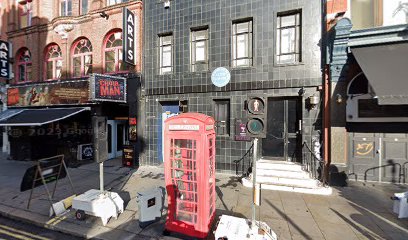
The Ivy Club
2.1 km
Art-Deco‑tinged members’ club above The Ivy — piano bars, discreet private dining and polished West End glamour.
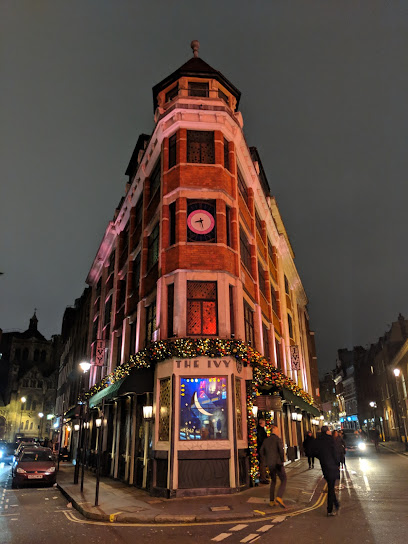
Covent Garden Social Club
2.1 km
Discover Covent Garden Social Club: a lively cocktail bar blending exquisite drinks, comedy, and live music for an unforgettable night out in London.
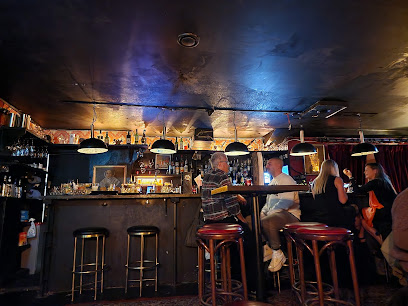
Heaven
2.1 km
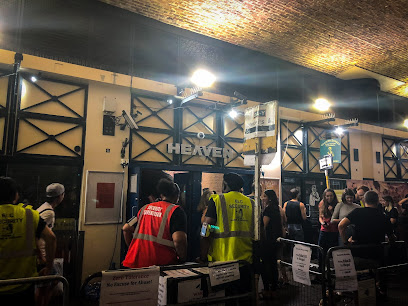
London’s iconic gay superclub under the railway arches — big nights, loud music, drag, and late finishes in the heart of the West End.
For the vibe & atmosphere seeker
- Romantic
- Tranquil
- Scenic
- Unique
- Casual
For the design and aesthetic lover
- Vintage Styles
- Rustic Designs
For the architecture buff
- Historic
- Landmarks
- Heritage Neighborhoods
- Sacred Sites
For the view chaser and sunset hunter
- Iconic Views
For the social media creator & influencer
- Instagrammable
- Photo Spots
- Architectural Shots
For the eco-conscious traveler
- Protected Area
- Locally Managed
For the kind of experience you’re after
- Spiritual / Energy Spot
- Myth & Legends
- Cultural Heritage
- Photowalk
- Day Trip
For how adventurous you want the journey to be
- Easy Access
Location Audience
- Family Friendly
- Senior Friendly
- Child Friendly
- Wheelchair Access
- Solo Friendly
- Couple Friendly


