

Royal Naval Division War Memorial, Horse Guards Parade, London
A solemn Lutyens-designed fountain and obelisk memorial honoring the Royal Naval Division’s WWI sacrifices on historic Horse Guards Parade.
The Royal Naval Division War Memorial, located on Horse Guards Road in central London, is a distinguished First World War monument designed by Sir Edwin Lutyens. Unveiled in 1925 to honor the 63rd (Royal Naval) Division's fallen, it uniquely combines an obelisk with a fountain. The memorial has a complex history, having been moved during WWII and later reinstalled near its original site, symbolizing the valor and sacrifice of naval personnel who fought as soldiers during the Gallipoli campaign and beyond.
A brief summary to Royal Naval Division War Memorial
- Horse Guards Road, London, SW1A 2PA, GB
- Duration: 0.5 to 1.5 hours
- Free
-
 Outdoor
- Mobile reception: 5 out of 5
- Monday 8 am-8 pm
- Tuesday 8 am-8 pm
- Wednesday 8 am-8 pm
- Thursday 8 am-8 pm
- Friday 8 am-8 pm
- Saturday 8 am-8 pm
Local tips
- Visit on April 25 to coincide with the Gallipoli anniversary, when commemorative events often take place.
- Explore nearby Horse Guards Parade and Admiralty buildings to appreciate the memorial’s historic setting.
- Combine your visit with other military memorials in central London for a comprehensive remembrance experience.
- Observe the detailed carvings and fountain elements designed by Lutyens and Eric Broadbent for artistic insight.

For the on-the-go comforts that matter to you
- Information Boards
- Seating Areas
- Trash Bins
- Restrooms
Getting There
-
London Underground
Take the Westminster or St James's Park stations, both about a 10-15 minute walk from Horse Guards Parade. Stations are served by multiple lines including Jubilee, District, and Circle. Tickets cost £2.50-£6 depending on zones and travelcard options.
-
Bus
Several London bus routes stop near Horse Guards Road, including routes 11, 24, 148, and 211. Buses run frequently throughout the day with fares starting at £1.65 with an Oyster or contactless card.
-
Walking
From Trafalgar Square or Westminster, walking to the memorial takes approximately 10-15 minutes on mostly flat, paved streets suitable for wheelchairs and strollers.
Royal Naval Division War Memorial location weather suitability
-
 Any Weather
-
 Clear Skies
-
 Mild Temperatures
-
 Rain / Wet Weather
Discover more about Royal Naval Division War Memorial
Origins and Commemoration of the Royal Naval Division
The Royal Naval Division War Memorial commemorates the members of the 63rd (Royal Naval) Division who lost their lives during the First World War. This division was unique in that it comprised naval personnel who fought as infantry soldiers, notably suffering heavy casualties during the Gallipoli campaign in 1915. The memorial was commissioned by former members of the division, led by Brigadier-General Arthur Asquith, to honor the sacrifice and distinguished service of these men. It stands as a poignant reminder of the naval forces’ contribution to land battles during the war.Design by Sir Edwin Lutyens and Symbolic Elements
Designed by renowned architect Sir Edwin Lutyens, the memorial takes the unusual form of a fountain integrated with an obelisk, blending commemorative sculpture with functional design. The fountain is connected to the balustrade of the Admiralty Extension building, symbolizing the link between the naval heritage and the land forces. Carvings by Eric Broadbent adorn the structure, adding artistic detail that enhances its solemnity. Lutyens’ design reflects both the gravity of loss and the enduring spirit of those commemorated.Unveiling and Early History
The memorial was unveiled on April 25, 1925, exactly ten years after the Gallipoli landings, by Major-General Sir Archibald Paris, the division’s first commanding officer. Winston Churchill, who was instrumental in creating the division, delivered a speech praising the memorial and the division’s record. Initially placed on Horse Guards Parade, the memorial became a focal point for remembrance of the Royal Naval Division’s sacrifices.Relocation and Preservation During and After WWII
In 1939, with the construction of the Admiralty Citadel, the memorial was dismantled and moved into storage to protect it from wartime damage. It was kept first at a stone masonry yard in Nine Elms and later at the Royal Hospital Chelsea. After the war, the Ministry of Works decided the memorial could not return to its original site. Following advocacy by the Royal Naval Division Association, it was re-erected in 1951 in the grounds of the Royal Naval College, Greenwich, where it remained relatively obscure for decades.Return to Horse Guards Parade and Current Significance
After the closure of the Royal Naval College in the late 1990s, a campaign successfully relocated the memorial back to Horse Guards Parade, its original vicinity, where it was unveiled again in 2003. Situated in the north-western corner near the Admiralty Citadel and the Old Admiralty Building, it stands as a solemn and historic landmark. The memorial continues to honor the bravery and sacrifice of the Royal Naval Division, serving as a place of reflection and remembrance in the heart of London.Architectural and Cultural Context
The memorial is Grade II* listed, recognizing its architectural and historic importance. Its location on Horse Guards Parade places it among other significant military and naval monuments, contributing to the rich commemorative landscape of central London. The fountain’s design by Lutyens, famed for his war memorials, adds to the cultural heritage, blending artistry with remembrance. The memorial also symbolizes the unique naval infantry role during WWI, bridging naval and land military histories.Iconic landmarks you can’t miss

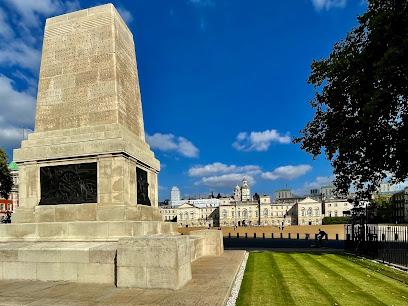
Guards Memorial
0.1 km
A solemn tribute to the valor and sacrifice of the Guardsmen who fell in World War I, set amidst London’s historic ceremonial heart.
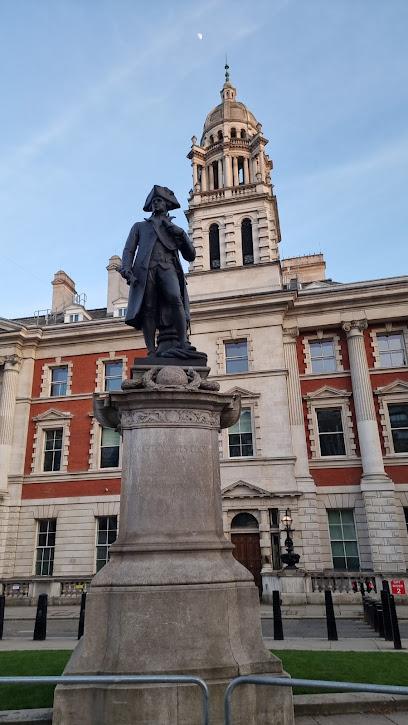
Captain James Cook
0.1 km
Bronze tribute to the explorer who charted the Pacific and shaped the British Empire
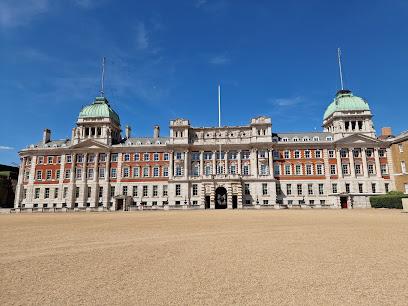
Old Admiralty Building
0.1 km
Historic heart of Britain’s naval command, blending grand architecture with pivotal moments in London’s maritime legacy.
Royal Marines Memorial
0.1 km
A stirring bronze tribute on The Mall honoring Royal Marines’ sacrifice in China and South Africa, blending art and history in London’s ceremonial heart.
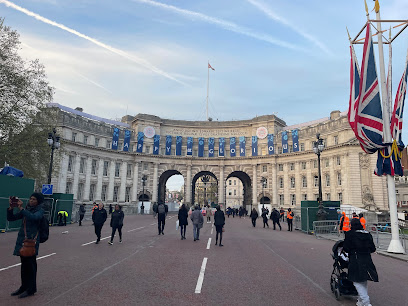
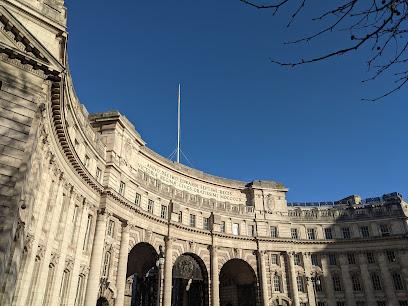
Admiralty Arch
0.2 km
A majestic Edwardian gateway linking Trafalgar Square to Buckingham Palace, embodying Britain's royal heritage and naval history.
16-18 Whitehall
0.2 km
Explore 16-18 Whitehall, the historic site of England’s grandest royal palace and home to the stunning Banqueting House, a masterpiece of classical architecture.

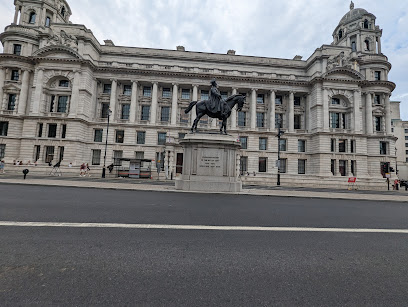
George Duke of Cambridge statue
0.2 km
A commanding bronze tribute to Prince George, Duke of Cambridge, standing proudly on Whitehall amidst London’s historic military heart.
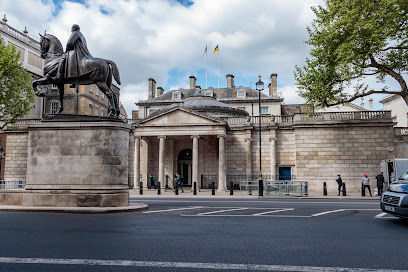
Dover House
0.2 km
Historic neoclassical mansion on Whitehall, home to the Scotland Office with a unique rotunda entrance and rich aristocratic past.
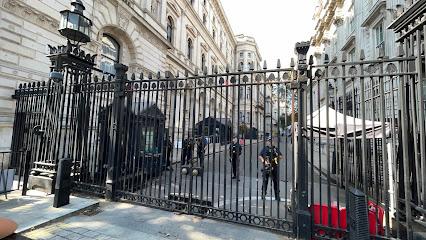
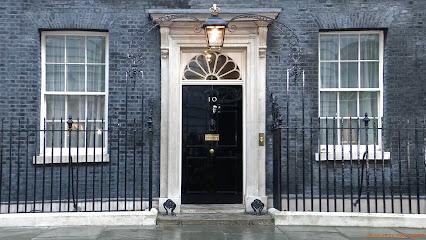
10 Downing St
0.2 km
Discover the historic seat of British leadership, where iconic moments and political power converge behind the famous black door.
10 Downing Street
0.2 km
Iconic London residence and office of the UK Prime Minister, steeped in centuries of political history and power.
Obelisk Charles James Napier
0.3 km
A contested monument to a complex military figure in London's most iconic public square.
Equestrian statue of Edward Ⅶ
0.3 km
Majestic bronze tribute to King Edward VII in the heart of London’s historic Waterloo Place, blending regal artistry with imperial heritage.
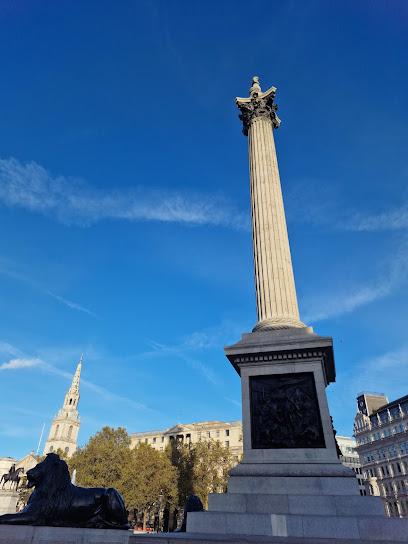
Nelson's Column
0.3 km
A towering tribute to Admiral Nelson’s naval triumph, standing proudly at the heart of London’s historic Trafalgar Square.
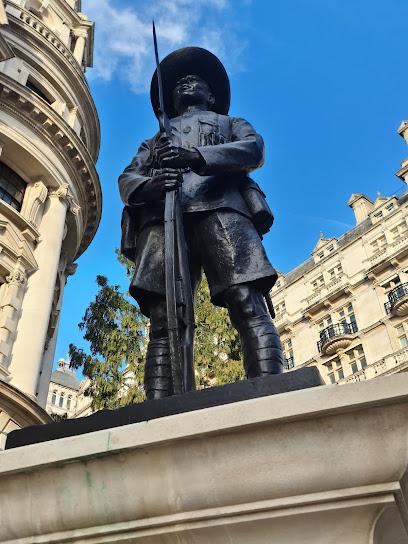
The Gurkha Soldier Statue
0.3 km
A solemn tribute to the fearless Gurkha soldiers guarding Britain’s legacy on Horse Guards Avenue.
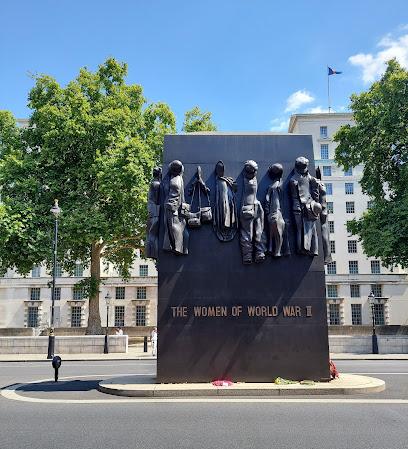
The Women of World War II
0.3 km
A powerful bronze tribute in Whitehall honoring over seven million British women’s vital roles during World War II.
Unmissable attractions to see

The Household Cavalry Museum
0.1 km
Explore the living history and pageantry of Britain’s elite Household Cavalry at their historic London headquarters.
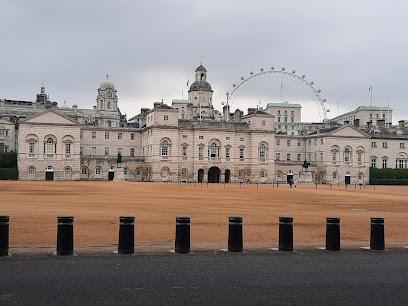
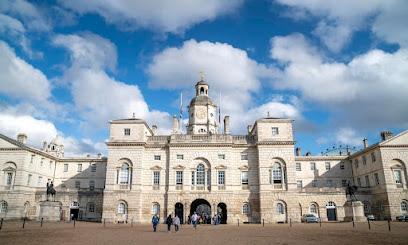
Horse Guards Parade
0.1 km
Historic ceremonial parade ground in London’s Whitehall, famed for royal pageantry and military tradition since the 16th century.
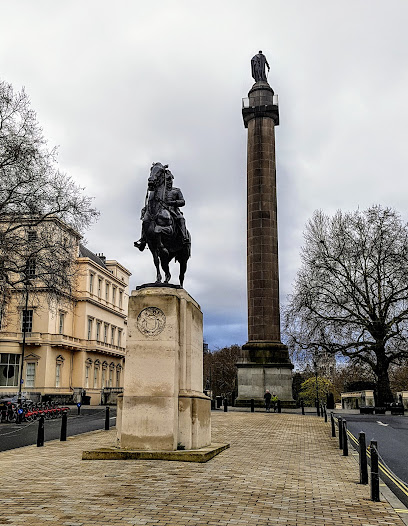
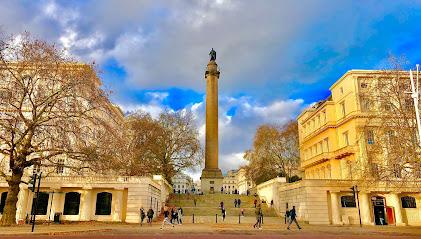
Duke of York Column
0.2 km
A towering granite column in London honoring the Duke of York’s military legacy, crowned with a grand bronze statue atop historic Waterloo Place.
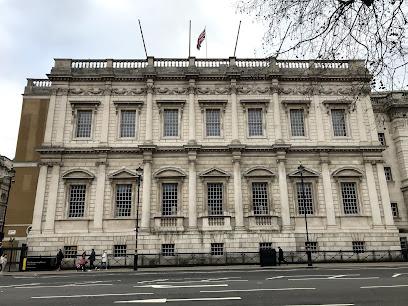
Banqueting House
0.2 km
Explore London's Banqueting House, a Palladian masterpiece with Rubens' ceiling and the historic site of King Charles I’s execution.
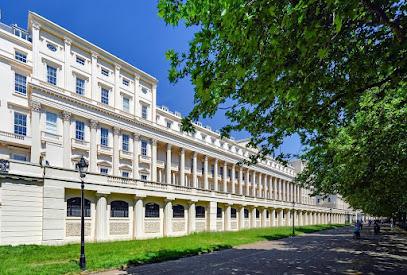
Carlton House Terrace
0.2 km
Elegant Georgian terraces on historic royal grounds, showcasing Regency architecture and London’s aristocratic heritage.
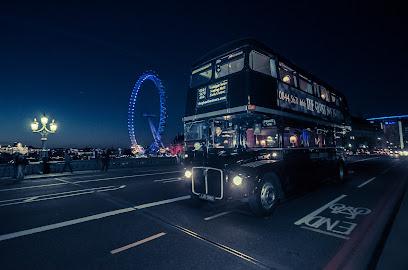
The Ghost Bus Tours
0.3 km
Dark comedy meets London history on a theatrical double-decker bus tour through the capital's most sinister stories.
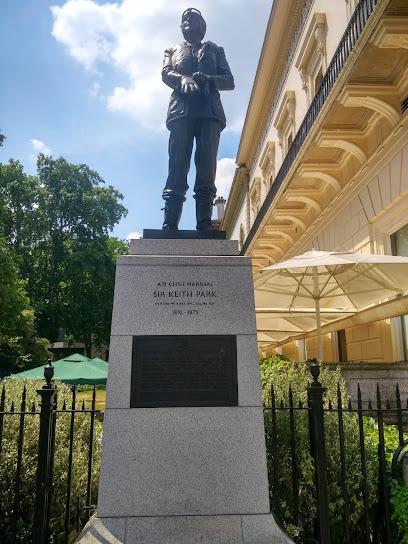
Sir Keith Park statue
0.3 km
Honoring Air Chief Marshal Sir Keith Park, the Defender of London during WWII’s Battle of Britain, through a striking bronze statue in central London.
Canada House
0.3 km
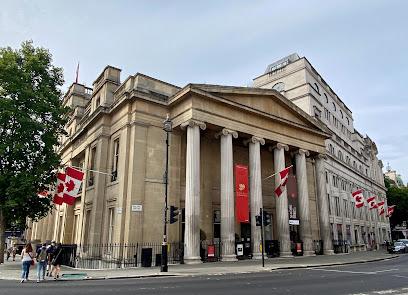
Canada House: Historic Greek Revival architecture meets vibrant Canadian culture in the heart of London’s Trafalgar Square.
Trafalgar Square
0.3 km
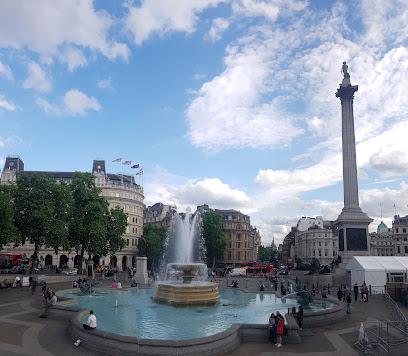
Experience the vibrant culture and rich history at Trafalgar Square, London's iconic public square and cultural hub.
Waterloo Pl
0.3 km
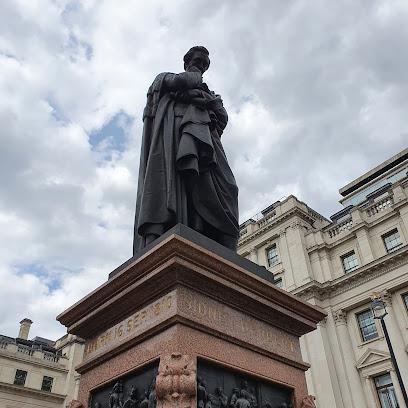
Elegant London street rich with historic monuments, grand architecture, and cultural vibrancy in the heart of St James’s.
Grand Building
0.3 km
A grand Victorian landmark on the Strand, transformed from a luxury hotel into a vibrant cultural and community hub in the heart of London.
The Fourth Plinth
0.3 km
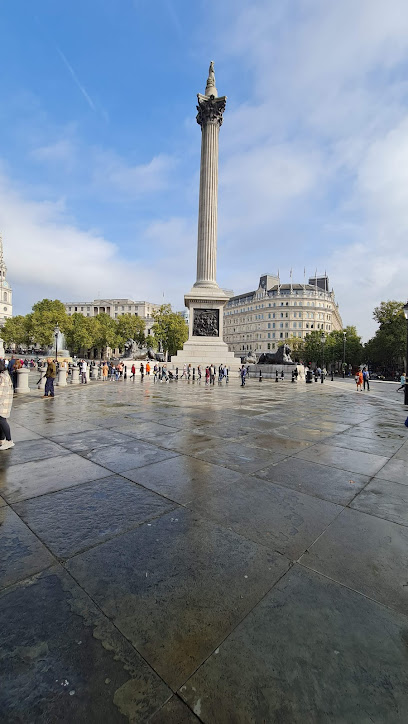
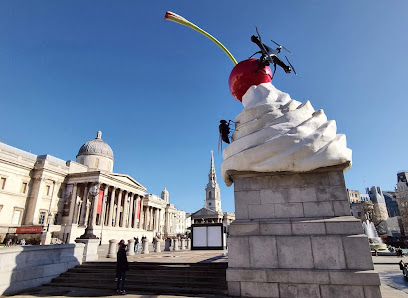
A historic plinth transformed into a world-famous stage for cutting-edge contemporary art in the heart of London’s Trafalgar Square.
Carlton Gardens
0.3 km
Elegant Regency architecture and serene gardens meet rich wartime history in the heart of London’s prestigious Carlton Gardens.
5 Trafalgar Sq
0.3 km
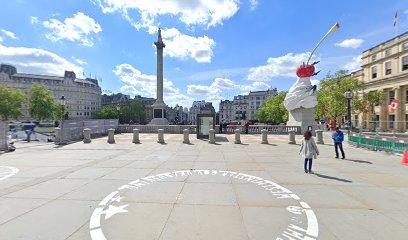
London’s iconic Trafalgar Square: a historic public plaza celebrating naval triumphs and vibrant civic life in the city’s heart.
London by Night Tours
0.3 km
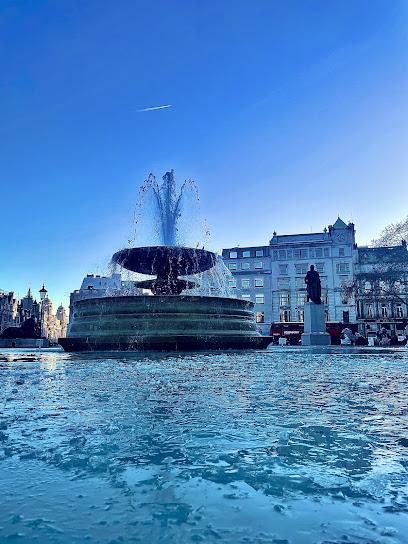
Discover London’s iconic landmarks aglow with night lights on an engaging open-top bus tour departing from historic Trafalgar Square.
Essential places to dine

Ekstedt at The Yard
0.2 km
Experience Nordic wood-fired cuisine by Michelin-starred chef Niklas Ekstedt in the historic Great Scotland Yard Hotel, blending ancient fire cooking with British seasonal ingredients.
Wild Honey St James
0.3 km
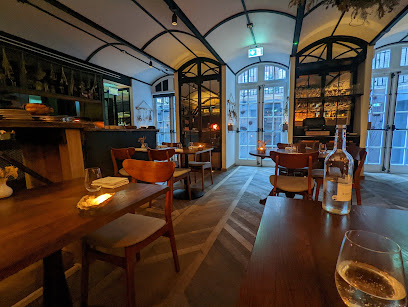
Michelin-starred French-influenced cooking in a Grade II-listed banking hall, where refined technique meets understated elegance.
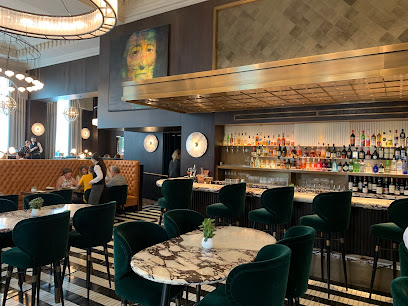
The Garden
0.4 km
A Mediterranean-inspired garden oasis offering refined seafood and elegant dining in the heart of London’s Corinthia Hotel.
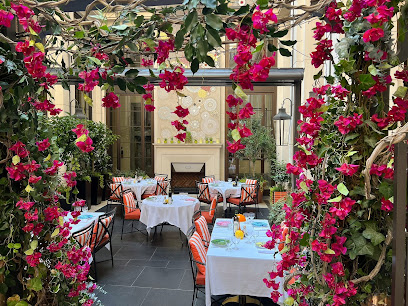
The Northall
0.4 km
Refined British dining with seasonal flair in a grand, elegant setting at Corinthia London’s distinguished restaurant.
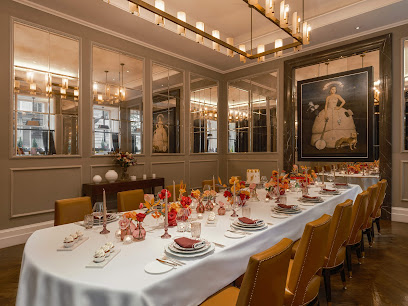
Bustronome London
0.6 km
Dine in luxury aboard a panoramic double-decker bus while touring London’s iconic landmarks with gourmet cuisine and fine wines.
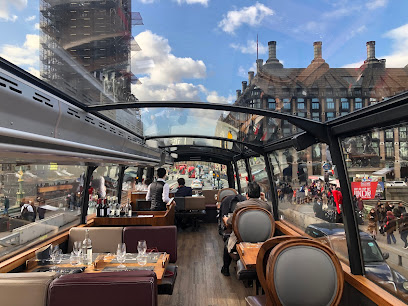
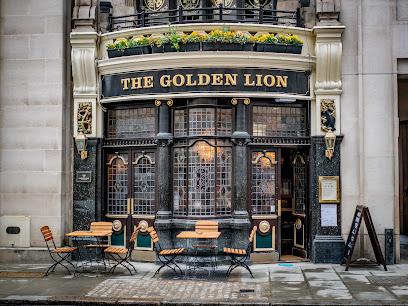
Golden Lion
0.6 km
Historic 1690s pub in St James's offering classic British fare, rich heritage, and a warm, family-friendly atmosphere near Buckingham Palace.
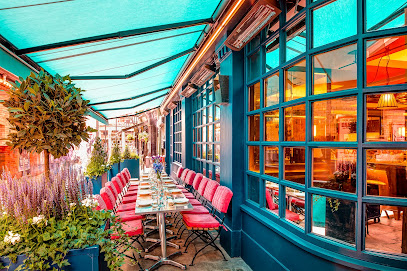
J Sheekey
0.6 km
Classic British seafood excellence in Covent Garden’s elegant, theatre-adjacent dining gem.
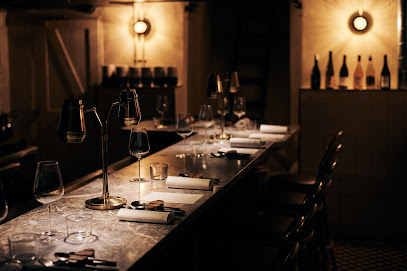
Evelyn's Table
0.7 km
Discover Evelyn's Table, a Michelin-starred, intimate dining counter in Soho offering inventive British cuisine with French and Japanese flair.
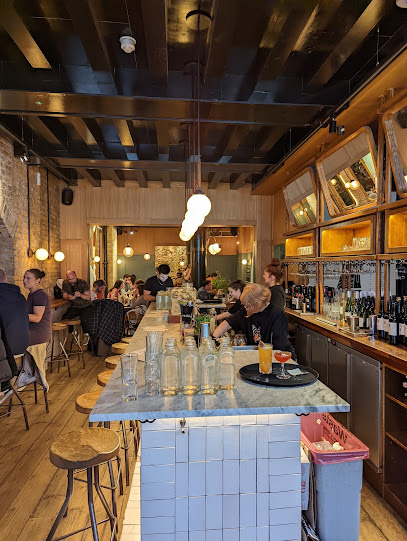
Flat Iron Covent Garden
0.7 km
Savor expertly crafted flat iron steaks in a historic Covent Garden setting, complete with rustic charm and a signature ice cream treat.
The Pem
0.7 km
Elegant modern British dining in Westminster, honoring heritage with exquisite seasonal menus and refined ambiance.
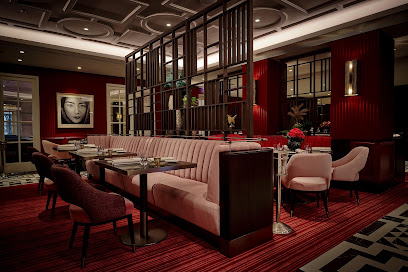
Great British Restaurant
0.7 km
Elegant British dining in the heart of St James’s, blending traditional flavors with modern sophistication in a tranquil hotel setting.
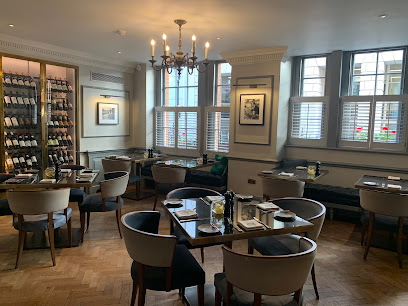
Quaglino's
0.7 km
Glamorous basement brasserie with live music, cocktails, and theatrical dining in St. James's.
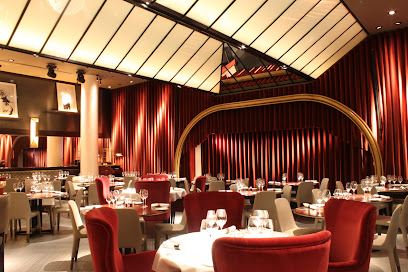
Rules
0.7 km
London’s oldest restaurant since 1798, Rules serves timeless British classics in an elegant, historic Covent Garden setting.
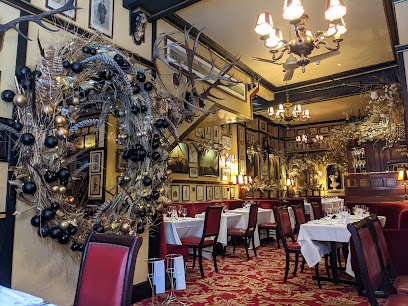
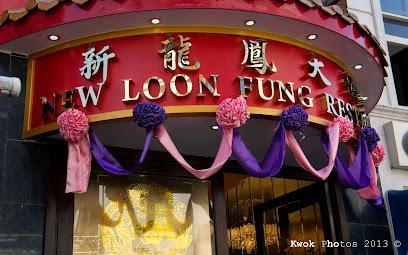
New Loon Fung Restaurant
0.7 km
Experience authentic Cantonese dim sum and classic Chinese dishes in one of Chinatown’s largest, long-standing restaurants on bustling Gerrard Street.
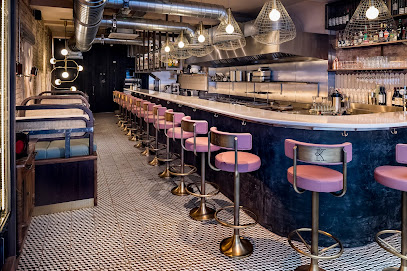
Kricket Soho
0.7 km
Discover bold, modern Indian small plates in a lively Soho setting with an open kitchen and vibrant basement dining.
Markets, malls and hidden boutiques

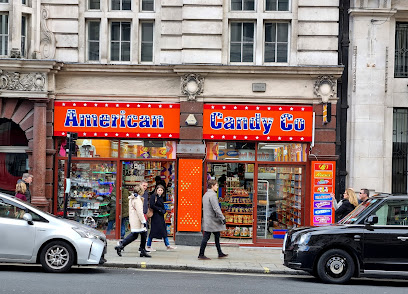
Crest of London Ltd
0.2 km
Discover authentic London souvenirs and local crafts at Crest of London Ltd, your premier gift shop in historic Whitehall.
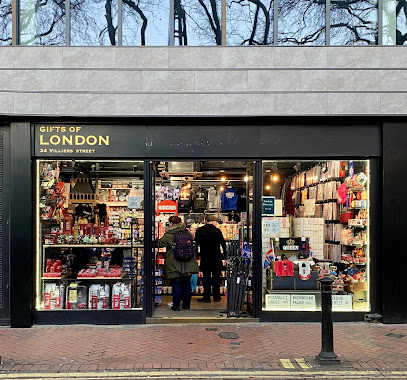
Gifts of London
0.5 km
Discover unique souvenirs and gifts that embody the spirit of London at Gifts of London, your perfect shopping destination.
Houses of Parliament Shop
0.5 km
Discover parliamentary pride in souvenirs, books, and gifts at this cozy Bridge Street boutique, steps from Westminster's iconic halls.
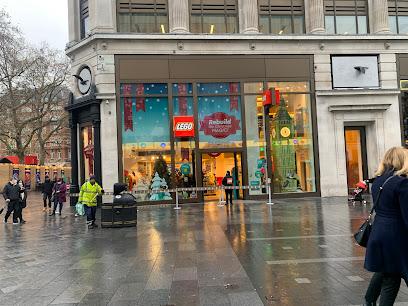
The LEGO® Store Leicester Square
0.6 km
Explore the world’s largest LEGO® Store in Leicester Square, London—two floors of interactive fun, iconic models, and endless creativity.
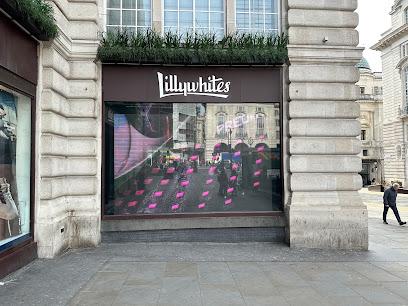
Lillywhites
0.6 km
London's iconic sports megastore at Piccadilly Circus—where athletic excellence meets retail tradition.
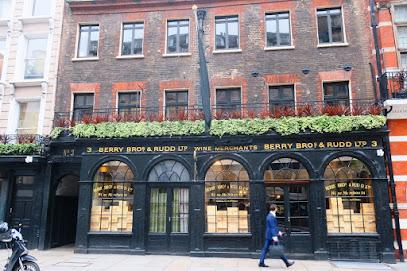
Berry Bros. & Rudd Wine Shop
0.6 km
London’s oldest family-run wine merchant since 1698, blending royal tradition with expert wine and spirits in a historic Pall Mall setting.
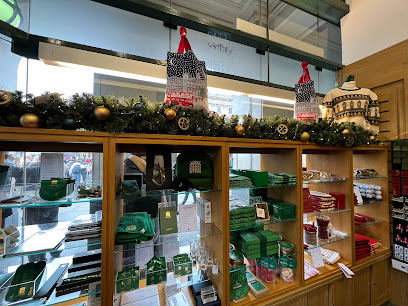
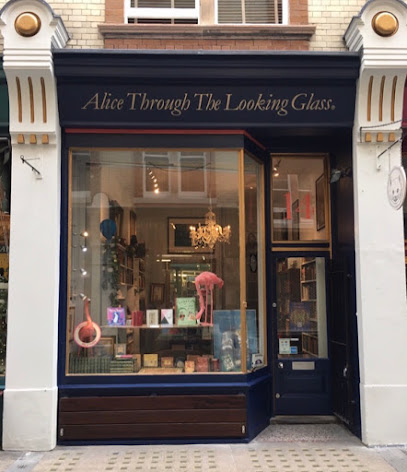
Alice Through The Looking Glass
0.6 km
Step into a whimsical world of antiques, art, and literary treasures inspired by Alice in Wonderland in the heart of London’s Cecil Court.
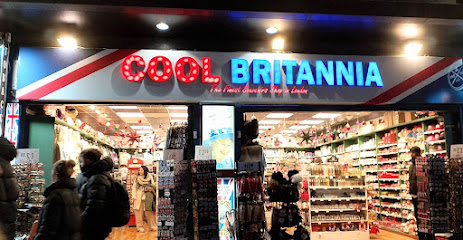
Cool Britania
0.6 km
Discover authentic British souvenirs and capture timeless memories at Cool Britannia, Leicester Square’s premier gift and photography shop.
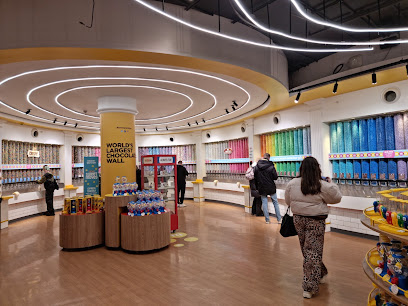
M&M'S London
0.6 km
Experience the colorful world of M&M'S London, where candy dreams come true with personalized treats and vibrant merchandise.
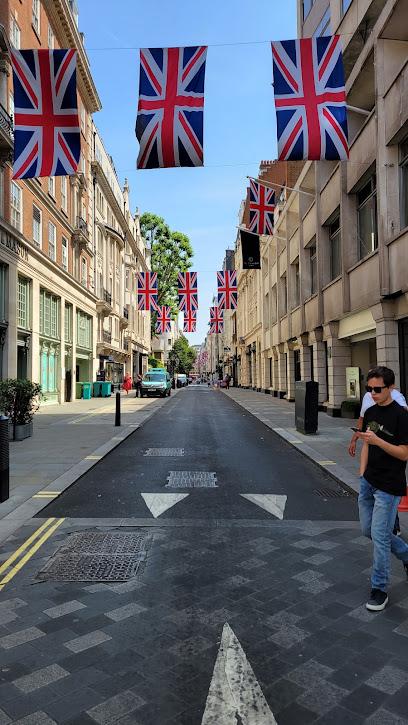
Jermyn St
0.6 km
Discover Jermyn Street, London’s historic menswear enclave blending timeless craftsmanship with contemporary style and refined elegance.
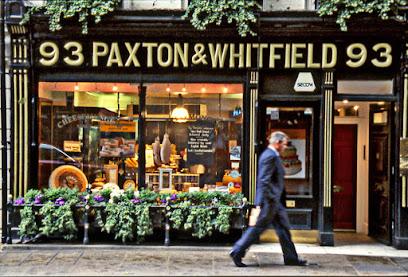
Paxton & Whitfield Ltd
0.6 km
London’s oldest cheesemonger, serving artisan cheese with royal heritage and timeless charm.
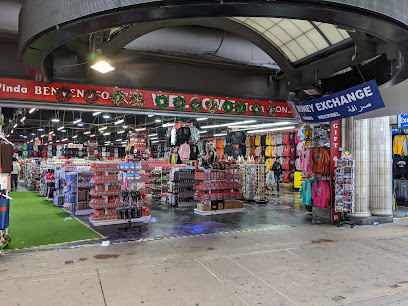
Glorious London Gift & Souvenir
0.6 km
Discover unique souvenirs and gifts that embody the spirit of London at Glorious London Gift & Souvenir, a must-visit shopping destination.
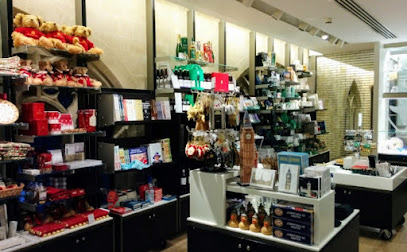
Jubilee Shop (Houses of Parliament Gift Shop)
0.6 km
Discover exclusive British political gifts and souvenirs inside the historic Westminster Hall at the Jubilee Shop, Houses of Parliament.
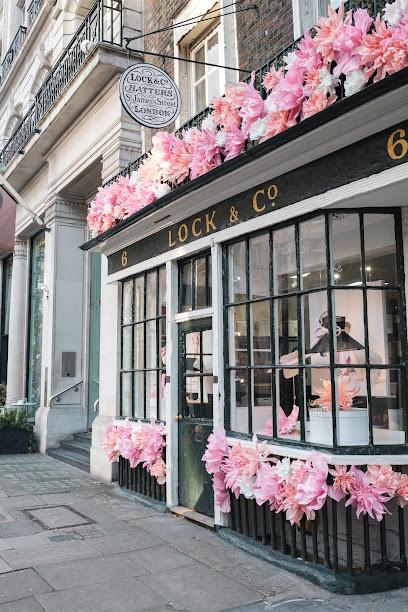
Lock & Co. Hatters
0.6 km
Discover the world’s oldest hat shop, where centuries of British style and craftsmanship come to life in the heart of London.
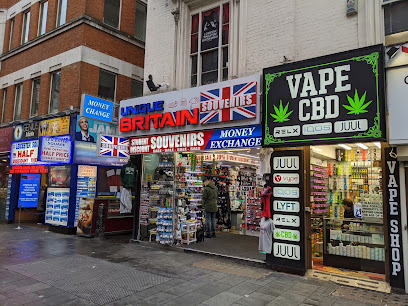
Unique Britain
0.6 km
Discover authentic British souvenirs and artistic keepsakes in the heart of London’s lively West End on historic Cranbourn Street.
Essential bars & hidden hideouts

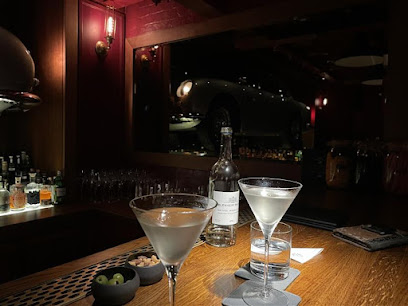
The Spy Bar
0.2 km
Step into London’s secret subterranean bar where espionage history meets masterful cocktails and exclusive, no-photos privacy.
Old Shades
0.2 km
Historic Whitehall pub pouring cask ales and pub classics since 1898, steps from Trafalgar Square—a true taste of London tradition.
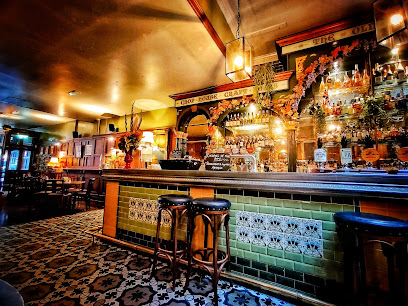
The Red Lion, Parliament Street
0.4 km
A venerable Westminster corner pub — late‑Victorian fittings, political atmosphere and a long history beside Downing Street and Parliament.
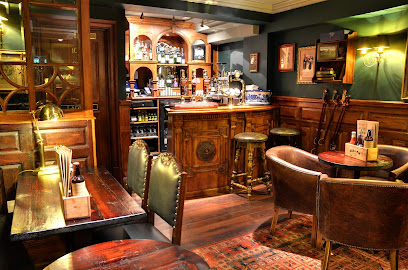
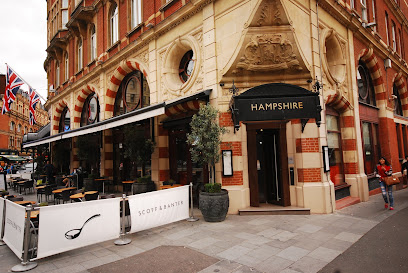
Hampshire Restaurant and Bar
0.5 km
Intimate bar and restaurant serving vibrant Mexican and Peruvian cuisine in the heart of Leicester Square’s iconic theatre district.
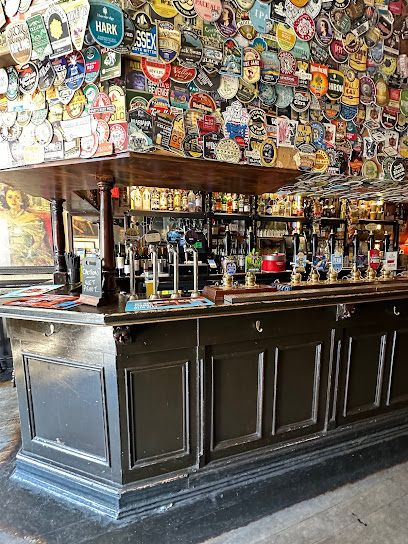
The Harp, Covent Garden
0.5 km
A historic Covent Garden pub famed for award-winning ales, traditional ciders, and a timeless, welcoming atmosphere.
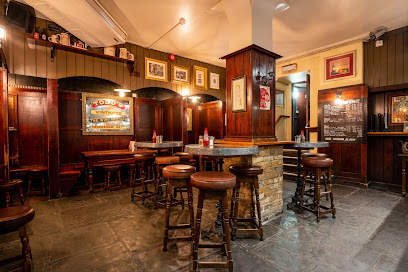
Westminster Arms
0.5 km
Historic Westminster pub with parliamentary division bell, Shepherd Neame ales, and cozy alcoves steps from Abbey and Parliament—timeless British charm in political heart.
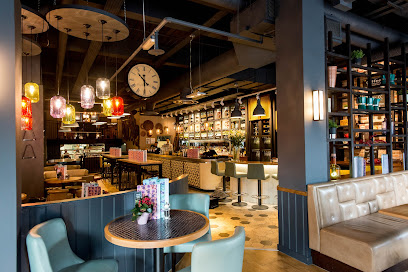
All Bar One Leicester Square
0.5 km
Stylish wine and cocktail bar in the heart of Leicester Square, perfect for socializing, dining, and private events in central London.
Two Chairmen
0.6 km
Traditional Westminster pub serving hearty pies, fresh ales, and classic British cheer just steps from St. James's Park and Parliament.
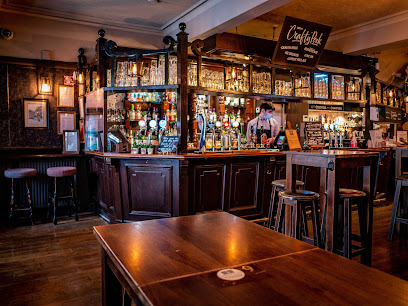
Blind Spot London
0.6 km
Discover a secretive speakeasy with globally inspired cocktails and intimate ambiance tucked inside St Martin’s Lane Hotel, Covent Garden.
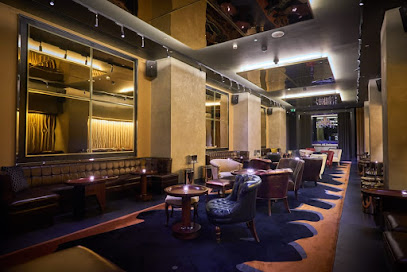
The Red Lion, Mayfair
0.6 km
Historic Victorian pub in Mayfair famed for its political heritage and classic London charm, steps from Downing Street.
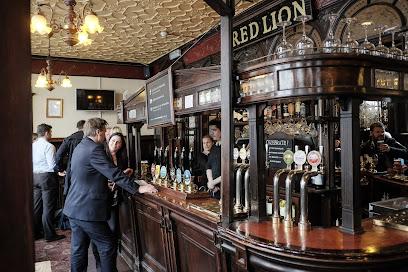
Mr Fogg's Society of Exploration
0.6 km
Step into a Victorian explorer’s world with inventive cocktails, immersive storytelling, and a mechanical mixologist in Covent Garden’s unique speakeasy.
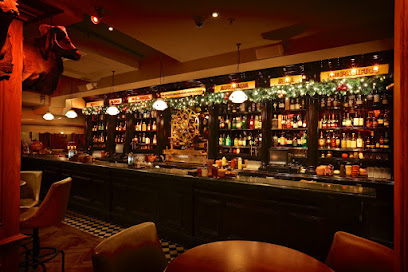
Mr Fogg's Tavern
0.6 km
Step into a Victorian-inspired tavern in Covent Garden, where inventive cocktails meet hearty British fare in an eclectic and lively setting.
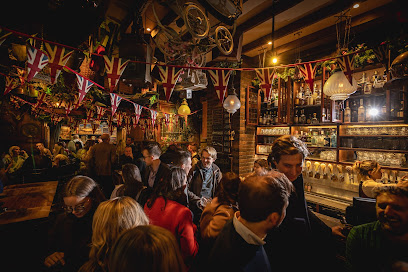
Blue Boar Pub
0.7 km
Traditional Westminster pub serving hearty British classics in a cozy, historic setting near Abbey and Parliament—perfect for ales, roasts, and relaxed evenings.
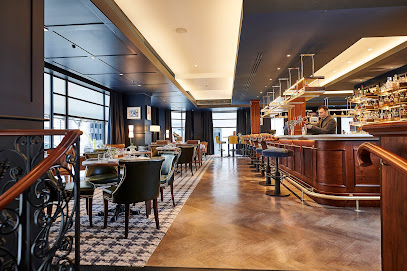
Blame Gloria - Cocktail Bar in Covent Garden
0.7 km
Dive into Blame Gloria’s neon-lit retro cocktail haven in Covent Garden, where legendary rock vibes and wild themed brunches electrify your night.
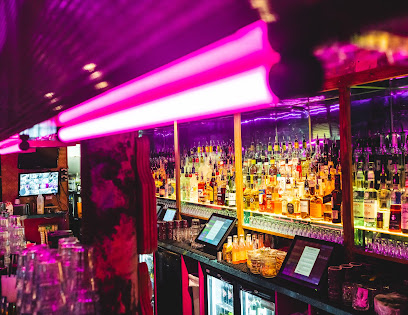
All Bar One Covent Garden
0.7 km
Stylish Covent Garden wine bar serving shareable plates, extensive wines, and cocktails in a lively West End setting—ideal for pre-theatre drinks or group gatherings.
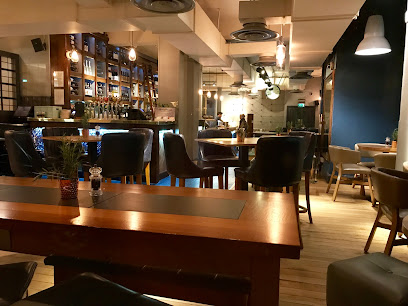
Nightclubs & after hour spots

TSQ Club
0.2 km
Dive into Trafalgar Square's nightlife pulse at TSQ Club, where eclectic beats, dazzling lights, and craft cocktails fuel unforgettable weekend nights in London's heart.

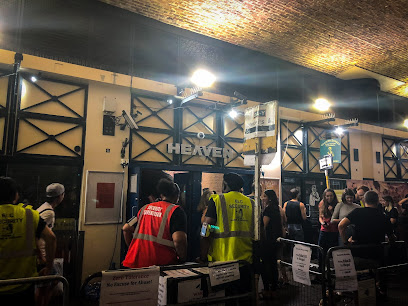
Heaven
0.4 km
London’s iconic gay superclub under the railway arches — big nights, loud music, drag, and late finishes in the heart of the West End.
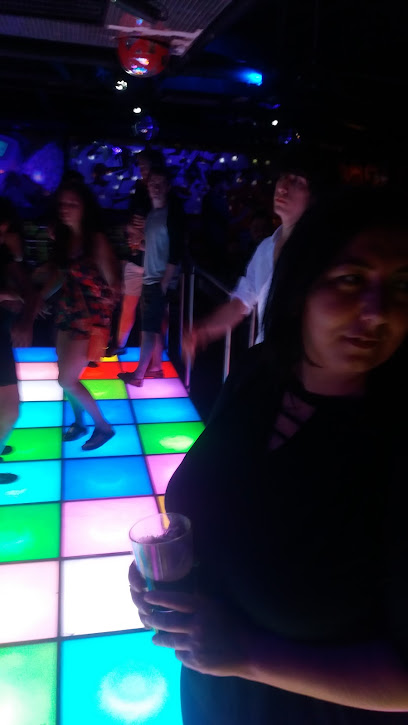
Tiger Tiger London
0.5 km
Experience London’s iconic Haymarket nightclub with six vibrant rooms, lively DJs, and a dynamic party atmosphere just moments from Piccadilly Circus.
Luxe Club
0.6 km
Experience London's vibrant nightlife at Luxe Club, a central hotspot for music, dancing, and late-night entertainment.
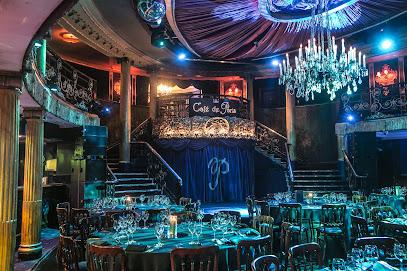
Café de Paris
0.6 km
Step into London’s iconic West End nightclub where history, glamour, and electrifying cabaret create unforgettable nights.
The Scotch of St James
0.6 km
Legendary Mayfair speakeasy where 60s rock stars jammed and today's elite dance till dawn in velvet-clad intimacy.
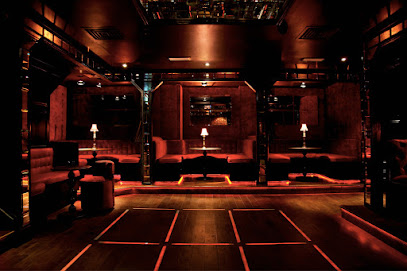
Zoo Bar & Club
0.6 km
Dive into Leicester Square's edgy nightlife hub: two floors of R&B beats, sports screens, and wild energy until 3am at Zoo Bar & Club.
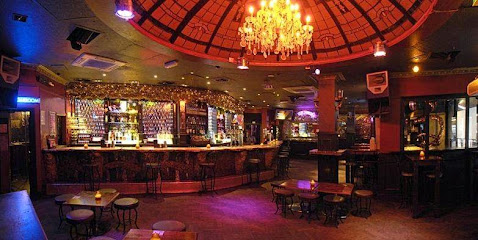
The Penthouse London
0.6 km
A compact, rooftop nightclub above Leicester Square — reached by a side lift, built for late‑night private parties and skyline glimpses.
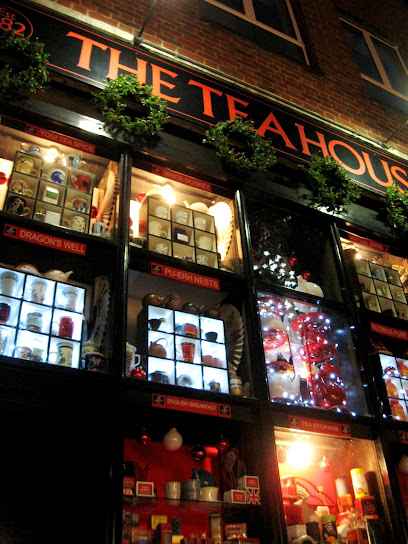
Whatdafunk Presents West End Urban Disco
0.7 km
Dive into London's grooviest urban disco beats at Whatdafunk, where Covent Garden's streets pulse with funk, soul, and non-stop dance energy in the heart of the West End.
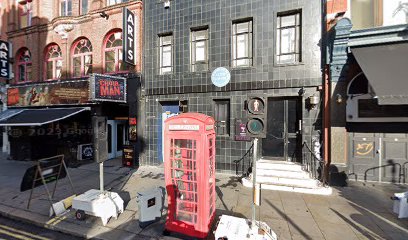
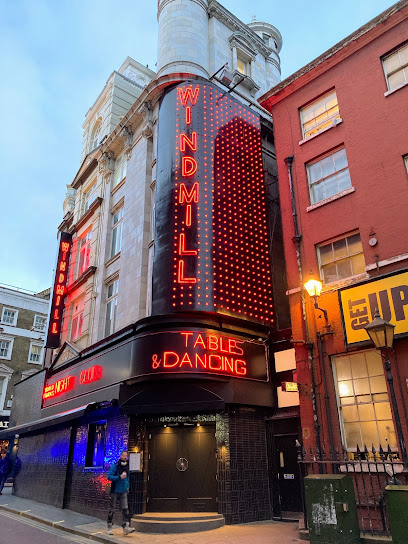
The Windmill Soho | Restaurant, Cabaret & Nightclub in Soho, London
0.8 km
Soho's legendary cabaret den revived: burlesque bites, theatrical feasts, and all-night beats in a historic hotspot of hedonism.
The Cuckoo Club
0.8 km
Exclusive Mayfair nightclub and restaurant blending glamorous design, contemporary cuisine, and vibrant nightlife in London’s upscale scene.
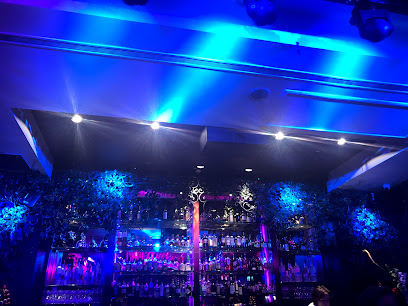
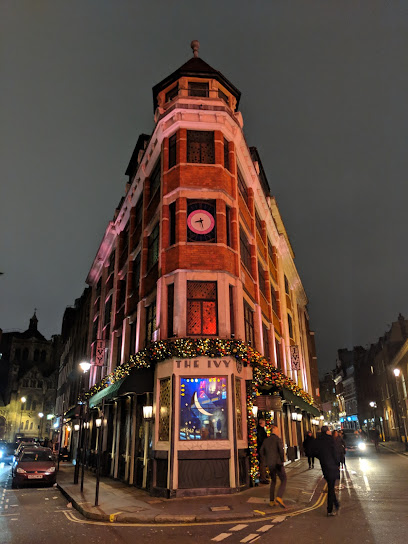
The Ivy Club
0.8 km
Art-Deco‑tinged members’ club above The Ivy — piano bars, discreet private dining and polished West End glamour.
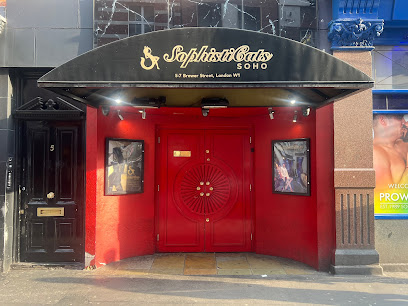
Sophisticats Soho
0.8 km
An intimate, late‑night Soho gentlemen’s club on Brewer Street offering staged performances, VIP seating and an upmarket, discreet atmosphere.
Versity Camp Nightclub
0.9 km
Dive into Soho's beating heart at Versity Camp Nightclub, where thumping bass, inventive cocktails, and an electric crowd fuel unforgettable nights until dawn.
The Box Soho
0.9 km
A clandestine Soho cabaret where decadent staging, provocative shows and high‑end cocktails collide in an intense late‑night theatre.
For the vibe & atmosphere seeker
- Tranquil
- Scenic
- Unique
- Historic
For the design and aesthetic lover
- Minimalist Designs
- Vintage Styles
For the architecture buff
- Historic
- Landmarks
- Art & Design
- Heritage Neighborhoods
For the view chaser and sunset hunter
- Iconic Views
- Panoramas
For the social media creator & influencer
- Instagrammable
- Photo Spots
- Architectural Shots
For the eco-conscious traveler
- Public-Transport Accessible
- Low Impact
For the kind of experience you’re after
- Cultural Heritage
- Myth & Legends
- Photowalk
- Day Trip
For how adventurous you want the journey to be
- Easy Access
Location Audience
- Family Friendly
- Senior Friendly
- Child Friendly
- Wheelchair Access
- Solo Friendly
- Couple Friendly


