
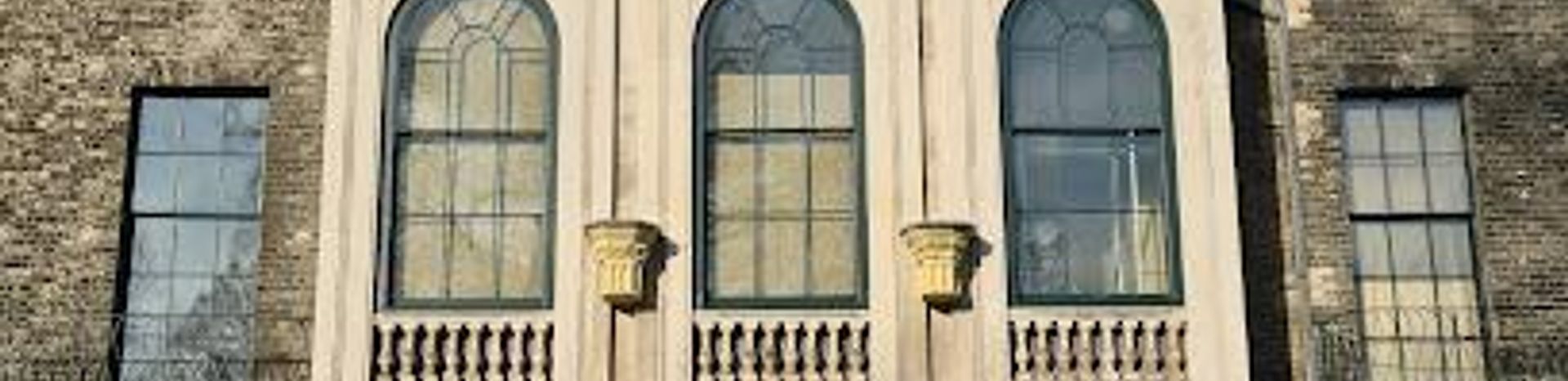
Sir John Soane's Museum, London
Explore the extraordinary preserved home and collection of Sir John Soane, a masterpiece of architecture and eclectic art in central London.
Sir John Soane's Museum in London is the preserved home and architectural legacy of Sir John Soane, a leading English architect of the Regency era. The museum showcases an extraordinary collection of art, antiquities, architectural models, and drawings, maintained exactly as Soane left it in 1837. Highlights include the Egyptian sarcophagus of Seti I, paintings by Turner and Hogarth, and Soane's innovative use of light and space within his historic residence at 13 Lincoln's Inn Fields.
A brief summary to Sir John Soane's Museum
- 13 Lincoln's Inn Fields, London, WC2A 3BP, GB
- +442074052107
- Visit website
- Duration: 1 to 2 hours
- Free
-
 Indoor
- Mobile reception: 4 out of 5
- Wednesday 10 am-5 pm
- Thursday 10 am-5 pm
- Friday 10 am-5 pm
- Saturday 10 am-5 pm
- Sunday 10 am-5 pm
Local tips
- Entry to the museum is free, but it can be busy; arriving early or joining a guided Highlights Tour can enhance your visit.
- Photography is allowed inside, so bring a camera to capture the unique interiors and collections.
- The museum is wheelchair accessible with some limitations due to narrow spaces; special wheelchairs are available on request.
- Check the schedule for free tours of the Private Apartments and Drawing Office for deeper insights into Soane's life and work.

For the on-the-go comforts that matter to you
- Restrooms
- Seating Areas
- Information Boards
- Visitor Center
Getting There
-
Public Transport
Take the London Underground to Holborn station (Central and Piccadilly lines), approximately a 7-10 minute walk from the museum. Services run frequently, and a single fare costs around £2.50-£5 depending on payment method.
-
Bus
Several bus routes, including numbers 8, 25, and 242, stop near Lincoln's Inn Fields. Buses run regularly throughout the day, with journey times varying by starting point, and fares typically around £1.75 with contactless payment.
-
Taxi or Ride-Hailing
Taxis and ride-hailing services can drop you directly at the museum’s entrance. Travel times depend on traffic but generally range from 10 to 25 minutes from central London locations. Expect fares from £8 to £20.
-
Walking
If staying nearby, walking to the museum offers a pleasant route through central London’s historic streets. Walking times vary but expect about 15-25 minutes from Covent Garden or the British Museum area. The terrain is flat but some streets are narrow.
Sir John Soane's Museum location weather suitability
-
 Any Weather
-
 Rain / Wet Weather
-
 Clear Skies
-
 Mild Temperatures
Discover more about Sir John Soane's Museum
A Unique Architectural Time Capsule
Sir John Soane's Museum is the former home of Sir John Soane, one of England's most influential architects, located at 13 Lincoln's Inn Fields in London. Purchased in 1806, Soane rebuilt and extended the house over several years to serve both as his residence and a museum to display his vast collections. The museum has been preserved almost exactly as it was at the time of Soane's death in 1837, under a private Act of Parliament ensuring it remains a unique architectural time capsule. Visitors experience the house as a living archive of Soane's life, work, and eclectic interests.An Eclectic Collection of Art and Antiquities
The museum's collection is astonishingly diverse, featuring over 30,000 architectural drawings, models, and sketches alongside paintings, sculptures, and rare antiquities. Among the most famous exhibits is the sarcophagus of the Egyptian Pharaoh Seti I, a monumental piece acquired by Soane in 1817 and displayed in the Sepulchral Chamber below the house. The Picture Room contains masterpieces by artists such as William Hogarth, J.M.W. Turner, and Canaletto, while the Model Room showcases detailed architectural models of famous monuments. Soane's collection also includes architectural fragments from the Old Palace of Westminster and a variety of ceramics and curiosities from around the world.Innovative Use of Space and Light
Soane was a master of architectural design, and his house reflects his innovative approach to space and natural lighting. Many rooms are lit by skylights and cleverly designed windows, creating an atmosphere that highlights the artworks and architectural elements. The Drawing Office, recently opened to the public, is the oldest surviving architectural office of its kind and offers insight into Soane's creative process. The museum's layout, including interconnected galleries and a domed central area inspired by his work on the Dulwich Picture Gallery, reveals Soane's vision of architecture as a blend of art and function.Preservation and Accessibility
The museum has undergone careful restoration to maintain its original character, including a major refurbishment completed in 2016 that introduced lifts for disabled access and new conservation studios. While the museum is wheelchair accessible, some areas remain narrow due to the historic nature of the building. Entry is free, and visitors can explore independently or join guided tours that highlight key rooms and objects. The museum also hosts events, exhibitions, and educational programs focused on architecture and cultural heritage.Historical and Cultural Significance
Sir John Soane's Museum stands as a testament to the architect's legacy and the 19th-century culture of collecting and display. Soane's determination to preserve his collection intact, bypassing traditional inheritance laws, resulted in a rare institution dedicated to architectural education and public access. Today, it remains a vital resource for scholars and a captivating destination for visitors interested in architecture, art, and history.Atmosphere and Visitor Experience
Visitors to the museum are immersed in a richly layered environment where every room tells a story. The dense arrangement of objects, the play of light and shadow, and the intimate scale of the house create a distinctive atmosphere of discovery and contemplation. From the grand sarcophagus in the crypt to the delicate plaster casts and paintings, the museum invites exploration and reflection on the intersections of art, architecture, and personal vision.Iconic landmarks you can’t miss

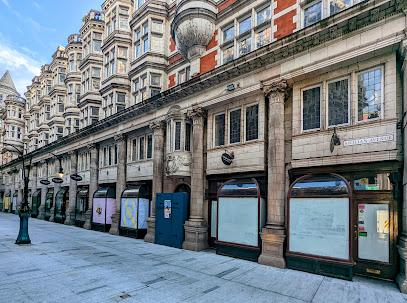
Sicilian Avenue
0.3 km
Discover Sicilian Avenue, a serene Edwardian pedestrian street in London blending Italianate architecture with charming shops and tranquil ambiance.
190 High Holborn
0.4 km
A modern office landmark in central London, blending contemporary design with strategic connectivity near historic Holborn.
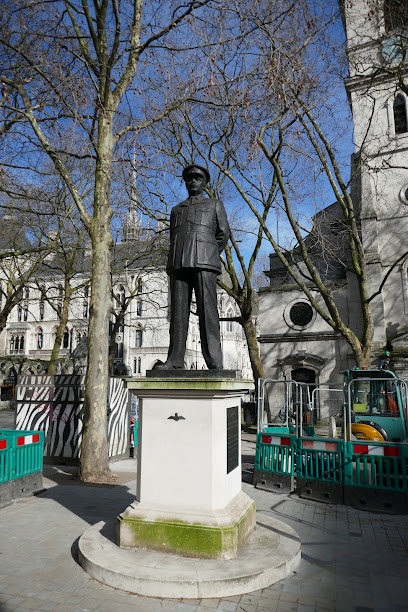
Bomber Harris Memorial
0.5 km
A solemn tribute to RAF Bomber Command’s leader and airmen, set within the historic St Clement Danes Church in London’s Temple district.
St Clement Danes Church
0.5 km
Historic London church and Central Church of the Royal Air Force, famed for its Wren architecture, RAF memorials, and iconic 'Oranges and Lemons' bells.
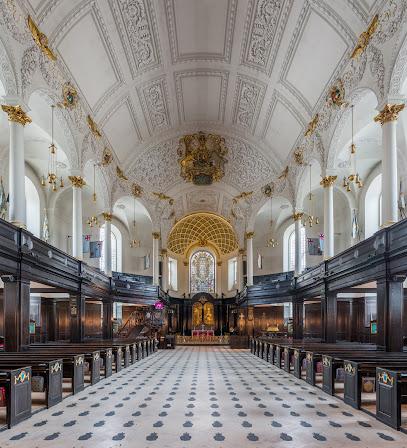
Bow St
0.5 km
Bow Street, a historic London street famed for pioneering policing, vibrant theatre, and rich cultural heritage in Covent Garden.
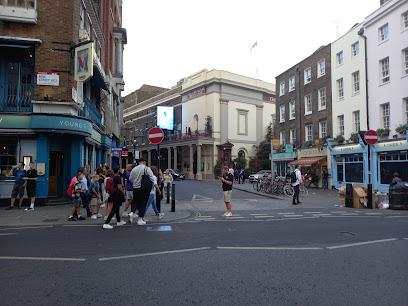
John Wilkes statue
0.6 km
Explore the John Wilkes Statue in London, a significant cultural landmark celebrating civil liberties and the fight for free speech.
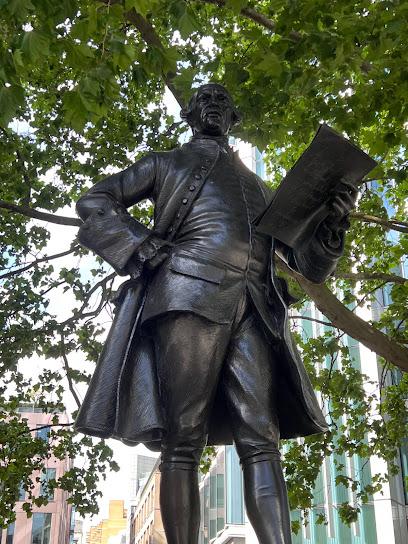
Prince Henry's Room
0.6 km
Discover a rare Jacobean timber-framed treasure on Fleet Street, rich with history, ornate plasterwork, and tales from London's past.
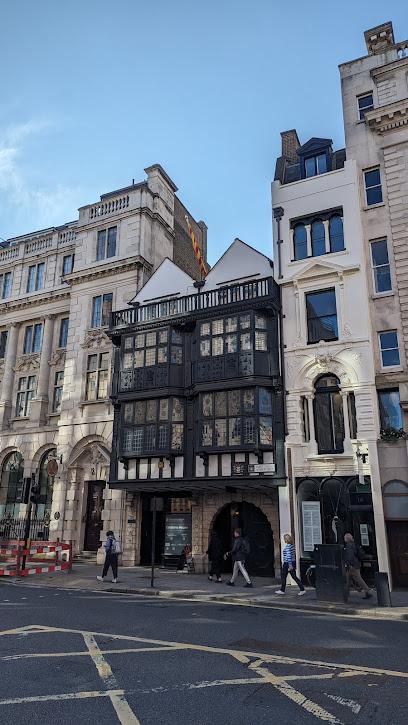
The Old Watch House
0.6 km
A quaint early 18th-century parish watch house on London’s Strand, offering a rare glimpse into pre-Metropolitan Police community policing.
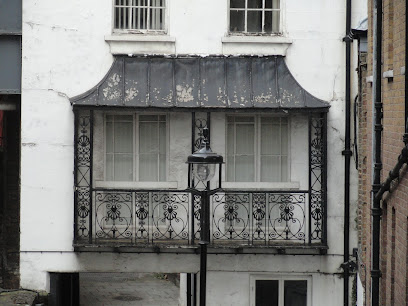
National Trust - Strand Lane "Roman Bath"
0.6 km
Explore the Strand Lane Roman Bath, a fascinating glimpse into London's ancient Roman history amidst modern attractions.
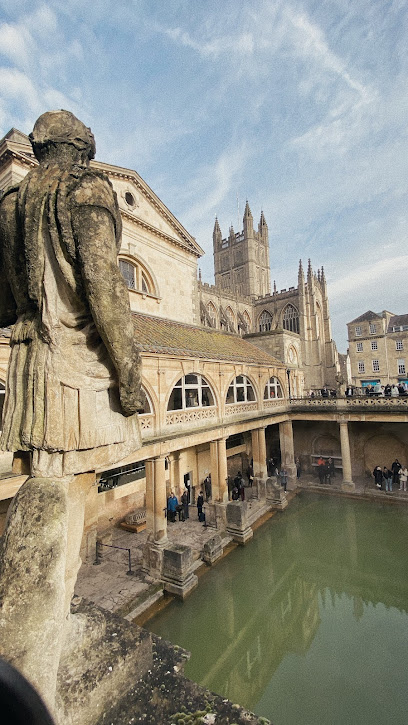
covent Garden ,
0.6 km
Explore Covent Garden's vibrant atmosphere filled with shopping, dining, and entertainment in the heart of London.
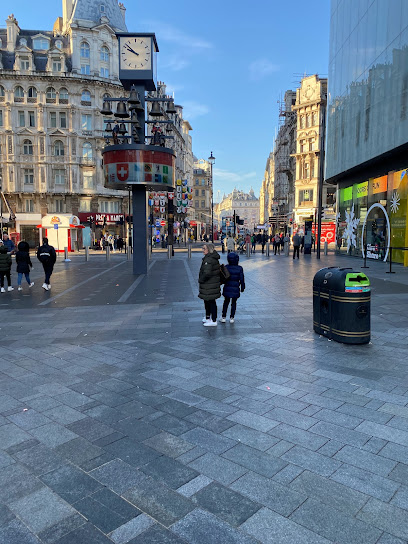
King's College Chapel
0.6 km
Victorian Gothic grandeur hidden above the Great Hall—a masterpiece of engineering and ecclesiastical artistry.
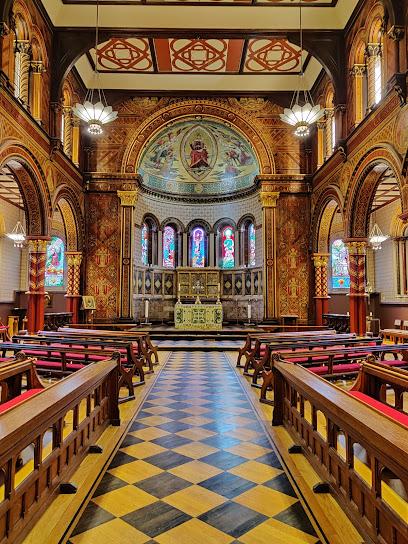
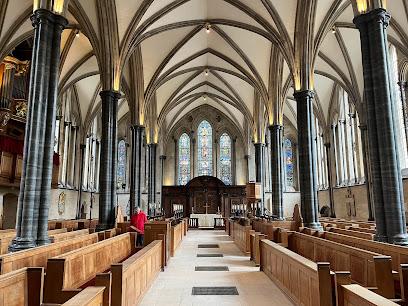
Temple Church
0.7 km
Medieval fortress of faith where crusading knights shaped English law and history.
Hare Pl
0.7 km
Discover Hare Place in Temple, London—a serene historic enclave steeped in centuries of legal tradition and architectural charm.
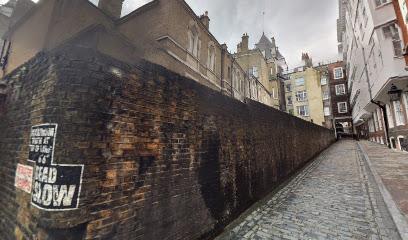
Neal’s Yard (Courtyard)
0.7 km
Discover Neal’s Yard, a colorful hidden courtyard in Covent Garden transformed from dereliction into a thriving hub of community, sustainability, and alternative culture.
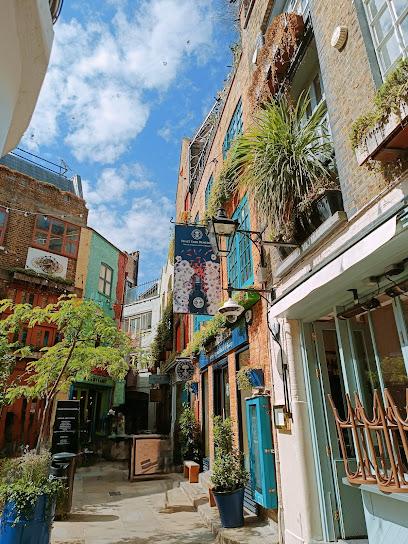
Strand
0.7 km
Historic London thoroughfare linking Westminster and the City, famed for grand hotels, cultural landmarks, and hidden historical treasures.

Unmissable attractions to see

Lincoln's Inn Fields
0.0 km
London’s largest historic square blending centuries of legal heritage, dramatic history, and tranquil green space in the heart of Holborn.
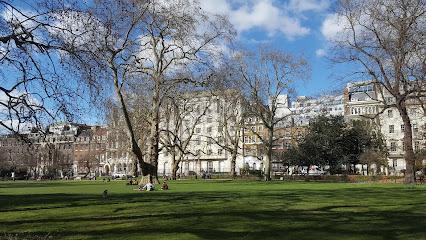
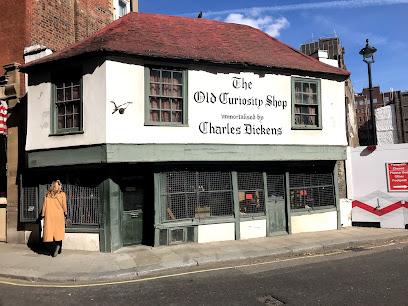
The Old Curiosity Shop
0.2 km
A charming Tudor-era timbered shop in London, steeped in Dickensian legend and offering a rare glimpse of Elizabethan architecture amid the modern city.
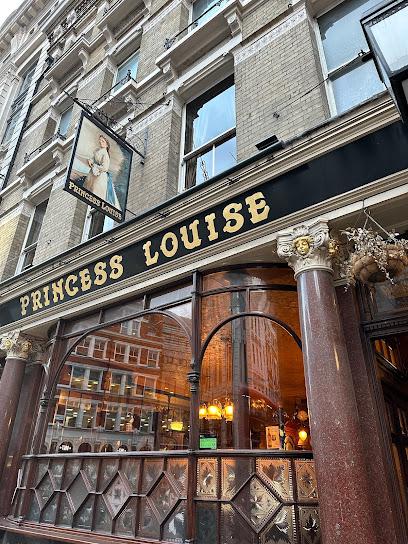
Princess Louise
0.3 km
Experience the rich history and vibrant atmosphere of Princess Louise, a must-visit gastropub in London's Holborn district.
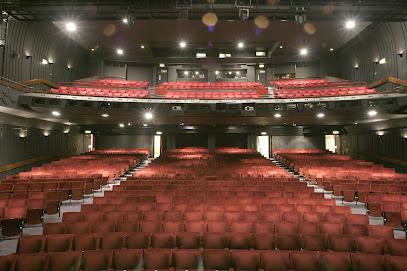
Peacock Theatre
0.3 km
A dynamic West End venue dedicated to contemporary dance and innovative performances in a historic yet modern setting.
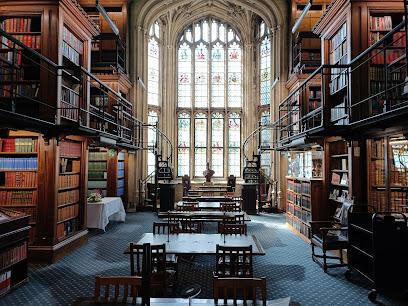
The Honourable Society of Lincoln's Inn
0.3 km
Explore the historic legal heart of London at Lincoln's Inn, where centuries of law, architecture, and tradition converge in a serene urban oasis.
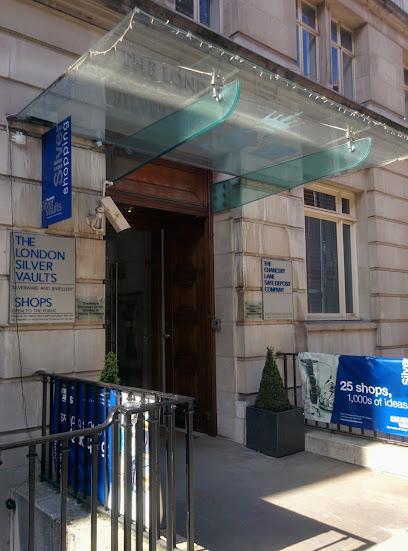
London Silver Vaults
0.3 km
Explore the world’s largest underground silver marketplace beneath historic Chancery Lane, where centuries of craftsmanship shine behind steel vault doors.
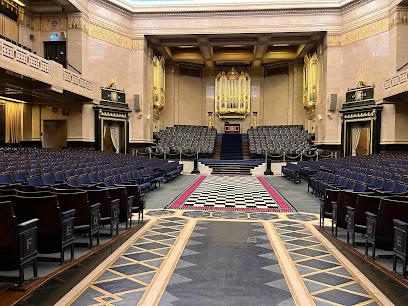
Freemasons Hall, London
0.4 km
Discover London's iconic Art Deco Freemasons' Hall, a grand memorial and Masonic headquarters rich in history, symbolism, and stunning architecture.
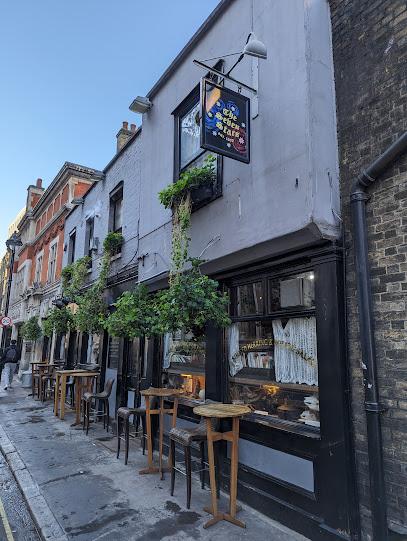
The Seven Stars
0.4 km
One of London’s oldest pubs, The Seven Stars blends centuries of history with a lively legal atmosphere and eclectic charm in Holborn.
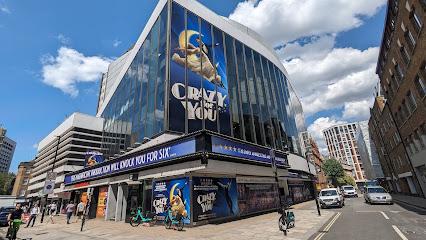
Gillian Lynne Theatre
0.4 km
Experience world-class musicals and iconic performances in the heart of London’s West End at the historic Gillian Lynne Theatre.
Bloomsbury Square Garden
0.4 km
Discover Bloomsbury Square Garden, London's serene historic square blending 17th-century heritage with tranquil green space in the heart of Bloomsbury.
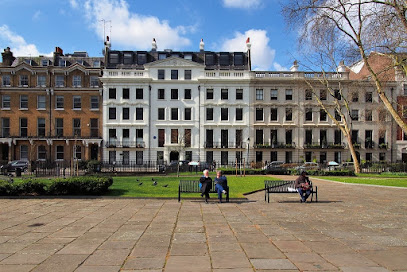
Staple Inn
0.4 km
Discover Staple Inn, London’s last Tudor timber-framed Inn of Chancery, a historic legal and wool trading hub that survived fire, war, and centuries of change.
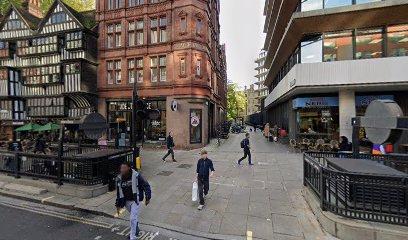
Drury Lane Gardens
0.4 km
Discover a historic and tranquil pocket park in Covent Garden, blending Victorian heritage with modern play spaces in central London.
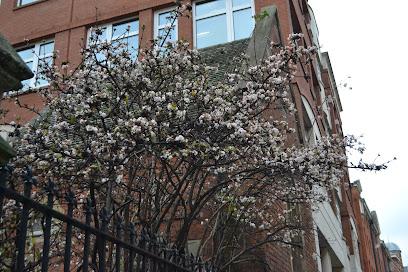
Aldwych Theatre
0.5 km
Experience timeless elegance and captivating performances at London’s historic Aldwych Theatre, a West End treasure with Art Deco charm.
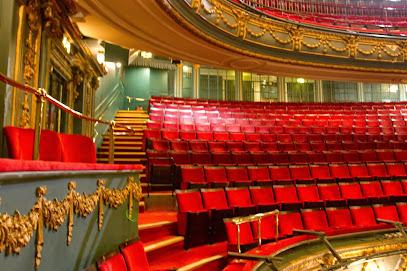
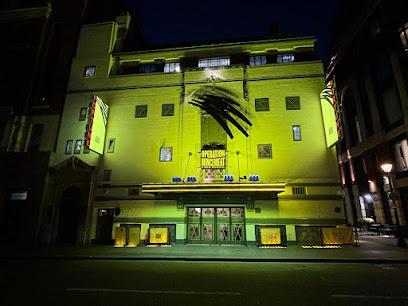
Fortune Theatre
0.5 km
Experience intimate West End theatre magic at the historic Fortune Theatre, London’s charming post-WWI gem with a rich cultural legacy.
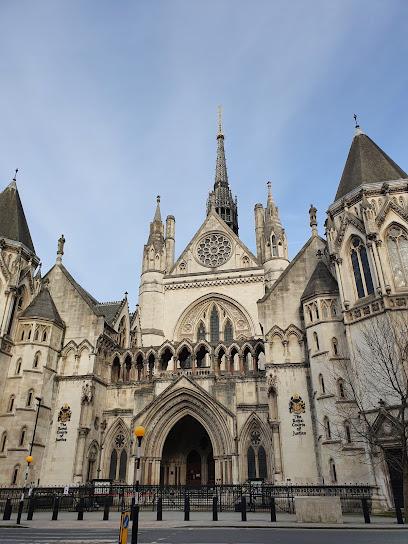
Royal Courts of Justice
0.5 km
Explore the Royal Courts of Justice, a stunning Gothic architectural masterpiece in London, showcasing the city's rich legal history and vibrant culture.
Essential places to dine

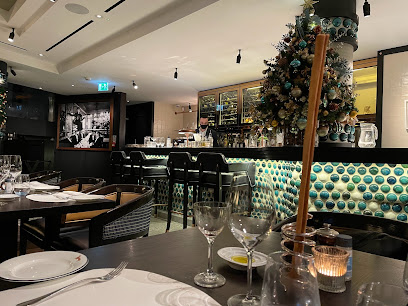
Margot
0.4 km
Sophisticated Italian dining with classic charm and an extensive wine list in the heart of Covent Garden, London.
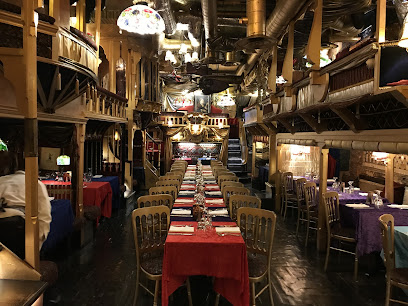
Sarastro
0.4 km
Experience vibrant Mediterranean flavors and live musical theatre in the heart of Covent Garden’s most theatrical restaurant.
Hoa Sen Vietnamese Street Food Restaurant
0.4 km
Authentic Vietnamese street food in the heart of Covent Garden, blending vibrant flavors with a lively, cozy atmosphere.
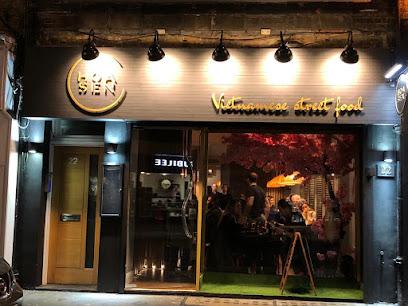
Ikoyi Restaurant
0.5 km
Discover Ikoyi, London’s two-Michelin-starred restaurant blending bold West African spices with British ingredients in an elegant, sensory tasting journey.
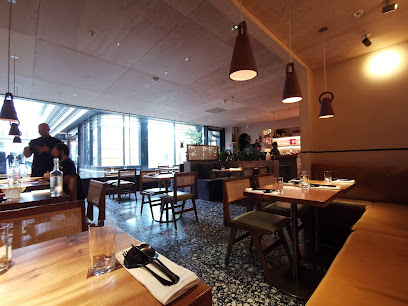
Inamo Covent Garden
0.6 km
A futuristic Pan-Asian restaurant in Covent Garden where interactive tables meet bold Asian flavours in a sleek, tech-forward space.
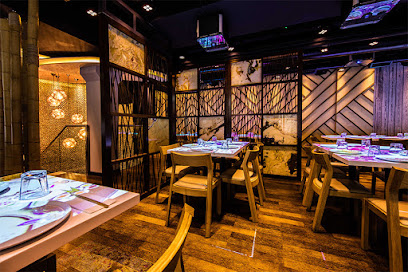
Cicchetti by San Carlo - London Covent Garden
0.6 km
Experience authentic Venetian small plates and seasonal Italian flavors in a stylish, lively Covent Garden setting.
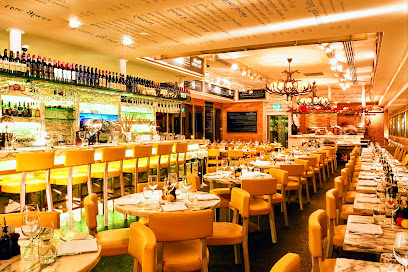
Circus
0.6 km
Experience Covent Garden’s vibrant Asian fusion dinner theatre where culinary artistry meets captivating live performances.
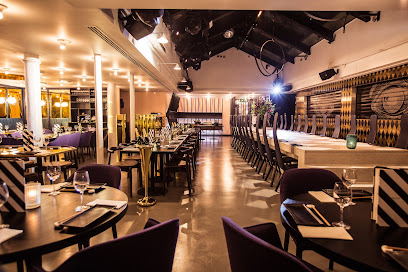
Balthazar
0.6 km
Experience the lively charm of a Parisian brasserie with classic French cuisine in the heart of Covent Garden, London.
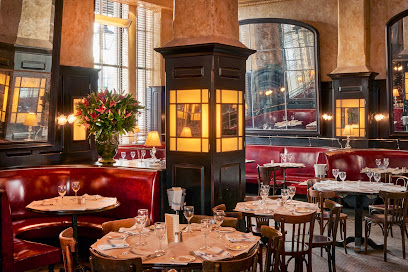
Flesh & Buns Covent Garden
0.7 km
Lively Japanese izakaya in Covent Garden famed for its signature bao buns, vibrant atmosphere, and innovative pan-Asian small plates.
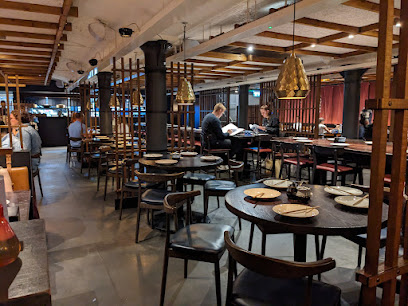
Chez Antoinette
0.7 km
Authentic Lyon-inspired French bistro serving classic tartines and cozy café fare in the heart of Covent Garden, London.
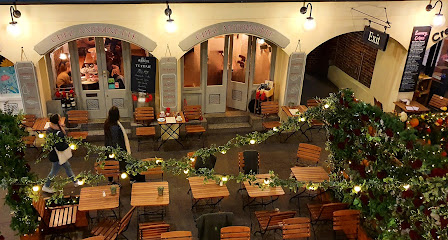
Punch & Judy
0.7 km
Historic Covent Garden pub blending classic British fare, lively balcony views, and family-friendly charm in the heart of London.
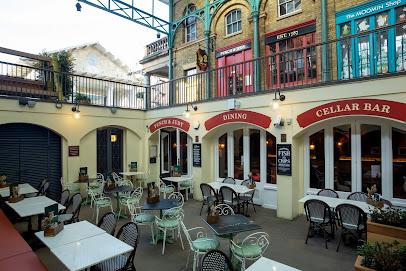
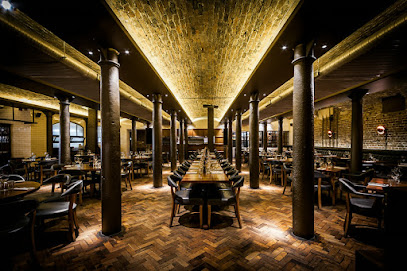
Hawksmoor Seven Dials
0.7 km
Savor expertly grilled British steaks and vibrant seafood in a historic Covent Garden brewery setting with atmospheric charm and refined cocktails.
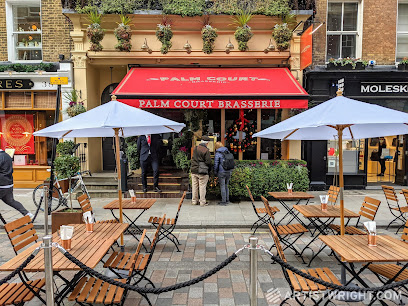
Palm Court Brasserie
0.7 km
Experience authentic Parisian charm and classic French cuisine in the vibrant heart of Covent Garden at Palm Court Brasserie.
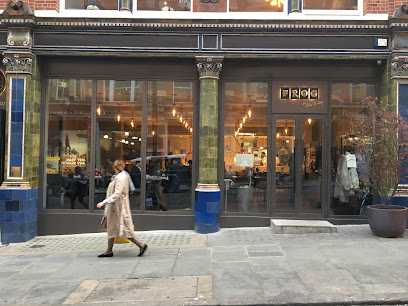
Frog by Adam Handling Restaurant Covent Garden
0.8 km
Experience Michelin-starred modern British cuisine with theatrical flair and sustainable luxury in the heart of Covent Garden.
Cora Pearl Covent Garden
0.8 km
Elegant modern British dining in Covent Garden with iconic chips, soulful vibes, and a nod to a glamorous past.
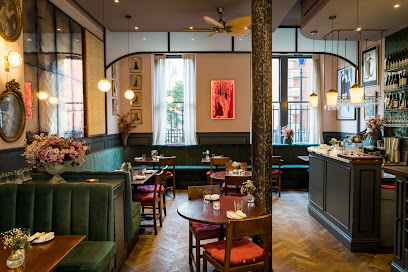
Markets, malls and hidden boutiques

not just a shop
0.1 km
Discover unique, handcrafted art and design by UAL’s students and alumni at this creative retail hub in central London.
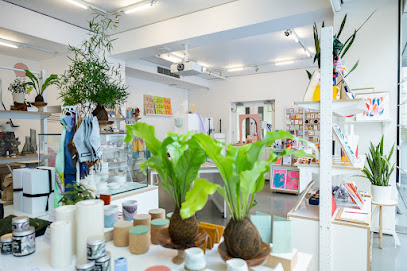
Twinings - The Strand
0.5 km
Discover over 300 years of tea heritage at London’s oldest tea shop, featuring historic charm, premium tastings, and a unique museum experience.
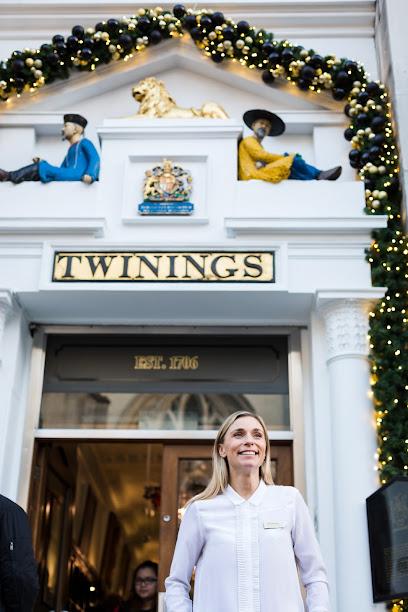
The Store X
0.6 km
A visionary space where London’s fashion, art, and culture converge in an immersive, innovative experience.
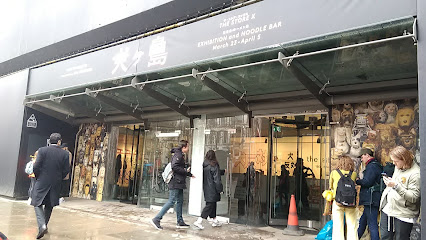
Rokit Covent Garden
0.6 km
Dive into retro treasures at Rokit Covent Garden, where sustainable vintage fashion meets London's vibrant street style heritage on Shelton Street.
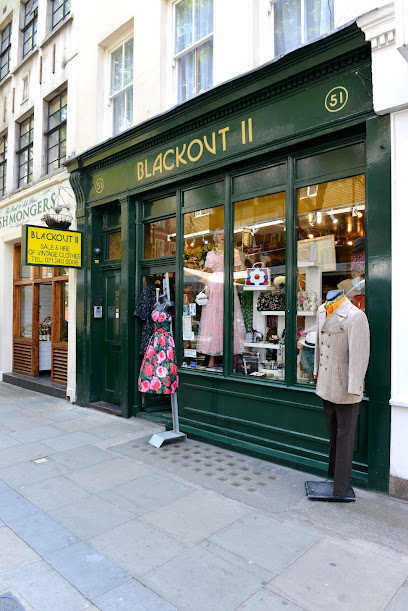
Blackout II - Vintage Clothing London
0.6 km
Discover timeless vintage fashion treasures from the 1920s to the 1980s in Covent Garden’s iconic Blackout II boutique.
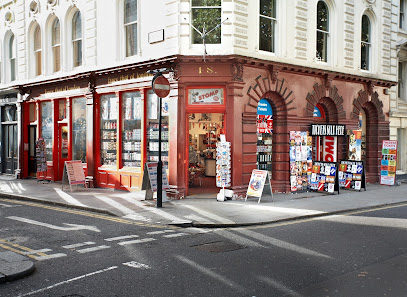
Fancy That of London
0.6 km
Discover unique London souvenirs and charming keepsakes in a warm, inviting shop just opposite the British Museum on Great Russell Street.
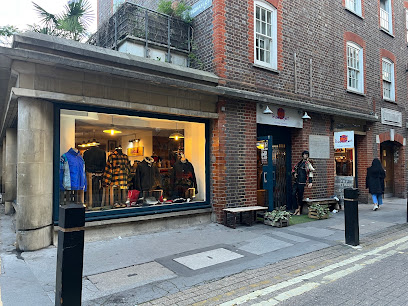
Pop Boutique
0.6 km
Discover authentic vintage fashion treasures from the 50s to 90s in a colorful, retro boutique at London’s vibrant Seven Dials.
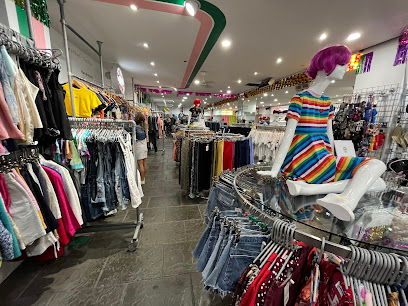
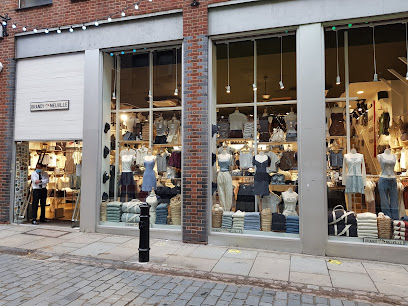
Brandy Melville - Covent Garden
0.6 km
Trendy Italian-LA fusion on Neal Street: one-size-fits-most chic for the effortless Covent Garden style seeker.
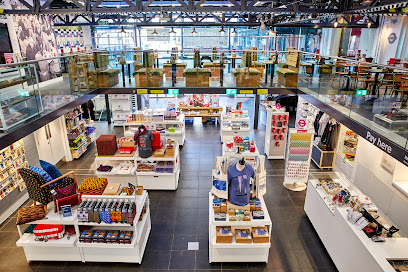
London Transport Museum - Shop
0.6 km
Discover unique transport-themed gifts and iconic London memorabilia at the London Transport Museum Shop in Covent Garden.
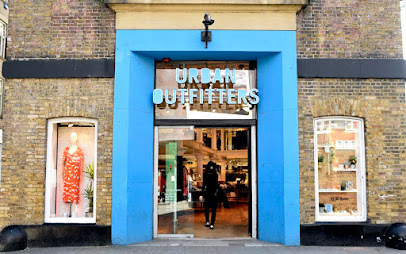
Urban Outfitters
0.6 km
Dive into Urban Outfitters' warehouse wonderland in Seven Dials, where eclectic fashion, cult beauty, and quirky homewares fuel London's youth culture vibe.
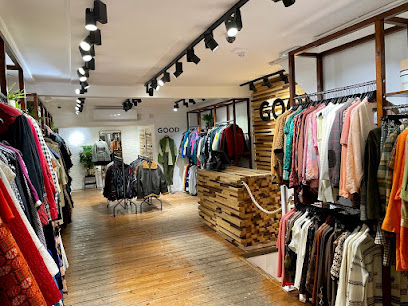
Good
0.7 km
Discover sustainable style with curated preloved vintage and designer fashion at Good London’s Seven Dials shop.
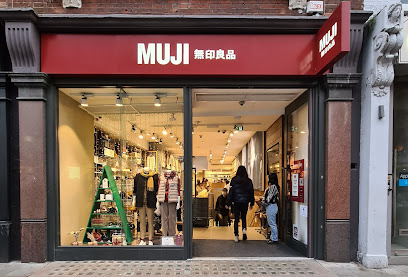
MUJI Covent Garden Store
0.7 km
Discover Japanese minimalism in Covent Garden: timeless clothing, sustainable homewares, and functional stationery for clutter-free, mindful living.
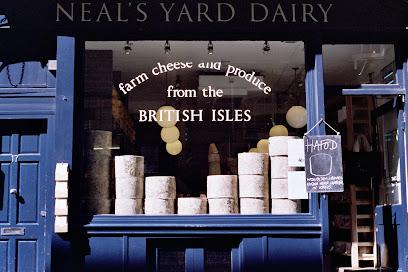
Neal's Yard Dairy (Covent Garden Shop)
0.7 km
Discover the finest British and Irish farmhouse cheeses matured to perfection in the heart of Covent Garden’s vibrant Neal’s Yard.
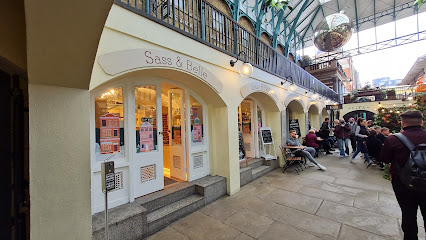
Sass & Belle Covent Garden Market
0.7 km
Quirky gifts and whimsical homeware in Covent Garden's lively market—permanently closed in-store, thriving online with cute finds for every home.
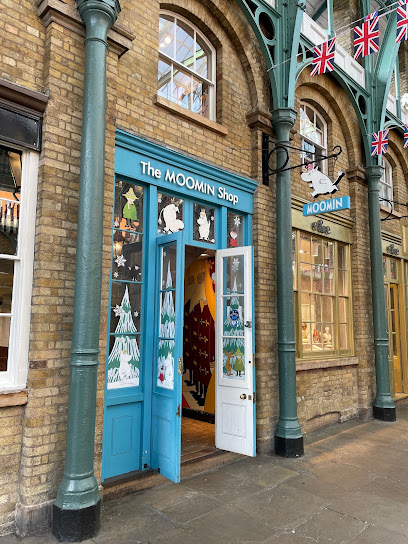
The Moomin Shop London
0.7 km
Step into the enchanting world of Moominvalley at The Moomin Shop in Covent Garden, London’s magical haven for fans of Tove Jansson’s beloved characters.
Essential bars & hidden hideouts

Be At One - Russell Street
0.5 km
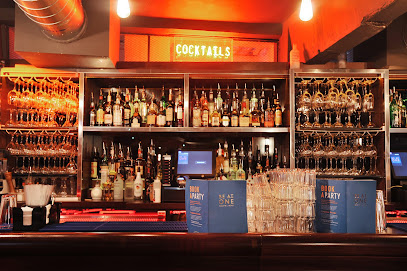
Covent Garden’s vibrant cocktail bar with 100+ drinks, late-night parties, and unbeatable 2-for-1 happy hours in a stylish basement setting.
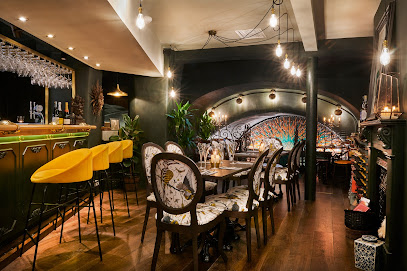
Plume Wine Bar
0.6 km
Covent Garden speakeasy in Dickens' old offices: sparkling wines from afar, cheesy sharing plates, and note-passing to strangers in candlelit luxury.
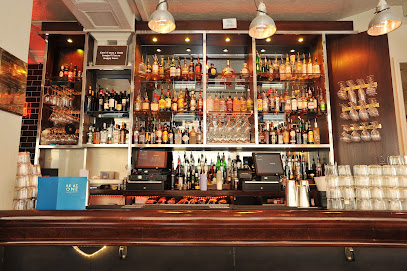
Be At One - Covent Garden Lyceum
0.6 km
Shake up your night in Covent Garden with 100+ cocktails, 2-for-1 happy hours, and masterclasses in a historic spot pulsing with theater-district energy.
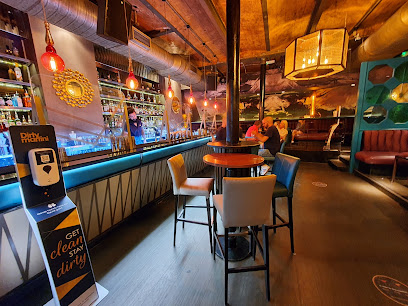
Dirty Martini - Covent Garden
0.6 km
Glamorous Covent Garden cocktail haven pulsing with martini magic, bottomless brunches, and late-night DJ vibes under sparkling chandeliers.
The Duke
0.6 km
A classic Bloomsbury pub offering warm hospitality, traditional drinks, and hearty British fare in a cozy setting.
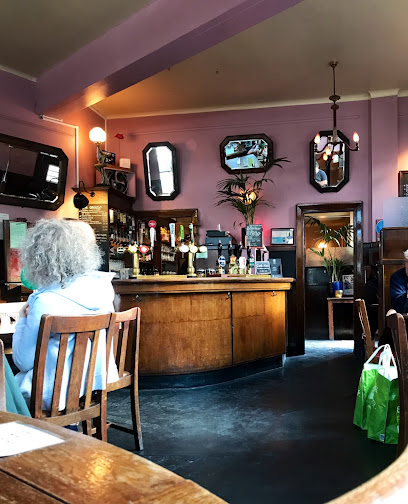
Crusting Pipe
0.6 km
Covent Garden wine bar pouring Davy’s finest ports amid live music, British classics and cosy nooks—perfect for pre-theatre indulgence or market rendezvous.
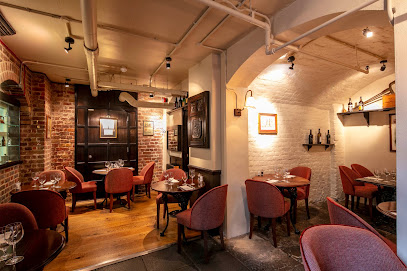
Ye Olde Mitre, Holborn
0.7 km
Discover Ye Olde Mitre, a hidden Tudor-era pub in Holborn where history, legend, and cozy charm converge in a secret London alley.
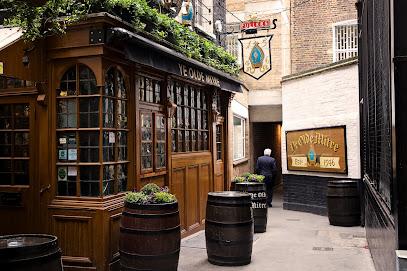
The Escapologist Bar
0.7 km
Step into a Victorian-inspired underground bar in Covent Garden where theatrical cocktails and lively entertainment create unforgettable nights.
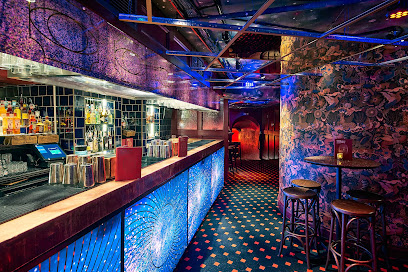
Eve Bar Covent Garden
0.8 km
Subterranean Covent Garden cocktail bar tempting with zero-waste elixirs, decadent snacks, and Eden-inspired glamour beneath a Michelin-starred haven.
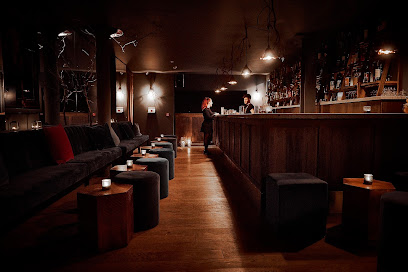
Beaufort Bar
0.8 km
Step into the Beaufort Bar’s jet-black and gold Art Deco glamour for exquisite cocktails, live sultry music, and a timeless London night out.
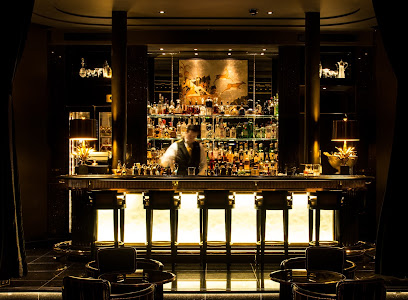
Prelude by Oriole
0.8 km
A refined Covent Garden cocktail bar blending innovative drinks, Latin American fusion cuisine, and live music in a stylish Asian-inspired setting.
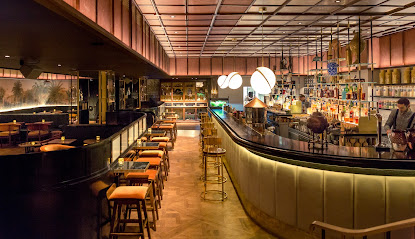
American Bar
0.8 km
Step into London’s oldest cocktail bar, where over a century of mixology mastery meets elegant Art Deco charm at The Savoy.
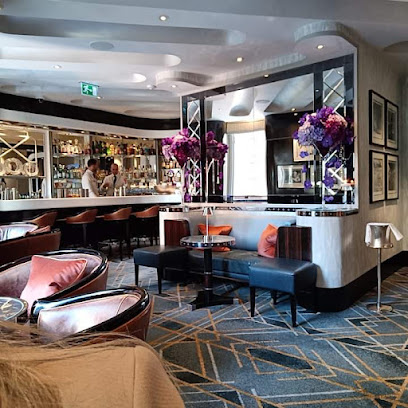
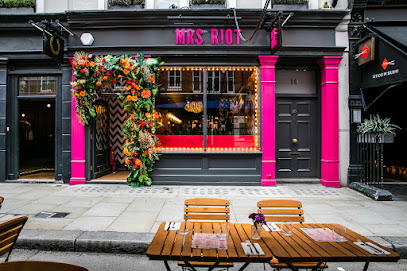
Mrs Riot
0.8 km
Covent Garden's technicolor riot: punk-pop cocktails, drag brunches, live DJs, and Kitty Clive's rebellious legacy in one explosive venue.
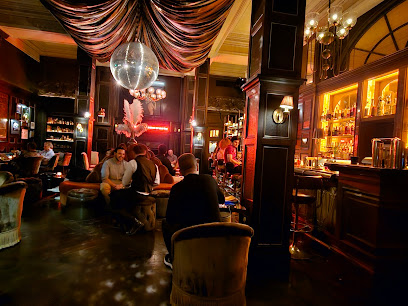
Fitz's Russell Sq.
0.8 km
Discover Fitz's Russell Square, a glamorous cocktail bar blending Victorian elegance with modern British cuisine in the heart of Bloomsbury.
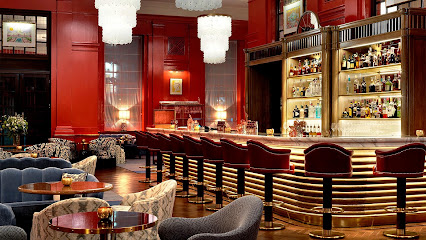
The Coral Room
0.8 km
Experience 1920s-inspired glamour and expertly crafted cocktails in the vibrant coral-hued heart of Bloomsbury Hotel.
Nightclubs & after hour spots

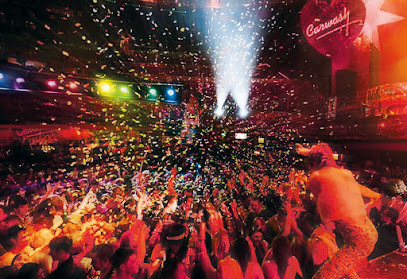
Carwash Nightclub
0.3 km
Experience Europe’s longest-running disco club in London’s West End, where retro beats, vibrant crowds, and themed parties create unforgettable nights.
Bunga Bunga Covent Garden
0.4 km
A neon-soaked, pizza-and-karaoke supper club under Drury Lane — 90s nostalgia, stage shows and shareable Italian feasts.
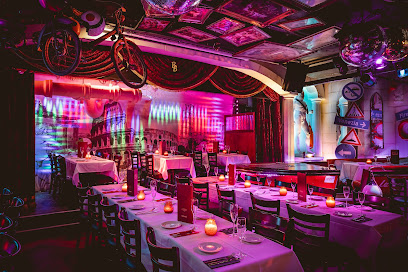
The Roxy
0.7 km
Soho's unbeatable happy hour cocktail bar by day, pulsing nightclub with live music and DJ nights till 3am—affordable vibes in London's nightlife heart.
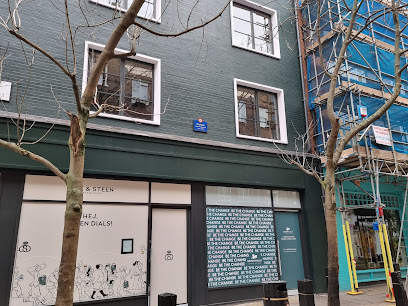
Comedy Carnival Covent Garden
0.7 km
London's premier stand-up comedy venue showcasing bold, award-winning international comedians in vibrant Covent Garden.

Proud Late
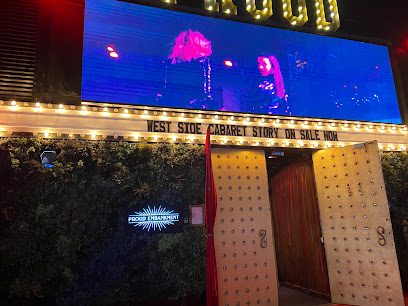
0.8 km
Dive into two-storey glamour under Waterloo Bridge: cabaret acrobatics, burlesque dazzle, supper feasts, and non-stop clubbing till 5am in London's West End nightlife epicenter.
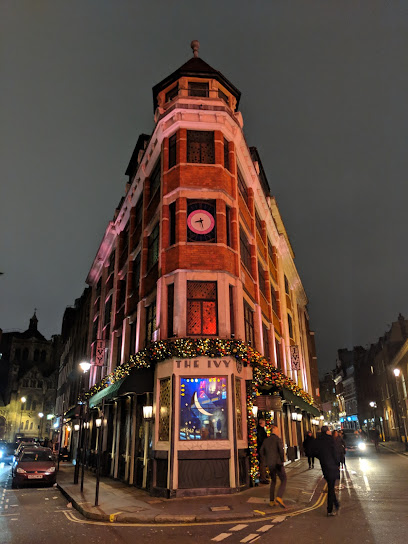
The Ivy Club
0.9 km
Art-Deco‑tinged members’ club above The Ivy — piano bars, discreet private dining and polished West End glamour.
Whatdafunk Presents West End Urban Disco
0.9 km
Dive into London's grooviest urban disco beats at Whatdafunk, where Covent Garden's streets pulse with funk, soul, and non-stop dance energy in the heart of the West End.
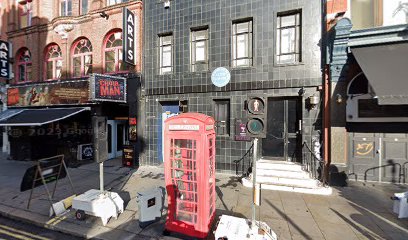
Club49Soho
1.0 km
Soho's stylish cocktail haven with DJ-fueled dancefloor energy, blending upscale drinks and classy nightlife vibes until 3am.
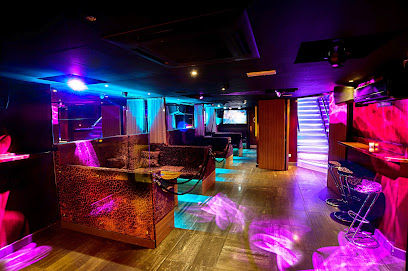
La Capannina Club
1.0 km
Discover Soho's discreet gentlemen's club: seductive stage shows, cosy vibes, and late-night allure in London's nightlife heart.
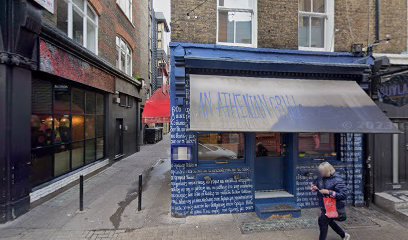
Zoo Bar & Club
1.1 km
Dive into Leicester Square's edgy nightlife hub: two floors of R&B beats, sports screens, and wild energy until 3am at Zoo Bar & Club.
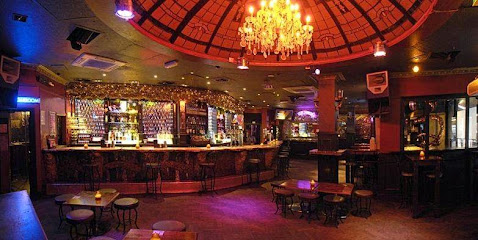
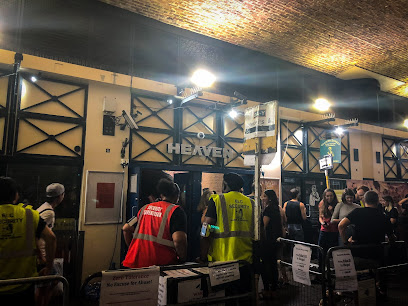
Heaven
1.1 km
London’s iconic gay superclub under the railway arches — big nights, loud music, drag, and late finishes in the heart of the West End.
The Penthouse London
1.1 km
A compact, rooftop nightclub above Leicester Square — reached by a side lift, built for late‑night private parties and skyline glimpses.
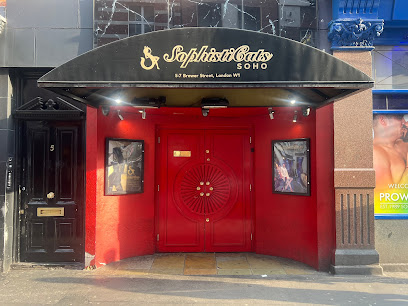
Sophisticats Soho
1.2 km
An intimate, late‑night Soho gentlemen’s club on Brewer Street offering staged performances, VIP seating and an upmarket, discreet atmosphere.
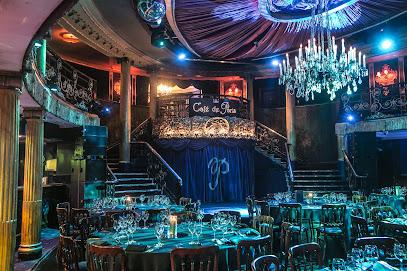
Café de Paris
1.2 km
Step into London’s iconic West End nightclub where history, glamour, and electrifying cabaret create unforgettable nights.
St Moritz Club
1.2 km
Soho's retro basement nightclub: 1960s vibes meet modern beats in an intimate, wood-paneled haven beneath a Swiss chalet restaurant.
For the vibe & atmosphere seeker
- Tranquil
- Scenic
- Unique
- Casual
For the design and aesthetic lover
- Vintage Styles
- Art Deco Styles
For the architecture buff
- Historic
- Landmarks
- Art & Design
- Heritage Neighborhoods
For the view chaser and sunset hunter
- Iconic Views
For the social media creator & influencer
- Instagrammable
- Photo Spots
- Architectural Shots
For the eco-conscious traveler
- Public-Transport Accessible
- Locally Managed
For the kind of experience you’re after
- Cultural Heritage
- Photowalk
- Day Trip
- Weekend Getaway
For how adventurous you want the journey to be
- Easy Access
Location Audience
- Family Friendly
- Senior Friendly
- Child Friendly
- Teen Friendly
- Wheelchair Access
- Solo Friendly
- Couple Friendly
- Solo Female Friendly
- Vegetarian Friendly
- Vegan Friendly


