

St Martin-in-the-Fields, London Travel Guide
Free Guide: An 18th-century Anglican church on Trafalgar Square, known for its classical interior, crypt café, and long-running concerts in central London.


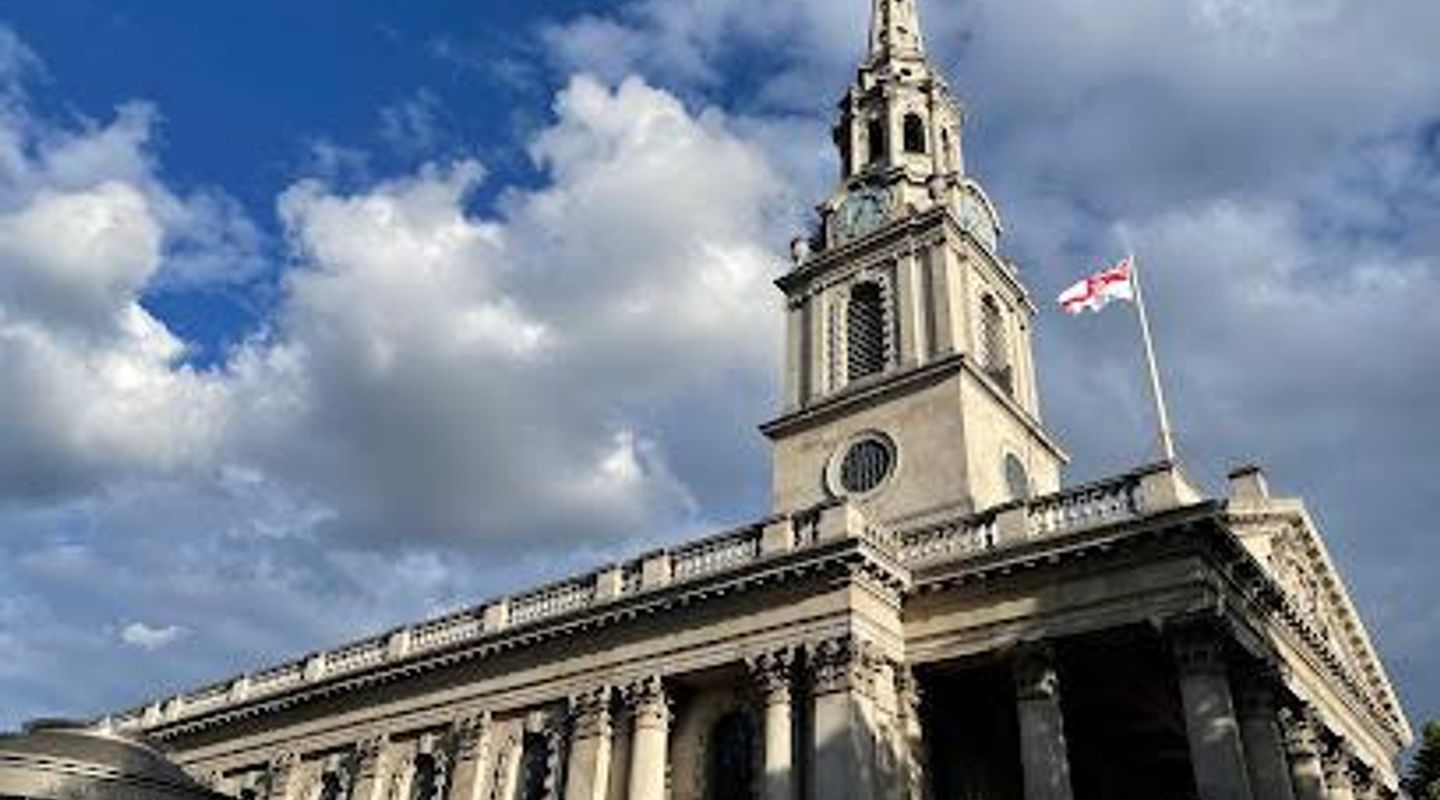
A brief summary of St Martin-in-the-Fields
An 18th-century Anglican church on Trafalgar Square, known for its classical interior, crypt café, and long-running concerts in central London.
At the northeast corner of Trafalgar Square, St Martin-in-the-Fields combines an 18th-century Anglican church, a busy crypt café, and a strong concert programme. Inside, the mood is calm and formal; below ground, the pace shifts to coffee, lunch, and event traffic. It is a compact stop that fits easily into a central London walk.
On-site amenities
 Restrooms
 Drink options
 Food options
 Seating areas
 Sheltered areas
 Information boards
- Address
- Trafalgar Sq London
- Phone
- Website
Getting there
Underground
Bus
On foot
Taxi or rideshare
Discover more about St Martin-in-the-Fields
What it is
St Martin-in-the-Fields is an Anglican church with medieval roots and a present building completed in the 1720s to a design by James Gibbs. It stands on one of London’s most recognisable corners, facing Trafalgar Square, and works as both parish church and cultural venue. Visitors come for the nave, the architecture, the music programme, and the crypt-level café and shop, which make the site feel more layered than a simple church visit.
How a visit feels
The experience is compact and easy to manage. Most people enter at street level to look through the church interior, pause for a service or concert, then head down to the crypt for food, a break, or a browse in the shop. The church itself is quiet and reflective, with a formal atmosphere that suits short visits and longer seated moments alike. The crypt is busier and more practical, with a steady flow of café users, concertgoers, and people using the building as a central-London meeting point.
Setting and architecture
The church is urban rather than picturesque in the landscape sense, but its setting gives it real presence. It sits at the edge of Trafalgar Square, where traffic, pedestrians, and landmark views create a constant sense of movement outside. The building’s classical proportions and pale stone exterior read clearly from the square, while the interior offers the main architectural reward: a restrained historic space that feels dignified without being ornate. The vertical layout matters here; the church above and the crypt below create two distinct moods in one visit.
Why travellers come
People visit because it is one of central London’s most practical heritage stops: easy to reach, easy to combine with nearby sights, and substantial enough to justify a short detour. It suits travellers interested in church architecture, sacred spaces, live music, or a calm indoor pause in the middle of a busy day. It also works well for solo visitors, couples, and anyone building a route through Trafalgar Square, the Strand, or the National Gallery area. The site is less about long sightseeing than about a focused, flexible stop with a strong sense of place.
Practical expectations
Expect a short, self-directed visit unless you are attending a concert, service, or event. The church is easy to reach on foot from Charing Cross and other central stations, and it is well suited to public transport rather than driving. Accessibility is comparatively good for a historic building, with step-free options and lift access to the crypt. The café and event spaces make it useful in wet weather or on cold days, when the indoor setting becomes part of the appeal. It is a stable year-round attraction, with the busiest periods usually tied to daytime footfall, weekends, and scheduled performances.
Evendo Review Centre
 Google
Guest reviews
Best time to go
Quietest: Jan, Feb & Oct · before 9am or from 11pm
Busy times are Evendo estimates for a typical year, to help you plan. Actual crowds vary with events, school holidays and the weather.
Explore St Martin-in-the-Fields on the map
A handpicked selection of must-see spots near St Martin-in-the-Fields, mapped for you.
Get your free copy of our complete guide to St Martin-in-the-Fields, delivered straight to you.
Everything on this page, from opening hours and how to get there to Eve’s tips and the best time to go, in one PDF you can read offline, print or share.
Already have an account? Sign in
Your St Martin-in-the-Fields guide is ready.
We'll send it to · Not you? Sign out

Getting your guide ready…
We are putting together a fresh copy of the St Martin-in-the-Fields guide. This can take up to a minute.
This can take a few moments. If your browser asks, choose Allow so the download can start. You'll find the guide in your Downloads folder.
Nothing happened? Download it again
Sorry, the guide is taking longer than usual. Please try again in a minute, or get it by email instead.
Unlock the best of St Martin-in-the-Fields
Skip-the-line tickets, guided tours with entry, and walking tours of the area, booked in a few clicks.


Other nearby places you may find interesting
The closest places of the same kind, if this one is not quite what you had in mind.
-
-
-
-
-


Swipe for more places
More to explore near St Martin-in-the-Fields
-
 Best experiences near St Martin-in-the-Fields
-
 Best hotels near St Martin-in-the-Fields
-
 Best landmarks near St Martin-in-the-Fields
-
 Best attractions near St Martin-in-the-Fields
-
 Best shops near St Martin-in-the-Fields
-
 Best restaurants near St Martin-in-the-Fields
-
 Best bars near St Martin-in-the-Fields


Do you manage this location?
Take control to get all the benefits, like improved information, better appearance, and stronger visibility across AI-powered discovery.
Explore more

Explore more of London
Explore London: A city of iconic landmarks, rich history, vibrant culture, and endless attractions that cater to every taste, making it a must-visit destination.
Explore London
Explore more of United Kingdom
Discover the United Kingdom: A blend of rich history, stunning landscapes, and vibrant cities, offering a unique travel experience for every visitor.
Explore United Kingdom
