
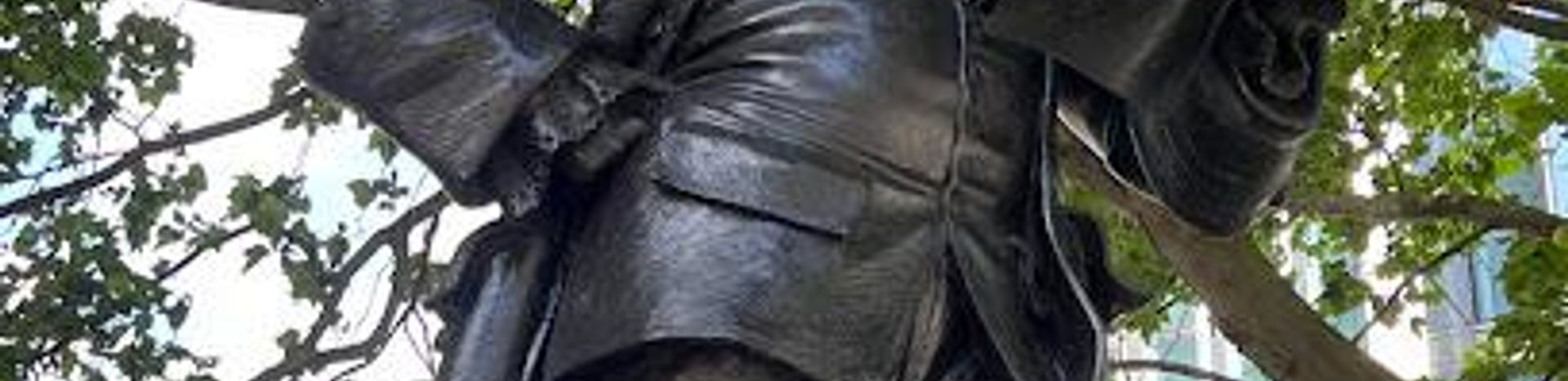
John Wilkes Statue, Fetter Lane
A striking bronze tribute to 18th-century radical John Wilkes, standing quietly at a City of London crossroads, capturing his famous squint and legacy of liberty.
Standing at the junction of Fetter Lane and New Fetter Lane in London, this 1988 bronze statue honours John Wilkes, the fiery 18th-century politician, MP, and Lord Mayor of London. Depicted in 18th-century dress as if delivering a speech, the statue captures Wilkes’s distinctive squint, a feature faithfully reproduced by sculptor James Butler. Located in the heart of the City, it’s a quiet but striking tribute to a controversial champion of liberty and press freedom, easily overlooked amid the surrounding legal and financial district.
A brief summary to John Wilkes statue
- Fetter Ln, London, GB
- Duration: 0.25 to 0.5 hours
- Free
-
 Outdoor
- Mobile reception: 5 out of 5
Local tips
- Look closely at the statue’s face to see the distinctive squint, a famous feature of John Wilkes that the sculptor faithfully reproduced.
- Visit in the early morning or late afternoon to avoid the busiest City crowds and to photograph the statue with softer light.
- Combine your visit with a walk through nearby legal landmarks like the Inns of Court and the Rolls Building to appreciate the historical context of Wilkes’s political and legal battles.

For the on-the-go comforts that matter to you
- Restrooms
- Drink Options
- Drinking Water
- Food Options
- Seating Areas
- Trash Bins
- Information Boards
Getting There
-
Underground
From Chancery Lane Underground station (Central line), walk approximately 5 minutes through the legal district to reach the statue at the junction of Fetter Lane and New Fetter Lane.
-
Walking
From the Strand or Fleet Street, walk east along Fetter Lane; the statue is located at the junction with New Fetter Lane, about a 10-minute walk from Temple or Aldwych.
-
Bus
Several bus routes serve nearby stops on Fleet Street and Aldwych; from there, follow signs towards the Inns of Court and walk a few minutes to Fetter Lane.
John Wilkes statue location weather suitability
-
 Any Weather
-
 Mild Temperatures
-
 Clear Skies
Discover more about John Wilkes statue
A Champion of Liberty in Bronze
This life-size bronze statue, unveiled in 1988, commemorates John Wilkes, one of the most colourful and controversial figures in 18th-century British political life. Wilkes was a radical MP, journalist, magistrate, and later Lord Mayor of London, known for his fierce advocacy of civil liberties, freedom of the press, and parliamentary reform. The statue shows him standing upright in 18th-century gentleman’s attire, as if reading from a script or preparing to deliver a speech, capturing his role as a fiery orator and political agitator. The work was commissioned by modern admirers of Wilkes and sculpted by James Butler, whose realistic portrayal includes Wilkes’s famous squint, a detail often noted as a distinctive and memorable feature of the piece.History and Controversy
The statue stands at the junction of Fetter Lane and New Fetter Lane, a historically rich area once associated with lawyers, printers, and radical political thought. Wilkes himself was a polarising figure: celebrated by many as a champion of English freedom, yet also criticised for actions such as ordering troops to fire on crowds during the Gordon Riots while defending the Bank of England. His career included imprisonment for libel, exile, and multiple electoral battles, making him a symbol of both democratic struggle and political pragmatism. The inscription on the plinth notes that the memorial was erected by admirers and unveiled in October 1988 by Dr James Cope, reflecting a modern reassessment of Wilkes’s complex legacy.Design and Detail
James Butler’s statue is a traditional, figurative bronze work set on a stone plinth in a small paved area at the top of Sermon Lane. Wilkes is depicted in a poised, slightly formal stance, wearing a coat, waistcoat, and breeches typical of the late 1700s, with a tricorne hat tucked under one arm. The face is carefully modelled to reproduce Wilkes’s characteristic squint, a detail that has become a talking point for those who look closely. The plinth bears the dedication: “This Memorial Statue Was Erected By Admirers And Unveiled in October 1988 by Dr James Cope,” and a separate plaque nearby records that the statue was later rededicated as a memorial to firefighters who died in the line of duty, with the plinth height increased and the work moved to its current location in 2003.Context in the City
Today, the statue occupies a quiet corner of the City of London, surrounded by legal offices, courts, and financial institutions, including the nearby Rolls Building and historic legal inns. Fetter Lane itself has a long history as a street associated with lawyers and printers, and it was once the site of the Fetter Lane Society, an early Methodist group that included John Wesley. The statue’s placement here links Wilkes’s legacy of legal and political struggle with the enduring institutions of law and governance in the City. It’s a modest but thoughtful monument, easily missed by passers-by yet rich in historical resonance for those interested in Britain’s political and civic history.Visiting the Statue
The John Wilkes statue is freely accessible at all times, standing in a small public space at the junction of Fetter Lane and New Fetter Lane. It’s best appreciated up close, where the details of the face and costume can be studied, and where the inscriptions on the plinth can be read. The surrounding area is busy with City workers during the day, but quieter in the evenings and weekends, offering a more contemplative atmosphere. There are no dedicated visitor facilities at the statue itself, but nearby streets provide seating, cafes, and public toilets, making it a convenient stop on a walk through the legal and historic heart of London.Iconic landmarks you can’t miss

3 Gunpowder Square
0.2 km
A modern square in London’s financial district commemorating the dramatic history of the 1605 Gunpowder Plot and Guy Fawkes’ daring conspiracy.
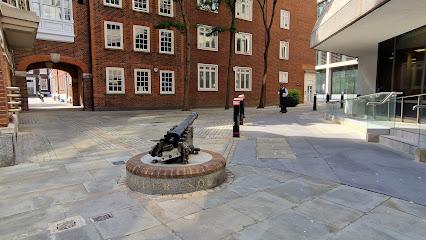
Hare Pl
0.2 km
Discover Hare Place in Temple, London—a serene historic enclave steeped in centuries of legal tradition and architectural charm.
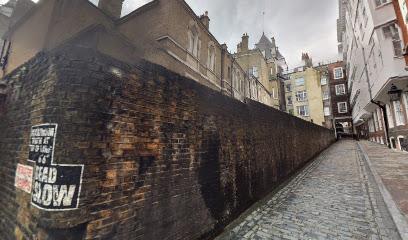
Prince Henry's Room
0.3 km
Discover a rare Jacobean timber-framed treasure on Fleet Street, rich with history, ornate plasterwork, and tales from London's past.
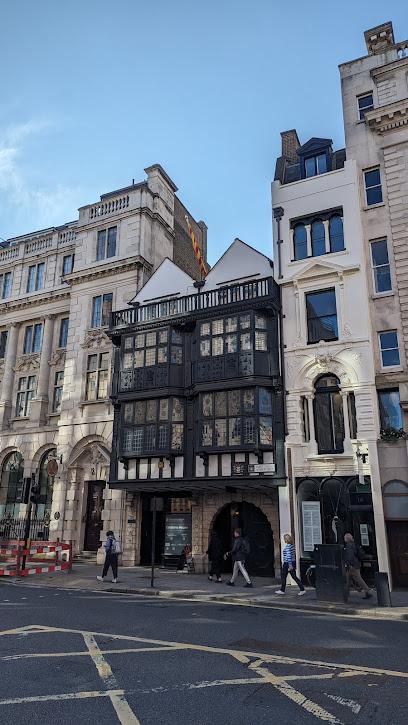
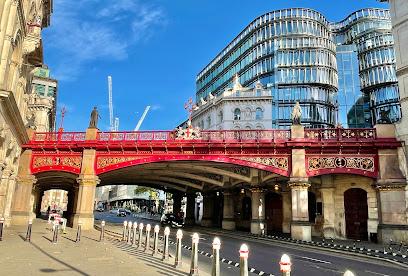
Holborn Viaduct
0.3 km
A grand Victorian bridge spanning London's hidden Fleet valley, blending engineering innovation with ornate artistry and rich history.
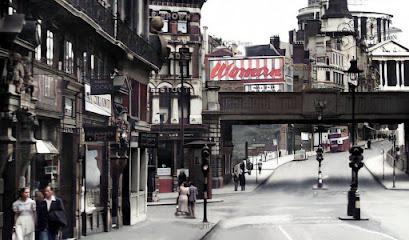
Ludgate Circus
0.4 km
Historic Victorian junction where London's ancient Ludgate once stood, blending rich legend, architecture, and urban vitality.
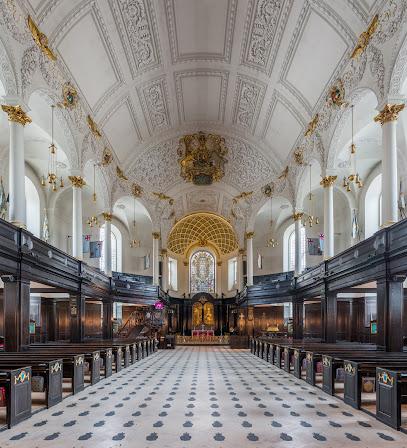
St Clement Danes Church
0.5 km
Historic London church and Central Church of the Royal Air Force, famed for its Wren architecture, RAF memorials, and iconic 'Oranges and Lemons' bells.
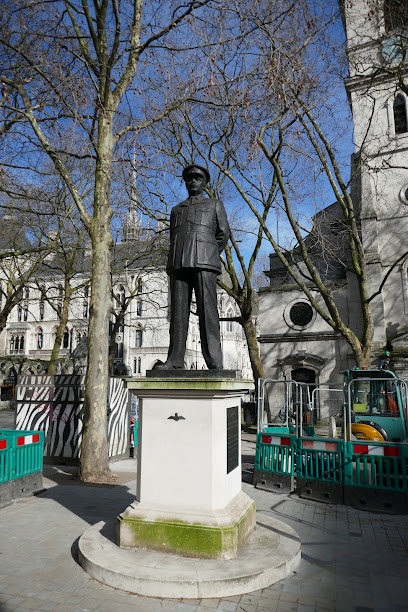
Bomber Harris Memorial
0.5 km
A solemn tribute to RAF Bomber Command’s leader and airmen, set within the historic St Clement Danes Church in London’s Temple district.
Victoria Embankment
0.6 km
A historic riverside promenade in London blending Victorian engineering, scenic gardens, iconic monuments, and stunning Thames views.
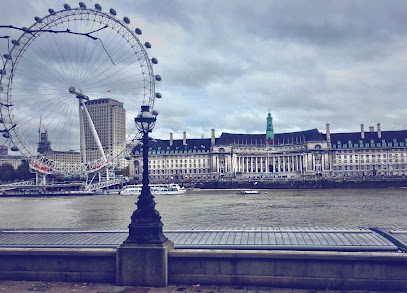
King's Reach commemoration memorial
0.6 km
Historic riverside memorial honoring King George V’s Silver Jubilee and the naming of London’s Thames stretch as 'King’s Reach'.
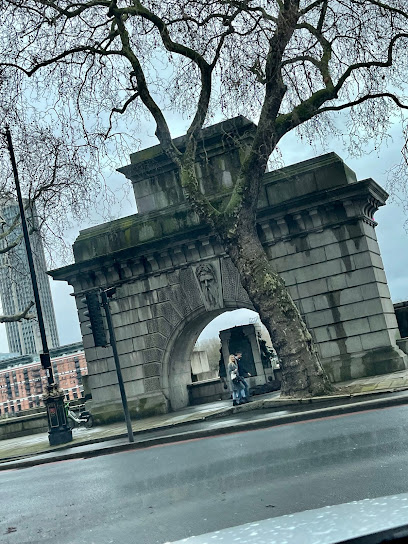
The Old Watch House
0.6 km
A quaint early 18th-century parish watch house on London’s Strand, offering a rare glimpse into pre-Metropolitan Police community policing.
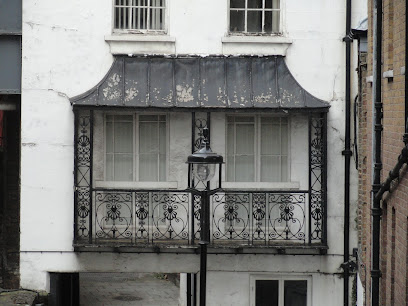
Sir William Wallace Memorial
0.7 km
A solemn 1956 memorial to Scotland's greatest patriot, executed here in 1305 for resisting English rule.
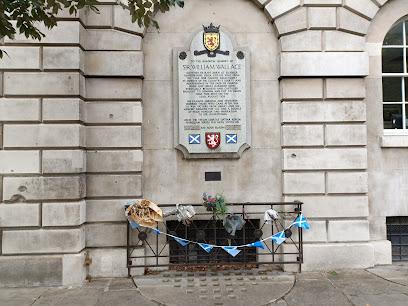
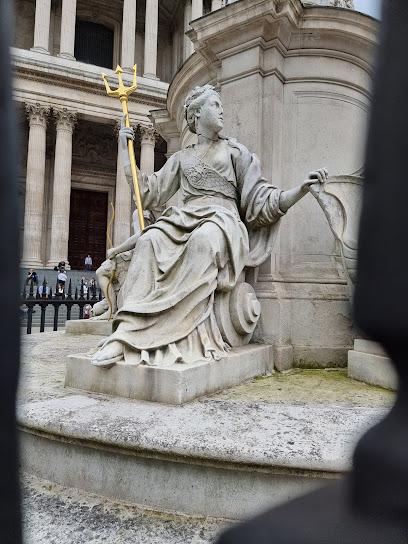
Queen Anne Statue
0.7 km
Historic statue commemorating Queen Anne’s reign and the completion of St. Paul’s Cathedral, symbolizing Britain’s royal heritage and resilience.
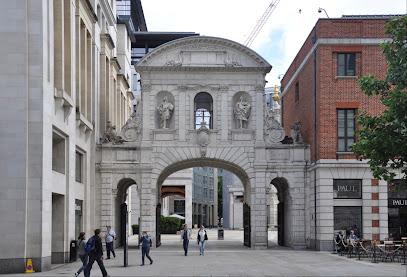
Temple Bar London
0.7 km
Explore Temple Bar, London’s historic ceremonial gateway rebuilt by Christopher Wren, rich with royal heritage and striking 17th-century architecture.
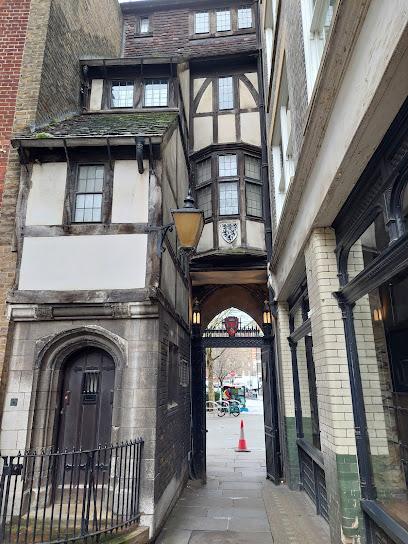
St Bartholomew's Gatehouse
0.7 km
Discover one of London's rare Tudor survivors, the beautifully restored St Bartholomew's Gatehouse, standing proudly since 1595.
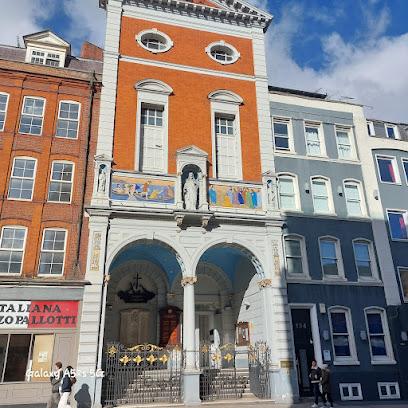
St. Peter's Italian Catholic Church
0.7 km
A basilica-style sanctuary where Italian faith, architectural brilliance, and community memory converge in historic Clerkenwell.
Unmissable attractions to see

The Maughan Library
0.1 km
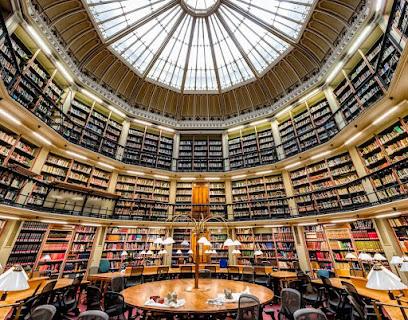
Explore London's grand neo-Gothic Maughan Library, a historic fireproof archive turned vibrant university research hub at King's College London.
Dr Johnson's House
0.1 km
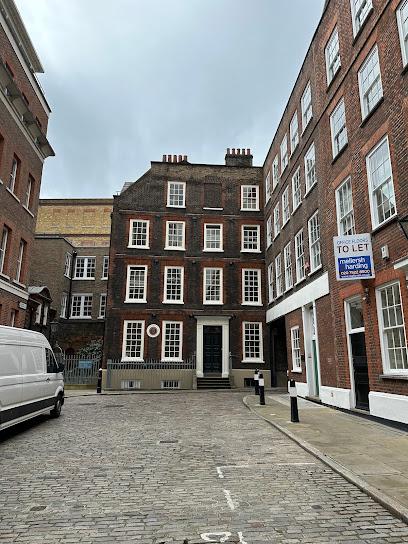
Step into the historic home of Samuel Johnson and explore the birthplace of the English dictionary in the heart of London’s literary past.
Hodge The Cat Statue
0.1 km
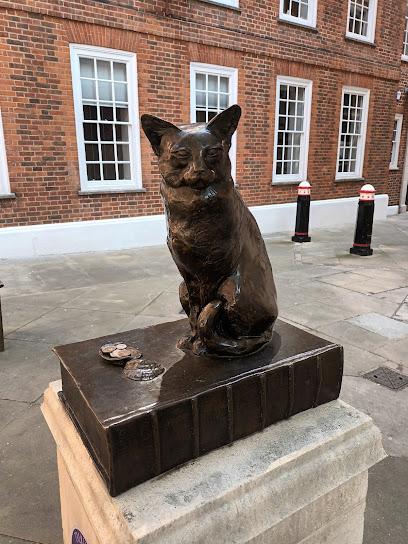
Discover the charming bronze statue of Hodge, Samuel Johnson's beloved cat, perched on a dictionary in historic Gough Square, London.
St Dunstan-in-the-West
0.2 km
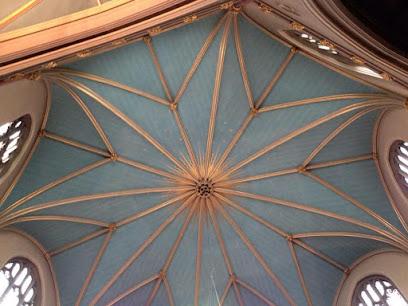
Discover St Dunstan-in-the-West, a neo-Gothic marvel on Fleet Street with a rich history spanning over a millennium and unique octagonal design.
Fleet St
0.2 km
Historic London street famed as the traditional home of British journalism, rich in literary heritage and hidden urban secrets.
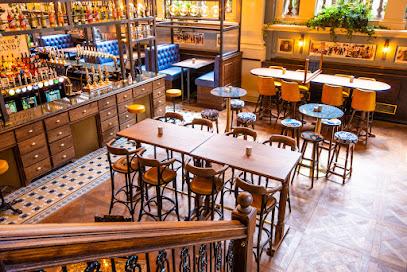
The Old Bank of England
0.3 km
Discover the historic charm of The Old Bank of England, a premier pub in London, offering delicious food, local brews, and a vibrant atmosphere.
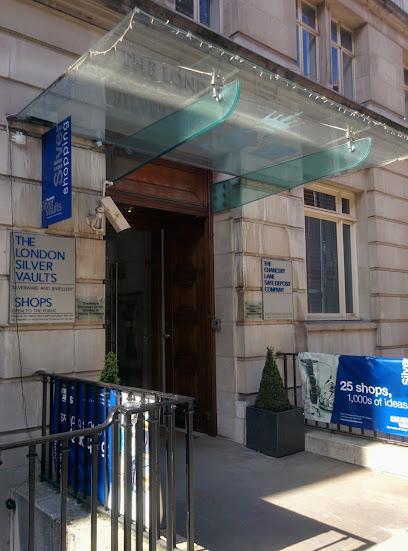
London Silver Vaults
0.3 km
Explore the world’s largest underground silver marketplace beneath historic Chancery Lane, where centuries of craftsmanship shine behind steel vault doors.
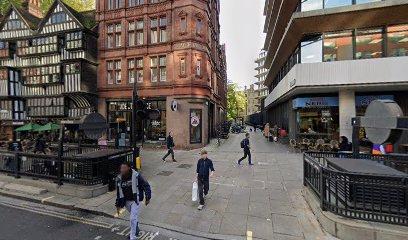
Staple Inn
0.3 km
Discover Staple Inn, London’s last Tudor timber-framed Inn of Chancery, a historic legal and wool trading hub that survived fire, war, and centuries of change.
The Honourable Society of Lincoln's Inn
0.3 km
Explore the historic legal heart of London at Lincoln's Inn, where centuries of law, architecture, and tradition converge in a serene urban oasis.
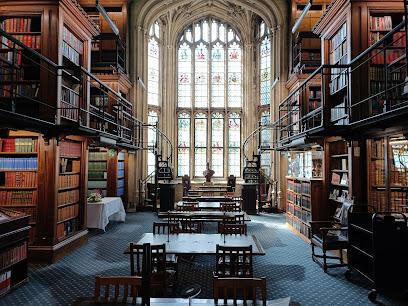
Temple Church
0.3 km
Explore the exquisite Temple Church, a 12th-century architectural marvel in London, rich in history and breathtaking beauty.
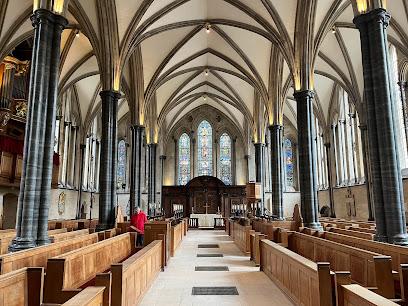
Temple Bar Memorial
0.3 km
Uncover the historical significance of Temple Bar Memorial, a captivating landmark in the heart of London, reflecting the city's rich heritage and culture.
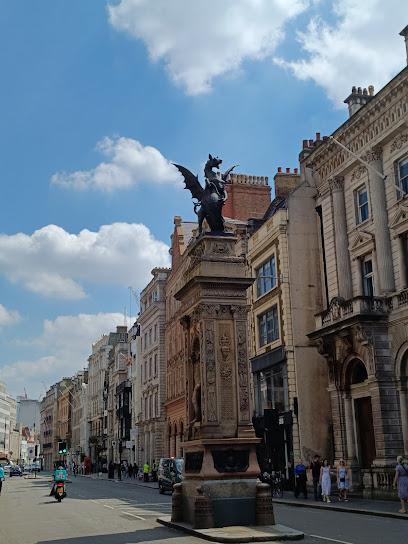
The Seven Stars
0.3 km
One of London’s oldest pubs, The Seven Stars blends centuries of history with a lively legal atmosphere and eclectic charm in Holborn.
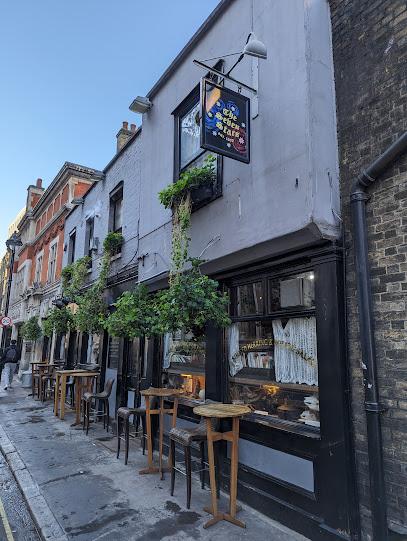
Ye Olde Mitre, Holborn
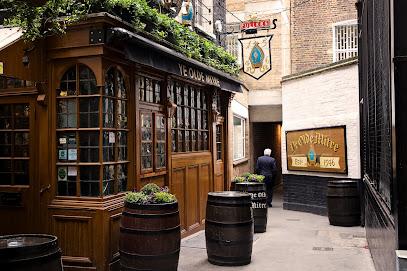
0.3 km
Discover the historic Ye Olde Mitre pub in London, where centuries of stories and traditional British charm await you.
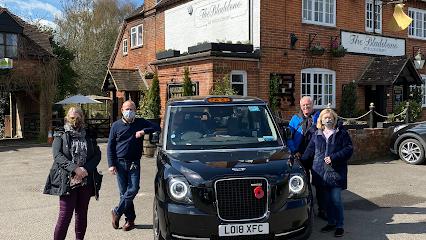
Black Cab Heritage Tours
0.3 km
Uncover London's rich history and vibrant culture aboard a classic black cab with personalized tours from Black Cab Heritage Tours.
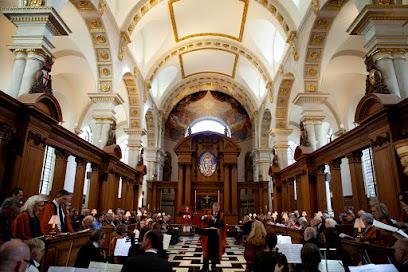
St Bride's Church, Fleet Street
0.3 km
Discover the historic heart of Fleet Street, where journalism, printing, and London’s past converge in a stunning Wren-designed church.
Essential places to dine

Ikoyi Restaurant
0.5 km
Discover Ikoyi, London’s two-Michelin-starred restaurant blending bold West African spices with British ingredients in an elegant, sensory tasting journey.
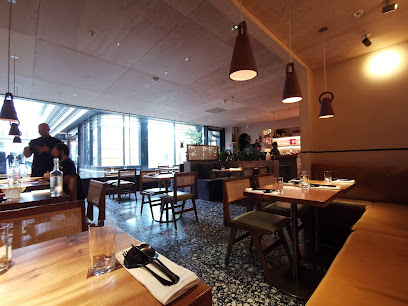
St. John
0.7 km
Experience authentic British nose-to-tail dining in the heart of London’s Barbican at St. John, where tradition meets modern culinary artistry.
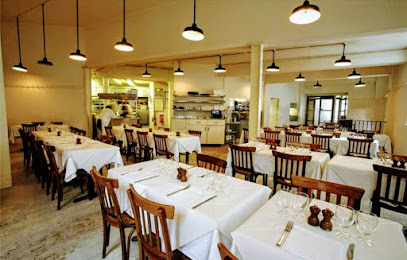
Sarastro
0.8 km
Experience vibrant Mediterranean flavors and live musical theatre in the heart of Covent Garden’s most theatrical restaurant.
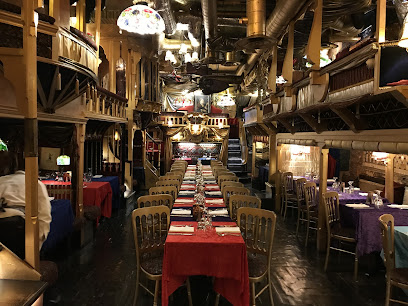
Dans le Noir ? London Restaurant
0.8 km
Experience dining like never before in total darkness, guided by visually impaired waitstaff in a sensory adventure at Dans le Noir ? London.
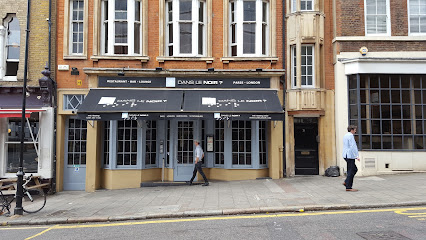
Sea Containers Restaurant
0.8 km
Stylish Modern British dining with iconic Thames views on London’s vibrant Southbank, perfect for brunch, dinner, and special occasions.
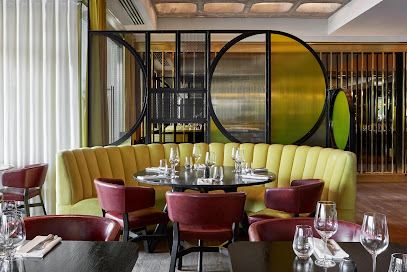
Paradiso Burger & Cocktail Bar Southbank
0.9 km
Vibrant riverside spot in Southbank serving gourmet burgers, cocktails, and bottomless brunch with stunning Thames views.
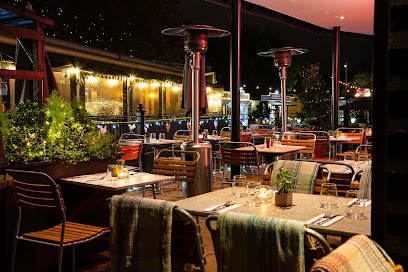
Margot
0.9 km
Sophisticated Italian dining with classic charm and an extensive wine list in the heart of Covent Garden, London.
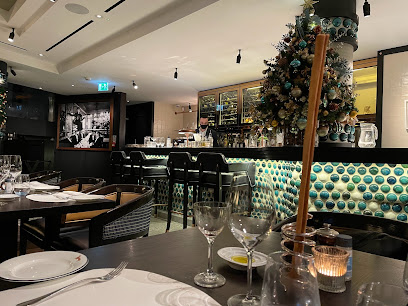
Cicchetti by San Carlo - London Covent Garden
0.9 km
Experience authentic Venetian small plates and seasonal Italian flavors in a stylish, lively Covent Garden setting.
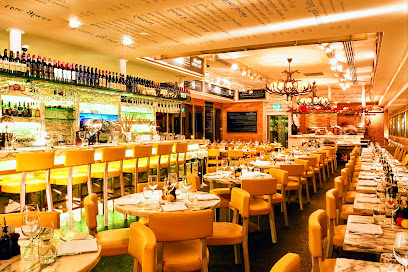
Balthazar
0.9 km
Experience the lively charm of a Parisian brasserie with classic French cuisine in the heart of Covent Garden, London.
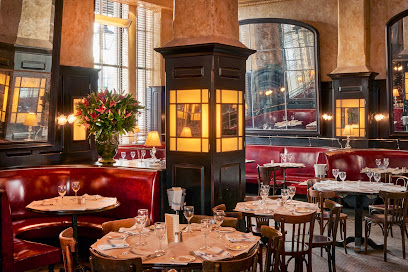
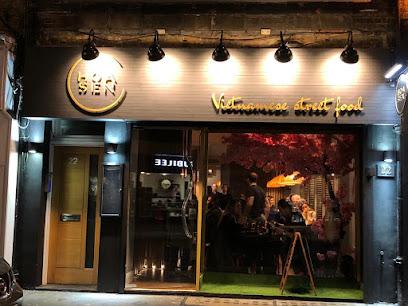
Hoa Sen Vietnamese Street Food Restaurant
1.0 km
Authentic Vietnamese street food in the heart of Covent Garden, blending vibrant flavors with a lively, cozy atmosphere.
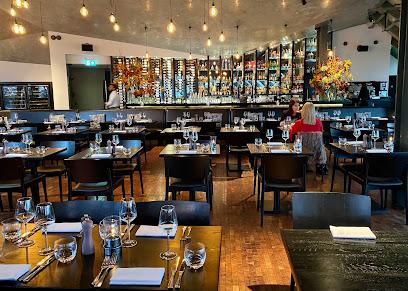
Madison
1.0 km
Stylish rooftop dining and cocktails with breathtaking views of St Paul’s Cathedral and London’s skyline.
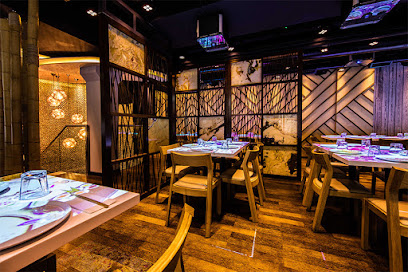
Inamo Covent Garden
1.0 km
A futuristic Pan-Asian restaurant in Covent Garden where interactive tables meet bold Asian flavours in a sleek, tech-forward space.
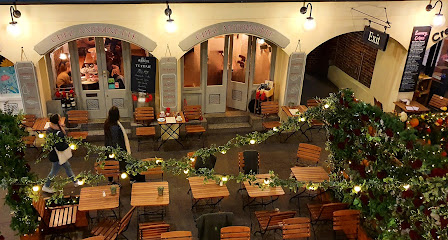
Chez Antoinette
1.0 km
Authentic Lyon-inspired French bistro serving classic tartines and cozy café fare in the heart of Covent Garden, London.
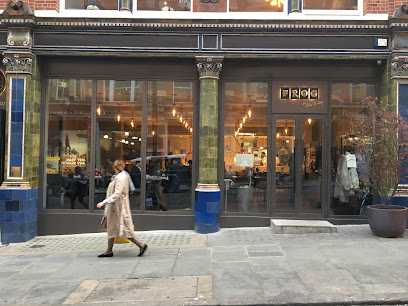
Frog by Adam Handling Restaurant Covent Garden
1.0 km
Experience Michelin-starred modern British cuisine with theatrical flair and sustainable luxury in the heart of Covent Garden.
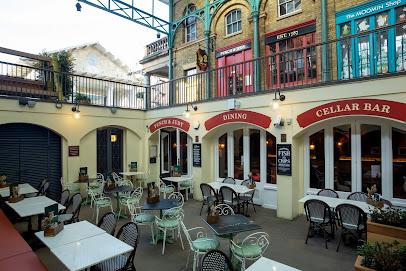
Punch & Judy
1.0 km
Historic Covent Garden pub blending classic British fare, lively balcony views, and family-friendly charm in the heart of London.
Markets, malls and hidden boutiques

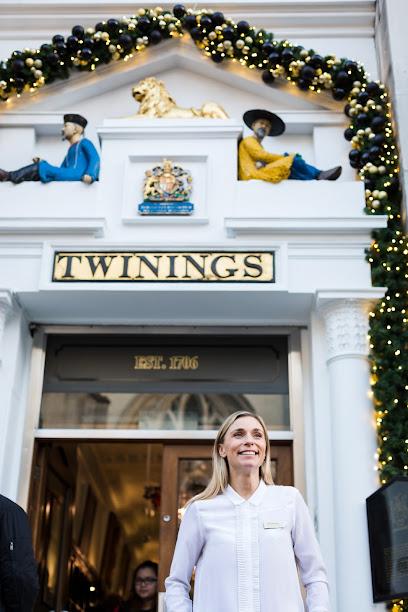
Twinings - The Strand
0.4 km
Discover over 300 years of tea heritage at London’s oldest tea shop, featuring historic charm, premium tastings, and a unique museum experience.
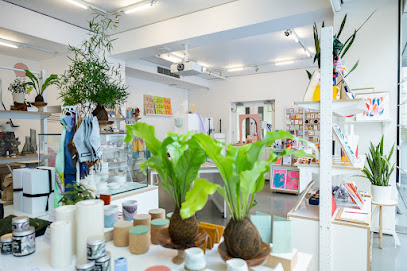
not just a shop
0.5 km
Discover unique, handcrafted art and design by UAL’s students and alumni at this creative retail hub in central London.
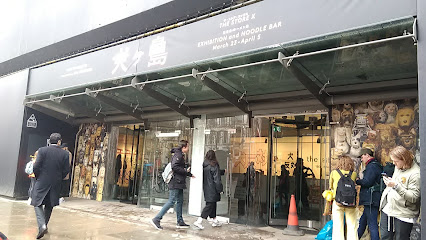
The Store X
0.6 km
A visionary space where London’s fashion, art, and culture converge in an immersive, innovative experience.
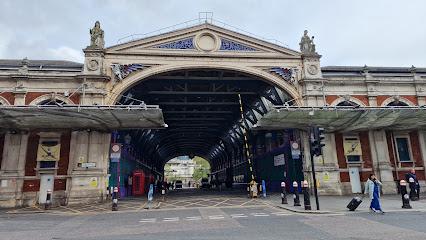
Smithfield Market
0.7 km
London’s oldest wholesale meat market, where history and commerce meet in the heart of the city.
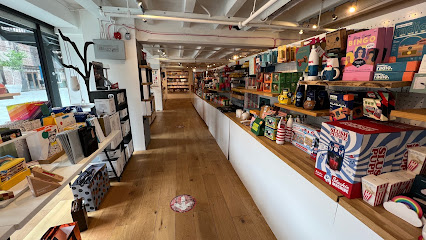
Brand Academy Independent Gift Shop
0.8 km
Dive into a world of whimsical designs and unique finds at this South Bank gem, where global brands meet emerging talents in the heart of Oxo Tower Wharf.
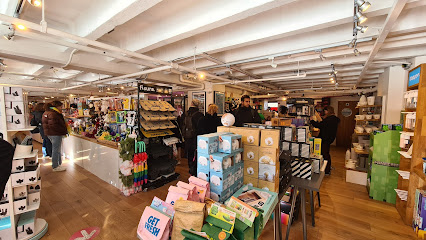
SUCK UK Alternative Gifts (OXO Tower)
0.8 km
Discover quirky, clever gifts and homewares at SUCK UK’s flagship store in London’s iconic OXO Tower.
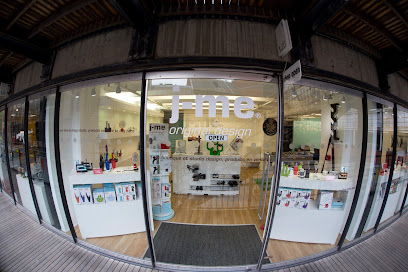
j-me original design ltd
0.9 km
Whimsical designs with a humorous twist from London's Oxo Tower creative hub – quirky home gifts blending fun, function, and British ingenuity.
Sugar And Style
0.9 km
Discover design-led fashion accessories in Gabriel's Wharf, London's arty South Bank riverside haven blending style, creativity, and Thames views.

Bankside Arches Boutique
0.9 km
Discover unique London gifts and handcrafted treasures inside Blackfriars Station’s charming Bankside Arches Boutique.
Persephone books
1.0 km
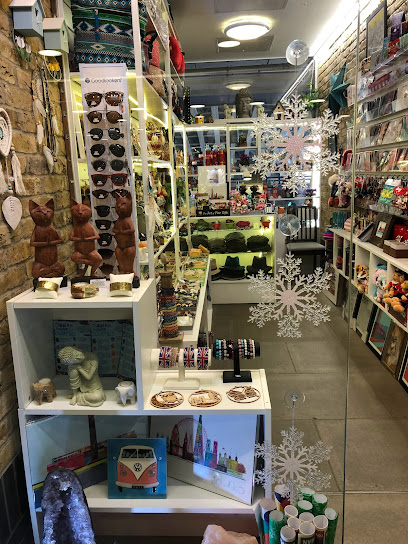
Discover the hidden treasures of 20th-century women’s literature at Persephone Books, a Bloomsbury gem celebrating forgotten female voices.
London Transport Museum - Shop
1.0 km
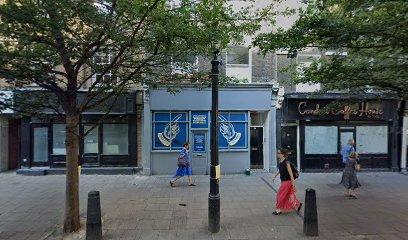
Discover unique transport-themed gifts and iconic London memorabilia at the London Transport Museum Shop in Covent Garden.
One New Change
1.0 km
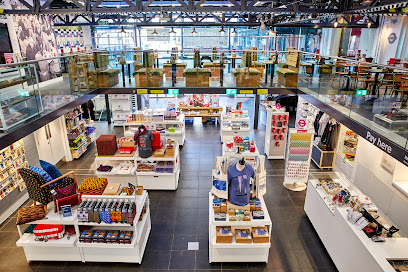
Modern glass landmark with free rooftop views of St Paul's Cathedral and London skyline.
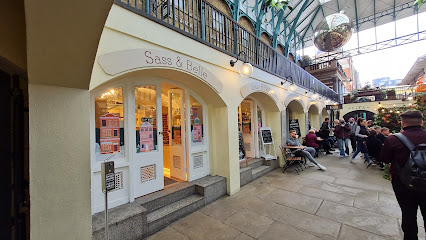
Sass & Belle Covent Garden Market
1.0 km
Quirky gifts and whimsical homeware in Covent Garden's lively market—permanently closed in-store, thriving online with cute finds for every home.
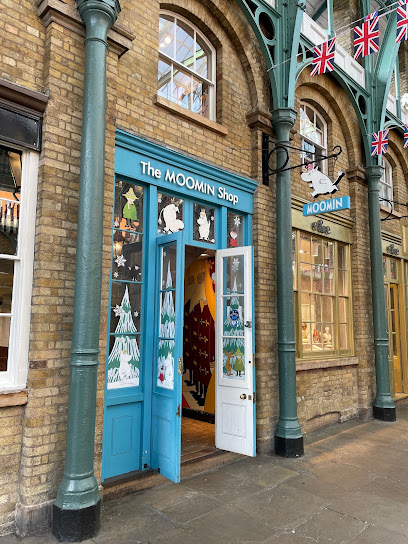
The Moomin Shop London
1.0 km
Step into the enchanting world of Moominvalley at The Moomin Shop in Covent Garden, London’s magical haven for fans of Tove Jansson’s beloved characters.
Rokit Covent Garden
1.1 km
Dive into retro treasures at Rokit Covent Garden, where sustainable vintage fashion meets London's vibrant street style heritage on Shelton Street.

Essential bars & hidden hideouts

Black Parrot
0.4 km
Discover London’s top rum bar with expertly crafted cocktails, immersive masterclasses, and a lively yet intimate atmosphere in Bride Court.
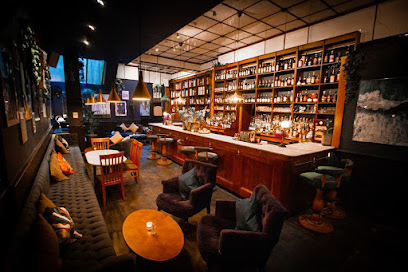
Lyaness
0.8 km
Innovative cocktails and sustainable mixology with stunning Thames views in London’s stylish South Bank hotspot.
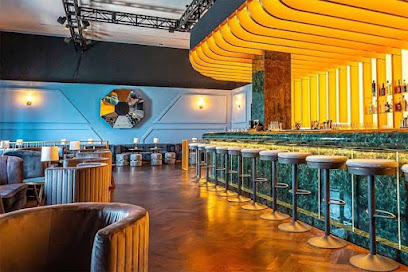
The Chocolate Cocktail Club
0.8 km
London’s intimate chocolate cocktail bar blending rich flavors, stylish ambiance, and over 20 unique chocolate-infused drinks.
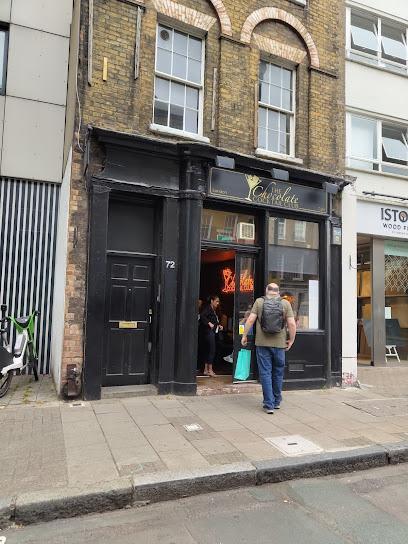
Plume Wine Bar
0.9 km
Covent Garden speakeasy in Dickens' old offices: sparkling wines from afar, cheesy sharing plates, and note-passing to strangers in candlelit luxury.
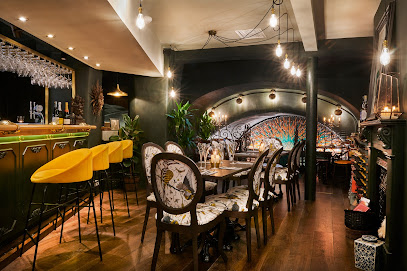
Be At One - Russell Street
0.9 km
Covent Garden’s vibrant cocktail bar with 100+ drinks, late-night parties, and unbeatable 2-for-1 happy hours in a stylish basement setting.
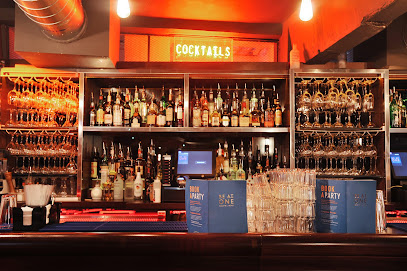
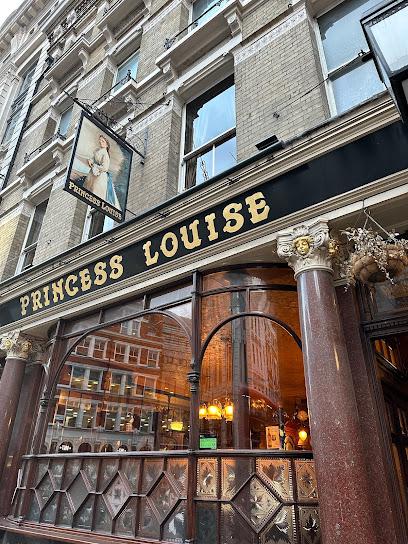
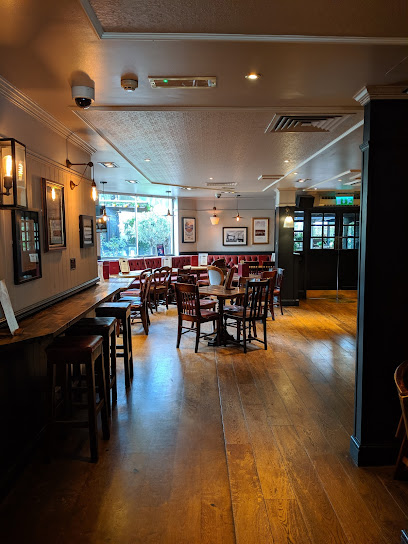
Princess Louise
0.9 km
Step into the Princess Louise, a stunning Victorian gin palace in Holborn, where opulent interiors and rich history blend in a timeless London pub experience.
Doggett's Coat and Badge
0.9 km
A large, riverside Nicholson’s pub on Blackfriars Bridge offering classic British fare, real ales and a rooftop terrace with strong Thames views.
Be At One - Covent Garden Lyceum
0.9 km
Shake up your night in Covent Garden with 100+ cocktails, 2-for-1 happy hours, and masterclasses in a historic spot pulsing with theater-district energy.
The Duke
0.9 km
A classic Bloomsbury pub offering warm hospitality, traditional drinks, and hearty British fare in a cozy setting.
Dirty Martini - Covent Garden
1.0 km
Glamorous Covent Garden cocktail haven pulsing with martini magic, bottomless brunches, and late-night DJ vibes under sparkling chandeliers.
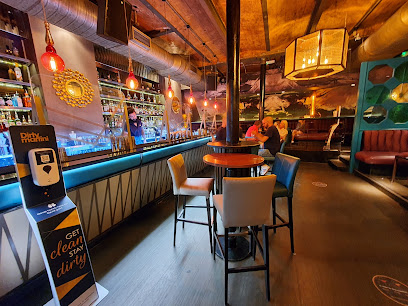
The Understudy
1.0 km
Riverside craft beers, KERB street food, and Thames views at the National Theatre's lively bar – perfect for pre-show bites or late-night hangs on London's South Bank.
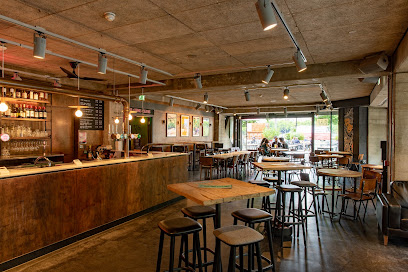
Beaufort Bar
1.0 km
Step into the Beaufort Bar’s jet-black and gold Art Deco glamour for exquisite cocktails, live sultry music, and a timeless London night out.
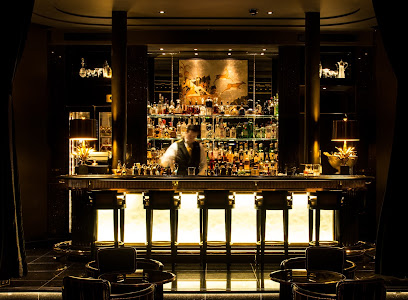
American Bar
1.0 km
Step into London’s oldest cocktail bar, where over a century of mixology mastery meets elegant Art Deco charm at The Savoy.
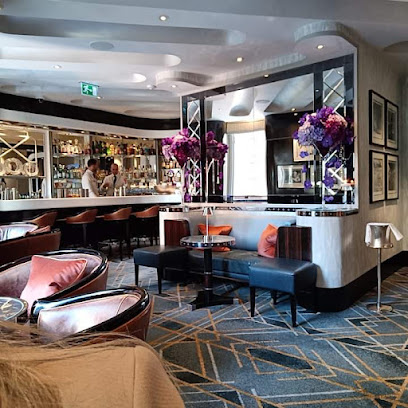
Crusting Pipe
1.0 km
Covent Garden wine bar pouring Davy’s finest ports amid live music, British classics and cosy nooks—perfect for pre-theatre indulgence or market rendezvous.
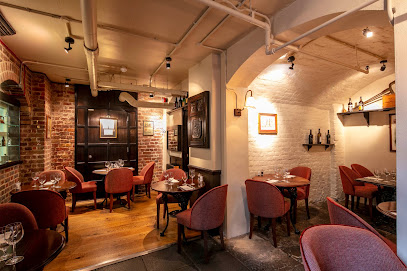
Eve Bar Covent Garden
1.0 km
Subterranean Covent Garden cocktail bar tempting with zero-waste elixirs, decadent snacks, and Eden-inspired glamour beneath a Michelin-starred haven.
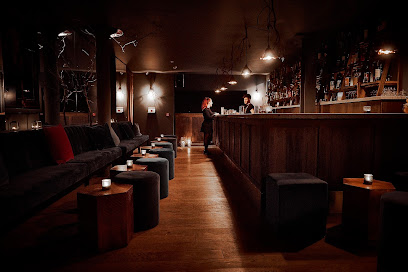
Nightclubs & after hour spots

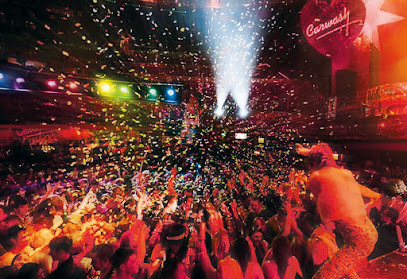
Carwash Nightclub
0.8 km
Experience Europe’s longest-running disco club in London’s West End, where retro beats, vibrant crowds, and themed parties create unforgettable nights.
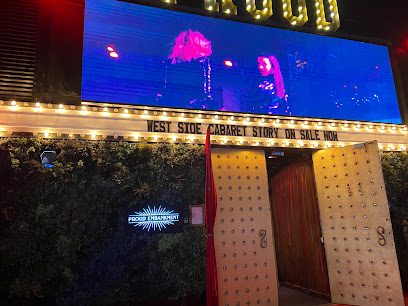
Proud Late
0.9 km
Dive into two-storey glamour under Waterloo Bridge: cabaret acrobatics, burlesque dazzle, supper feasts, and non-stop clubbing till 5am in London's West End nightlife epicenter.
Bunga Bunga Covent Garden
0.9 km
A neon-soaked, pizza-and-karaoke supper club under Drury Lane — 90s nostalgia, stage shows and shareable Italian feasts.
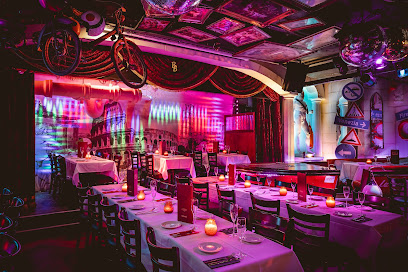
London Best Night Clubs
0.9 km
Experience London’s legendary Ministry of Sound, where cutting-edge sound meets dynamic club culture in a multi-room dance haven.
The Roxy
1.2 km
Soho's unbeatable happy hour cocktail bar by day, pulsing nightclub with live music and DJ nights till 3am—affordable vibes in London's nightlife heart.
Comedy Carnival Covent Garden
1.2 km
London's premier stand-up comedy venue showcasing bold, award-winning international comedians in vibrant Covent Garden.

Whatdafunk Presents West End Urban Disco
1.3 km
Dive into London's grooviest urban disco beats at Whatdafunk, where Covent Garden's streets pulse with funk, soul, and non-stop dance energy in the heart of the West End.
The Ivy Club
1.3 km
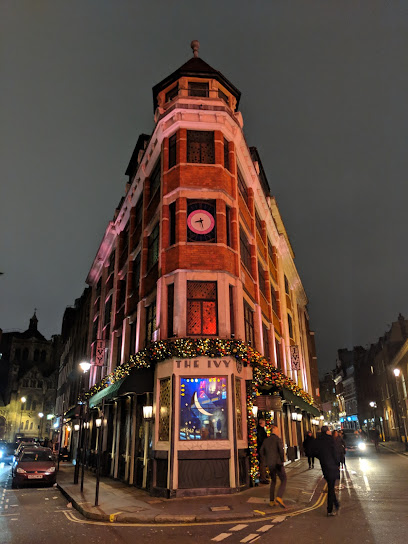
Art-Deco‑tinged members’ club above The Ivy — piano bars, discreet private dining and polished West End glamour.
Heaven
1.4 km
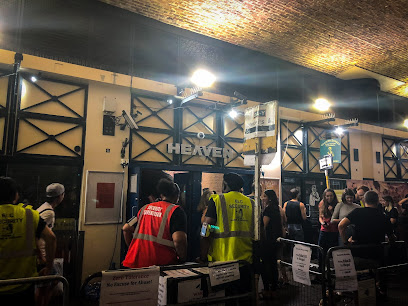
London’s iconic gay superclub under the railway arches — big nights, loud music, drag, and late finishes in the heart of the West End.
The Steel Yard
1.5 km
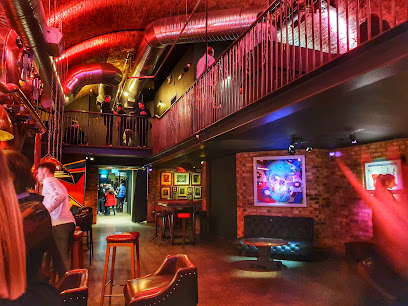
Experience London’s premier industrial-chic nightclub set in historic Victorian railway arches, with world-class sound and late-night energy until 6am.
Zoo Bar & Club
1.5 km
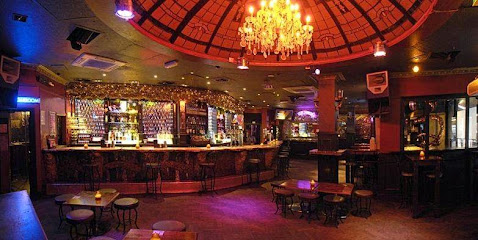
Dive into Leicester Square's edgy nightlife hub: two floors of R&B beats, sports screens, and wild energy until 3am at Zoo Bar & Club.
Club49Soho
1.5 km
Soho's stylish cocktail haven with DJ-fueled dancefloor energy, blending upscale drinks and classy nightlife vibes until 3am.
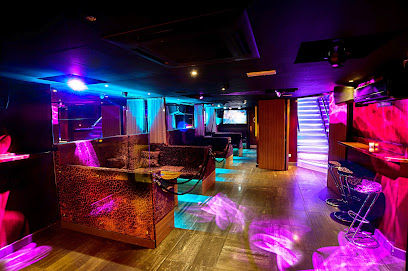
La Capannina Club
1.5 km
Discover Soho's discreet gentlemen's club: seductive stage shows, cosy vibes, and late-night allure in London's nightlife heart.
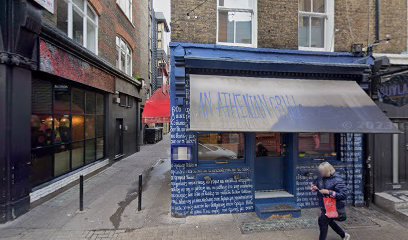
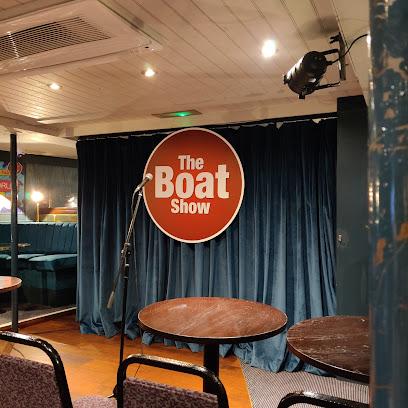
The Boat Show Comedy Club
1.6 km
London’s premier floating comedy club aboard the historic Tattershall Castle, blending laughter with iconic riverside views and vibrant nightlife.
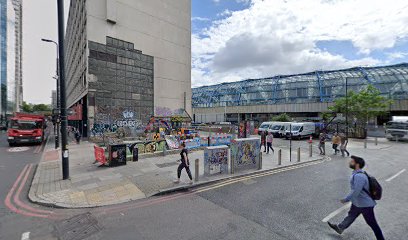
Cirque Du Soul
1.6 km
Dive into Leake Street's graffiti tunnel for soul-stirring electronic nights at this underground nightclub haven.
For the vibe & atmosphere seeker
- Scenic
- Tranquil
- Historic
- Unique
For the design and aesthetic lover
- Vintage Styles
- Historic
For the architecture buff
- Historic
- Landmarks
- Art & Design
For the view chaser and sunset hunter
- Iconic Views
- Photo Spots
For the social media creator & influencer
- Photo Spots
- Selfie Spots
- Aesthetic Corners
For the eco-conscious traveler
- Public-Transport Accessible
For the kind of experience you’re after
- Cultural Heritage
- Photowalk
- Mindfulness
For how adventurous you want the journey to be
- Easy Access
Location Audience
- Family Friendly
- Senior Friendly
- Child Friendly
- Teen Friendly
- Wheelchair Access
- Solo Friendly
- Couple Friendly
- Solo Female Friendly
- Business Friendly


