

Churchill War Rooms
Britain's secret wartime headquarters where Churchill directed the fight against Nazi tyranny from underground bunkers beneath Westminster.
Hidden beneath the streets of Westminster lies the Churchill War Rooms, a preserved underground complex that served as the secret headquarters of the British government during World War II. This historic site comprises the Cabinet War Rooms—where Winston Churchill and his war cabinet directed military operations from 1939 to 1945—and the Churchill Museum, a comprehensive biographical exhibition opened in 2005. Visitors explore rooms left virtually untouched since the war ended, including the Map Room where D-Day was coordinated, Churchill's private bedroom, and the Transatlantic Telephone Room. The complex offers an intimate glimpse into wartime decision-making and the resilience of British leadership during humanity's darkest hours.
A brief summary to Churchill War Rooms
- King Charles St, London, SW1A 2AQ, GB
- +442074165000
- Visit website
- Duration: 2 to 3.5 hours
- Mid ranged
-
 Indoor
- Mobile reception: 4 out of 5
- Monday 9:30 am-6 pm
- Thursday 9:30 am-6 pm
- Friday 9:30 am-6 pm
- Saturday 9:30 am-6 pm
- Sunday 9:30 am-6 pm
Local tips
- Allow at least 2–3 hours to explore both the Cabinet War Rooms and the Churchill Museum thoroughly. The complex contains numerous rooms with detailed exhibits, and rushing diminishes the historical impact of the experience.
- Visit during weekday mornings (9:30–11:00 AM) to avoid peak weekend crowds. The narrow corridors and confined spaces become uncomfortable when busy, and the immersive atmosphere is best appreciated with fewer visitors.
- Wear comfortable, flat shoes with good grip. The corridors are narrow, floors can be uneven, and some areas involve slight changes in level. The underground environment remains cool year-round, so bring a light layer.
- The audio guide (available at no extra cost with admission) significantly enhances understanding of the rooms and their historical context. It provides expert narration and fascinating details that bring the wartime experience to life.
- Photograph the Map Room and Churchill's bedroom, but be mindful of other visitors in the confined spaces. The original artifacts and preserved details provide powerful visual records of this pivotal historical site.

For the on-the-go comforts that matter to you
- Restrooms
- Drink Options
- Food Options
- Seating Areas
- Information Boards
- Visitor Center
Getting There
-
Underground Train (Tube)
The nearest Underground stations are Westminster (District, Circle, and Jubilee lines) and Embankment (District, Northern, and Bakerloo lines), both approximately 5–7 minutes' walk from the War Rooms entrance on King Charles Street. From Westminster, exit onto Parliament Street and follow signs toward the Treasury building. From Embankment, cross the Thames via Hungerford Bridge and head south. Journey times from central London vary from 10–25 minutes depending on your starting point. Trains run frequently throughout the day (every 2–5 minutes during peak hours). Single fares within central London zones cost approximately £1.75–£2.80 depending on your origin.
-
Bus
Multiple bus routes serve the Westminster area near the War Rooms, including routes 3, 11, 12, 24, 29, 53, 77A, 87, 88, and 159. The nearest bus stops are on Parliament Street or Great George Street, approximately 2–3 minutes' walk from the entrance. Journey times from central London range from 15–40 minutes depending on traffic and your starting point. Buses run frequently throughout the day, with most routes operating every 5–15 minutes. A single bus fare within central London costs £1.75 (contactless payment) or £2.80 (cash). A day bus pass costs £5.00 and allows unlimited travel on all London buses.
-
Taxi or Ride-Hailing
Black cabs and ride-hailing services (Uber, Bolt) are readily available throughout London. Journey times from central London locations vary from 10–30 minutes depending on traffic conditions and time of day. Peak hours (8:00–9:30 AM and 5:00–7:00 PM) typically experience significant congestion. Black cab fares from Westminster to the War Rooms typically range from £8–£15. Ride-hailing services generally cost £6–£12 for similar journeys, though surge pricing may apply during peak times. The War Rooms entrance has limited nearby parking; taxis and ride-hailing services are the most convenient options for visitors arriving by car.
-
Walking
The War Rooms are accessible on foot from most central London locations. From Trafalgar Square, the walk takes approximately 12–15 minutes via the Strand and Parliament Street. From Tower Bridge, allow 25–30 minutes, walking west along the Thames and crossing at Westminster Bridge. From Buckingham Palace, the journey is approximately 15–18 minutes heading east toward Parliament Square. The route involves paved urban streets with regular pedestrian crossings. Terrain is flat with no significant hills. The final approach to King Charles Street involves navigating around government buildings and Parliament Square, which can be confusing; use a map application for precise directions. Walking is practical and offers opportunities to observe Westminster's historic architecture.
Churchill War Rooms location weather suitability
-
 Any Weather
Discover more about Churchill War Rooms
A Secret Fortress Beneath Whitehall
The Churchill War Rooms occupy a series of basement rooms beneath what is now the Treasury building on Great George Street in Westminster. Construction began in 1938 as fears of German aerial bombardment intensified, and the complex became fully operational on 27 August 1939, just days before Britain declared war on Germany. The location was strategically chosen for its proximity to Downing Street and the Houses of Parliament, allowing the Prime Minister and his cabinet to reach safety within minutes during air raids. Initially, the rooms were simply adapted basements with reinforced wooden pillars supporting the ceilings. However, following the devastating Blitz of 1940, a massive concrete slab—up to five feet thick in places—was installed between the rooms and ground level, providing crucial additional protection and enabling the complex to expand to three times its original size by spring 1941. The underground headquarters remained secret throughout the war, with their very existence unknown to the enemy. This secrecy proved to be their primary defence, as the rooms were never directly hit despite London's relentless bombardment. At its peak, approximately 500 people worked within the complex around the clock, creating a hive of activity as military strategists, government officials, and support staff coordinated Britain's war effort from this subterranean nerve centre.The Heart of Wartime Command
The Cabinet Room stands as the symbolic centre of the complex, where Churchill held 115 cabinet meetings throughout the war. Upon entering in May 1940, Churchill famously declared, "This is the room from which I will direct the war." The room accommodated up to 20 people at a time, including the Prime Minister, his war cabinet ministers, and heads of the Army, Navy, and Air Force. Churchill's personal chair at the head of the table remains preserved, bearing silent witness to the gravity of decisions made under existential threat. The Map Room functioned as the operational heart of the War Rooms, staffed continuously throughout the war. Here, thousands of pins tracked Allied convoy routes, military movements, and strategic operations across every theatre of war. The maps were updated constantly with information flowing in from intelligence sources worldwide. Churchill spent the entirety of D-Day in this room, receiving real-time updates on the progress of Allied forces and making critical decisions that shaped the course of the invasion. The original maps and charts remain on display, their surfaces bearing thousands of pinholes and patches—particularly around Gibraltar—that testify to the relentless focus and strategic diligence required to prosecute a global conflict.Churchill's Private Sanctuary
Churchill maintained a private bedroom within the complex, located adjacent to the Map Room and notably the only fully carpeted room in the War Rooms. Records confirm he slept there only from 16 to 18 September 1940, though he preferred to rest at Downing Street or in apartments directly above the War Rooms when circumstances permitted. The bedroom reflects the austere conditions of wartime, offering Churchill minimal comfort despite his position as Prime Minister. This intimate space humanises the historical narrative, revealing how even the nation's leader endured the constraints and dangers of underground wartime existence.Communications and Technological Innovation
The War Rooms were equipped with cutting-edge technology for their era, including encrypted telephones, radio equipment, and a transatlantic telephone line that enabled secure communication between British and American leadership. The Transatlantic Telephone Room, converted from a small broom cupboard, connected to a scrambling and encoding facility located miles away beneath Selfridges on Oxford Street. From this modest space, Churchill could confer directly with President Franklin D. Roosevelt without fear of enemy interception. The BBC Broadcasting Room housed a radio operator who transmitted Churchill's speeches to BBC headquarters in London, from where they were broadcast to the nation and the world. These broadcasts proved instrumental in maintaining British morale and inspiring continued resistance against the Axis powers.Preservation and Public Access
Following Japan's surrender on 16 August 1945, the doors to the Cabinet War Rooms were locked, and the complex remained undisturbed for decades. The rooms were left almost exactly as they had been abandoned—a time capsule of wartime operations frozen in 1945. Parliament ensured the site's preservation as a historic monument in 1948, though access remained highly restricted until the late 1970s. The Imperial War Museum began restoration work to preserve the site and its contents for public access. The main War Rooms opened to the public in 1984 in a ceremony attended by Margaret Thatcher and Churchill family members. In 2003, further restoration opened the Courtyard Rooms, where staff had eaten, slept, and worked in safety. The Churchill Museum, a major biographical exhibition exploring Churchill's 90-year life and legacy, was added in 2005 following a £6 million development funded by private donations.A Testament to Wartime Resilience
Today, the Churchill War Rooms stand as a powerful monument to British resilience, strategic determination, and the human capacity for leadership under extraordinary pressure. Every corridor, every artifact, and every preserved detail tells stories of men and women who spent thousands of vital hours directing a nation's survival from beneath London's streets. The Battle of Britain Day board, displaying RAF victory figures from 15 September 1940, remains on display as a motivational testament to that pivotal moment. Visitors walk in the footsteps of history, experiencing firsthand the confined spaces where momentous decisions were made, where hope was maintained, and where the course of human history was altered by the vision and commitment of those who refused to surrender.Iconic landmarks you can’t miss

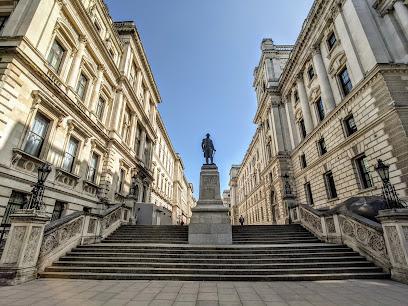
Clive Steps
0.0 km
A Grade II-listed bronze statue commemorating the controversial architect of British imperial power in India.
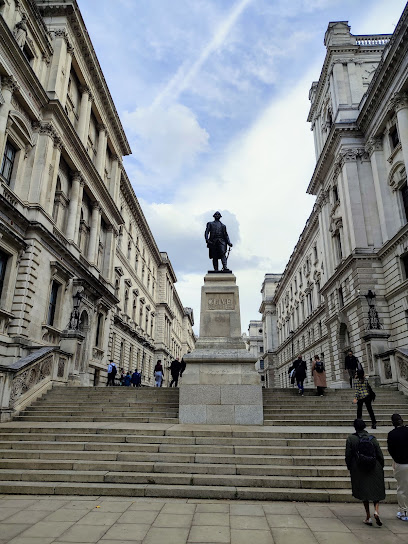
Clive of India Memorial
0.0 km
A towering Edwardian statue in London commemorating Robert Clive, founder of British rule in India, embodying imperial triumph and controversy.
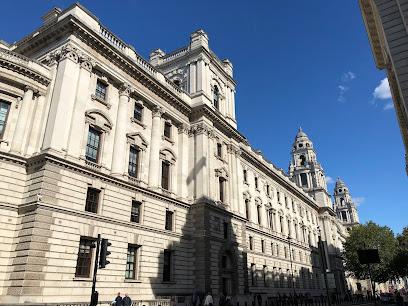
His Majesty's Treasury
0.0 km
The historic and strategic heart of the UK government’s economic policy, located in the iconic government district of Westminster, London.
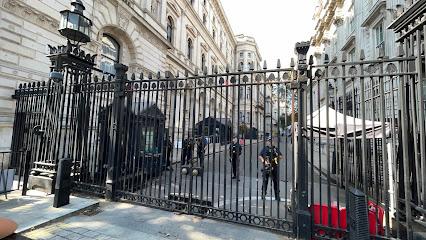
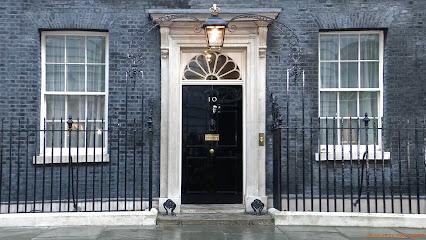
10 Downing St
0.2 km
Discover the historic seat of British leadership, where iconic moments and political power converge behind the famous black door.
10 Downing Street
0.2 km
Iconic London residence and office of the UK Prime Minister, steeped in centuries of political history and power.
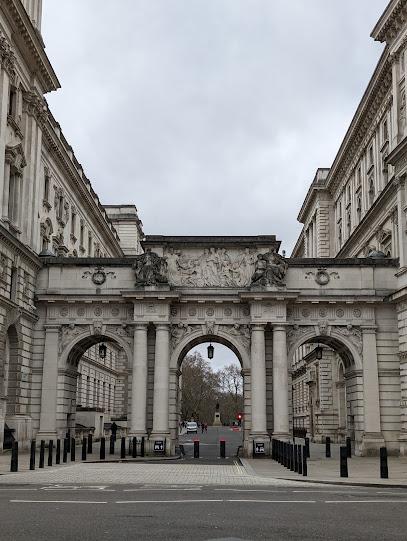
King Charles Street Arch
0.2 km
A grand 1908 triple-arched gateway in London’s Whitehall, rich in sculptural detail and historical significance.
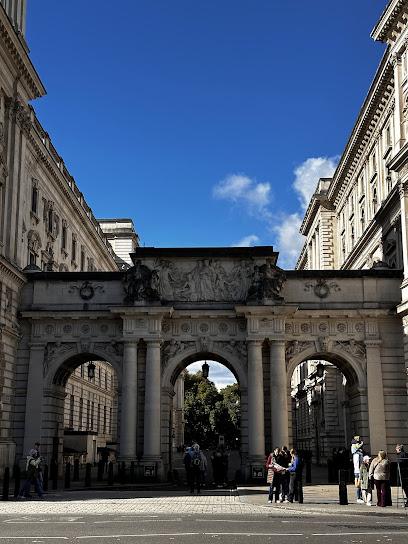
King Charles Street
0.2 km
Explore King Charles Street, a historic London government hub famed for its grand Victorian architecture and pivotal role in British political life.
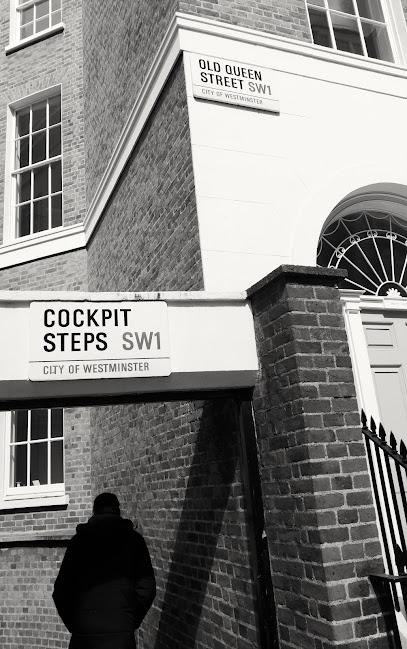
Cockpit Steps
0.2 km
Discover Cockpit Steps, a hidden historic passage in Westminster where London’s royal cockfighting past meets ghostly legend and quiet charm.
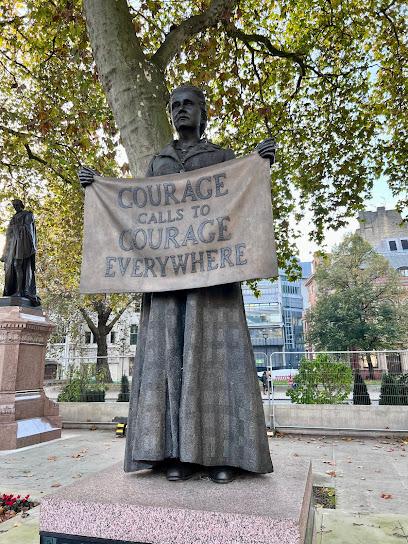
Millicent Garrett Fawcett Statue
0.2 km
Honoring Millicent Garrett Fawcett, the first woman commemorated in Parliament Square, inspiring equality through her iconic statue and legacy.
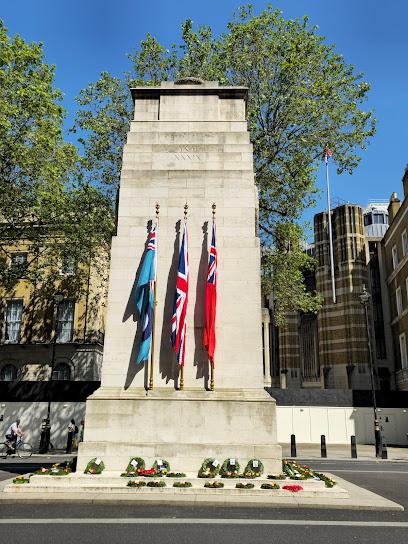
The Cenotaph
0.2 km
Britain’s national war memorial in Whitehall, a solemn tribute to the fallen of the World Wars and later conflicts.
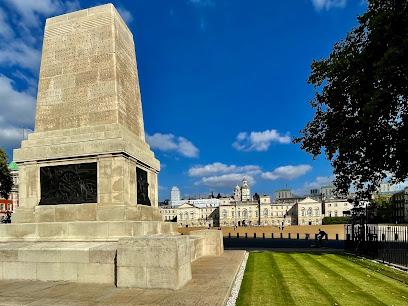
Guards Memorial
0.3 km
A solemn tribute to the valor and sacrifice of the Guardsmen who fell in World War I, set amidst London’s historic ceremonial heart.
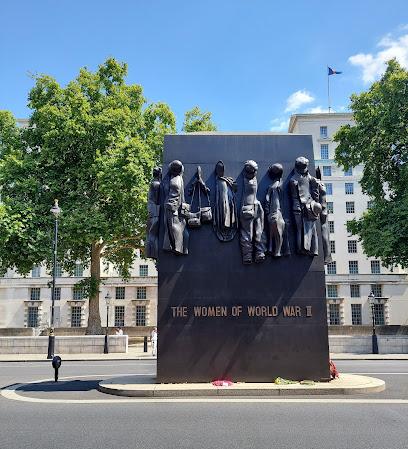
The Women of World War II
0.3 km
A powerful bronze tribute in Whitehall honoring over seven million British women’s vital roles during World War II.
Dover House
0.3 km
Historic neoclassical mansion on Whitehall, home to the Scotland Office with a unique rotunda entrance and rich aristocratic past.
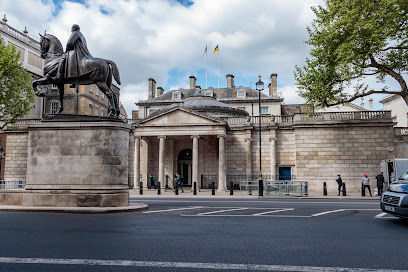
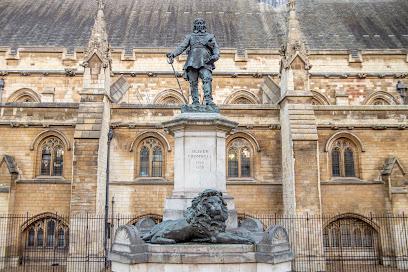
Statue of Oliver Cromwell
0.4 km
A commanding bronze tribute to Oliver Cromwell, standing outside Westminster Hall as a symbol of Britain’s turbulent 17th-century history and contested legacy.
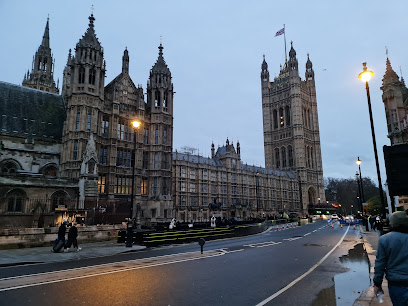
Westminster Hall
0.4 km
Step into Westminster Hall, a majestic medieval masterpiece that has witnessed a millennium of British history, law, and monarchy.
Unmissable attractions to see

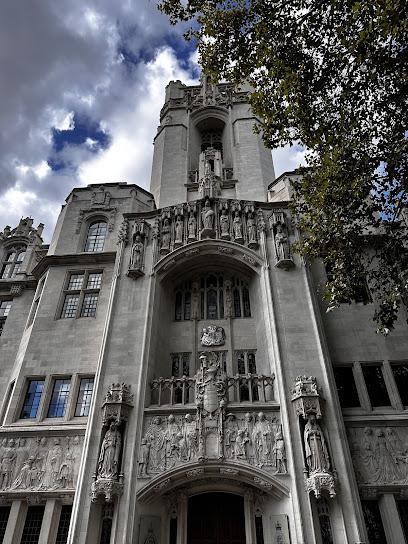
The Supreme Court
0.2 km
Explore the UK's highest court in a stunning neo-Gothic building at the heart of London’s political and judicial district.
Parliament Sq
0.2 km
Historic London square at the heart of British democracy, adorned with iconic statues and framed by world-famous landmarks.
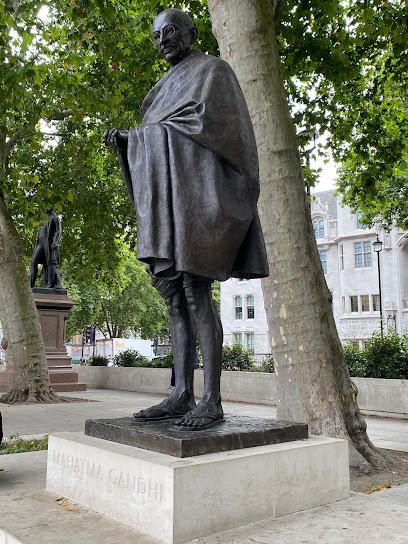
Mahatma Gandhi statue
0.2 km
A dignified bronze tribute to Gandhi’s peaceful legacy, standing humbly among world leaders in the heart of London’s historic Parliament Square.
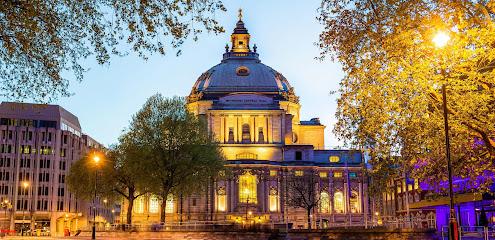
Central Hall Westminster
0.2 km
Iconic Grade II* listed venue with Europe’s largest self-supporting dome, hosting historic and modern events in central London.
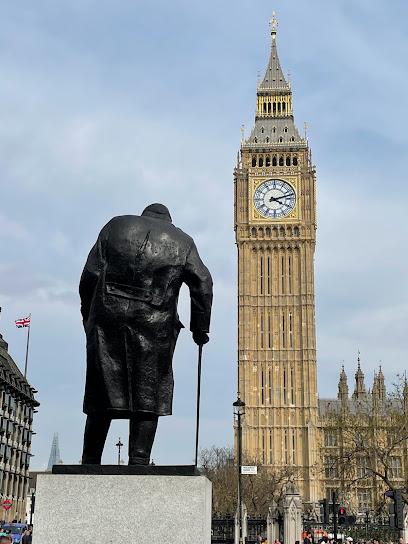
Sir Winston Churchill statue
0.2 km
Iconic bronze statue of Winston Churchill in Parliament Square, symbolizing British resilience and leadership during World War II.
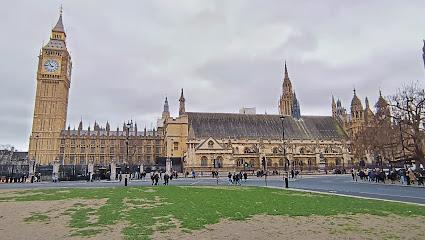
Parliament Square Garden
0.3 km
A historic green oasis in Westminster, offering iconic views and monuments at the heart of London’s political heritage.
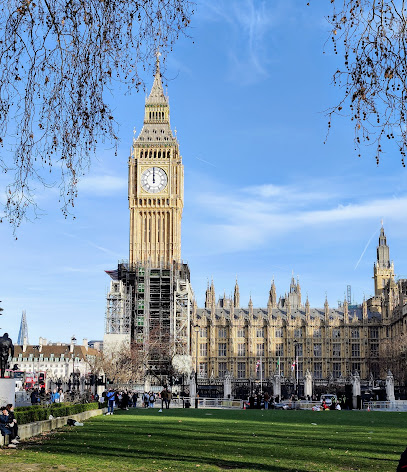
The Sanctuary
0.3 km
Historic charm meets modern comfort in the heart of Westminster, with cozy rooms, a classic pub, and sustainable hospitality.
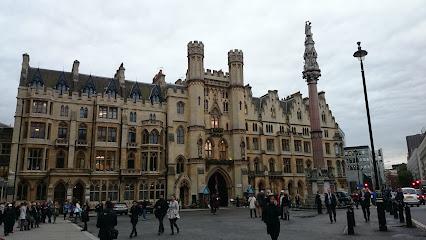
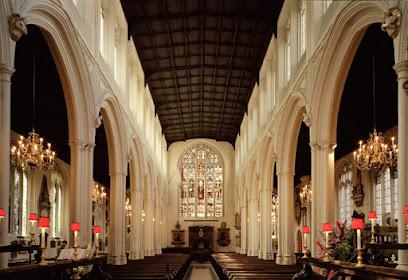
St Margaret's Church
0.3 km
Explore the serene St Margaret's Church, a historic Anglican church in London, next to Westminster Abbey, rich in history and stunning architecture.
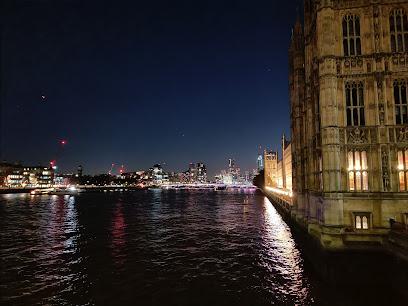
Bridge St
0.3 km
Historic Bridge Street in London offers riverside views, rich heritage, and vibrant urban life beside the iconic London Bridge.
Horse Guards Parade
0.3 km
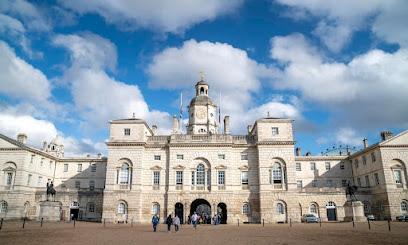
Historic ceremonial parade ground in London’s Whitehall, famed for royal pageantry and military tradition since the 16th century.
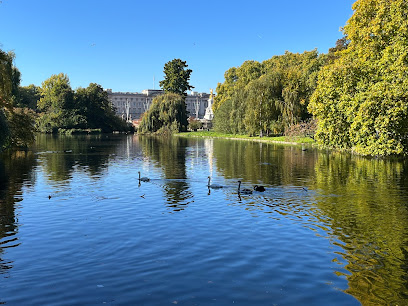
St James's Park
0.3 km
London’s oldest Royal Park, a serene green oasis with iconic palace views, historic charm, and a famous pelican colony in the city center.
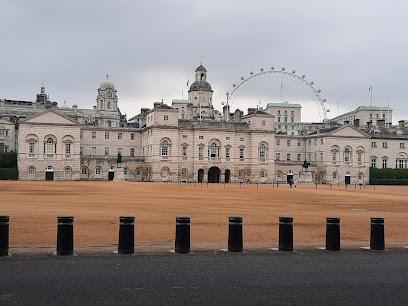
The Household Cavalry Museum
0.3 km
Explore the living history and pageantry of Britain’s elite Household Cavalry at their historic London headquarters.
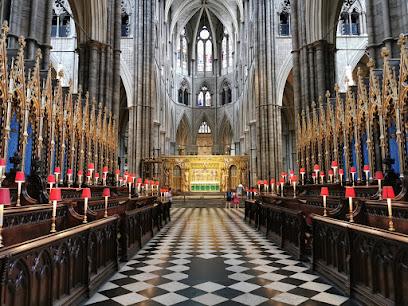
Westminster Abbey
0.3 km
Discover the majestic Gothic abbey where British monarchs have been crowned since 1066 and history echoes through every stone.
Royal Naval Division War Memorial
0.4 km
A solemn Lutyens-designed fountain and obelisk memorial honoring the Royal Naval Division’s WWI sacrifices on historic Horse Guards Parade.
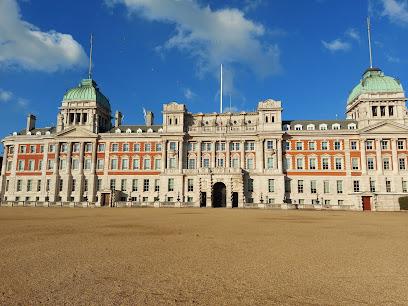
Banqueting House
0.4 km
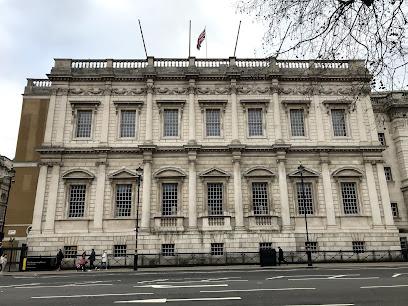
Explore London's Banqueting House, a Palladian masterpiece with Rubens' ceiling and the historic site of King Charles I’s execution.
Essential places to dine

The Pem
0.4 km
Elegant modern British dining in Westminster, honoring heritage with exquisite seasonal menus and refined ambiance.
Caxton Grill
0.5 km
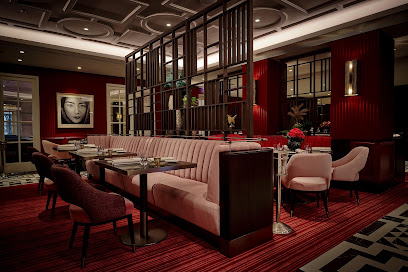
Refined British grill cuisine with fresh rooftop garden produce in a relaxed Westminster setting inside St Ermin’s Hotel.
Ekstedt at The Yard
0.5 km
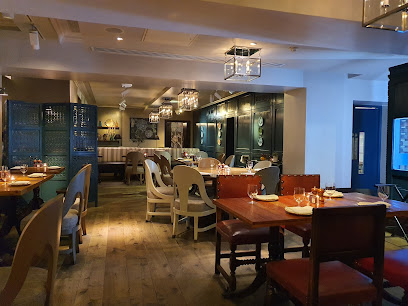
Experience Nordic wood-fired cuisine by Michelin-starred chef Niklas Ekstedt in the historic Great Scotland Yard Hotel, blending ancient fire cooking with British seasonal ingredients.
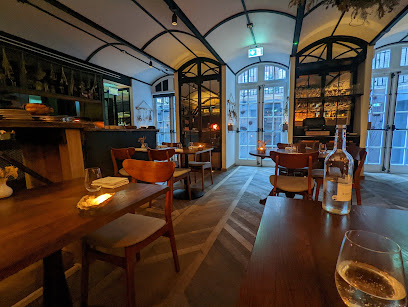
Chez Antoinette Victoria
0.6 km
Authentic French bistro in London’s Victoria offering classic Lyonnais and Parisian dishes in a cozy, Parisian-style setting.
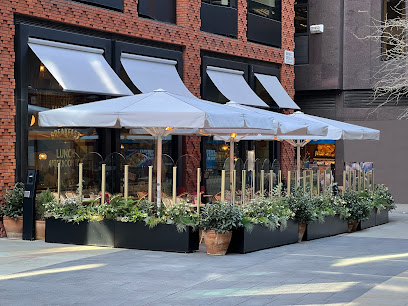
Ma La Sichuan
0.6 km
Experience authentic, boldly spiced Sichuan cuisine in the heart of Westminster with vibrant flavors and a welcoming atmosphere.
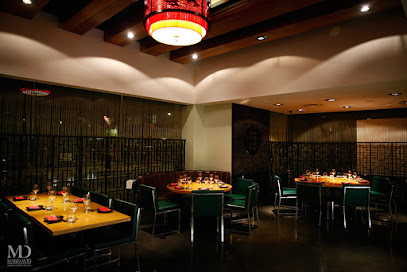
The Garden
0.6 km
A Mediterranean-inspired garden oasis offering refined seafood and elegant dining in the heart of London’s Corinthia Hotel.
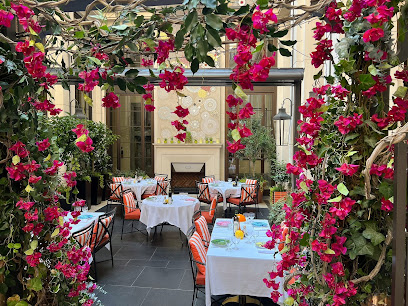
Wild Honey St James
0.6 km
Michelin-starred French-influenced cooking in a Grade II-listed banking hall, where refined technique meets understated elegance.
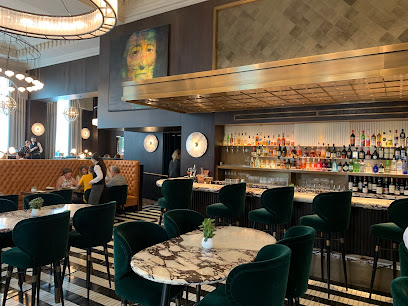
The Northall
0.6 km
Refined British dining with seasonal flair in a grand, elegant setting at Corinthia London’s distinguished restaurant.
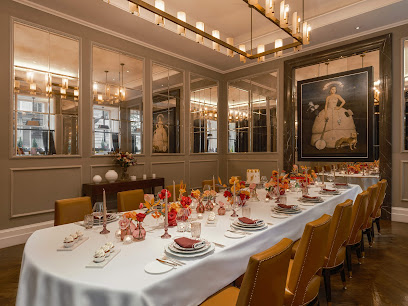
Colosseo Restaurant
0.6 km
Experience authentic Italian flavors and warm hospitality in the heart of London’s Victoria at Colosseo Restaurant.
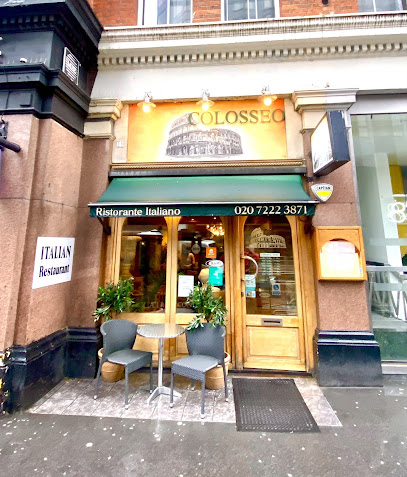
Mio Restaurant & Bar
0.7 km
Authentic Italian flavors and warm hospitality await you in this cozy central London gem with generous portions and great value.
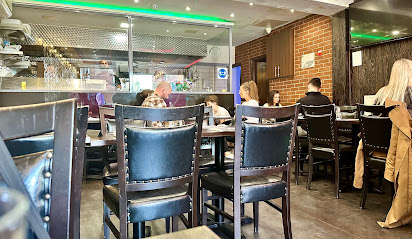
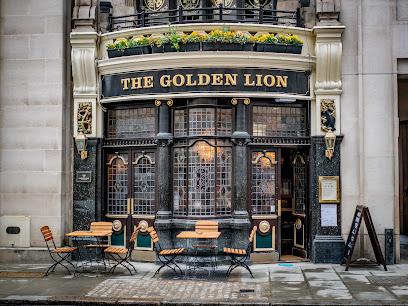
Golden Lion
0.7 km
Historic 1690s pub in St James's offering classic British fare, rich heritage, and a warm, family-friendly atmosphere near Buckingham Palace.
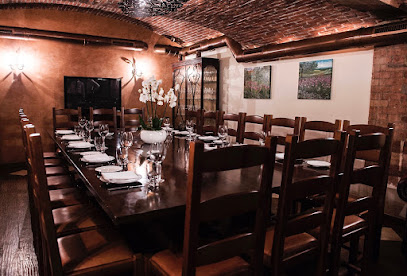
Osteria dell'Angolo
0.7 km
Classic Italian flavors and fresh pasta in a warm, elegant Westminster setting with attentive service and a visible kitchen.
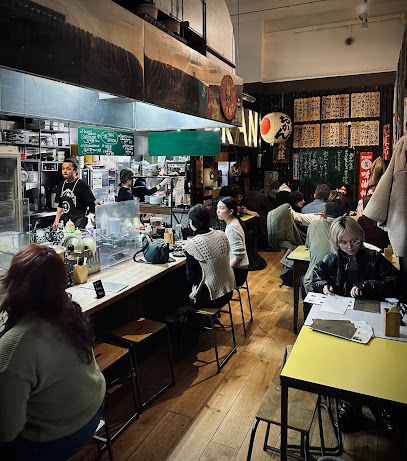
OKAN South Bank
0.8 km
Experience authentic Osaka-style okonomiyaki and Japanese street food in a cozy, lively South Bank eatery with friendly service and a nostalgic vibe.
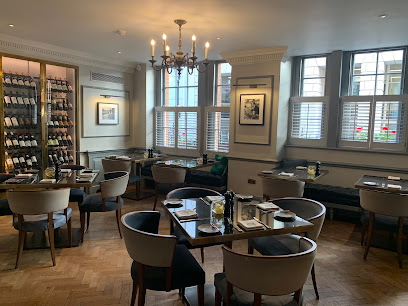
Great British Restaurant
0.8 km
Elegant British dining in the heart of St James’s, blending traditional flavors with modern sophistication in a tranquil hotel setting.
Troia Southbank
0.8 km
Experience authentic Mediterranean and Middle Eastern cuisine with halal options in a vibrant riverside setting near the London Eye.
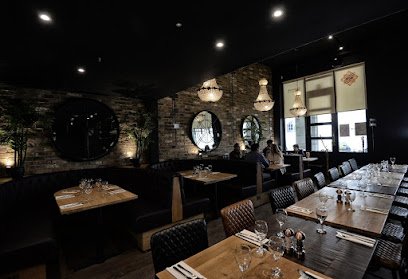
Markets, malls and hidden boutiques

Houses of Parliament Shop
0.3 km
Discover parliamentary pride in souvenirs, books, and gifts at this cozy Bridge Street boutique, steps from Westminster's iconic halls.
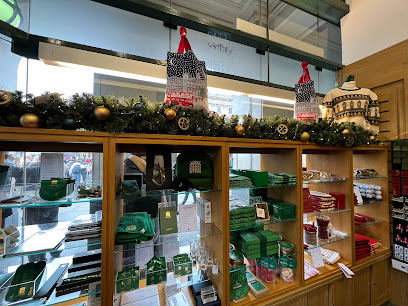
Westminster Abbey Shop
0.3 km
Discover exclusive Abbey-inspired gifts and souvenirs that support Westminster Abbey’s heritage and conservation efforts.
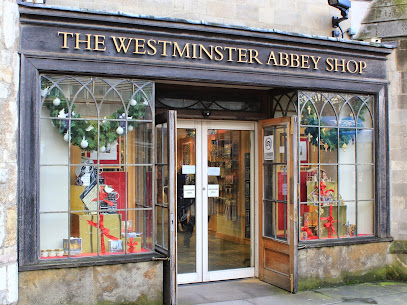
Jubilee Shop (Houses of Parliament Gift Shop)
0.3 km
Discover exclusive British political gifts and souvenirs inside the historic Westminster Hall at the Jubilee Shop, Houses of Parliament.
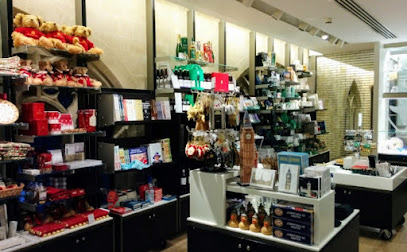
Crest of London Ltd
0.6 km
Discover authentic London souvenirs and local crafts at Crest of London Ltd, your premier gift shop in historic Whitehall.
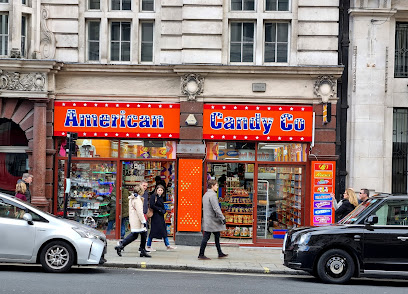
Browns of London
0.7 km
Explore Browns of London for unique handcrafted gifts and local treasures in the heart of the city, perfect for memorable souvenirs from your travels.
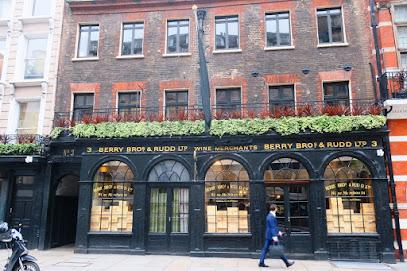
Berry Bros. & Rudd Wine Shop
0.7 km
London’s oldest family-run wine merchant since 1698, blending royal tradition with expert wine and spirits in a historic Pall Mall setting.
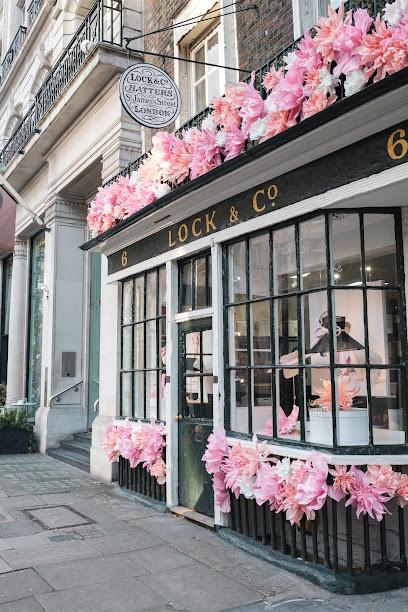
Lock & Co. Hatters
0.7 km
Discover the world’s oldest hat shop, where centuries of British style and craftsmanship come to life in the heart of London.
Gift Shop - London Eye Shop
0.7 km
Capture London's magic at the London Eye Gift Shop: exclusive souvenirs, Thames views, and iconic keepsakes from the wheel's base.
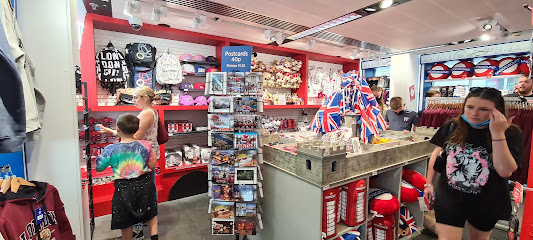
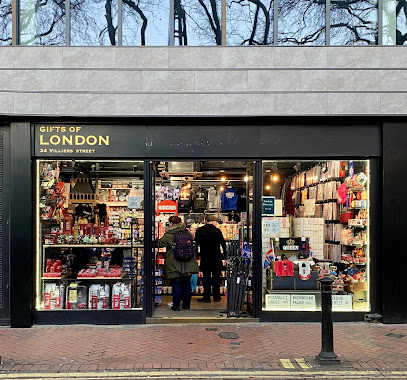
Gifts of London
0.7 km
Discover unique souvenirs and gifts that embody the spirit of London at Gifts of London, your perfect shopping destination.
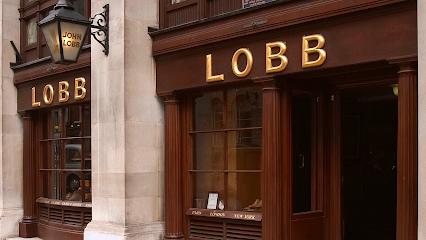
John Lobb St. James
0.8 km
Where 170 years of royal patronage meets handcrafted perfection in every stitch.
Custom Gifts By Jupiter
0.8 km
Unleash creativity with bespoke gifts and custom decor from this South Bank artisan haven near the Thames and iconic landmarks.
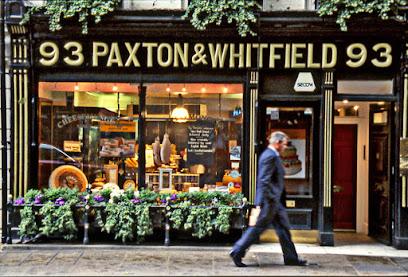
Paxton & Whitfield Ltd
0.9 km
London’s oldest cheesemonger, serving artisan cheese with royal heritage and timeless charm.
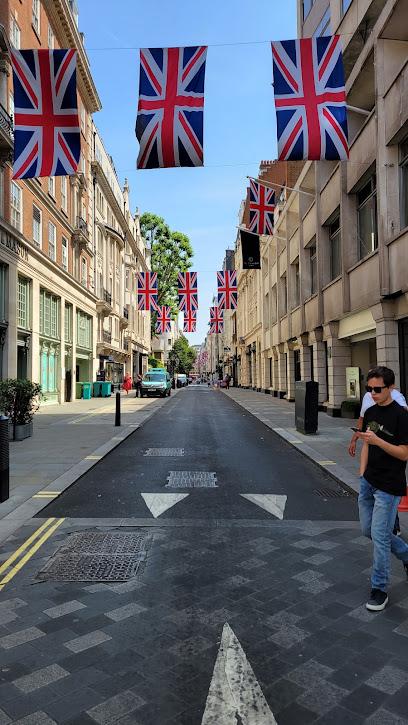
Jermyn St
0.9 km
Discover Jermyn Street, London’s historic menswear enclave blending timeless craftsmanship with contemporary style and refined elegance.
Floris London
0.9 km
Experience nearly three centuries of British fragrance heritage at Floris London’s historic boutique on iconic Jermyn Street.
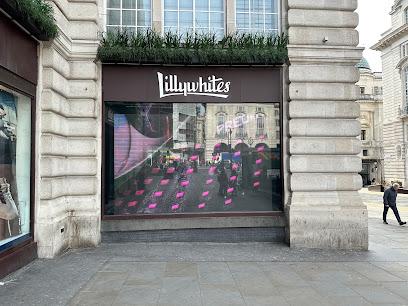
Lillywhites
0.9 km
London's iconic sports megastore at Piccadilly Circus—where athletic excellence meets retail tradition.
Essential bars & hidden hideouts

Westminster Arms
0.2 km
Historic Westminster pub with parliamentary division bell, Shepherd Neame ales, and cozy alcoves steps from Abbey and Parliament—timeless British charm in political heart.
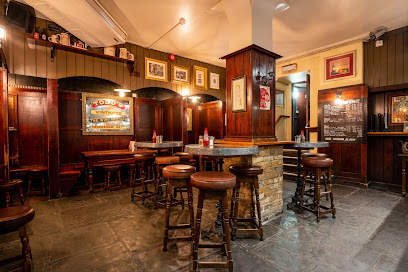
Two Chairmen
0.2 km
Traditional Westminster pub serving hearty pies, fresh ales, and classic British cheer just steps from St. James's Park and Parliament.
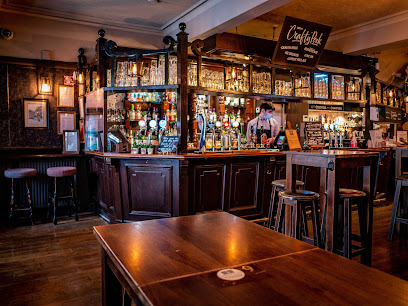
The Red Lion, Parliament Street
0.3 km
A venerable Westminster corner pub — late‑Victorian fittings, political atmosphere and a long history beside Downing Street and Parliament.
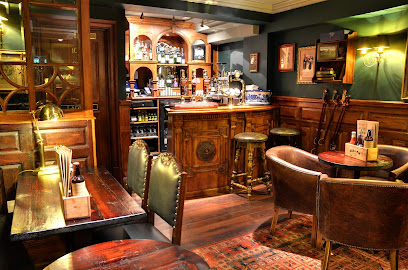
Blue Boar Pub
0.3 km
Traditional Westminster pub serving hearty British classics in a cozy, historic setting near Abbey and Parliament—perfect for ales, roasts, and relaxed evenings.
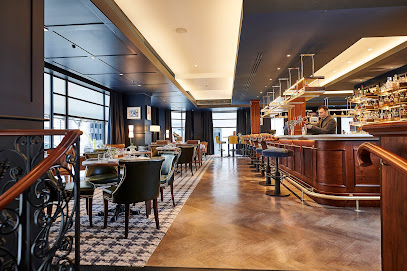
The Spy Bar
0.4 km
Step into London’s secret subterranean bar where espionage history meets masterful cocktails and exclusive, no-photos privacy.
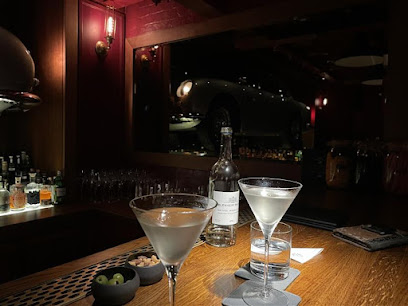
Old Shades
0.5 km
Historic Whitehall pub pouring cask ales and pub classics since 1898, steps from Trafalgar Square—a true taste of London tradition.
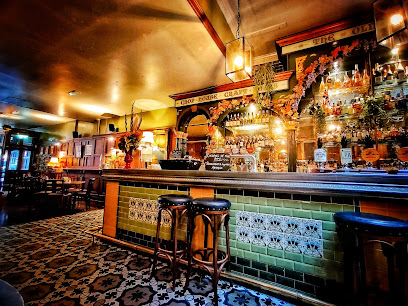
Adam & Eve
0.5 km
Classic Westminster pub pouring real ales and hearty grub amid historic streets—a cozy haven near Parliament and the Abbey for authentic London pints.
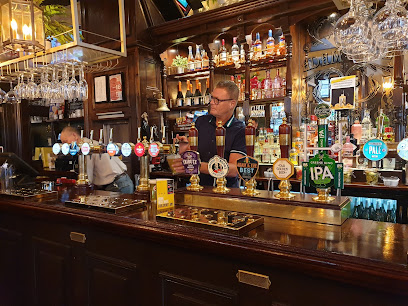
Le Champagne Bar
0.7 km
A compact riverside champagne lounge beside the London Eye—perfect for a celebratory flute and framed Thames views.
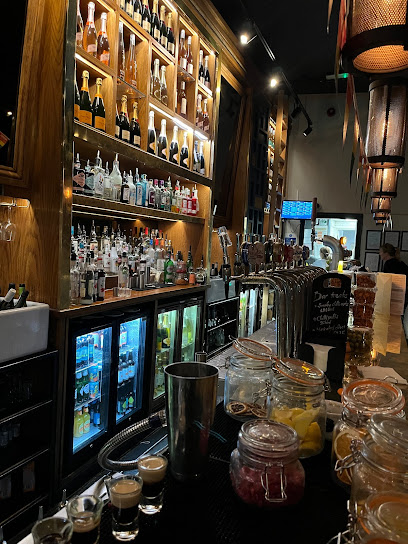
All Bar One Victoria
0.7 km
Sophisticated wines, global bites, and lively vibes on Victoria Street – London's go-to for stylish drinks and casual feasts near Westminster's heart.
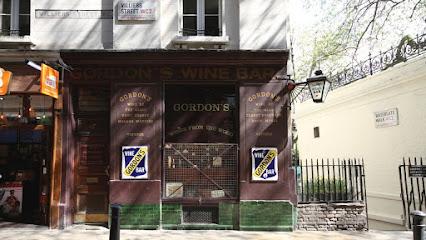
Gordon's Wine Bar
0.8 km
Step into London's oldest wine bar, where history, candlelight, and award-winning wines create an unforgettable cellar experience.
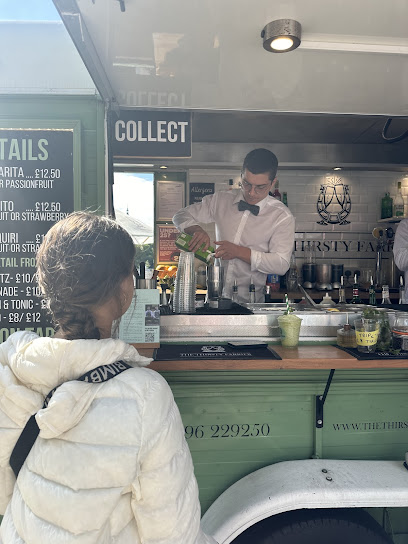
The Thirsty Farrier Cocktail Bar
0.8 km
A vibrant London cocktail bar offering expertly crafted seasonal drinks with scenic riverside views and a welcoming atmosphere.
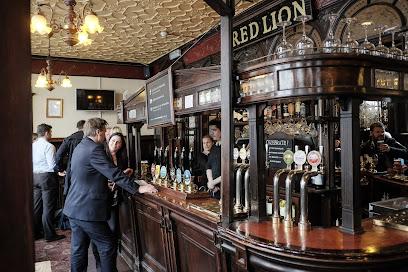
The Red Lion, Mayfair
0.8 km
Historic Victorian pub in Mayfair famed for its political heritage and classic London charm, steps from Downing Street.
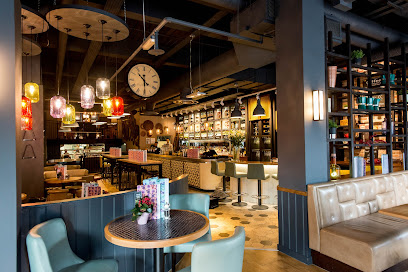
All Bar One Waterloo
0.8 km
Sophisticated South Bank bar serving creative cocktails, sharing plates, and wines in a lively spot near Waterloo Station and the London Eye.
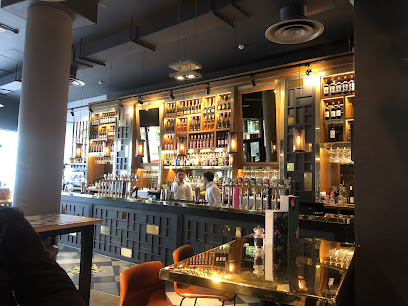
Slug & Lettuce - County Hall
0.9 km
Chic South Bank cocktail haven in County Hall: bottomless brunches, 2-for-1 sips, pub classics, and Thames views for London's liveliest lunches and nights out.
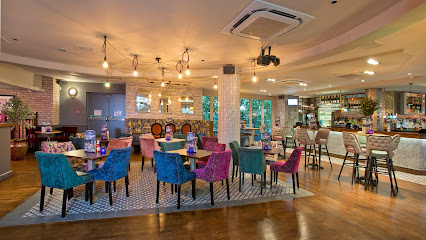
Hampshire Restaurant and Bar
0.9 km
Intimate bar and restaurant serving vibrant Mexican and Peruvian cuisine in the heart of Leicester Square’s iconic theatre district.
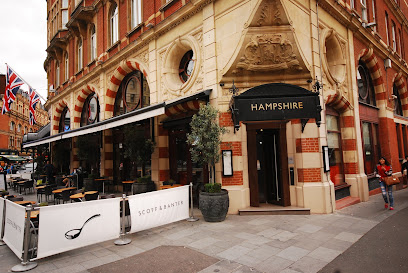
Nightclubs & after hour spots

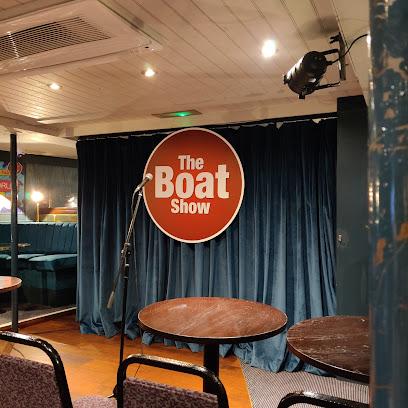
The Boat Show Comedy Club
0.5 km
London’s premier floating comedy club aboard the historic Tattershall Castle, blending laughter with iconic riverside views and vibrant nightlife.
TSQ Club
0.6 km
Dive into Trafalgar Square's nightlife pulse at TSQ Club, where eclectic beats, dazzling lights, and craft cocktails fuel unforgettable weekend nights in London's heart.
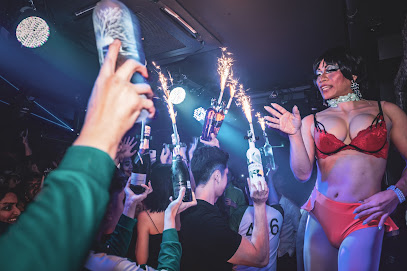
Heaven
0.7 km
London’s iconic gay superclub under the railway arches — big nights, loud music, drag, and late finishes in the heart of the West End.
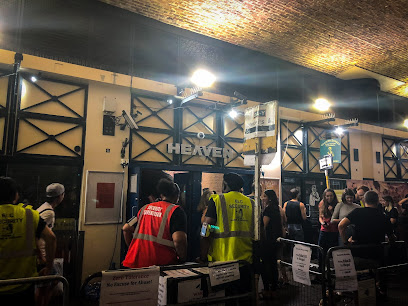
The Scotch of St James
0.8 km
Legendary Mayfair speakeasy where 60s rock stars jammed and today's elite dance till dawn in velvet-clad intimacy.
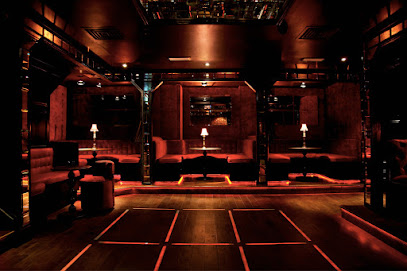
Tiger Tiger London
0.9 km
Experience London’s iconic Haymarket nightclub with six vibrant rooms, lively DJs, and a dynamic party atmosphere just moments from Piccadilly Circus.
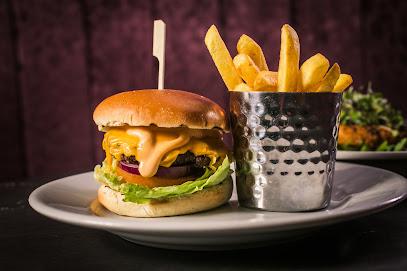
Luxe Club
0.9 km
Experience London's vibrant nightlife at Luxe Club, a central hotspot for music, dancing, and late-night entertainment.
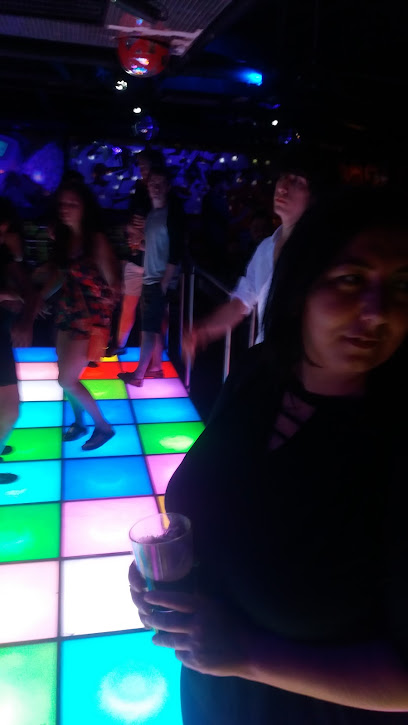
Cirque Du Soul
0.9 km
Dive into Leake Street's graffiti tunnel for soul-stirring electronic nights at this underground nightclub haven.
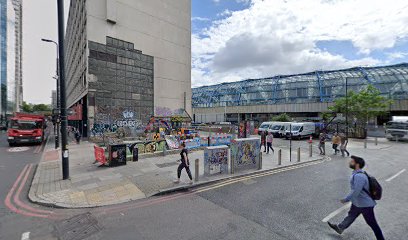
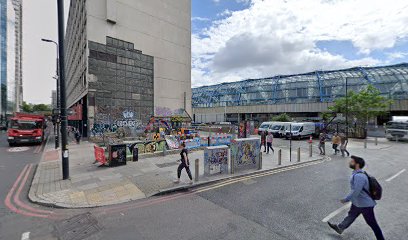
We Are Waterloo
0.9 km
Dive into Leake Street's graffiti heart where street art meets thumping beats in London's ultimate underground nightclub haven.
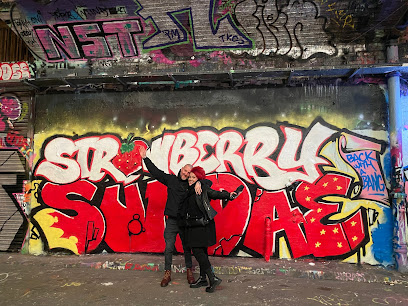
STRAWBERRY SUNDAE
0.9 km
Retro rave haven in Waterloo Arches: Daytime hardcore beats, 90s DJ legends, and industrial euphoria from midday to midnight.
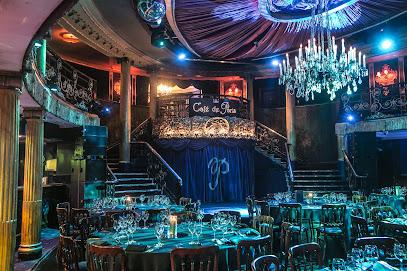
Café de Paris
0.9 km
Step into London’s iconic West End nightclub where history, glamour, and electrifying cabaret create unforgettable nights.
The Penthouse London
1.0 km
A compact, rooftop nightclub above Leicester Square — reached by a side lift, built for late‑night private parties and skyline glimpses.
Zoo Bar & Club
1.0 km
Dive into Leicester Square's edgy nightlife hub: two floors of R&B beats, sports screens, and wild energy until 3am at Zoo Bar & Club.
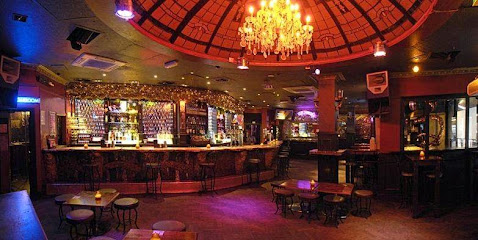
The Cuckoo Club
1.0 km
Exclusive Mayfair nightclub and restaurant blending glamorous design, contemporary cuisine, and vibrant nightlife in London’s upscale scene.
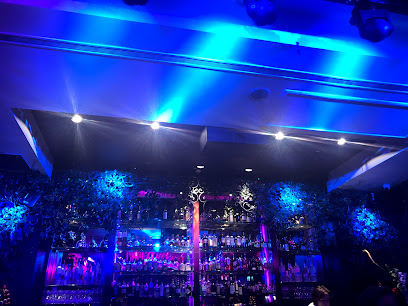
Tabu London
1.0 km
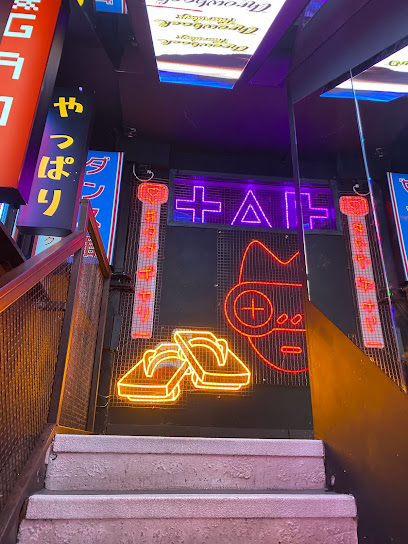
Escape Mayfair's polish for Tokyo's neon-lit Shinjuku alleys at Tabu London—retro gaming vibes, caged dancers, hip-hop beats, and upscale bites fuel epic nights.
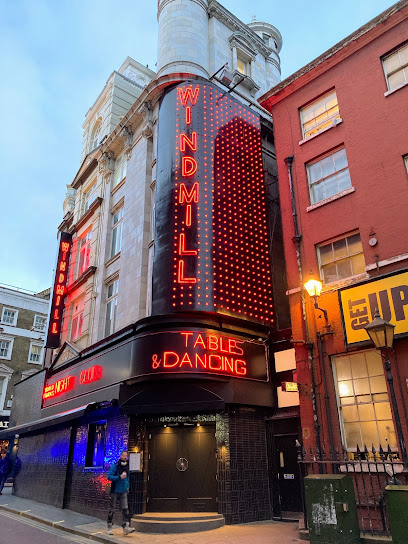
The Windmill Soho | Restaurant, Cabaret & Nightclub in Soho, London
1.1 km
Soho's legendary cabaret den revived: burlesque bites, theatrical feasts, and all-night beats in a historic hotspot of hedonism.
For the vibe & atmosphere seeker
- Historic
- Unique
- Tranquil
- Adventurous
For the design and aesthetic lover
- Vintage Styles
- Industrial Designs
- Minimalist Designs
For the architecture buff
- Historic
- Landmarks
- Heritage Neighborhoods
- Sacred Sites
For the view chaser and sunset hunter
- Iconic Views
For the social media creator & influencer
- Instagrammable
- Photo Spots
- Architectural Shots
For the eco-conscious traveler
- Protected Area
- Locally Managed
For the kind of experience you’re after
- Cultural Heritage
- Myth & Legends
- Day Trip
- Photowalk
For how adventurous you want the journey to be
- Easy Access
Location Audience
- Family Friendly
- Senior Friendly
- Child Friendly
- Wheelchair Access
- Solo Friendly
- Couple Friendly
- Solo Female Friendly
- Business Friendly


