
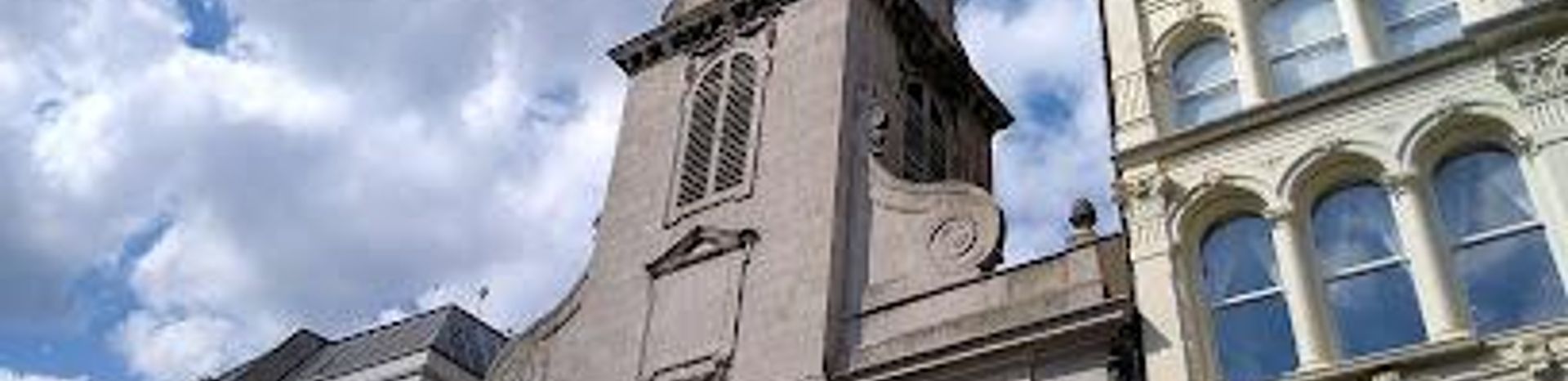
St Martin Ludgate: A Historic Wren Church Marking London's Roman Boundary
Discover St Martin Ludgate, a serene Wren church blending Roman history and 17th-century elegance in the heart of London’s ancient city.
St Martin Ludgate, located at 40 Ludgate Hill in London, is a distinguished City church rebuilt by Sir Christopher Wren between 1677 and 1684 after the Great Fire of London. It uniquely incorporates the western boundary of the original Roman city within its west wall and retains many original 17th-century features, including a rare carved oak churchwarden’s chair and a font inscribed with a Greek palindrome. The church’s sharp steeple contrasts with nearby St Paul’s Cathedral, symbolizing its historical and architectural significance.
A brief summary to St Martin Ludgate
- 40 Ludgate Hill, London, EC4M 7DE, GB
- +442072486054
- Visit website
- Duration: 0.5 to 1.5 hours
- Free
-
 Indoor
- Mobile reception: 5 out of 5
- Thursday 11 am-3 pm
- Friday 11 am-3 pm
Local tips
- Look for the west wall inside the church, which incorporates the original Roman city boundary and remnants of the Roman Wall.
- Notice the unique carved oak double-seated churchwarden’s chair, the only one of its kind surviving in London.
- Read the Greek palindrome inscribed on the 17th-century font: 'Wash the sins, not only the face.'
- Explore the historical plaques and artifacts relocated from other City churches, preserving London’s ecclesiastical heritage.

For the on-the-go comforts that matter to you
- Restrooms
- Information Boards
- Seating Areas
Getting There
-
London Underground
Take the Central Line to St Paul's Station, approximately a 7-10 minute walk to St Martin Ludgate. The station is well connected, but expect busy times during peak hours. No additional cost beyond standard fare applies.
-
Bus
Several London bus routes stop near Ludgate Hill, including routes 4, 11, and 15. Travel times vary between 15-25 minutes depending on traffic. Buses accept Oyster and contactless payments.
-
Taxi or Ride-Hailing
A taxi or ride-hailing service from central London typically takes 10-20 minutes depending on traffic, with fares ranging from £8 to £15. Traffic congestion can affect travel times, especially during rush hours.
-
Walking
If you are nearby, walking to St Martin Ludgate provides a scenic route through the City of London’s historic streets. Terrain is mostly flat and accessible, with travel times ranging from 10-30 minutes depending on your starting point.
St Martin Ludgate location weather suitability
-
 Any Weather
-
 Rain / Wet Weather
-
 Clear Skies
-
 Mild Temperatures
Discover more about St Martin Ludgate
An Ancient Site with Roman Roots
St Martin Ludgate stands on a site with deep historical roots, believed to have origins dating back to the Anglo-Saxon period. The church's west wall marks the western boundary of the original Roman city of Londinium, with foundations incorporating remnants of the Roman Wall and later medieval defenses. Archaeological finds, including Roman burial artifacts and the tombstone of a Roman centurion, highlight the site's ancient significance. The church’s name, St Martin within Ludgate, reflects its position just inside the medieval city walls near Ludgate, one of the original seven gates into the city.Rebirth After the Great Fire
The medieval church, rebuilt in 1437 and repaired in the early 17th century, was destroyed in the Great Fire of London in 1666. The current structure was rebuilt by the office of Sir Christopher Wren between 1677 and 1684, possibly with significant input from his assistant Nicholas Hawksmoor. The church’s design is notable for its Greek Cross plan supported by four columns, a hallmark of Wren’s later City churches. The sharp steeple was deliberately designed to contrast with the rounded dome of nearby St Paul’s Cathedral, creating a distinctive skyline feature on Ludgate Hill.Architectural and Artistic Highlights
St Martin Ludgate preserves many original 17th-century features rarely found in other Wren churches. The organ loft above the font, the pulpit, altar guard rails, and the reredos remain intact. The altar rails were installed to maintain the altar’s dignity by keeping people and even dogs at a respectful distance. Inside, visitors can find a unique carved oak double-seated churchwarden’s chair, the only one of its kind known to survive. The 17th-century font is inscribed with a Greek palindrome, "ΝΙΨΟΝ ΑΝΟΜΗΜΑΤΑ ΜΗ ΜΟΝΑΝ ΟΨΙΝ," meaning "Wash the sins, not only the face," a spiritual reminder embedded in the architecture.Historical Anecdotes and Cultural Significance
The church has witnessed centuries of London’s evolving history. It is said that Cadwallo, King of the Britons, was buried here in 677 AD. William Penn, father of Pennsylvania’s founder, was married in the church in 1643. Artifacts from other City churches, such as a brass plaque from St Mary Magdalene’s, were relocated here following fires and church closures, preserving the heritage of London’s ecclesiastical past. Despite the changing cityscape, St Martin Ludgate remains a stable spiritual and historical landmark for over 900 years.The Church in the Modern Cityscape
Today, St Martin Ludgate stands as a serene oasis amid the bustling City of London. Its location on Ludgate Hill places it near the western edge of the ancient city, offering visitors a tangible connection to London’s Roman and medieval past. The church’s relatively unscathed survival through the Blitz and urban redevelopment makes it one of the best-preserved Wren churches. Its sharp spire is a distinctive silhouette against the London skyline, inviting contemplation of the city’s layered history.Visitor Experience and Atmosphere
Entering St Martin Ludgate, visitors encounter a tranquil interior filled with historic charm and spiritual resonance. The blend of Roman foundations beneath and Wren’s elegant 17th-century design above creates a unique atmosphere of continuity and renewal. The church’s peaceful ambience contrasts with the surrounding urban energy, making it a reflective spot for mindfulness and appreciation of London’s rich architectural heritage.Iconic landmarks you can’t miss

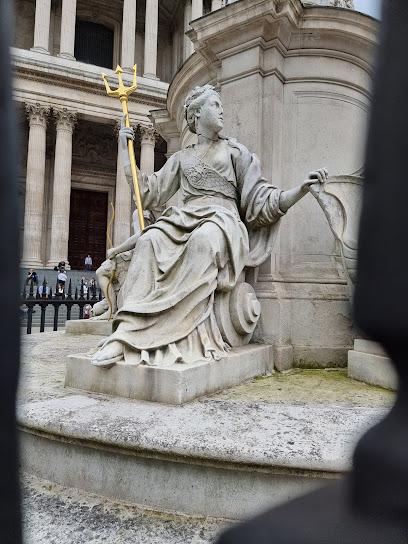
Queen Anne Statue
0.1 km
Historic statue commemorating Queen Anne’s reign and the completion of St. Paul’s Cathedral, symbolizing Britain’s royal heritage and resilience.
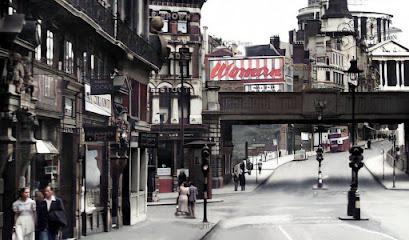
Ludgate Circus
0.2 km
Historic Victorian junction where London's ancient Ludgate once stood, blending rich legend, architecture, and urban vitality.
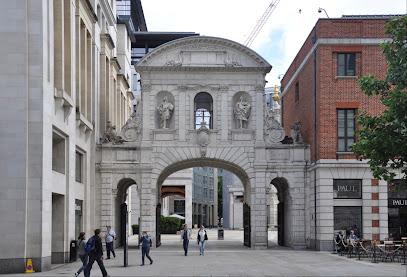
Temple Bar London
0.2 km
Explore Temple Bar, London’s historic ceremonial gateway rebuilt by Christopher Wren, rich with royal heritage and striking 17th-century architecture.
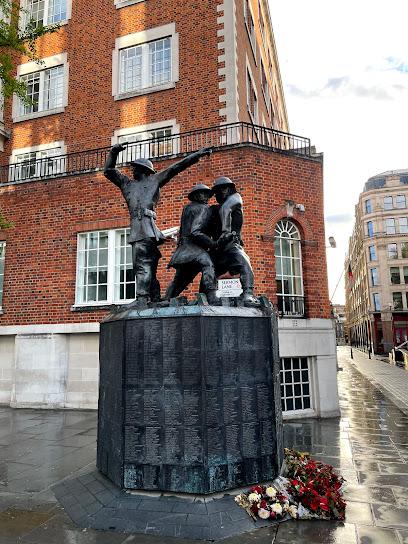
The National Firefighters Memorial
0.3 km
A solemn tribute in London honoring the bravery and sacrifice of firefighters who served during the Blitz and beyond.
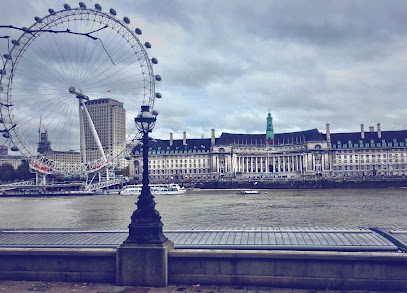
Victoria Embankment
0.4 km
A historic riverside promenade in London blending Victorian engineering, scenic gardens, iconic monuments, and stunning Thames views.
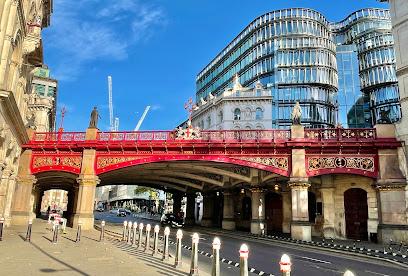
Holborn Viaduct
0.4 km
A grand Victorian bridge spanning London's hidden Fleet valley, blending engineering innovation with ornate artistry and rich history.
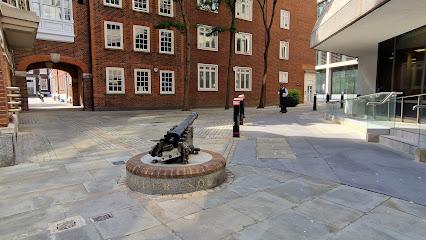
3 Gunpowder Square
0.4 km
A modern square in London’s financial district commemorating the dramatic history of the 1605 Gunpowder Plot and Guy Fawkes’ daring conspiracy.
Sir William Wallace Memorial
0.5 km
A solemn 1956 memorial to Scotland's greatest patriot, executed here in 1305 for resisting English rule.
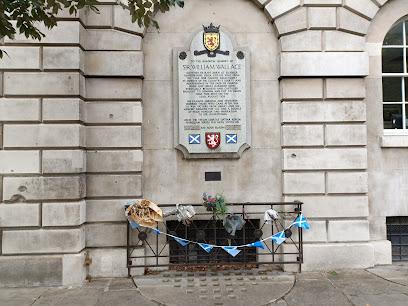
Hare Pl
0.5 km
Discover Hare Place in Temple, London—a serene historic enclave steeped in centuries of legal tradition and architectural charm.
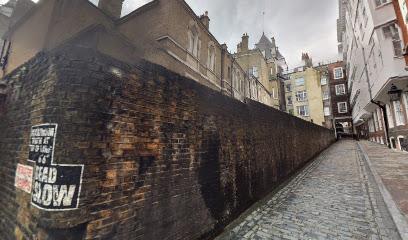
Blackfriars Bridge
0.5 km
Historic and widest Thames crossing in London, blending Victorian engineering with medieval heritage and stunning river views.
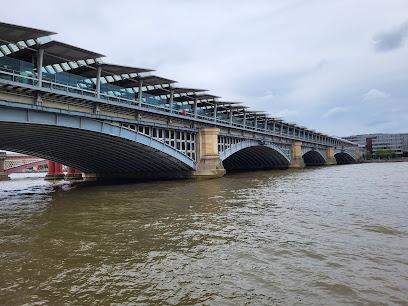
London City Wall - Bastion 14
0.6 km
Explore Bastion 14, a medieval bastion built on Roman foundations, revealing centuries of London’s ancient city defenses in the Barbican.
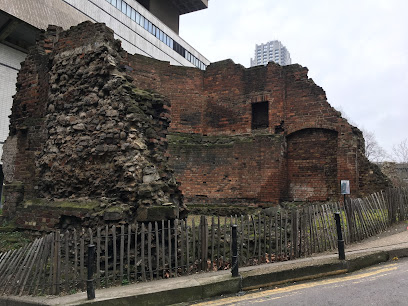
Prince Henry's Room
0.6 km
Discover a rare Jacobean timber-framed treasure on Fleet Street, rich with history, ornate plasterwork, and tales from London's past.
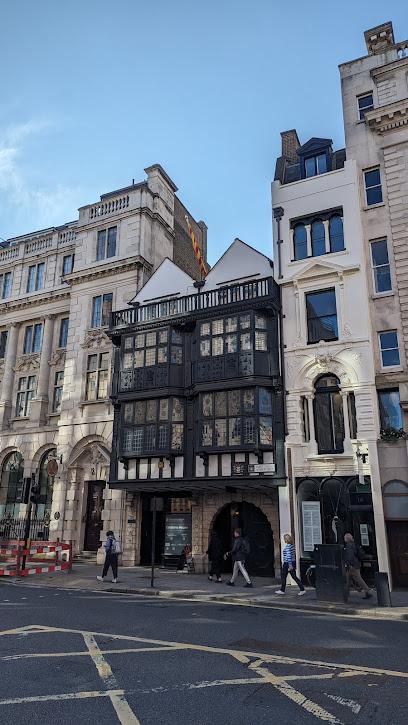
London City wall
0.7 km
Explore the ancient Roman and medieval London City Wall, a monumental symbol of the city’s enduring history and resilience.
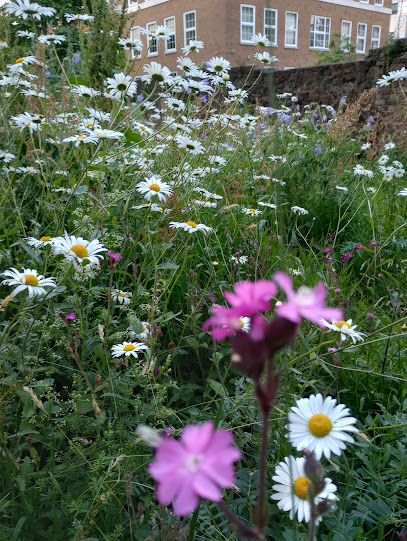
Monument Queen Victoria
0.7 km
Historic Victorian memorial marking the last royal gateway to the City of London, crowned by a striking dragon and rich in royal symbolism.
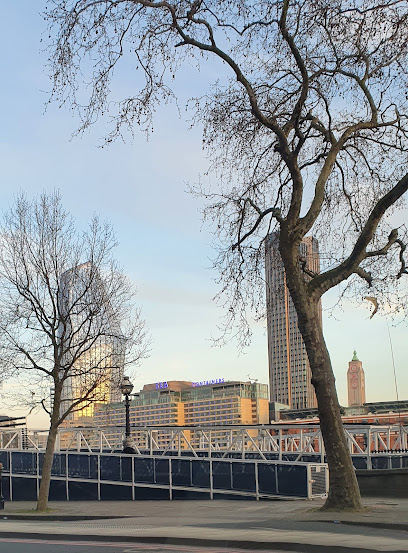
Temple Bar Memorial
0.7 km
Historic gateway marking the City of London's boundary, crowned by a fierce dragon and rich with royal and civic heritage.
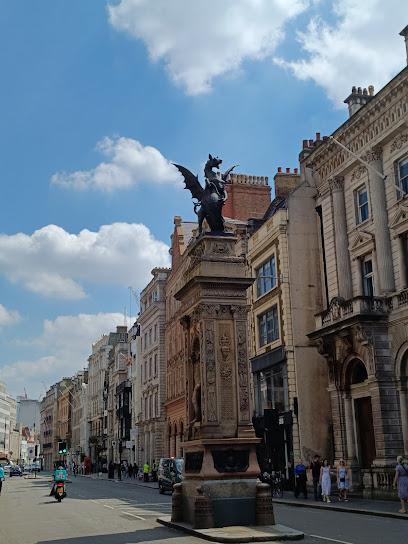
Unmissable attractions to see

Stationers' Hall
0.1 km
Historic Grade I listed venue near St Paul’s Cathedral offering elegant event spaces and a secluded garden for weddings and corporate events.
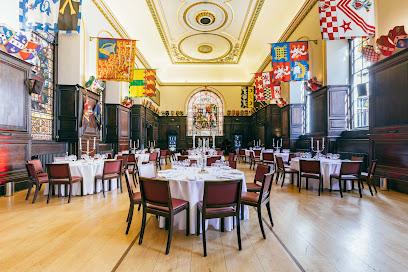
Church Entry
0.1 km
Discover Church Entry, a narrow medieval alley in Blackfriars tracing the ancient Blackfriars Priory’s sacred church line beneath modern London.

Apothecaries' Hall
0.2 km
Historic 17th-century livery hall near St Paul’s, blending rich heritage with elegant event spaces and timeless charm.
Punch Tavern
0.2 km
Discover The Punch Tavern, a historic pub on Fleet Street, serving traditional British fare and a vast selection of drinks in a charming atmosphere.
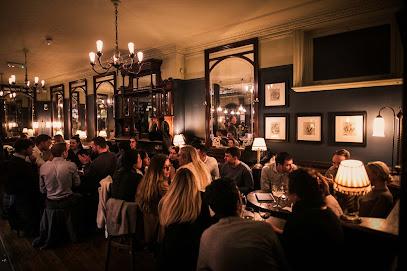
City of London Distillery & Bar
0.2 km
Discover London’s historic gin distillery and cocktail bar, blending tradition, innovation, and over 130 gins in a stylish subterranean setting.
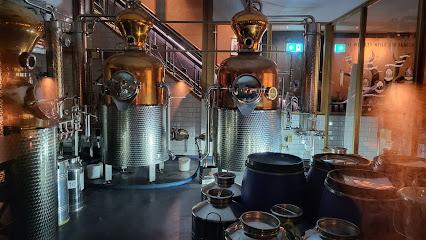
The Viaduct Tavern, EC1
0.2 km
Step into a lavish Victorian gin palace where London’s legal history and ghostly tales converge beneath ornate ceilings and historic cellars.
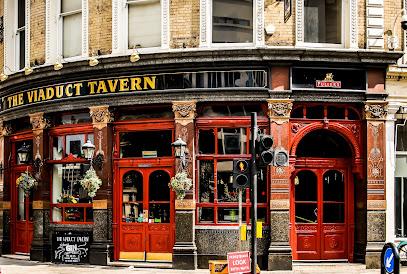
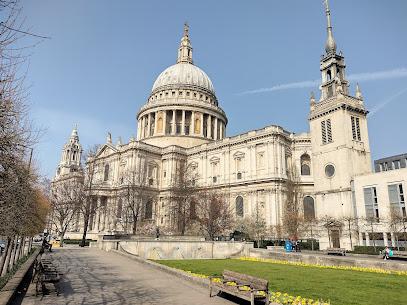
St. Paul's Cathedral
0.3 km
Explore the architectural beauty and spiritual significance of St. Paul's Cathedral, a must-visit landmark in the heart of London, offering stunning views and rich history.
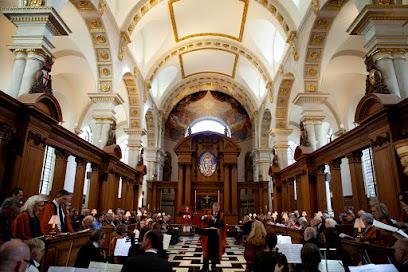
St Bride's Church, Fleet Street
0.3 km
Discover the historic heart of Fleet Street, where journalism, printing, and London’s past converge in a stunning Wren-designed church.
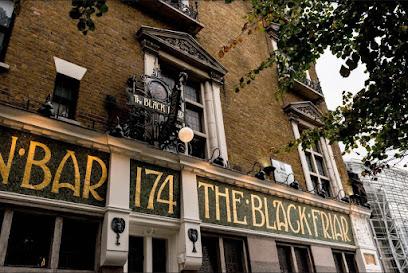
The Blackfriar
0.3 km
A Grade II* listed Art Nouveau pub on the site of a medieval Dominican friary, packed with friar-themed carvings, mosaics, and stained glass in the heart of London.
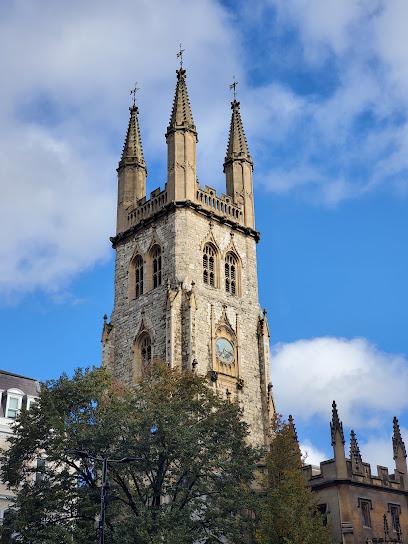
Holy Sepulchre Church
0.3 km
Discover Holy Sepulchre London, the largest City parish church, famed as the National Musicians’ Church with centuries of history and vibrant worship.
College of Arms
0.3 km
Explore centuries of heraldic tradition at the historic College of Arms, London's official authority on coats of arms and genealogy.
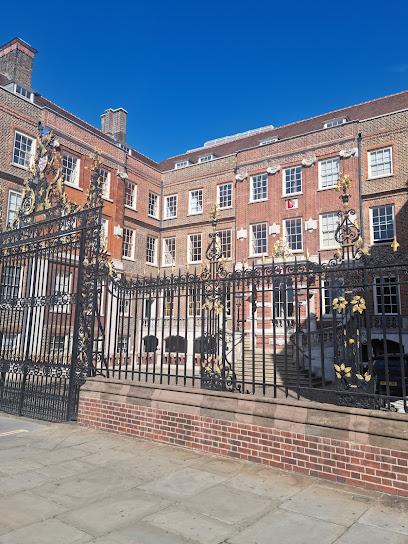
Shakespeare in the City Walk
0.3 km
Discover Shakespeare’s London through hidden alleys, historic sites, and live performances on this immersive two-hour walking tour starting at Blackfriars Station.
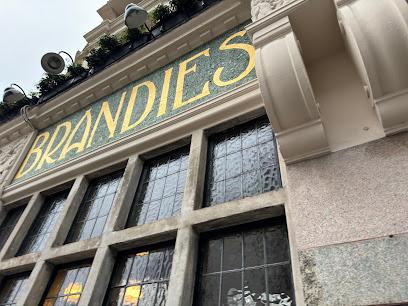
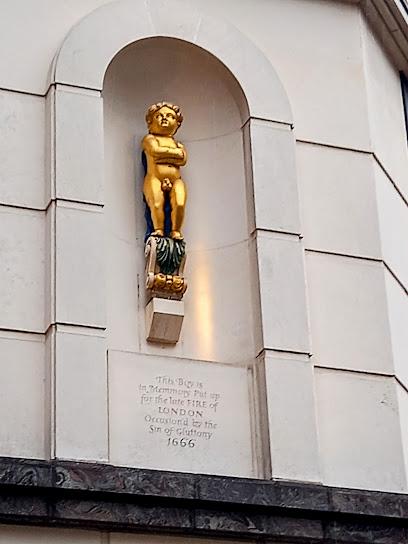
Golden Boy of Pye Corner
0.4 km
Discover the Golden Boy of Pye Corner, a gilded statue marking where London’s Great Fire ended and a moral tale of gluttony began.
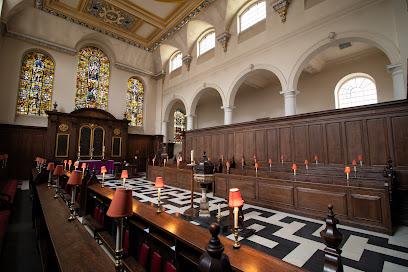
St Vedast alias Foster
0.4 km
A historic City of London church blending medieval roots, Wren’s baroque spire, and wartime resilience in a tranquil urban sanctuary.
Hodge The Cat Statue
0.4 km
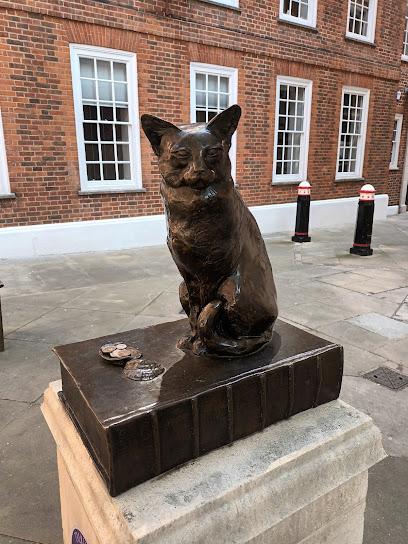
Discover the charming bronze statue of Hodge, Samuel Johnson's beloved cat, perched on a dictionary in historic Gough Square, London.
Essential places to dine

Madison
0.5 km
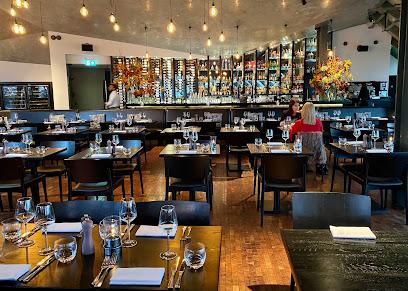
Stylish rooftop dining and cocktails with breathtaking views of St Paul’s Cathedral and London’s skyline.
St. John
0.7 km
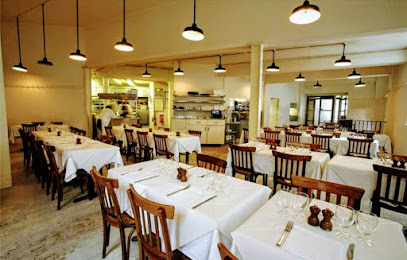
Experience authentic British nose-to-tail dining in the heart of London’s Barbican at St. John, where tradition meets modern culinary artistry.
Sea Containers Restaurant
0.7 km
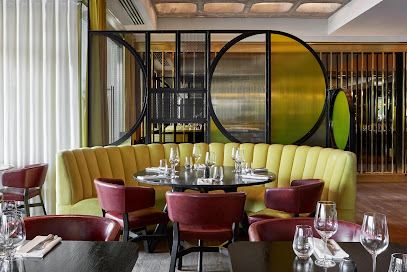
Stylish Modern British dining with iconic Thames views on London’s vibrant Southbank, perfect for brunch, dinner, and special occasions.
Dans le Noir ? London Restaurant
0.8 km
Experience dining like never before in total darkness, guided by visually impaired waitstaff in a sensory adventure at Dans le Noir ? London.
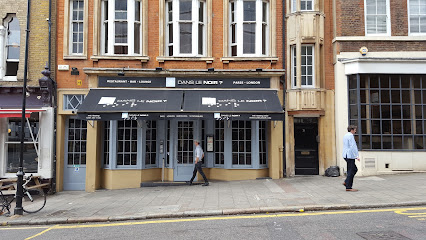
Paradiso Burger & Cocktail Bar Southbank
0.9 km
Vibrant riverside spot in Southbank serving gourmet burgers, cocktails, and bottomless brunch with stunning Thames views.
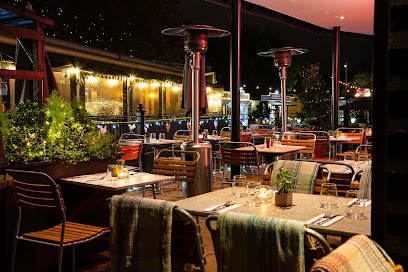
Ikoyi Restaurant
0.9 km
Discover Ikoyi, London’s two-Michelin-starred restaurant blending bold West African spices with British ingredients in an elegant, sensory tasting journey.
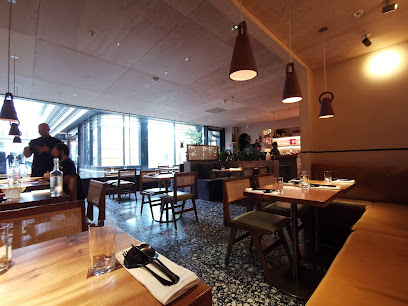
Sarastro
1.2 km
Experience vibrant Mediterranean flavors and live musical theatre in the heart of Covent Garden’s most theatrical restaurant.
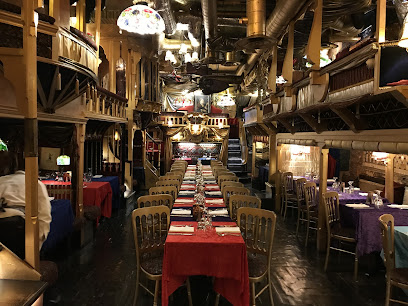
Wahaca Southbank
1.3 km
Experience vibrant Mexican street food in a unique riverside setting with scenic Thames views and lively atmosphere at Wahaca Southbank.
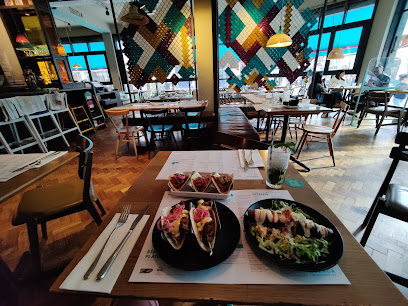
Brasserie Blanc - Southbank
1.3 km
Authentic French brasserie dining with hearty seasonal dishes and rustic charm on London’s lively South Bank.
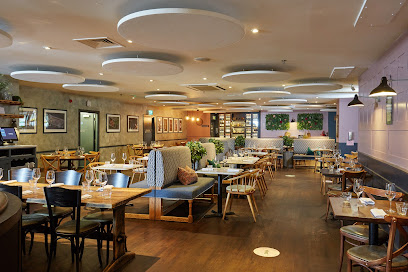
Cicchetti by San Carlo - London Covent Garden
1.3 km
Experience authentic Venetian small plates and seasonal Italian flavors in a stylish, lively Covent Garden setting.
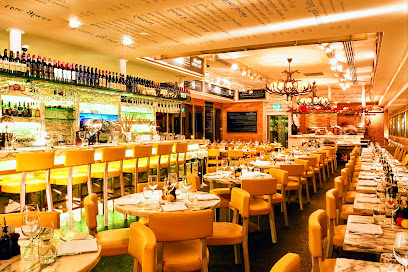
George
1.4 km
Step into London’s last galleried coaching inn, where history, hearty ales, and a lively courtyard blend in a timeless pub experience.
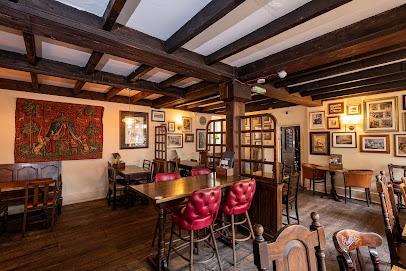
Balthazar
1.4 km
Experience the lively charm of a Parisian brasserie with classic French cuisine in the heart of Covent Garden, London.
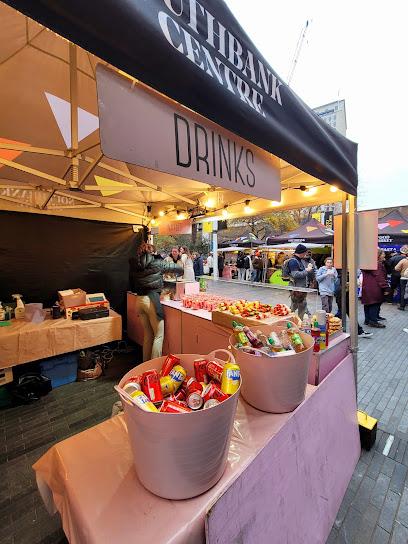
Southbank Centre Food Market
1.4 km
A lively weekend street food market on London’s South Bank offering diverse global cuisines in a vibrant riverside setting.
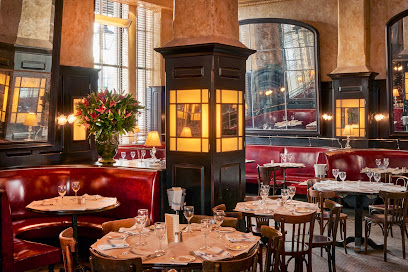
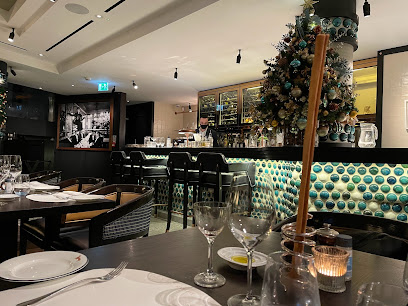
Margot
1.4 km
Sophisticated Italian dining with classic charm and an extensive wine list in the heart of Covent Garden, London.
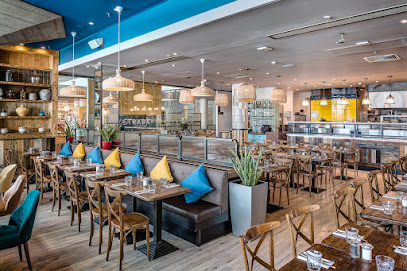
Strada Southbank
1.4 km
Authentic Southern Italian flavors served with vibrant riverside views in the heart of London’s Southbank.
Markets, malls and hidden boutiques

Bankside Arches Boutique
0.6 km
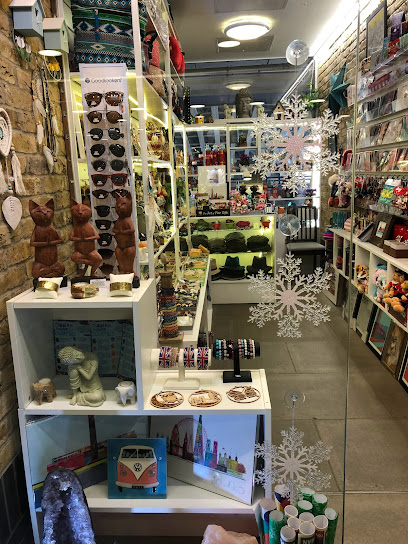
Discover unique London gifts and handcrafted treasures inside Blackfriars Station’s charming Bankside Arches Boutique.
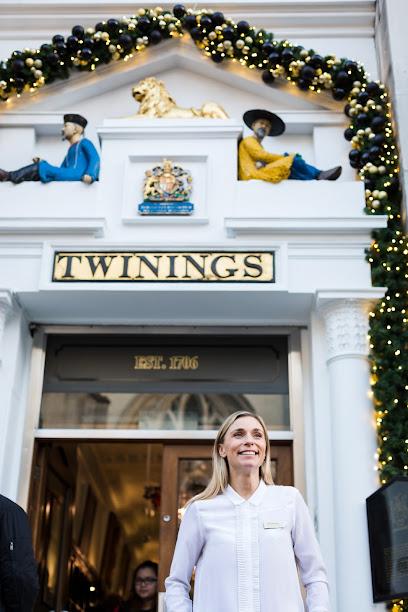
Twinings - The Strand
0.8 km
Discover over 300 years of tea heritage at London’s oldest tea shop, featuring historic charm, premium tastings, and a unique museum experience.
SUCK UK Alternative Gifts (OXO Tower)
0.8 km
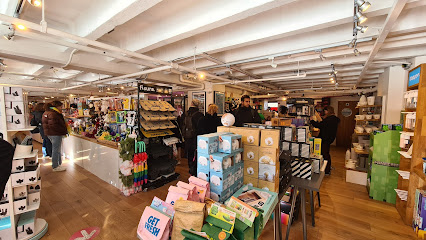
Discover quirky, clever gifts and homewares at SUCK UK’s flagship store in London’s iconic OXO Tower.
Brand Academy Independent Gift Shop
0.8 km
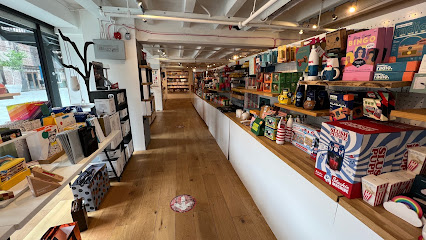
Dive into a world of whimsical designs and unique finds at this South Bank gem, where global brands meet emerging talents in the heart of Oxo Tower Wharf.
1 Poultry
0.8 km
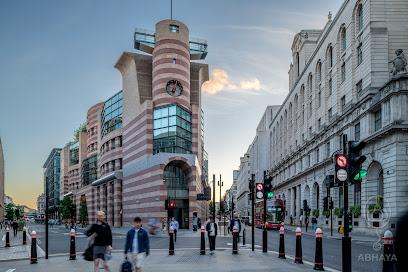
Iconic postmodern office and retail building with vibrant limestone stripes, a colorful atrium, and a rooftop garden overlooking London’s financial district.
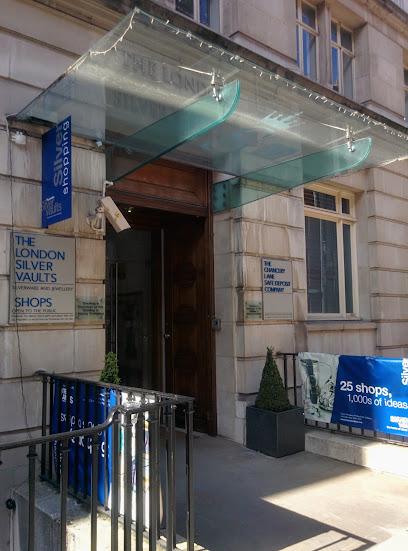
London Silver Vaults
0.8 km
The world's largest underground marketplace for fine antique and contemporary silver, hidden beneath historic Chancery Lane.
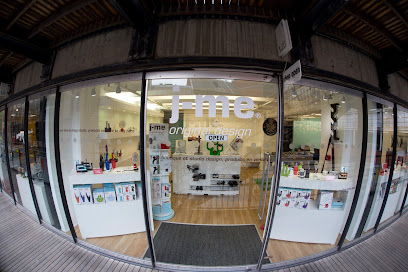
j-me original design ltd
0.8 km
Whimsical designs with a humorous twist from London's Oxo Tower creative hub – quirky home gifts blending fun, function, and British ingenuity.
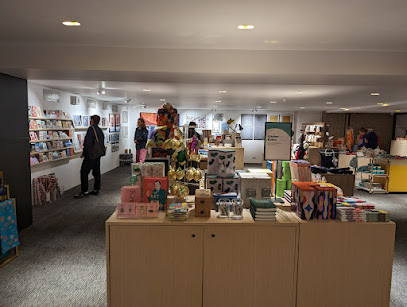
Barbican Shop
0.9 km
Discover curated art, design, music, and unique gifts at the Barbican Shop, a creative retail haven within London’s iconic Barbican Centre.
Sugar And Style
0.9 km
Discover design-led fashion accessories in Gabriel's Wharf, London's arty South Bank riverside haven blending style, creativity, and Thames views.

The Store X
0.9 km
A visionary space where London’s fashion, art, and culture converge in an immersive, innovative experience.
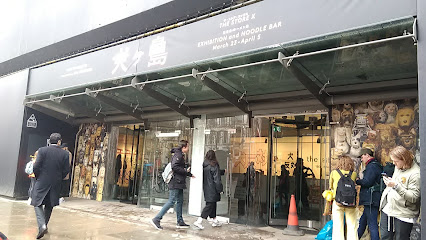
The Royal Exchange
1.0 km
A majestic neoclassical landmark blending 450 years of London’s trading history with luxury shopping in the City’s financial heart.
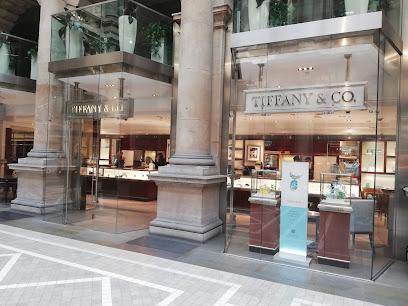
The Old Curiosity Shop
1.1 km
Step into a Tudor-era timbered cottage steeped in Dickensian lore, nestled amidst the vibrant heart of modern London.
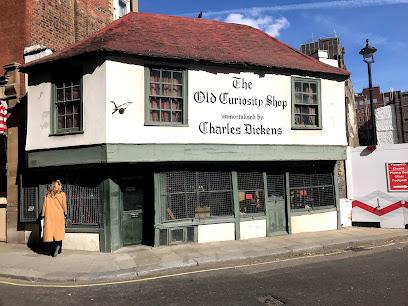
not just a shop
1.1 km
Discover unique, handcrafted art and design by UAL’s students and alumni at this creative retail hub in central London.
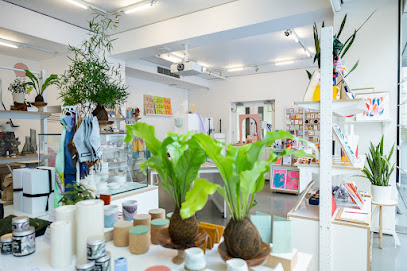
Borough Yards
1.2 km
Discover Borough Yards, a lively London district blending historic railway arches with cutting-edge shopping, dining, and culture near Borough Market.
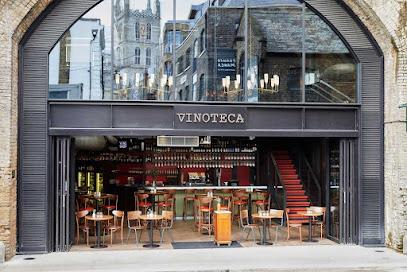
London Transport Museum - Shop
1.4 km
Discover unique transport-themed gifts and iconic London memorabilia at the London Transport Museum Shop in Covent Garden.
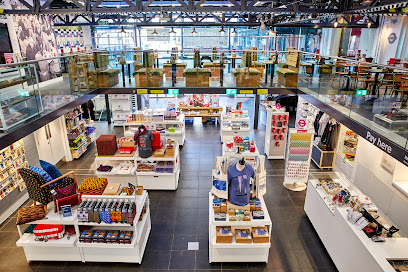
Essential bars & hidden hideouts

Black Parrot
0.2 km
Discover London’s top rum bar with expertly crafted cocktails, immersive masterclasses, and a lively yet intimate atmosphere in Bride Court.
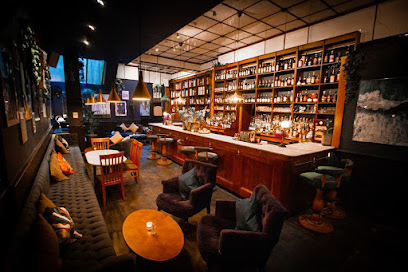
Doggett's Coat and Badge
0.7 km
A large, riverside Nicholson’s pub on Blackfriars Bridge offering classic British fare, real ales and a rooftop terrace with strong Thames views.
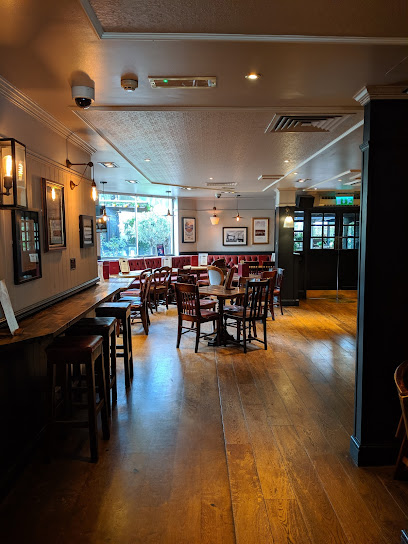
Lyaness
0.7 km
Innovative cocktails and sustainable mixology with stunning Thames views in London’s stylish South Bank hotspot.
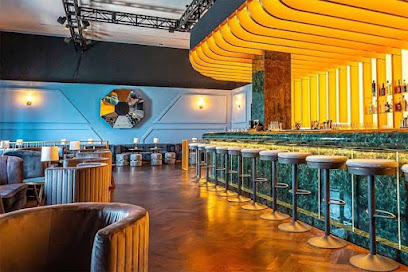
The Chocolate Cocktail Club
0.8 km
London’s intimate chocolate cocktail bar blending rich flavors, stylish ambiance, and over 20 unique chocolate-infused drinks.
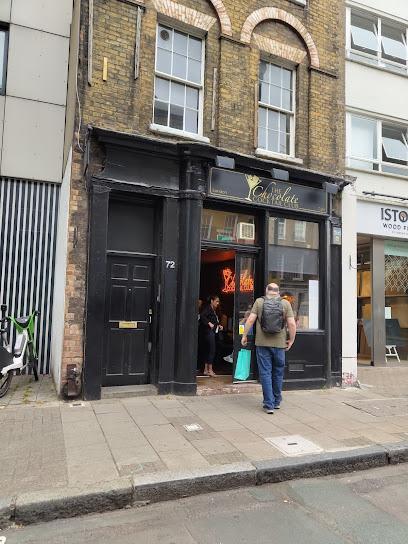
The Understudy
1.1 km
Riverside craft beers, KERB street food, and Thames views at the National Theatre's lively bar – perfect for pre-show bites or late-night hangs on London's South Bank.
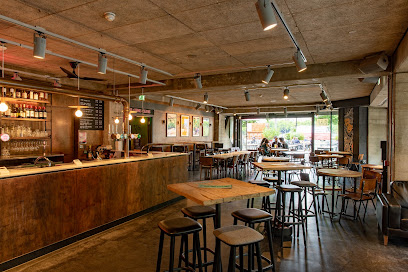
Demon, Wise & Partners
1.1 km
Classic basement cocktail bar blending historic City charm with expert mixology in London’s financial district.
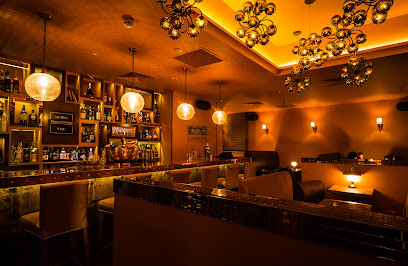
The Cocktail Club - Cocktail Bar near Monument
1.2 km
Vibrant underground cocktail bar near Monument, blending creative drinks with a lively, speakeasy-style party atmosphere.
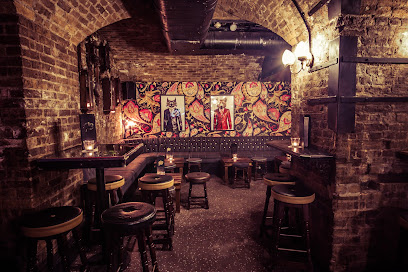
Plume Wine Bar
1.3 km
Covent Garden speakeasy in Dickens' old offices: sparkling wines from afar, cheesy sharing plates, and note-passing to strangers in candlelit luxury.
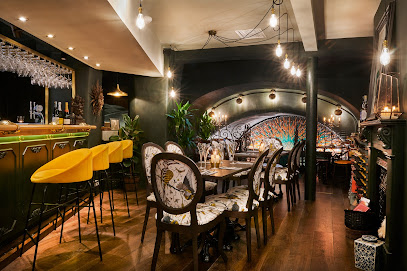
Be At One - Covent Garden Lyceum
1.3 km
Shake up your night in Covent Garden with 100+ cocktails, 2-for-1 happy hours, and masterclasses in a historic spot pulsing with theater-district energy.
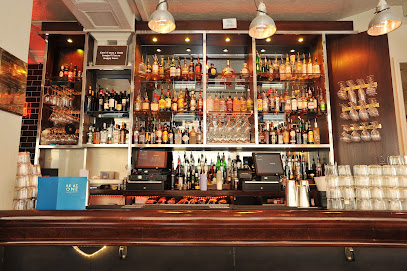
The Bootlegger
1.3 km
Step into The Bootlegger’s hidden Lime Street basement for expertly crafted cocktails, live jazz, and a true 1920s speakeasy vibe in the heart of London.
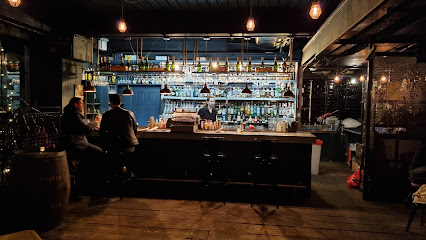
Be At One - Russell Street
1.3 km
Covent Garden’s vibrant cocktail bar with 100+ drinks, late-night parties, and unbeatable 2-for-1 happy hours in a stylish basement setting.
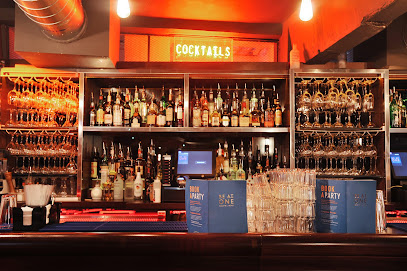
Beaufort Bar
1.3 km
Step into the Beaufort Bar’s jet-black and gold Art Deco glamour for exquisite cocktails, live sultry music, and a timeless London night out.
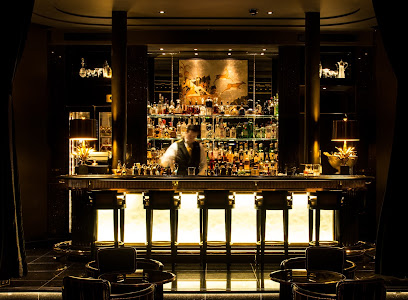
American Bar
1.4 km
Step into London’s oldest cocktail bar, where over a century of mixology mastery meets elegant Art Deco charm at The Savoy.
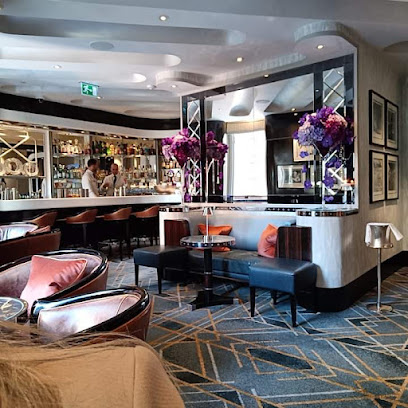
honestfolk Cocktail Bar (Southbank Centre Food Market)
1.4 km
Seasonal cocktails and classics from a cozy mobile bar at Southbank Centre Food Market, where Thames breezes mingle with market buzz and craft libations.
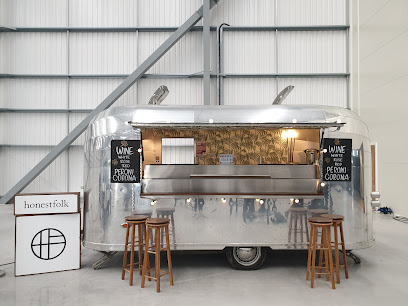
Southbank Centre, Members Bar
1.4 km
Elevated wine bar with Thames panoramas and cultured calm atop Royal Festival Hall—perfect for drinks amid London's arts heartbeat.
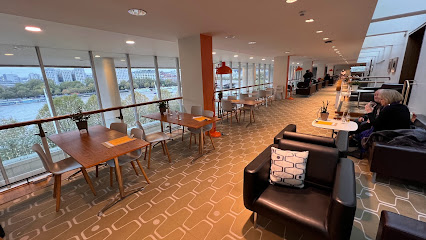
Nightclubs & after hour spots

The Steel Yard
0.9 km
Experience London’s premier industrial-chic nightclub set in historic Victorian railway arches, with world-class sound and late-night energy until 6am.
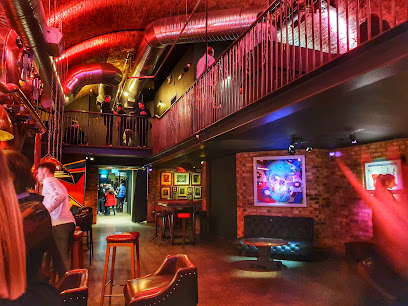
London Best Night Clubs
1.0 km
Experience London’s legendary Ministry of Sound, where cutting-edge sound meets dynamic club culture in a multi-room dance haven.
Proud Late
1.2 km
Dive into two-storey glamour under Waterloo Bridge: cabaret acrobatics, burlesque dazzle, supper feasts, and non-stop clubbing till 5am in London's West End nightlife epicenter.
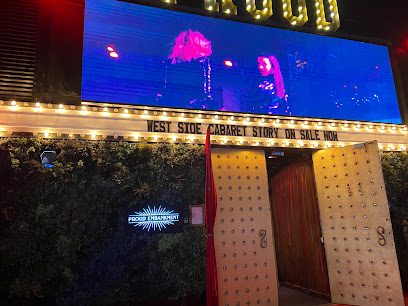
Carwash Nightclub
1.3 km
Experience Europe’s longest-running disco club in London’s West End, where retro beats, vibrant crowds, and themed parties create unforgettable nights.
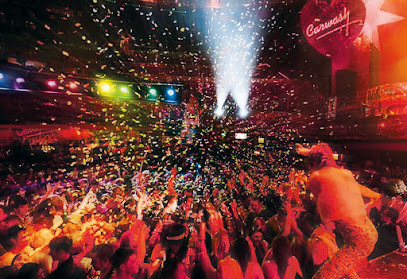
Bunga Bunga Covent Garden
1.4 km
A neon-soaked, pizza-and-karaoke supper club under Drury Lane — 90s nostalgia, stage shows and shareable Italian feasts.
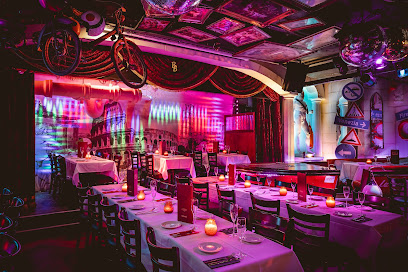
Cirque Du Soul
1.6 km
Dive into Leake Street's graffiti tunnel for soul-stirring electronic nights at this underground nightclub haven.
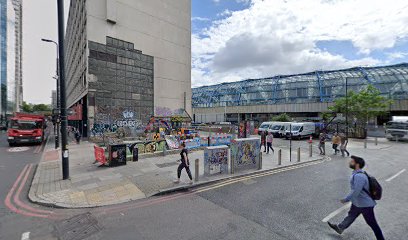
We Are Waterloo
1.6 km
Dive into Leake Street's graffiti heart where street art meets thumping beats in London's ultimate underground nightclub haven.
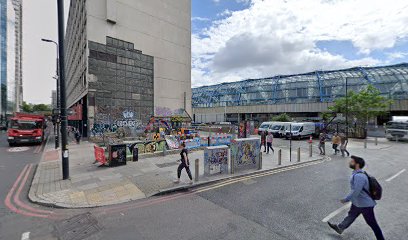
STRAWBERRY SUNDAE
1.7 km
Retro rave haven in Waterloo Arches: Daytime hardcore beats, 90s DJ legends, and industrial euphoria from midday to midnight.
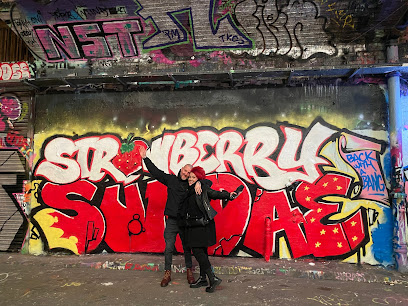
Comedy Carnival Covent Garden
1.7 km
London's premier stand-up comedy venue showcasing bold, award-winning international comedians in vibrant Covent Garden.

The Roxy
1.7 km
Soho's unbeatable happy hour cocktail bar by day, pulsing nightclub with live music and DJ nights till 3am—affordable vibes in London's nightlife heart.
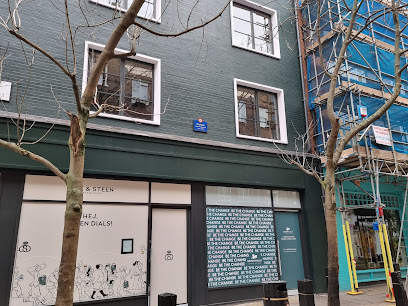
XOYO LONDON
1.7 km
Experience Shoreditch’s iconic XOYO, where cutting-edge DJs and vibrant nightlife create an unforgettable London clubbing atmosphere.

Heaven
1.7 km
London’s iconic gay superclub under the railway arches — big nights, loud music, drag, and late finishes in the heart of the West End.
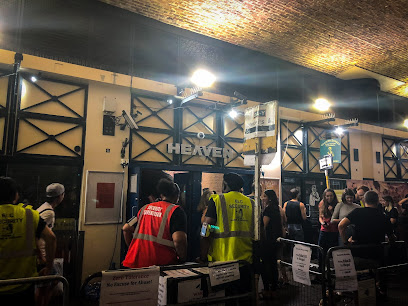
Whatdafunk Presents West End Urban Disco
1.8 km
Dive into London's grooviest urban disco beats at Whatdafunk, where Covent Garden's streets pulse with funk, soul, and non-stop dance energy in the heart of the West End.
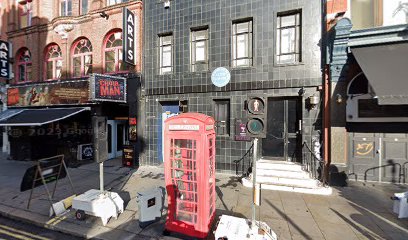
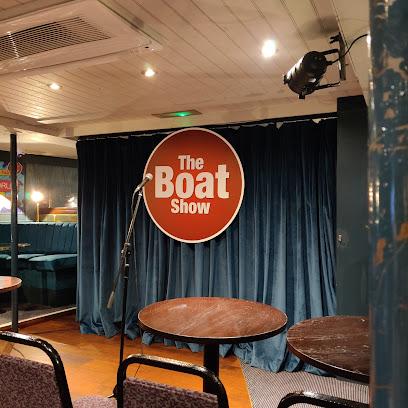
The Boat Show Comedy Club
1.8 km
London’s premier floating comedy club aboard the historic Tattershall Castle, blending laughter with iconic riverside views and vibrant nightlife.
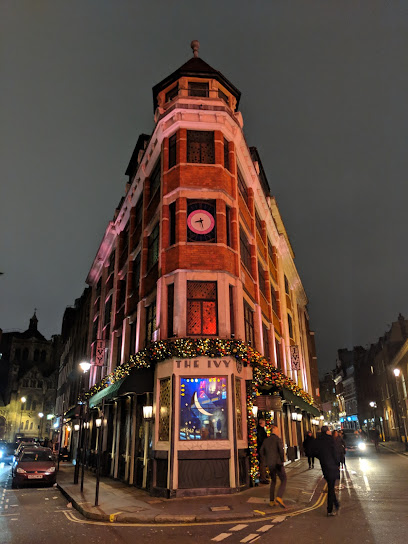
The Ivy Club
1.8 km
Art-Deco‑tinged members’ club above The Ivy — piano bars, discreet private dining and polished West End glamour.
For the vibe & atmosphere seeker
- Tranquil
- Scenic
- Unique
- Relaxing
For the design and aesthetic lover
- Vintage Styles
- Rustic Designs
For the architecture buff
- Historic
- Landmarks
- Sacred Sites
For the view chaser and sunset hunter
- Iconic Views
- Skyline
For the social media creator & influencer
- Instagrammable
- Photo Spots
- Architectural Shots
For the eco-conscious traveler
- Public-Transport Accessible
- Locally Managed
For the kind of experience you’re after
- Cultural Heritage
- Mindfulness
- Spiritual / Energy Spot
- Photowalk
- Day Trip
For how adventurous you want the journey to be
- Easy Access
Location Audience
- Family Friendly
- LGBT Friendly
- Senior Friendly
- Child Friendly
- Teen Friendly
- Wheelchair Access
- Pet Friendly
- Solo Friendly
- Couple Friendly
- Solo Female Friendly
- Vegetarian Friendly
- Vegan Friendly


