Crichton Castle, Midlothian Travel Guide
Discover Crichton Castle’s striking Renaissance façade and rich Scottish history nestled in a tranquil Midlothian valley.
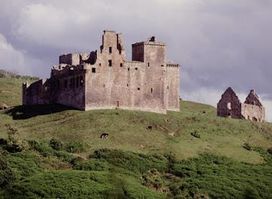
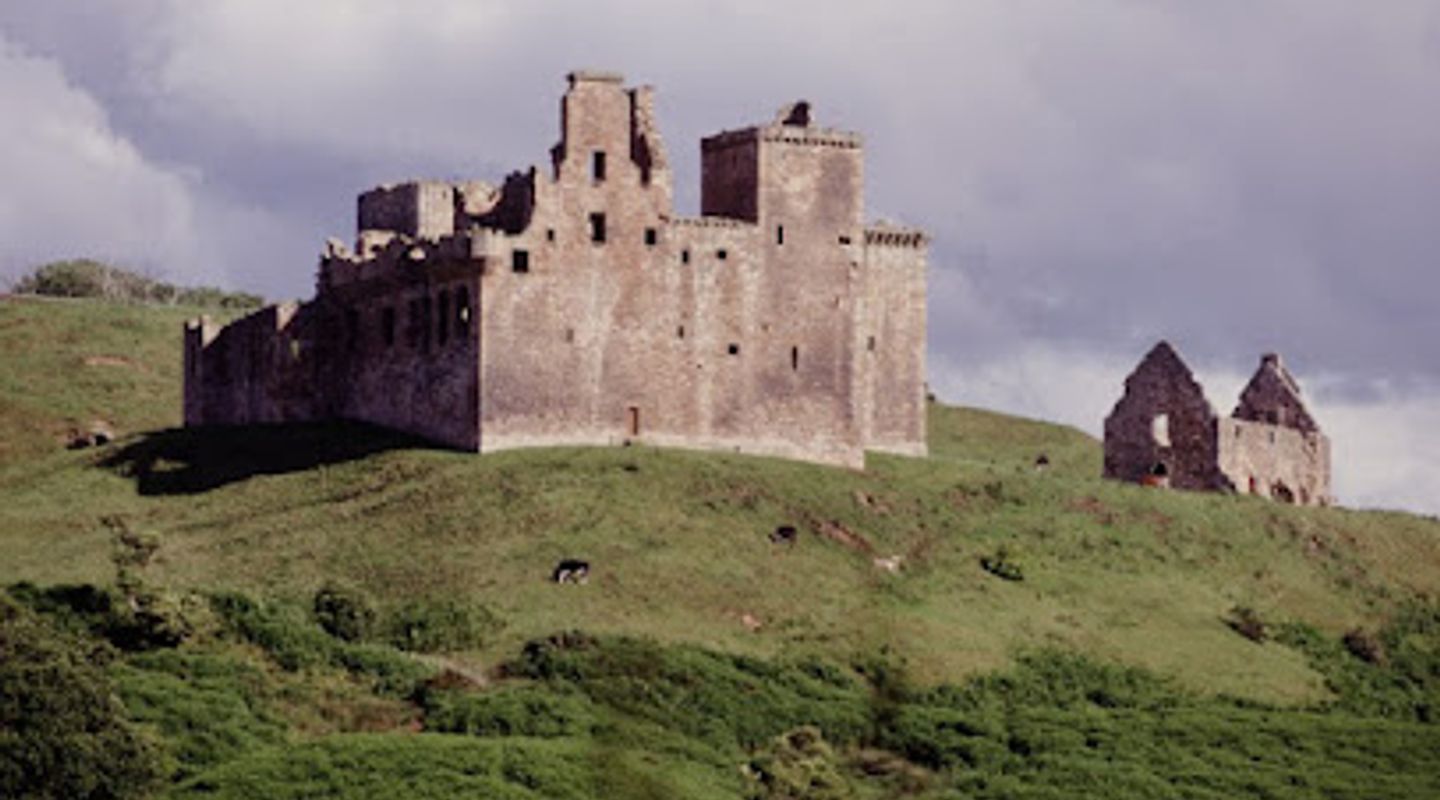
Crichton Castle, nestled in a secluded Midlothian valley above the River Tyne, is a striking ruin showcasing architectural evolution from the 14th to 16th centuries. Originally a tower house built by the Crichton family, it later passed to the Earls of Bothwell, who added a unique Italian Renaissance diamond-faceted façade. The castle’s rich history includes royal connections, dramatic political intrigue, and links to Mary Queen of Scots, making it a captivating site for history enthusiasts and architecture lovers alike.
A brief summary to Crichton Castle
- Pathhead, Crichton, EH37 5XA, GB
- Click to display
- Duration: 1 to 2.5 hours
- Mid ranged
-
 Outdoor
- Mobile reception: 4 out of 5
- Monday 9:30 am-5:30 pm
- Tuesday 9:30 am-5:30 pm
- Wednesday 9:30 am-5:30 pm
- Thursday 9:30 am-5:30 pm
- Friday 9:30 am-5:30 pm
- Saturday 9:30 am-5:30 pm
- Sunday 9:30 am-5:30 pm

Know before you go
Hi, I'm Eve. Here are a few practical things to know before exploring Crichton Castle.
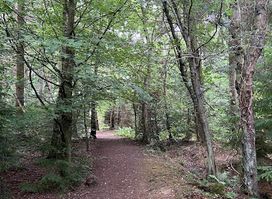
- Wear sturdy footwear for the rough 400m farm track leading to the castle entrance.
- Bring a guidebook or use information boards to fully appreciate the castle’s historical significance.
- Visit the nearby Crichton Collegiate Church for a complementary medieval heritage experience.
- Check current access restrictions as interior areas may be closed for conservation work.
Do you manage this location?
Take control to get all the benefits, like improved information, better appearance, and stronger visibility across AI-powered discovery. Learn more about listing your business on Evendo
Activate your presenceOther nearby places you may find interesting
The closest places of the same kind, if this one is not quite what you had in mind.
Explore Crichton Castle on the Map
A handpicked selection of must-see spots near Crichton Castle, mapped for you.
Unlock the Best of Crichton Castle
Buy tickets
-
No tickets available
Book tours with entry
-
No tours available
Book tours without entry

Getting There
-
Car
Driving from Edinburgh, the journey to Crichton Castle takes approximately 40 to 50 minutes. Parking is available on a gravel lot about 400 meters from the castle, with a rough farm track leading to the entrance. Visitors with mobility challenges may arrange to be dropped off closer by calling ahead. Note the track can be uneven and may flood after heavy rain.
-
Bus and Walking
Take a regional bus from Edinburgh to Pathhead, which takes about 50 to 65 minutes depending on the service. From Pathhead, a walk of roughly 2.5 km through rural roads and fields leads to the castle, suitable for those comfortable with countryside walking. The terrain is mostly flat but includes some uneven surfaces.
-
Taxi
A taxi from Edinburgh to Crichton Castle typically takes 35 to 45 minutes and costs around £40-£55. This option offers flexibility and is recommended for visitors seeking convenience or with limited time. Confirm drop-off arrangements due to the rough access track.
For the on-the-go comforts that matter to you
-
 Restrooms
-
 Information Boards
-
 Parking
Discover more about Crichton Castle
Origins and Early Power of the Crichton Family
Crichton Castle began as a formidable tower house in the late 14th century, constructed by John de Crichton, whose family rose to prominence in Scottish politics. His son William Crichton, Lord Chancellor of Scotland, expanded the castle significantly in the mid-15th century, adding an innovative great hall and kitchen around a newly formed courtyard. This period marked the castle’s transformation from a defensive stronghold to a noble residence, reflecting the Crichtons’ growing wealth and influence. Nearby, William also founded a collegiate church where priests were paid to pray for the family’s salvation, underscoring their status and piety.Transition to the Hepburn Earls of Bothwell
Following the Crichtons’ decline in the late 15th century, Crichton Castle passed to the Hepburn family, who became Earls of Bothwell. This transfer marked a new chapter, with the castle entwined in the turbulent politics of 16th-century Scotland. The 4th Earl of Bothwell, James Hepburn, notably married Mary Queen of Scots, linking the castle to one of Scotland’s most famous monarchs. The castle witnessed sieges and political strife during the Scottish Reformation, including its capture in 1559 by forces loyal to the regent. Despite these upheavals, the castle remained a symbol of noble power in the region.Renaissance Influence and Architectural Highlights
The most remarkable architectural feature of Crichton Castle is the north range’s diamond-patterned façade, inspired by Renaissance buildings seen by Francis Stewart, the 5th Earl of Bothwell, during his travels in Italy around the 1580s. This Italianate design, rare in Scotland, gives the castle a distinctive elegance contrasting with its rugged defensive origins. The castle complex includes the original tower house, the great hall block, kitchens, and a unique stables complex with a horseshoe-shaped overlight. Although much of the castle is in ruins, several chambers retain walls and ceilings, and the courtyard remains accessible, offering visitors a glimpse into its layered history.Historical Events and Royal Connections
Crichton Castle’s history is peppered with dramatic events, including the infamous "Black Dinner" orchestrated by William Crichton, which inspired literary works like those in Game of Thrones. King James IV granted the castle to the Hepburns after the Crichtons fell from favor, and the castle later hosted significant gatherings, including a wedding attended by Mary Queen of Scots in 1562. The castle also served as a strategic site during the Reformation conflicts, reflecting Scotland’s religious and political turmoil. These stories enrich the castle’s atmosphere, making it more than just a picturesque ruin.Present-Day Experience and Conservation
Today, Crichton Castle stands quietly amid rolling farmland, its dramatic silhouette visible from afar. While high-level masonry inspections have limited access inside the castle and stables, the grounds and courtyard remain open to visitors. The approach involves a rough farm track, which adds to the sense of discovery. Informative boards provide historical context, and the surrounding Midlothian countryside enhances the tranquil yet evocative ambiance. Managed by Historic Environment Scotland, ongoing conservation efforts aim to preserve this unique architectural treasure for future generations.Exploring the Surrounding Heritage
Adjacent to the castle lies the Crichton Collegiate Church, dating from around 1450, offering further insight into the medieval ecclesiastical history linked to the castle’s founders. The peaceful rural setting invites visitors to explore beyond the ruins, with scenic views across the valley and the gently flowing River Tyne. Crichton Castle’s blend of military, residential, and Renaissance architectural elements, combined with its rich historical narratives, makes it a compelling destination for those interested in Scotland’s layered past and cultural heritage.












Your all‑in‑one travel companion app
Explore expert travel guides, compare and book tours, experiences, hotels, and more—all from the palm of your hand. Download now for seamless trip planning wherever your wanderlust takes you.


Explore More of Midlothian
Looking beyond Crichton Castle? Discover Midlothian for broader travel guides, local hot-spots, and regional highlights.
Explore Midlothian