

Flodden Wall Travel Guide
Free Guide: Discover Edinburgh’s 16th-century Flodden Wall, a resilient medieval fortification guarding the city’s historic heart and echoing tales of battle and survival.


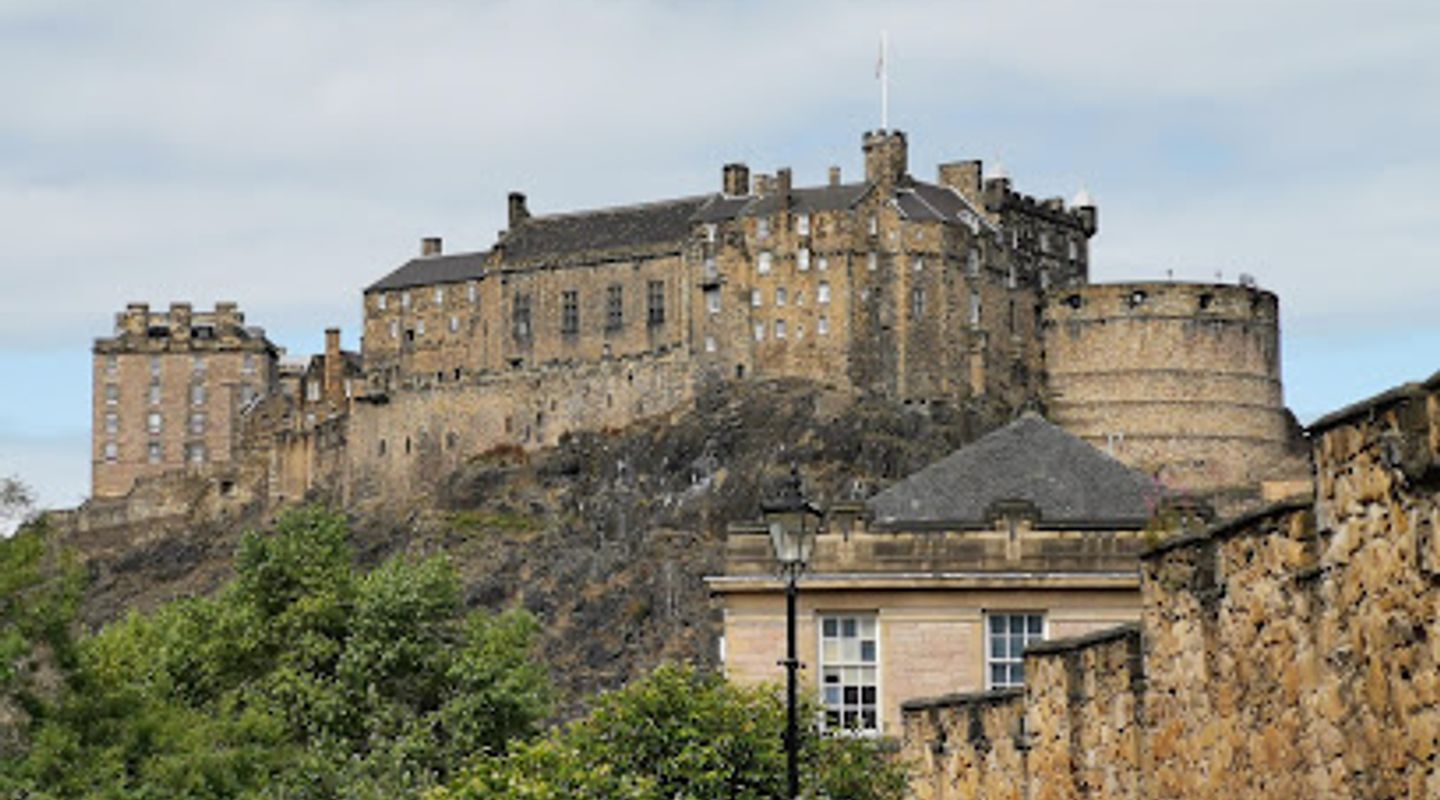
A brief summary of Flodden Wall
Discover Edinburgh’s 16th-century Flodden Wall, a resilient medieval fortification guarding the city’s historic heart and echoing tales of battle and survival.
The Flodden Wall is a historic defensive wall built around Edinburgh’s Old Town in the 16th century following Scotland’s devastating defeat at the Battle of Flodden in 1513. Enclosing about 140 acres, it was constructed to protect the city from an anticipated English invasion that never occurred. Today, surviving fragments of this imposing sandstone wall can be seen near Greyfriars Kirkyard, the Vennel, and along Drummond Street, offering a tangible connection to Edinburgh’s turbulent past and medieval heritage.
On-site amenities
 Restrooms
 Drink options
 Food options
 Seating areas
 Information boards
Opening hours
- Every dayOpen 24 hours
Opening hours as listed on the venue’s Google Business Profile. Hours can change for services and special events, so check with the venue before you go.
- Address
- 1 Vennel, Edinburgh EH1 2HU
Getting there
Public Transport
Walking
Taxi or Rideshare
Discover more about Flodden Wall
Origins Born from Defeat and Fear
The Flodden Wall was erected in the aftermath of the catastrophic Battle of Flodden in 1513, where King James IV of Scotland was killed and the Scottish army suffered a crushing defeat. This loss left Edinburgh vulnerable to English invasion, prompting city leaders to commission a new, more formidable defensive barrier. Construction began soon after and took nearly half a century to complete, finishing around 1560. The wall was reportedly built by women, children, and the elderly, reflecting the heavy loss of able-bodied men in the battle.
Structure and Purpose of the Wall
Stretching approximately 140 acres around the medieval heart of Edinburgh, the Flodden Wall was about 24 feet tall and made primarily of sandstone laid in a random rubble style. It featured six guarded gates, or ports, which controlled access to the city. While it was intended to repel invaders, the wall’s primary function evolved into regulating trade, taxation, and smuggling. The enclosed area housed roughly 10,000 residents, and the wall’s presence influenced the city’s vertical growth, as outward expansion was limited.
The Wall’s Role in Edinburgh’s Turbulent 16th Century
Though the feared English invasion never materialized, the Flodden Wall played a crucial role during a period marked by internal conflicts and sieges. It helped protect Edinburgh from various hostile factions and controlled movement in and out of the city. The famed Mons Meg cannon was even used to target enemy positions beyond the wall. Over time, the wall’s defensive importance waned as the city expanded and warfare evolved.
Decline and Preservation of Remnants
By the 18th century, the Flodden Wall had become obsolete and was gradually dismantled to make way for urban development. Roads and buildings, including parts of the University of Edinburgh’s Old College, were constructed over its ruins. However, several fragments remain preserved as scheduled monuments and listed buildings. Notable surviving sections include those around Greyfriars Kirkyard, along the Vennel near the Grassmarket, and on Drummond Street extending to the Pleasance.
Legacy and Cultural Significance
The Flodden Wall stands as a testament to Edinburgh’s resilience during a fraught era. It shaped the city’s medieval layout and influenced its architectural character. The wall’s history is commemorated in literature, including Walter Scott’s poem "Marmion," excerpts of which are inscribed near the Grassmarket, marking the site of a demolished section. Today, the wall offers visitors a tangible link to Scotland’s past, evoking stories of war, survival, and urban evolution.
Exploring the Wall Today
Visitors can view surviving sections of the Flodden Wall integrated into Edinburgh’s Old Town fabric. The wall’s fragments are accessible in atmospheric locations such as Greyfriars Kirkyard, where historic tombstones adorn the ancient stonework, and along narrow alleys like the Vennel. These sites provide a quiet, evocative experience of the city’s layered history, inviting reflection on the medieval world that once surrounded them.
Evendo Review Centre
 Google
Guest reviews
Best time to go
Quietest: Jan, Feb & Dec · before 7am
Busy times are Evendo estimates for a typical year, to help you plan. Actual crowds vary with events, school holidays and the weather.
Explore Flodden Wall on the map
A handpicked selection of must-see spots near Flodden Wall, mapped for you.
Get your free copy of our complete guide to Flodden Wall, delivered straight to you.
Everything on this page, from opening hours and how to get there to Eve’s tips and the best time to go, in one PDF you can read offline, print or share.
Already have an account? Sign in
Your Flodden Wall guide is ready.
We'll send it to · Not you? Sign out

Getting your guide ready…
We are putting together a fresh copy of the Flodden Wall guide. This can take up to a minute.
This can take a few moments. If your browser asks, choose Allow so the download can start. You'll find the guide in your Downloads folder.
Nothing happened? Download it again
Sorry, the guide is taking longer than usual. Please try again in a minute, or get it by email instead.
Unlock the best of Flodden Wall
Skip-the-line tickets, guided tours with entry, and walking tours of the area, booked in a few clicks.


Other nearby places you may find interesting
The closest places of the same kind, if this one is not quite what you had in mind.
-
-
-
-
-


Swipe for more places
More to explore near Flodden Wall

 Best experiences near Flodden Wall
 Best hotels near Flodden Wall
 Best landmarks near Flodden Wall
 Best attractions near Flodden Wall
 Best shops near Flodden Wall
 Best restaurants near Flodden Wall
 Best bars near Flodden Wall
Do you manage this location?
Take control to get all the benefits, like improved information, better appearance, and stronger visibility across AI-powered discovery.
Explore more
Explore more of Midlothian
Discover Midlothian, Scotland's hidden gem, where history, nature, and culture blend seamlessly to offer a unique travel experience.
Explore Midlothian
Explore more of United Kingdom
Discover the United Kingdom: A blend of rich history, stunning landscapes, and vibrant cities, offering a unique travel experience for every visitor.
Explore United Kingdom
