
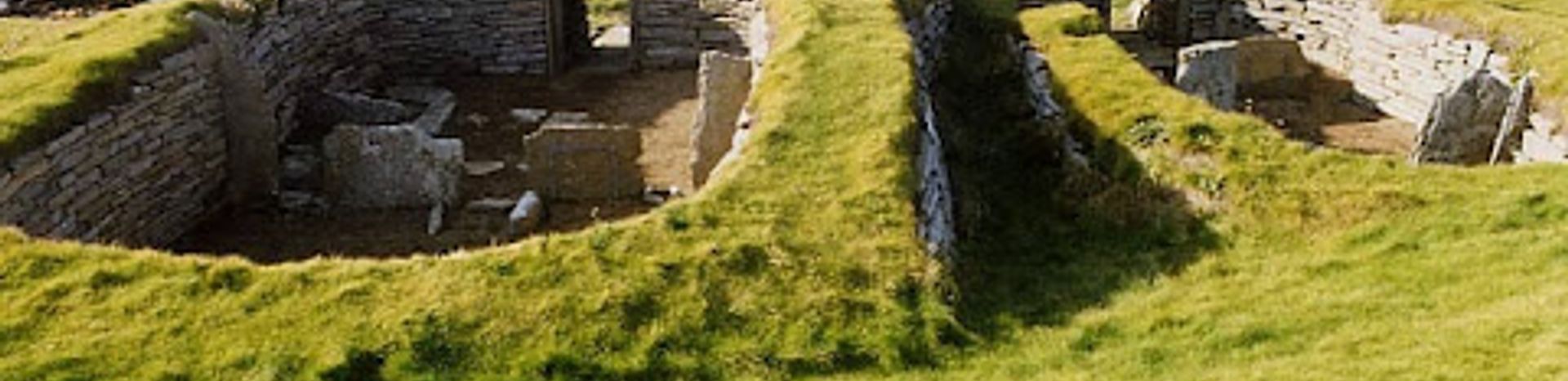
Knap of Howar: Europe's Oldest Neolithic Stone House on Papa Westray
Explore the Knap of Howar, Europe's oldest stone house, a Neolithic farmstead revealing 5,000-year-old life on Orkney’s remote Papa Westray island.
The Knap of Howar on Papa Westray, Orkney, is one of the oldest and best-preserved Neolithic stone houses in northwest Europe, dating from 3700 to 2800 BC. This remarkable archaeological site features two adjacent stone buildings that reveal insights into early farming life, including evidence of barley and wheat cultivation, livestock keeping, and fishing. The site offers a unique glimpse into prehistoric domestic architecture and the lifestyle of Orkney’s earliest farmers.
A brief summary to Knap of Howar
- Orkney, Papa Westray, KW17 2BU, GB
- Visit website
- Duration: 0.5 to 2 hours
- Budget
-
 Outdoor
- Mobile reception: 3 out of 5
- Monday 12 am-12 am
- Tuesday 12 am-12 am
- Wednesday 12 am-12 am
- Thursday 12 am-12 am
- Friday 12 am-12 am
- Saturday 12 am-12 am
- Sunday 6 am-6 pm
Local tips
- Visit during daylight hours for the best visibility of the stone structures and surrounding landscape.
- Wear sturdy footwear as the site is near the coast and the terrain can be uneven.
- Combine your visit with other nearby Neolithic sites on Papa Westray and the Orkney Mainland for a fuller experience.
- Bring a camera to capture the dramatic coastal views and the well-preserved stone architecture.

For the on-the-go comforts that matter to you
- Information Boards
- Seating Areas
- Trash Bins
Getting There
-
Ferry and Bus
Take the ferry from Kirkwall to Papa Westray, which takes about 1 hour. From the Papa Westray ferry terminal, local bus services or taxis can bring you to the Knap of Howar site within 15-20 minutes. Ferry prices range from £15 to £25 GBP for a return trip.
-
Domestic Flight and Walk
Fly from Kirkwall Airport to Papa Westray Airport on a short 15-minute flight. From the airfield, the Knap of Howar is approximately a 30-minute walk across gentle terrain. Flights cost around £30-£50 GBP one way and operate several times daily, weather permitting.
-
Car Rental and Drive
Rent a car on Papa Westray for flexible island exploration. Driving from the ferry terminal to the Knap of Howar takes about 10 minutes on paved and gravel roads. Car rental prices start at approximately £40 GBP per day. Parking is available near the site.
Knap of Howar location weather suitability
-
 Any Weather
-
 Rain / Wet Weather
-
 Clear Skies
-
 Windy Conditions
-
 Mild Temperatures
Discover more about Knap of Howar
Ancient Origins and Archaeological Significance
The Knap of Howar, located on the windswept island of Papa Westray in Orkney, Scotland, is widely regarded as one of the oldest surviving stone houses in northern Europe. Radiocarbon dating places its occupation between approximately 3700 and 2800 BCE, predating the famous Skara Brae settlement on Orkney’s mainland. The site consists of two stone-built structures, known as the North and South Houses, which were continuously inhabited for over 900 years. Excavations revealed that the buildings were constructed during the Neolithic period, marking a significant transition from timber to stone architecture in the region.Insights into Neolithic Life and Economy
Archaeological finds at the Knap of Howar provide valuable evidence of a mixed agricultural economy. The inhabitants cultivated barley and wheat, kept cattle, sheep, and pigs, and gathered shellfish. There is also evidence that they fished using boats, showcasing a diverse subsistence strategy adapted to the island’s environment. Stone tools such as grinders and borers, along with finely decorated Unstan ware pottery, link the site culturally to other Orkney Neolithic communities and beyond, indicating trade and interaction networks.Architectural Features and Preservation
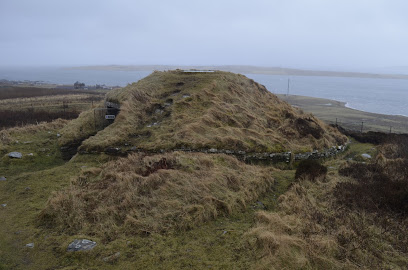
The stone houses are remarkably well-preserved, with sturdy walls made of local stone and a layout that includes a passage connecting the two buildings. At some point, this passage was deliberately blocked, suggesting changes in use or social organization. The buildings’ design reflects influences from chambered cairn tomb architecture, illustrating how domestic and ritual structures influenced each other in Neolithic Orkney. Today, the site sits near the coast but was originally inland amid fertile meadows, as geological studies have shown.Historical Excavations and Conservation Efforts
The Knap of Howar was first excavated in 1929 by William Traill and William Kirkness, who initially misdated the site to the Iron Age. Later investigations, notably by archaeologist Anna Ritchie in the 1970s, firmly established its Neolithic origins. The site is now under the care of Historic Environment Scotland, protected from coastal erosion and accessible to visitors eager to explore Orkney’s rich prehistoric heritage.Context within Orkney’s Neolithic Landscape
The Knap of Howar forms part of a broader Neolithic cultural landscape in Orkney, which includes other renowned sites such as Skara Brae, the Ring of Brodgar, and Maeshowe. Together, these monuments illustrate the sophistication and permanence of early farming communities in the Northern Isles. The site’s longevity and preservation provide an unparalleled window into the daily lives, architecture, and environment of Neolithic people living in a remote and challenging northern setting.Visitor Experience and Surroundings
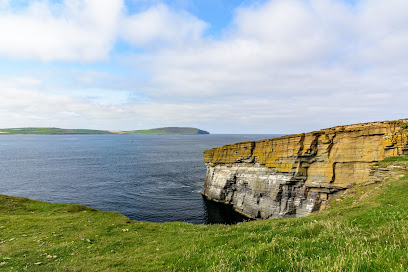
Visitors to the Knap of Howar can appreciate the stark beauty of Papa Westray’s coastal landscape, where the ancient stone houses stand against a backdrop of open skies and sea. The site’s remote location adds to its atmosphere, inviting reflection on the endurance of human settlement over millennia. Nearby amenities on Papa Westray include accommodation and other archaeological sites, making it a rewarding destination for those interested in history, nature, and island life.Iconic landmarks you can’t miss

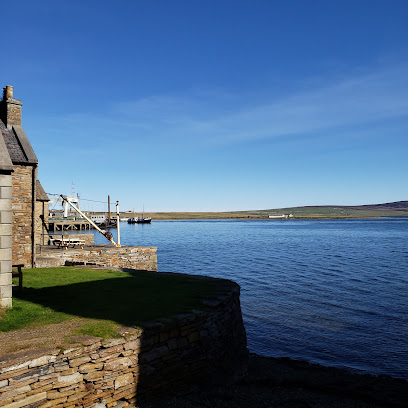
The Cannon
49.0 km
Historic cannon from an American privateer, set against the stunning backdrop of Stromness harbour’s maritime heritage.
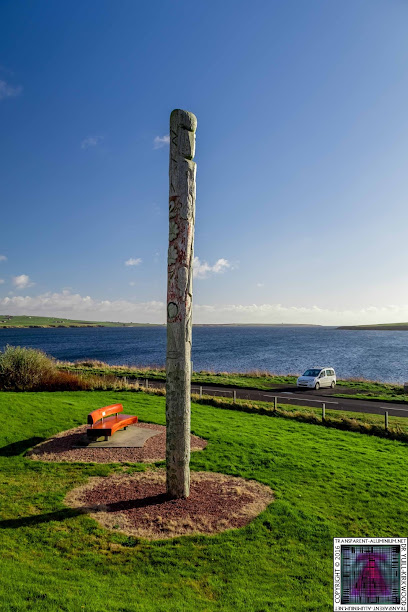
First Nations And Orcadian Totem Pole
50.4 km
A striking wooden monument in Orkney symbolizing friendship and shared heritage between First Nations and Orcadian cultures.
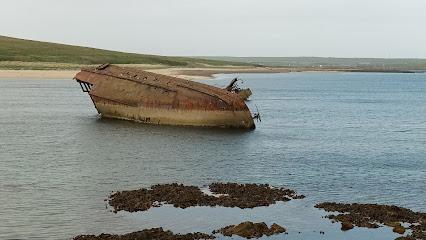
Churchill Barriers
50.8 km
Historic WWII causeways in Orkney that safeguarded Scapa Flow and now link islands with a rich legacy of resilience and culture.
Bay of Sannick
78.7 km
Experience the tranquil beauty of the Bay of Sannick, a stunning coastal gem in John o' Groats, perfect for relaxation and adventure.
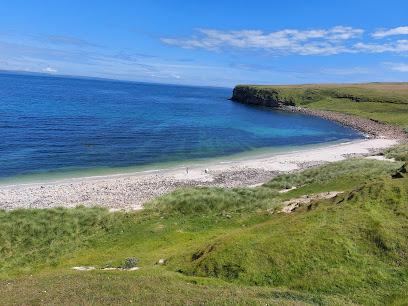
Duncansby Head Lighthouse
78.7 km
Experience the breathtaking views and rich history of Duncansby Head Lighthouse, a must-see landmark on Scotland's northern coast.
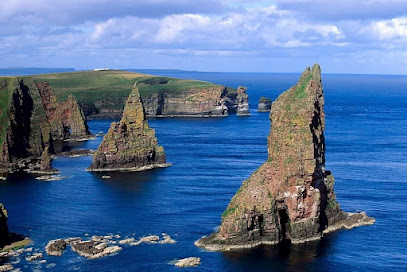
John O'Groats Signpost
79.0 km
Britain's most iconic signpost marks the legendary endpoint of the 874-mile Land's End to John o' Groats journey.
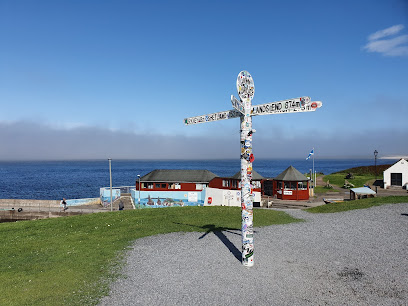
Dunnet Head Lighthouse
80.0 km
Experience the stunning beauty and rich heritage of Dunnet Head Lighthouse, Scotland's northernmost landmark with breathtaking coastal views.
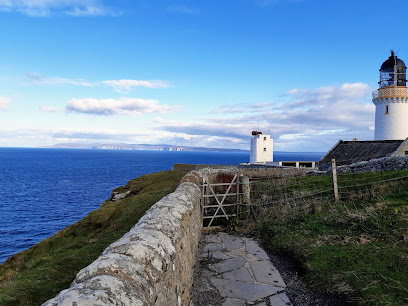
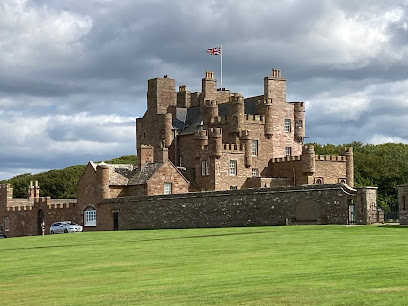
The Castle & Gardens of Mey
80.1 km
Explore the Castle & Gardens of Mey, where Scottish history and breathtaking landscapes come together in a royal retreat.
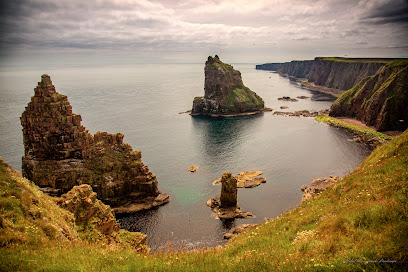
Duncansby Stacks
80.2 km
Discover the breathtaking Duncansby Stacks, a natural marvel of towering cliffs and vibrant wildlife on Scotland's stunning coastline.
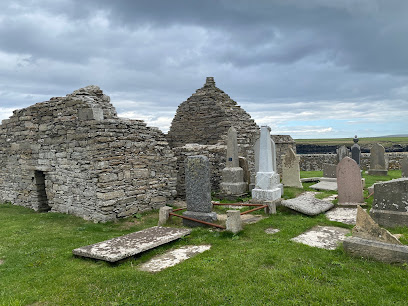
Above and Beyond Tours
84.6 km
Discover the breathtaking landscapes of Caithness with Above and Beyond Tours, where adventure meets local expertise in Scotland's stunning north.
Mary Ann's Cottage
84.6 km
Explore the fascinating history of Caithness at Mary Ann's Cottage, a charming museum showcasing 19th-century life and culture.
Bucholie Castle
86.5 km
Discover the rich history and stunning views of Bucholie Castle, an enchanting historical landmark in Nybster, near Wick, Scotland.
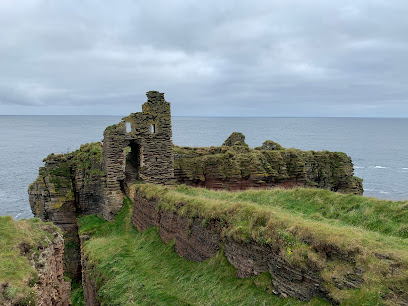
Castlehill Heritage Centre
87.9 km
Discover the captivating history and culture of Castletown at the Castlehill Heritage Centre, a unique museum in the heart of the Scottish Highlands.
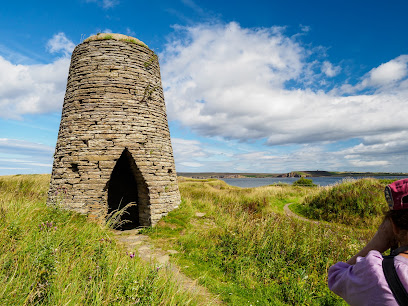
Dunnet Links: St. Coomb Chapel (6th century, former site))
88.0 km
Discover the ancient ruins of St. Coomb Chapel, a 6th-century site near Castletown that reveals Scotland’s early Christian heritage.
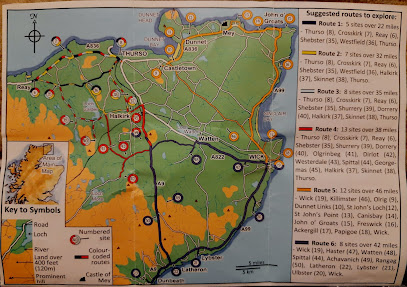
Caithness Broch Centre
88.7 km
Explore the ancient Iron Age at the Caithness Broch Centre, a unique attraction that unveils the mysteries of Scotland's historic broch structures.
Unmissable attractions to see

Natural Arch
3.6 km
Discover Westray’s breathtaking Natural Arch, a rugged sandstone marvel carved by the Atlantic waves along Orkney’s wild west coast.
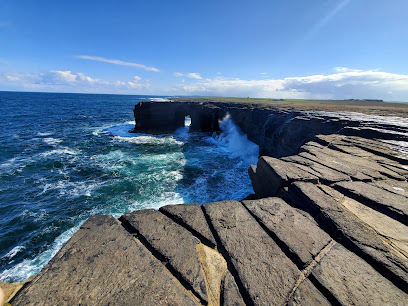
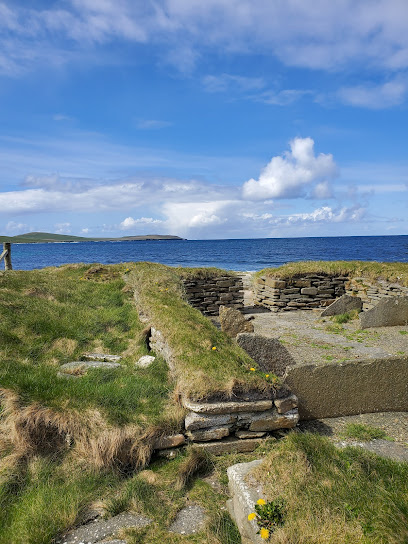
Quoygrew settlement
4.1 km
Explore Quoygrew, a Viking Age settlement on Westray revealing centuries of Norse life, fishing heritage, and medieval archaeology in Orkney.
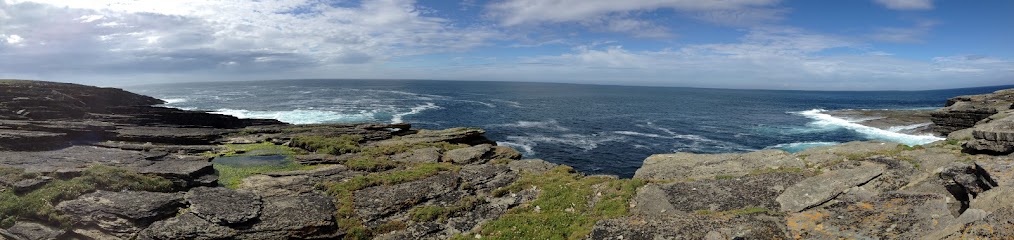
Northern View
4.4 km
A windswept coastal viewpoint on Orkney’s Mainland, offering sweeping panoramas across the Pentland Firth to the Scottish mainland and North Ronaldsay’s cliffs.
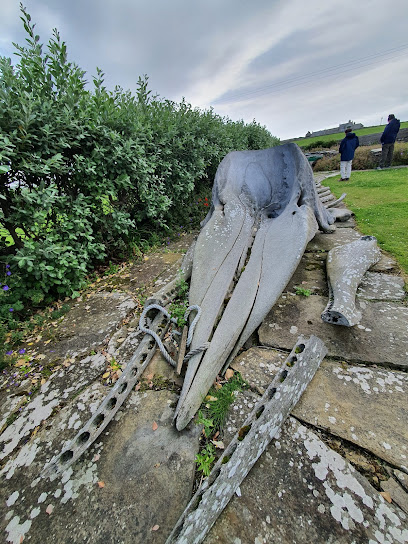
Westray Heritage Trust
5.8 km
Explore Westray’s ancient heritage, from Neolithic carvings to Viking tales, at the heart of Pierowall village.
Noltland Castle
6.2 km
Explore Noltland Castle, a dramatic 16th-century artillery fortress and noble tower set against the wild coastal beauty of Orkney’s Westray island.
59 Degrees North - Cafe | Pizzeria | Motorhome Aire
19.2 km
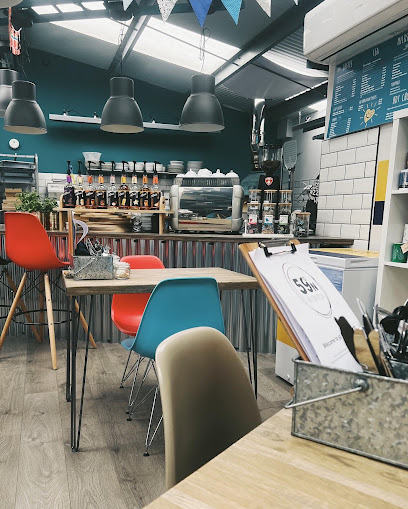
A charming family-run café and pizzeria with panoramic sea views, pioneering motorhome aire, and a warm, pet-friendly welcome on Sanday, Orkney.
White Mill Circular Walk & Beach
21.0 km
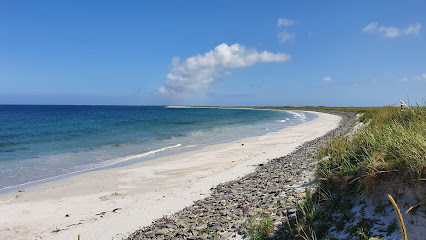
A peaceful coastal loop on Sanday, linking white-sand beaches, dunes, and the remains of a 19th-century windmill and 1939 shipwreck.
Hole of the Horses
23.7 km
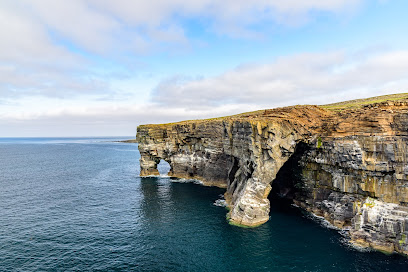
Discover the dramatic sea-carved arch of Hole of the Horses on Rousay, a stunning natural landmark overlooking Orkney’s wild North Atlantic coast.
Quoyness Chambered Cairn
23.8 km
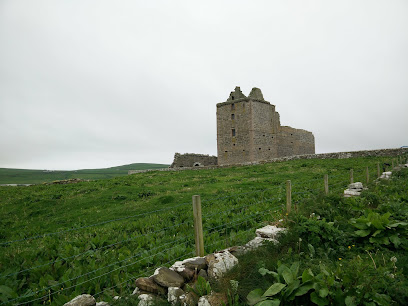
Explore the majestic 5,000-year-old Neolithic Quoyness Chambered Cairn on Sanday, a remarkable burial site revealing ancient Orcadian life and architecture.
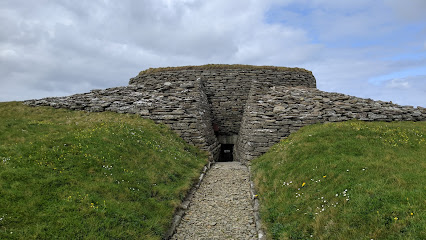
Knoe of Scabra
23.8 km
Step back 5,000 years into one of Europe’s best-preserved Neolithic villages nestled on Orkney’s rugged coastline.
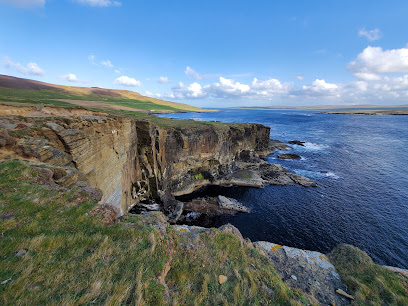
Midhowe Broch
23.9 km
Explore Midhowe Broch, a striking Iron Age tower on Orkney’s coast, where ancient stonework and history meet dramatic seascapes.
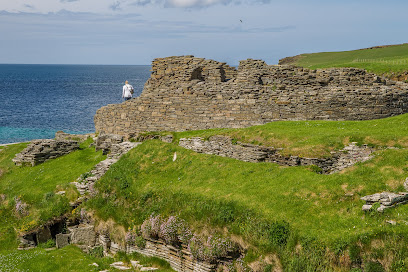
Midhowe Tomb & Chambered Cairn
24.0 km
Explore the largest Neolithic chambered cairn on Rousay, Orkney, a remarkable ancient tomb sheltered by a modern structure and rich in prehistoric history.
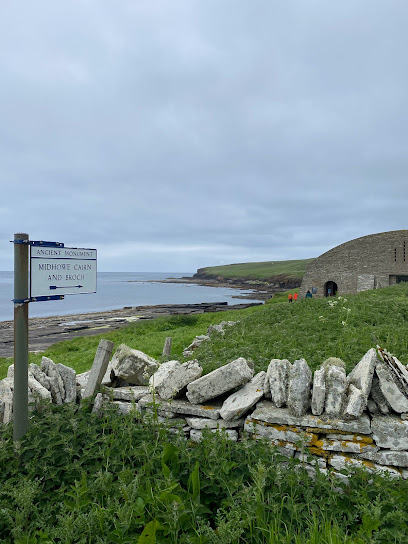
Quern of Whisber
24.0 km
Explore the historic Quern of Whisber in Orkney, a serene site blending ancient heritage and breathtaking landscapes.
Taversöe Tuick
24.8 km
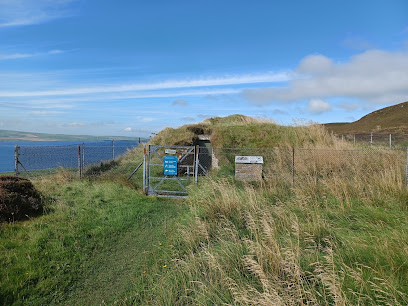
Explore the rare double-level Neolithic burial cairn on Rousay, Orkney, revealing ancient mysteries from over 4,000 years ago.
Knowe Of Yarso
25.1 km
Step back over 5,000 years at Knowe of Yarso, a Neolithic chambered cairn on Rousay, revealing ancient communal burials and prehistoric Orkney life.
Essential places to dine

Eviedale Bistro & Bakehouse
28.6 km
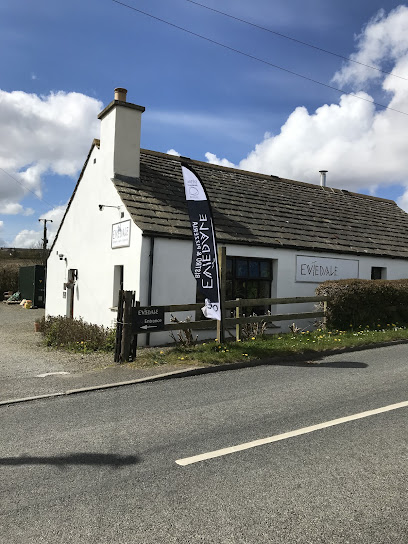
Orkney's pioneering sourdough bakery and wood-fired pizzeria, where artisanal craft meets island hospitality.
Stronsay Hotel
29.2 km
Discover comfort and exquisite local cuisine at Stronsay Hotel in Orkney - your perfect retreat amidst stunning landscapes.

The Smithy Cafe
35.3 km
A community-run cafe and restaurant in a historic smithy on Shapinsay, serving Orkney fare in a warm, rustic setting with occasional evening bar service.
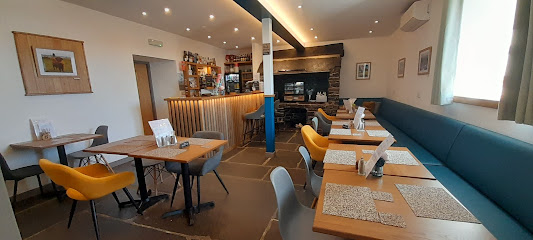
The Skerries Restaurant
37.5 km
Experience exquisite local seafood with breathtaking views at The Skerries Restaurant by Loch of Harray in Orkney’s tranquil natural setting.
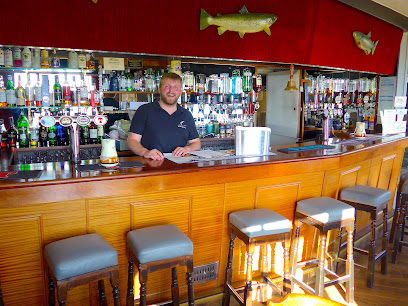
Leigh's Real Taste of Orkney
40.0 km
Discover Orkney’s finest takeaway flavors at Leigh's, where local produce meets generous portions and friendly service in Finstown.

The Shore
40.6 km
Modern waterfront hotel in Kirkwall's harbor district with clean rooms, full breakfast, and walking access to town attractions.
Helgi's
40.7 km
A vibrant harbourfront gastropub blending Orkney’s Viking heritage with fresh local fare and lively community spirit.
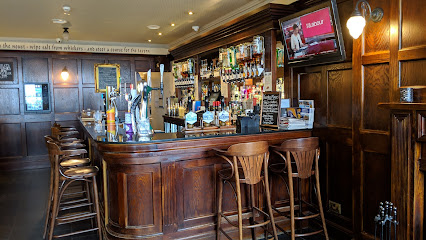
Dil Se Restaurant
40.7 km
Experience authentic North Indian and Bangladeshi flavors in Kirkwall’s award-winning Dil Se Restaurant, blending tradition with local freshness.
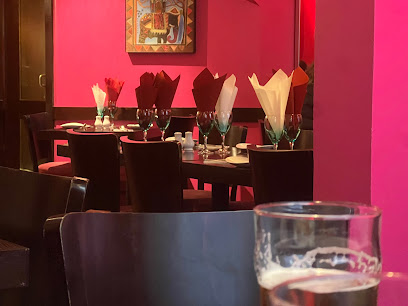
Bothy Bar
40.8 km
Experience the warmth of Bothy Bar in Kirkwall – where delicious food meets delightful drinks in a cozy atmosphere.
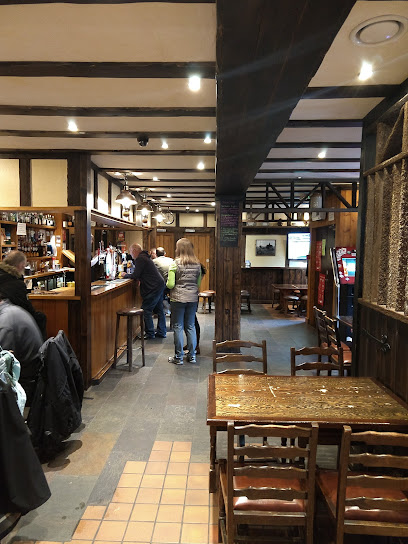
Busters Diner
40.8 km
A cozy American-style diner in Kirkwall serving hearty comfort food with British influences and local Orkney beers in a relaxed setting.
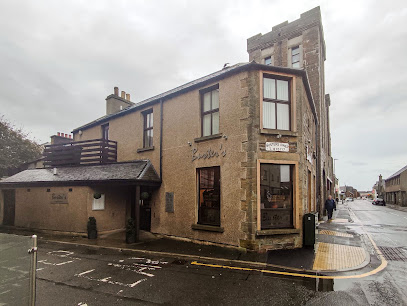
Pomona Cafe
40.8 km
A cozy, traditional Kirkwall cafe serving hearty breakfasts and warm hospitality in the heart of Orkney’s capital.
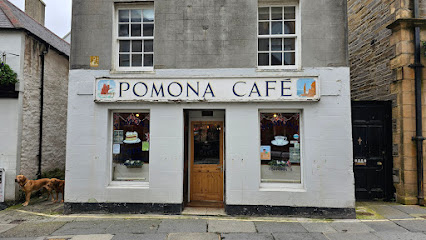
Twenty One
40.8 km
A vibrant Kirkwall hotspot serving unique tapas and expertly crafted cocktails in a stylish, welcoming setting.
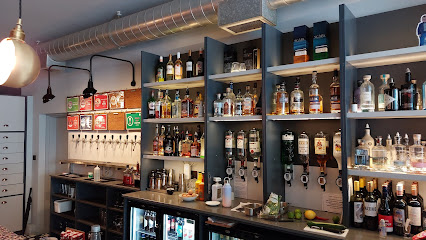
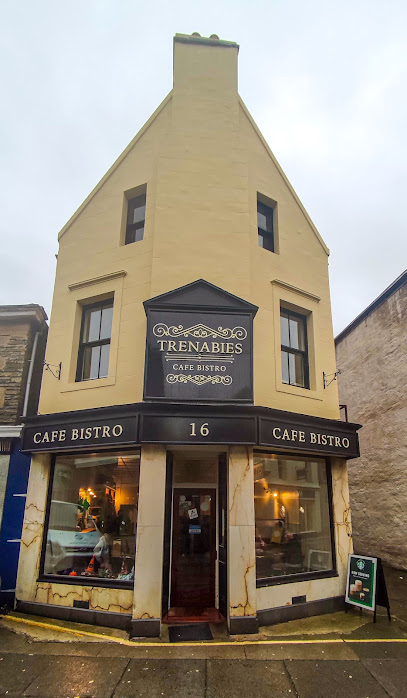
Trenabies Cafe Bistro
40.8 km
Cozy cafe and bistro in Kirkwall offering hearty local dishes, great coffee, and friendly service in a welcoming atmosphere.
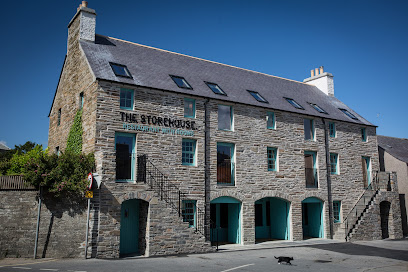
The Storehouse Restaurant with Rooms
40.8 km
A boutique dining and accommodation gem in Kirkwall blending historic charm with world-class local cuisine and cozy rooms.
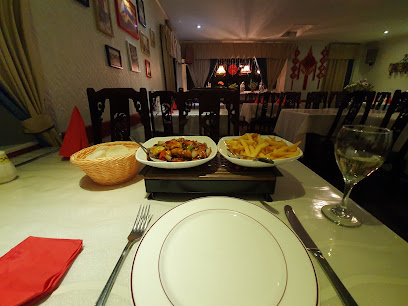
Empire Chinese Restaurant
41.1 km
A reliable, family-friendly Chinese restaurant in central Kirkwall, serving generous portions of classic dishes in a relaxed setting.
Markets, malls and hidden boutiques

Hume Sweet Hume
5.8 km
Discover exquisite Orkney-inspired knitwear and ethically crafted gifts at Hume Sweet Hume, Pierowall’s beloved family-run shop.
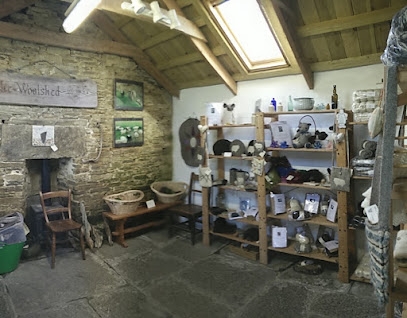
Woolshed
28.0 km
Discover authentic Orkney woolcraft at The Woolshed, a historic knit shop and workshop set amidst stunning island landscapes.
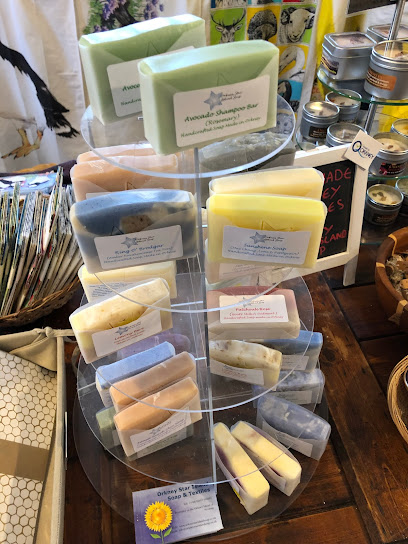
Orkney Star Island Soap & Textiles
32.2 km
Authentic handmade soaps and textiles infused with the wild spirit of Stronsay, crafted with natural oils and island magic.
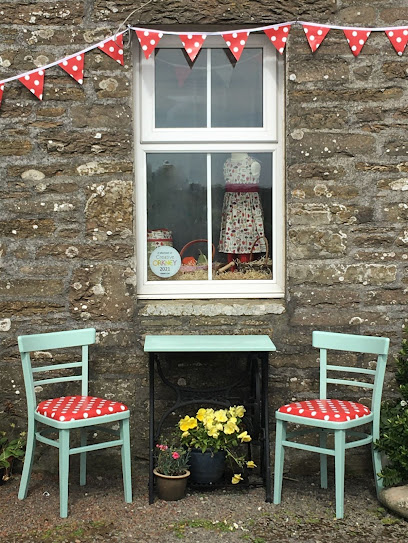
Airy Fairy
32.7 km
Discover handcrafted fabrics and cozy coffee moments at Airy Fairy, a unique artisan shop set in the peaceful heart of Stronsay’s Airy Farm.
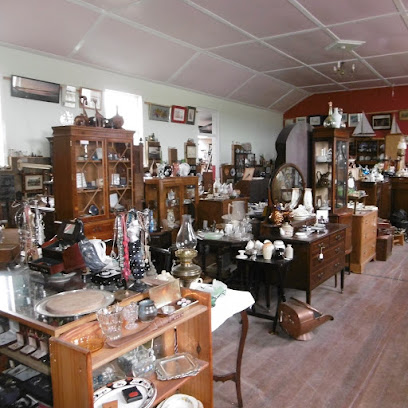
Orkney Antique Centre
34.3 km
Discover Orkney’s rich heritage through a captivating collection of antiques in the historic former community centre of Birsay.
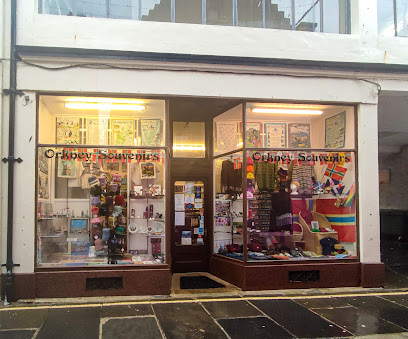
Orkney Souvenirs
40.7 km
Discover authentic Orkney crafts and local treasures in Kirkwall’s welcoming souvenir shop, celebrating island heritage and artistry.
Anchor Shopping Centre
40.7 km
A compact, modern shopping mall in central Kirkwall, offering everyday essentials, fashion, health and beauty, and practical services in a convenient indoor setting.
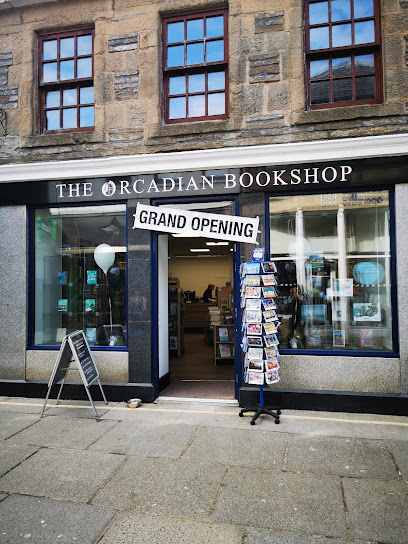
The Orcadian Bookshop
40.8 km
Discover Orkney’s stories and culture at The Orcadian Bookshop, Kirkwall’s independent literary gem in the historic city centre.
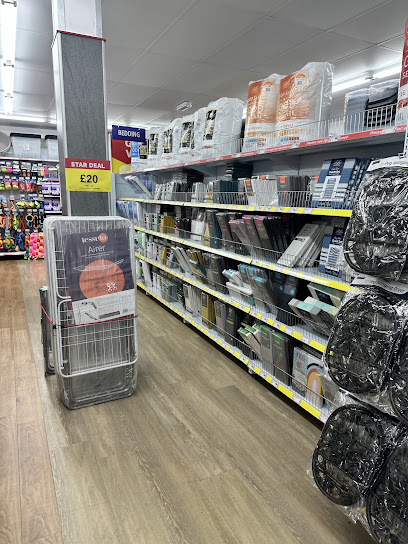
Poundstretcher
40.8 km
Discover unbeatable value and variety at Poundstretcher Kirkwall, your go-to discount store in the heart of Orkney’s town center.
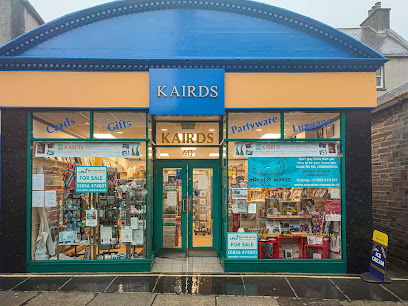
Kairds
40.9 km
Discover unique gifts and local crafts that capture the spirit of Orkney at Kairds, Kirkwall’s beloved gift shop on Albert Street.
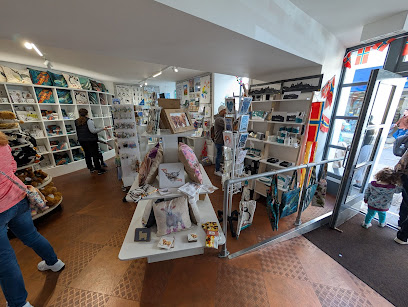
Logo Orkney
40.9 km
Explore Logo Orkney for unique clothing and authentic Orkney-themed souvenirs, perfect for capturing your travel memories.
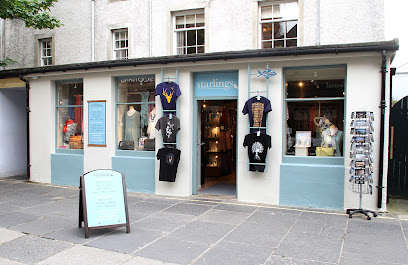
Starlings
40.9 km
Discover authentic Orcadian gifts and crafts at Starlings, a charming boutique shop in Kirkwall’s historic heart.
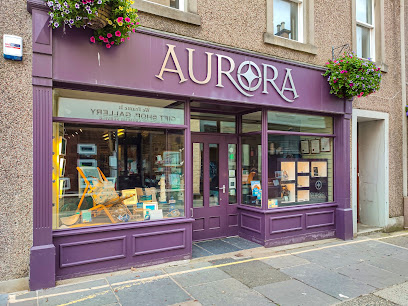
Aurora Jewellery
40.9 km
Discover exquisite hand-crafted jewellery inspired by Orkney’s heritage and landscapes at Aurora Jewellery in Kirkwall.
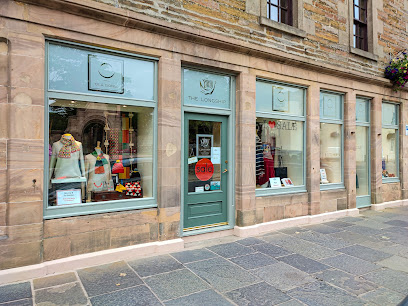
The Longship
41.0 km
Discover Orkney’s rich heritage through timeless jewellery, knitwear, and crafts at Kirkwall’s family-run Longship shop.
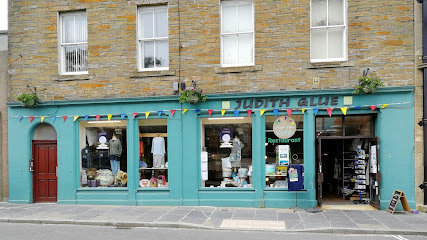
Judith Glue
41.0 km
Discover Kirkwall’s charming Aladdin’s Cave of local gifts, knitwear, and jewellery at Judith Glue, a beloved hub of Orcadian craftsmanship since 1976.
Essential bars & hidden hideouts

The Belsair
22.0 km
A cozy gastropub and guesthouse on Sanday offering fresh local seafood, comfortable rooms, and authentic island hospitality.
The Taversoe
25.6 km
A cozy 3-star inn on Rousay offering spacious rooms, local cuisine, and stunning sea views in a warm, welcoming atmosphere.
Torvhaug
40.7 km
A lively Kirkwall pub on Bridge Street, Torvhaug offers local whiskys, cozy vibes, and a vibrant atmosphere beloved by locals and visitors alike.
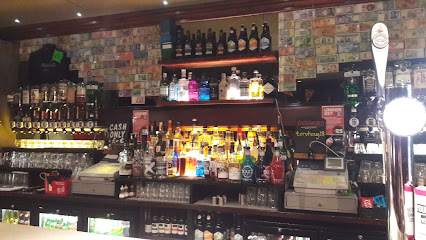
Skippers
40.7 km
Kirkwall’s vibrant sports bar serving local brews, hearty pub fare, and live games in a welcoming, dog-friendly atmosphere.
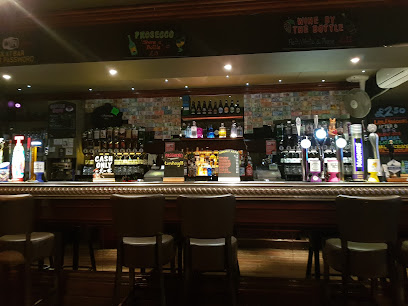
Highland Park Bar
40.7 km
A cozy Kirkwall bar serving an extensive range of Highland Park whiskies and local drinks in a warm, inviting atmosphere within the Kirkwall Hotel.
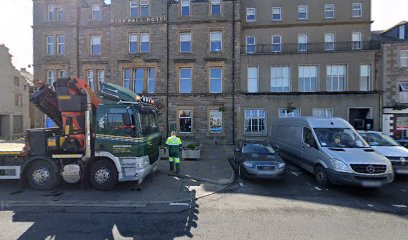
Ayre Hotel & Apartments
40.7 km
Comfortable harbor-side hotel with a lively bar, friendly staff, and easy access to Kirkwall’s historic center.
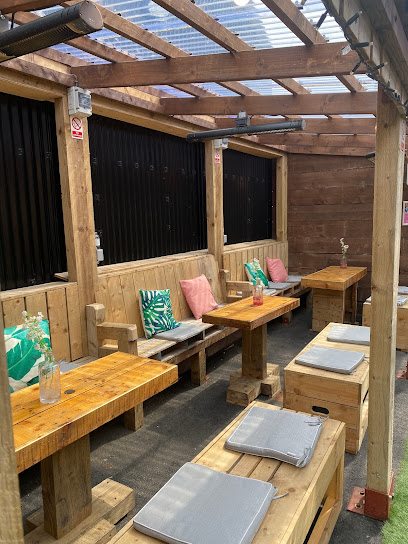
Oot The Back
40.7 km
Discover Kirkwall’s cozy outdoor garden bar with heated booths, local gins, and a relaxed atmosphere behind Orkney Distilling.
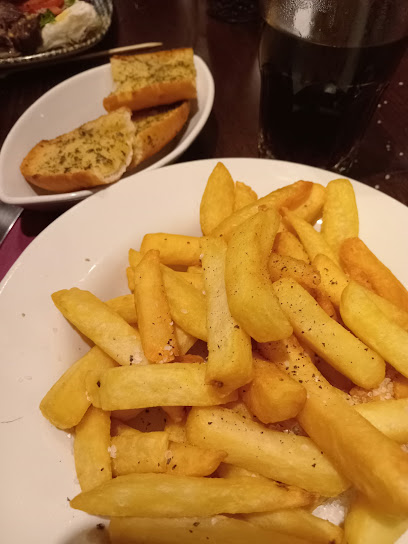
The Neuk
40.8 km
A warm and lively pub-restaurant in Kirkwall offering fresh local fare, historic charm, and a vibrant live music scene.
Auld Motor Hoose
40.8 km
A cozy Kirkwall pub blending automotive nostalgia with friendly service and local ales in a lively, welcoming atmosphere.
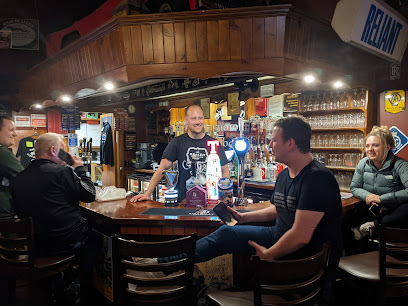
Royal Cask Whisky Gin Bar
41.2 km
Discover Kirkwall’s historic Royal Cask Whisky Gin Bar, home to over 1,000 whiskies, 160 gins, and authentic Orcadian hospitality in a 350-year-old setting.
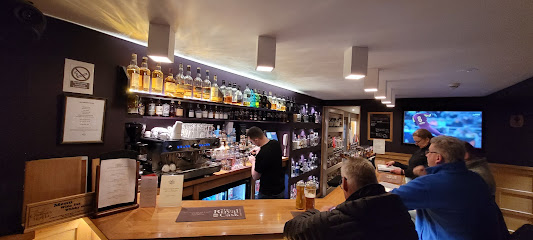
The West End Guest House
41.4 km
A peaceful, centrally located guest house in Kirkwall offering simple comforts and easy access to Orkney’s historic heart.
Robertsons Coffeehoose & Bar
58.3 km
A warm, family-run coffeehouse and bar in historic St Margaret's Hope, serving traditional fare, local drinks, and inclusive menus in a charming setting.
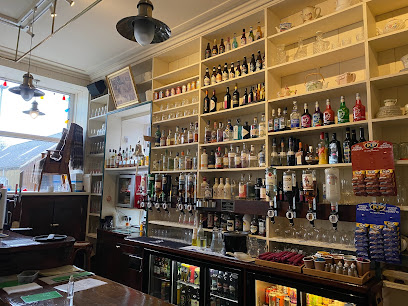
The Mey Hotel
81.4 km
Experience warm Highland hospitality, hearty Scottish fare, and cozy comfort at The Mey Hotel in scenic Thurso.
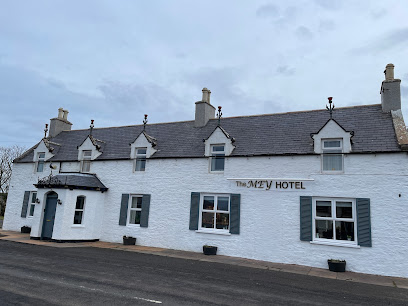
Dunnet Bay Escapes
84.8 km
Luxurious coastal retreat with stunning Dunnet Bay views, gourmet breakfasts, and serene hot tub relaxation in the heart of the Scottish Highlands.
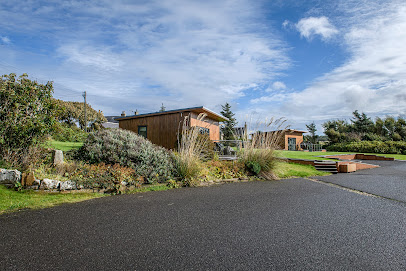
Peerie Cafe
89.9 km
Experience delightful flavors and breathtaking views at Peerie Cafe, your cozy retreat by the Thurso harbor.
Nightclubs & after hour spots

The Orkney Club
40.7 km
A welcoming social hub in Kirkwall offering lively evening entertainment and a friendly community atmosphere in the heart of Orkney.
Skinandi's Nightclub
91.1 km
Experience the vibrant nightlife at Skinandi's, the northernmost nightclub on Scotland’s mainland with two bars and two dance floors.
For the vibe & atmosphere seeker
- Tranquil
- Scenic
- Unique
- Relaxing
For the design and aesthetic lover
- Rustic Designs
- Vintage Styles
For the architecture buff
- Historic
- Landmarks
- Heritage Neighborhoods
For the view chaser and sunset hunter
- Iconic Views
- Panoramas
- Waterfront
For the social media creator & influencer
- Instagrammable
- Photo Spots
- Selfie Spots
For the eco-conscious traveler
- Protected Area
- Public-Transport Accessible
- Leave-No-Trace Critical
- Locally Managed
For the kind of experience you’re after
- Cultural Heritage
- Myth & Legends
- Photowalk
- Day Trip
- Nature Escape
For how adventurous you want the journey to be
- Easy Access
Location Audience
- Family Friendly
- Senior Friendly
- Child Friendly
- Teen Friendly
- Solo Friendly
- Couple Friendly


