
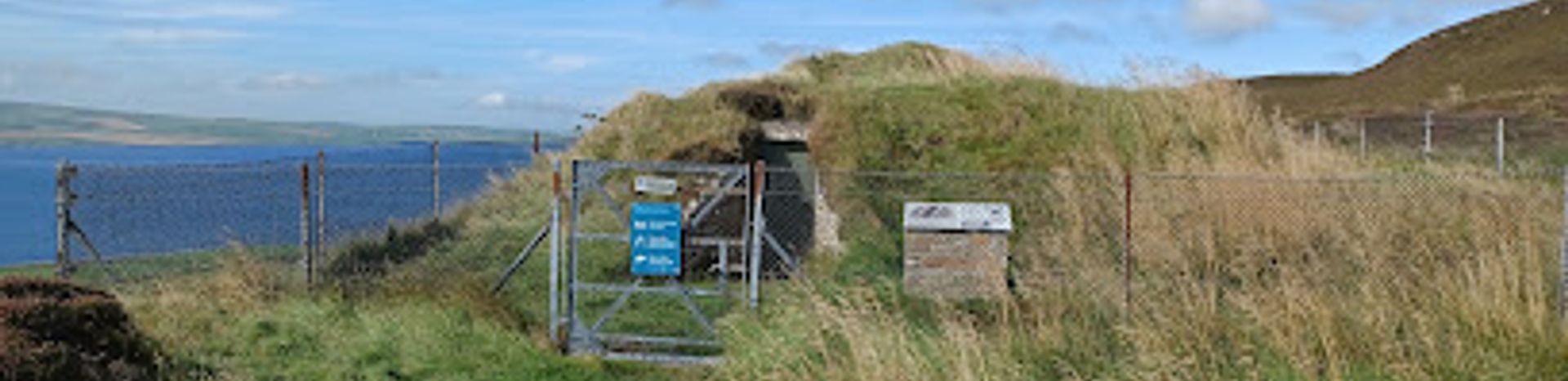
Knowe of Yarso Chambered Cairn
Step back over 5,000 years at Knowe of Yarso, a Neolithic chambered cairn on Rousay, revealing ancient communal burials and prehistoric Orkney life.
The Knowe of Yarso is a Neolithic chambered cairn on the island of Rousay, Orkney, dating back over 5,000 years. This ancient burial site contains remains of at least 29 people and 36 red deer, reflecting its communal use by early farming communities. Excavated in 1934, it forms part of a remarkable prehistoric trail alongside other cairns on Rousay, offering insight into Orkney’s rich archaeological heritage.
A brief summary to Knowe Of Yarso
- Rousay, Orkney, Orkney, GB
- Visit website
- Duration: 0.5 to 1.5 hours
- Free
-
 Outdoor
- Mobile reception: 3 out of 5
- Monday 12 am-12 am
- Tuesday 12 am-12 am
- Wednesday 12 am-12 am
- Thursday 12 am-12 am
- Friday 12 am-12 am
- Saturday 12 am-12 am
- Sunday 12 am-12 am
Local tips
- Wear sturdy footwear as the path to the cairn is well marked but steep in places.
- Bring a camera to capture panoramic views of Rousay’s landscape from the hillside site.
- Combine your visit with other nearby Neolithic sites like Midhowe and Taversöe Tuick for a full prehistoric experience.
- Check weather conditions before visiting, as the hillside path can be slippery when wet.

For the on-the-go comforts that matter to you
- Information Boards
Getting There
-
Public Bus
Take the local bus service from Kirkwall to Rousay, which runs several times daily with a journey time of approximately 45 to 60 minutes. From the Rousay ferry terminal, a taxi or local shuttle can take you to the Knowe of Yarso site. Bus fares range from £5 to £10 one way.
-
Car and Ferry
Drive to the ferry terminal at Tingwall near Kirkwall, then take the ferry to Rousay (about 20 minutes). From the ferry terminal on Rousay, the Knowe of Yarso is a short drive or taxi ride away. Ferry fares for vehicles and passengers typically cost between £15 and £25. Note parking availability at ferry terminals may be limited.
-
Walking
For active visitors staying on Rousay, walking to the Knowe of Yarso is possible via well-marked paths. The walk involves some steep sections and takes around 30 to 45 minutes from the main village area. Suitable footwear and moderate fitness are recommended.
Knowe Of Yarso location weather suitability
-
 Any Weather
-
 Rain / Wet Weather
-
 Clear Skies
-
 Windy Conditions
-
 Mild Temperatures
Discover more about Knowe Of Yarso
Ancient Origins and Archaeological Significance
The Knowe of Yarso chambered cairn is a prehistoric burial monument situated on the island of Rousay in Orkney, Scotland. Dating from between 3500 and 2500 BC, it is one of the oldest known communal burial sites in the region. Excavations in 1934 revealed the remains of at least 29 individuals alongside the bones of 36 red deer, indicating the site’s use for ritual and funerary purposes over many centuries. Pottery fragments found within the tomb suggest that it remained in use until the late 2000s BC, highlighting its long-standing cultural importance.Architectural Features and Layout
The cairn is a stalled chambered tomb, characterized by a long, rectangular structure divided into compartments or stalls. Originally covered by a grass mound measuring approximately 19 by 9.7 meters, the cairn now measures about 15.2 meters in length and 7.8 meters in width. It is aligned roughly northwest to southeast, a typical orientation for Neolithic tombs in Orkney. The design reflects the communal burial practices of small farming communities, with the stalls likely serving as separate burial spaces within the tomb.Context within Rousay’s Prehistoric Landscape
Knowe of Yarso is one of at least 15 chambered tombs on Rousay, an island often called the 'Egypt of the North' due to its dense concentration of archaeological sites. Together with other notable cairns such as Midhowe, Blackhammer, and Taversöe Tuick, it forms part of a fascinating prehistoric trail that offers a glimpse into Neolithic life and death. These sites illustrate the social and territorial organization of early farming communities in Orkney, marking landholdings and serving as focal points for ritual activity.Excavation History and Discoveries
The 1934 excavation was led by William Grant and James Callander, with detailed photographic documentation by David Wilson. This work uncovered the tomb’s structural details and the extensive human and animal remains within. The discovery of red deer bones alongside human remains is particularly intriguing, suggesting symbolic or ritual significance to the inclusion of these animals in burial rites. The excavation helped clarify the nature of stalled cairns and contributed significantly to understanding Orkney’s Neolithic past.Visiting Experience and Setting
Situated on a hillside, the Knowe of Yarso offers scenic views across Rousay’s rugged landscape. The path to the cairn is well marked but can be steep in places, requiring a moderate level of fitness. The site’s tranquil atmosphere invites reflection on the ancient lives commemorated here. As part of the wider prehistoric trail on Rousay, it provides an immersive experience into Scotland’s distant past amid natural beauty.Preservation and Cultural Heritage
Managed by Historic Environment Scotland, the Knowe of Yarso is protected as a scheduled monument. Its preservation allows ongoing study and public education about Neolithic Orkney. The cairn exemplifies the rich cultural heritage of the islands and remains a vital link to understanding early human settlement, burial customs, and community identity in northern Europe.Iconic landmarks you can’t miss

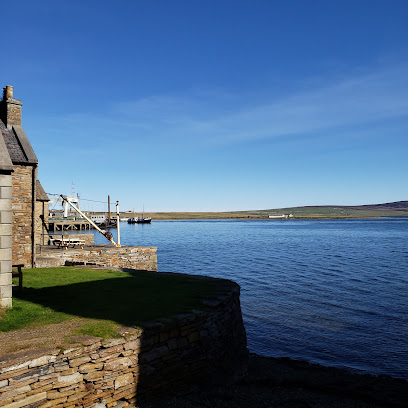
The Cannon
24.7 km
Historic cannon from an American privateer, set against the stunning backdrop of Stromness harbour’s maritime heritage.
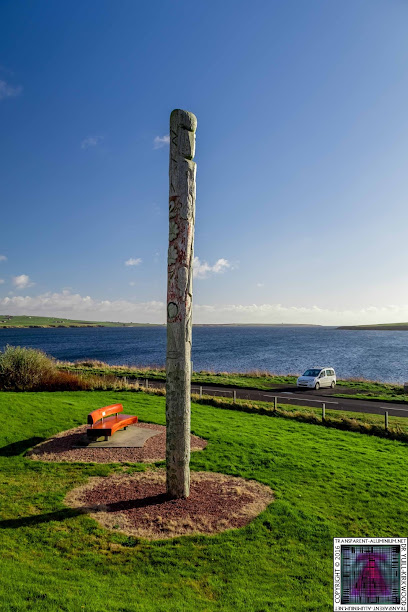
First Nations And Orcadian Totem Pole
27.7 km
A striking wooden monument in Orkney symbolizing friendship and shared heritage between First Nations and Orcadian cultures.
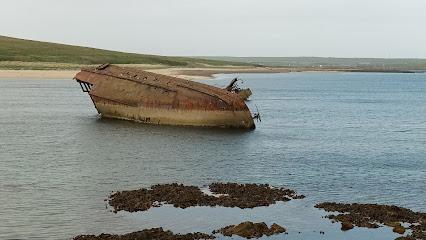
Churchill Barriers
28.1 km
Historic WWII causeways in Orkney that safeguarded Scapa Flow and now link islands with a rich legacy of resilience and culture.
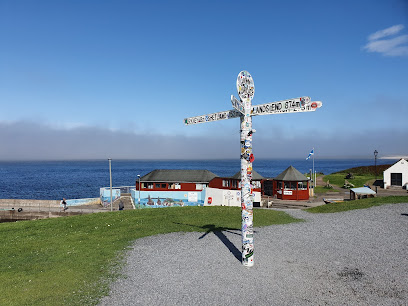
John O'Groats Signpost
54.5 km
Britain's most iconic signpost marks the legendary endpoint of the 874-mile Land's End to John o' Groats journey.
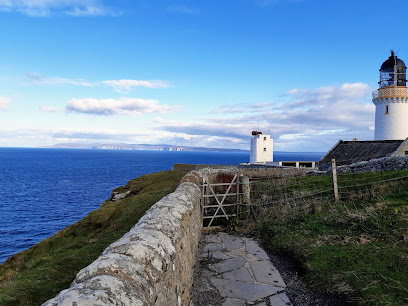
Duncansby Head Lighthouse
54.5 km
Experience the breathtaking views and rich history of Duncansby Head Lighthouse, a must-see landmark on Scotland's northern coast.
Dunnet Head Lighthouse
54.9 km
Experience the stunning beauty and rich heritage of Dunnet Head Lighthouse, Scotland's northernmost landmark with breathtaking coastal views.
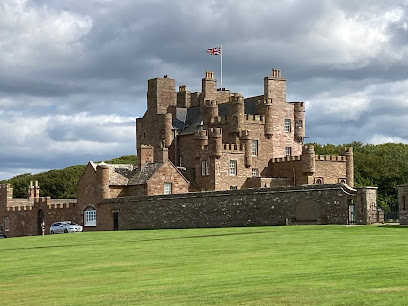
The Castle & Gardens of Mey
55.2 km
Explore the Castle & Gardens of Mey, where Scottish history and breathtaking landscapes come together in a royal retreat.
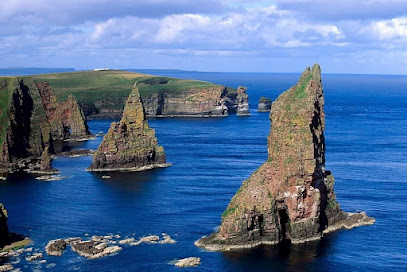
Duncansby Stacks
55.9 km
Discover the breathtaking Duncansby Stacks, a natural marvel of towering cliffs and vibrant wildlife on Scotland's stunning coastline.
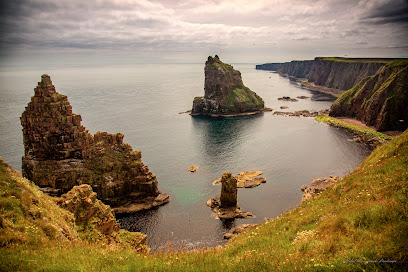
Above and Beyond Tours
59.5 km
Discover the breathtaking landscapes of Caithness with Above and Beyond Tours, where adventure meets local expertise in Scotland's stunning north.
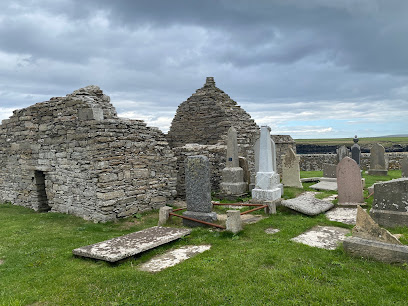
Mary Ann's Cottage
59.6 km
Explore the fascinating history of Caithness at Mary Ann's Cottage, a charming museum showcasing 19th-century life and culture.
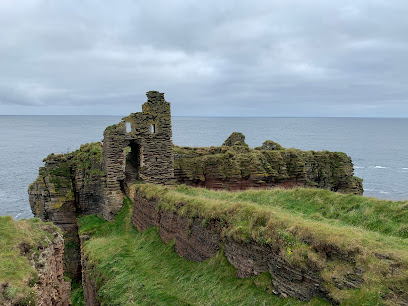
Bucholie Castle
62.1 km
Discover the rich history and stunning views of Bucholie Castle, an enchanting historical landmark in Nybster, near Wick, Scotland.
Castlehill Heritage Centre
62.8 km
Discover the captivating history and culture of Castletown at the Castlehill Heritage Centre, a unique museum in the heart of the Scottish Highlands.
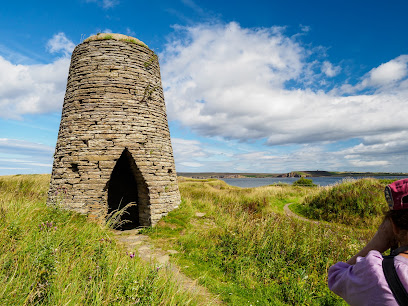
Dunnet Links: St. Coomb Chapel (6th century, former site))
62.9 km
Discover the ancient ruins of St. Coomb Chapel, a 6th-century site near Castletown that reveals Scotland’s early Christian heritage.
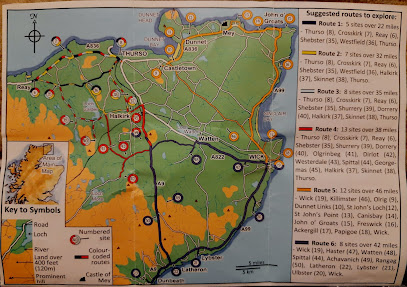
Caithness Broch Centre
64.3 km
Explore the ancient Iron Age at the Caithness Broch Centre, a unique attraction that unveils the mysteries of Scotland's historic broch structures.
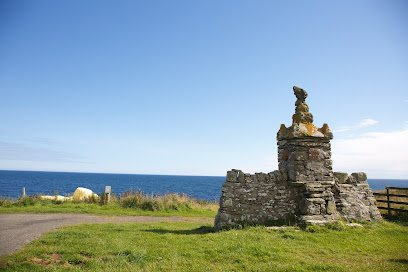
Harold’s Tower
64.5 km
Discover the charm and history of Harold's Tower in Thurso, a stunning heritage site offering breathtaking views and rich cultural significance.

Unmissable attractions to see

Knowe of Lairo
0.6 km
Explore the ancient long-horned chambered cairn of Knowe of Lairo on Rousay, a Neolithic marvel overlooking Eynhallow Sound in Orkney.
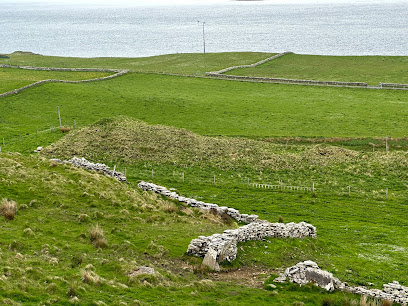
Taversöe Tuick
2.1 km
Explore the rare double-level Neolithic burial cairn on Rousay, Orkney, revealing ancient mysteries from over 4,000 years ago.
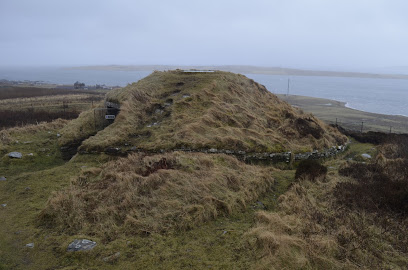
Broch of Gurness
2.5 km
Explore one of Scotland’s finest Iron Age brochs and village ruins set against the stunning coastal landscape of Orkney.
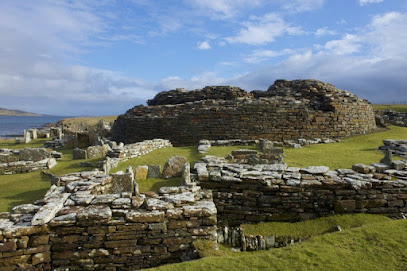
Midhowe Tomb & Chambered Cairn
4.1 km
Explore the largest Neolithic chambered cairn on Rousay, Orkney, a remarkable ancient tomb sheltered by a modern structure and rich in prehistoric history.
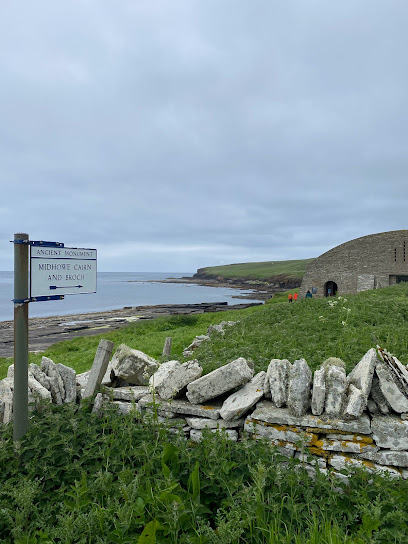
Midhowe Broch
4.2 km
Explore Midhowe Broch, a striking Iron Age tower on Orkney’s coast, where ancient stonework and history meet dramatic seascapes.
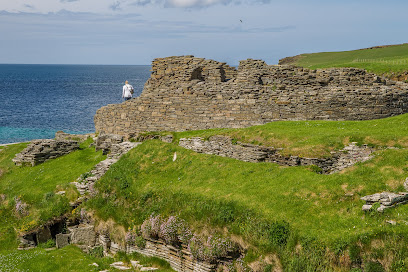
Quern of Whisber
4.8 km
Explore the historic Quern of Whisber in Orkney, a serene site blending ancient heritage and breathtaking landscapes.
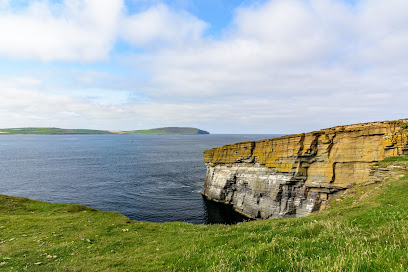
Knoe of Scabra
5.2 km
Step back 5,000 years into one of Europe’s best-preserved Neolithic villages nestled on Orkney’s rugged coastline.
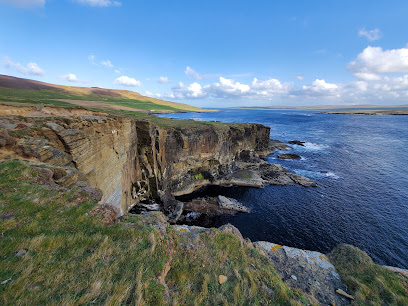
Hole of the Horses
5.4 km
Discover the dramatic sea-carved arch of Hole of the Horses on Rousay, a stunning natural landmark overlooking Orkney’s wild North Atlantic coast.
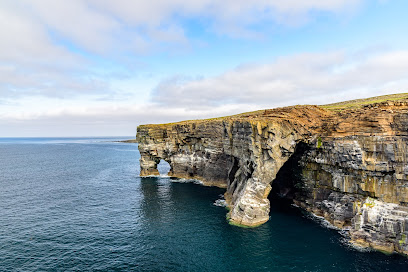
RSPB Birsay Moors
6.3 km
Discover the wild beauty and rich birdlife of Orkney’s windswept Birsay Moors nature reserve.
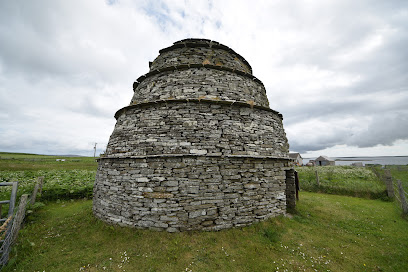
Rendall Doocot
7.3 km
Explore Rendall Doocot, Orkney’s rare 17th-century beehive dovecote, a unique symbol of historic rural life and architectural ingenuity.
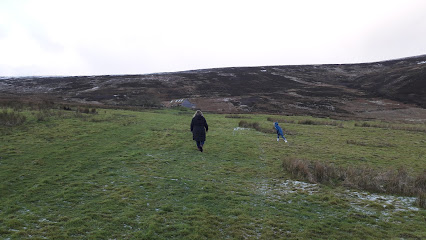
RSPB Scotland Cottascarth
9.1 km
Discover Orkney’s tranquil moorland sanctuary where majestic birds of prey soar above heather and historic hides invite peaceful wildlife watching.
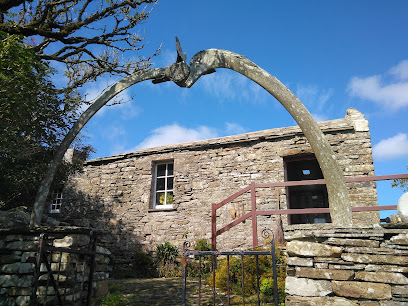
Kirbuster Farm Museum
12.4 km
Step back in time at Kirbuster Farm Museum, Northern Europe’s last un-restored firehoose, where Orkney’s rural heritage lives on.
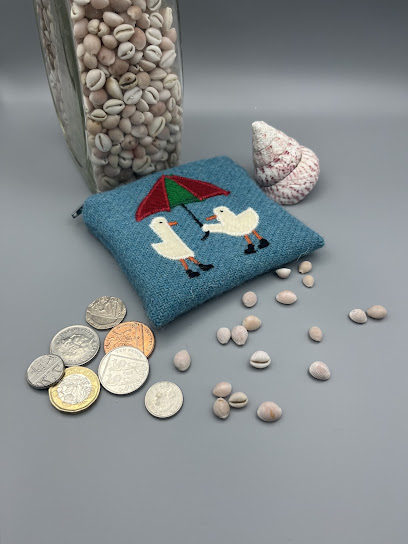
Castaway Crafts
13.1 km
Discover unique handcrafted treasures and authentic Orkney artistry at Castaway Crafts, nestled in the cozy charm of Rose Cottage, Dounby.
Longaglebe Geo
14.3 km
Explore Longaglebe Geo, Orkney’s longest dramatic coastal cleft, where rugged cliffs meet seabird colonies in a wild, windswept landscape.
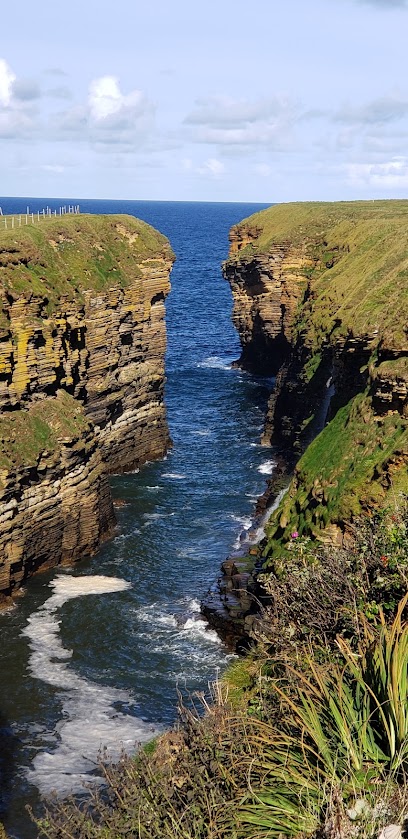
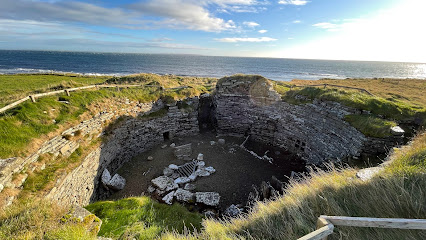
Burroughston Broch
15.2 km
Explore Burroughston Broch, an ancient Iron Age landmark on Shapinsay Island, Orkney, where history and natural beauty intertwine.
Essential places to dine

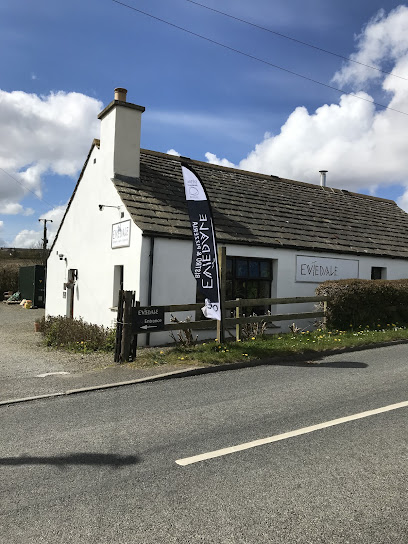
Eviedale Bistro & Bakehouse
4.5 km
Orkney's pioneering sourdough bakery and wood-fired pizzeria, where artisanal craft meets island hospitality.
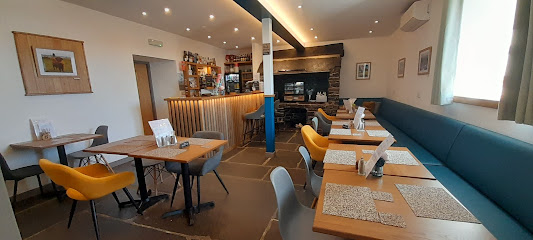
The Smithy Cafe
13.6 km
A community-run cafe and restaurant in a historic smithy on Shapinsay, serving Orkney fare in a warm, rustic setting with occasional evening bar service.
The Skerries Restaurant
13.8 km
Experience exquisite local seafood with breathtaking views at The Skerries Restaurant by Loch of Harray in Orkney’s tranquil natural setting.
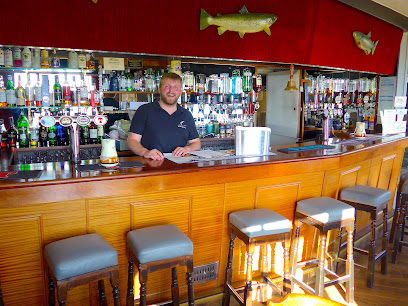
Leigh's Real Taste of Orkney
14.9 km
Discover Orkney’s finest takeaway flavors at Leigh's, where local produce meets generous portions and friendly service in Finstown.

The Shore
17.3 km
Modern waterfront hotel in Kirkwall's harbor district with clean rooms, full breakfast, and walking access to town attractions.
Helgi's
17.3 km
A vibrant harbourfront gastropub blending Orkney’s Viking heritage with fresh local fare and lively community spirit.
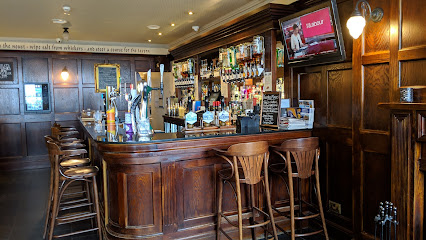
Dil Se Restaurant
17.3 km
Experience authentic North Indian and Bangladeshi flavors in Kirkwall’s award-winning Dil Se Restaurant, blending tradition with local freshness.
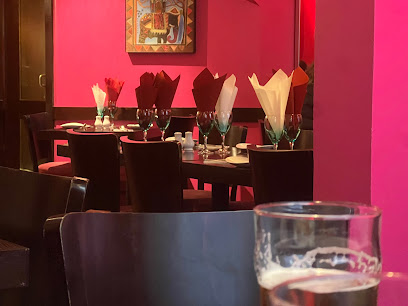
Busters Diner
17.3 km
A cozy American-style diner in Kirkwall serving hearty comfort food with British influences and local Orkney beers in a relaxed setting.
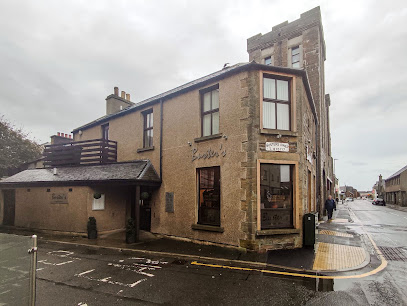
Bothy Bar
17.3 km
Experience the warmth of Bothy Bar in Kirkwall – where delicious food meets delightful drinks in a cozy atmosphere.
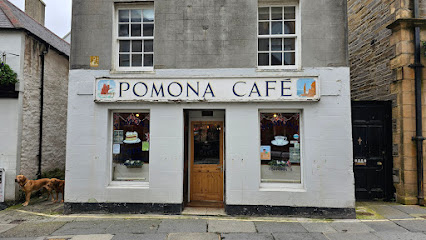
Pomona Cafe
17.4 km
A cozy, traditional Kirkwall cafe serving hearty breakfasts and warm hospitality in the heart of Orkney’s capital.
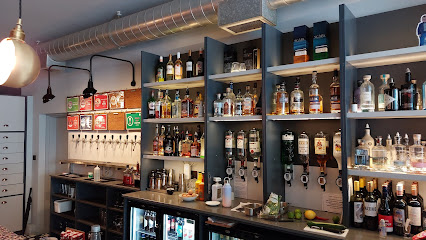
Twenty One
17.4 km
A vibrant Kirkwall hotspot serving unique tapas and expertly crafted cocktails in a stylish, welcoming setting.
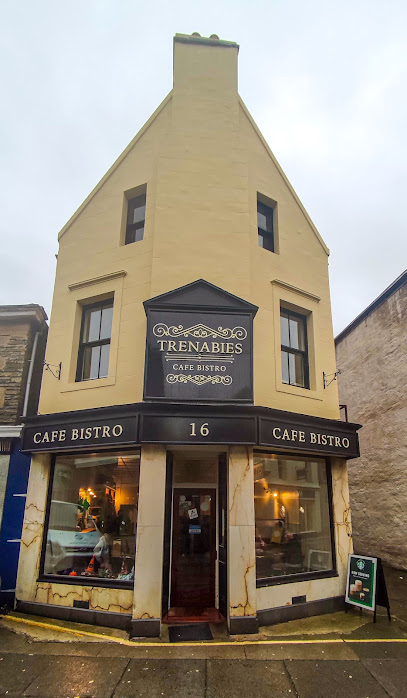
Trenabies Cafe Bistro
17.4 km
Cozy cafe and bistro in Kirkwall offering hearty local dishes, great coffee, and friendly service in a welcoming atmosphere.
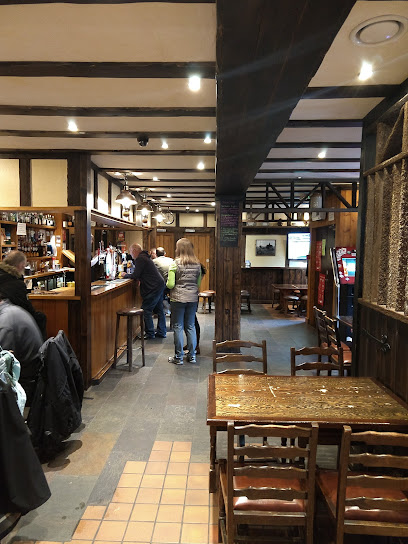
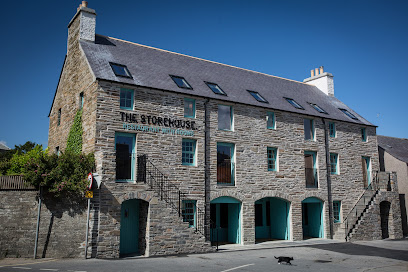
The Storehouse Restaurant with Rooms
17.4 km
A boutique dining and accommodation gem in Kirkwall blending historic charm with world-class local cuisine and cozy rooms.
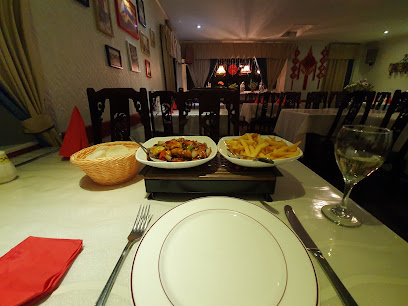
Empire Chinese Restaurant
17.7 km
A reliable, family-friendly Chinese restaurant in central Kirkwall, serving generous portions of classic dishes in a relaxed setting.
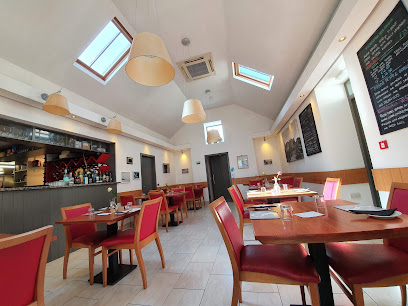
Lucano
17.7 km
Experience authentic Italian flavors and warm hospitality in the heart of Kirkwall at Lucano, a beloved local restaurant and pizzeria.
Markets, malls and hidden boutiques

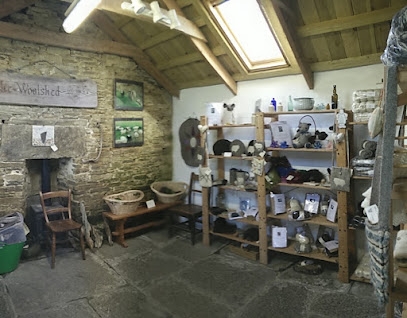
Woolshed
7.4 km
Discover authentic Orkney woolcraft at The Woolshed, a historic knit shop and workshop set amidst stunning island landscapes.
Orkney Antique Centre
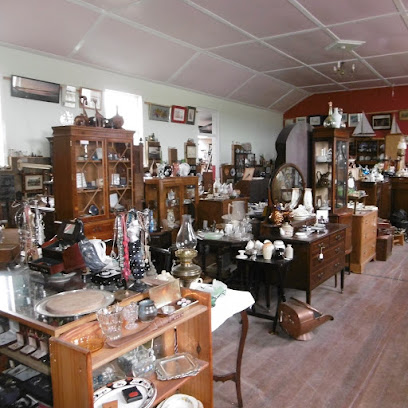
15.3 km
Discover Orkney’s rich heritage through a captivating collection of antiques in the historic former community centre of Birsay.
Orkney Souvenirs
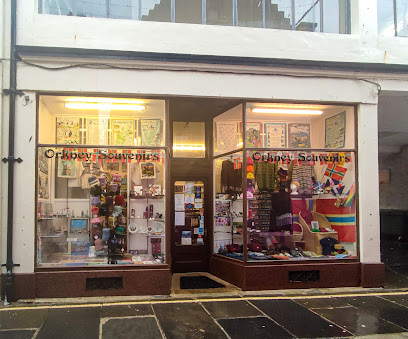
17.3 km
Discover authentic Orkney crafts and local treasures in Kirkwall’s welcoming souvenir shop, celebrating island heritage and artistry.
Anchor Shopping Centre
17.3 km
A compact, modern shopping mall in central Kirkwall, offering everyday essentials, fashion, health and beauty, and practical services in a convenient indoor setting.
The Orcadian Bookshop
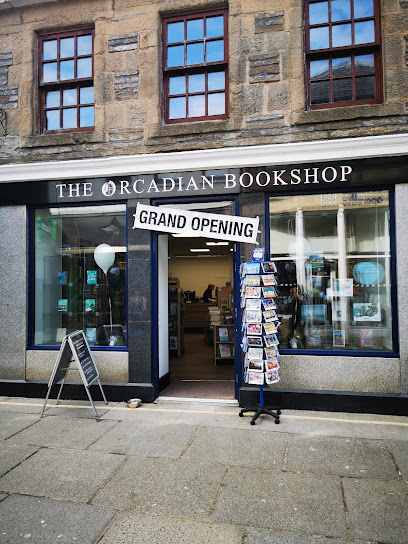
17.4 km
Discover Orkney’s stories and culture at The Orcadian Bookshop, Kirkwall’s independent literary gem in the historic city centre.
Poundstretcher
17.4 km
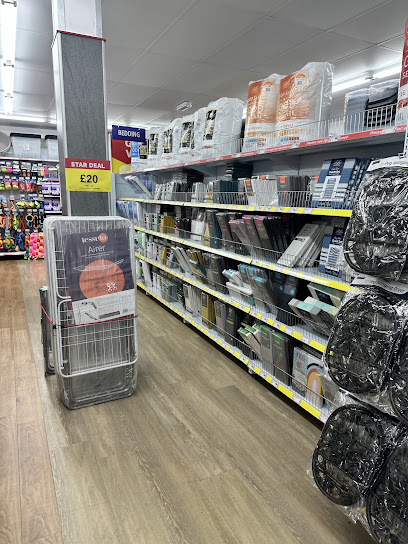
Discover unbeatable value and variety at Poundstretcher Kirkwall, your go-to discount store in the heart of Orkney’s town center.
St Colms Cafe & Crafts
17.4 km
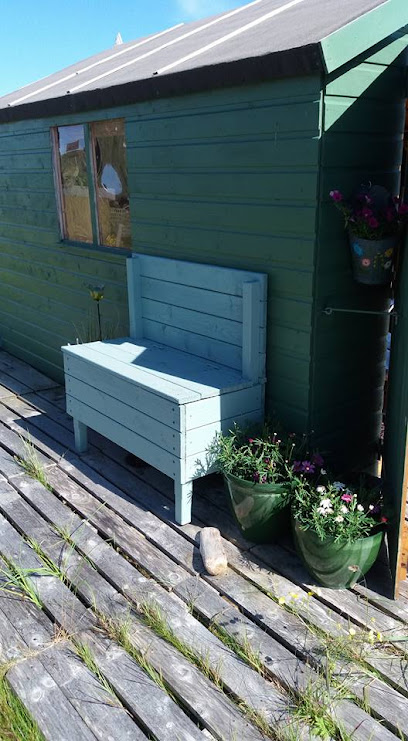
A cozy Kirkwall café and crafts shop offering homemade treats and unique handcrafted garden furniture and cards.
Kairds
17.5 km
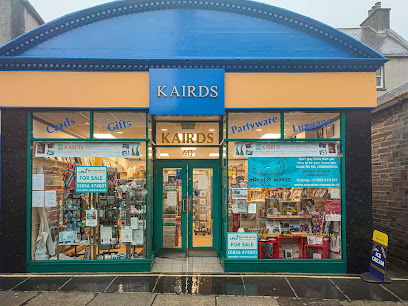
Discover unique gifts and local crafts that capture the spirit of Orkney at Kairds, Kirkwall’s beloved gift shop on Albert Street.
Logo Orkney
17.5 km
Explore Logo Orkney for unique clothing and authentic Orkney-themed souvenirs, perfect for capturing your travel memories.
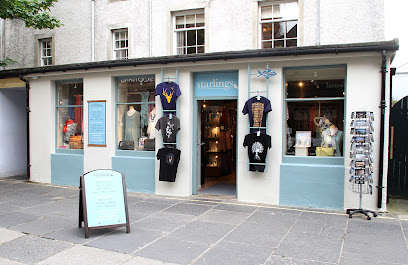
Starlings
17.5 km
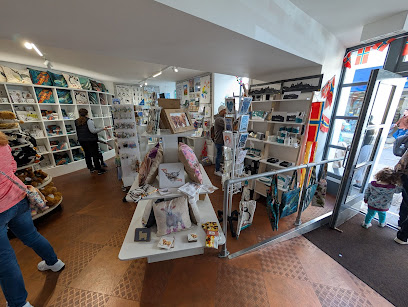
Discover authentic Orcadian gifts and crafts at Starlings, a charming boutique shop in Kirkwall’s historic heart.
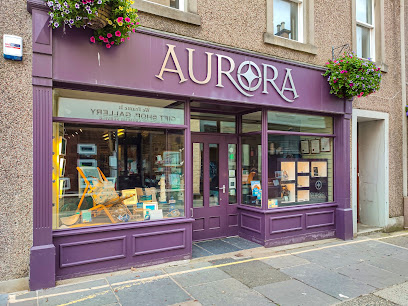
Aurora Jewellery
17.5 km
Discover exquisite hand-crafted jewellery inspired by Orkney’s heritage and landscapes at Aurora Jewellery in Kirkwall.
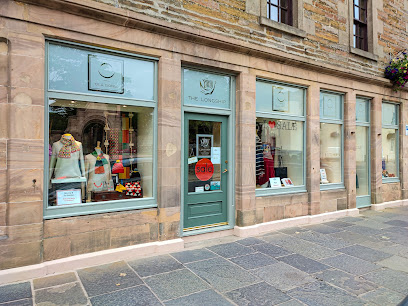
The Longship
17.5 km
Discover Orkney’s rich heritage through timeless jewellery, knitwear, and crafts at Kirkwall’s family-run Longship shop.
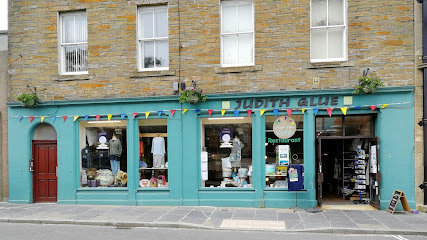
Judith Glue
17.6 km
Discover Kirkwall’s charming Aladdin’s Cave of local gifts, knitwear, and jewellery at Judith Glue, a beloved hub of Orcadian craftsmanship since 1976.
Blue Joe's
17.6 km
Discover authentic Orkney crafts and unique souvenirs at Blue Joe's, Kirkwall’s charming gift shop full of local treasures and stories.
Orkney Tweed
17.7 km
Discover authentic Orkney tweed craftsmanship in Kirkwall’s charming boutique, where tradition meets sustainable artisan quality.
Essential bars & hidden hideouts

The Taversoe
0.5 km
A cozy 3-star inn on Rousay offering spacious rooms, local cuisine, and stunning sea views in a warm, welcoming atmosphere.
Ayre Hotel & Apartments
17.2 km
Comfortable harbor-side hotel with a lively bar, friendly staff, and easy access to Kirkwall’s historic center.
Oot The Back
17.3 km
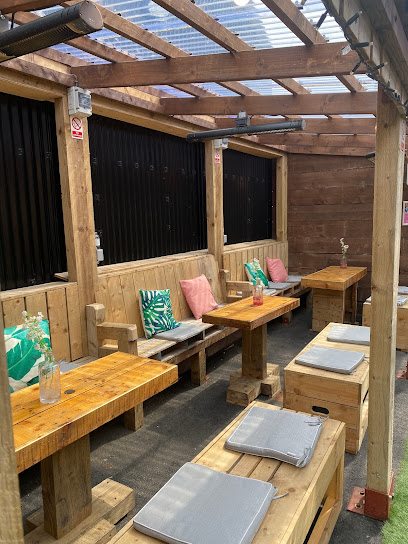
Discover Kirkwall’s cozy outdoor garden bar with heated booths, local gins, and a relaxed atmosphere behind Orkney Distilling.
Highland Park Bar
17.3 km
A cozy Kirkwall bar serving an extensive range of Highland Park whiskies and local drinks in a warm, inviting atmosphere within the Kirkwall Hotel.
Skippers
17.3 km
Kirkwall’s vibrant sports bar serving local brews, hearty pub fare, and live games in a welcoming, dog-friendly atmosphere.
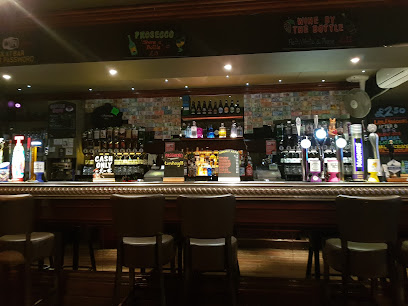
Torvhaug
17.3 km
A lively Kirkwall pub on Bridge Street, Torvhaug offers local whiskys, cozy vibes, and a vibrant atmosphere beloved by locals and visitors alike.
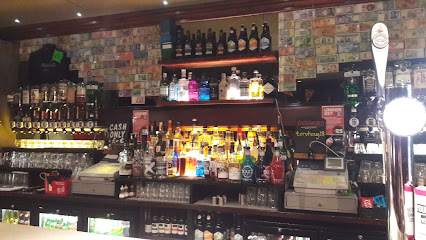
The Neuk
17.3 km
A warm and lively pub-restaurant in Kirkwall offering fresh local fare, historic charm, and a vibrant live music scene.
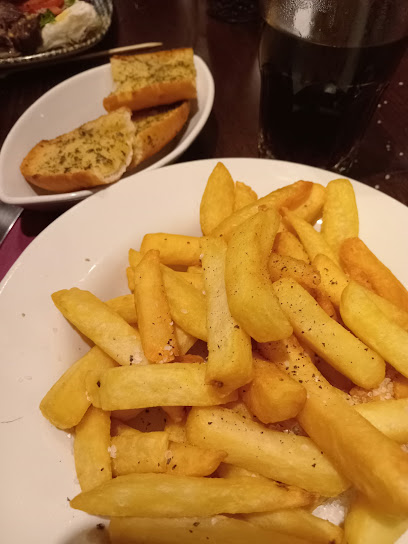
Auld Motor Hoose
17.4 km
A cozy Kirkwall pub blending automotive nostalgia with friendly service and local ales in a lively, welcoming atmosphere.
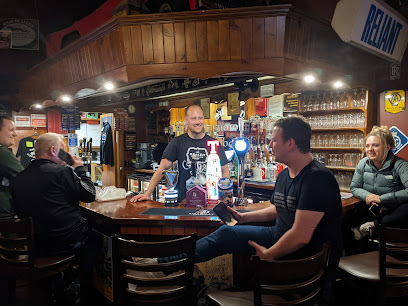
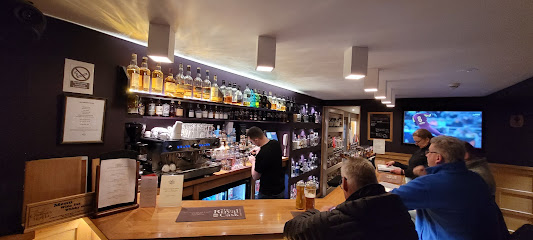
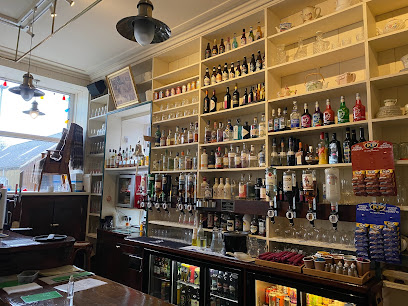
Royal Cask Whisky Gin Bar
17.7 km
Discover Kirkwall’s historic Royal Cask Whisky Gin Bar, home to over 1,000 whiskies, 160 gins, and authentic Orcadian hospitality in a 350-year-old setting.
The West End Guest House
17.9 km
A peaceful, centrally located guest house in Kirkwall offering simple comforts and easy access to Orkney’s historic heart.
The Belsair
27.4 km
A cozy gastropub and guesthouse on Sanday offering fresh local seafood, comfortable rooms, and authentic island hospitality.
Robertsons Coffeehoose & Bar
34.7 km
A warm, family-run coffeehouse and bar in historic St Margaret's Hope, serving traditional fare, local drinks, and inclusive menus in a charming setting.
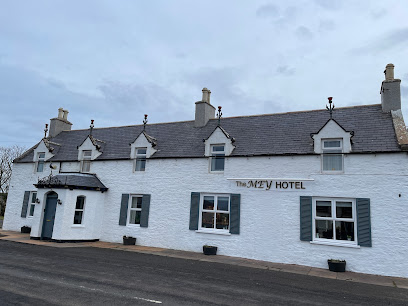
The Mey Hotel
56.4 km
Experience warm Highland hospitality, hearty Scottish fare, and cozy comfort at The Mey Hotel in scenic Thurso.
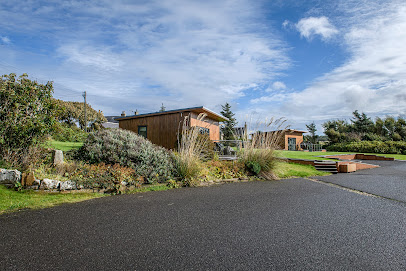
Dunnet Bay Escapes
59.7 km
Luxurious coastal retreat with stunning Dunnet Bay views, gourmet breakfasts, and serene hot tub relaxation in the heart of the Scottish Highlands.
Peerie Cafe
65.1 km
Experience delightful flavors and breathtaking views at Peerie Cafe, your cozy retreat by the Thurso harbor.
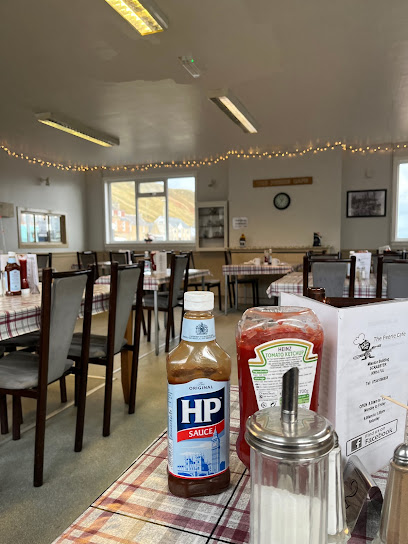
Nightclubs & after hour spots

The Orkney Club
17.3 km
A welcoming social hub in Kirkwall offering lively evening entertainment and a friendly community atmosphere in the heart of Orkney.
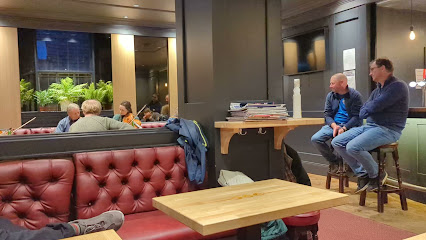
Skinandi's Nightclub
66.2 km
Experience the vibrant nightlife at Skinandi's, the northernmost nightclub on Scotland’s mainland with two bars and two dance floors.
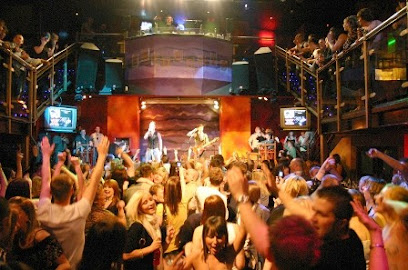
The Waterfront
76.9 km
Wick's vibrant nightlife heart with a lively dance floor, diverse music, and a welcoming atmosphere on the scenic Shore.
For the vibe & atmosphere seeker
- Tranquil
- Scenic
- Unique
- Relaxing
For the architecture buff
- Historic
- Landmarks
- Heritage Neighborhoods
For the view chaser and sunset hunter
- Iconic Views
- Panoramas
For the social media creator & influencer
- Instagrammable
- Photo Spots
- Selfie Spots
For the eco-conscious traveler
- Protected Area
- Public-Transport Accessible
- Leave-No-Trace Critical
For the kind of experience you’re after
- Cultural Heritage
- Myth & Legends
- Photowalk
- Day Trip
- Weekend Getaway
For how adventurous you want the journey to be
- Easy Access
Location Audience
- Family Friendly
- Senior Friendly
- Child Friendly
- Teen Friendly
- Solo Friendly
- Couple Friendly


