Taversöe Tuick, Orkney Travel Guide
Explore the rare double-level Neolithic burial cairn on Rousay, Orkney, revealing ancient mysteries from over 4,000 years ago.
Taversöe Tuick is a rare Neolithic chambered cairn located on the island of Rousay in Orkney, Scotland. Distinguished by its two-tiered burial chambers, one above the other, it dates back to between 4000 and 2500 BCE. This free-to-visit site offers a fascinating glimpse into ancient burial practices and the lives of Neolithic communities, set against the scenic backdrop of Orkney’s rugged coastline.
A brief summary to Taversöe Tuick
- B9064, Orkney, KW17 2PR, GB
- Click to display
- Duration: 0.5 to 1.5 hours
- Free
-
 Outdoor
- Mobile reception: 3 out of 5

Know before you go
Hi, I'm Eve. Here are a few practical things to know before exploring Taversöe Tuick.
- Wear sturdy footwear as the path to the cairn involves a short uphill walk on uneven ground.
- Visit year-round for free; the site is open every day with no admission fee.
- Bring a flashlight or use your phone’s light to better explore the darker lower chamber.
- Be cautious when opening the small hatch door near the lower chamber to avoid injury from gusts of wind.
- Combine your visit with other nearby Neolithic sites on Rousay for a full prehistoric experience.
Do you manage this location?
Take control to get all the benefits, like improved information, better appearance, and stronger visibility across AI-powered discovery. Learn more about listing your business on Evendo
Activate your presenceOther nearby places you may find interesting
The closest places of the same kind, if this one is not quite what you had in mind.
Explore Taversöe Tuick on the Map
A handpicked selection of must-see spots near Taversöe Tuick, mapped for you.
Getting There
-
Bus and Walk
Take the local bus service from Kirkwall to Rousay ferry terminal, which takes approximately 40 to 60 minutes. From the ferry terminal, it’s a 15-minute uphill walk on uneven terrain to Taversöe Tuick. Bus services may be limited on weekends and public holidays. The ferry crossing costs around £6–£12 GBP return.
-
Car and Walk
Drive to the ferry terminal at Tingwall in Orkney, park there (parking charges may apply), and take the ferry to Rousay. The ferry crossing takes about 20 minutes. Upon arrival, drive or walk approximately 3 km to the cairn, followed by a short uphill walk on uneven ground. Note that parking near the cairn is limited.
-
Ferry and Walk
From mainland Orkney, take the ferry to Rousay, which takes about 20 minutes. From the Rousay pier, it is a 20-minute walk along rural paths to reach Taversöe Tuick, including a short uphill section. The terrain is uneven, so suitable footwear is recommended.
For the on-the-go comforts that matter to you
-
 Information Boards
-
 Seating Areas
-
 Trash Bins
Discover more about Taversöe Tuick
A Distinctive Neolithic Monument on Rousay
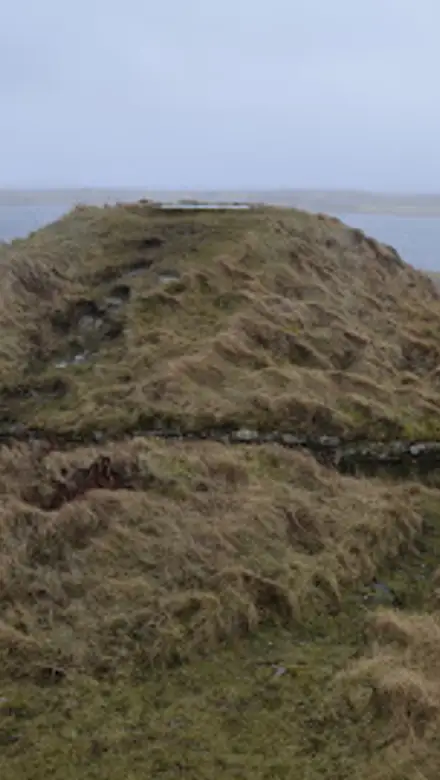
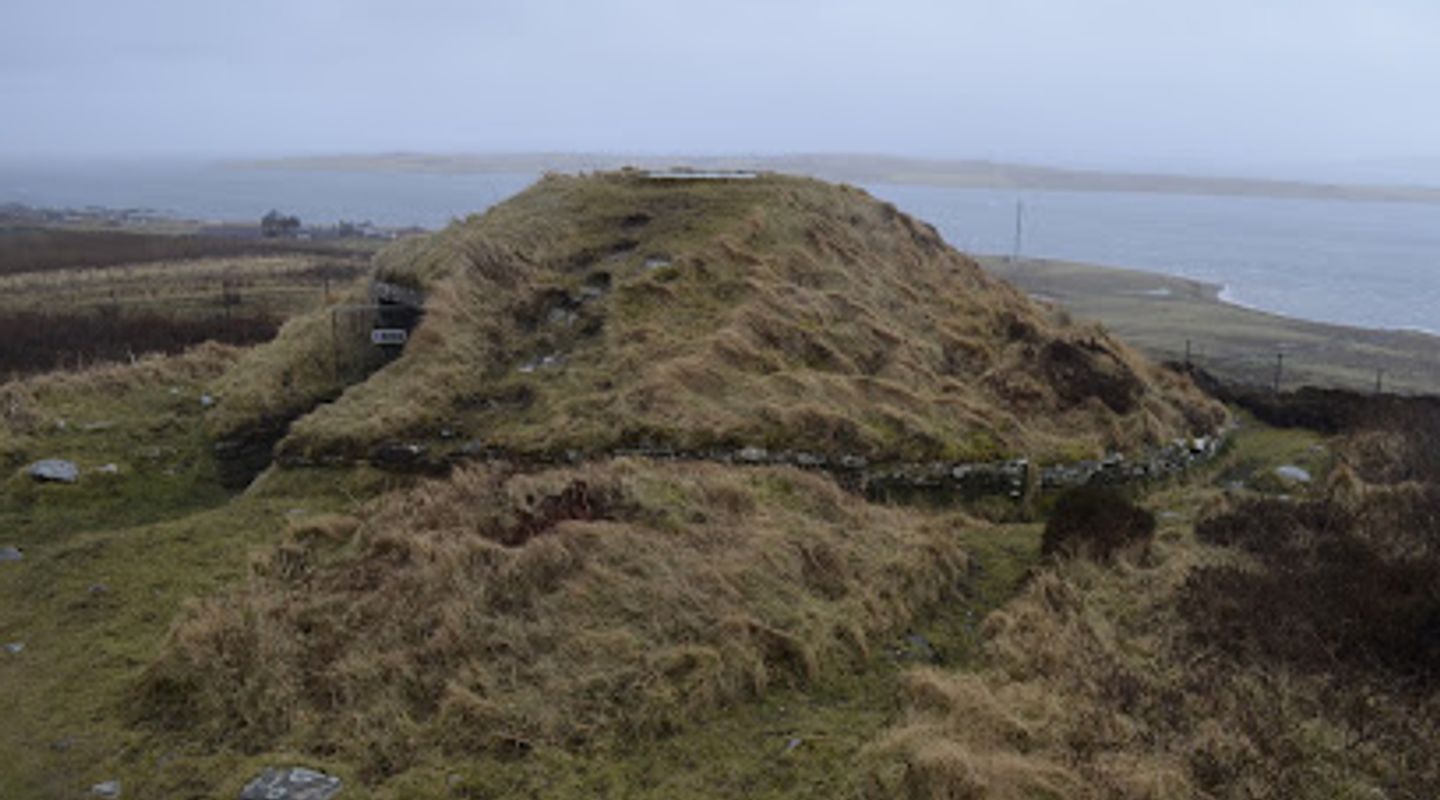
Taversöe Tuick stands out as one of Orkney’s most unusual prehistoric sites. Built into a sloping hillside on Rousay’s south coast overlooking Wyre Sound, this chambered cairn features a rare double-decker design with two burial chambers stacked vertically—an architectural form found at only one other site in Orkney, on the island of Eday. This unique structure dates from the Neolithic period, approximately between 4000 and 2500 BCE, reflecting the burial customs of early farming communities in Scotland.Intriguing Burial Chambers and Archaeological Discoveries
The upper and lower chambers were originally separated by a stone floor, but today visitors can access the lower chamber via an opening in that floor. A third, smaller chamber lies slightly downhill from the lower chamber, connected by a narrow passage whose purpose remains a mystery. Excavations beginning in 1898 and fully conducted in 1937 revealed human skeletons, cremated remains, and artifacts such as flint arrowheads, scrapers, beads made from shale, and a mace-head. These finds provide valuable insights into the ceremonial and daily lives of Neolithic people.Atmosphere and Visitor Experience
Entering Taversöe Tuick evokes a powerful sense of ancient mystery. The confined, dimly lit chambers create an intimate and somewhat eerie atmosphere, enhanced by the claustrophobic descent via a steel ladder into the lower burial chamber. The site’s remote coastal setting adds to its solemn and contemplative mood. Although there are no visitor facilities on-site, the cairn is accessible by a short uphill walk on uneven ground from nearby roads.Preservation and Cultural Significance
Taversöe Tuick is a scheduled monument protected by law and managed by Historic Environment Scotland. The upper chamber’s domed roof was added during the 1937 excavation to shield the structure from weather damage. The cairn forms part of a cluster of prehistoric sites on Rousay, often explored as part of a ‘walk through prehistory’ that includes other chambered cairns and archaeological landmarks, highlighting Orkney’s exceptional Neolithic heritage.Understanding Neolithic Life Through Architecture
The double-tiered design of Taversöe Tuick may reflect social or ritual hierarchies within Neolithic communities, though its exact purpose remains debated. The presence of multiple chambers and cremated remains suggests complex burial practices and beliefs about death and the afterlife. The cairn’s construction using local stone and its integration into the natural hillside demonstrate the ingenuity and deep connection to the landscape held by its builders.Exploring Orkney’s Rich Archaeological Landscape
Taversöe Tuick offers visitors a direct link to Scotland’s distant past and complements the wider archaeological landscape of Orkney, renowned for its concentration of Neolithic sites. Its proximity to the ferry terminal on Rousay makes it an accessible highlight for those seeking to immerse themselves in prehistoric history amid stunning coastal scenery.












Your all‑in‑one travel companion app
Explore expert travel guides, compare and book tours, experiences, hotels, and more—all from the palm of your hand. Download now for seamless trip planning wherever your wanderlust takes you.


Explore More of Orkney
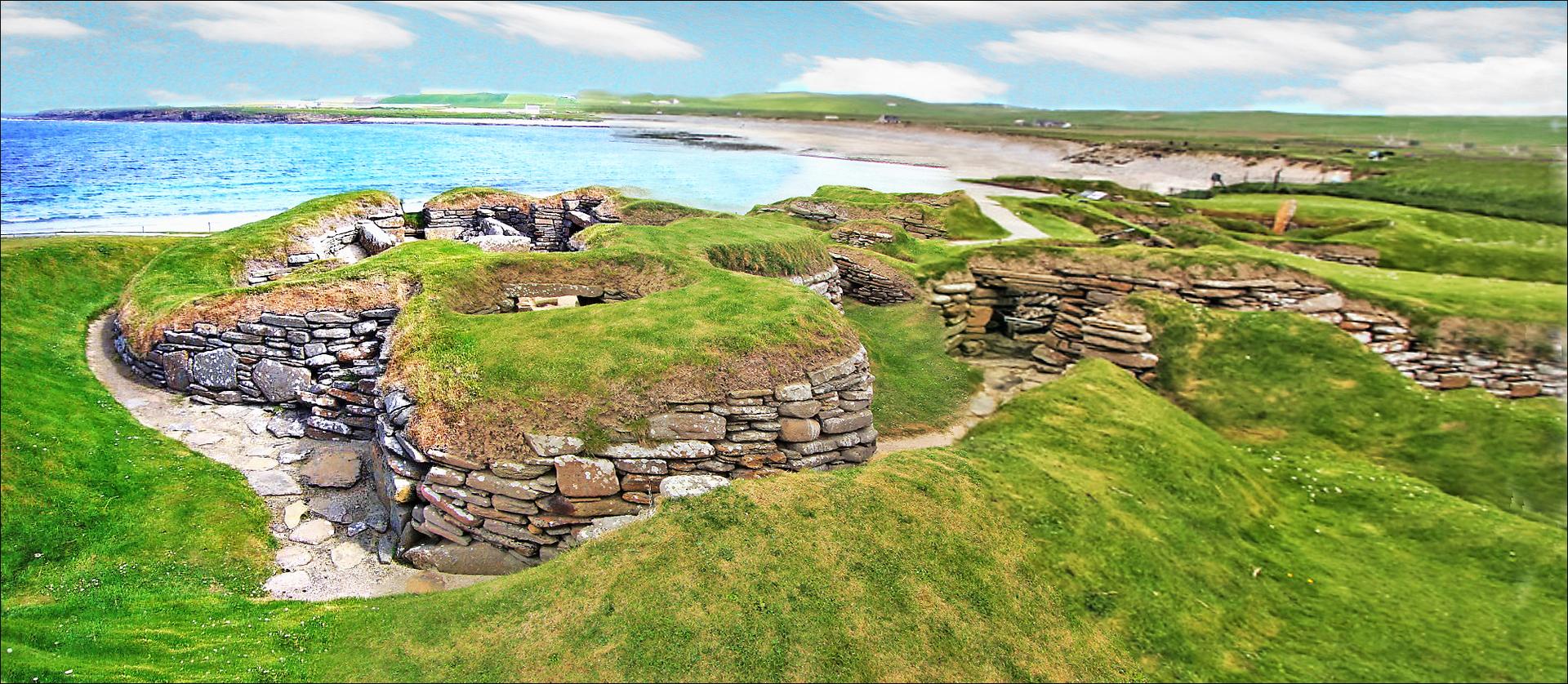
Looking beyond Taversöe Tuick? Discover Orkney for broader travel guides, local hot-spots, and regional highlights.
Explore Orkney
Discover Orkney’s hand-crafted spirits and rich heritage at Kirkwall’s vibrant distillery and visitor centre on the historic harbour front.
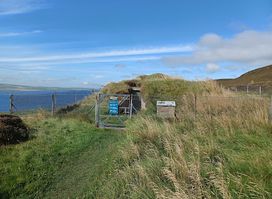
Step back over 5,000 years at Knowe of Yarso, a Neolithic chambered cairn on Rousay, revealing ancient communal burials and prehistoric Orkney life.