
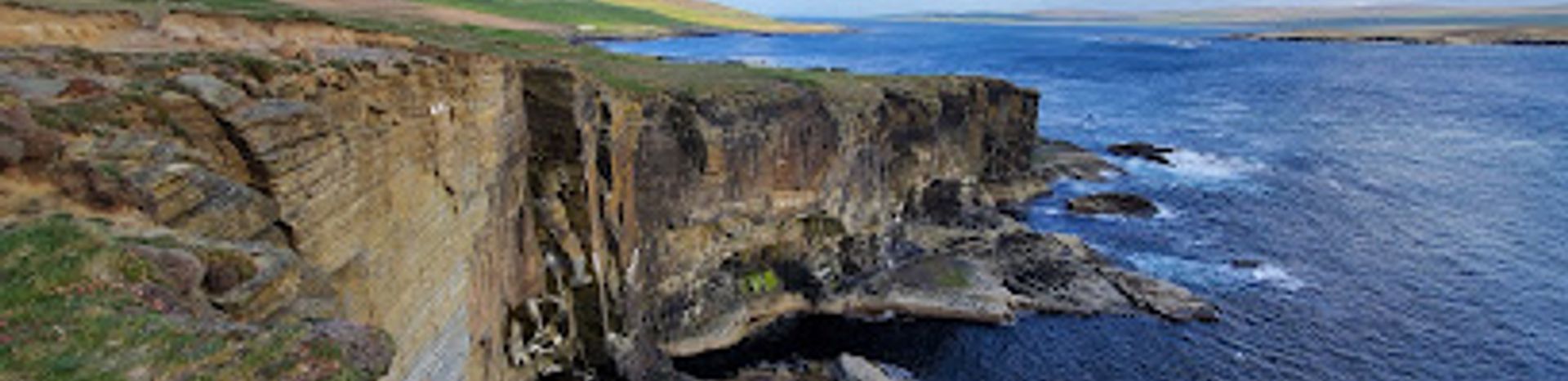
Skara Brae: The Stone Age Village of Orkney
Step back 5,000 years into one of Europe’s best-preserved Neolithic villages nestled on Orkney’s rugged coastline.
Skara Brae is a remarkably well-preserved Neolithic settlement located on the west coast of Mainland, Orkney, Scotland. Dating back over 5,000 years, it consists of ten clustered stone houses with interiors including hearths, beds, and cupboards. This UNESCO World Heritage Site offers a rare glimpse into prehistoric life, showcasing early farming, fishing, and craftsmanship in a tightly-knit community that thrived between 3200 and 2200 BCE.
A brief summary to Knoe of Scabra
- B9064, Orkney, KW17 2PS, GB
- Duration: 1 to 3 hours
- Mid ranged
-
 Outdoor
- Mobile reception: 4 out of 5
- Monday 12 am-12 am
- Tuesday 12 am-12 am
- Wednesday 12 am-12 am
- Thursday 12 am-12 am
- Friday 12 am-12 am
- Saturday 12 am-12 am
- Sunday 12 am-12 am
Local tips
- Visit the Skara Brae Visitor Centre to gain deeper insights into the site’s history and view artifacts.
- Wear sturdy footwear and warm clothing as the site is exposed to coastal weather and uneven terrain.
- Explore the surrounding Heart of Neolithic Orkney sites, including the Standing Stones of Stenness and Ring of Brodgar.
- Book tickets in advance during peak seasons to guarantee entry and avoid disappointment.

For the on-the-go comforts that matter to you
- Restrooms
- Food Options
- Drink Options
- Information Boards
- Visitor Center
- Seating Areas
- Trash Bins
Getting There
-
Car
Driving from Kirkwall to Skara Brae takes approximately 30 to 40 minutes via the B9055 and B9064 roads. Parking is available near the visitor centre. Note that roads can be narrow and weather-dependent, so drive cautiously.
-
Bus
Regular bus services run from Kirkwall and Stromness to the Skara Brae Visitor Centre, with journey times around 45 to 60 minutes. Services operate daily but check schedules seasonally. The stop is a short walk from the site.
-
Walking
For the adventurous, a walking route from nearby Stromness to Skara Brae covers about 10 miles along coastal and rural paths. This requires good fitness and preparation for uneven terrain and variable weather.
Knoe of Scabra location weather suitability
-
 Any Weather
-
 Windy Conditions
-
 Rain / Wet Weather
-
 Mild Temperatures
Discover more about Knoe of Scabra
Unearthing a Lost Neolithic Village
Skara Brae was uncovered in the winter of 1850 after a violent storm stripped away the earth covering a large knoll known as Skerrabra on the Bay of Skaill. This revealed a cluster of stone-built houses, initially mistaken for much younger remains. Excavations led by William Watt and later by archaeologists such as Gordon Childe revealed a village of ten stone houses interconnected by covered passageways. Radiocarbon dating confirmed the site dates from roughly 3200 to 2200 BCE, making it older than Stonehenge and the Great Pyramids.Architecture and Daily Life in the Neolithic
The village’s houses are constructed from flagstones and built partially underground, providing insulation and stability. Each house features stone hearths, beds, dressers, and a primitive sewer system with drains and toilets. The inhabitants were skilled farmers and fishermen who cultivated barley and wheat, raised cattle and sheep, hunted deer, and gathered wild berries. Tools and artifacts found include stone knives, bone needles, pendants, and mysterious carved objects, reflecting a sophisticated material culture.Social and Cultural Insights
Skara Brae’s tightly clustered homes suggest a closely connected community. Archaeological finds such as thousands of beads and personal items indicate a rich social and spiritual life. Remarkably, human remains found beneath house floors suggest that these homes served both as living spaces and burial sites, hinting at complex rituals and beliefs. The settlement was part of a broader Neolithic culture in Orkney, linked to other monuments like the Standing Stones of Stenness and the Ring of Brodgar.Preservation and Modern Significance
Protected by a seawall built in the 20th century, Skara Brae is one of Europe’s best-preserved prehistoric villages. It forms part of the Heart of Neolithic Orkney UNESCO World Heritage Site, recognized for its outstanding archaeological and cultural value. The site offers visitors a unique opportunity to step back into the lives of early farmers and craftsmen who shaped human history in a remote northern landscape.Natural Setting and Surroundings
Situated between Loch Skaill and the rugged coastline, Skara Brae is surrounded by fertile land and rich marine resources. The nearby Skaill Bay provides scenic views and opportunities for wildlife spotting, including seals and seabirds. Coastal erosion has brought the shoreline closer to the village over millennia, adding to the dramatic story of its preservation and loss.Legacy and Continuing Discoveries
Ongoing archaeological research continues to shed light on the Neolithic inhabitants’ lives, their tools, and their environment. Skara Brae stands as a testament to human ingenuity and resilience, offering invaluable insights into prehistoric society and its connections across the British Isles and beyond.Iconic landmarks you can’t miss

The Cannon
25.2 km
Historic cannon from an American privateer, set against the stunning backdrop of Stromness harbour’s maritime heritage.
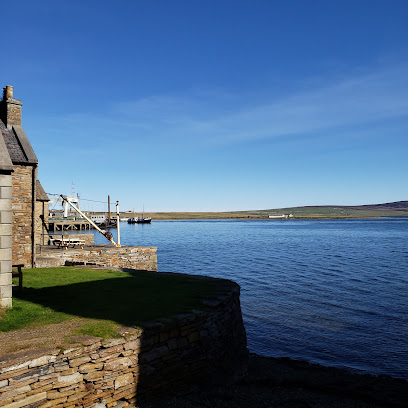
First Nations And Orcadian Totem Pole
32.1 km
A striking wooden monument in Orkney symbolizing friendship and shared heritage between First Nations and Orcadian cultures.
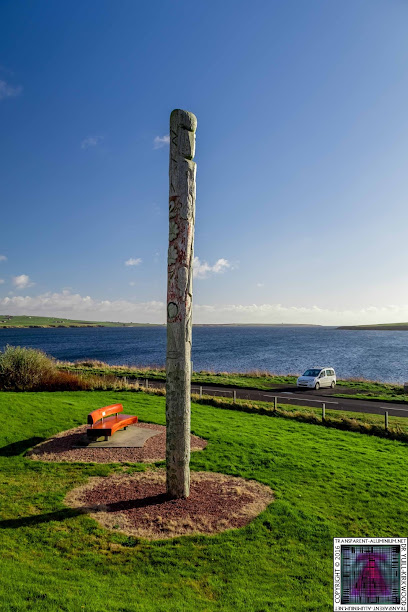
Churchill Barriers
32.5 km
Historic WWII causeways in Orkney that safeguarded Scapa Flow and now link islands with a rich legacy of resilience and culture.
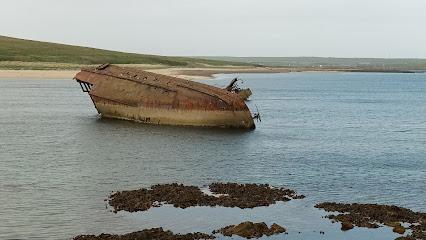
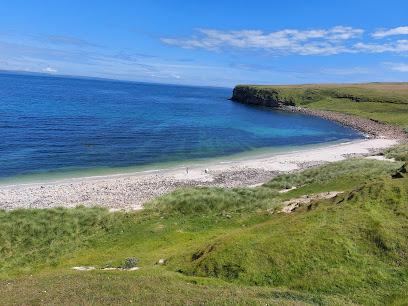
Bay of Sannick
57.7 km
Experience the tranquil beauty of the Bay of Sannick, a stunning coastal gem in John o' Groats, perfect for relaxation and adventure.
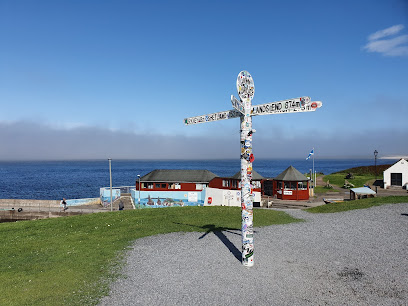
John O'Groats Signpost
57.7 km
Britain's most iconic signpost marks the legendary endpoint of the 874-mile Land's End to John o' Groats journey.
Duncansby Head Lighthouse
57.9 km
Experience the breathtaking views and rich history of Duncansby Head Lighthouse, a must-see landmark on Scotland's northern coast.
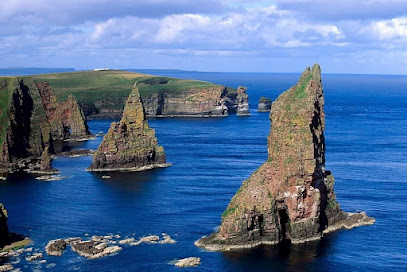
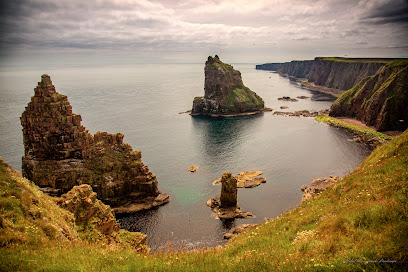
Duncansby Stacks
59.3 km
Discover the breathtaking Duncansby Stacks, a natural marvel of towering cliffs and vibrant wildlife on Scotland's stunning coastline.
Above and Beyond Tours
61.4 km
Discover the breathtaking landscapes of Caithness with Above and Beyond Tours, where adventure meets local expertise in Scotland's stunning north.
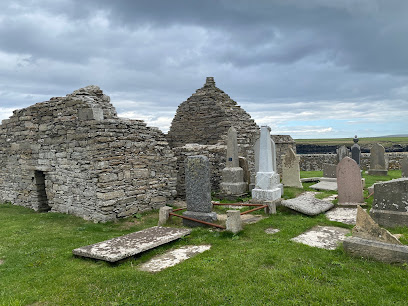
Mary Ann's Cottage
61.4 km
Explore the fascinating history of Caithness at Mary Ann's Cottage, a charming museum showcasing 19th-century life and culture.
Castlehill Heritage Centre
64.7 km
Discover the captivating history and culture of Castletown at the Castlehill Heritage Centre, a unique museum in the heart of the Scottish Highlands.
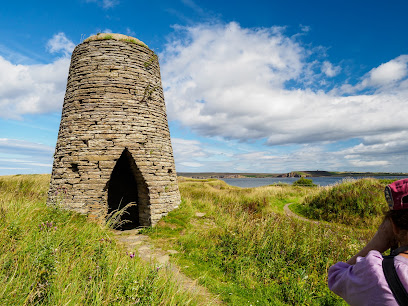
Dunnet Links: St. Coomb Chapel (6th century, former site))
64.8 km
Discover the ancient ruins of St. Coomb Chapel, a 6th-century site near Castletown that reveals Scotland’s early Christian heritage.
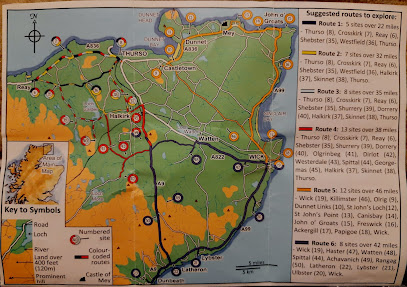
Bucholie Castle
65.3 km
Discover the rich history and stunning views of Bucholie Castle, an enchanting historical landmark in Nybster, near Wick, Scotland.
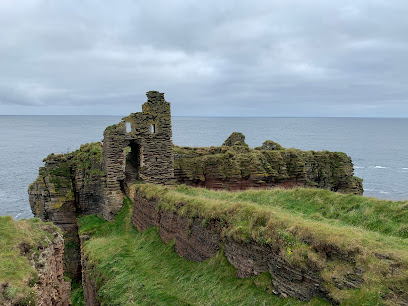
Harold’s Tower
65.9 km
Discover the charm and history of Harold's Tower in Thurso, a stunning heritage site offering breathtaking views and rich cultural significance.

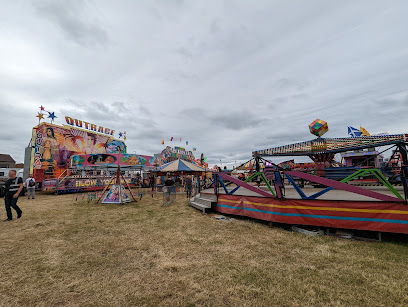
Caithness Agricultural Society
67.0 km
Experience the rich agricultural heritage of Caithness at the Caithness Agricultural Society, a vibrant hub for farming enthusiasts and tourists.
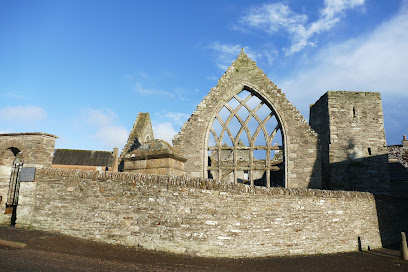
Old St Peter’s Church, Thurso
67.0 km
Discover the architectural splendor and rich history of Old St Peter’s Church, a must-visit historical landmark in Thurso, Scotland.
Unmissable attractions to see

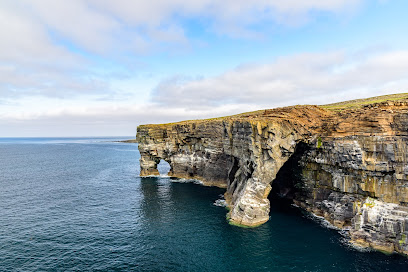
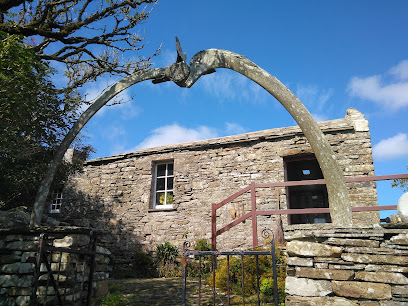
Hole of the Horses
0.2 km
Discover the dramatic sea-carved arch of Hole of the Horses on Rousay, a stunning natural landmark overlooking Orkney’s wild North Atlantic coast.
Quern of Whisber
0.4 km
Explore the historic Quern of Whisber in Orkney, a serene site blending ancient heritage and breathtaking landscapes.
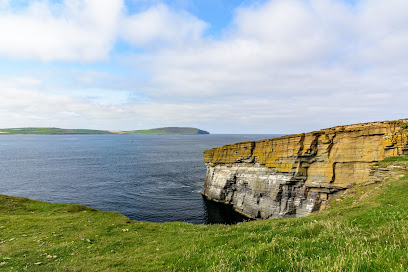
Midhowe Broch
1.0 km
Explore Midhowe Broch, a striking Iron Age tower on Orkney’s coast, where ancient stonework and history meet dramatic seascapes.
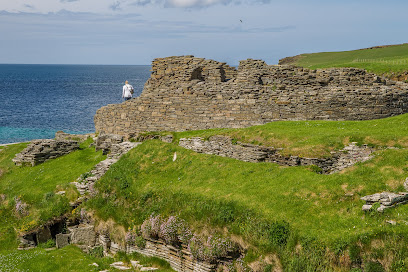
Midhowe Tomb & Chambered Cairn
1.1 km
Explore the largest Neolithic chambered cairn on Rousay, Orkney, a remarkable ancient tomb sheltered by a modern structure and rich in prehistoric history.
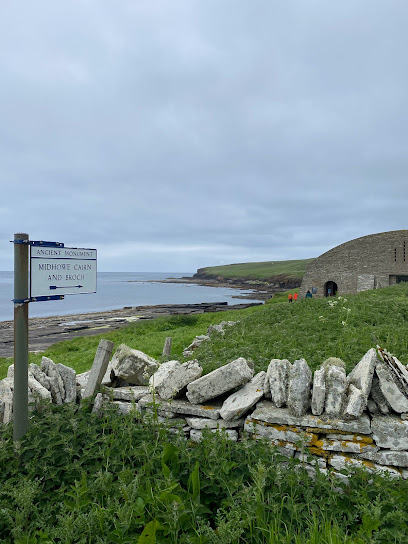
Broch of Gurness
4.7 km
Explore one of Scotland’s finest Iron Age brochs and village ruins set against the stunning coastal landscape of Orkney.
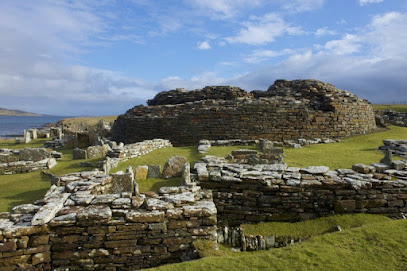
Knowe of Lairo
4.8 km
Explore the ancient long-horned chambered cairn of Knowe of Lairo on Rousay, a Neolithic marvel overlooking Eynhallow Sound in Orkney.
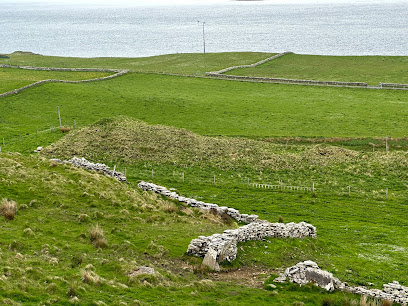
Knowe Of Yarso
5.2 km
Step back over 5,000 years at Knowe of Yarso, a Neolithic chambered cairn on Rousay, revealing ancient communal burials and prehistoric Orkney life.
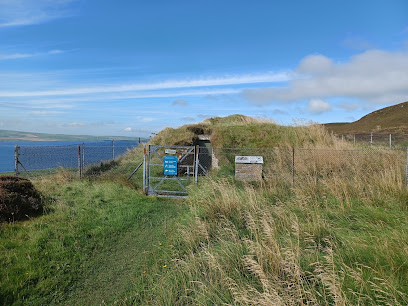
RSPB Birsay Moors
5.6 km
Discover the wild beauty and rich birdlife of Orkney’s windswept Birsay Moors nature reserve.
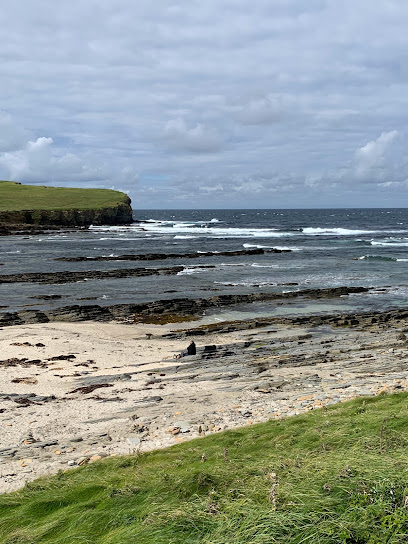
Taversöe Tuick
7.2 km
Explore the rare double-level Neolithic burial cairn on Rousay, Orkney, revealing ancient mysteries from over 4,000 years ago.
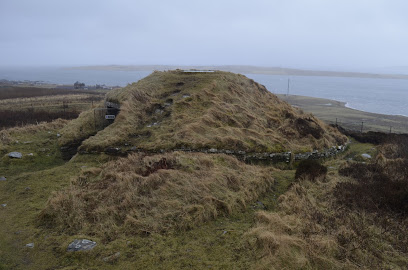
Kirbuster Farm Museum
9.8 km
Step back in time at Kirbuster Farm Museum, Northern Europe’s last un-restored firehoose, where Orkney’s rural heritage lives on.
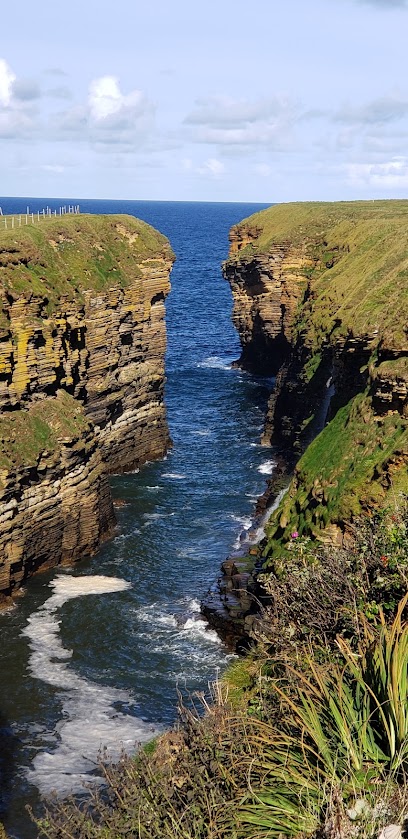
Longaglebe Geo
10.4 km
Explore Longaglebe Geo, Orkney’s longest dramatic coastal cleft, where rugged cliffs meet seabird colonies in a wild, windswept landscape.
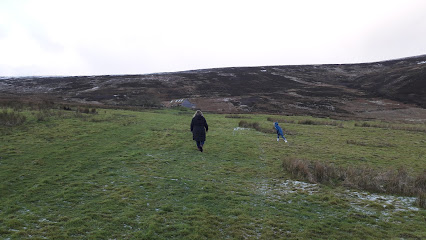
RSPB Scotland Cottascarth
11.6 km
Discover Orkney’s tranquil moorland sanctuary where majestic birds of prey soar above heather and historic hides invite peaceful wildlife watching.
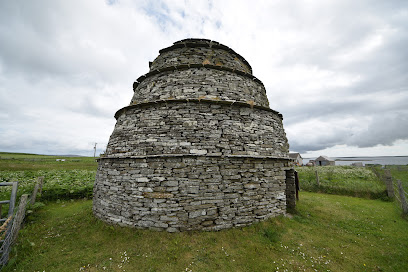
Rendall Doocot
11.9 km
Explore Rendall Doocot, Orkney’s rare 17th-century beehive dovecote, a unique symbol of historic rural life and architectural ingenuity.
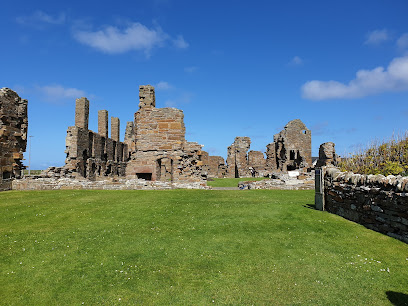
Birsay Earl's Palace
12.0 km
Explore the windswept ruins of a 16th-century earl’s palace on Orkney’s northern coast, where Renaissance ambition met ruthless rule and dramatic coastal scenery.
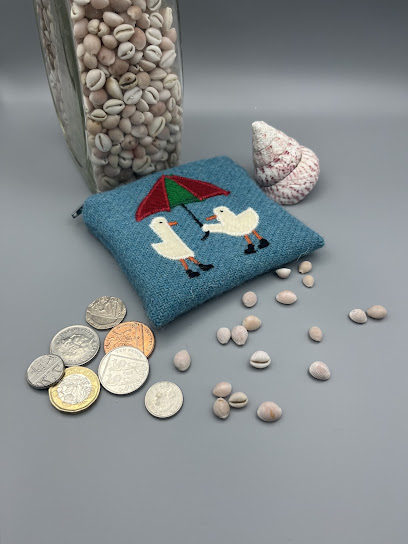
Castaway Crafts
12.4 km
Discover unique handcrafted treasures and authentic Orkney artistry at Castaway Crafts, nestled in the cozy charm of Rose Cottage, Dounby.
Essential places to dine

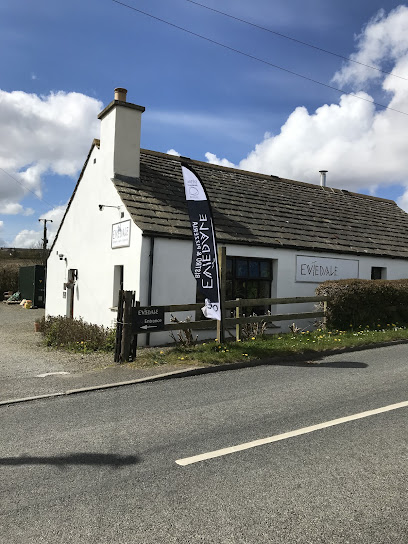
Eviedale Bistro & Bakehouse
5.5 km
Orkney's pioneering sourdough bakery and wood-fired pizzeria, where artisanal craft meets island hospitality.
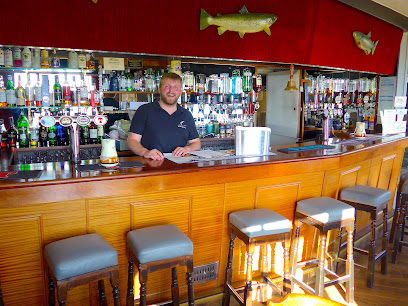
The Skerries Restaurant
13.7 km
Experience exquisite local seafood with breathtaking views at The Skerries Restaurant by Loch of Harray in Orkney’s tranquil natural setting.
Leigh's Real Taste of Orkney
17.5 km
Discover Orkney’s finest takeaway flavors at Leigh's, where local produce meets generous portions and friendly service in Finstown.

The Smithy Cafe
18.6 km
A community-run cafe and restaurant in a historic smithy on Shapinsay, serving Orkney fare in a warm, rustic setting with occasional evening bar service.
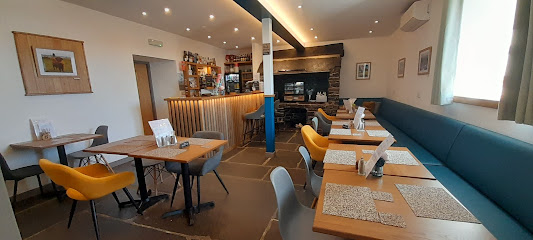
Helgi's
21.7 km
A vibrant harbourfront gastropub blending Orkney’s Viking heritage with fresh local fare and lively community spirit.
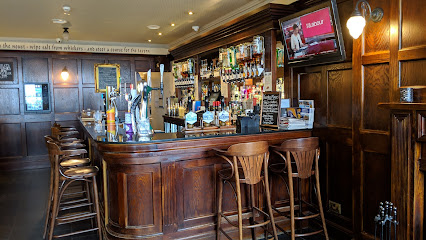
The Shore
21.7 km
Modern waterfront hotel in Kirkwall's harbor district with clean rooms, full breakfast, and walking access to town attractions.
Dil Se Restaurant
21.7 km
Experience authentic North Indian and Bangladeshi flavors in Kirkwall’s award-winning Dil Se Restaurant, blending tradition with local freshness.
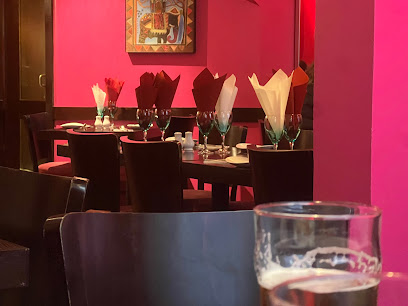
Busters Diner
21.7 km
A cozy American-style diner in Kirkwall serving hearty comfort food with British influences and local Orkney beers in a relaxed setting.
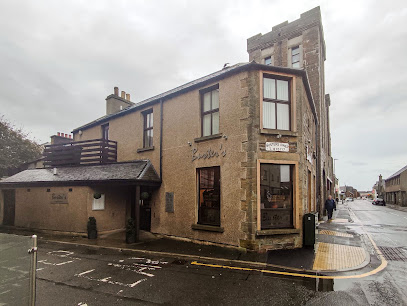
Bothy Bar
21.7 km
Experience the warmth of Bothy Bar in Kirkwall – where delicious food meets delightful drinks in a cozy atmosphere.
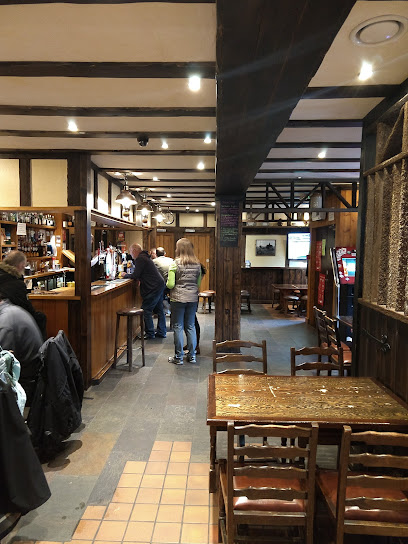
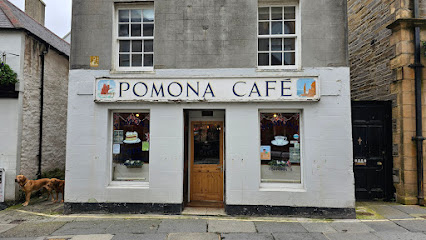
Pomona Cafe
21.8 km
A cozy, traditional Kirkwall cafe serving hearty breakfasts and warm hospitality in the heart of Orkney’s capital.
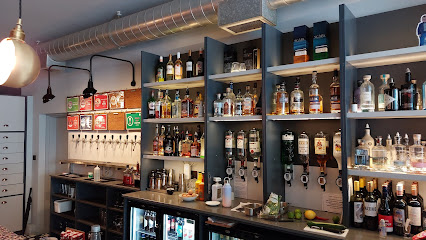
Twenty One
21.8 km
A vibrant Kirkwall hotspot serving unique tapas and expertly crafted cocktails in a stylish, welcoming setting.
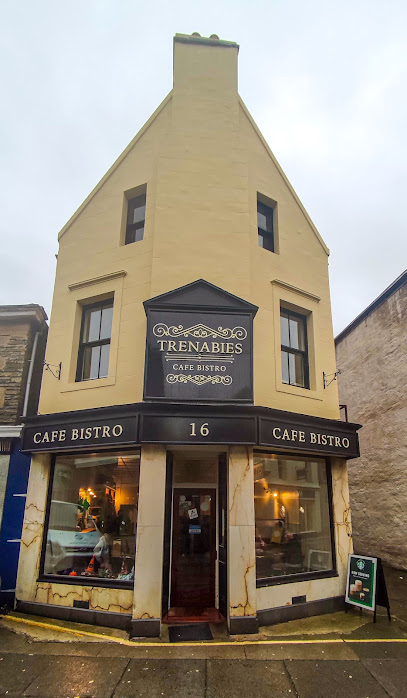
Trenabies Cafe Bistro
21.8 km
Cozy cafe and bistro in Kirkwall offering hearty local dishes, great coffee, and friendly service in a welcoming atmosphere.
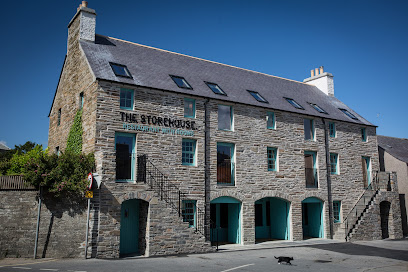
The Storehouse Restaurant with Rooms
21.9 km
A boutique dining and accommodation gem in Kirkwall blending historic charm with world-class local cuisine and cozy rooms.
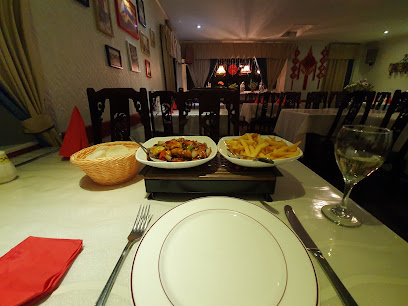
Empire Chinese Restaurant
22.0 km
A reliable, family-friendly Chinese restaurant in central Kirkwall, serving generous portions of classic dishes in a relaxed setting.
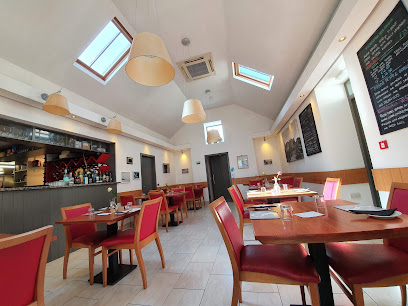
Lucano
22.1 km
Experience authentic Italian flavors and warm hospitality in the heart of Kirkwall at Lucano, a beloved local restaurant and pizzeria.
Markets, malls and hidden boutiques

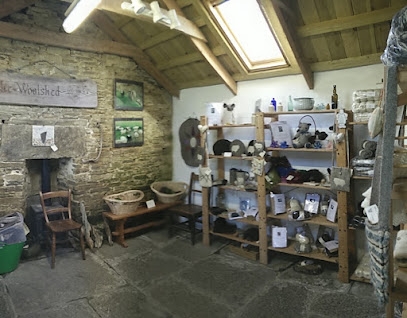
Woolshed
4.3 km
Discover authentic Orkney woolcraft at The Woolshed, a historic knit shop and workshop set amidst stunning island landscapes.
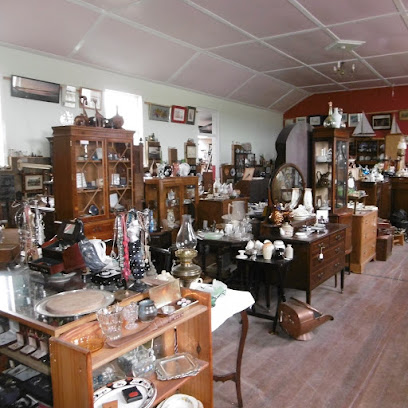
Orkney Antique Centre
12.1 km
Discover Orkney’s rich heritage through a captivating collection of antiques in the historic former community centre of Birsay.
Hume Sweet Hume
18.5 km
Discover exquisite Orkney-inspired knitwear and ethically crafted gifts at Hume Sweet Hume, Pierowall’s beloved family-run shop.
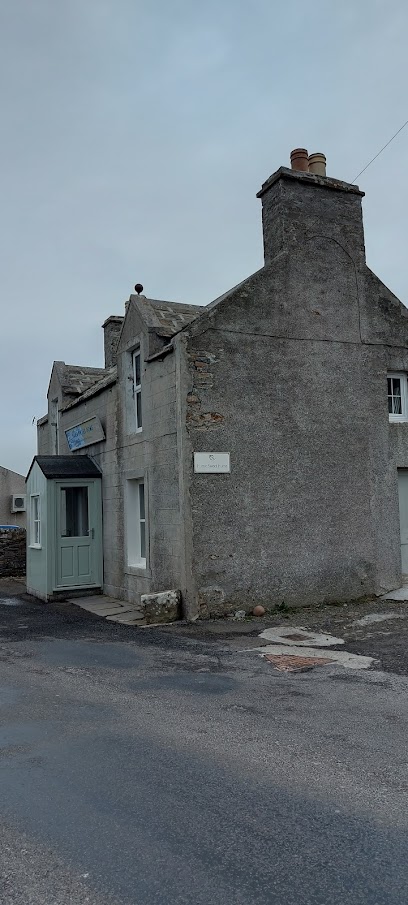
Heksmoar
20.0 km
A charming craft shop in Stromness showcasing handcrafted Orcadian textiles, ceramics, jewellery and art in a warm, welcoming space.
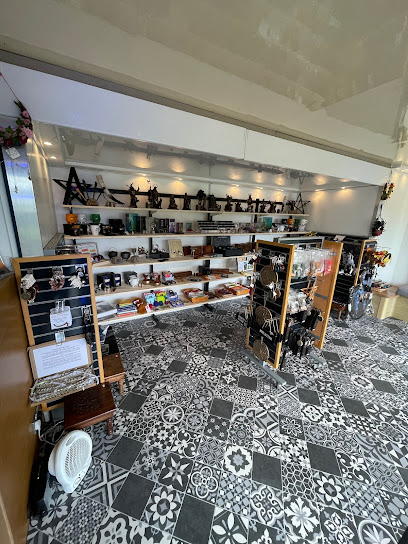
Orkney Souvenirs
21.7 km
Discover authentic Orkney crafts and local treasures in Kirkwall’s welcoming souvenir shop, celebrating island heritage and artistry.
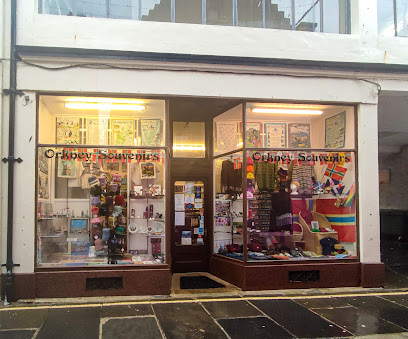
Anchor Shopping Centre
21.7 km
A compact, modern shopping mall in central Kirkwall, offering everyday essentials, fashion, health and beauty, and practical services in a convenient indoor setting.
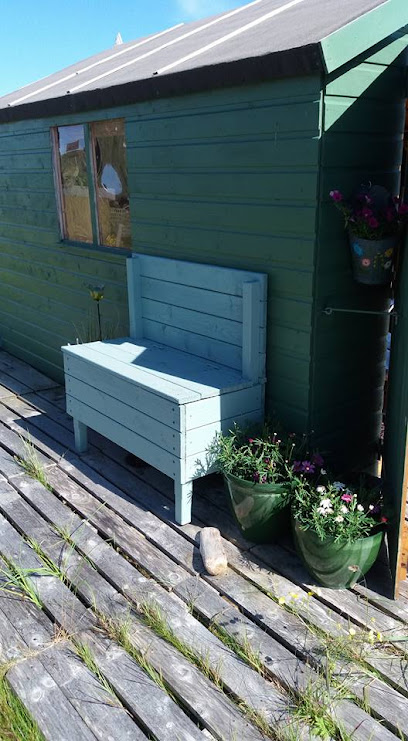
St Colms Cafe & Crafts
21.7 km
A cozy Kirkwall café and crafts shop offering homemade treats and unique handcrafted garden furniture and cards.
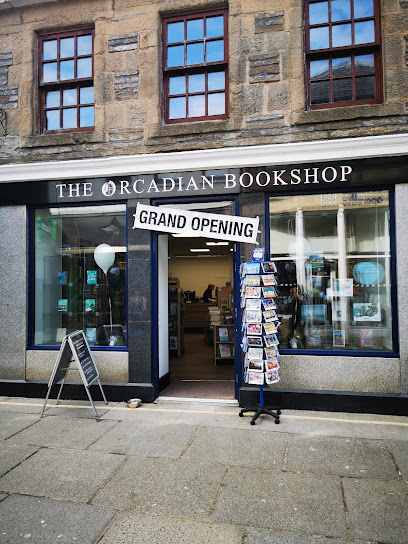
The Orcadian Bookshop
21.8 km
Discover Orkney’s stories and culture at The Orcadian Bookshop, Kirkwall’s independent literary gem in the historic city centre.
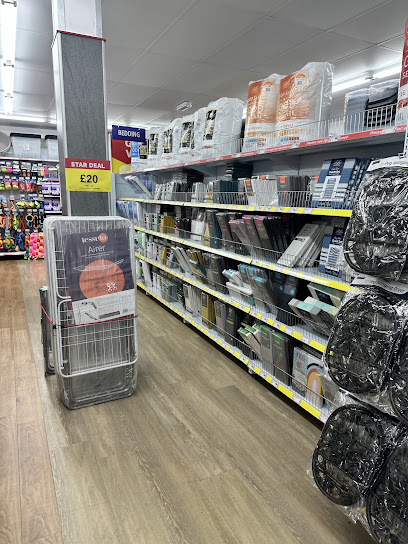
Poundstretcher
21.8 km
Discover unbeatable value and variety at Poundstretcher Kirkwall, your go-to discount store in the heart of Orkney’s town center.
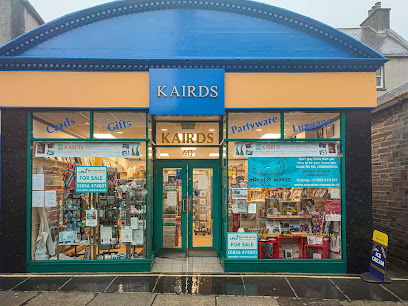
Kairds
21.9 km
Discover unique gifts and local crafts that capture the spirit of Orkney at Kairds, Kirkwall’s beloved gift shop on Albert Street.
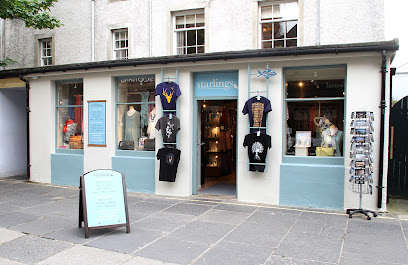
Starlings
21.9 km
Discover authentic Orcadian gifts and crafts at Starlings, a charming boutique shop in Kirkwall’s historic heart.
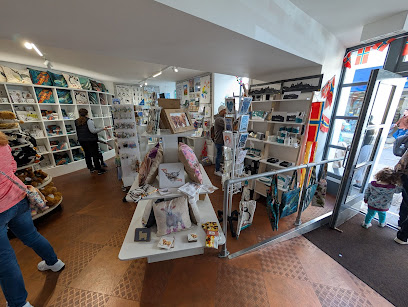
Logo Orkney
21.9 km
Explore Logo Orkney for unique clothing and authentic Orkney-themed souvenirs, perfect for capturing your travel memories.
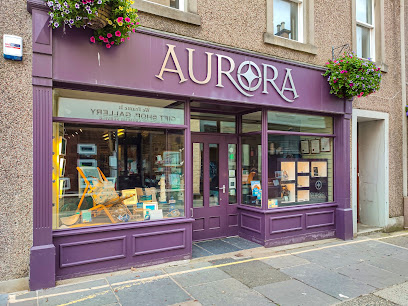
Aurora Jewellery
21.9 km
Discover exquisite hand-crafted jewellery inspired by Orkney’s heritage and landscapes at Aurora Jewellery in Kirkwall.
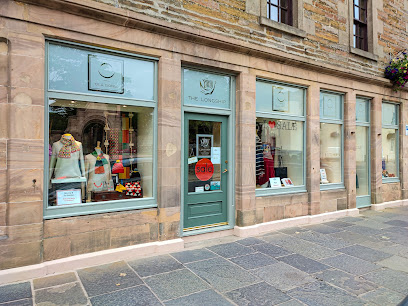
The Longship
21.9 km
Discover Orkney’s rich heritage through timeless jewellery, knitwear, and crafts at Kirkwall’s family-run Longship shop.
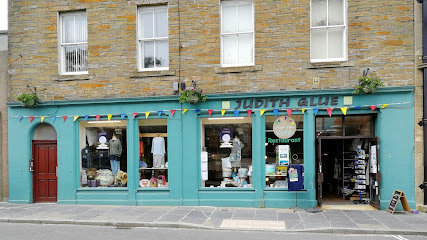
Judith Glue
22.0 km
Discover Kirkwall’s charming Aladdin’s Cave of local gifts, knitwear, and jewellery at Judith Glue, a beloved hub of Orcadian craftsmanship since 1976.
Essential bars & hidden hideouts

The Taversoe
5.7 km
A cozy 3-star inn on Rousay offering spacious rooms, local cuisine, and stunning sea views in a warm, welcoming atmosphere.
Ayre Hotel & Apartments
21.6 km
Comfortable harbor-side hotel with a lively bar, friendly staff, and easy access to Kirkwall’s historic center.
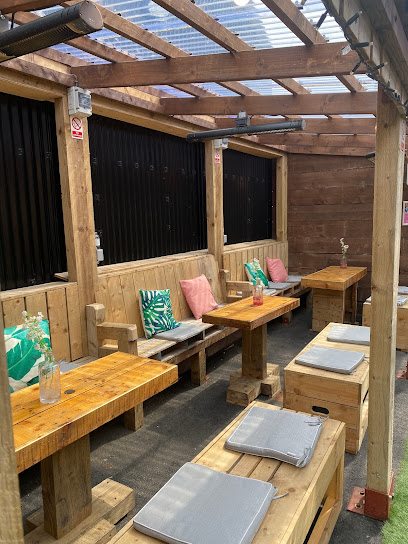
Oot The Back
21.7 km
Discover Kirkwall’s cozy outdoor garden bar with heated booths, local gins, and a relaxed atmosphere behind Orkney Distilling.
Highland Park Bar
21.7 km
A cozy Kirkwall bar serving an extensive range of Highland Park whiskies and local drinks in a warm, inviting atmosphere within the Kirkwall Hotel.
Skippers
21.7 km
Kirkwall’s vibrant sports bar serving local brews, hearty pub fare, and live games in a welcoming, dog-friendly atmosphere.
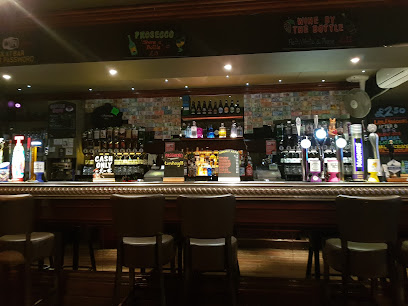
Torvhaug
21.7 km
A lively Kirkwall pub on Bridge Street, Torvhaug offers local whiskys, cozy vibes, and a vibrant atmosphere beloved by locals and visitors alike.
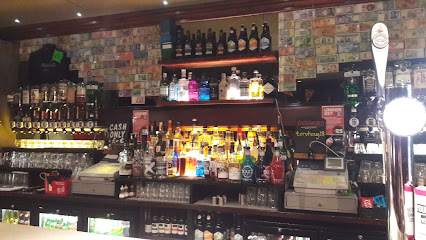
The Neuk
21.7 km
A warm and lively pub-restaurant in Kirkwall offering fresh local fare, historic charm, and a vibrant live music scene.
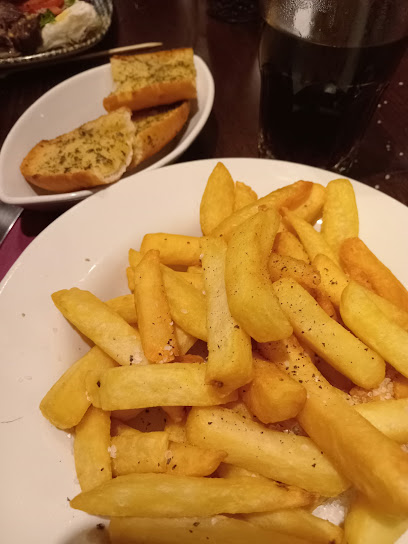
Auld Motor Hoose
21.8 km
A cozy Kirkwall pub blending automotive nostalgia with friendly service and local ales in a lively, welcoming atmosphere.
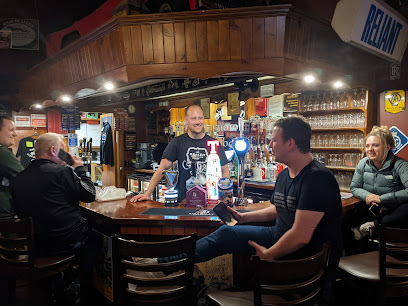
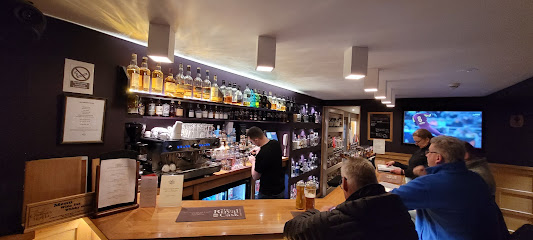
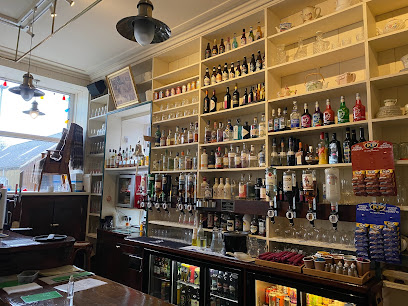
Royal Cask Whisky Gin Bar
22.1 km
Discover Kirkwall’s historic Royal Cask Whisky Gin Bar, home to over 1,000 whiskies, 160 gins, and authentic Orcadian hospitality in a 350-year-old setting.
The West End Guest House
22.3 km
A peaceful, centrally located guest house in Kirkwall offering simple comforts and easy access to Orkney’s historic heart.
The Belsair
30.3 km
A cozy gastropub and guesthouse on Sanday offering fresh local seafood, comfortable rooms, and authentic island hospitality.
Robertsons Coffeehoose & Bar
38.6 km
A warm, family-run coffeehouse and bar in historic St Margaret's Hope, serving traditional fare, local drinks, and inclusive menus in a charming setting.
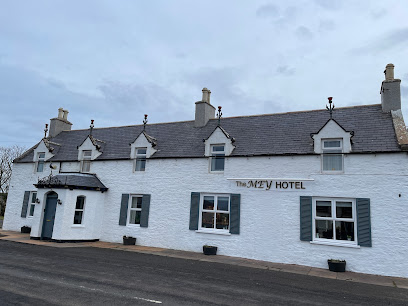
The Mey Hotel
58.9 km
Experience warm Highland hospitality, hearty Scottish fare, and cozy comfort at The Mey Hotel in scenic Thurso.
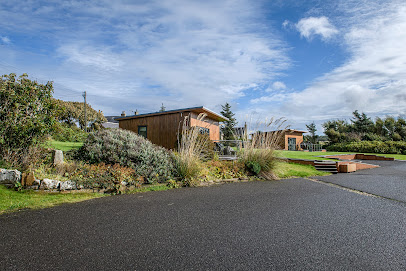
Dunnet Bay Escapes
61.7 km
Luxurious coastal retreat with stunning Dunnet Bay views, gourmet breakfasts, and serene hot tub relaxation in the heart of the Scottish Highlands.
Peerie Cafe
66.2 km
Experience delightful flavors and breathtaking views at Peerie Cafe, your cozy retreat by the Thurso harbor.
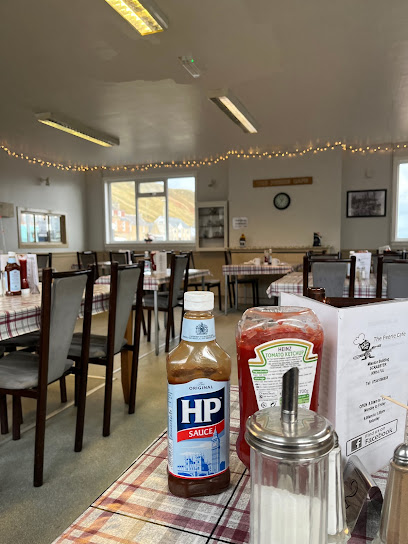
Nightclubs & after hour spots

The Orkney Club
21.7 km
A welcoming social hub in Kirkwall offering lively evening entertainment and a friendly community atmosphere in the heart of Orkney.
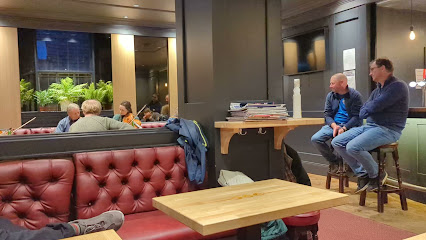
Skinandi's Nightclub
67.5 km
Experience the vibrant nightlife at Skinandi's, the northernmost nightclub on Scotland’s mainland with two bars and two dance floors.
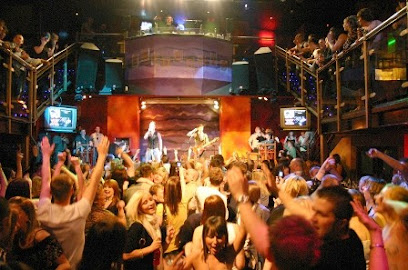
The Waterfront
80.0 km
Wick's vibrant nightlife heart with a lively dance floor, diverse music, and a welcoming atmosphere on the scenic Shore.
For the vibe & atmosphere seeker
- Scenic
- Tranquil
- Cultural Heritage
- Unique
For the design and aesthetic lover
- Rustic Designs
For the architecture buff
- Historic
- Heritage Neighborhoods
For the view chaser and sunset hunter
- Iconic Views
- Waterfront
- Sunset Spots
For the social media creator & influencer
- Instagrammable
- Photo Spots
- Selfie Spots
For the eco-conscious traveler
- Protected Area
- Public-Transport Accessible
- Locally Managed
- Leave-No-Trace Critical
For the kind of experience you’re after
- Cultural Heritage
- Photowalk
- Day Trip
- Weekend Getaway
- Myth & Legends
For how adventurous you want the journey to be
- Easy Access
Location Audience
- Family Friendly
- Senior Friendly
- Child Friendly
- Teen Friendly
- Wheelchair Access
- Solo Friendly
- Couple Friendly
- Solo Female Friendly


