
Rendall Doocot, Orkney Travel Guide
Explore Rendall Doocot, Orkney’s rare 17th-century beehive dovecote, a unique symbol of historic rural life and architectural ingenuity.
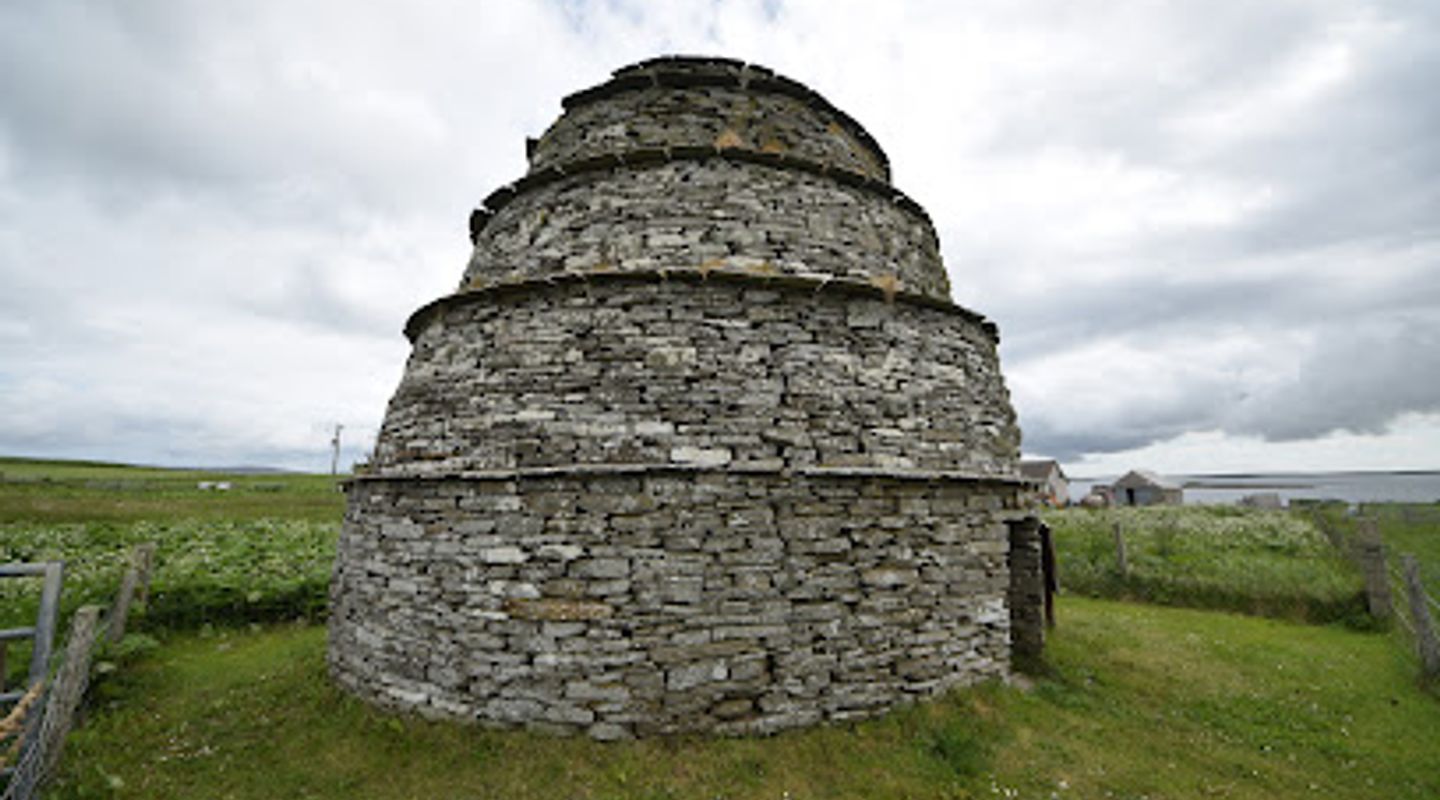
The Rendall Doocot, located at the Hall of Rendall in Orkney, is a rare mid-17th-century beehive-style dovecote built to house pigeons, which supplied meat for the local family. This distinctive circular stone structure, dating from around 1648, stands as a unique architectural relic in the Northern Isles, offering a glimpse into historic agricultural practices. Visitors can explore its thick stone walls and small rooftop entrance, surrounded by tranquil rural landscapes.
A brief summary to Rendall Doocot
- Hall of Rendall, Rendall, Orkney, KW17 2EZ, GB
- Click to display
- Duration: 0.5 to 1.5 hours
- Free
-
 Outdoor
- Mobile reception: 3 out of 5

Know before you go
Hi, I'm Eve. Here are a few practical things to know before exploring Rendall Doocot.
- Visit during daylight to fully appreciate the unique beehive stonework and surrounding rural scenery.
- Be cautious when entering the doocot’s interior as it may house birds or wildlife.
- Combine your visit with exploring other historic sites in Rendall parish for a fuller cultural experience.
- Use the small car park adjacent to the site for convenient access.
Do you manage this location?
Take control to get all the benefits, like improved information, better appearance, and stronger visibility across AI-powered discovery. Learn more about listing your business on Evendo
Activate your presenceOther nearby places you may find interesting
The closest places of the same kind, if this one is not quite what you had in mind.
Explore Rendall Doocot on the Map
A handpicked selection of must-see spots near Rendall Doocot, mapped for you.
Getting There
-
Car
Driving from Kirkwall, the main town of Orkney, takes approximately 20 to 30 minutes via the A965 and B9057 roads. There is a small car park adjacent to the Rendall Doocot for visitor parking. Note that rural roads may be narrow and require cautious driving.
-
Bus
Local bus services connect Kirkwall to Rendall with a journey time of about 40 to 50 minutes. Service frequency is limited, so check current timetables in advance. The stop is a short walk from the doocot site.
-
Walking
For walkers, a scenic but lengthy route from Kirkwall to Rendall Doocot takes approximately 3 to 4 hours over mostly flat terrain. Paths are rural and may be uneven, so appropriate footwear and weather preparation are recommended.
For the on-the-go comforts that matter to you
-
 Restrooms
-
 Seating Areas
-
 Information Boards
-
 Picnic Areas
-
 Trash Bins
Discover more about Rendall Doocot
A Singular Architectural Heritage in Orkney
The Rendall Doocot is a remarkable example of 17th-century agricultural architecture unique to Orkney. Unlike the more common square or rectangular doocots found elsewhere in the Northern Isles, Rendall’s is constructed in a rare beehive shape. This cone-shaped stone building features four string courses—stone rings that protrude from its thick walls—adding to its distinctive silhouette. Built around 1648, it originally served the nearby Hall of Rendall by housing pigeons, which were an important source of fresh meat for the resident family.Design and Functionality of the Beehive Doocot
The doocot’s design is both practical and symbolic. Pigeons entered through a small hole in the roof, nesting inside the thick stone walls, which provided shelter and protection. The interior contains nesting boxes where the birds bred, making it an efficient and sustainable food source before refrigeration. The beehive form not only maximizes internal space but also reflects architectural ingenuity in adapting to local materials and needs. Today, the door can still be opened to view the interior, though visitors may encounter modern avian inhabitants.Historical Context and Agricultural Significance
The Rendall Doocot stands as the sole surviving structure of the Hall of Rendall estate, symbolizing the agricultural heritage of Orkney’s West Mainland. In the 17th century, dovecotes were vital to estate self-sufficiency, providing a reliable supply of meat and fertilizer. Rendall’s doocot demonstrates the importance of pigeon keeping in rural Scottish life and offers insight into the daily rhythms and resourcefulness of past communities.Setting and Visitor Experience
Nestled in the peaceful parish of Rendall, the doocot is surrounded by the gentle landscapes of Orkney’s countryside. The site includes a small car park nearby, making it accessible for visitors wishing to explore this historic landmark. While the exterior is the main attraction, the building’s unique shape and stone craftsmanship invite contemplation of Orkney’s rich rural past. The quiet ambience enhances the sense of stepping back in time.Comparative Rarity and Local Examples
While Orkney hosts other doocots, most follow traditional rectangular designs, such as those found in Sanday and Woodwick in Evie. Rendall’s beehive style is distinctive within the Northern Isles, making it a rare architectural treasure. This uniqueness contributes to its cultural significance and highlights the diversity of Scotland’s vernacular building traditions.Preservation and Cultural Value
Maintained as a historical landmark, the Rendall Doocot is a protected structure that embodies Orkney’s commitment to preserving its rural heritage. Its survival through centuries reflects the community’s respect for its past and the enduring legacy of traditional farming practices. Visitors engage with a tangible piece of history that connects them to the agricultural lifeways of the 1600s.












Your all‑in‑one travel companion app
Explore expert travel guides, compare and book tours, experiences, hotels, and more—all from the palm of your hand. Download now for seamless trip planning wherever your wanderlust takes you.


Explore More of Orkney
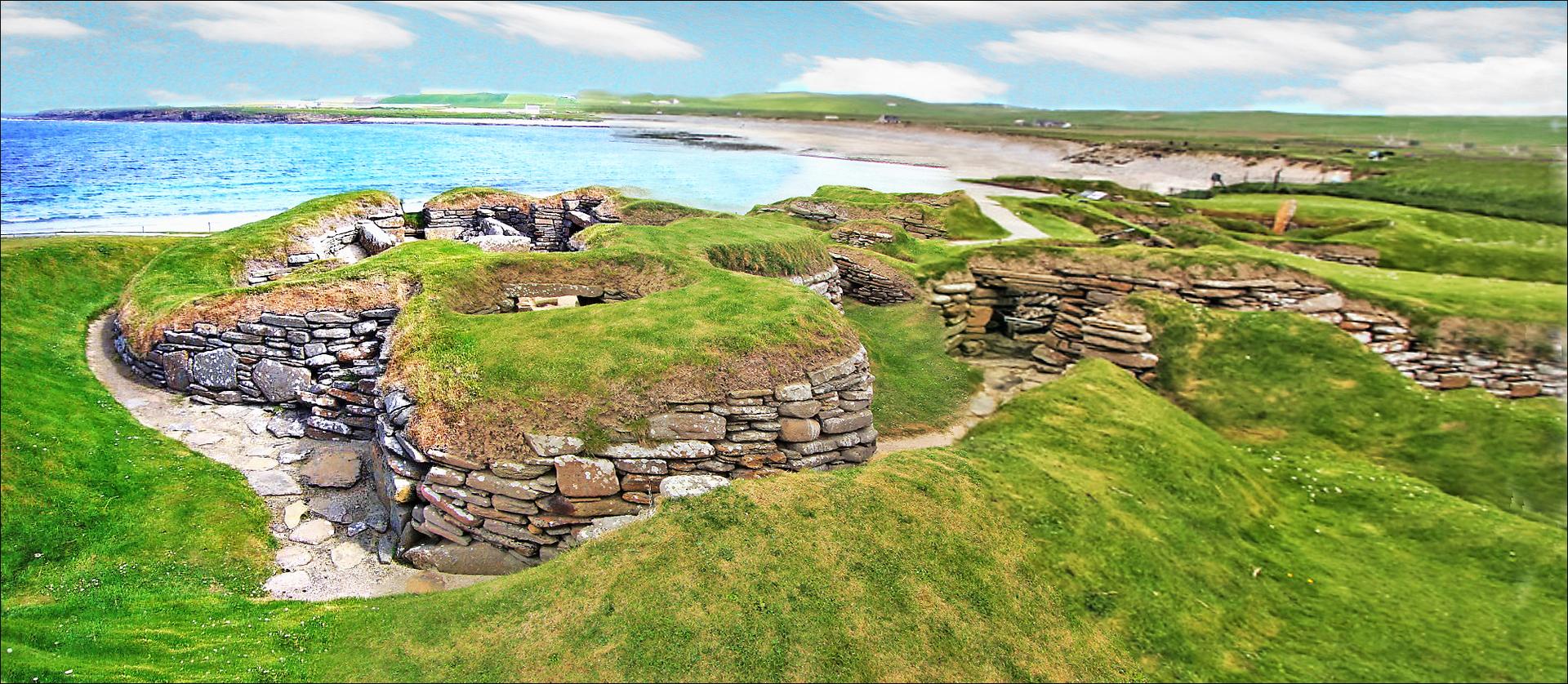
Looking beyond Rendall Doocot? Discover Orkney for broader travel guides, local hot-spots, and regional highlights.
Explore Orkney
Explore the largest Neolithic chambered cairn on Rousay, Orkney, a remarkable ancient tomb sheltered by a modern structure and rich in prehistoric history.
Discover Orkney’s tranquil moorland sanctuary where majestic birds of prey soar above heather and historic hides invite peaceful wildlife watching.
