

Lambeth Palace: Historic London Residence of the Archbishop of Canterbury
Lambeth Palace, the historic London home of the Archbishop of Canterbury, blends centuries of religious heritage with iconic Tudor architecture by the Thames.
Lambeth Palace, located in London SE1 7JU, has been the official London residence of the Archbishop of Canterbury for over 800 years. This historic palace on the south bank of the Thames features iconic Tudor architecture, including Morton's Tower, and a chapel dating back to the 13th century. It has witnessed significant religious and political events and continues to serve as a spiritual and cultural landmark.
A brief summary to Lambeth Palace
- London, SE1 7JU, GB
- +442078981200
- Visit website
- Duration: 1 to 3 hours
- Free
-
 Outdoor
- Mobile reception: 4 out of 5
Local tips
- Explore the palace grounds and admire Morton's Tower, a prime example of Tudor architecture.
- Visit the nearby Garden Museum to learn about the history of gardening in a charming 18th-century setting.
- Look for the White Marseilles Fig Tree near the Great Hall, planted in 1556 and one of Britain's oldest fruit trees.
- Appreciate the chapel’s medieval stained glass and its significance in Anglican history.

For the on-the-go comforts that matter to you
- Restrooms
- Drink Options
- Food Options
- Seating Areas
- Information Boards
Getting There
-
Public Transport
Take the London Underground to Lambeth North station on the Bakerloo line, then walk approximately 10 minutes across flat terrain to the palace. Tube tickets cost around £2.50–£5 depending on time and card used, with frequent service throughout the day.
-
Bus
Several bus routes serve the area including routes 77, 521, and RV1, stopping within a 5-minute walk of Lambeth Palace. Bus fares are typically £1.75 per journey with contactless payment or Oyster card. Buses run every 10–15 minutes during the day.
-
Taxi or Rideshare
A taxi or rideshare from central London locations such as Westminster or Waterloo takes about 10–20 minutes depending on traffic, costing approximately £8–£15. Note that parking near the palace is very limited.
Lambeth Palace location weather suitability
-
 Any Weather
-
 Rain / Wet Weather
-
 Clear Skies
-
 Mild Temperatures
Discover more about Lambeth Palace
Origins and Historical Significance
Lambeth Palace has served as the London home of the Archbishop of Canterbury since the early 13th century. Situated on the southern bank of the River Thames, opposite Westminster, its location was strategically chosen to maintain close ties between church and state. The palace’s origins trace back to around 1200 AD when Archbishop Stephen Langton established a residence including private apartments, a chapel, and a great hall. Over centuries, Lambeth Palace has been central to England’s religious and political history, witnessing events such as the Reformation and the English Civil War.Architectural Highlights and Features
The palace is renowned for its Tudor gatehouse, Morton's Tower, built in 1490 by Cardinal John Morton. This redbrick structure served variously as a gatehouse, prison, and lodging for senior household members. Another notable feature is the 13th-century chapel, one of London’s oldest buildings, richly decorated and historically significant as the site of many Anglican bishops' consecrations. The Great Hall, rebuilt in 1663 after Civil War damage, boasts a striking hammerbeam roof reflecting the palace’s Gothic heritage.Religious and Political Role
Lambeth Palace has long been a symbol of ecclesiastical authority and political influence. The Archbishop of Canterbury, as spiritual leader of the Church of England and the worldwide Anglican Communion, has used the palace as a residence and venue for important religious ceremonies and diplomatic engagements. The palace also played a key role during the Reformation under Archbishop Thomas Cranmer and hosted frequent visits by Henry VIII.Recent Restoration and Sustainability
A major £40 million restoration project has recently enhanced Lambeth Palace’s historic fabric while integrating modern sustainability measures. These include solar panels, air-source heat pumps, and energy-efficient windows. Archaeological discoveries during restoration have revealed medieval remains and Tudor-era structures, deepening understanding of the palace’s layered history.The Palace Grounds and Surroundings
The palace is adjacent to the Garden Museum, housed in an 18th-century church and courtyard, which celebrates the history of gardening. The grounds feature the White Marseilles Fig Tree, planted in 1556, one of Britain’s oldest fruit trees. The palace’s riverside setting offers scenic views and a tranquil atmosphere despite its central London location.Continuing Legacy and Cultural Importance
For over eight centuries, Lambeth Palace has evolved as both a private residence and a public symbol of the Anglican Church’s heritage. It remains a key site for religious leadership and international Anglican gatherings such as the Lambeth Conference. Its rich history, architectural grandeur, and ongoing role in spiritual and civic life make it a unique and enduring landmark in London.Iconic landmarks you can’t miss

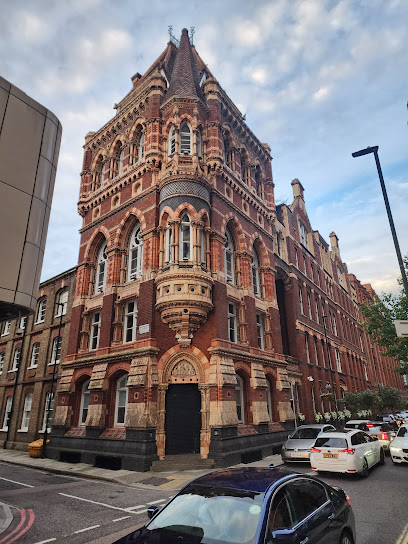
Southbank House
0.4 km
Historic terracotta landmark in Lambeth, blending Victorian pottery heritage with modern creative workspaces.
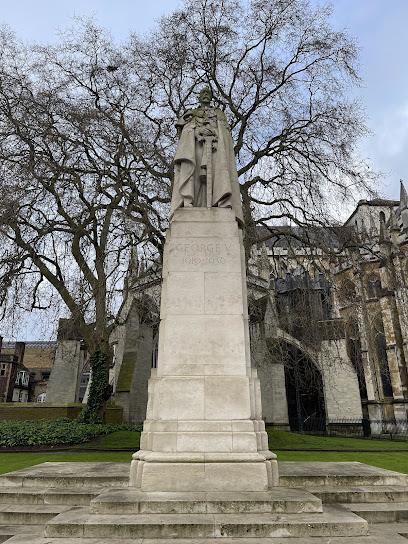
Statue of George V
0.6 km
A dignified white Portland stone statue honoring King George V, standing proudly in Westminster’s historic Old Palace Yard.
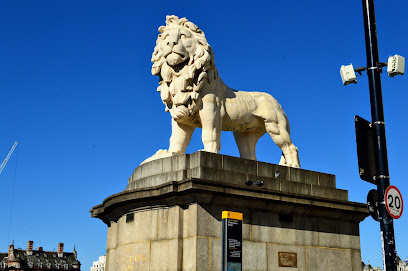
South Bank Lion
0.6 km
Majestic 1837 Coade stone lion guarding Westminster Bridge, symbolizing London’s resilience and rich heritage.
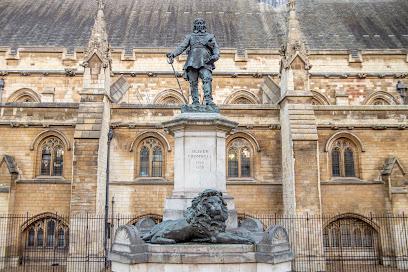
Statue of Oliver Cromwell
0.6 km
A commanding bronze tribute to Oliver Cromwell, standing outside Westminster Hall as a symbol of Britain’s turbulent 17th-century history and contested legacy.
Westminster Hall
0.6 km
Step into Westminster Hall, a majestic medieval masterpiece that has witnessed a millennium of British history, law, and monarchy.
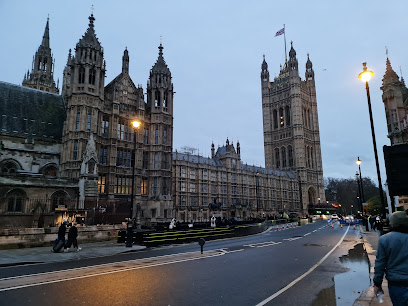
Millicent Garrett Fawcett Statue
0.7 km
Honoring Millicent Garrett Fawcett, the first woman commemorated in Parliament Square, inspiring equality through her iconic statue and legacy.
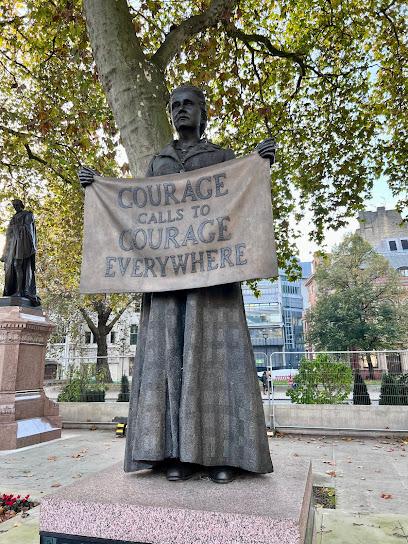
The London Dungeon
0.8 km
Explore London's haunting history at The London Dungeon, where thrilling rides and live performances bring the city's dark tales to life.
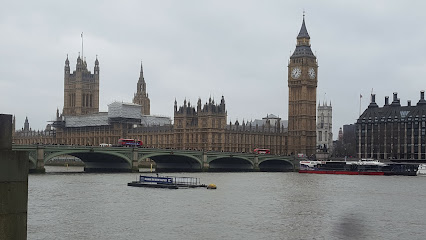
Parliament Sq
0.8 km
Where Britain's democratic institutions converge, history breathes, and voices are heard.
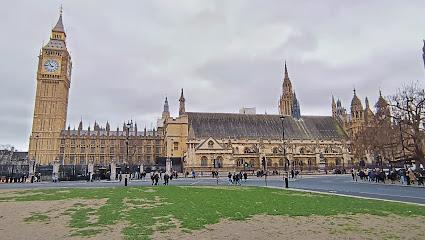
County Hall
0.8 km
Historic Edwardian Baroque landmark on London’s South Bank with iconic river views, cultural venues, and rich civic heritage.
King Charles Street
0.8 km
Explore King Charles Street, a historic London government hub famed for its grand Victorian architecture and pivotal role in British political life.
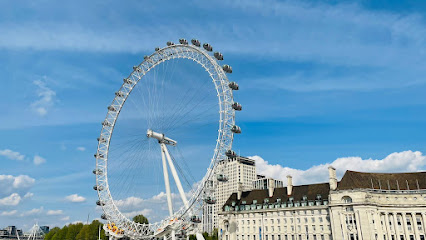
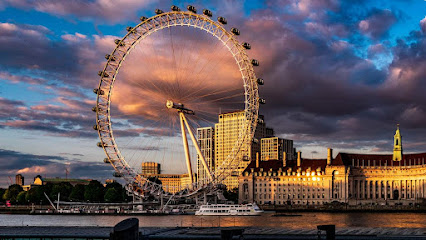
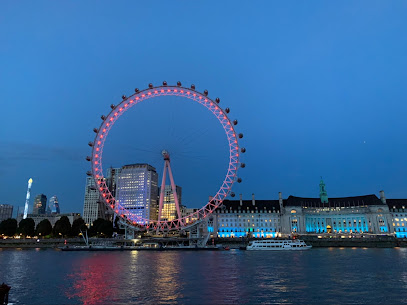
lastminute.com London Eye
0.8 km
Discover breathtaking views and iconic landmarks from the London Eye, a must-visit attraction on the River Thames.
The Battle of Britain Monument
0.8 km
Explore the Battle of Britain Monument in London, a powerful tribute to the heroism of RAF pilots during World War II, rich in history and artistic elegance.
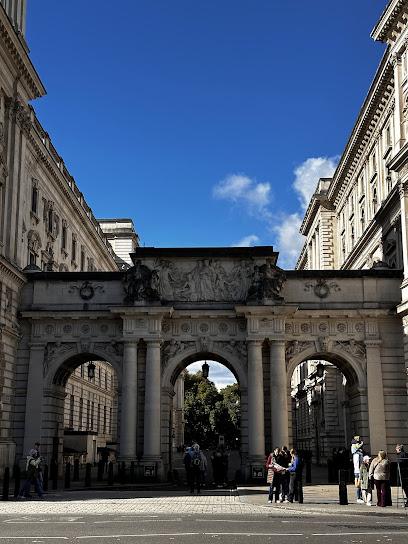
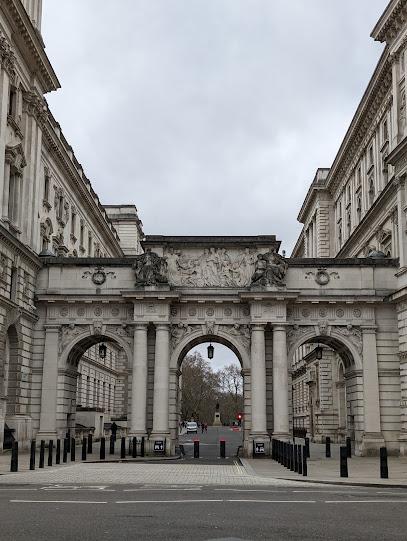
King Charles Street Arch
0.9 km
A grand 1908 triple-arched gateway in London’s Whitehall, rich in sculptural detail and historical significance.
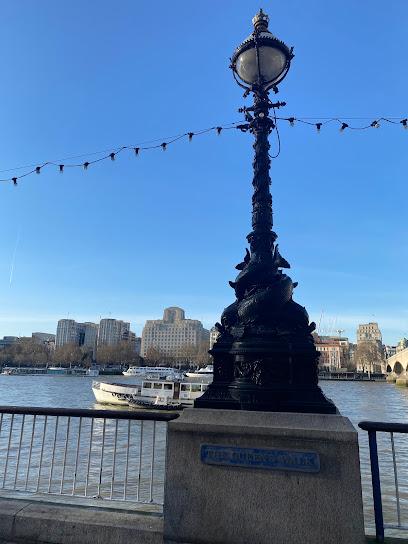
The Queen's Walk
0.9 km
London's iconic riverside promenade connecting Parliament to Tower Bridge with unparalleled city views.
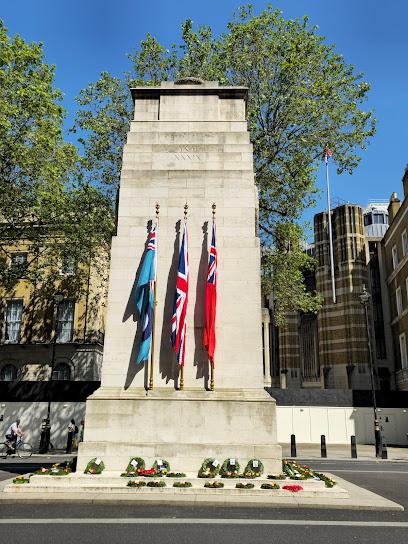
The Cenotaph
0.9 km
Britain’s national war memorial in Whitehall, a solemn tribute to the fallen of the World Wars and later conflicts.
Unmissable attractions to see

Garden Museum
0.1 km
Medieval church celebrating British gardens, from royal estates to allotments, with seasonal café.
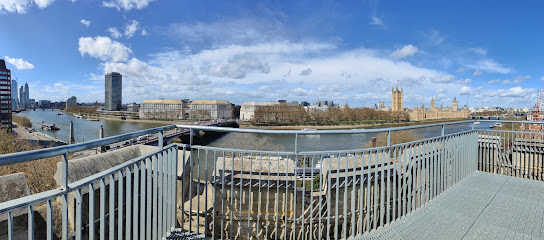
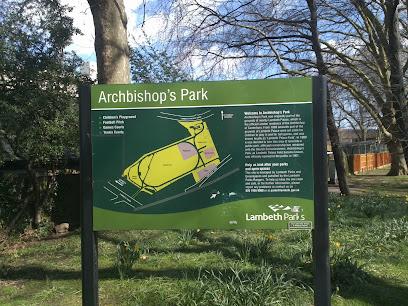
Archbishop's Park
0.3 km
Historic green space in central London with sports, playgrounds, gardens, and a welcoming community atmosphere.
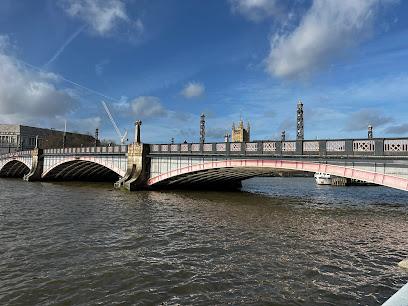
Lambeth Bridge
0.3 km
A vibrant red steel arch bridge blending historic ferry roots, elegant design, and London legends across the Thames.
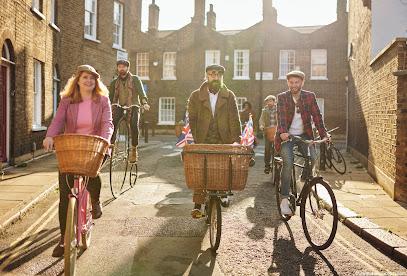
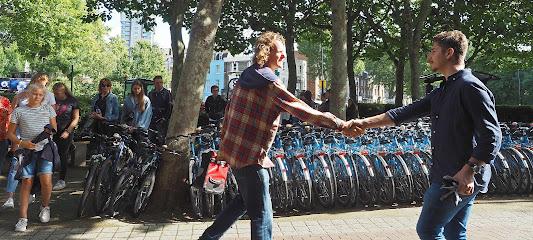
Tally Ho ~ London Bike Tours, Taxi Tours & Pub Tours
0.3 km
Explore London’s iconic sights and hidden treasures on classic British bicycles with expert guides and lively pub stops.
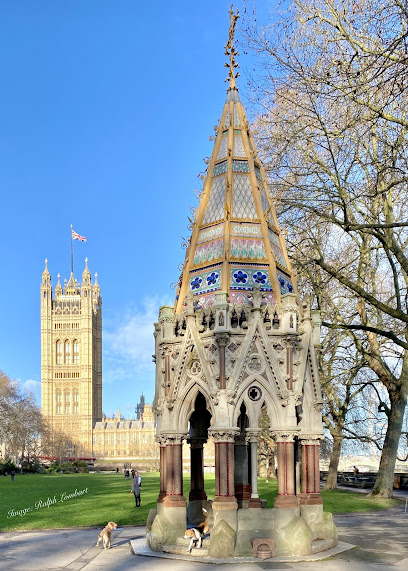
Victoria Tower Gardens South
0.4 km
A peaceful riverside park in Westminster featuring iconic memorials, scenic views, and a family-friendly playground beside the Houses of Parliament.
Royal Court
0.4 km
London’s Royal Court Theatre: A historic beacon for groundbreaking new plays and emerging playwrights in the heart of Sloane Square.
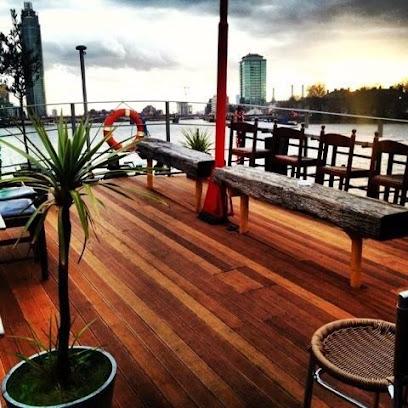
Tamesis Dock
0.4 km
Experience the lively atmosphere at Tamesis Dock, a floating bar on the Thames, offering drinks, food, and live music with stunning river views.
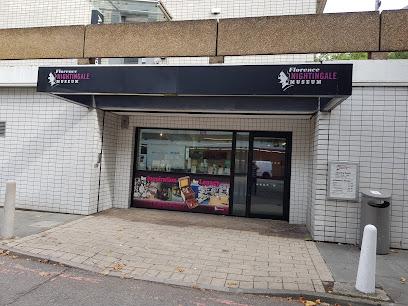
Florence Nightingale Museum
0.5 km
Explore the inspiring legacy of Florence Nightingale, the founder of modern nursing, at this engaging museum in the heart of London’s South Bank.
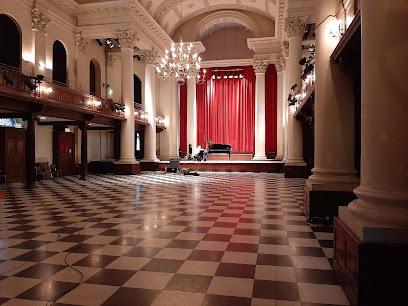
Sinfonia Smith Square
0.5 km
Experience world-class classical music in a stunning 18th-century Baroque concert hall at the heart of Westminster.
South of the River
0.5 km
A prestigious, fully fitted office building with prime views opposite the Houses of Parliament in London’s thriving South Bank business district.
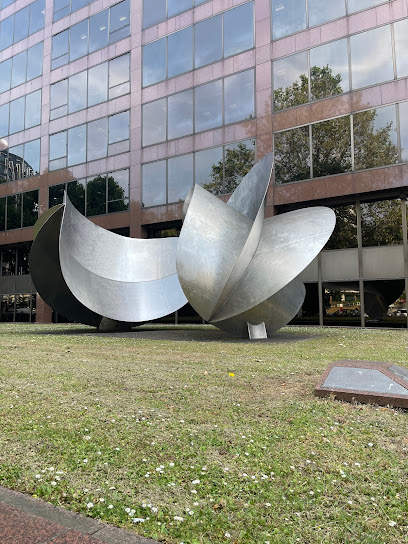
Memorial wall
0.5 km
A heartfelt 500-metre mural along the Thames commemorating every UK life lost to COVID-19 with over 245,000 hand-painted hearts.
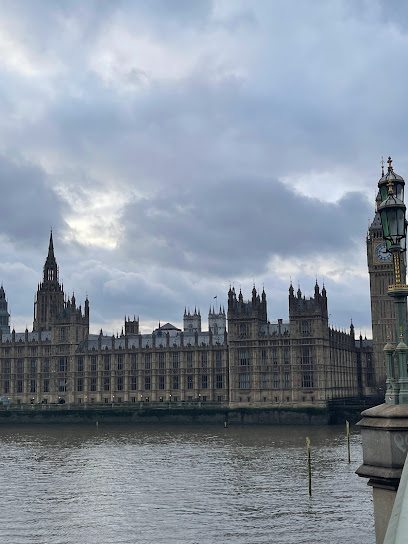
Palace of Westminster
0.5 km
Discover the architectural splendor and historical significance of the Palace of Westminster, the iconic heart of British democracy in London.
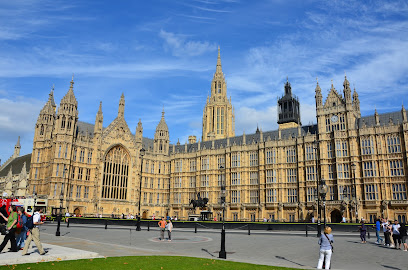
Jewel Tower
0.5 km
Discover the Jewel Tower, a medieval fortress guarding royal treasures and parliamentary history opposite London’s iconic Houses of Parliament.
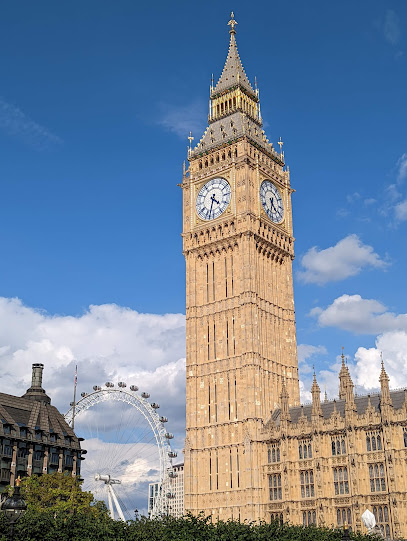
London Bicycle Tour Company
0.5 km
Explore London's landmarks and hidden streets on two wheels with expert local guides and quality bikes.
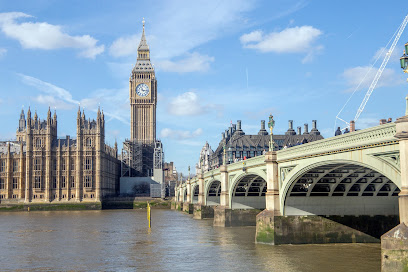
Westminster Bridge
0.6 km
Experience the historic charm and stunning views from Westminster Bridge, an iconic London landmark linking culture and architecture.
Essential places to dine

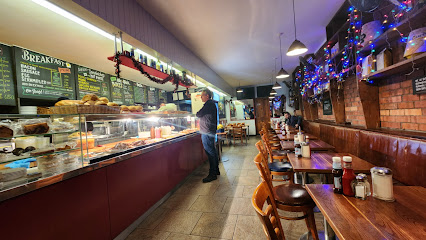
Sapori
0.6 km
Enjoy authentic Italian cuisine with generous portions and a lively atmosphere in the heart of Westminster, London.
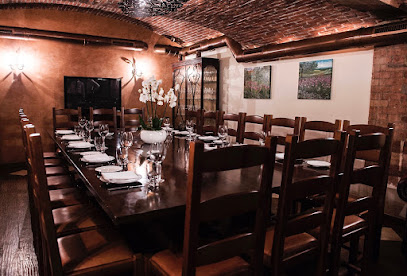
Osteria dell'Angolo
0.6 km
Classic Italian flavors and fresh pasta in a warm, elegant Westminster setting with attentive service and a visible kitchen.
OKAN South Bank
0.7 km
Experience authentic Osaka-style okonomiyaki and Japanese street food in a cozy, lively South Bank eatery with friendly service and a nostalgic vibe.
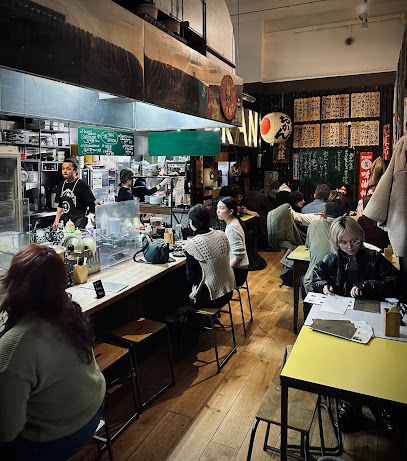
Troia Southbank
0.7 km
Experience authentic Mediterranean and Middle Eastern cuisine with halal options in a vibrant riverside setting near the London Eye.
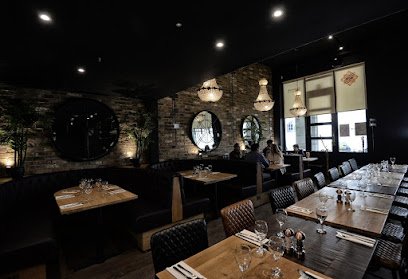
Ma La Sichuan
0.8 km
Experience authentic, boldly spiced Sichuan cuisine in the heart of Westminster with vibrant flavors and a welcoming atmosphere.
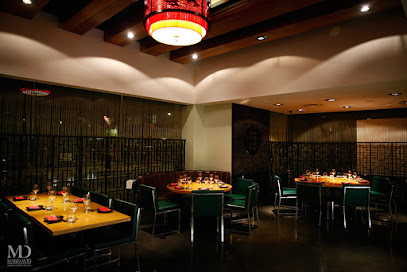
Mio Restaurant & Bar
0.9 km
Authentic Italian flavors and warm hospitality await you in this cozy central London gem with generous portions and great value.
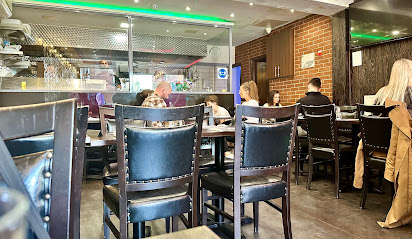
The Pem
1.0 km
Elegant modern British dining in Westminster, honoring heritage with exquisite seasonal menus and refined ambiance.
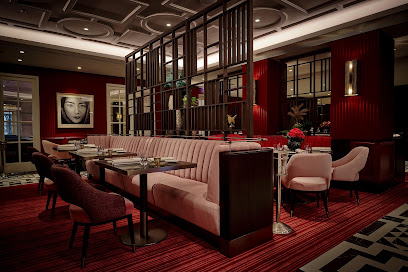
Caxton Grill
1.0 km
Refined British grill cuisine with fresh rooftop garden produce in a relaxed Westminster setting inside St Ermin’s Hotel.
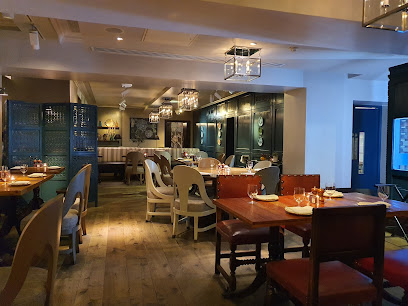
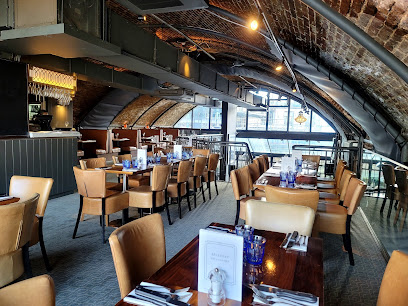
The Archduke
1.1 km
Lively steakhouse and wine bar in Waterloo with superb Scotch beef, classic desserts, and live jazz in a buzzy, inviting atmosphere.
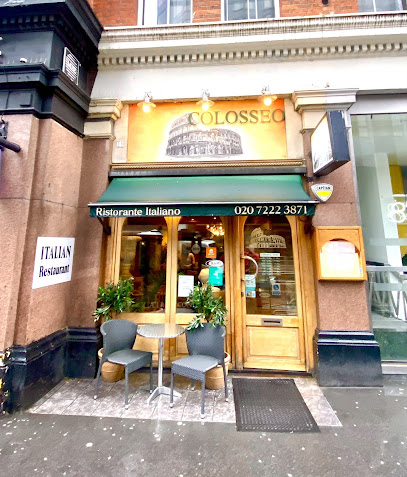
Colosseo Restaurant
1.1 km
Experience authentic Italian flavors and warm hospitality in the heart of London’s Victoria at Colosseo Restaurant.
Ping Pong Southbank
1.1 km
Lively Southbank dim sum and cocktail bar blending traditional Chinese flavors with modern Asian fusion in a bustling riverside setting.
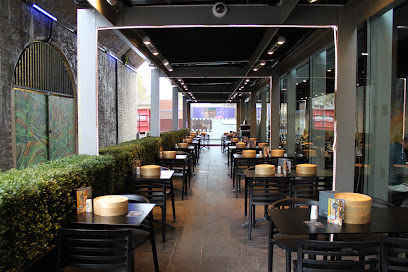
Chez Antoinette Victoria
1.1 km
Authentic French bistro in London’s Victoria offering classic Lyonnais and Parisian dishes in a cozy, Parisian-style setting.
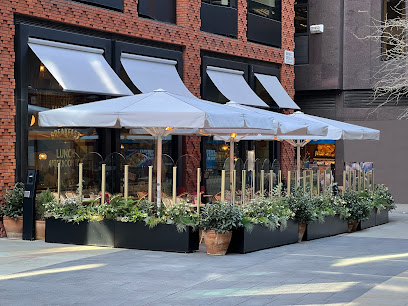
Southbank Centre Food Market
1.1 km
A lively weekend street food market on London’s South Bank offering diverse global cuisines in a vibrant riverside setting.
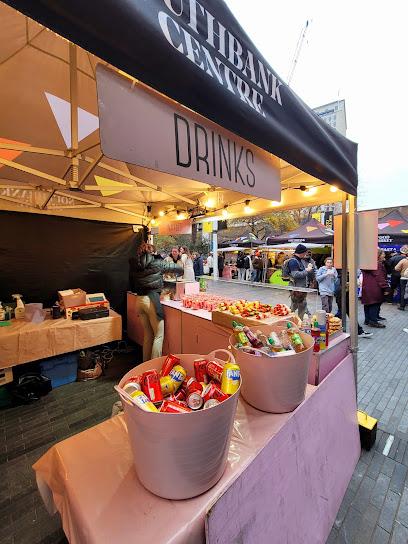
wagamama southbank
1.1 km
Lively riverside pan-Asian dining with fresh, bold flavors and stunning Thames views at London’s Royal Festival Hall.
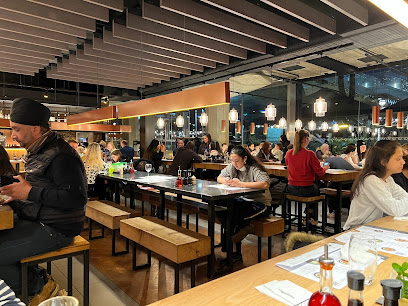
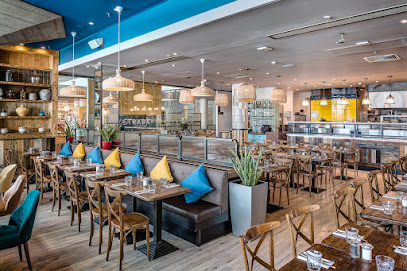
Strada Southbank
1.1 km
Authentic Southern Italian flavors served with vibrant riverside views in the heart of London’s Southbank.
Markets, malls and hidden boutiques

Browns of London
0.5 km
Explore Browns of London for unique handcrafted gifts and local treasures in the heart of the city, perfect for memorable souvenirs from your travels.
The Giftree London
0.6 km
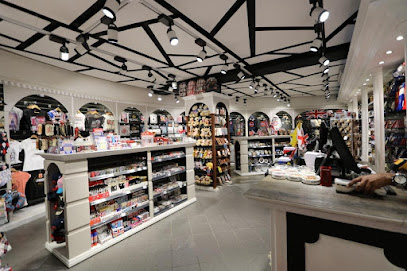
Discover London's soul in souvenirs, crafts, and conveniences at this Lambeth gem—unique gifts, luggage storage, and local flair await.
Jubilee Shop (Houses of Parliament Gift Shop)
0.6 km
Discover exclusive British political gifts and souvenirs inside the historic Westminster Hall at the Jubilee Shop, Houses of Parliament.
Westminster Abbey Shop
0.7 km
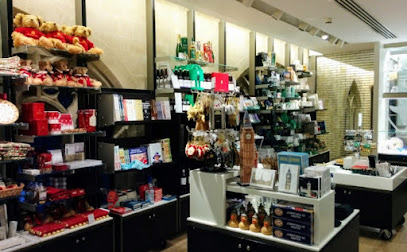
Discover exclusive Abbey-inspired gifts and souvenirs that support Westminster Abbey’s heritage and conservation efforts.
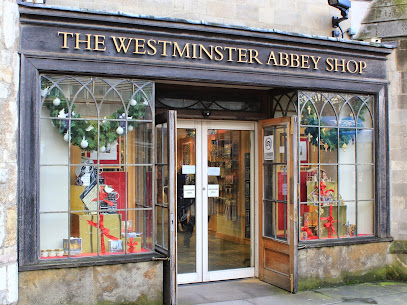
Houses of Parliament Shop
0.7 km
Discover parliamentary pride in souvenirs, books, and gifts at this cozy Bridge Street boutique, steps from Westminster's iconic halls.
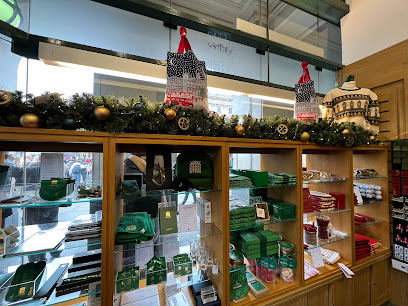
Gift Shop - London Eye Shop
0.8 km
Capture London's magic at the London Eye Gift Shop: exclusive souvenirs, Thames views, and iconic keepsakes from the wheel's base.
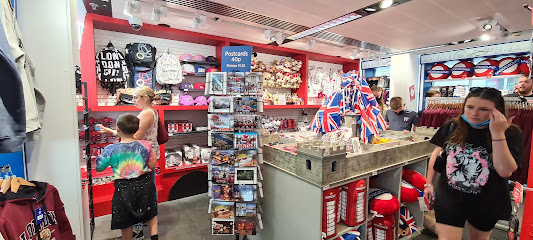
Custom Gifts By Jupiter
1.0 km
Unleash creativity with bespoke gifts and custom decor from this South Bank artisan haven near the Thames and iconic landmarks.
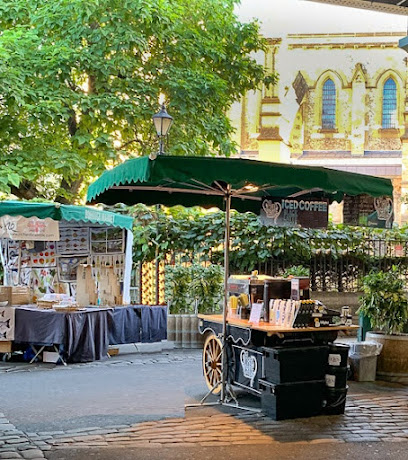
Southbank Centre Shop, Mandela Walk
1.1 km
Discover creative gifts, sustainable homewares, and arts-inspired souvenirs on vibrant Mandela Walk, opposite Royal Festival Hall—a stylish treat amid South Bank's cultural heartbeat.
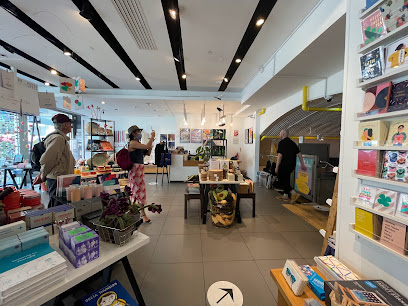
Gifts of London
1.3 km
Discover unique souvenirs and gifts that embody the spirit of London at Gifts of London, your perfect shopping destination.
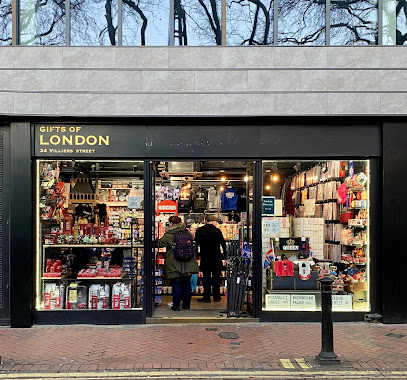
Crest of London Ltd
1.3 km
Discover authentic London souvenirs and local crafts at Crest of London Ltd, your premier gift shop in historic Whitehall.
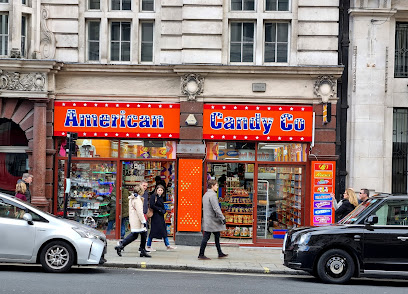
Cardinal Place
1.5 km
Experience the ultimate shopping and dining destination at Cardinal Place, London’s vibrant commercial hub near Victoria Station.
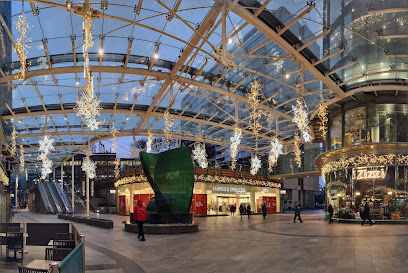
Sugar And Style
1.5 km
Discover design-led fashion accessories in Gabriel's Wharf, London's arty South Bank riverside haven blending style, creativity, and Thames views.

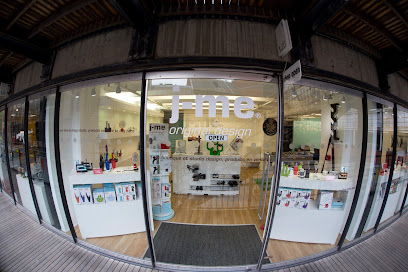
j-me original design ltd
1.6 km
Whimsical designs with a humorous twist from London's Oxo Tower creative hub – quirky home gifts blending fun, function, and British ingenuity.
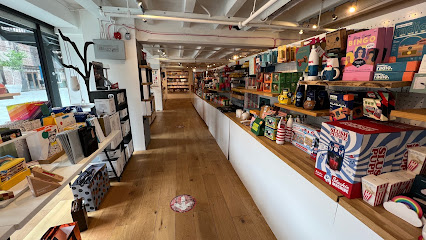
Brand Academy Independent Gift Shop
1.6 km
Dive into a world of whimsical designs and unique finds at this South Bank gem, where global brands meet emerging talents in the heart of Oxo Tower Wharf.
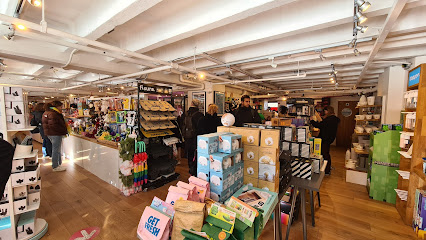
SUCK UK Alternative Gifts (OXO Tower)
1.6 km
Discover quirky, clever gifts and homewares at SUCK UK’s flagship store in London’s iconic OXO Tower.
Essential bars & hidden hideouts

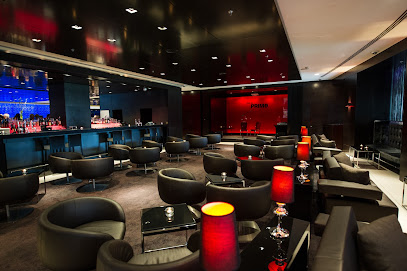
Primo Bar, London
0.6 km
Sophisticated South Bank cocktails and live jazz with Big Ben views—Primo Bar blends daytime lounge ease with electrifying nightly performances in stylish 60s-inspired surrounds.
Waterloo Lost Property Office Speakeasy
0.8 km
Discover a hidden 1920s-inspired speakeasy in Waterloo serving expertly crafted cocktails in a seductive, vintage setting.
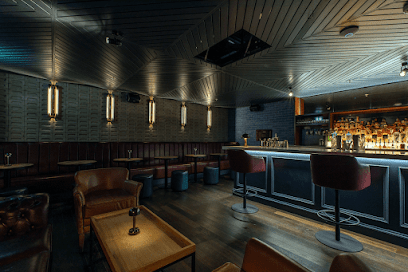
All Bar One Waterloo
0.8 km
Sophisticated South Bank bar serving creative cocktails, sharing plates, and wines in a lively spot near Waterloo Station and the London Eye.
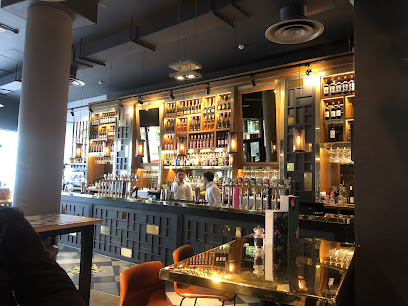
Slug & Lettuce - County Hall
0.8 km
Chic South Bank cocktail haven in County Hall: bottomless brunches, 2-for-1 sips, pub classics, and Thames views for London's liveliest lunches and nights out.
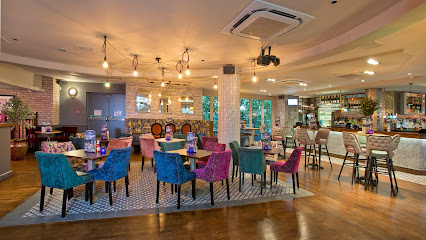
The Red Lion, Parliament Street
0.8 km
A venerable Westminster corner pub — late‑Victorian fittings, political atmosphere and a long history beside Downing Street and Parliament.
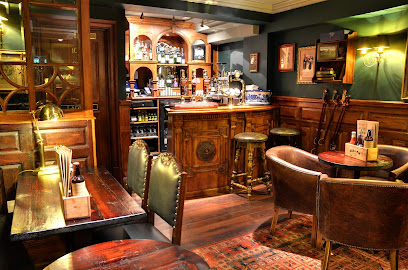
Le Champagne Bar
0.8 km
A compact riverside champagne lounge beside the London Eye—perfect for a celebratory flute and framed Thames views.
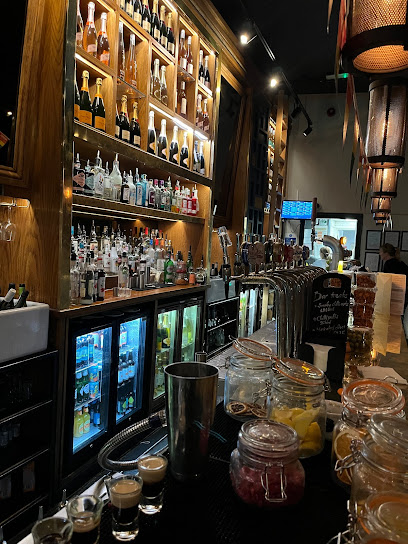
Bar @ 26 Leake Street
0.8 km
Experience London’s vibrant street art and nightlife culture at 26 Leake Street, a unique cocktail bar and event venue in Waterloo’s iconic graffiti tunnels.
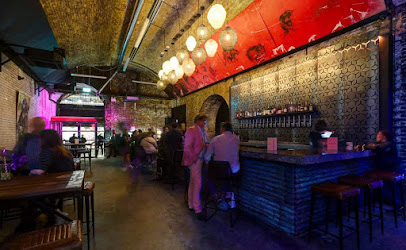
Westminster Arms
0.9 km
Historic Westminster pub with parliamentary division bell, Shepherd Neame ales, and cozy alcoves steps from Abbey and Parliament—timeless British charm in political heart.
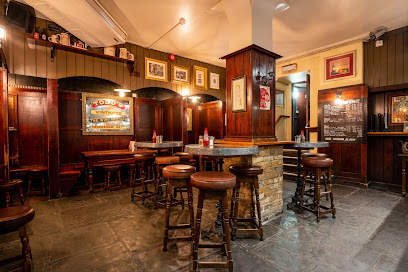
Morpeth Arms
0.9 km
Historic Thameside pub with cask ales, hearty fare, haunted cellars, and MI6 views— a Westminster gem blending Victorian ghosts and modern cheer.
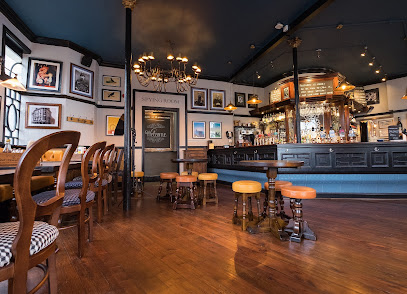
Blue Boar Pub
0.9 km
Traditional Westminster pub serving hearty British classics in a cozy, historic setting near Abbey and Parliament—perfect for ales, roasts, and relaxed evenings.
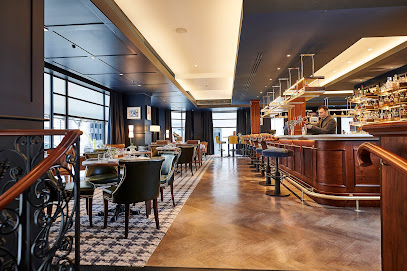
Two Chairmen
1.0 km
Traditional Westminster pub serving hearty pies, fresh ales, and classic British cheer just steps from St. James's Park and Parliament.
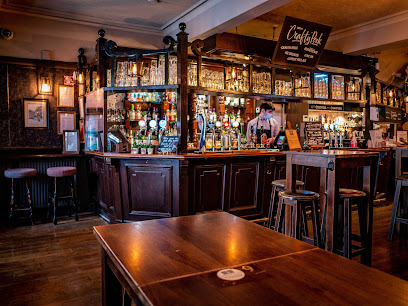
The Thirsty Farrier Cocktail Bar
1.0 km
A vibrant London cocktail bar offering expertly crafted seasonal drinks with scenic riverside views and a welcoming atmosphere.
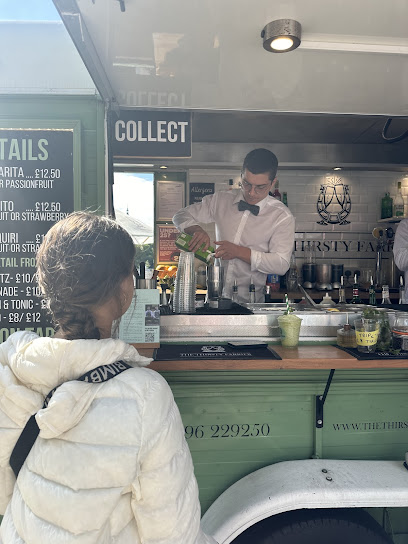
honestfolk Cocktail Bar (Southbank Centre Food Market)
1.1 km
Seasonal cocktails and classics from a cozy mobile bar at Southbank Centre Food Market, where Thames breezes mingle with market buzz and craft libations.
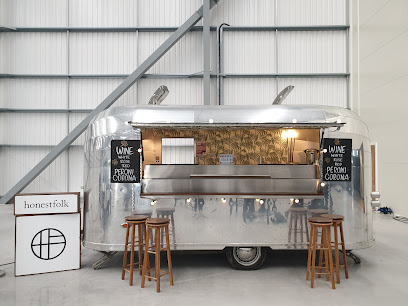
Southbank Centre, Members Bar
1.2 km
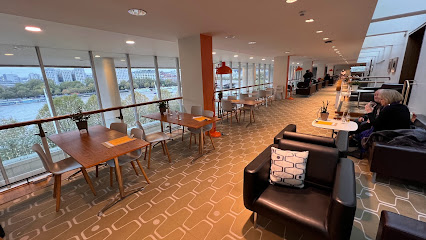
Elevated wine bar with Thames panoramas and cultured calm atop Royal Festival Hall—perfect for drinks amid London's arts heartbeat.
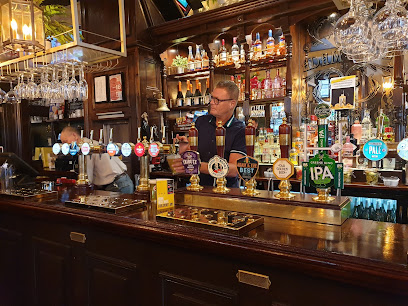
Adam & Eve
1.2 km
Classic Westminster pub pouring real ales and hearty grub amid historic streets—a cozy haven near Parliament and the Abbey for authentic London pints.
Nightclubs & after hour spots

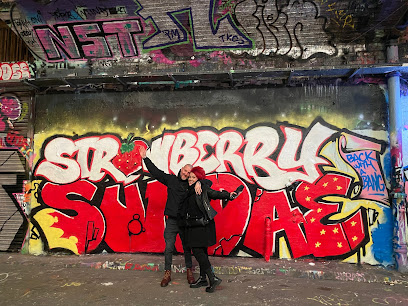
STRAWBERRY SUNDAE
0.7 km
Retro rave haven in Waterloo Arches: Daytime hardcore beats, 90s DJ legends, and industrial euphoria from midday to midnight.
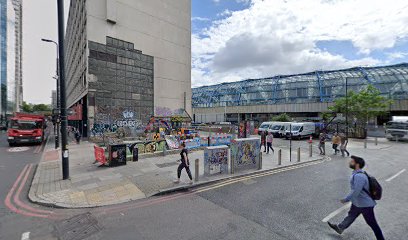
Cirque Du Soul
0.8 km
Dive into Leake Street's graffiti tunnel for soul-stirring electronic nights at this underground nightclub haven.
We Are Waterloo
0.8 km
Dive into Leake Street's graffiti heart where street art meets thumping beats in London's ultimate underground nightclub haven.
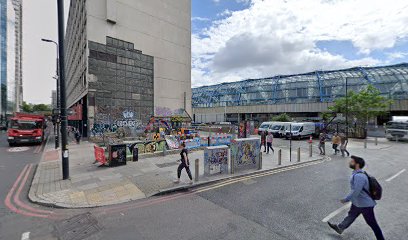
The Boat Show Comedy Club
1.0 km
London’s premier floating comedy club aboard the historic Tattershall Castle, blending laughter with iconic riverside views and vibrant nightlife.
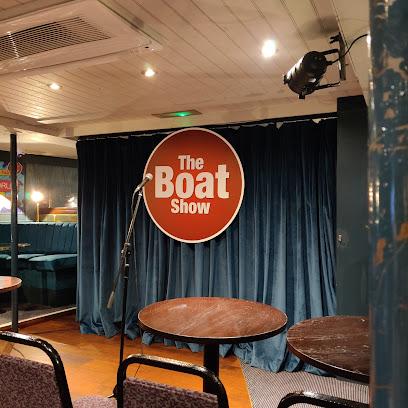
Union
1.0 km
Vauxhall's relentless nightclub heartbeat: techno-fueled nights stretching to dawn in multi-zone bliss along the Thames.
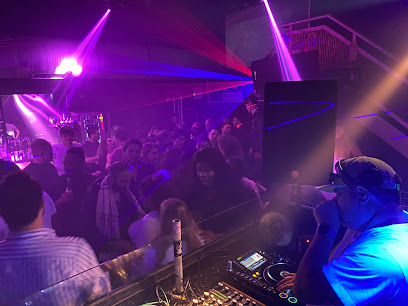
Bootylicious London last Saturday of the month
1.0 km
Late-night Vauxhall institution for raw techno, queer-focused party nights and after-hours clubbing on Albert Embankment.
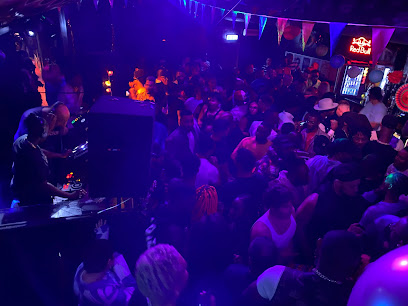
Lightbox London
1.2 km
Dive into dazzling LED realms at Vauxhall's electrifying nightclub, where lights, beats, and all-night energy create unforgettable weekend escapes.
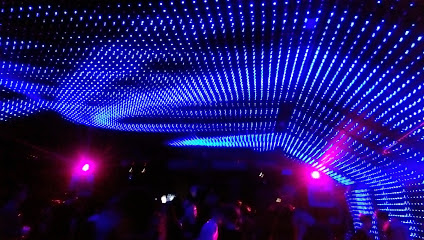
Fire Nightclub
1.3 km
Vauxhall's railway arch behemoth: all-night house marathons, go-go dancers, and dawn-defying beats in London's gay club epicenter.
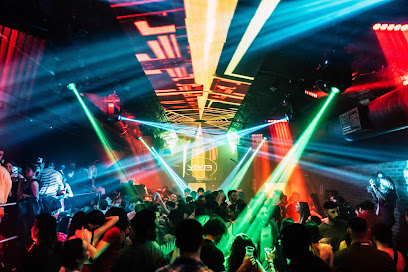
Heaven
1.4 km
London’s iconic gay superclub under the railway arches — big nights, loud music, drag, and late finishes in the heart of the West End.
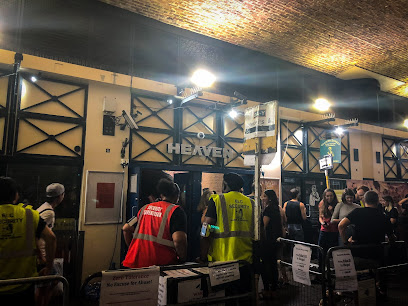
Ministry of Sound
1.4 km
London's legendary dance music cathedral since 1991, where world-class sound systems and global DJs fuel euphoric nights across four pulsing rooms.
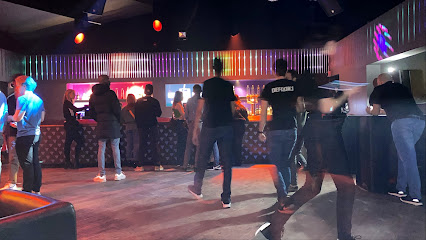
TSQ Club
1.5 km
Dive into Trafalgar Square's nightlife pulse at TSQ Club, where eclectic beats, dazzling lights, and craft cocktails fuel unforgettable weekend nights in London's heart.
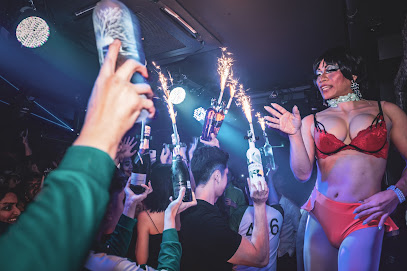
Corsica Studios
1.5 km
Experience London’s underground music pulse at Corsica Studios, where intimate vibes meet exceptional sound beneath historic railway arches.
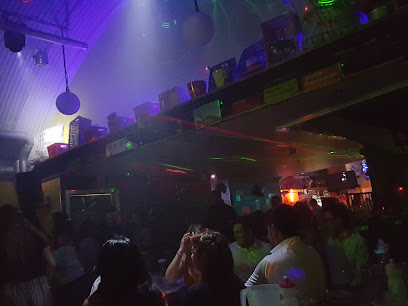
Proud Late
1.6 km
Dive into two-storey glamour under Waterloo Bridge: cabaret acrobatics, burlesque dazzle, supper feasts, and non-stop clubbing till 5am in London's West End nightlife epicenter.
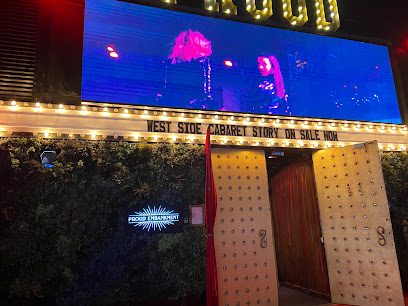
The Scotch of St James
1.8 km
Legendary Mayfair speakeasy where 60s rock stars jammed and today's elite dance till dawn in velvet-clad intimacy.
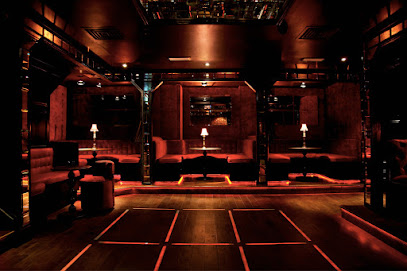
Tiger Tiger London
1.8 km
Experience London’s iconic Haymarket nightclub with six vibrant rooms, lively DJs, and a dynamic party atmosphere just moments from Piccadilly Circus.
For the vibe & atmosphere seeker
- Historic
- Tranquil
- Scenic
- Unique
For the design and aesthetic lover
- Vintage Styles
- Rustic Designs
For the architecture buff
- Historic
- Landmarks
- Sacred Sites
For the view chaser and sunset hunter
- Iconic Views
- Waterfront
For the social media creator & influencer
- Instagrammable
- Photo Spots
- Architectural Shots
For the eco-conscious traveler
- Sustainable
- Eco-Friendly
- Public-Transport Accessible
For the kind of experience you’re after
- Cultural Heritage
- Myth & Legends
- Photowalk
- Day Trip
- Weekend Getaway
For how adventurous you want the journey to be
- Easy Access
Location Audience
- Family Friendly
- LGBT Friendly
- Senior Friendly
- Child Friendly
- Teen Friendly
- Wheelchair Access
- Pet Friendly
- Solo Friendly
- Couple Friendly
- Solo Female Friendly
- Vegetarian Friendly
- Vegan Friendly


