
Royal Hospital Chelsea: Historic Sanctuary for British Army Veterans
Historic home and sanctuary for British Army veterans, showcasing stunning 17th-century architecture and rich military heritage in London.
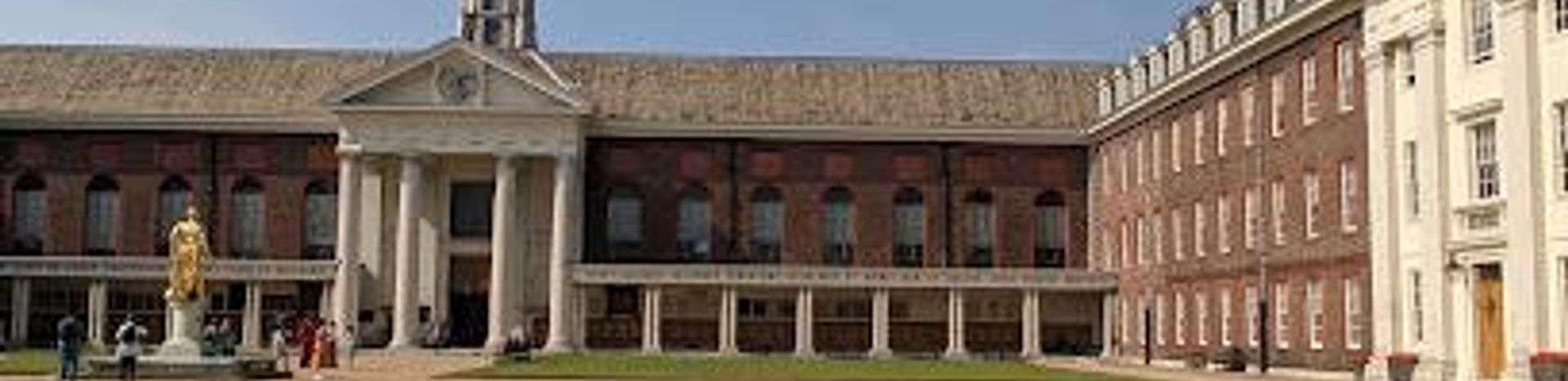
Founded in 1682 by King Charles II and designed by Sir Christopher Wren, the Royal Hospital Chelsea is a distinguished historic complex in London that serves as a home and care facility for retired British Army soldiers known as Chelsea Pensioners. The site features iconic architecture, including the Great Hall and chapel, and remains a vibrant community honoring centuries of military service and heritage.
A brief summary to Royal Hospital Chelsea
- London, GB
- Duration: 1.5 to 3 hours
- Mid ranged
-
 Outdoor
- Mobile reception: 4 out of 5
Local tips
- Book a guided tour led by a Chelsea Pensioner to gain unique insights into the hospital’s history and daily life.
- Visit the Soane Stable Yard for a free interactive exhibition and museum experience.
- Attend the Royal Hospital’s Founder's Day near May 29 to witness traditional ceremonies and military reviews.
- Explore the Great Hall and chapel to appreciate the baroque art and architecture crafted by Sir Christopher Wren.

For the on-the-go comforts that matter to you
- Restrooms
- Drink Options
- Food Options
- Seating Areas
- Information Boards
- Visitor Center
Getting There
-
Public Transport
Take the London Underground to Sloane Square station, approximately 20-30 minutes travel from central London. From there, a 15-minute walk along Royal Hospital Road leads to the hospital. The route is accessible and well-signposted. Tube fares range from £2.50 to £5.00 depending on travel zones.
-
Bus
Several London bus routes serve the area, including routes 11, 19, and 211, with stops near Royal Hospital Road. Bus journeys from central London take about 25-40 minutes. Standard London bus fares apply, typically £1.75 with contactless payment.
-
Taxi or Rideshare
A taxi or rideshare from central London takes approximately 20-30 minutes depending on traffic. Expect fares in the range of £15-£25. Drop-off is available at the main Chelsea Gate entrance. Note that parking within the hospital grounds is restricted.
Royal Hospital Chelsea location weather suitability
-
 Any Weather
-
 Clear Skies
-
 Mild Temperatures
-
 Rain / Wet Weather
Discover more about Royal Hospital Chelsea
Origins and Founding Vision
The Royal Hospital Chelsea was established in 1682 by King Charles II as a dedicated retreat for veterans of the British Army who were 'broken by age and war.' Inspired by the Hôtel des Invalides in Paris, the King commissioned Sir Christopher Wren, one of England’s foremost architects, to design a grand complex on a 66-acre site in Chelsea, London. The hospital was conceived as a place of refuge, care, and community for retired soldiers, many of whom had served in significant battles such as Sedgemoor. The institution opened its doors in 1692, initially accommodating 476 pensioners, with funding originally sourced from army pay deductions until the mid-19th century.Architectural Grandeur and Layout
Wren’s design centers around the Figure Court, a large courtyard dominated by a gilded statue of King Charles II carved by Grinling Gibbons, symbolizing strength and royal patronage. The complex includes the Great Hall, chapel, and state apartments, all reflecting late 17th-century baroque architecture. Over time, Wren expanded the hospital to include two additional quadrangles: Light Horse Court and College Court, increasing capacity and functionality. The chapel, consecrated in 1691, and the Great Hall with its impressive frescoes and battle honors, remain focal points of the site’s architectural and cultural heritage.Historical Significance and Wartime Resilience
Throughout its history, the Royal Hospital Chelsea has endured challenges, including damage during both World Wars. The infirmary designed by Sir John Soane in the early 19th century was partly destroyed in the Second World War and later replaced by a modern facility opened in 1961. Despite wartime hardships, the hospital’s mission to care for veterans persisted, symbolizing national gratitude and resilience. The hospital grounds also once included the Ranelagh Pleasure Gardens, a cultural venue hosting events such as concerts by Mozart, linking the site to broader social history.Modern Role and Community Life
Today, the Royal Hospital Chelsea continues to serve as a home for approximately 300 retired soldiers, known as Chelsea Pensioners, who live in a close-knit community. The site has undergone significant restoration and modernization, including the addition of the Margaret Thatcher Infirmary in 2009, providing state-of-the-art care. The hospital also hosts guided tours led by the pensioners themselves, offering visitors insight into military history, architecture, and the daily lives of residents. The newly opened Soane Stable Yard features an interactive exhibition and museum dedicated to the hospital’s history.Cultural Heritage and Public Engagement
The Royal Hospital Chelsea is not only a working veterans’ home but also a cherished cultural landmark. It hosts annual events such as Founder's Day, commemorating King Charles II’s birthday and restoration, with ceremonial reviews by members of the Royal Family. The hospital’s historic buildings, gardens, and museum attract visitors interested in British military heritage and architecture. Its role as a living monument to service and sacrifice makes it a unique and enduring symbol within London’s rich tapestry of historic sites.Architectural and Artistic Highlights
The Great Hall’s interior is adorned with a vast mural depicting King Charles II surrounded by allegorical figures representing virtues and the global reach of the British Empire. The chapel showcases exquisite baroque design and silver-gilt altar pieces. The hospital’s grounds offer scenic views of the Thames and include meticulously maintained gardens originally designed by George London and Henry Wise. These artistic and architectural elements combine to create a profound atmosphere of dignity, history, and respect for those who served.Iconic landmarks you can’t miss

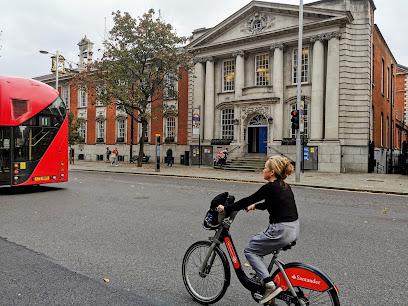
Chelsea Old Town Hall
0.8 km
A stunning late Victorian neoclassical landmark on King's Road, blending rich history with vibrant cultural and civic life in Chelsea.
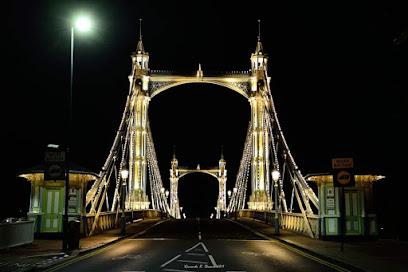
Albert Bridge
0.9 km
A delicate Victorian marvel spanning the Thames, Albert Bridge enchants with its pastel hues and shimmering lights, linking Chelsea and Battersea in timeless elegance.
Cheyne Walk
1.0 km
A historic Chelsea riverside street lined with grand Georgian houses and the former homes of artists, writers, musicians, and political figures.
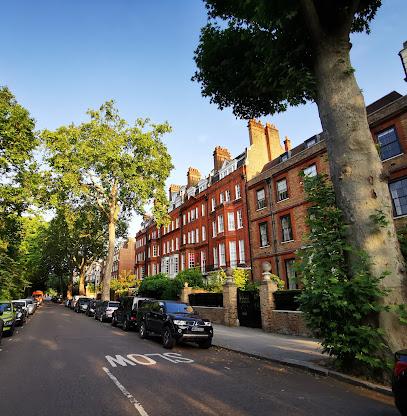
Empire House
1.3 km
Historic Edwardian landmark in South Kensington offering luxurious apartments near London’s premier cultural and shopping districts.
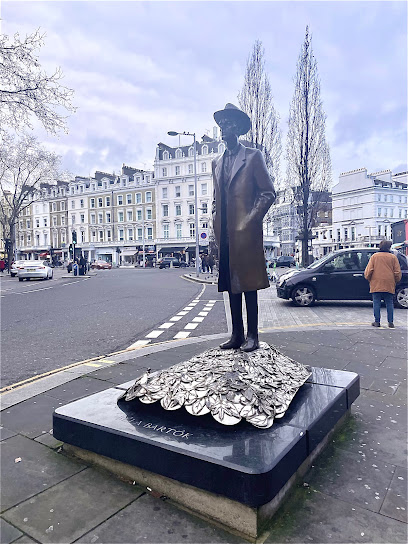
Béla Bartók Memorial
1.3 km
Celebrate the legacy of Béla Bartók, the Hungarian composer and ethnomusicologist, through this evocative bronze memorial in London’s South Kensington.
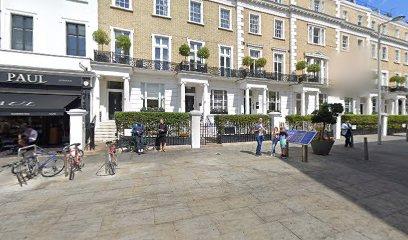
37 Thurloe St
1.4 km
Historic Victorian townhouse in South Kensington's cultural heart, steps from world-class museums and the Underground.
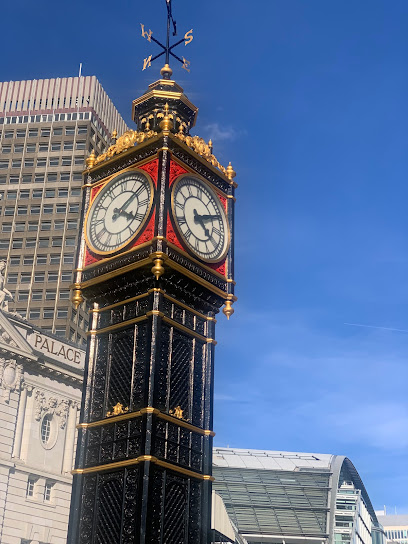
Little Ben Clock
1.4 km
Discover Little Ben, London’s charming miniature clock tower echoing Big Ben’s grandeur and symbolizing enduring Franco-British friendship.
Historic Houses
1.6 km
Explore the heart of Britain's heritage through Historic Houses, a gateway to centuries-old castles, gardens, and stately homes across the UK.
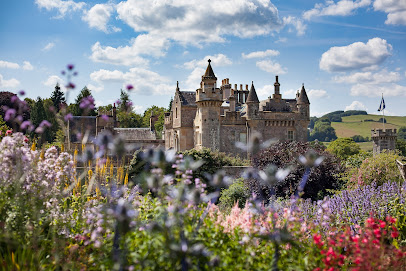
Royal Artillery Memorial
1.7 km
A powerful and realistic tribute to the Royal Artillery’s sacrifice, featuring a monumental stone howitzer and evocative bronze figures at Hyde Park Corner.
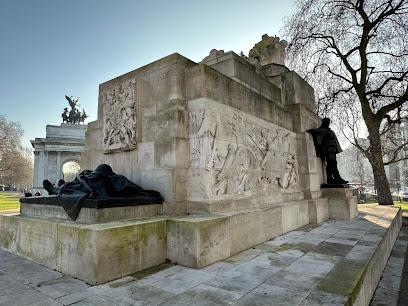
Wellington Arch
1.7 km
Discover Wellington Arch, London's majestic neoclassical triumphal arch with rich history, stunning views, and iconic Quadriga sculpture.
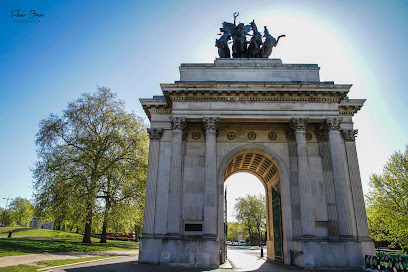
Equestrian Statue of the Duke of Wellington
1.8 km
Historic bronze statue honoring the Duke of Wellington’s military triumphs and contributions to London’s cityscape, unveiled in 1844.
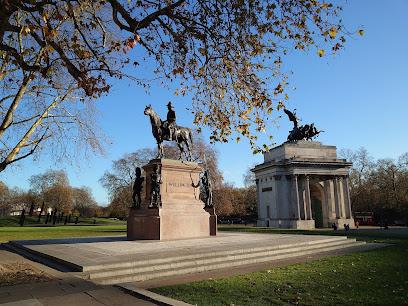
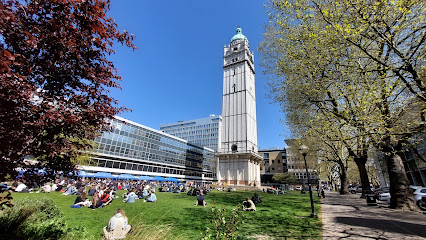
Queen's Tower
1.8 km
A towering neo-Renaissance landmark in South Kensington, the Queen's Tower stands as the historic heart of Imperial College London and a symbol of Victorian ambition.
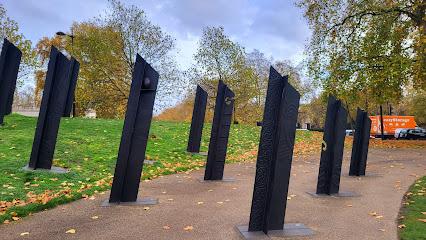
New Zealand War Memorial
1.8 km
Bronze standards honour New Zealand's shared sacrifice in two world wars, blending Māori heritage with contemporary memorial design.
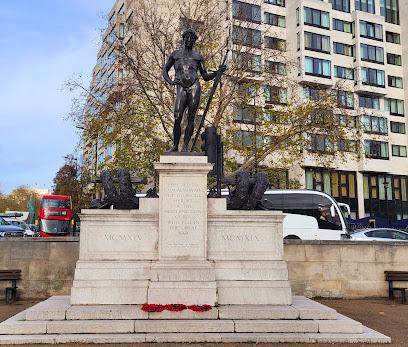
Machine Gun Corps Memorial
1.8 km
A striking WWI memorial at Hyde Park Corner, blending classical art and the harsh realities of mechanized warfare to honor the Machine Gun Corps’ sacrifice.
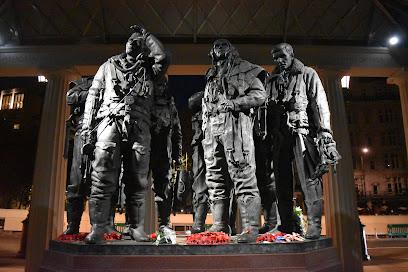
Bomber Command Memorial
1.8 km
A powerful tribute in Portland stone and bronze to the 55,573 RAF Bomber Command aircrew who lost their lives in WWII, set in the heart of Green Park, London.
Unmissable attractions to see

National Army Museum
0.2 km
Explore the rich history and personal stories of the British Army through interactive galleries and engaging exhibits in Chelsea’s premier military museum.
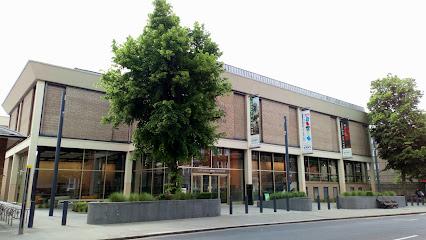
Duke of York Square
0.5 km
Chelsea's elegant fusion of heritage and contemporary culture, where shopping, dining, and art converge in a traffic-free piazza.
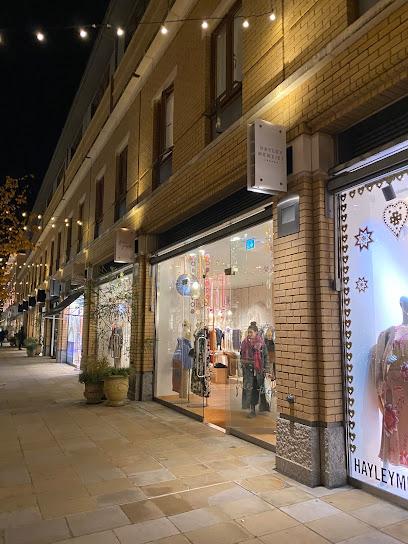
Chelsea Physic Garden
0.5 km
Explore London’s oldest botanic garden, a historic sanctuary of medicinal plants and botanical heritage since 1673.
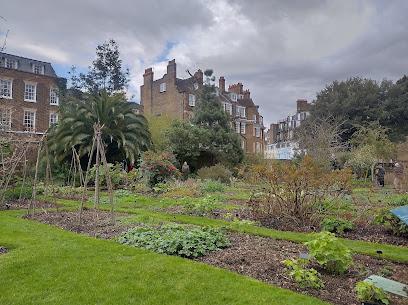
King's Rd
0.5 km
Explore King’s Road, Chelsea’s legendary street blending iconic fashion history with vibrant modern shopping and culture.
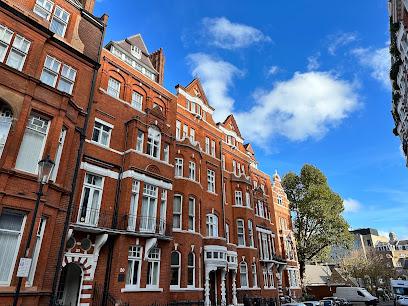
Sloane Square
0.6 km
An elegant London square where Chelsea’s luxury shopping, culture and high society meet, centred on the Venus Fountain and framed by Peter Jones and the Royal Court Theatre.
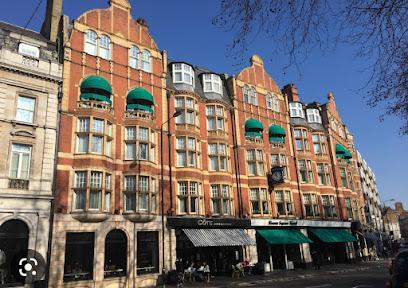
Innofinity Worldwide
0.6 km
Discover Innofinity Worldwide at Sloane Square, London’s trusted destination for quality used iPhones and innovative e-commerce experiences.
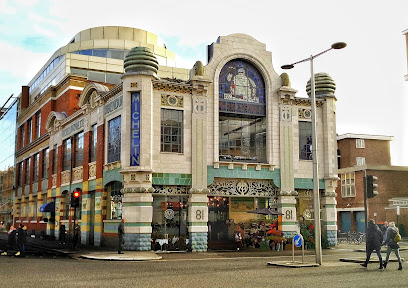
The London Peace Pagoda
0.6 km
A serene Buddhist stupa in Battersea Park symbolizing peace, spirituality, and cultural harmony beside the River Thames in London.
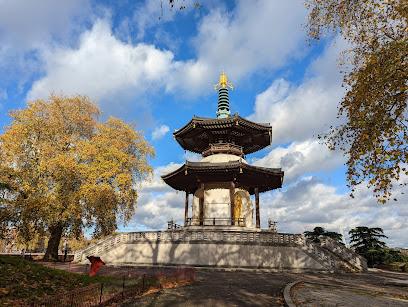
Chelsea Bridge
0.6 km
A striking self-anchored suspension bridge over the Thames, linking Chelsea and Battersea with historic charm and dazzling night illumination.
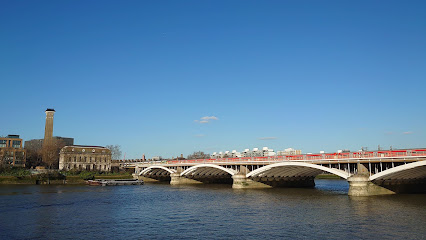
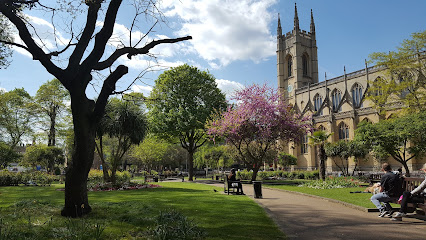
St Luke’s Gardens
0.8 km
A historic and tranquil Chelsea garden blending Neo-Gothic heritage with vibrant green spaces and family-friendly recreation.
St Simon Zelotes
0.8 km
Discover the serene blend of evangelical faith and historic Anglican tradition at St Simon Zelotes in the heart of Chelsea, London.
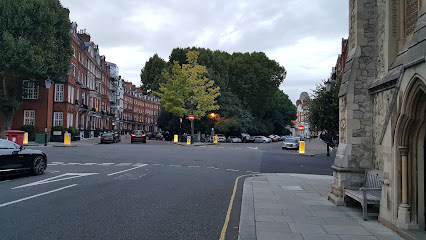
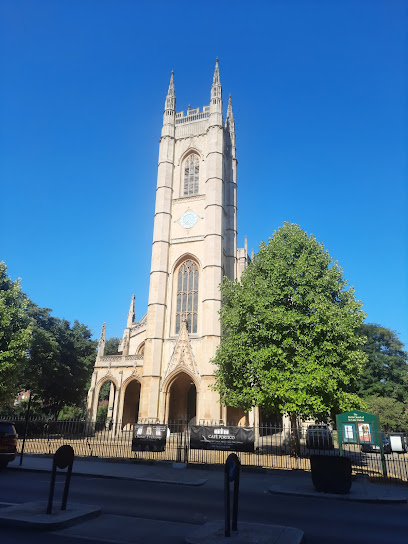
St Luke's & Christ Church
0.9 km
Discover St Luke's & Christ Church, Chelsea — a historic Gothic Revival Anglican parish blending architectural grandeur with vibrant community spirit.
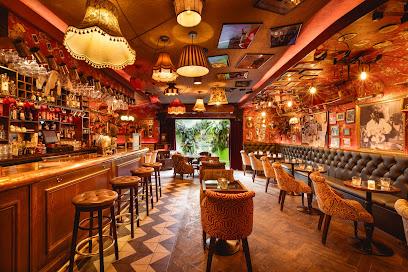
Barts
0.9 km
Discover Barts, Chelsea's chic cocktail bar where vintage charm meets innovative mixology for an unforgettable night out in London.
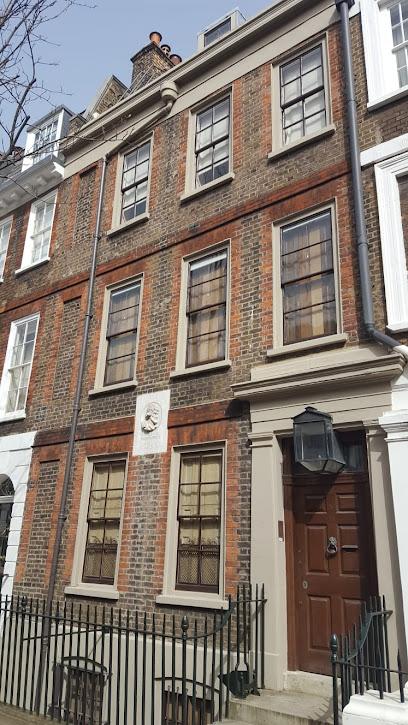
National Trust - Carlyle's House
0.9 km
Step into the preserved Victorian home of Thomas and Jane Carlyle, a literary hub in Chelsea where history and culture come alive.
Battersea Park
1.0 km
Explore Battersea Park, a 200-acre Victorian riverside oasis blending history, nature, and vibrant leisure on the Thames in London.

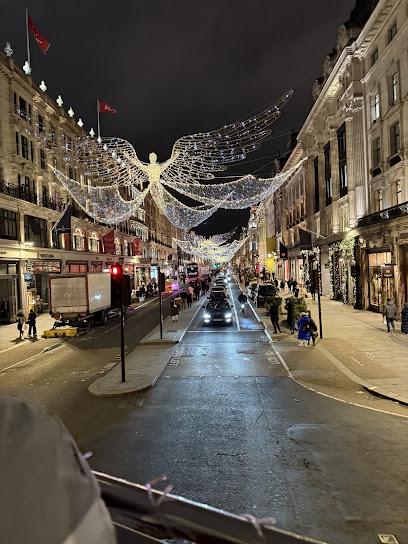
Big Bus Tours London
1.0 km
Explore London’s iconic landmarks at your own pace with Big Bus Tours’ flexible hop-on hop-off routes and panoramic open-top buses.
Essential places to dine

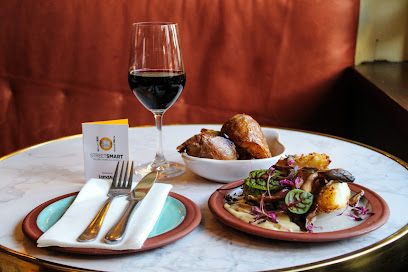
Rabbit
0.6 km
A rustic yet refined modern British bistro on King's Road, celebrating sustainable farm-to-fork dining in the heart of Chelsea.
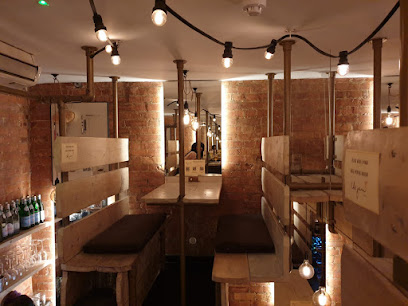
The Jam
1.2 km
Discover Chelsea’s iconic Italian eatery with quirky treehouse seating and authentic cuisine on King’s Road.
Town House Kensington
1.5 km
Elegant modern British dining with global influences in the heart of South Kensington, offering all-day meals and refined ambiance.
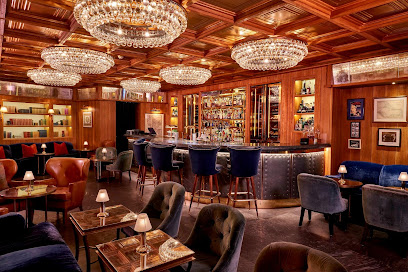
The English Grill
1.5 km
Classic British dining perfected with expertly grilled steaks and seasonal delights in a refined, elegant setting near London’s iconic theatres.
The Grenadier
1.6 km
Discover The Grenadier, a historic and haunted London pub steeped in military legacy and timeless charm in the heart of Belgravia.
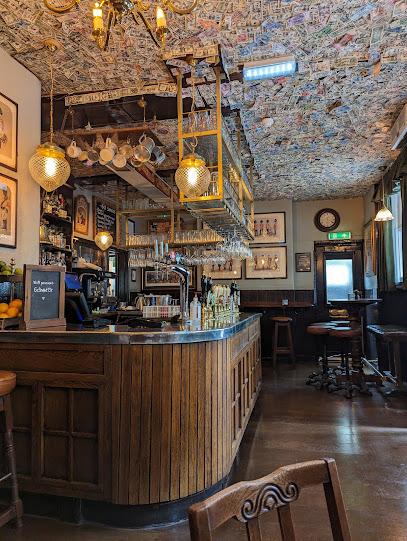
Bill's Victoria Restaurant
1.6 km
A vibrant British eatery near Victoria Station offering hearty classics, sharing plates, and plant-based dishes in a cozy, casual setting.
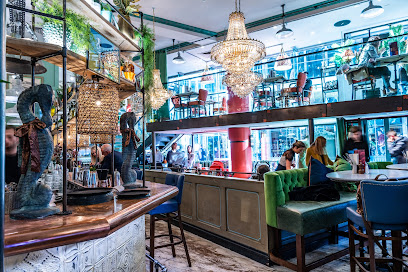
Dinner by Heston Blumenthal
1.6 km
Experience two Michelin-starred historic British cuisine reimagined with modern artistry at Dinner by Heston Blumenthal in the heart of Knightsbridge.
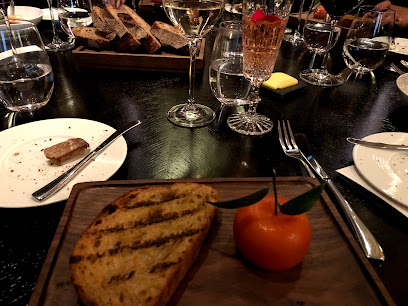
Ollie's House Restaurant (Chelsea)
1.8 km
A vibrant Pan-Asian fusion restaurant in Chelsea serving fresh, bold flavours in a bright, tropical-inspired setting with creative cocktails.
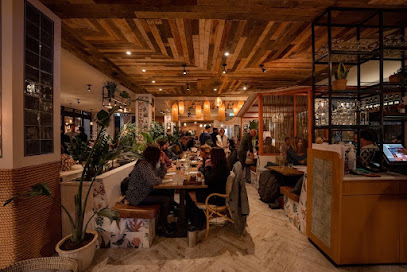
Colosseo Restaurant
1.9 km
Experience authentic Italian flavors and warm hospitality in the heart of London’s Victoria at Colosseo Restaurant.
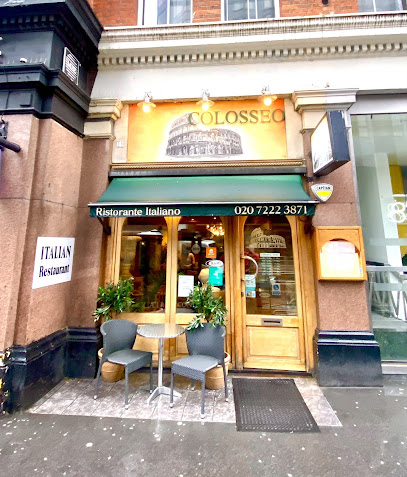
Chez Antoinette Victoria
1.9 km
Authentic French bistro in London’s Victoria offering classic Lyonnais and Parisian dishes in a cozy, Parisian-style setting.
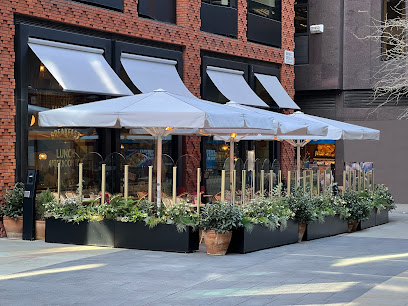
Mio Restaurant & Bar
2.0 km
Authentic Italian flavors and warm hospitality await you in this cozy central London gem with generous portions and great value.
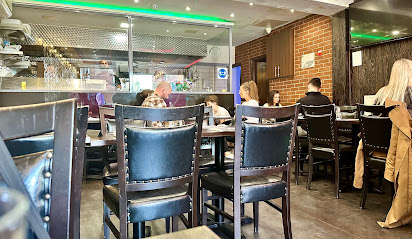
Caxton Grill
2.1 km
Refined British grill cuisine with fresh rooftop garden produce in a relaxed Westminster setting inside St Ermin’s Hotel.
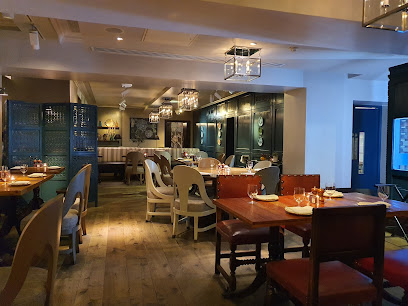
Ma La Sichuan
2.1 km
Experience authentic, boldly spiced Sichuan cuisine in the heart of Westminster with vibrant flavors and a welcoming atmosphere.
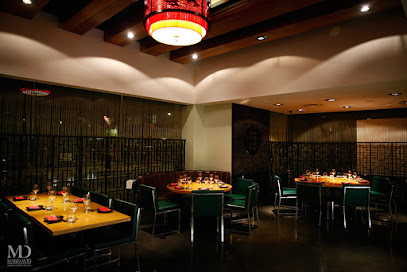
Osteria dell'Angolo
2.2 km
Classic Italian flavors and fresh pasta in a warm, elegant Westminster setting with attentive service and a visible kitchen.
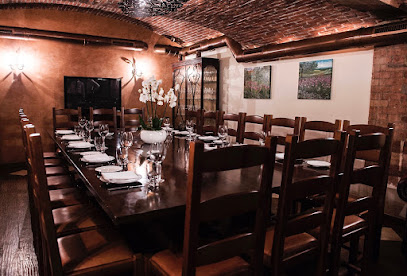
The Pem
2.2 km
Elegant modern British dining in Westminster, honoring heritage with exquisite seasonal menus and refined ambiance.
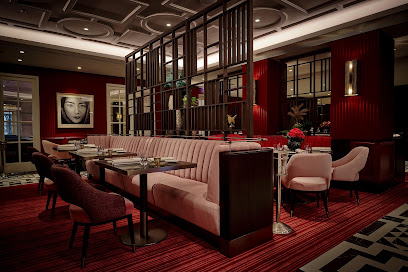
Markets, malls and hidden boutiques

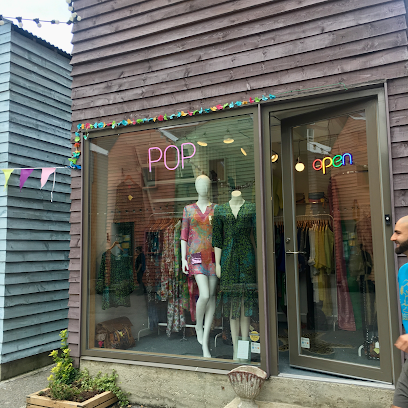
Pop London - Sustainable Fashion Boutique
0.5 km
Discover stylish, affordable sustainable fashion at Pop London, a boutique blending ethical design with community spirit in the heart of London.
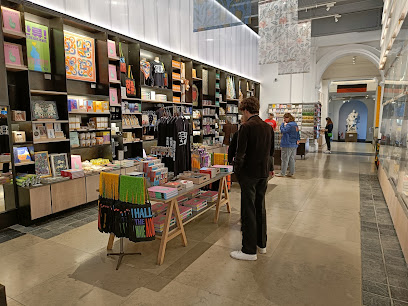
V&A Shop
1.4 km
Discover art-inspired gifts and unique keepsakes at the V&A Shop, nestled within London’s renowned Victoria and Albert Museum.
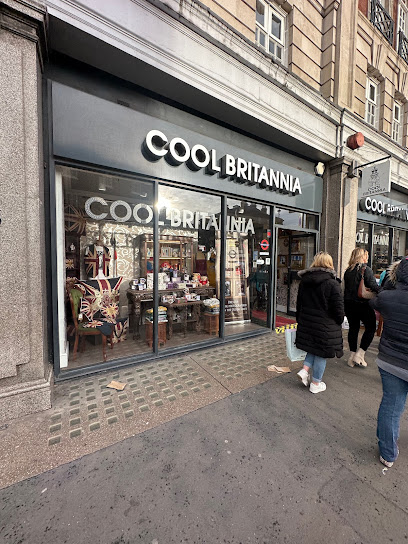
Cool Britannia
1.6 km
Discover authentic British souvenirs and vintage photography moments just steps from Buckingham Palace in a lively and welcoming shop.
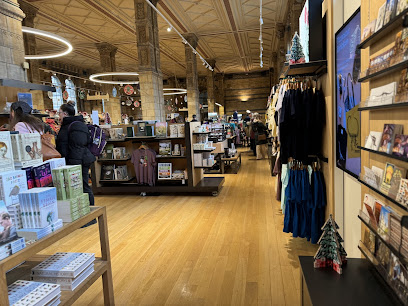
The Natural History Museum Shop
1.6 km
Discover nature’s wonders through unique gifts and souvenirs at the Natural History Museum Shop in London’s iconic museum.
Science Museum Shop
1.6 km
Ignite curiosity with science-inspired gifts, gadgets, and toys at this inventive shop inside London's Science Museum – perfect for all ages.
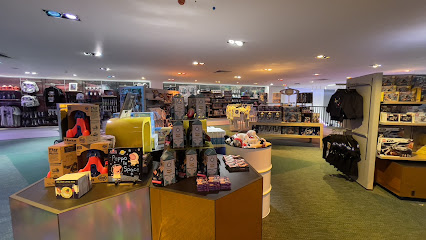
Buckingham Palace Shop
1.6 km
Official royal souvenirs at the palace gates: chinaware, gifts, and memorabilia that bring Buckingham Palace's grandeur home with you. (162 characters)
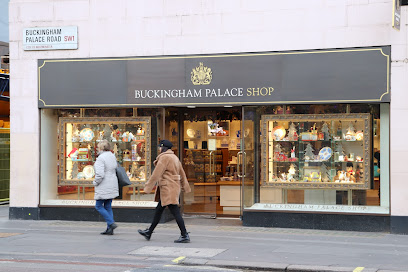
The Queen's Shop
1.7 km
Exclusive royal gifts and British heritage souvenirs steps from Buckingham Palace, blending luxury, tradition, and timeless elegance in a charming London boutique.
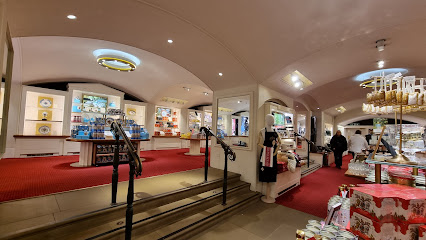
Hard Rock London Rock Shop
1.9 km
Discover exclusive rock ’n’ roll merchandise and iconic memorabilia at London’s legendary Hard Rock Rock Shop on Old Park Lane.
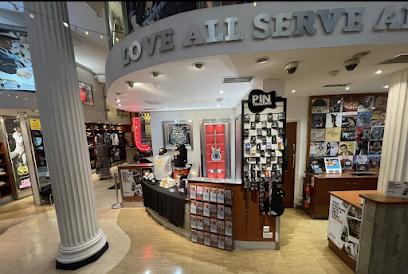
Shepherd Market
2.2 km
A Georgian village hidden in Mayfair's heart, where independent shops, art galleries and historic pubs preserve timeless London charm.
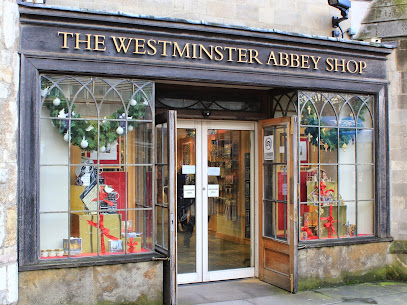
Westminster Abbey Shop
2.4 km
Discover exclusive Abbey-inspired gifts and souvenirs that support Westminster Abbey’s heritage and conservation efforts.
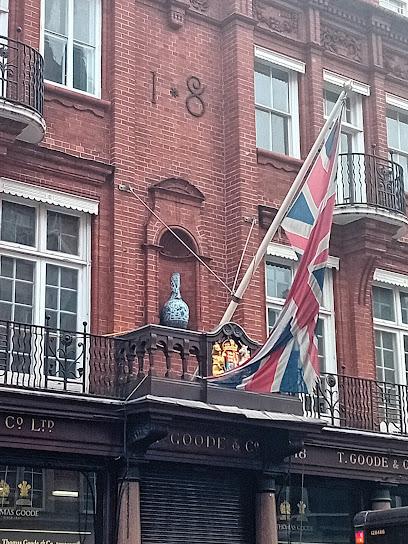
Thomas Goode & Co
2.4 km
Two centuries of royal patronage and uncompromising luxury in London's most prestigious chinaware emporium.
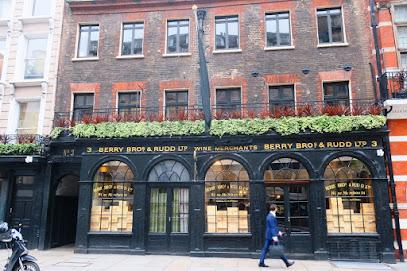
Berry Bros. & Rudd Wine Shop
2.4 km
London’s oldest family-run wine merchant since 1698, blending royal tradition with expert wine and spirits in a historic Pall Mall setting.
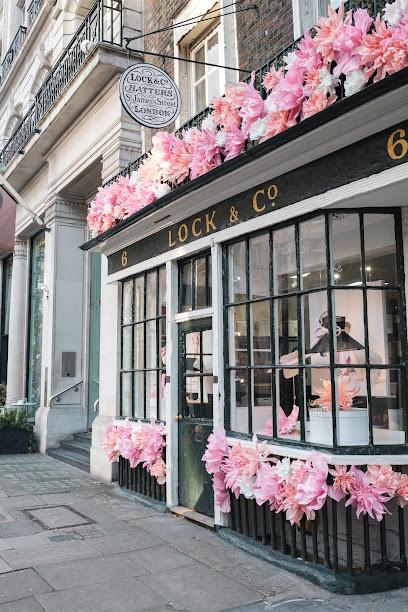
Lock & Co. Hatters
2.4 km
Discover the world’s oldest hat shop, where centuries of British style and craftsmanship come to life in the heart of London.
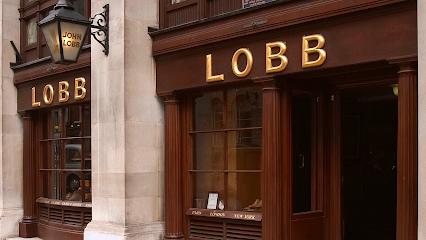
John Lobb St. James
2.4 km
Where 170 years of royal patronage meets handcrafted perfection in every stitch.
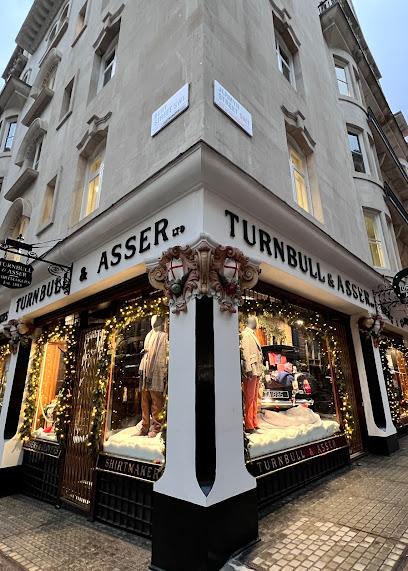
Turnbull & Asser Jermyn Street
2.6 km
Discover Turnbull & Asser on Jermyn Street, the quintessential British shirtmaker blending heritage craftsmanship with timeless elegance since 1885.
Essential bars & hidden hideouts

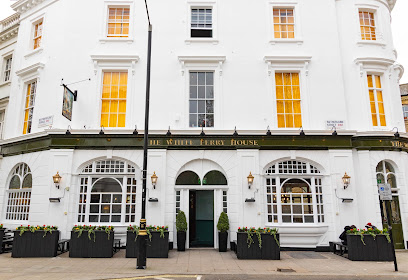
The White Ferry, Victoria (PUBLOVE)
0.8 km
Affordable hostel living meets classic British pub culture in the heart of Pimlico, steps from Victoria Station and London’s iconic sights.
Bbar
1.5 km
Chic Victoria cocktail bar beneath a living wall, blending South African zest with inventive drinks, hearty bites, and unforgettable afternoon teas near Buckingham Palace.
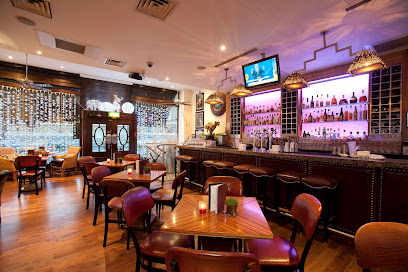
K Bar
1.5 km
Sophisticated South Kensington cocktail haven blending innovative mixology, gem-inspired elixirs, and plush club-like elegance for unforgettable evenings.
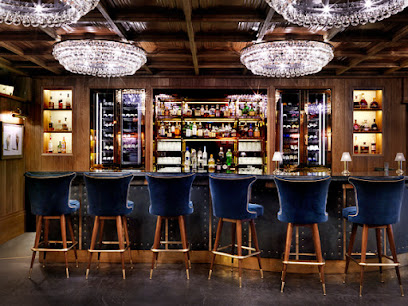
The New York Bar
1.5 km
A polished hotel lounge opposite Buckingham Palace — handcrafted cocktails, tasting events and piano-accompanied afternoons in plush, traditional surroundings.
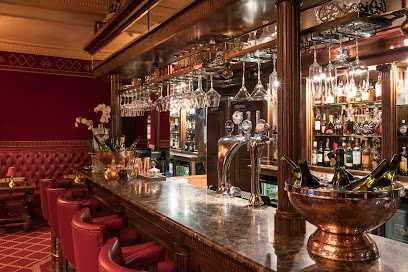
The Hereford Arms, South Kensington
1.7 km
Victorian South Kensington pub pouring Fuller's ales, serving refined classics like cod and cottage pie amid Hitchcock charm and Ripper lore.
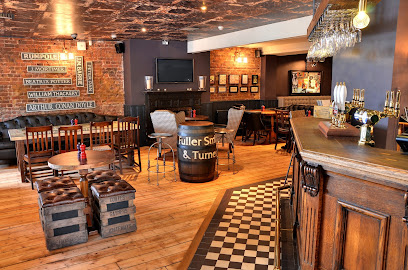
All Bar One Victoria
1.8 km
Sophisticated wines, global bites, and lively vibes on Victoria Street – London's go-to for stylish drinks and casual feasts near Westminster's heart.
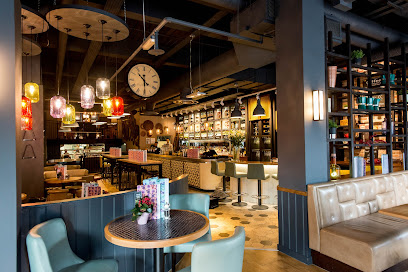
The Owl and Monkey Cocktail Bar
1.9 km
A stylish South Kensington cocktail bar blending tropical design, sustainable mixology, and warm hospitality for memorable nights.
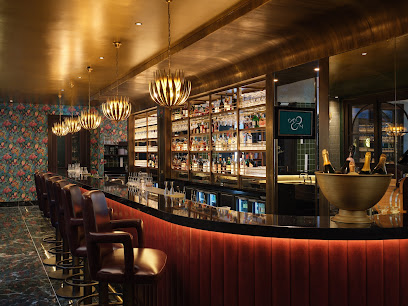
Morpeth Arms
2.0 km
Historic Thameside pub with cask ales, hearty fare, haunted cellars, and MI6 views— a Westminster gem blending Victorian ghosts and modern cheer.
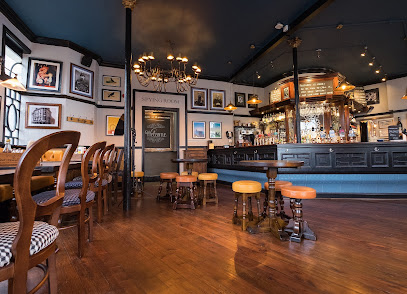
Adam & Eve
2.0 km
Classic Westminster pub pouring real ales and hearty grub amid historic streets—a cozy haven near Parliament and the Abbey for authentic London pints.
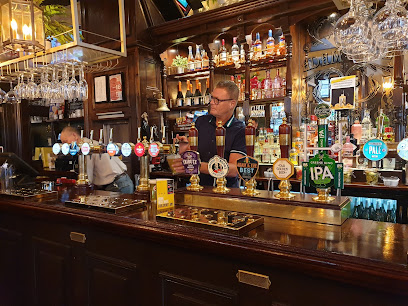
Bar 190
2.1 km
Experience London’s legendary rock ’n’ roll cocktail bar with classic Victorian charm and expertly crafted drinks at Bar 190.
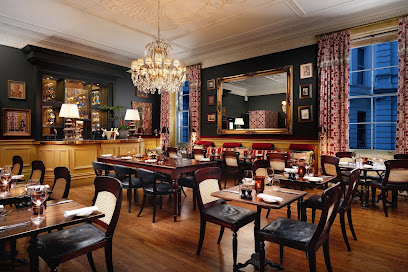
Blue Boar Pub
2.2 km
Traditional Westminster pub serving hearty British classics in a cozy, historic setting near Abbey and Parliament—perfect for ales, roasts, and relaxed evenings.
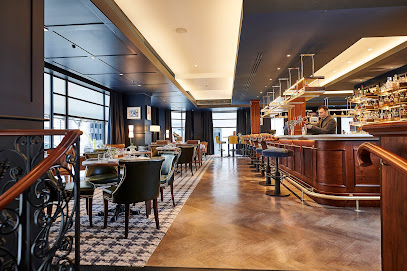
Below
2.3 km
Discover Below at HIDE, a hidden Mayfair cocktail bar offering expertly crafted seasonal drinks and rare spirits beneath a Michelin-starred restaurant.
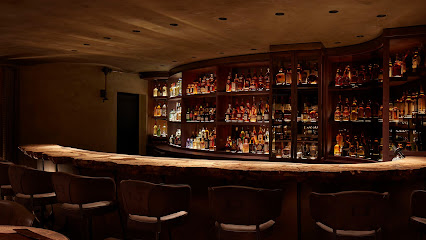
Two Chairmen
2.3 km
Traditional Westminster pub serving hearty pies, fresh ales, and classic British cheer just steps from St. James's Park and Parliament.
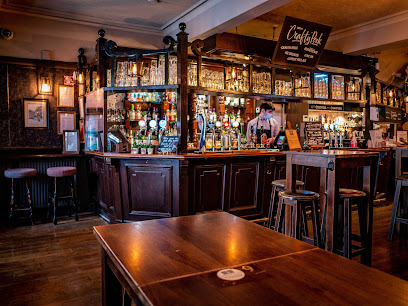
Evans & Peel Detective Agency
2.3 km
Step into a secret 1920s detective office for immersive cocktails, live jazz, and a playful mystery-solving speakeasy experience in London’s Earl’s Court.
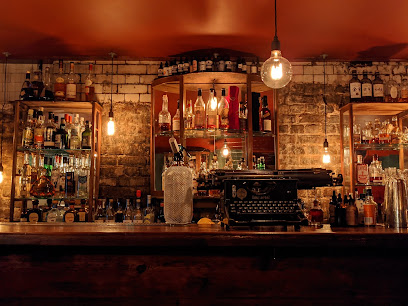
Westminster Arms
2.4 km
Historic Westminster pub with parliamentary division bell, Shepherd Neame ales, and cozy alcoves steps from Abbey and Parliament—timeless British charm in political heart.
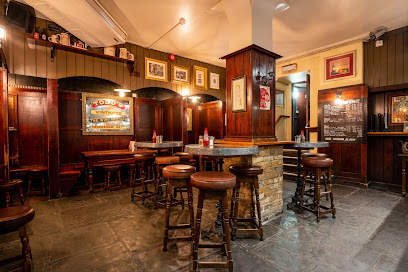
Nightclubs & after hour spots

Dolce Night Club , London
1.4 km
Elite VIP nightclub in South Kensington blending luxurious design, R&B beats, and high-end cocktails for unforgettable weekend revelry.
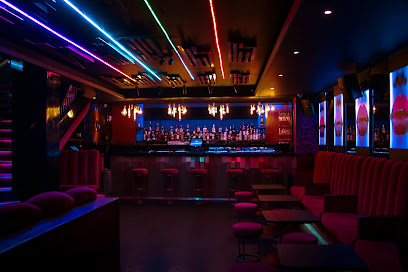
B London
1.5 km
Dive into South Kensington's electric nightlife at B London, where sophisticated beats and stylish crowds fuel unforgettable nights from 9pm till dawn.
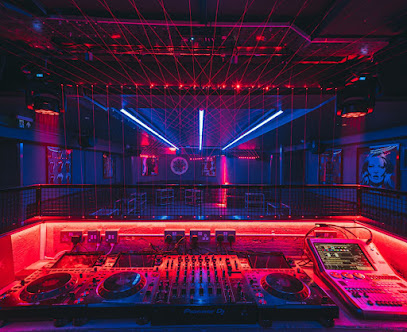
Metric
2.0 km
A compact, collegiate nightclub beneath Imperial College’s Beit Quadrangle — lively student nights, intimate dancefloor and a campus-centred party vibe.
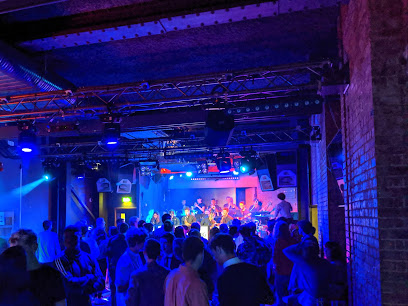
Lightbox London
2.4 km
Dive into dazzling LED realms at Vauxhall's electrifying nightclub, where lights, beats, and all-night energy create unforgettable weekend escapes.
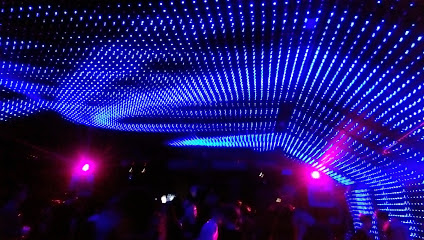
Fire Nightclub
2.4 km
Vauxhall's railway arch behemoth: all-night house marathons, go-go dancers, and dawn-defying beats in London's gay club epicenter.
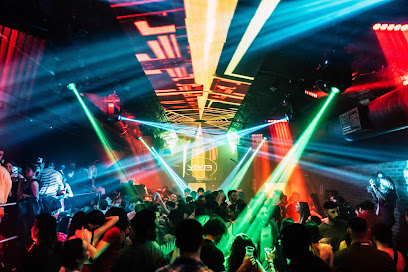
Union
2.4 km
Vauxhall's relentless nightclub heartbeat: techno-fueled nights stretching to dawn in multi-zone bliss along the Thames.
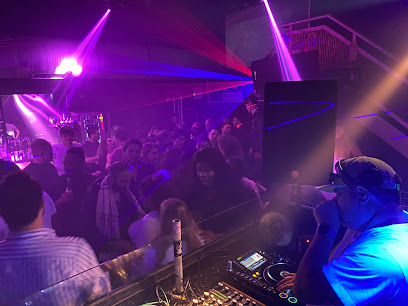
Bootylicious London last Saturday of the month
2.4 km
Late-night Vauxhall institution for raw techno, queer-focused party nights and after-hours clubbing on Albert Embankment.
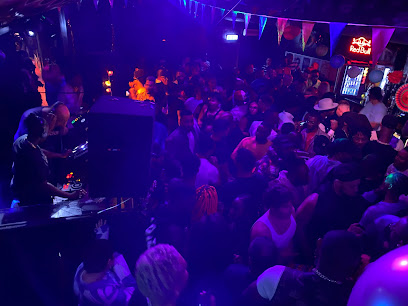
Tabu London
2.5 km
Escape Mayfair's polish for Tokyo's neon-lit Shinjuku alleys at Tabu London—retro gaming vibes, caged dancers, hip-hop beats, and upscale bites fuel epic nights.
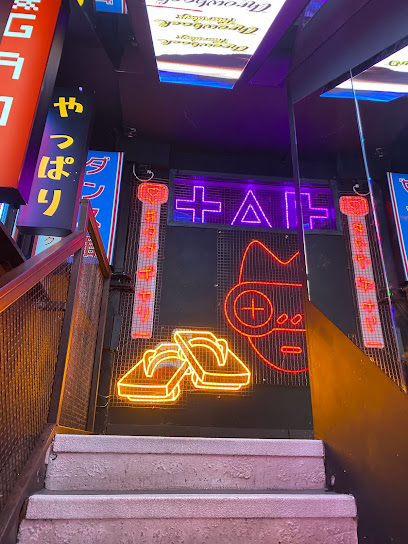
LUXX CLUB LONDON
2.5 km
Experience Mayfair’s premier luxury nightclub with dazzling lights, top DJs, and exclusive VIP vibes at LUXX CLUB LONDON.
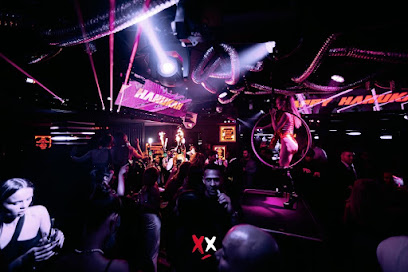
The Scotch of St James
2.7 km
Legendary Mayfair speakeasy where 60s rock stars jammed and today's elite dance till dawn in velvet-clad intimacy.
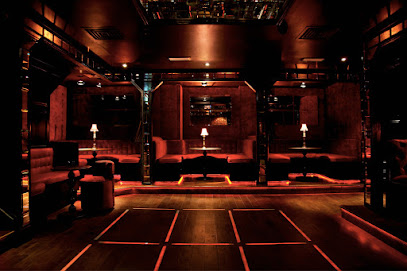
The Cuckoo Club
2.8 km
Exclusive Mayfair nightclub and restaurant blending glamorous design, contemporary cuisine, and vibrant nightlife in London’s upscale scene.
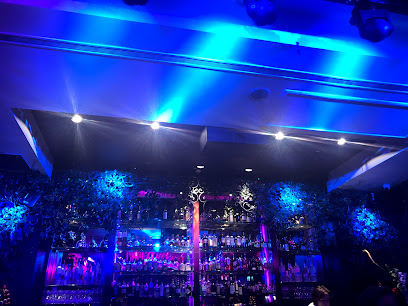
The Clapham Grand
2.8 km
Experience the vibrant nightlife of London at The Clapham Grand, a premier events venue offering live music, comedy, and unforgettable parties.
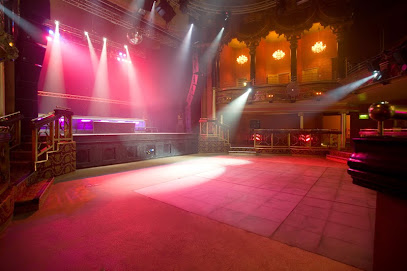
TSQ Club
2.9 km
Dive into Trafalgar Square's nightlife pulse at TSQ Club, where eclectic beats, dazzling lights, and craft cocktails fuel unforgettable weekend nights in London's heart.
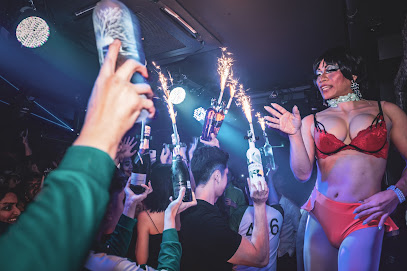
Tiger Tiger London
3.0 km
Experience London’s iconic Haymarket nightclub with six vibrant rooms, lively DJs, and a dynamic party atmosphere just moments from Piccadilly Circus.
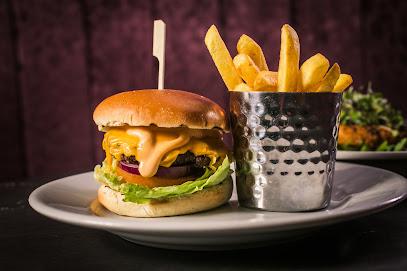
Luxe Club
3.0 km
Experience London's vibrant nightlife at Luxe Club, a central hotspot for music, dancing, and late-night entertainment.
For the vibe & atmosphere seeker
- Historic
- Tranquil
- Scenic
- Unique
- Relaxing
For the design and aesthetic lover
- Vintage Styles
- Art Deco Styles
For the architecture buff
- Historic
- Landmarks
- Sacred Sites
- Parks & Gardens
For the view chaser and sunset hunter
- Iconic Views
- Panoramas
- Waterfront
For the social media creator & influencer
- Instagrammable
- Photo Spots
- Architectural Shots
For the eco-conscious traveler
- Protected Area
- Public-Transport Accessible
- Locally Managed
For the kind of experience you’re after
- Cultural Heritage
- Photowalk
- Day Trip
- Weekend Getaway
- Festival / Event Nearby
For how adventurous you want the journey to be
- Easy Access
Location Audience
- Family Friendly
- Senior Friendly
- Child Friendly
- Teen Friendly
- Wheelchair Access
- Pet Friendly
- Solo Friendly
- Couple Friendly
- Solo Female Friendly


