
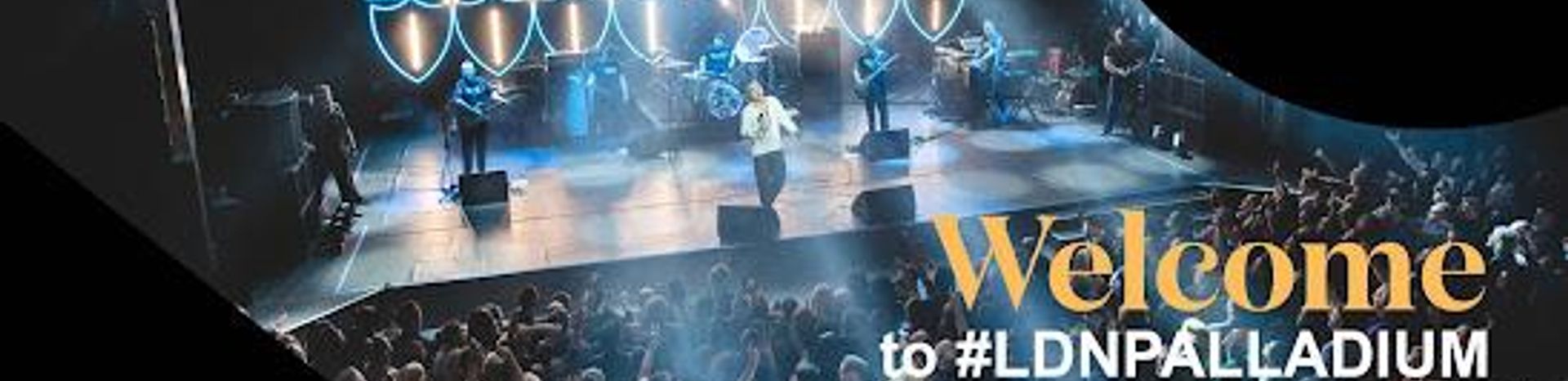
The London Palladium: A Century of Iconic Variety and Theatre Excellence
Iconic West End theatre blending historic grandeur with world-class variety shows and legendary performances since 1910.
The London Palladium, located at 8 Argyll Street in London’s West End, is a Grade II listed theatre renowned for its rich history, grand architecture, and vibrant entertainment legacy. Established in 1910 on a site with a diverse past, it has hosted legendary variety shows, pantomimes, and landmark performances including the Royal Variety Performance. Today, it remains a premier venue blending historic charm with modern productions, attracting theatre enthusiasts worldwide.
A brief summary to The London Palladium
- 8 Argyll St, London, W1F 7TF, GB
- +442039252998
- Visit website
- Duration: 2 to 4 hours
- Mid ranged
-
 Indoor
- Mobile reception: 5 out of 5
Local tips
- Book tickets in advance for popular shows, especially Christmas pantomimes, to secure the best seats.
- Arrive early to enjoy the ornate foyer and soak in the theatre’s historic atmosphere before the performance.
- Check the schedule for special events like the Royal Variety Performance broadcasts to experience unique shows.
- Be prepared for limited standing space during concerts and higher prices for refreshments inside the venue.

For the on-the-go comforts that matter to you
- Restrooms
- Drink Options
- Food Options
- Seating Areas
- Information Boards
Getting There
-
London Underground
Take the Central, Bakerloo, or Victoria lines to Oxford Circus station, approximately a 5-10 minute walk to the theatre. The station is well-served and accessible, though it can be busy during peak hours. No additional fare beyond standard London Underground pricing applies.
-
Bus
Multiple London bus routes serve Oxford Street and Regent Street near the Palladium, including routes 12, 88, and 453. Travel times vary from 15 to 30 minutes depending on traffic. Buses accept contactless payment or Oyster cards.
-
Taxi or Ride-Hailing
A taxi or ride-hailing service from central London locations typically takes 10-20 minutes depending on traffic. Be aware that parking near the theatre is very limited and expensive, so drop-off and pick-up are recommended.
-
Walking
If staying nearby in the West End, walking to the Palladium is pleasant and takes around 10-15 minutes over flat, paved streets. The area is well-lit and pedestrian-friendly, suitable for most visitors.
The London Palladium location weather suitability
-
 Any Weather
Discover more about The London Palladium
Origins and Architectural Grandeur
The London Palladium stands on a site with a layered history, originally home to the Corinthian Bazaar, a temporary wooden structure featuring an aviary. In the 19th century, it was transformed into Hengler’s Grand Cirque, a circus venue with aquatic displays, before becoming the National Skating Palace, an ice rink that ultimately failed. Rebuilt in 1910 by Walter Gibbons and redesigned by famed theatre architect Frank Matcham, the Palladium opened on Boxing Day 1910 as a grand variety theatre. Its ornate baroque interior, featuring lavish white and gold decor and warm red seating, established it as a luxurious venue with a seating capacity of around 3,000, now reduced to 2,286 to enhance comfort and sightlines.Evolution Through Entertainment Eras
Initially a hub for variety shows and musical revues, the Palladium quickly became a cultural cornerstone. Between the 1920s and 1940s, it hosted the famous 'Crazy Gang' shows and was closely associated with the Royal Variety Performance, first held there in 1930. The theatre briefly experimented as a cinema in 1928 but reverted to live performances after a short-lived run. During World War II, it survived an unexploded German bomb lodged above the stage, preserving much of its original structure. Post-war, under impresarios like George Black and Valentine Charles Parnell, the Palladium gained international fame, especially through the ITV broadcast of 'Sunday Night at the London Palladium' from 1955 to 1967.Landmark Performances and Cultural Impact
The Palladium has been graced by legendary performers including Judy Garland, Frank Sinatra, The Beatles, and Diana Ross. It was the site of The Beatles’ breakthrough television appearance in 1963, a moment often credited with sparking Beatlemania. The venue has also premiered major theatrical productions such as 'Cats', 'Joseph and the Amazing Technicolor Dreamcoat', and 'The Sound of Music'. Its Christmas pantomimes have become a beloved tradition, regularly featuring notable stars and drawing families and theatre lovers alike.Modern Adaptations and Continued Legacy
Ownership transferred to Andrew Lloyd Webber’s Really Useful Group in 2000, marking a new chapter of modernization while respecting its heritage. Renovations have updated technical facilities and seating without compromising the theatre’s historic charm. The removal of the outdated revolving stage made way for advanced production technologies, enabling a diverse range of contemporary performances. The Palladium remains a vibrant venue for musicals, comedy, and live music, maintaining its status as a jewel of London’s West End.Atmosphere and Visitor Experience
Visitors to the London Palladium encounter a majestic yet intimate atmosphere, where the grandeur of the interior complements the excitement of live performance. The ornate foyer and lavish auditorium set a tone of elegance and anticipation. The theatre’s acoustics and sightlines are highly praised, contributing to memorable audience experiences. While refreshments tend to be on the pricier side and standing room is limited during concerts, the venue’s historic ambiance and programming make it a must-visit for cultural enthusiasts.Enduring Significance in London’s Cultural Fabric
The London Palladium is more than a theatre; it is a symbol of London’s entertainment heritage and ongoing cultural vitality. Its role in shaping variety theatre, hosting landmark events, and nurturing talent underscores its importance. As it continues to evolve, the Palladium honors its past while embracing new artistic expressions, ensuring its place as a cherished landmark for generations to come.Iconic landmarks you can’t miss

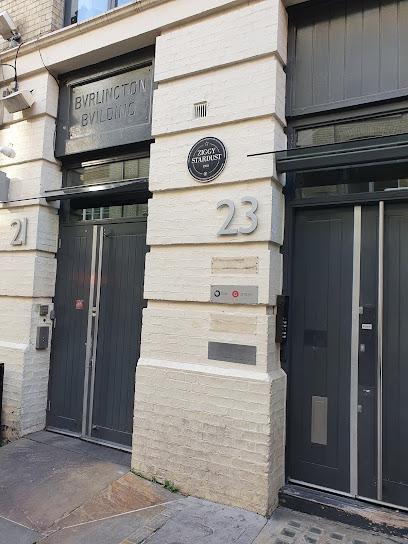
Ziggy Stardust album cover
0.4 km
Step into the legendary London street where David Bowie’s Ziggy Stardust persona was born on an iconic 1972 album cover.
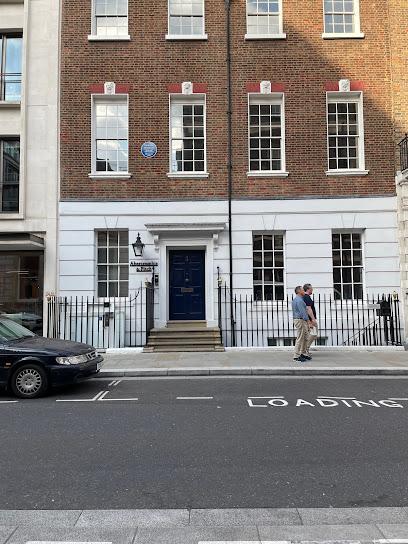
3 Savile Row
0.5 km
Historic Georgian townhouse in London, famed as The Beatles’ Apple Corps HQ and site of their legendary 1969 rooftop concert.
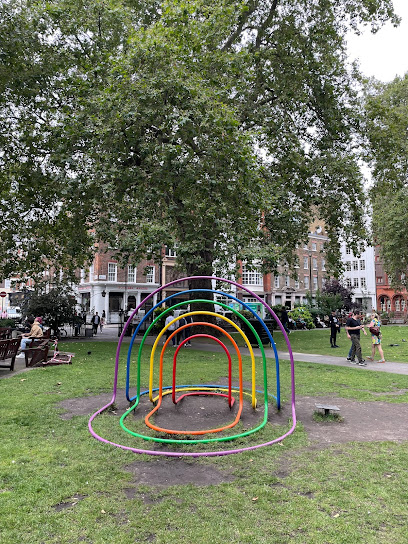
#O hello sunshine Public Art Sculpture
0.6 km
Discover the vibrant O Hello Sunshine sculpture in London, a historical landmark that embodies creativity and community spirit amidst the city's artistic landscape.
Soho Square
0.6 km
Historic Georgian square where aristocrats, scientists, and artists shaped London's cultural legacy
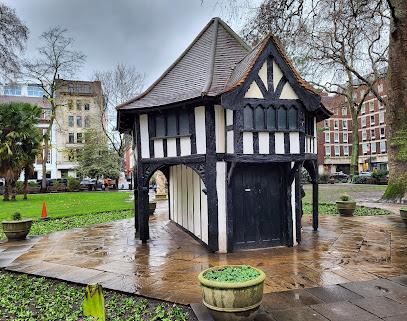
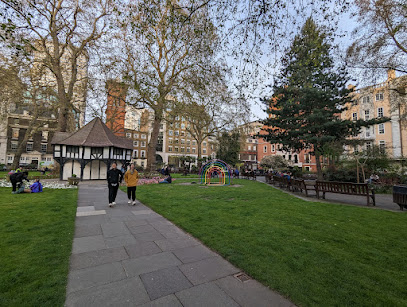
Soho Square Gardens
0.6 km
Explore the calming beauty of Soho Square Gardens, a lush park in the heart of London, perfect for relaxation and socializing.
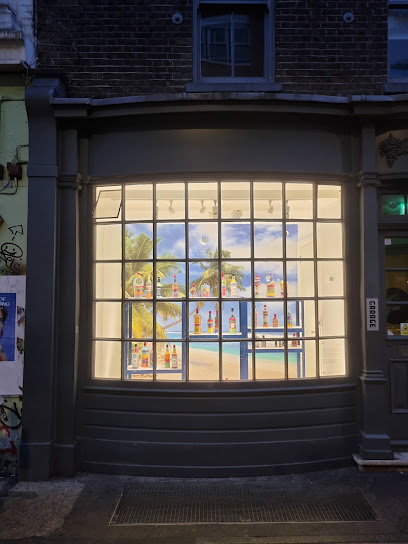
The Smallest Gallery in Soho
0.6 km
Discover unique contemporary art at The Smallest Gallery in Soho, London - an intimate space showcasing emerging talents and established artists.
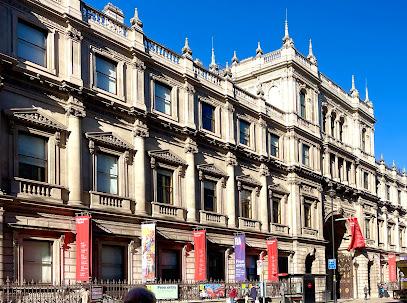
Burlington House
0.6 km
A grand 17th-century mansion on Piccadilly, now home to the Royal Academy of Arts and Britain’s leading learned societies, blending Palladian elegance with centuries of art and science.
Self-Guided Audio Tour - London's Soho, Theatreland and Chinatown
0.6 km
Discover the rich culture and vibrant nightlife of London's Soho, Theatreland, and Chinatown with a self-guided audio tour.
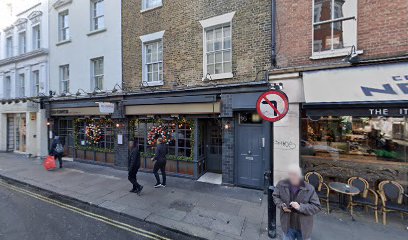
Middlesex House
0.6 km
Experience the blend of modern business and historical charm at Middlesex House in London, a vibrant hub for tourists and professionals alike.
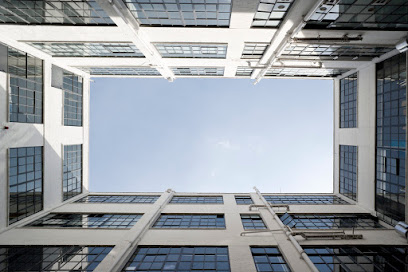
Eros (Shaftesbury Memorial Fountain)
0.7 km
Iconic London landmark honoring Victorian philanthropy with the world’s first aluminium statue, set amidst Piccadilly Circus’s vibrant theatre district.
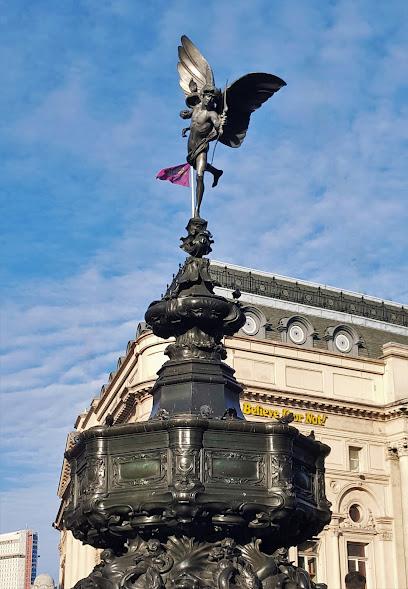
Goodge St
0.7 km
Discover the charm of Goodge Street in London, where history meets vibrant culture, shopping, and diverse dining options.
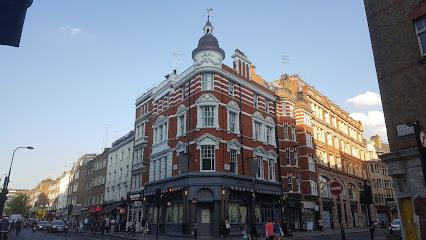
Piccadilly & Piccadilly Circus
0.7 km
London's dazzling heart: iconic neon lights, legendary Eros statue, and the pulsing epicentre of West End entertainment.
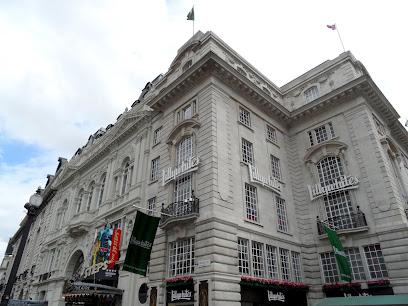
225 Piccadilly Circus
0.7 km
At the luminous heart of London’s West End, 225 Piccadilly Circus dazzles with history, iconic lights, and vibrant urban energy.
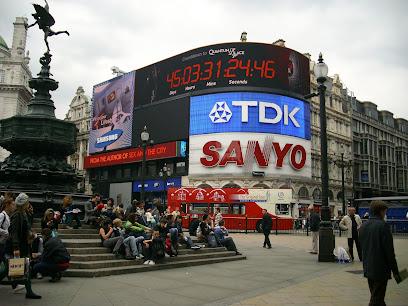
Piccadilly Circus
0.7 km
Piccadilly Circus pulses with iconic neon lights, historic monuments, and vibrant street life at the heart of London’s West End.

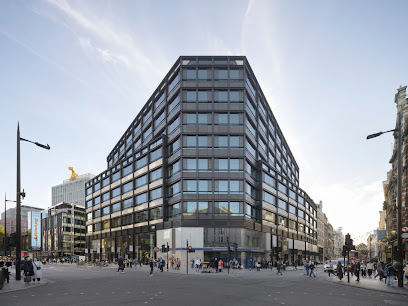
1 Soho Place
0.7 km
Explore 1 Soho Place: A vibrant business park in London's Soho, surrounded by eclectic eateries, shops, and cultural landmarks.
Unmissable attractions to see

Liberty
0.1 km
Discover Liberty London, a Tudor revival treasure in the heart of London, blending historic craftsmanship with iconic luxury fabrics and design.
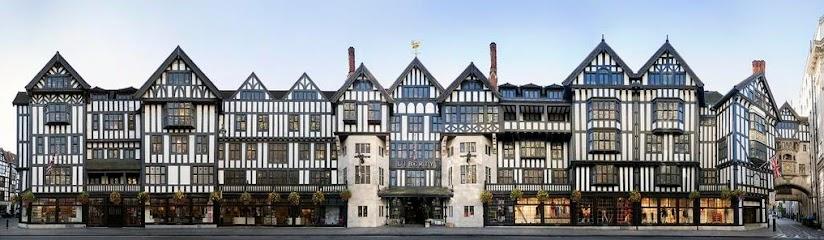
Liberty’s clock
0.1 km
Discover Liberty’s Clock, a charming emblem on London’s iconic Tudor revival department store blending historic craftsmanship with vibrant design heritage.
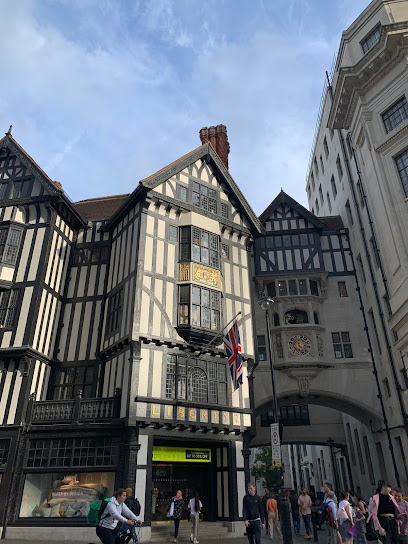
237 Oxford St
0.1 km
Historic mid-rise apartments on Oxford Street, blending classic architecture with London’s vibrant West End energy.
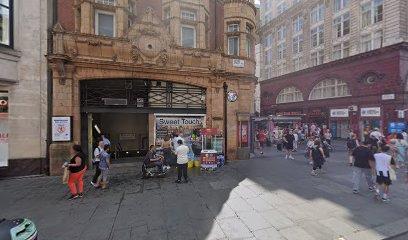
The Photographers' Gallery
0.1 km
London's premier gallery dedicated exclusively to photography, showcasing diverse exhibitions and celebrating 100 years of photographic innovation.
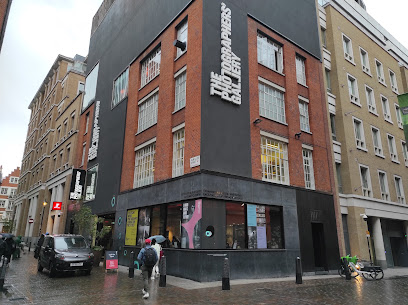
Starbucks Coffee
0.1 km
A vibrant Starbucks café in London’s iconic Carnaby district, blending global coffee culture with local urban energy.
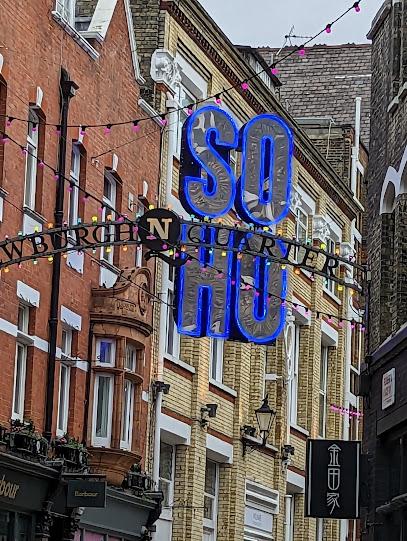
Oxford St
0.1 km
Europe’s busiest shopping street, Oxford Street offers over 300 shops from luxury department stores to high-street favorites in London’s vibrant West End.
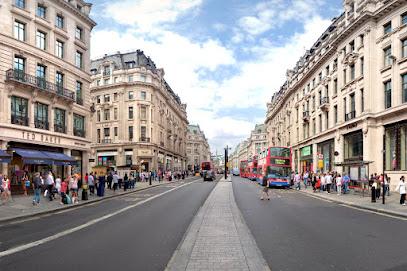
See Your City
0.2 km
Discover London's magic with See Your City: expertly guided tours and experiences that unveil the essence of England's vibrant capital.
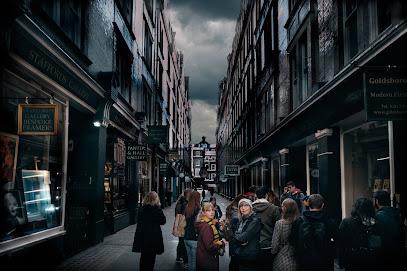
Regent St.
0.2 km
Discover the timeless elegance and world-class shopping of Regent Street, London’s premier mile of style and culture in the heart of the West End.
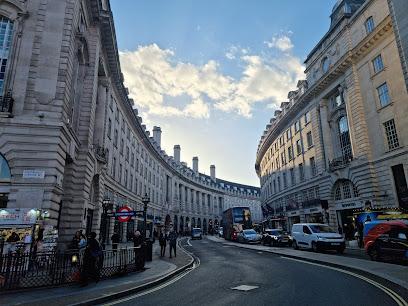
Carnaby St
0.2 km
Explore Carnaby Street, London’s legendary pedestrianized shopping and dining district blending iconic fashion, rich history, and vibrant culture.
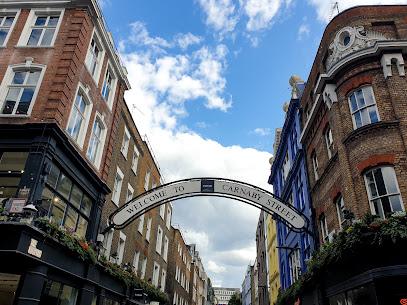
The Blind Pig at Mary's est. 2024
0.2 km
Discover The Blind Pig at Mary's in London - a vibrant bar offering innovative cocktails and a lively atmosphere in the heart of the city.
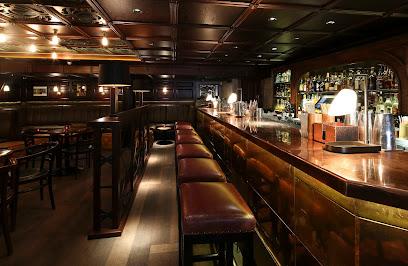
Fashion Space Gallery
0.2 km
Contemporary fashion exhibitions at the intersection of art, design, and cultural critique in Central London.
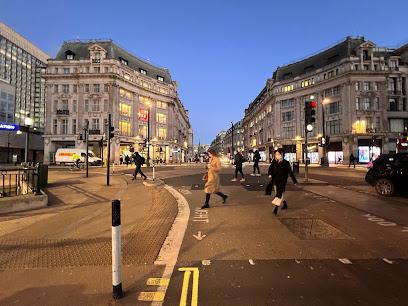
Hamleys
0.2 km
Discover the magic of Hamleys, London's iconic toy store, where imagination comes to life with seven floors of endless fun and excitement.
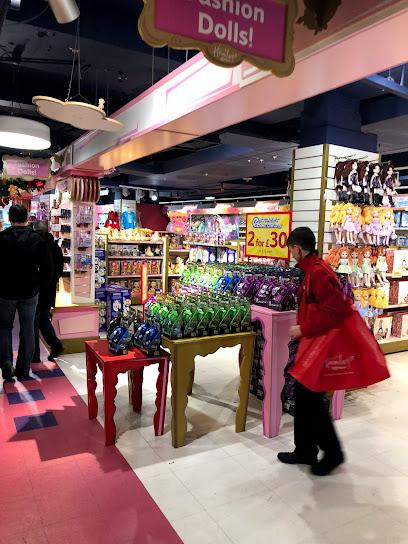
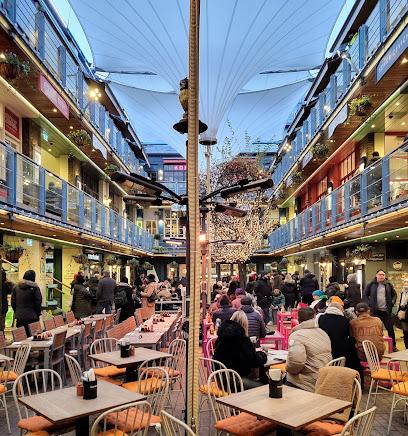
Kingly Court
0.2 km
A vibrant three-level Soho courtyard serving global cuisines and stylish bars just off iconic Carnaby Street.
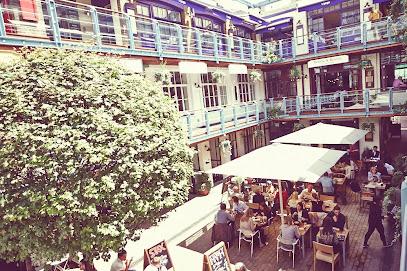
Kingly Ct
0.2 km
Discover Kingly Court, a colourful three-storey courtyard in Soho offering world-class dining, unique shops, and a vibrant atmosphere in London’s West End.
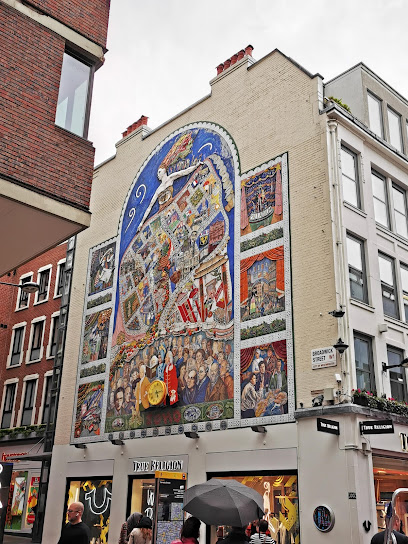
Spirit of Soho Mural
0.3 km
A vibrant mosaic celebrating Soho’s rich artistic heritage and community spirit at the corner of Carnaby and Broadwick Streets.
Essential places to dine

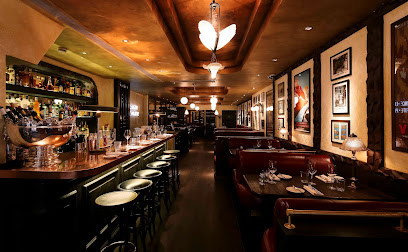
Little Social
0.2 km
Stylish Mayfair bistro offering refined modern British small plates with an intimate atmosphere and excellent wine selection.
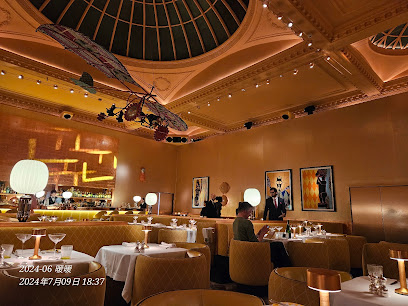
sketch
0.2 km
An iconic Mayfair venue blending avant-garde art, Michelin-starred dining, and whimsical design for an unforgettable London experience.
Social Eating House
0.3 km
Modern European dining in Soho with creative British flair, relaxed elegance, and an intimate chef’s counter experience.
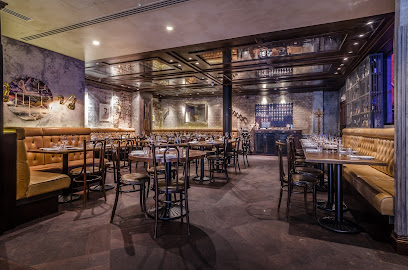
Blanchette
0.3 km
Cozy Soho French bistro serving modern small plates, charcuterie, and exquisite cheese and honey pairings in a Parisian-inspired setting.
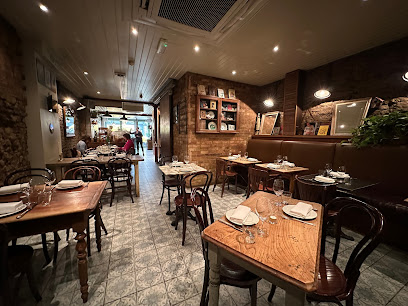
Bob Bob Ricard Soho
0.3 km
Experience glamorous British & French dining in Soho with iconic booths and a unique ‘Press for Champagne’ button at every table.
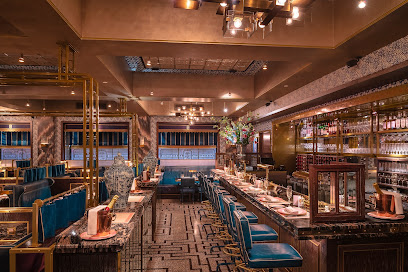
Andrew Edmunds Restaurant
0.3 km
A romantic Soho townhouse serving refined Franco-Mediterranean dishes with an acclaimed wine list in an intimate, candlelit setting.
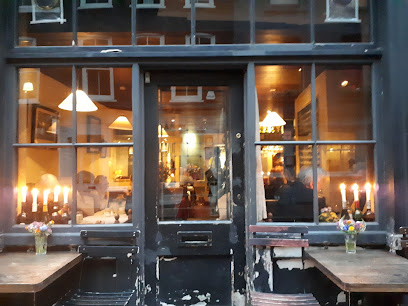
NOPI
0.3 km
Experience vibrant Mediterranean and Middle Eastern flavors in Soho at NOPI, Ottolenghi’s innovative restaurant known for shareable, seasonal dishes.
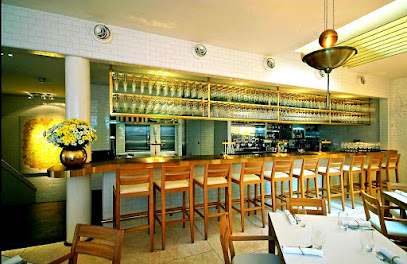
Inamo
0.4 km
Experience futuristic Asian fusion dining with interactive tables and vibrant sharing plates in the heart of London’s Covent Garden.
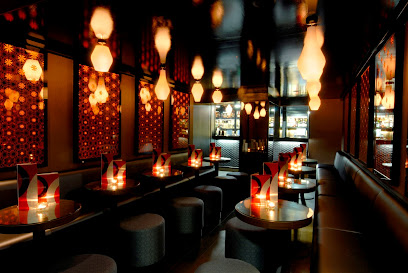
Mele e Pere
0.5 km
Discover authentic Italian flavors and a rich vermouth selection in the cozy, candlelit basement of Soho’s Mele e Pere.
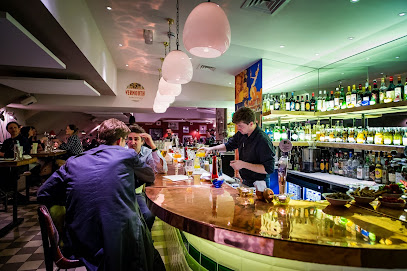
Blacklock Soho
0.5 km
A vibrant Soho basement chophouse serving exceptional grass-fed steaks and chops in a lively, rustic setting with unbeatable value.
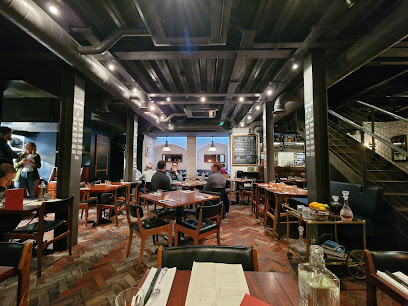
Bantof
0.5 km
Discover Bantof, Soho’s intimate hotspot blending Michelin-starred modern European cuisine, inventive cocktails, and vibrant art in a stylish, welcoming setting.
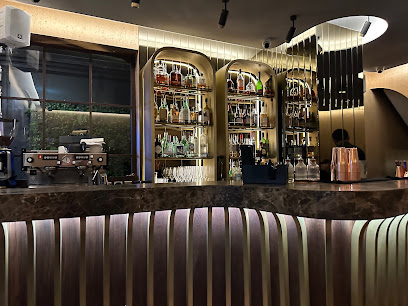
Quo Vadis
0.5 km
An iconic Soho dining destination blending refined modern British cuisine with elegant historical charm and a lively, convivial atmosphere.
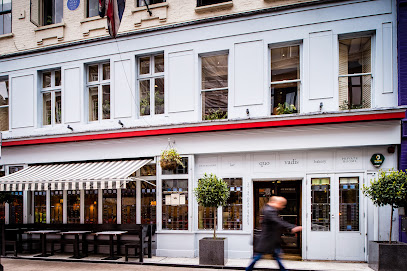
Kricket Soho
0.6 km
Discover bold, modern Indian small plates in a lively Soho setting with an open kitchen and vibrant basement dining.
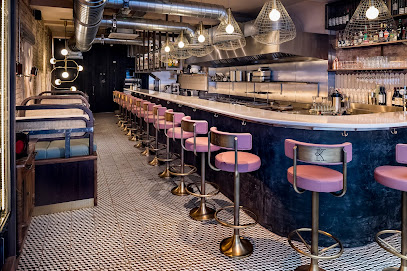
Sussex Bar & Restaurant
0.6 km
A vibrant Soho bistro blending Sussex countryside flavors with London’s energy, featuring seasonal British dishes and curated wines.
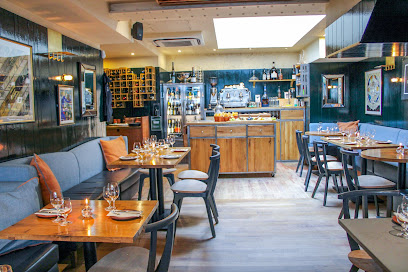
Portland
0.6 km
Michelin-starred modern European dining in Fitzrovia, blending seasonal British ingredients with refined, creative flavors in an intimate setting.
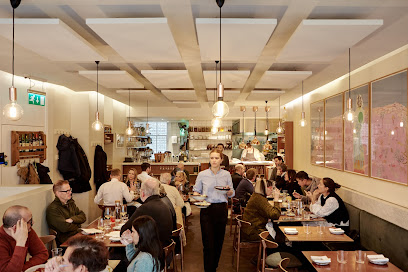
Markets, malls and hidden boutiques

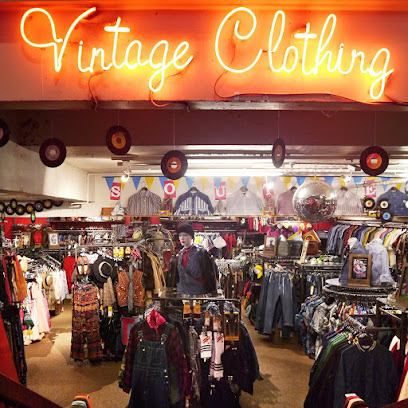
Beyond Retro Soho
0.1 km
Dive into Soho's ultimate vintage vault: two floors of era-spanning fashion, weekly drops, and pop-up vibes for the preloved obsessed.
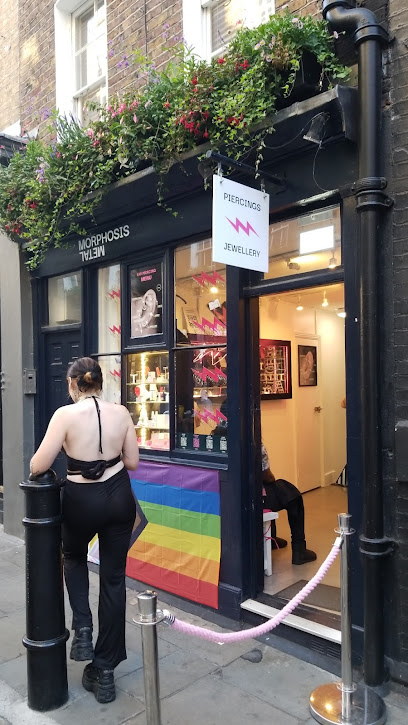
Canvas Collection
0.1 km
Discover handmade ceramics, jewelry, and accessories in Carnaby's artistic gift haven—unique treasures from London's creative makers.
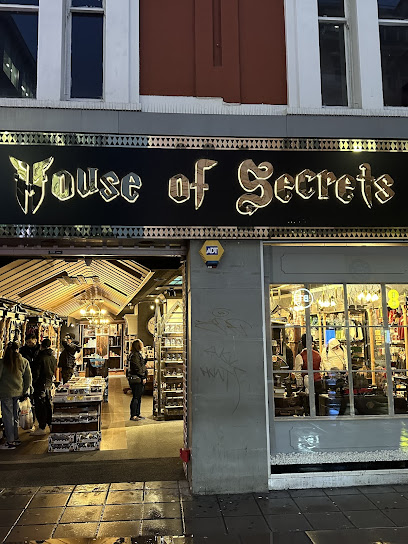
House of secrets
0.2 km
Step into House of Secrets on Oxford Street and discover a magical world of Harry Potter collectibles and enchanting souvenirs in the heart of London.
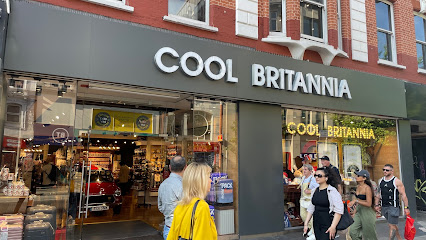
Cool Britannia Oxford Street
0.3 km
Discover authentic British souvenirs and capture timeless memories in the heart of London at Cool Britannia Oxford Street.
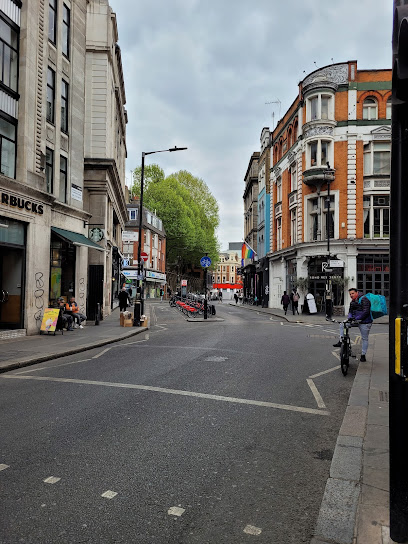
Pop Up 38
0.4 km
A compact, curated boutique on Broadwick Street offering rotating seasonal pieces and design-led accessories in the heart of Soho.
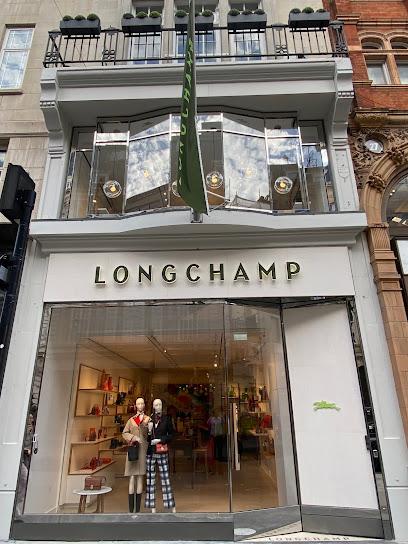
LONGCHAMP
0.4 km
Discover French luxury and craftsmanship at Longchamp’s elegant Bond Street boutique in London’s exclusive Mayfair district.
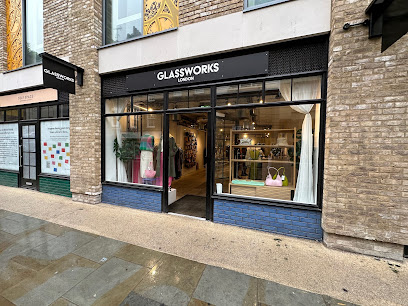
Glassworks London - Soho
0.4 km
Discover limited-edition London fashion at Glassworks Soho: quality designs, weekly drops, and timeless style on vibrant Berwick Street.
Souvenir Shop
0.5 km
Discover authentic British souvenirs in the heart of London’s iconic Oxford Street.
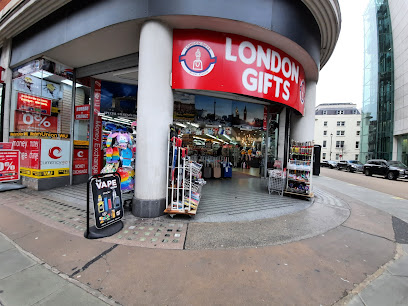
CLOSET CASE SOHO LONDON
0.5 km
Discover avant-garde menswear from global designers in Soho's vibrant heart – unique finds for the bold dresser at Closet Case.
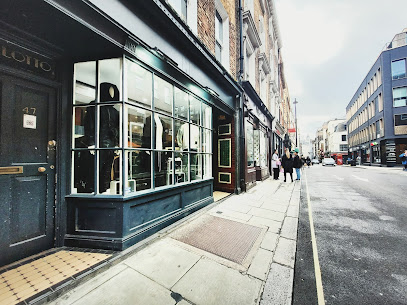
JW Anderson London Soho
0.5 km
Soho's avant-garde flagship: minimalist Shaker-inspired space brimming with gender-fluid luxury fashion, artisanal homewares, and exclusive collaborations.
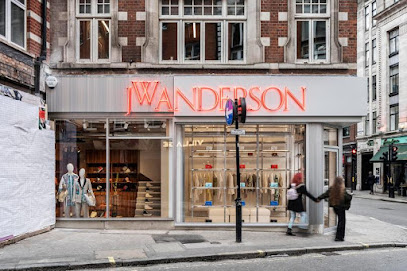
Machine-A
0.5 km
Small but influential Soho boutique showcasing curated avant‑garde and emerging fashion with gallery‑like presentation.
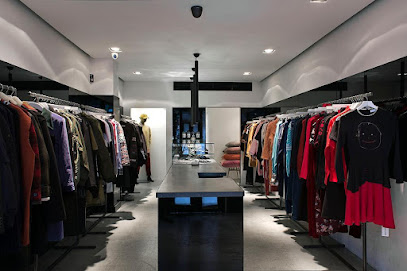
Radha's Boutique
0.5 km
A small, curated Soho boutique offering tactile womenswear and accessories with friendly, personalised service in the heart of central London.

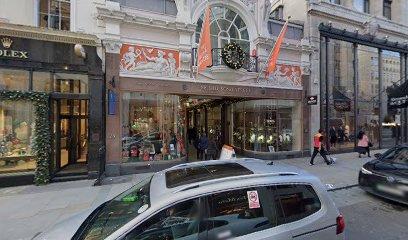
28 The Royal Arcade
0.6 km
Step into London's oldest Victorian shopping arcade, where historic charm meets luxury boutiques in the heart of Mayfair.
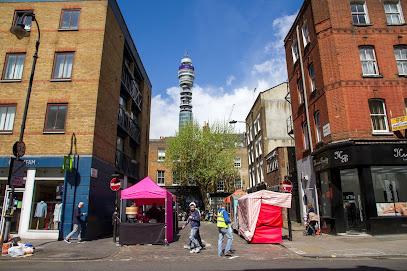
Goodge Place Market
0.6 km
A vibrant street food market in the heart of Fitzrovia, offering diverse flavors and a relaxed atmosphere just steps from central London.
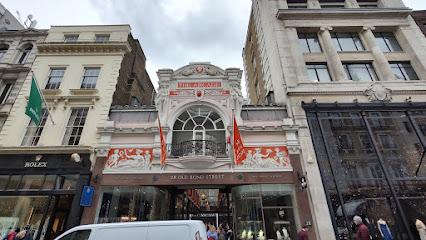
Charbonnel et Walker
0.6 km
Britain’s first luxury chocolatier since 1875, nestled in Mayfair’s Royal Arcade – where tradition, truffles and royal patronage meet in every exquisite box.
Essential bars & hidden hideouts

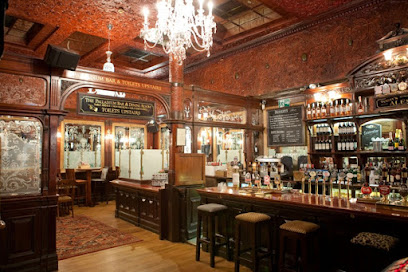
The Argyll Arms
0.1 km
Step into The Argyll Arms, a Victorian-era pub gem in Soho blending historic charm, real ales, and hearty British fare near Oxford Circus.
Cahoots London
0.3 km
Step into a 1940s London underground tube station and enjoy creative cocktails in a vibrant, theatrical vintage setting.
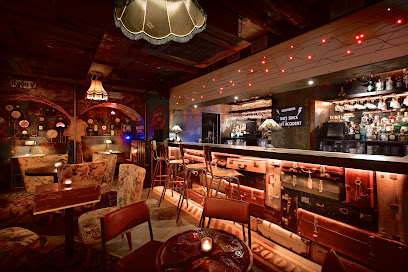
Disrepute - Soho
0.3 km
Descend into Soho's glamorous underworld at Disrepute, where 1960s scandal meets masterful cocktails in velvet-clad vaults—Soho's seductive late-night escape.
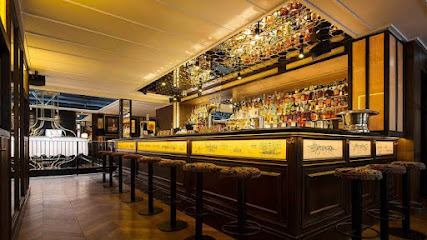
NQ64 Soho
0.3 km
Dive into a neon-lit world of retro arcade games and themed cocktails in the heart of Soho’s vibrant nightlife scene.
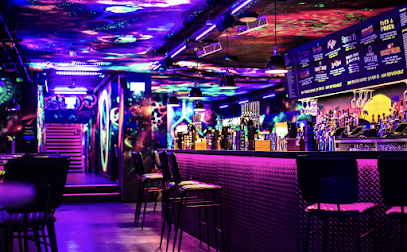
Punch Room
0.4 km
An exclusive Fitzrovia cocktail bar where historic punch traditions meet innovative craft mixology in a cozy, club-like setting.
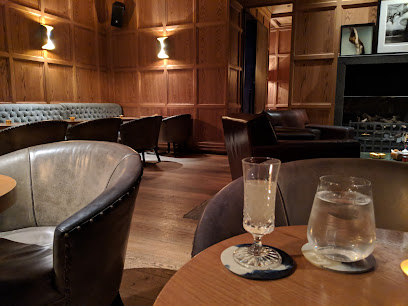
Basement Sate
0.4 km
Discover Soho’s chic basement bar where decadent desserts meet expertly crafted cocktails in an intimate, stylish setting.
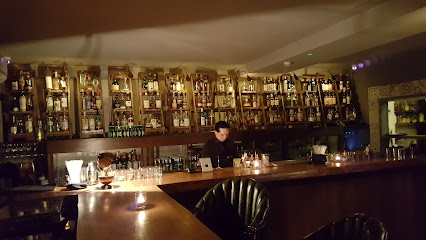
Duke of Argyll
0.5 km
Step into the Duke of Argyll for authentic Victorian pub charm, affordable ales, and a warm Soho atmosphere in central London.
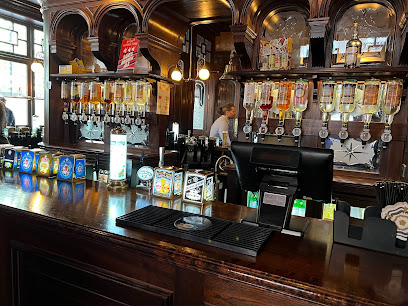
The Thin White Duke
0.5 km
Discover Soho’s intimate cocktail bar inspired by David Bowie, blending bespoke drinks, award-winning dim sum, and creative recording studios.
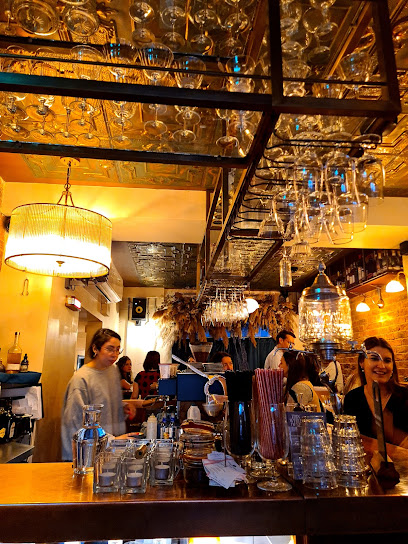
The Cocktail Club - Cocktail Bar in Fitzrovia
0.6 km
A vibrant, punk-inspired basement bar in Fitzrovia serving inventive cocktails and lively nights with flair and fun.
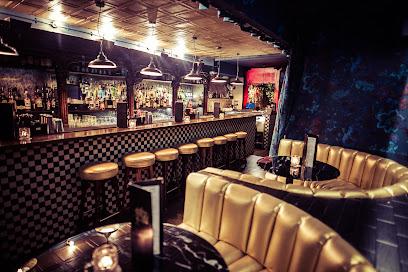
The Black Horse - Pub & Cocktail Bar
0.6 km
Experience the perfect blend of traditional pub charm and stylish cocktails in the heart of Soho’s vibrant nightlife.
Duke Of Wellington
0.6 km
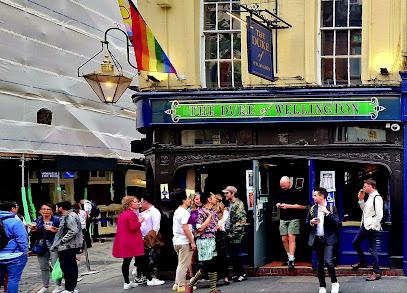
A lively Soho pub blending traditional British charm with modern nightlife energy on Wardour Street.
Henson's Bar and Social
0.6 km
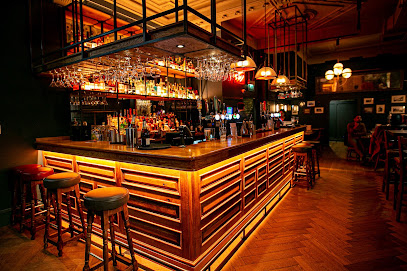
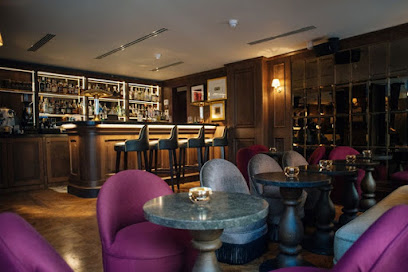
Soho's oak-panelled cocktail sanctuary: precise classics, inventive signatures, and fireside intimacy amid Frith Street's electric vibe.
The Admiral Duncan - Soho
0.6 km
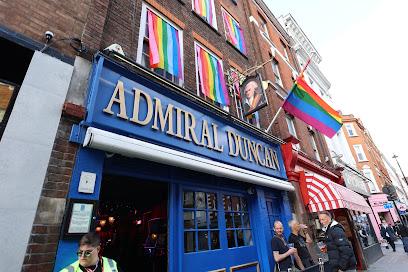
Historic Soho gay pub and resilient LGBTQ+ landmark, symbolizing community strength and vibrant nightlife since the 1830s.
Simmons Bar | Soho
0.6 km
Soho's kitsch cocktail den with epic happy hours, retro karaoke vibes, and two floors of nostalgic nightlife fun.
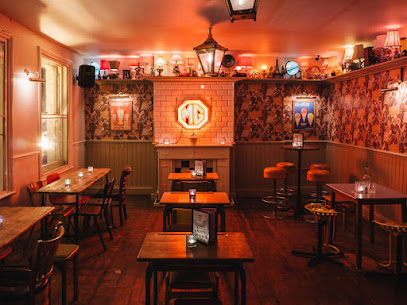
Thirst Bar Soho
0.6 km
Compact Soho cocktail bar by day, pulsing DJ‑led club by night—cheap cocktails, leather booths and a lively basement scene.
Nightclubs & after hour spots

Sunset night club
0.3 km
Dive into Soho's electric nightlife at Sunset Night Club, where thumping beats, craft cocktails, and dawn-chasing energy define unforgettable nights in London's vibrant core.
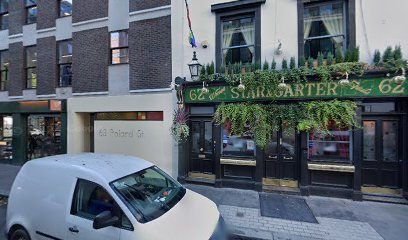
Bordello London
0.3 km
Dive into Soho's seductive basement beats at Bordello London, where Wardour Street's nightlife legacy ignites late-night frenzy on weekends.
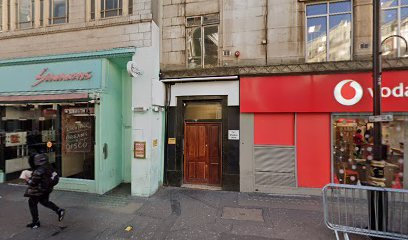
101 Nightclub London
0.3 km
Soho's raw Saturday night pulse: intimate beats, crowded floors, and unfiltered London club energy on Wardour Street.
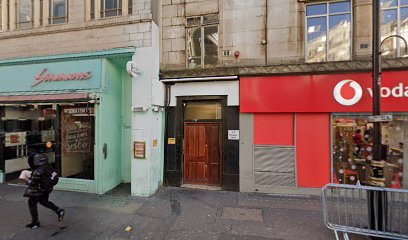
Carwash Nightclub
0.4 km
Europe's longest-running disco since 1989: sequins, funk beats, and joyful dancing in Mayfair's retro heart. Join the glitter-fueled party!
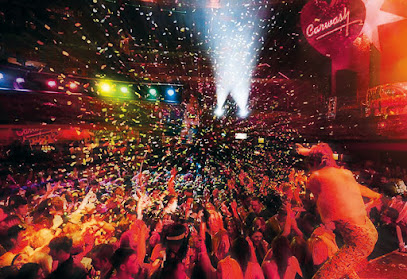
St Moritz Club
0.4 km
Soho's retro basement nightclub: 1960s vibes meet modern beats in an intimate, wood-paneled haven beneath a Swiss chalet restaurant.
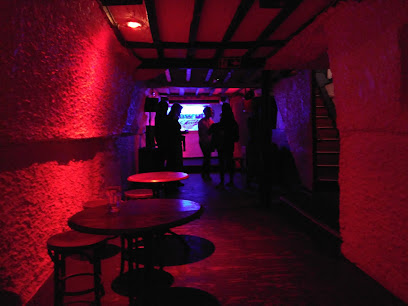
The Box Soho
0.5 km
A clandestine Soho cabaret where decadent staging, provocative shows and high‑end cocktails collide in an intense late‑night theatre.
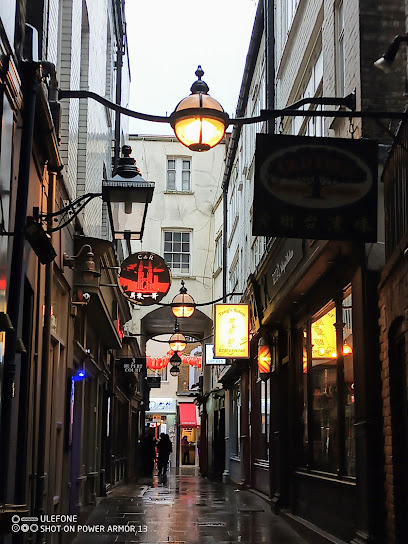
Versity Camp Nightclub
0.5 km
Dive into Soho's beating heart at Versity Camp Nightclub, where thumping bass, inventive cocktails, and an electric crowd fuel unforgettable nights until dawn.
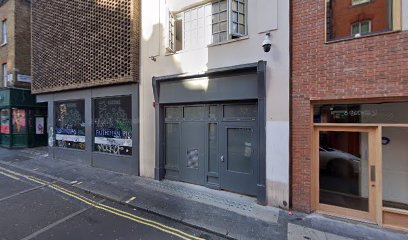
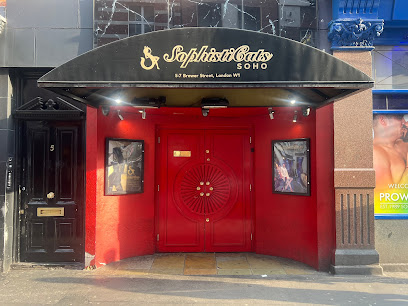
Sophisticats Soho
0.5 km
An intimate, late‑night Soho gentlemen’s club on Brewer Street offering staged performances, VIP seating and an upmarket, discreet atmosphere.
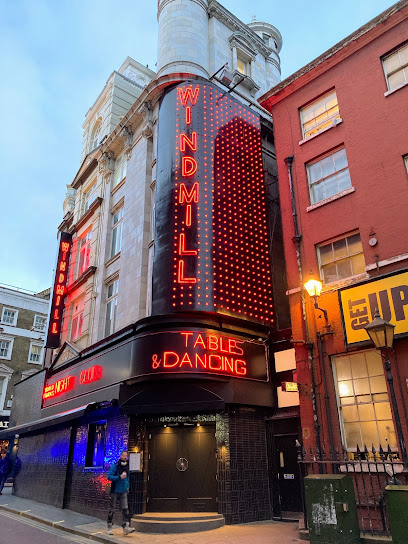
The Windmill Soho | Restaurant, Cabaret & Nightclub in Soho, London
0.6 km
Soho's legendary cabaret den revived: burlesque bites, theatrical feasts, and all-night beats in a historic hotspot of hedonism.
The Cuckoo Club
0.6 km
Exclusive Mayfair nightclub and restaurant blending glamorous design, contemporary cuisine, and vibrant nightlife in London’s upscale scene.
La Capannina Club
0.6 km
Discover Soho's discreet gentlemen's club: seductive stage shows, cosy vibes, and late-night allure in London's nightlife heart.
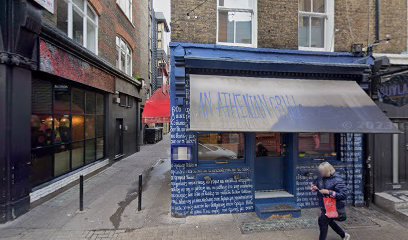
Club49Soho
0.7 km
Soho's stylish cocktail haven with DJ-fueled dancefloor energy, blending upscale drinks and classy nightlife vibes until 3am.
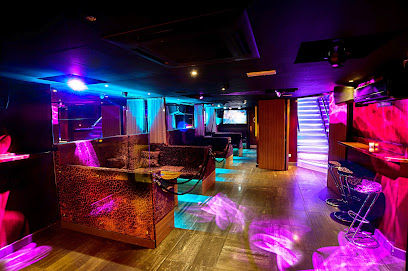
LUXX CLUB LONDON
0.7 km
Experience Mayfair’s premier luxury nightclub with dazzling lights, top DJs, and exclusive VIP vibes at LUXX CLUB LONDON.
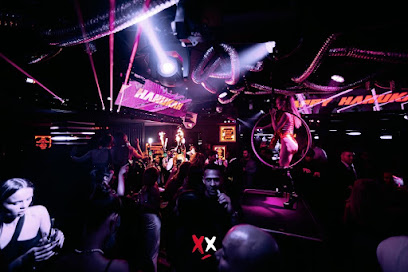
Luxe Club
0.7 km
Experience London's vibrant nightlife at Luxe Club, a central hotspot for music, dancing, and late-night entertainment.
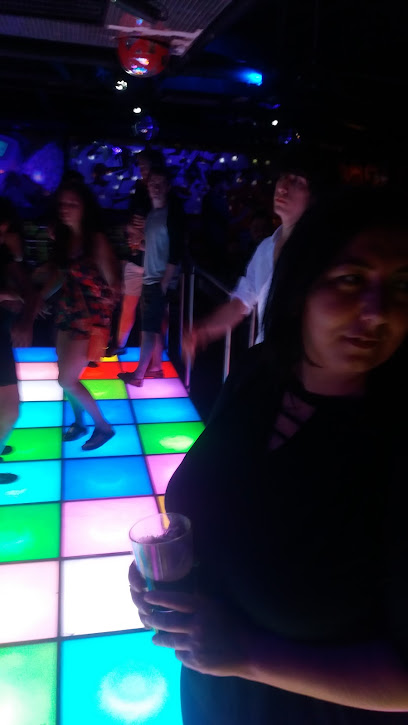
Tabu London
0.8 km
Escape Mayfair's polish for Tokyo's neon-lit Shinjuku alleys at Tabu London—retro gaming vibes, caged dancers, hip-hop beats, and upscale bites fuel epic nights.
For the vibe & atmosphere seeker
- Lively
- Scenic
- Unique
- Entertaining
- Romantic
For the design and aesthetic lover
- Vintage Styles
- Art Deco Styles
For the architecture buff
- Historic
- Landmarks
- Art & Design
For the view chaser and sunset hunter
- Iconic Views
For the social media creator & influencer
- Instagrammable
- Photo Spots
- Architectural Shots
For the eco-conscious traveler
- Public-Transport Accessible
For the kind of experience you’re after
- Cultural Heritage
- Photowalk
- Weekend Getaway
- Festival / Event Nearby
For how adventurous you want the journey to be
- Easy Access
Location Audience
- Family Friendly
- LGBT Friendly
- Senior Friendly
- Child Friendly
- Teen Friendly
- Wheelchair Access
- Pet Friendly
- Solo Friendly
- Couple Friendly
- Solo Female Friendly
- Vegetarian Friendly
- Vegan Friendly


