
Byland Abbey, Yorkshire And The Humber Travel Guide
Explore the grand ruins of Byland Abbey, a masterpiece of early Gothic architecture nestled in North Yorkshire’s tranquil moorlands.
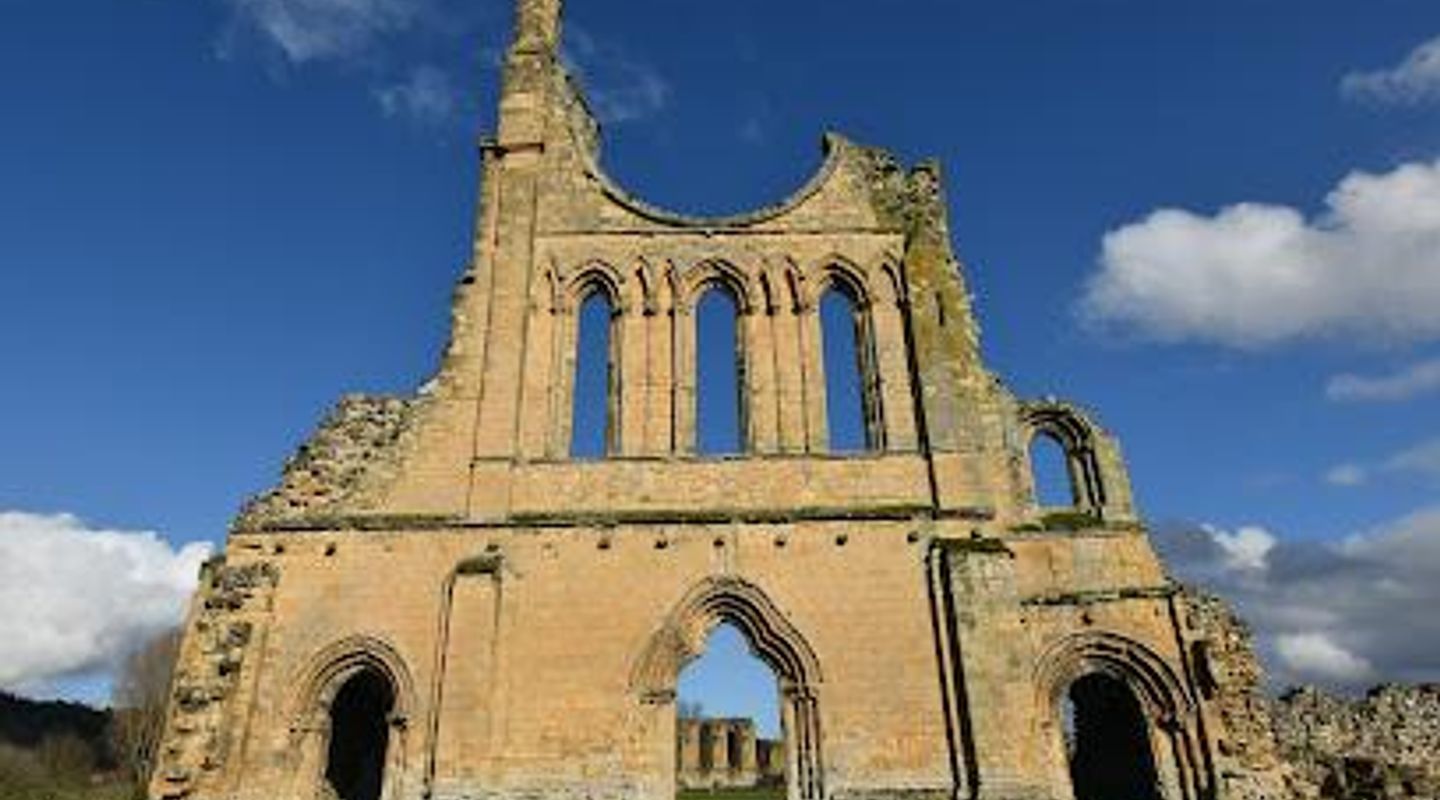
Byland Abbey, near York in North Yorkshire, is a remarkable ruined Cistercian monastery renowned for its exceptionally large cloister and elaborate early Gothic church architecture. Founded in 1135 and rebuilt from 1147, it was once home to a thriving monastic community and played a significant role in medieval wool trade. Today, visitors explore atmospheric ruins featuring intricate 13th-century floor tiles, a vast west front, and a peaceful rural setting within the North York Moors National Park.
A brief summary to Byland Abbey
- 65, York, Byland Abbey, YO61 4BD, GB
- Click to display
- Click to display
- Duration: 1 to 3 hours
- Free
-
 Outdoor
- Mobile reception: 4 out of 5

Know before you go
Hi, I'm Eve. Here are a few practical things to know before exploring Byland Abbey.
- Visit on a Saturday to join the free guided abbey tour at noon for an immersive historical experience.
- Wear sturdy footwear to comfortably explore the uneven ruins and surrounding grounds.
- Check weather conditions before visiting, as the site is outdoors and can be exposed to wind and rain.
- Take time to walk the labyrinth on site for a peaceful moment of reflection inspired by the monks’ traditions.
- Combine your visit with a walk or cycle ride in the North York Moors National Park for scenic countryside views.
Do you manage this location?
Take control to get all the benefits, like improved information, better appearance, and stronger visibility across AI-powered discovery. Learn more about listing your business on Evendo
Activate your presenceOther nearby places you may find interesting
The closest places of the same kind, if this one is not quite what you had in mind.



Explore Byland Abbey on the Map
A handpicked selection of must-see spots near Byland Abbey, mapped for you.
Unlock the Best of Byland Abbey
Buy tickets
-
No tickets available
Book tours with entry


Book tours without entry
-
No tours available
Getting There
-
Car
Driving from York to Byland Abbey takes approximately 45 to 60 minutes via the A19 and local roads. Parking is limited to a small car park near the site with space for about nine cars; arrive early during peak times. No parking fee applies.
-
Bus
Take a regional bus from York to Helmsley, which takes about 1.5 to 2 hours depending on service frequency. From Helmsley, a taxi or a 5-km walk along country lanes and footpaths leads to Byland Abbey. Bus services may be limited on weekends and holidays.
-
Walking
For hiking enthusiasts, Byland Abbey can be reached on foot from Helmsley or Coxwold via marked trails through the North York Moors National Park. Walking times vary from 1 to 2 hours depending on the starting point and terrain, which includes some uneven and grassy paths.
For the on-the-go comforts that matter to you
-
 Restrooms
-
 Seating Areas
-
 Picnic Areas
-
 Information Boards
Discover more about Byland Abbey
A Monument of Northern Gothic Architecture
Byland Abbey stands as one of the most ambitious Cistercian abbeys built in 12th-century England, noted for its grand scale and architectural elaboration. Its church, constructed over 30 years from the mid-1100s, was among the earliest and most elaborate Gothic buildings in northern England. The abbey’s design features a cruciform plan with a twelve-bay nave, a lantern tower at the crossing, and a distinctive three-storey internal elevation. Its stone columns, wooden vaults, and the large west front with lancet windows and a rose window base reflect the evolving Gothic style, influencing other ecclesiastical buildings across the region.Historical Journey and Monastic Life
Originally founded as a Savigniac monastery in 1135, Byland Abbey became part of the Cistercian order in 1147 after several relocations. Despite early disputes with neighboring abbeys, it flourished by the late 12th century, housing up to 36 monks and 100 lay brothers. The abbey was economically significant for sheep rearing and wool exports, contributing to its wealth. It witnessed turbulent times, including the 1322 Battle of Old Byland nearby and the eventual dissolution in 1539 under Henry VIII, after which it was stripped and left in ruins.Architectural and Archaeological Highlights
Visitors today can admire the extensive ruins, including the well-preserved west front, the large cloister arcades, and the unique lay brothers’ cloister. The site features some of the finest surviving 13th-century glazed floor tiles, adding color and detail to the stone ruins. The abbey’s layout reveals monastic life’s evolution, with evidence of early Cistercian planning and later adaptations. A small museum on site displays archaeological finds such as stone carvings and an ink stand used during the abbey’s surrender, enriching the visitor experience.Serene Setting in the North York Moors
Set amidst rolling hills and lush greenery within the North York Moors National Park, Byland Abbey offers a tranquil atmosphere for reflection and exploration. The peaceful rural landscape complements the historic ruins, inviting leisurely walks and moments of contemplation akin to those of the medieval monks. The abbey’s labyrinth, constructed with natural materials, provides a unique spiritual experience for visitors seeking calm and connection with the site’s heritage.Visitor Experience and Community Engagement
Byland Abbey is open year-round during daylight hours with free entry, supported by English Heritage. Guided tours are available weekly, offering insights into the abbey’s history and architecture. Facilities nearby include a small car park, public restrooms, and local cafes. Volunteers contribute to maintaining the site and enhancing visitor engagement through educational displays and events, ensuring the abbey remains a cherished cultural landmark.Legacy and Influence
Byland Abbey’s architectural innovations and monastic planning had a lasting impact on northern England’s ecclesiastical buildings. Its elaborate Gothic style inspired nearby churches and daughter houses such as Jervaulx Abbey. Despite its ruined state, Byland Abbey remains a powerful symbol of medieval religious life, architectural ambition, and the region’s historical tapestry.












Your all‑in‑one travel companion app
Explore expert travel guides, compare and book tours, experiences, hotels, and more—all from the palm of your hand. Download now for seamless trip planning wherever your wanderlust takes you.


Explore More of Yorkshire And The Humber
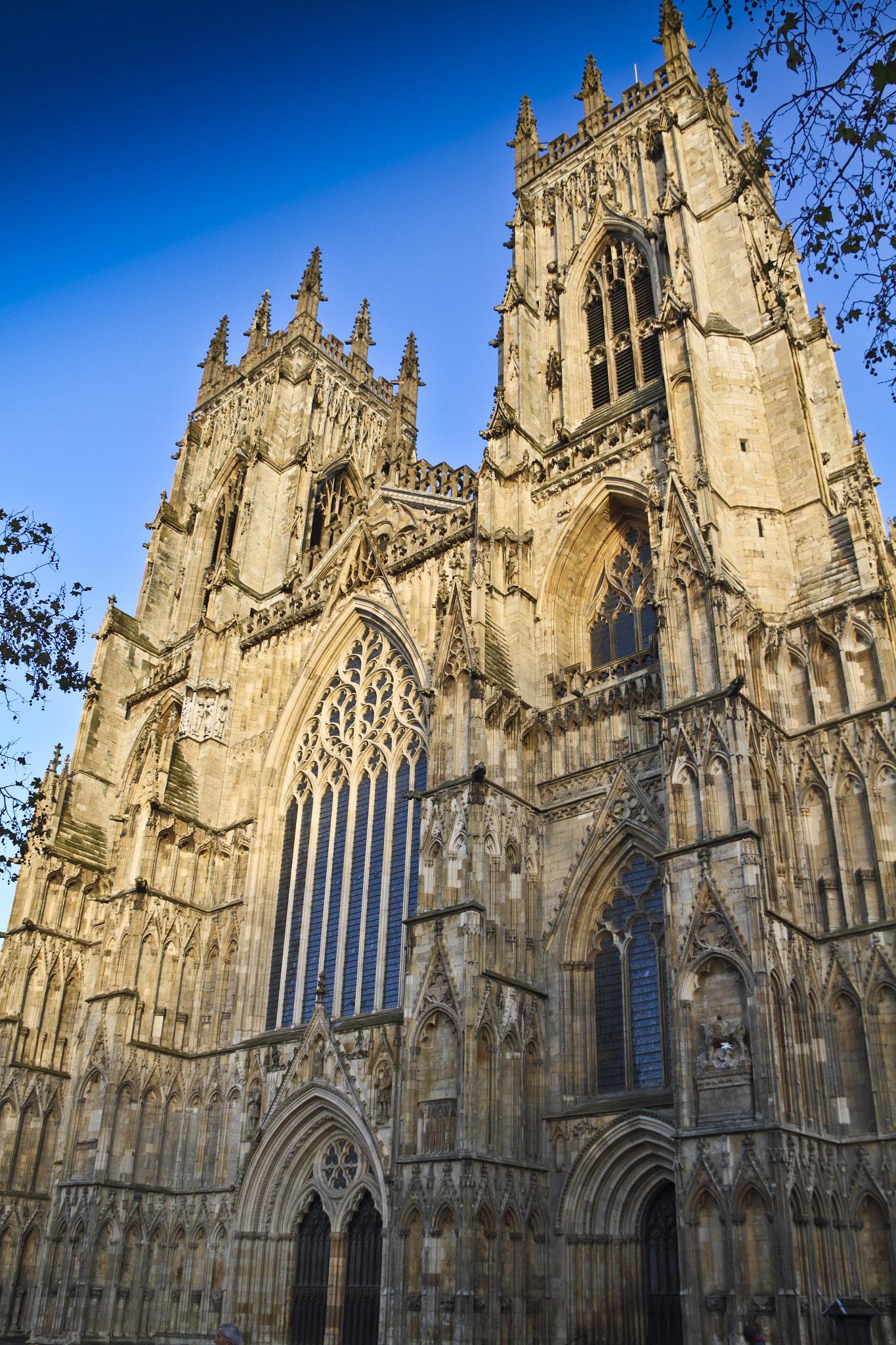
Looking beyond Byland Abbey? Discover Yorkshire And The Humber for broader travel guides, local hot-spots, and regional highlights.
Explore Yorkshire And The Humber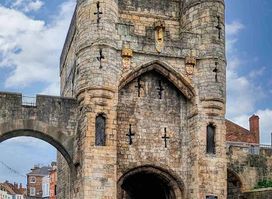
Walk atop nearly 2,000 years of history on York’s most complete medieval city walls, offering panoramic views and timeless stories at every step.
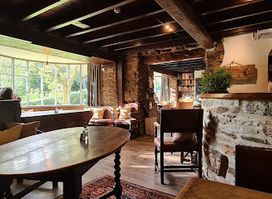
A Michelin-starred country pub in Yorkshire blending tradition, sustainability, and modern culinary artistry in a picturesque rural setting.
