
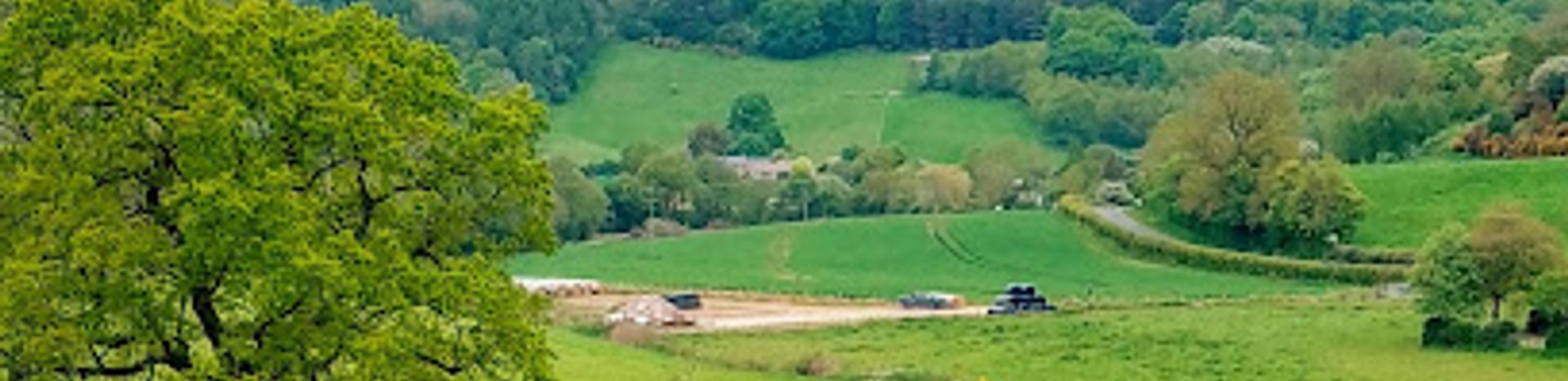
Kilburn White Horse: Yorkshire’s Majestic Hill Figure
Explore England’s largest and most northerly white horse hill figure, a stunning Victorian landmark carved into the Yorkshire hillside.
The Kilburn White Horse is a striking hill figure carved into the limestone hillside of Roulston Scar near Kilburn, North Yorkshire. Created in 1857, it measures 318 feet long and 220 feet high, making it the largest and most northerly white horse hill figure in England. Maintained by local volunteers and Forestry England, this iconic landmark offers stunning views and a glimpse into Victorian heritage amid the North York Moors National Park.
A brief summary to Kilburn White Horse
- Low Town Bank Rd, Thirsk, Kilburn, YO61 4AN, GB
- +441845522755
- Visit website
- Duration: 0.5 to 3 hours
- Free
-
 Outdoor
- Mobile reception: 4 out of 5
- Monday 12 am-12 am
- Tuesday 12 am-12 am
- Wednesday 12 am-12 am
- Thursday 12 am-12 am
- Friday 12 am-12 am
- Saturday 12 am-12 am
- Sunday 12 am-12 am
Local tips
- Wear sturdy shoes for the steep and uneven hiking trails around the horse to ensure safety and comfort.
- Visit on weekday mornings for fewer crowds and better photographic opportunities.
- Park at Sutton Bank Visitor Centre for scenic views and glider watching, or use the cheaper horse-level parking for direct access.
- Bring binoculars to enjoy glider activity in the nearby fields, especially on clear, windy days.
- Check weather conditions before visiting, as the steep roads and trails can be challenging in wet or icy weather.

For the on-the-go comforts that matter to you
- Restrooms
- Seating Areas
- Picnic Areas
- Information Boards
Getting There
-
Car
Driving from Thirsk town center takes approximately 15-20 minutes via the A170 and Low Town Bank Road. The route includes steep gradients, especially near Sutton Bank with up to 25% incline, so caution is advised. Parking is available near the horse with limited spaces and a small fee. The journey costs around £0 in tolls but fuel costs apply.
-
Public Bus
Local bus services run from Thirsk to Kilburn village, taking about 30-40 minutes. From Kilburn, a 20-30 minute walk on uneven terrain leads to the horse. Bus fares range from £3 to £5 one way. Service frequency is limited on weekends and holidays.
-
Train and Walk
Take the East Coast Main Line train to Thirsk station, approximately 2 hours from London or York. From Thirsk, a taxi or local bus can be taken to Kilburn village (10-15 minutes), followed by a 20-30 minute hike to the horse. Train fares vary widely but typically start around £20 one way.
-
Hiking
For experienced walkers, the Kilburn White Horse is accessible via the Cleveland Way National Trail. Hiking from Sutton Bank Visitor Centre takes about 1 to 1.5 hours over steep and uneven terrain. Suitable footwear and weather preparedness are essential.
Kilburn White Horse location weather suitability
-
 Any Weather
-
 Rain / Wet Weather
-
 Clear Skies
-
 Windy Conditions
-
 Mild Temperatures
Discover more about Kilburn White Horse
A Monument Born of Victorian Inspiration
The Kilburn White Horse was created in November 1857 by local Victorian businessman Thomas Taylor, inspired by the famous chalk hill figures of southern England. Taylor, a native of Kilburn who worked for a London merchant, commissioned the design and enlisted schoolmaster John Hodgson and local volunteers to mark and cut the horse into the steep limestone hillside of Roulston Scar. Measuring 318 feet long and 220 feet high, the figure covers about 1.6 acres, making it England’s largest and most northerly white horse hill figure.Unique Composition and Maintenance Challenges
Unlike southern chalk horses, the Kilburn White Horse is carved into Jurassic limestone covered with a thin layer of chalk chips brought from the nearby Yorkshire Wolds. This gives the figure its brilliant white appearance, although the underlying grey limestone sometimes shows through, lending a distinctive hue. The steep and unstable slope demands ongoing care; originally whitewashed with lime, the horse now receives periodic repainting with white masonry paint to maintain its vividness. Local volunteers historically maintained it, but since 2018 Forestry England has overseen conservation due to health and safety concerns.Historical Trials and Preservation Efforts
The horse has faced many threats over time, including damage from a severe hailstorm in 1896 and near loss during both World Wars. During WWII, it was deliberately covered to prevent it from serving as a navigation landmark for enemy bombers. Restoration campaigns, notably one in 1925 funded by the Yorkshire Evening Post readers, helped preserve the figure. Today, the Kilburn White Horse Association, a registered charity of local residents, continues to support its upkeep alongside Forestry England.Scenic Setting and Visitor Experience
Situated on the southern flank of Sutton Bank, the horse overlooks the North York Moors National Park and is visible from as far as Leeds and Lincolnshire on clear days. Visitors can enjoy panoramic views from the nearby escarpment and the Cleveland Way trail, which passes close by. The surrounding landscape offers opportunities for hiking and glider watching, with the nearby Sutton Bank Visitor Centre serving as a hub for exploring the area’s natural beauty.Cultural Significance and Modern Recognition
The Kilburn White Horse stands as a symbol of local pride and Victorian heritage, reflecting a unique northern adaptation of England’s chalk hill figure tradition. It has featured in regional media and inspired other hill figures, such as the Litlington White Horse in East Sussex. Its preservation represents a community effort to maintain a remarkable landmark that connects past and present in the Yorkshire countryside.Access and Practical Details for Visitors
The horse is accessible year-round, with a car park located on Low Town Bank Road near the gliding club entrance. The steep terrain requires sturdy footwear for hiking paths leading above and around the figure. Benches at vantage points allow leisurely observation, and the site’s proximity to the A170 and East Coast Main Line railway makes it reachable by various transport modes. Visitors should be mindful of the steep gradients and variable weather conditions typical of the area.Iconic landmarks you can’t miss

REMAINS OF FORMER KIRBY HALL
21.1 km
Explore the evocative remains of Kirby Hall and the iconic Thompson Mausoleum, treasures of North Yorkshire’s 18th-century aristocratic heritage.

Thornborough Henges
22.8 km
Explore the awe-inspiring Thornborough Henges, a vast Neolithic ritual landscape known as the Stonehenge of the North, free to visit and steeped in ancient mystery.
Medieval Walls
30.2 km
Walk England’s longest medieval walls, tracing 2,000 years of York’s history with stunning city views and iconic fortified gateways.
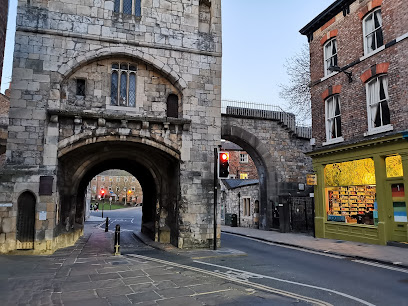
Bootham Bar
30.3 km
Explore Bootham Bar, York’s medieval gateway with Roman roots, historic portcullis, and stunning views of the city’s ancient walls and Minster.
York Gifts and Souvenirs
30.3 km
Explore York Gifts and Souvenirs for locally crafted treasures and unique gifts that capture the essence of York's rich history and culture.
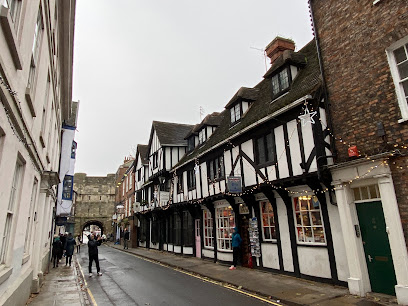
Anglian Tower
30.4 km
Discover York’s rare Anglo-Saxon watchtower, a unique stone relic woven into ancient Roman walls and shrouded in centuries of history.
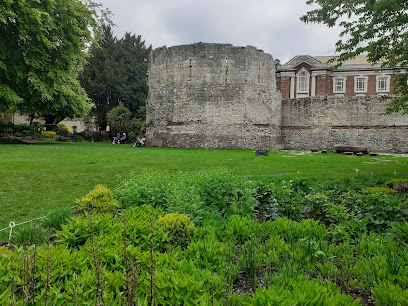
Best of Britain – Yorkshire Day Tours (formally BOBH)
30.4 km
Discover the enchanting landscapes and rich heritage of Yorkshire with personalized tours from Best of Britain – Yorkshire Day Tours.
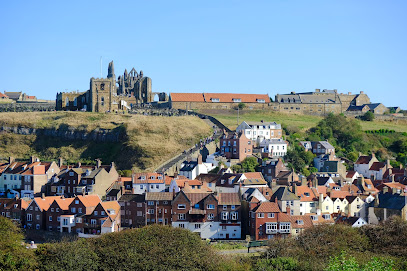
The Cathedral and Metropolitical Church of St Peter in York
30.4 km
A soaring Gothic masterpiece in the heart of York, where 1,400 years of faith, history, and light-filled architecture converge in one of England’s greatest cathedrals.
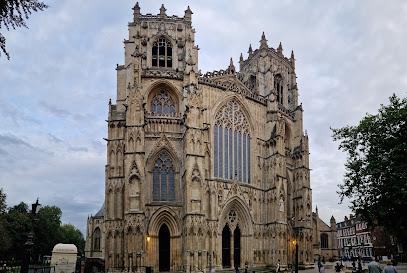
Monk Bar
30.4 km
Medieval fortress and gateway guarding York's northeastern entrance since the 14th century.
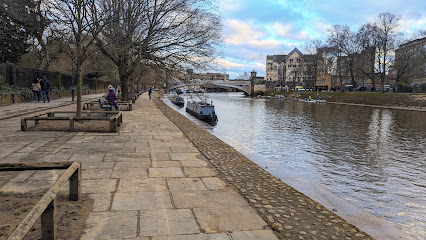
Dame Judi Dench Walk
30.4 km
Discover the beauty of Dame Judi Dench Walk in York, a tranquil path celebrating the iconic actress amidst stunning scenery and rich history.
Shadows of York Ghost Walk
30.4 km
Experience York's haunted history with the Shadows of York Ghost Walk, a thrilling journey through the city's ghostly past and chilling legends.
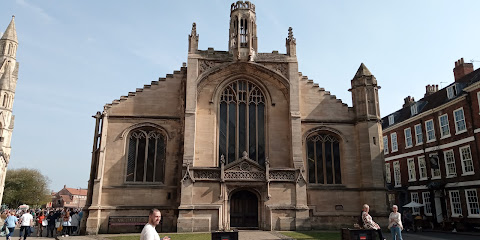
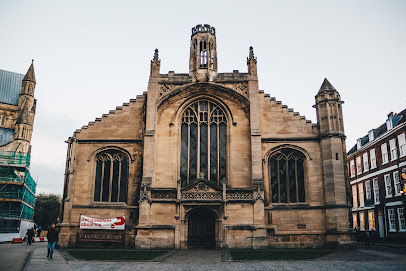
St Michael Le Belfrey
30.4 km
Discover the enchanting St Michael Le Belfrey, an Anglican church in York, rich in history and architectural beauty, perfect for spiritual reflection.
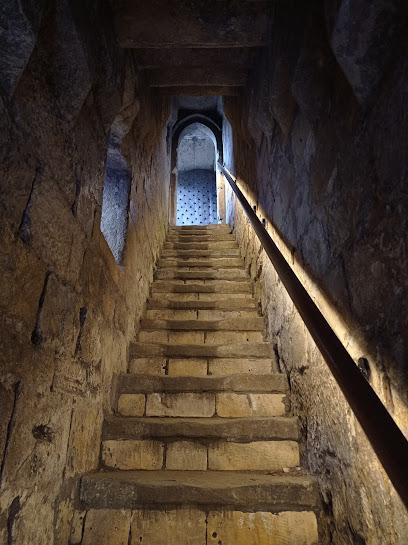
York Cold War Bunker
30.4 km
Uncover the intriguing history of the York Cold War Bunker, a preserved site showcasing Britain's Cold War legacy and its impact on local heritage.
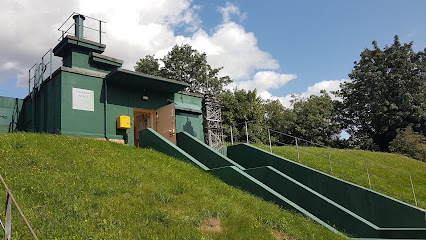
The Bloody Tour of York
30.4 km
Discover the haunted tales of York on The Bloody Tour, where history and ghostly legends intertwine for an unforgettable experience.
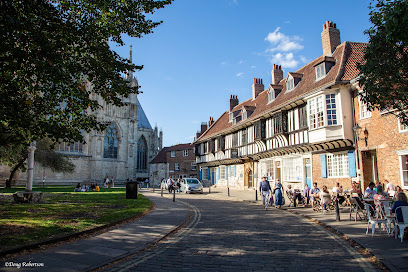
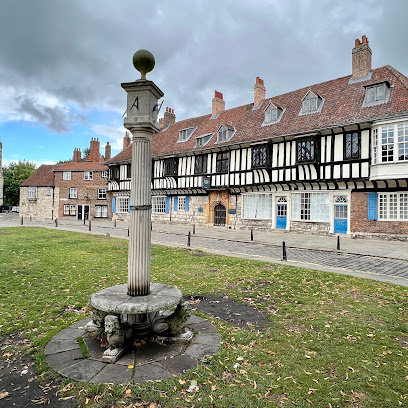
Sundial Column
30.5 km
An elegant 18th-century sundial column on stone lions, quietly marking time just east of York Minster in a peaceful corner of the cathedral precincts.
Unmissable attractions to see

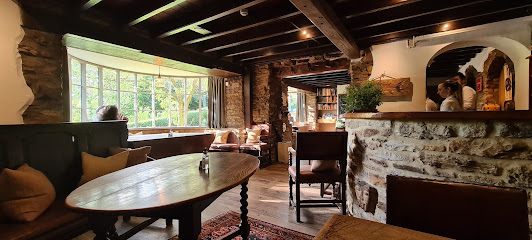
The Black Swan at Oldstead
2.1 km
A Michelin-starred country pub in Yorkshire blending tradition, sustainability, and modern culinary artistry in a picturesque rural setting.
Byland Abbey
4.2 km
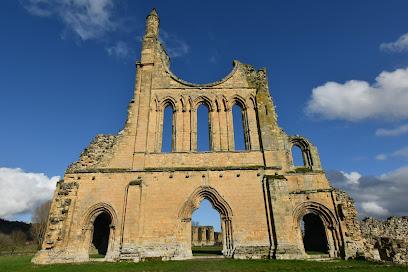
Explore the grand ruins of Byland Abbey, a masterpiece of early Gothic architecture nestled in North Yorkshire’s tranquil moorlands.
Rievaulx Abbey
7.2 km
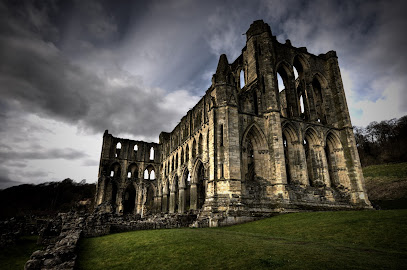
Explore the tranquil and majestic ruins of Rievaulx Abbey, a 12th-century Cistercian monastery set in the stunning North York Moors National Park.
The World Of James Herriot
8.6 km
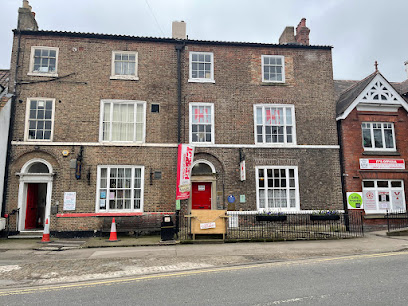
Step inside the authentic 1940s home and surgery of James Herriot, celebrating the life and legacy of Yorkshire’s most beloved vet and author.
Helmsley Castle
9.9 km
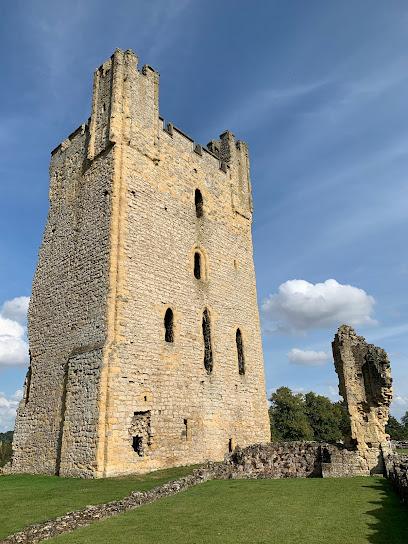
Discover 900 years of history at Helmsley Castle, where medieval fortifications meet Tudor elegance amidst stunning North York Moors scenery.
Helmsley
10.5 km
Historic market town at the edge of North York Moors, blending medieval heritage with stunning landscapes and vibrant local culture.
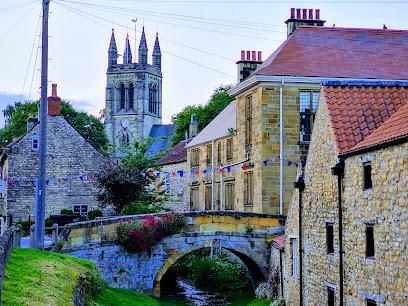
National Trust - Nunnington Hall
15.7 km
Explore the timeless charm of Nunnington Hall, a 17th-century Yorkshire manor with historic interiors, exquisite miniature collections, and tranquil organic gardens.
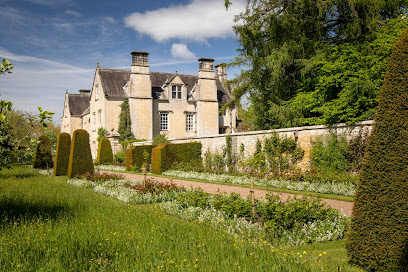
Sutton Park
18.1 km
Historic Sutton Park in York offers a welcoming events venue blending rich heritage with scenic charm and community spirit.
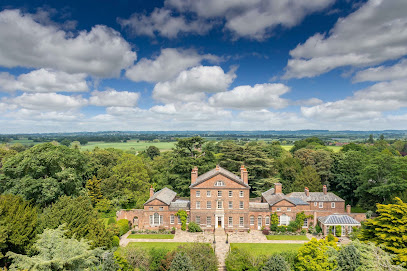
Mount Grace Priory, House and Gardens
18.4 km
Explore the tranquil ruins and Arts & Crafts gardens of England’s best-preserved Carthusian monastery near Northallerton.
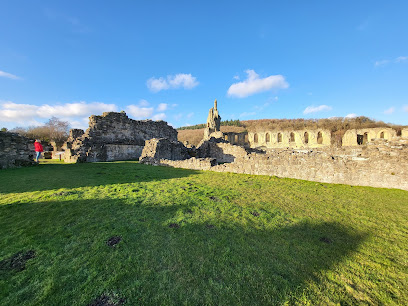
Aldborough Roman Site
18.6 km
Explore Aldborough Roman Site, the ancient northern capital with stunning mosaics and rich Roman heritage nestled in a serene Victorian arboretum.
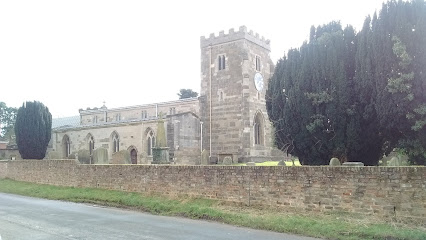
Hutton-le-Hole
20.9 km
Discover the idyllic charm of Hutton-le-Hole, a picturesque village nestled in the North York Moors with rich heritage and stunning countryside.
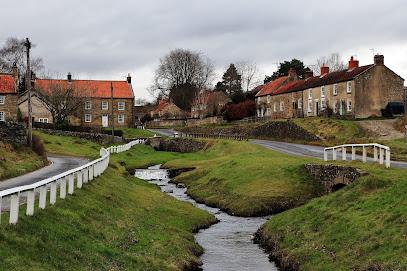
Medieval Village of East Lilling
22.3 km
Explore the haunting earthworks of East Lilling, a deserted medieval village near York steeped in history and surrounded by serene countryside.
Ripon Cathedral
22.4 km
Explore Ripon Cathedral’s 1,350-year legacy, from England’s oldest crypt to stunning Gothic architecture and vibrant community life.
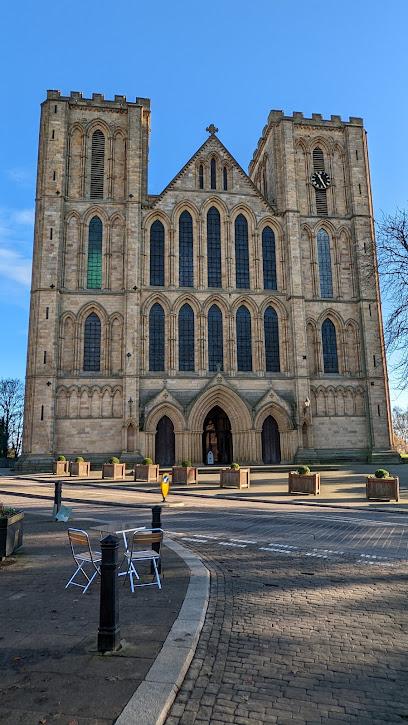
National Trust - Beningbrough Hall, Gallery and Gardens
22.7 km
A Georgian mansion with formal gardens, art exhibitions, and family-friendly grounds just north of York.
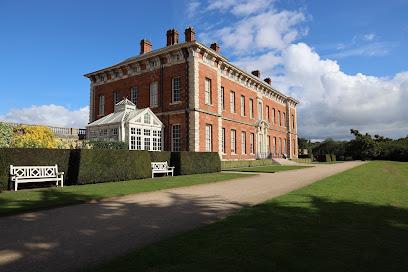
Castle Howard
23.0 km
Experience the grandeur of Castle Howard, a historic English country house set in stunning gardens and parkland, blending heritage, nature, and family fun.
Essential places to dine

The Hare Restaurant
4.0 km
An intimate North Yorkshire gem offering exquisite tasting menus that celebrate local flavors with modern finesse and warm hospitality.
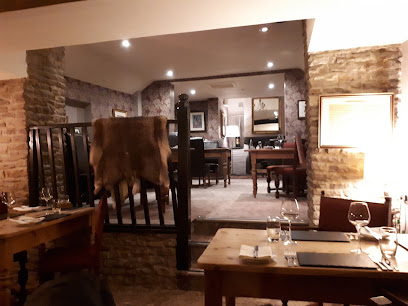
Pignut Restaurant
10.2 km
Experience innovative, locally inspired fine dining in the heart of Helmsley at Pignut Restaurant.
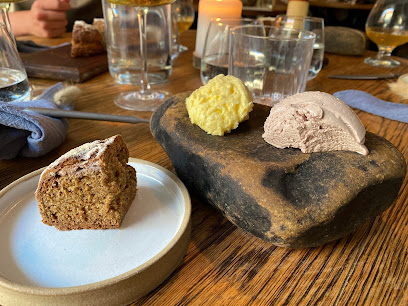
The Star Inn
13.2 km
Michelin-starred gastropub in historic Harome, blending rustic charm, exceptional Yorkshire cuisine, and warm hospitality in the scenic Howardian Hills.
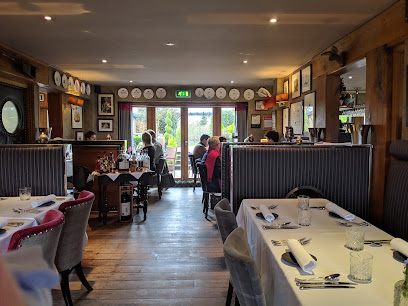
Crab & Lobster Hotel & Restaurant
13.2 km
Eclectic seafood dining and uniquely themed rooms combine for a memorable stay in tranquil North Yorkshire countryside.
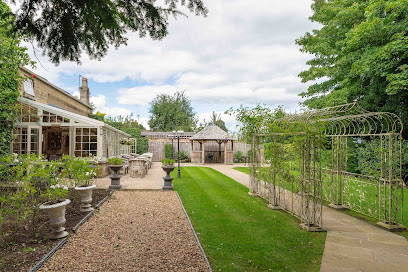
Restaurant Mýse
16.3 km
An acclaimed Michelin-starred modern British restaurant in Hovingham delivering innovative, locally inspired multi-course tasting menus in a cozy, elegant setting.
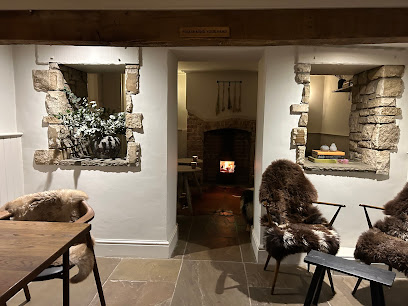
Hansom Restaurant and Wine Bar
25.8 km
Intimate fine dining in a historic Bedale house, offering modern tasting menus with local produce and expertly paired wines.
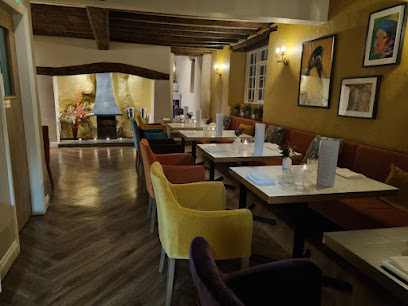
Dewars Restaurant And Rooms
26.4 km
Boutique luxury and exceptional dining in a tranquil North Yorkshire village retreat with heated pool and sauna.
Huckleberrys American Diner
26.6 km
Classic American diner fare with a friendly vibe, hearty burgers, and a welcoming atmosphere in the heart of York.
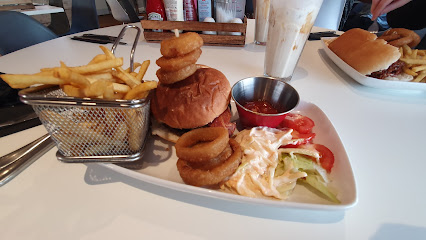
The Stone Trough Inn
27.2 km
Historic Yorkshire inn with rustic charm, local cuisine, and stunning views overlooking Kirkham Abbey’s scenic countryside.
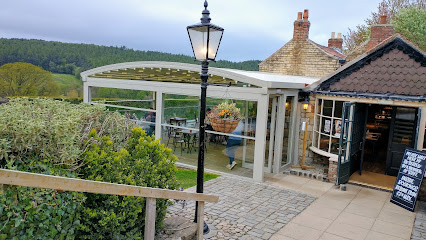
Where There's Smoke Restaurant
28.9 km
Experience bold smoky flavors and artistic dining in Masham’s Michelin-starred Where There's Smoke, a unique culinary gem with local roots.
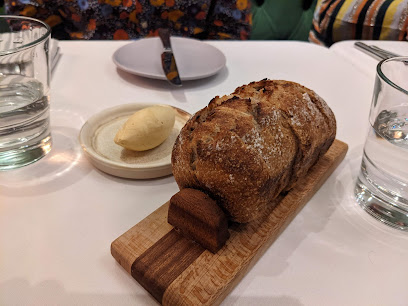
Shaun Rankin at Grantley Hall
29.7 km
Experience Michelin-starred British cuisine crafted from North Yorkshire’s finest local ingredients in an elegant countryside setting.
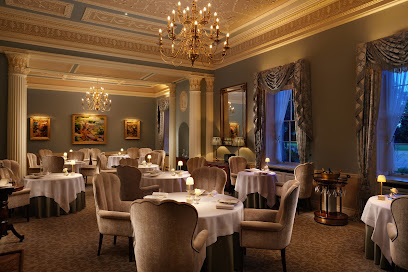
Roots York
30.3 km
Discover Roots York, a Michelin-starred gem offering seasonal farm-to-table tasting menus in a historic 19th-century setting with warm, refined ambiance.
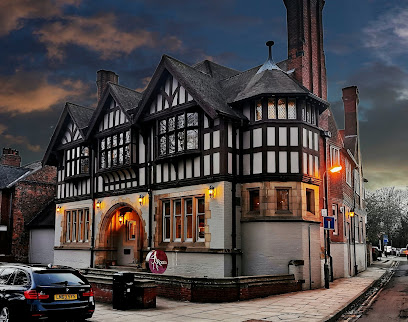
Little Italy
30.4 km
Authentic Italian dining and deli in York’s historic heart, serving traditional flavors since 1992 in a warm, inviting atmosphere.
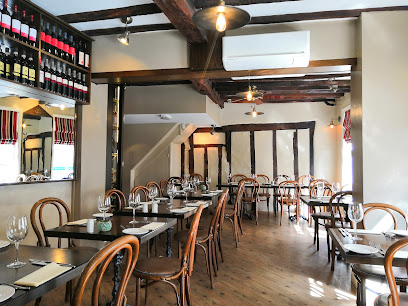
Ambiente Tapas Goodramgate
30.4 km
Experience authentic Spanish tapas and warm Andalusian charm in York’s historic Goodramgate, with a welcoming atmosphere and diverse vegan options.
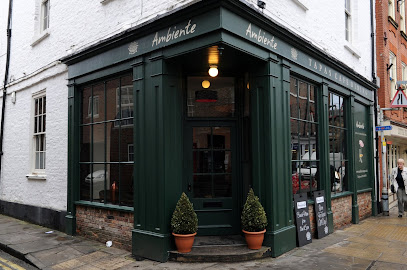
Guy Fawkes Inn
30.4 km
Historic inn with cozy period rooms, lively pub, and unbeatable central location near York Minster.
Markets, malls and hidden boutiques

Unique Gifts
8.5 km
Discover handcrafted treasures and unique local gifts in the heart of Thirsk’s historic Market Place.
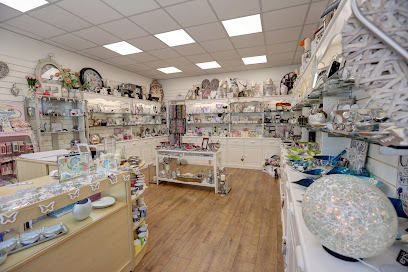
Duncombe Park Shop
10.2 km
Discover unique Yorkshire gifts and local treasures at Duncombe Park Shop in the heart of historic Helmsley.
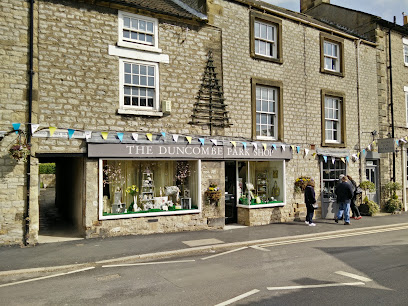
Karma - Clothing & Gift Boutique
22.5 km
Discover sustainable bohemian fashion and unique handcrafted gifts in Ripon’s vibrant Karma boutique.
The Yorkshire Store
27.3 km
Discover authentic Yorkshire gifts and family clothing in the heart of Stokesley’s vibrant market town.
Uniquely Local Experiences
27.3 km
Explore a unique gift shop in York offering local crafts, corporate gifts, and event planning services for a truly memorable experience.
Kemps General Store Ltd
28.7 km
Discover unique gifts and books in a friendly, independent emporium at the heart of Malton’s historic Market Place.
Old York
29.9 km
Explore Old York Antique Shop: A vintage treasure trove in the heart of York, perfect for history lovers and collectors seeking unique finds.
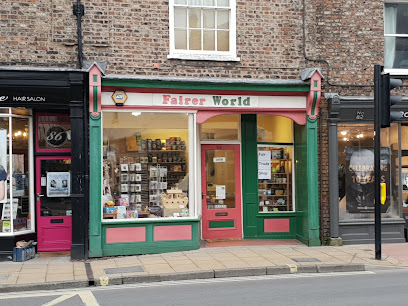
Fairer World
30.1 km
Discover unique fair trade treasures and support global artisans at York’s dedicated ethical gift shop on historic Gillygate.
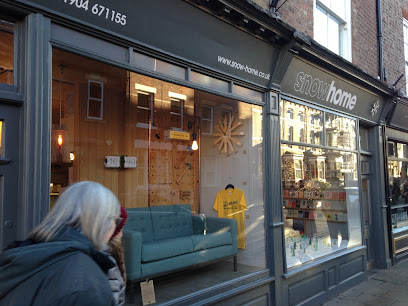
Snowhome
30.2 km
Discover Snowhome, York’s premier independent lifestyle store blending exquisite stationery, niche perfumes, and sustainable home accessories since 2001.
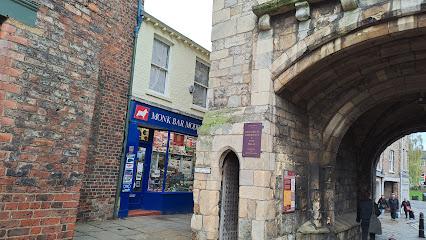
Monk Bar Model Shop
30.4 km
York’s historic model shop offering a vast selection of trains, kits, and collectibles with expert staff and a welcoming atmosphere.
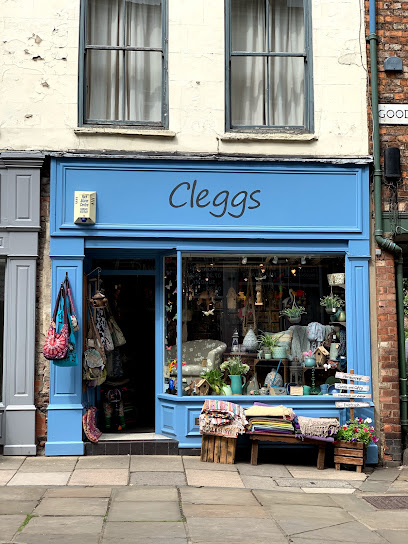
Cleggs
30.4 km
Discover unique gifts, handcrafted homewares, and stylish accessories in the heart of York’s historic Goodramgate at Cleggs.
Village Shop
30.4 km
Discover timeless antiques and vintage treasures in York’s historic heart at the Village Shop, open daily with expert guidance and a warm atmosphere.
The Red House Antique Centre
30.4 km
Discover unique antiques and vintage treasures at The Red House Antique Centre, a must-visit destination for history lovers in York.
York Minster Shop
30.4 km
Discover authentic souvenirs and specialist books celebrating York Minster's medieval heritage.
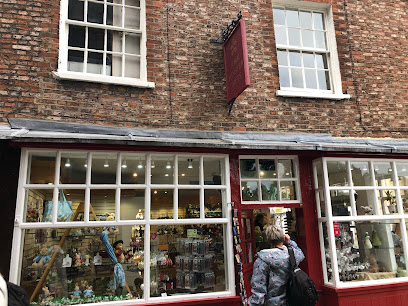
Shared Earth
30.5 km
Discover ethically sourced treasures and handcrafted fair trade gifts in the heart of historic York.
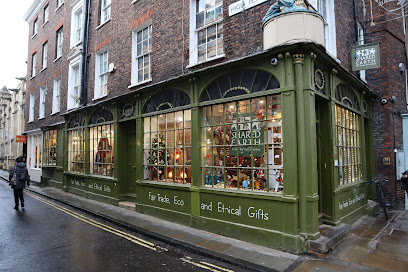
Essential bars & hidden hideouts

Eagle & Child
30.3 km
Historic 17th-century timber-framed pub in York offering craft ales, good food, and a charming beer garden in a quaint, lively setting.
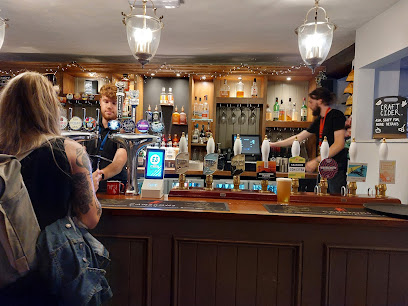
Royal Oak
30.5 km
Traditional British pub charm in York’s historic heart, serving seasonal classics and local ales with a warm, dog-friendly welcome.
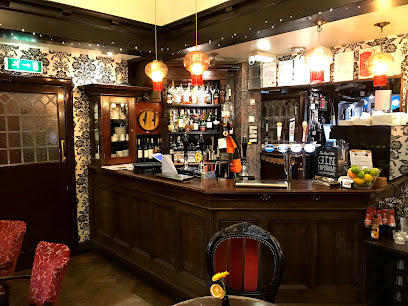
Ye Olde Starre Inne
30.5 km
Historic and welcoming pub on York’s Stonegate, serving hearty British classics in a charming medieval setting.
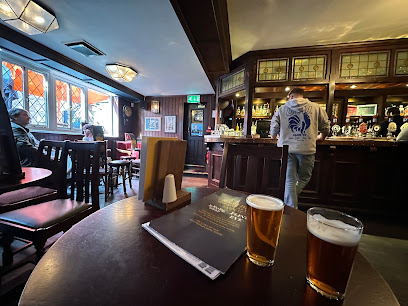
Evil Eye
30.5 km
Quirky cocktails and lively entertainment blend seamlessly in York’s vibrant Evil Eye Lounge on historic Stonegate.
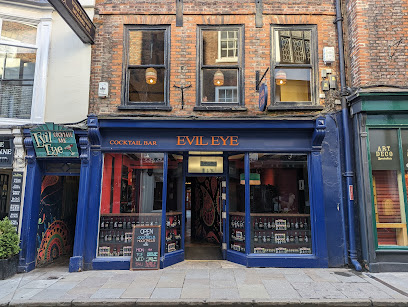
House Of Trembling Madness // Lendal (No table bookings)
30.6 km
Step into York’s medieval gem where historic ambiance meets an extraordinary craft beer selection in a quirky, lively setting.
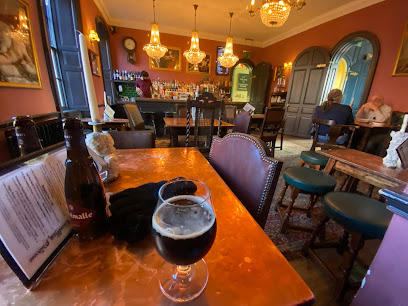
The Punch Bowl
30.6 km
A historic York pub blending traditional charm, eclectic ales, and hearty British fare in a cozy, welcoming setting on Stonegate.
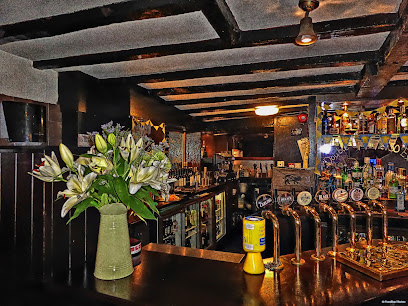
Bobos Cocktail Bar York
30.6 km
York’s vibrant two-floor cocktail bar with tropical drinks, heated shisha terrace, lively DJs, and unbeatable drink deals in the historic Quarter.
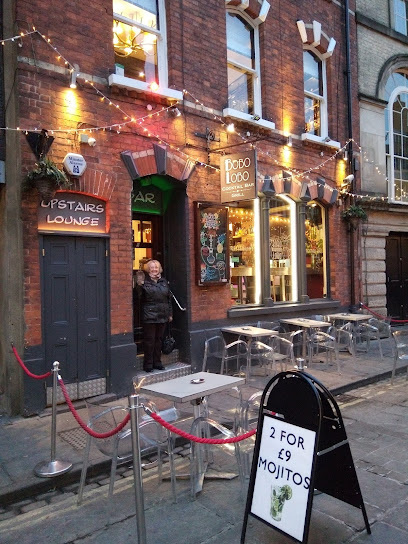
Lendal Cellars
30.6 km
Historic underground pub with a quirky atmosphere, diverse menu, and a rare city-center beer garden in York.
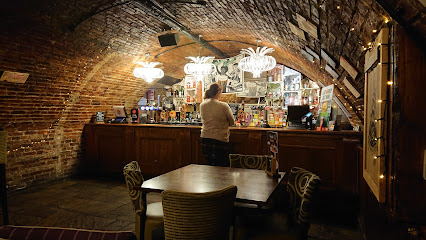
Slug & Lettuce - Swinegate York
30.6 km
A lively cocktail bar and casual dining spot in York’s historic centre, perfect for social drinks, events, and weekend late nights.
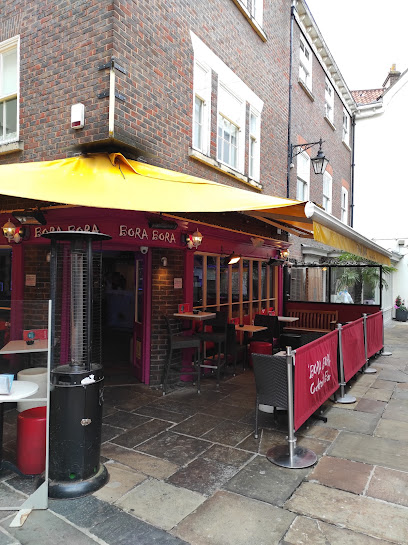
Oscar's Wine Bar & Bistro
30.6 km
A lively and welcoming wine bar in York offering quality food, diverse wines, and a charming atmosphere for all occasions.
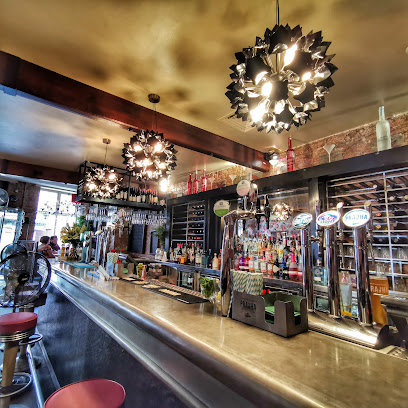
The Maltings
30.6 km
A quirky, friendly pub in York offering a wide beer selection and a welcoming atmosphere in the heart of Tanner's Moat.
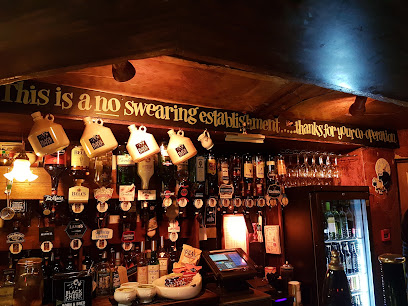
York Tap
30.6 km
Discover York Tap, a historic Edwardian pub at York Station, offering 32 rotating craft beer lines and a lively atmosphere for beer lovers.
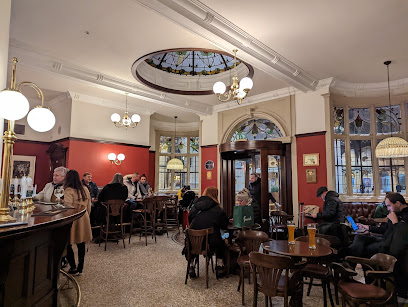
Victor J's
30.6 km
Eclectic art-inspired bar and restaurant in York’s heart, offering cozy seating, creative vibes, and lively weekend nights.
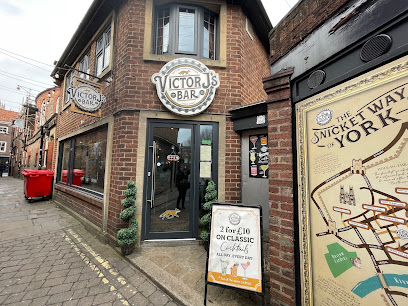
Vudu Lounge
30.6 km
York’s eclectic after-hours lounge blending quality cocktails with a lively, quirky nightlife vibe until the early morning.
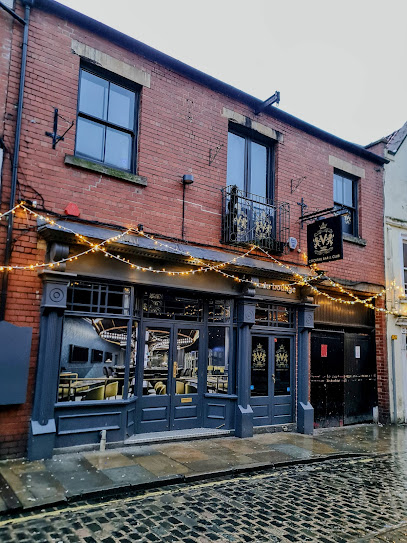
Dusk
30.7 km
A quirky and welcoming bar in York’s city centre, perfect for lively nights and casual drinks in a vibrant atmosphere.
Nightclubs & after hour spots

BlueBox
30.7 km
York’s premier late-night nightclub, BlueBox pulses with House, Tech House, and Disco beats until dawn in a vibrant city-center setting.
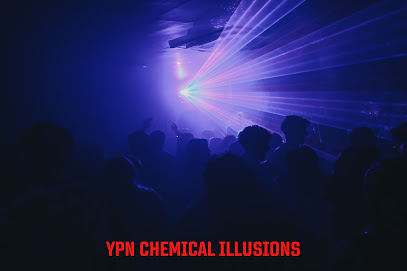
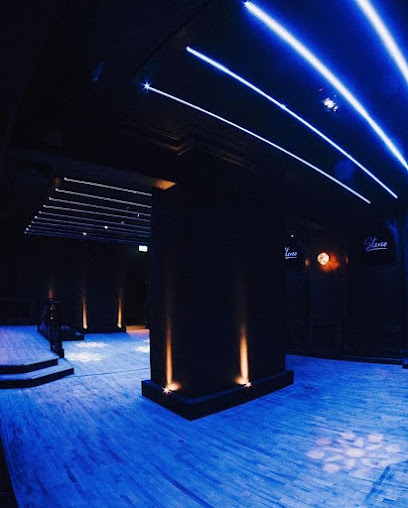
Flares - York
30.7 km
Experience York’s ultimate retro nightclub with decades-spanning hits, vibrant dance floors, and an inclusive party atmosphere.
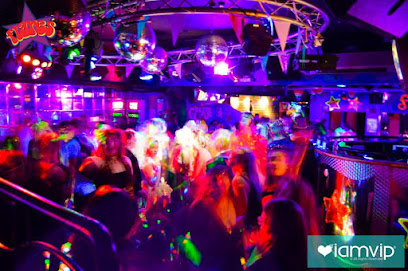
Club Salvation
30.7 km
York’s vibrant nightclub with dual music rooms, lively atmosphere, and fair-priced drinks for an unforgettable night out.
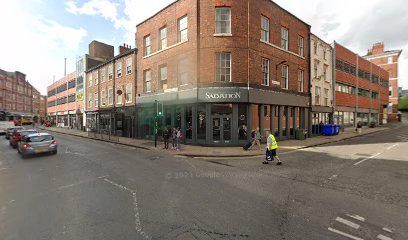
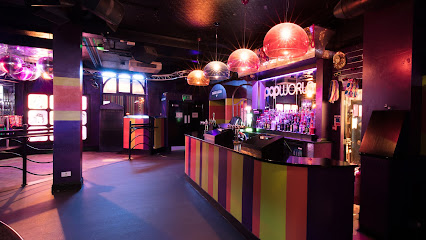
Popworld York
30.8 km
York’s vibrant pop music nightclub with a unique revolving dancefloor and a lively atmosphere for unforgettable nights out.
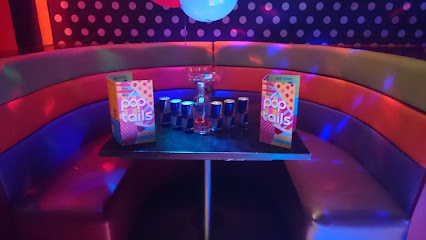
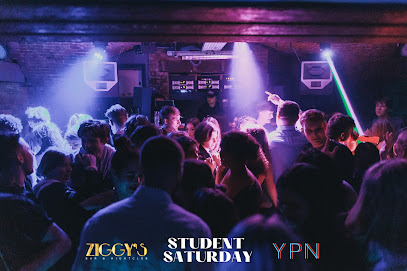
Ziggy's Bar & Nightclub
30.8 km
York’s iconic student nightclub offering energetic dance floors, affordable drinks, and a lively atmosphere since the 1980s.
Bar 55 York
30.8 km
York’s exclusive strip club offering sophisticated adult entertainment and premium nightlife in a stylish, historic setting.
Kuda
31.0 km
York’s vibrant nightclub offering diverse music, live DJs, and a lively late-night atmosphere in the heart of the city.
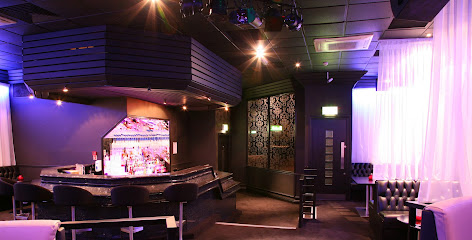
Karaoke Rooms (KTV)
31.5 km
Experience lively private karaoke rooms in the heart of York’s vibrant nightlife at Chuandao Karaoke Bar.
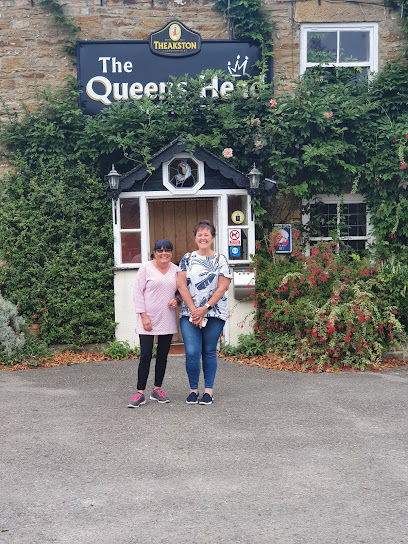
The Queen's Head, Finghall
34.2 km
A quintessential English country pub and inn in Finghall offering hearty British fare, cozy rooms, and warm hospitality in scenic North Yorkshire.
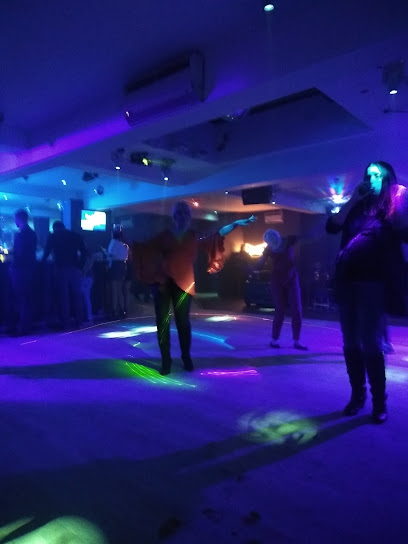
Louis Bar
36.5 km
A vibrant nightclub and bar in Catterick Garrison offering live music, quality food, and a lively atmosphere for all-night entertainment.
sherdy sherd primary school
38.7 km
Experience Richmond’s vibrant nightlife at Sherdy Sherd Primary School, a uniquely named nightclub with extensive hours and lively atmosphere.
Flares & Popworld - Middlesbrough
39.3 km
Middlesbrough’s premier two-room nightclub blending retro vibes and modern beats for unforgettable nights out.
Stereo Club Tees
39.4 km
Experience Middlesbrough’s energetic nightlife at Stereo Club Tees, a lively nightclub hosting up to 500 guests with late-night music and dancing.
The Dalesman's Club
41.3 km
Discover The Dalesman's Club in Leyburn, a vibrant sports club offering a welcoming atmosphere and engaging activities for visitors.
Videotheque Disco's
48.5 km
Discover the vibrant nightlife at Videotheque Disco's in Whitby, where music and fun come together to create unforgettable memories.

For the vibe & atmosphere seeker
- Scenic
- Relaxing
- Tranquil
- Unique
- Fun-filled
For the design and aesthetic lover
- Rustic Designs
- Vintage Styles
For the architecture buff
- Historic
- Landmarks
- Viewpoints
- Parks & Gardens
For the view chaser and sunset hunter
- Iconic Views
- Panoramas
- Sunrise Spots
- Sunset Spots
For the social media creator & influencer
- Instagrammable
- Photo Spots
- Selfie Spots
- Aesthetic Corners
For the eco-conscious traveler
- Public-Transport Accessible
- Locally Managed
- Leave-No-Trace Critical
- Protected Area
- Nature Reserve
For the kind of experience you’re after
- Cultural Heritage
- Photowalk
- Nature Escape
- Day Trip
- Weekend Getaway
For how adventurous you want the journey to be
- Easy Access
- Requires Hike
Location Audience
- Family Friendly
- Senior Friendly
- Child Friendly
- Teen Friendly
- Wheelchair Access
- Pet Friendly
- Solo Friendly
- Couple Friendly
- Solo Female Friendly


