

Brian Head Ski Resort Travel Guide - Free Web & App
Your ultimate guide to Brian Head Ski Resort. Discover top landmarks, proposed trips, and local tips. Free on the web or via the Evendo companion app.


Brian Head Ski Resort in Utah offers high-elevation skiing, summer trails, alpine scenery and easy access to Cedar Breaks National Monument nearby.
Alpine Setting
Brian Head Ski Resort occupies a high-elevation position in southern Utah, in the rugged plateau country between Cedar City and Panguitch. Its ski slopes rise above the small community of Brian Head, where conifer forests, open meadows and broad views across the red-rock country create a setting markedly different from Utah's desert parks. Winter brings downhill skiing and snowboarding across varied terrain, while the warmer months reveal mountain roads, hiking opportunities and the resort's access to the surrounding Dixie National Forest.Read more about Brian Head Ski Resort
Natural and Cultural Context
Exploring the Region
When is the best time to visit Brian Head Ski Resort?
Best: June–August · 18–22°C| Month | High (°C) | Rainfall (mm) |
|---|---|---|
| January | -2 | 70 |
| February | -1 | 60 |
| March | 2 | 50 |
| April | 8 | 40 |
| May | 12 | 30 |
| June (best) | 18 | 20 |
| July (best) | 22 | 30 |
| August (best) | 21 | 40 |
| September | 17 | 30 |
| October | 11 | 40 |
| November | 4 | 50 |
| December | -1 | 60 |
Getting to and around Brian Head Ski Resort
How to get there
Transportation
Best attractions in Brian Head Ski Resort
Brian Head Ski Resort is the central attraction, offering downhill skiing and snowboarding in winter across a high-elevation landscape of forested slopes and open runs. In summer, the resort becomes a base for mountain recreation, including hiking and cycling opportunities that vary by season and operating arrangements. Nearby Cedar Breaks National Monument is the region's defining scenic excursion, with viewpoints over its deeply eroded, vividly coloured amphitheatre and access to high-country trails when conditions allow. Brian Head Peak provides an important geographic reference and broad mountain views, while the surrounding Dixie National Forest contains roads, forests and dispersed landscapes rather than a dense sequence of formal attractions. Parowan and Cedar City add historic, cultural and practical interest at lower elevations, with Cedar City serving as the principal regional service centre. The contrast between alpine terrain, red-rock geology and small mountain settlements gives the area its distinctive character.
-
Ski resort
Giant Steps Ski Lodge and Lifts
Discover the ultimate skiing adventure at Giant Steps Ski Lodge in Brian Head, Utah, where stunning slopes meet breathtaking alpine beauty.
-
Scenic spot
Brian Head Peak Overlook
Experience breathtaking views and serene landscapes at Brian Head Peak Overlook, a top scenic spot in Utah for nature lovers and outdoor adventurers.
-
Ice skating rink
Brian Head Ice Skating
Discover the enchanting Brian Head Ice Skating rink, where winter fun meets breathtaking alpine scenery in beautiful Utah.
-
Ski resort
Navajo Ski lodge
Experience the thrill of winter sports at Navajo Ski Lodge in Brian Head, Utah. Perfect for families and adventurers alike, this ski resort offers breathtaking views and unforgettable memories.


Best landmarks in Brian Head Ski Resort
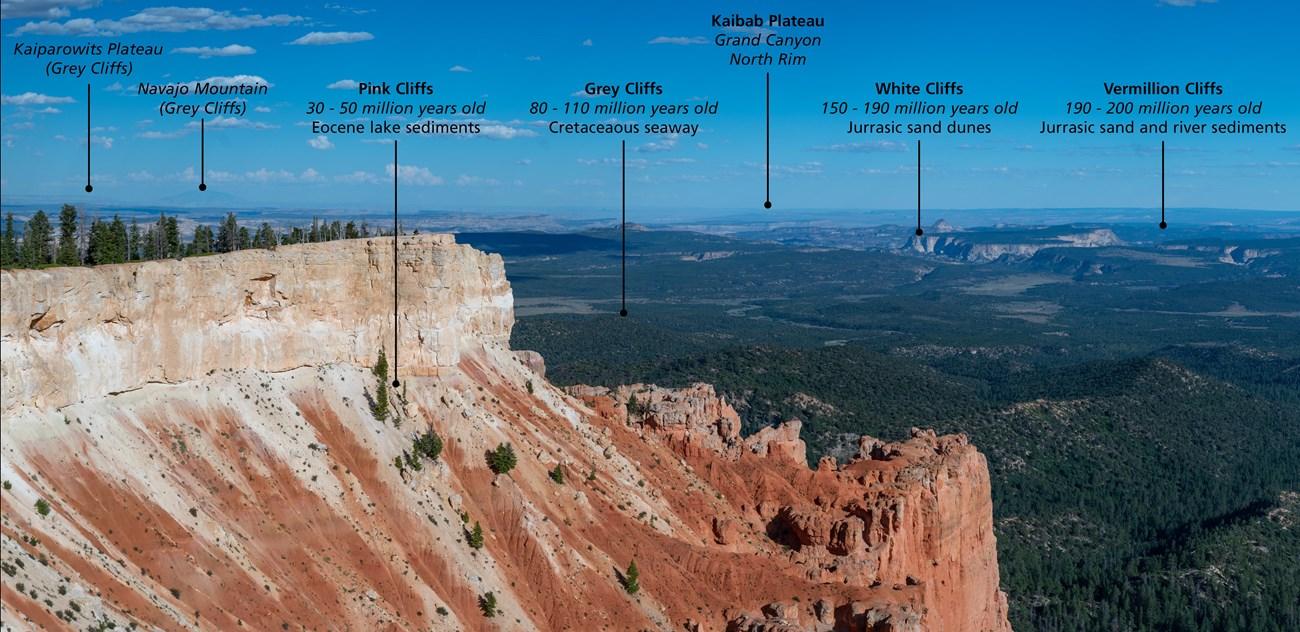
Cedar Breaks National Monument is the area's most important natural landmark, a high amphitheatre where erosion has exposed layered rock in strong reds, oranges and pale tones. Its elevation, bristlecone-pine environments and distinctive geology set it apart from the lower desert landscapes of southern Utah. Brian Head Peak is another defining feature, rising above the resort and helping explain the community's high-country setting. The forested Markagunt Plateau forms the wider natural landmark: its volcanic and sedimentary terrain, open meadows and steeply descending edges connect the resort with the valleys below. The ski slopes themselves are a modern recreational landmark, showing how a previously remote mountain environment has been adapted for winter sport. Nearby Parowan and Cedar City contain historic buildings and cultural sites, but they are gateway communities rather than landmarks within the ski resort.
-
Ski resort
Brian Head Resort
Discover Brian Head Resort, Utah's premier destination for skiing, hiking, and outdoor adventure, offering breathtaking views and family-friendly fun.
-
Mountain peak
Brian Head
Discover the breathtaking beauty of Brian Head, Utah, a top destination for skiing, snowboarding, hiking, and mountain biking enthusiasts.


Explore Brian Head Ski Resort on the map
Plan your trip on one map. See where the top attractions, landmarks, restaurants and hotels are, and book hotels and experiences in a few clicks.
Best hotels in Brian Head Ski Resort
Best restaurants in Brian Head Ski Resort
Dining around Brian Head is concentrated in the resort community and is modest in scale compared with a large ski town. Visitors can expect food services associated with resort operations, mountain accommodation and local hospitality businesses, with availability varying by season. The area's culinary identity is linked less to a single traditional dish than to southern Utah's practical mountain-and-desert setting, where hearty meals, hot drinks and provisions for outdoor days are especially relevant. Cedar City offers the broadest choice of restaurants, cafés, supermarkets and takeaway food, while Parowan provides a smaller range of local services on the northern approach. Travellers staying in cabins or condominiums often plan self-catering around a shop in Cedar City or another larger settlement, particularly outside peak winter periods. It is sensible to confirm seasonal opening arrangements before relying on a particular meal stop in Brian Head.
-
Sandwich
Mountain Peak Coffee
Discover Mountain Peak Coffee: A charming café offering delicious sandwiches and delightful coffee amidst the stunning landscapes of Brian Head.

Best bars in Brian Head Ski Resort
Brian Head has a quiet, outdoor-oriented evening atmosphere rather than a dedicated nightlife district. After a day on the slopes or trails, evening activity generally centres on resort hospitality, accommodation-based socialising and any established local bar or restaurant service operating in season. Visitors should not expect the concentration of nightclubs, late venues or live-entertainment rooms found in larger ski resorts. Cedar City, outside the mountain community, provides a broader selection of restaurants, pubs, cultural performances and occasional evening events, although it is a drive away rather than part of Brian Head's immediate resort setting. Winter weekends and holiday periods can feel more sociable, while quieter periods may offer little organised evening entertainment. Checking current local arrangements is important because mountain businesses can operate seasonally and weather may affect travel between Brian Head and lower-elevation towns.
-
Grill
Last Chair Grill and Brews
Experience delicious grilled cuisine and refreshing brews at Last Chair Grill and Brews in scenic Brian Head, Utah.
-
Restaurant
Lift Bar & Patio
Experience the perfect blend of stunning mountain views and delicious cuisine at Lift Bar & Patio in Brian Head, Utah.


Best shops in Brian Head Ski Resort
Shopping in Brian Head is focused on practical visitor needs rather than extensive retail. Resort and accommodation businesses may provide equipment, clothing, souvenirs and other items associated with skiing and mountain recreation, while the small community has limited everyday retail compared with a city. For groceries, fuel, outdoor supplies and a wider choice of services, Cedar City is the principal shopping centre for the region; Parowan offers a smaller alternative on the northern approach. Visitors may also find locally produced food, crafts and regional souvenirs in southern Utah businesses, although availability and opening patterns vary. Shopping for specialist equipment or substantial provisions before ascending to Brian Head is often the simplest approach, particularly outside the main winter season. The most characteristic purchases tend to be practical outdoor goods and locally themed items rather than products from a large commercial shopping district.
-
 Ski shop
Georg's Ski Shop
Discover the ultimate ski and snowboard experience at Georg's Ski Shop in Brian Head, Utah, where quality gear meets expert service.
-
Grocery store
Apple Annie's Country Store
Experience the warmth and local flavor at Apple Annie's Country Store in Brian Head, Utah – your go-to stop for groceries and unique local treasures.
-
Convenience store
Brian Head General Store
Discover Brian Head General Store, your go-to convenience store in Brian Head, Utah, offering groceries, snacks, and local products in a charming atmosphere.
-
Sporting goods store
Brianhead Sports
Discover Brianhead Sports, where outdoor adventure meets quality gear and expert advice for your unforgettable Utah experiences.


Get your free copy of our complete guide to Brian Head Ski Resort, delivered straight to you.
Everything on this page, from attractions and restaurants to essentials and local phrases, in one PDF you can read offline, print or share.
Already have an account? Sign in
Your Brian Head Ski Resort guide is ready.
We'll send it to · Not you? Sign out

Getting your guide ready…
We are putting together a fresh copy of the Brian Head Ski Resort guide. This can take up to a minute.
This can take a few moments. If your browser asks, choose Allow so the download can start. You'll find the guide in your Downloads folder.
Nothing happened? Download it again
Sorry, the guide is taking longer than usual. Please try again in a minute, or get it by email instead.
Brian Head Ski Resort essentials
Currency and Payment
Safety
Emergency Situations
Do's and Don'ts
Local Tips
From Eve
Local phrases worth knowing
You don't need to get them perfect. A few words go a long way, and locals appreciate the effort.
Basics
| English | Local | Say it |
|---|---|---|
| Hello | Howdy | [haʊdi] |
| Goodbye | See ya | [siː jə] |
| Yes | Yup | [jʌp] |
| No | Nah | [nɑː] |
| Please/You're welcome | Sure thing | [ʃʊr θɪŋ] |
| Thank you | Thanks a bunch | [θæŋks ə bʌntʃ] |
| Excuse me/Sorry | Pardon me | [pɑːrdən miː] |
| How are you? | Howdy partner? | [haʊdi ˈpɑːrtnər] |
| Fine. And you? | Just dandy. You? | [dʒʌst ˈdændi juː] |
| Do you speak English? | Ya speak English? | [jə spiːk ˈɪŋɡlɪʃ] |
| I don't understand | I'm plum confused | [aɪm plʌm kənˈfjuzd] |
Eating & Drinking
| English | Local | Say it |
|---|---|---|
| I'd like to see the menu, please | Show me the grub list, will ya? | [ʃoʊ mi ðə ɡrʌb lɪst wɪl jə] |
| I don't eat meat | I'm a veggie | [aɪm ə ˈvɛdʒi] |
| Cheers! | Bottoms up! | [ˈbɑtəmz ʌp] |
| I would like to pay, please | Cash me out, will ya? | [kæʃ mi aʊt wɪl jə] |
Emergencies
| English | Local | Say it |
|---|---|---|
| Help! | SOS! | [ɛs əʊ ˈɛs] |
| Go away! | Scram! | [skræm] |
| Call the Police! | Get the coppers! | [ɡɛt ðə ˈkɒpəz] |
| Call a doctor! | Fetch a sawbones! | [fɛtʃ ə ˈsɔːˌbəʊnz] |
| I'm lost | I'm turned around | [aɪm tɜːnd əˈraʊnd] |
| I'm ill | I'm under the weather | [aɪm ˈʌndə ðə ˈwɛðə] |
Shopping
| English | Local | Say it |
|---|---|---|
| I'd like to buy... | I reckon I'll purchase... | [aɪ ˈrɛkən aɪl ˈpɜːrtʃəs] |
| I'm just looking | I'm browsin' | [aɪm ˈbraʊzɪn] |
| How much is it? | What's the damage? | [wɑːts ðə ˈdæmɪdʒ] |
| That's too expensive | That's a bit steep | [ðæts ə bɪt stiːp] |
| Can you lower the price? | Can ya cut me a deal? | [kæn jə kʌt mi ə diːl] |
Time & Numbers
| English | Local | Say it |
|---|---|---|
| What time is it? | What's the hour? | [wɑːts ðə ˈaʊə] |
| It's one o'clock | It's single bells | [ɪts ˈsɪŋɡəl bɛlz] |
| Half past (10) | Half way to (10) | [hɑːf weɪ tə (10)] |
| Morning | Sunup | [ˈsʌnʌp] |
| Afternoon | Midday | [ˈmɪdˌdeɪ] |
| Evening | Sundown | [ˈsʌndaʊn] |
| Yesterday | Last sun | [læst sʌn] |
| Today | This sun | [ðɪs sʌn] |
| Tomorrow | Next sun | [nɛkst sʌn] |
| 1 | One | [wʌn] |
| 2 | Two | [tuː] |
| 3 | Three | [θriː] |
| 4 | Four | [fɔːr] |
| 5 | Five | [faɪv] |
| 6 | Six | [sɪks] |
| 7 | Seven | [ˈsɛvən] |
| 8 | Eight | [eɪt] |
| 9 | Nine | [naɪn] |
| 10 | Ten | [tɛn] |
Transport & Directions
| English | Local | Say it |
|---|---|---|
| Where's a/the...? | Where's the... | [wɛəz ðə] |
| What's the address? | What's the house number? | [wɑːts ðə haʊs ˈnʌmbər] |
| Can you show me (on the map)? | Can ya point it out? | [kæn jə pɔɪnt ɪt aʊt] |
| When's the next (bus)? | When's the next coach? | [wɛnz ðə nɛkst kəʊtʃ] |
| A ticket (to ....) | A pass (to ....) | [ə pæs (tu ...)] |
History of Brian Head Ski Resort
Plateau Landscapes and Erosion
Brian Head stands on the Markagunt Plateau, a high volcanic and sedimentary landscape shaped over immense geological periods by uplift, weathering and erosion. The nearby amphitheatre of Cedar Breaks exposes brightly coloured layers of rock and illustrates the erosive processes that have carved southern Utah's plateaux. These geological formations predate human settlement by millions of years, but they continue to define the area's identity, climate and land use. The high elevation also creates a markedly cooler environment than the desert valleys to the south and west.
Southern Paiute Homeland
The high plateaux and surrounding valleys form part of the traditional homeland of Southern Paiute peoples, whose communities developed detailed knowledge of seasonal resources, travel routes and the region's varied environments. Indigenous history remains an essential part of understanding southern Utah, even though the modern ski resort landscape is comparatively recent. Visitors should recognise that the area's mountains, water sources and valleys are not simply scenic backdrops but places connected with enduring cultural histories and living tribal communities.
Settlement and Regional Land Use
Euro-American settlement in the wider region expanded during the nineteenth century through agriculture, ranching, timber use and transport between communities such as Parowan and Cedar City. The high country around Brian Head was used in relation to these lower settlements, although its severe winters limited permanent habitation. The plateau's forests and summer grazing areas became part of the working landscape of southern Utah, while nearby communities developed as service and transport centres for travellers crossing the region.
Cedar Breaks and Conservation
The national significance of the high plateau was formally recognised when Cedar Breaks National Monument was established in 1933. Conservation helped protect the amphitheatre and its surrounding high-elevation environment from unplanned development, while national-forest management continued across much of the wider mountain landscape. The resulting pattern is distinctive: a developed ski area and small mountain settlement exist close to protected scenery, but the monument and forest retain their own rules, facilities and management priorities.
The Rise of Skiing at Brian Head
Brian Head's modern tourism history began with the development of a ski area in the 1960s, transforming a remote high-country location into a seasonal recreation destination. Skiing and snowboarding became the resort's principal attractions, supported by accommodation and services in the nearby community. Over time, summer recreation became increasingly important as visitors sought hiking, mountain biking and scenic access to the plateau. The resort's history therefore reflects a broader shift in southern Utah from resource-based land use towards carefully managed outdoor tourism.
Brian Head Ski Resort in Photos
Browse through our photo collection highlighting the charm and character of the destination.
Neighbouring destination travel guides
The closest destinations to Brian Head Ski Resort, if you have time for more than one.
-

-

-

-

-


Swipe for more destinations
Explore more
Explore more of Escalante Desert
Explore Utah's Escalante Desert for sandstone canyons, river trails, dark skies, scenic drives and the wide-open landscapes of Grand Staircase country.
Explore Escalante Desert
Explore more of Utah
Explore Utah's stunning national parks, rich cultural heritage, and year-round outdoor adventures. Discover why this diverse state is a top destination for travelers.
Explore Utah