

Luray Caverns Travel Guide - Free Web & App
Your ultimate guide to Luray Caverns. Discover top landmarks, proposed trips, and local tips. Free on the web or via the Evendo companion app.


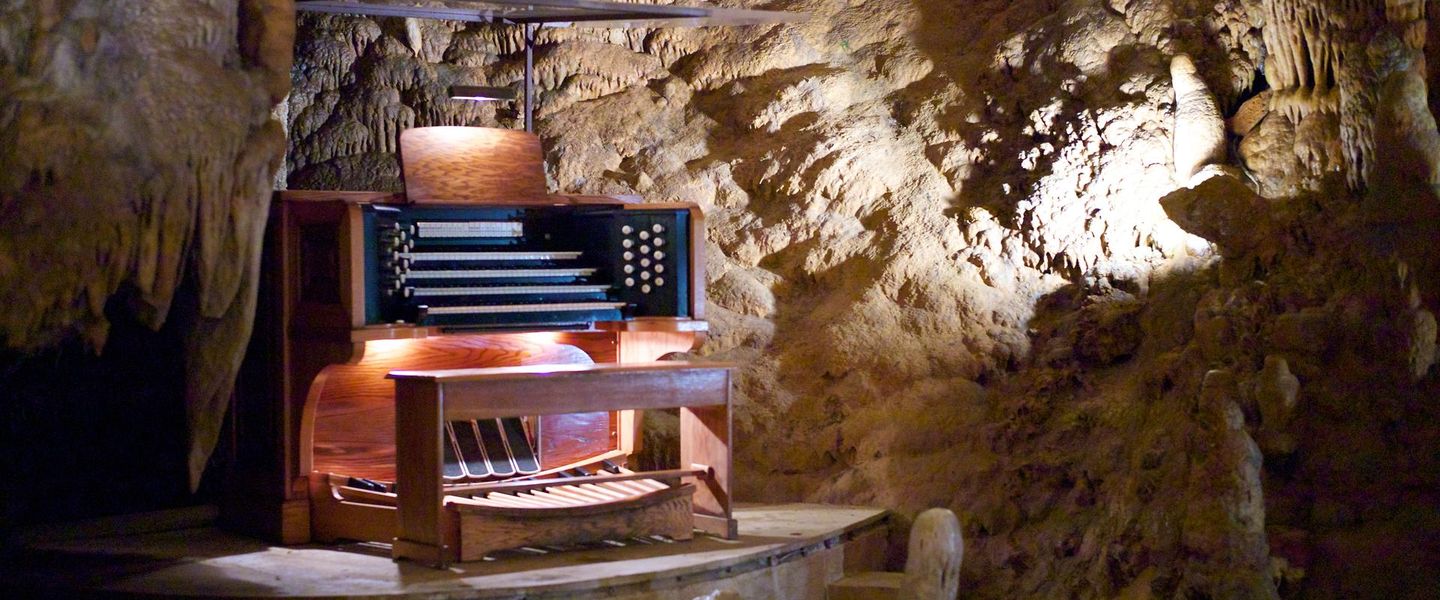


Discover the enchanting world of Luray Caverns, Virginia's hidden gem, featuring awe-inspiring formations, the unique Stalacpipe Organ, and rich historical exhibits.
Read more about Luray Caverns
When is the best time to visit Luray Caverns?
Best: May–June, September · 23–28°C| Month | High (°C) | Rainfall (mm) |
|---|---|---|
| January | 7 | 66 |
| February | 8 | 61 |
| March | 13 | 81 |
| April | 18 | 86 |
| May (best) | 23 | 91 |
| June (best) | 28 | 97 |
| July | 31 | 102 |
| August | 29 | 97 |
| September (best) | 25 | 91 |
| October | 18 | 81 |
| November | 12 | 76 |
| December | 7 | 71 |
Getting to and around Luray Caverns
How to get there
Transportation
Best attractions in Luray Caverns
Luray Caverns in Virginia offers visitors a mesmerizing underground world filled with stunning geological formations, including towering stalactites and shimmering crystal-clear pools. The guided tour takes you through expansive chambers with names like Dream Lake and Titania's Veil, showcasing the natural beauty and wonder of the caverns. Outside, visitors can enjoy the lush surroundings of the Shenandoah Valley, with opportunities for hiking, picnicking, and exploring the nearby historic town of Luray. A visit to Luray Caverns promises a unique and unforgettable experience for nature lovers and history enthusiasts alike.
-
Museum
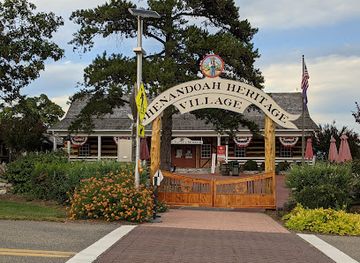
Shenandoah Heritage Village
Explore Shenandoah Heritage Village: A fascinating living history museum showcasing Virginia's rich cultural heritage in the heart of the Shenandoah Valley.
-
Adventure sports center
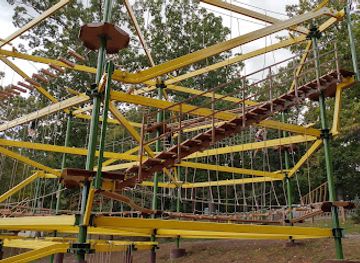
The Rope Adventure Park at Luray Caverns
Experience thrilling adventure and breathtaking views at The Rope Adventure Park in Luray, Virginia, perfect for families and adventure lovers alike.
-
Tourist attraction
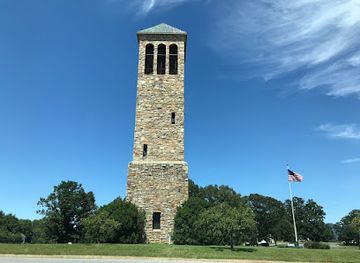
Belle Brown Northcott Memorial
Experience the enchanting melodies and stunning architecture of the Belle Brown Northcott Memorial in beautiful Luray, Virginia.
-
Museum
Luray Village Museum
Immerse yourself in Luray's captivating history at the Luray Village Museum, where local heritage comes to life through engaging exhibits and artifacts.
Best landmarks in Luray Caverns
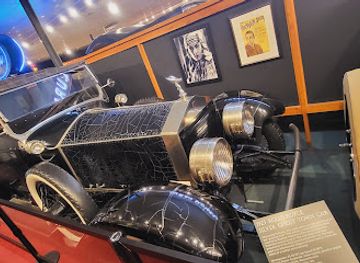
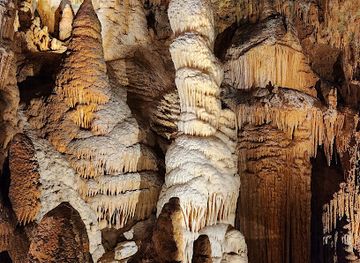
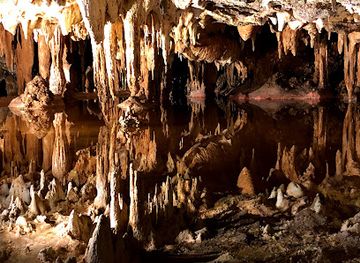
Luray Caverns in Virginia offers visitors a mesmerizing underground world filled with stunning natural formations such as towering stalactites and shimmering pools. The Cathedral Room, with its soaring ceilings and crystal-clear pools, is a highlight not to be missed. Visitors can also marvel at the Dream Lake, where the stalactites above reflect perfectly in the still waters below. The Great Stalacpipe Organ, a one-of-a-kind instrument that uses the cave formations to create music, is a unique experience that visitors will remember long after they leave. With knowledgeable guides leading the way, a visit to Luray Caverns is a journey into the depths of natural wonder and geological history.
-
Tourist attraction
The Garden Maze at Luray Caverns
Explore The Garden Maze at Luray Caverns, a stunning tourist attraction in Virginia, perfect for families and nature lovers seeking adventure and tranquility.
-
Adventure sports center
The Rope Adventure Park at Luray Caverns
Experience the thrill of adventure at The Rope Adventure Park in Luray Caverns, Virginia, where nature meets excitement in a breathtaking treetop challenge.
-
Tourist attraction
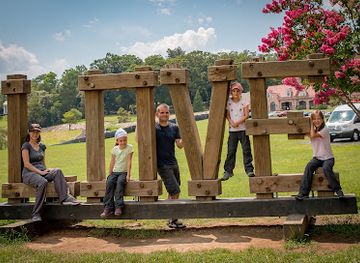
Virginia is for Lovers LOVEwork
Discover the LOVEwork in Luray, Virginia - a vibrant symbol of love and community, perfect for memorable photos in the heart of the Shenandoah Valley.
Explore Luray Caverns on the map
Plan your trip on one map. See where the top attractions, landmarks, restaurants and hotels are, and book hotels and experiences in a few clicks.
Best hotels in Luray Caverns
Best restaurants in Luray Caverns
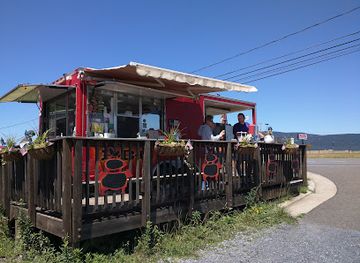
Visitors to Luray Caverns can expect a unique dining experience that combines delicious cuisine with stunning views of the surrounding natural beauty. From cozy cafes serving up homemade comfort food to elegant restaurants offering gourmet meals made with locally sourced ingredients, there is something for every palate. Imagine enjoying a leisurely meal on a terrace overlooking the Blue Ridge Mountains or dining in a historic building that dates back to the 19th century. Whether you're craving traditional Southern fare or international cuisine, the dining scene in Luray Caverns has something to delight every visitor.
-
Barbecue
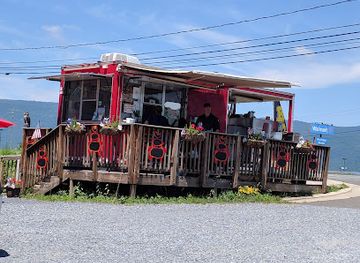
Triple Crown BBQ
Experience authentic Southern barbecue at Triple Crown BBQ in Luray, Virginia – where smoky flavors meet Southern hospitality.
-
Sandwich
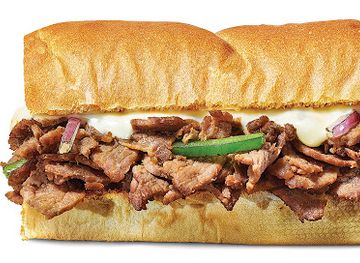
Subway
Experience fresh flavors and custom sandwiches at Subway Luray - the perfect stop for travelers seeking quick bites in Virginia.
-
Coffee shop
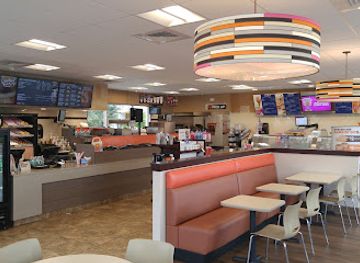
Dunkin'
Discover the flavors of Dunkin' in Luray – where great coffee meets irresistible baked treats.
-
Restaurant
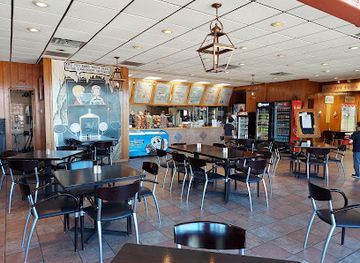
Stalactite Cafe & Restaurant
Experience delicious fast food at Stalactite Cafe & Restaurant near Luray Caverns – perfect for families and adventurers alike!
Best bars in Luray Caverns
Experience the vibrant nightlife scene of Luray Caverns, where visitors can enjoy live music at cozy pubs, sip craft cocktails at trendy bars, and dance the night away at energetic clubs. The atmosphere is lively and welcoming, with a mix of locals and tourists coming together to unwind and have a good time. Whether you're looking for a laid-back evening or a night of excitement, Luray Caverns has something for everyone to enjoy after a day of exploring the natural wonders of the area.
-
Barbecue
Triple Crown BBQ
Discover the best barbecue in Luray, Virginia, at Triple Crown BBQ, where every meal is a savory delight in a cozy setting.
-
Fast Food
McDonald's
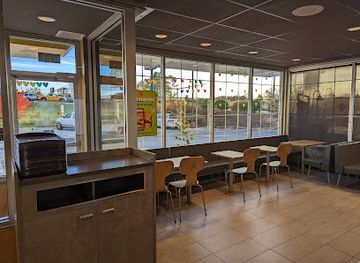
Discover the convenience of McDonald's in Luray, VA, offering fast food favorites and breakfast options in a friendly setting.
-
Sandwich
Subway
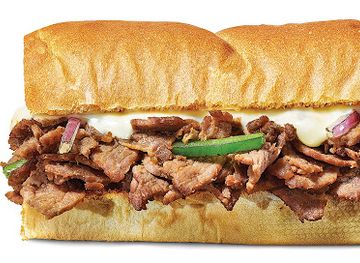
Experience fresh and customizable sandwiches at Subway in Luray, a perfect stop for hungry travelers exploring Virginia's scenic beauty.
-
Restaurant
Burger King
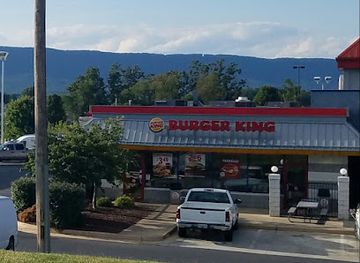
Experience fast food favorites at Burger King in Luray, Virginia, where delicious flame-grilled meals meet stunning natural beauty.
Best shops in Luray Caverns
The shopping scene in Luray Caverns offers a unique blend of local crafts, artisanal goods, and souvenirs that capture the essence of the Shenandoah Valley. From handcrafted pottery and jewelry to specialty foods and vintage finds, visitors can explore a variety of shops and boutiques in the area. Whether you're looking for a one-of-a-kind gift or a memento to remember your trip by, the shopping options in Luray Caverns cater to all tastes and interests, making it a must-visit destination for any tourist.
-
State liquor store
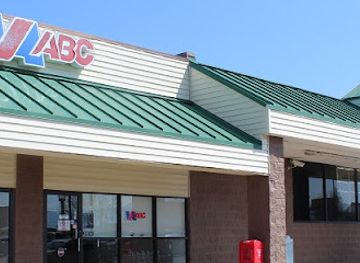
Virginia ABC
Explore Virginia ABC in Luray for a delightful selection of local wines, spirits, and craft beers, showcasing the region's unique beverage culture.
-
Gift shop
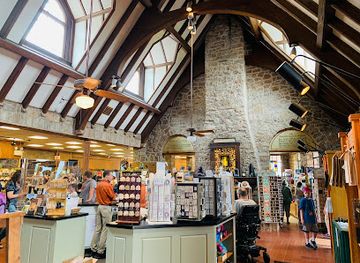
Luray Caverns Gift Shop
Explore a treasure trove of unique souvenirs and local crafts at Luray Caverns Gift Shop, your perfect stop after visiting the stunning caverns.
Get your free copy of our complete guide to Luray Caverns, delivered straight to you.
Everything on this page, from attractions and restaurants to essentials and local phrases, in one PDF you can read offline, print or share.
Already have an account? Sign in
Your Luray Caverns guide is ready.
We'll send it to · Not you? Sign out

Getting your guide ready…
We are putting together a fresh copy of the Luray Caverns guide. This can take up to a minute.
This can take a few moments. If your browser asks, choose Allow so the download can start. You'll find the guide in your Downloads folder.
Nothing happened? Download it again
Sorry, the guide is taking longer than usual. Please try again in a minute, or get it by email instead.
Luray Caverns essentials
Currency and Payment
Safety
Emergency Situations
Do's and Don'ts
Local Tips
From Eve
Local phrases worth knowing
You don't need to get them perfect. A few words go a long way, and locals appreciate the effort.
Basics
| English | Local | Say it |
|---|---|---|
| Hello | Howdy | [HAW-dee] |
| Goodbye | So long | [soh LAWNG] |
| Yes | Yup | [yuhp] |
| No | Nah | [nah] |
| Please/You're welcome | Please/No problem | [pleez / no PROB-lem] |
| Thank you | Thankya | [thank-YUH] |
| Excuse me/Sorry | Pardon me | [PAR-dn mee] |
| How are you? | How y'all doin'? | [haw YAWL DO-in] |
| Fine. And you? | Fine. How 'bout you? | [fahyn. how 'bout yuh?] |
| Do you speak English? | Y'all speak English? | [yawl speak ING-lish] |
| I don't understand | I ain't catchin' on | [ahnt KATCH-in on] |
Eating & Drinking
| English | Local | Say it |
|---|---|---|
| I'd like to see the menu, please | Lemme see what y'all got to eat | [LEM-ee see wut yawl GAHT tuh eet] |
| I don't eat meat | I don't eat critters | [ahnt eat KRI-tuhrs] |
| Cheers! | Skoal! | [SKOHL] |
| I would like to pay, please | I'm fixin' to settle up | [ahm FIX-in tuh SET-ul up] |
Emergencies
| English | Local | Say it |
|---|---|---|
| Help! | He'p! | [hehp] |
| Go away! | Git! | [git] |
| Call the Police! | Get the Sheriff! | [get the SHER-iff] |
| Call a doctor! | Get the doc! | [get the dok] |
| I'm lost | I done wandered off | [ah duhn WON-derd awf] |
| I'm ill | I'm feelin' poorly | [ahm FEEL-in POR-lee] |
Shopping
| English | Local | Say it |
|---|---|---|
| I'd like to buy... | I reckon I'll take... | [ah REK-in ayl TAYK] |
| I'm just looking | I'm just browsin' | [ahm just BROW-zin] |
| How much is it? | What's the damage? | [wuts the DAM-ij] |
| That's too expensive | That's highfalutin' | [thats hi-fuh-LOOT-in] |
| Can you lower the price? | Kin ya do any better on the price? | [kin yuh doh en-nee BET-ter on the price] |
Time & Numbers
| English | Local | Say it |
|---|---|---|
| What time is it? | What's the time of day? | [wuts the tahym uhv day] |
| It's one o'clock | It's one | [its wun] |
| Half past (10) | Half past ten | [haf past ten] |
| Morning | Mornin' | [MAWR-nin] |
| Afternoon | Afternoon | [AF-ter-NOON] |
| Evening | Evenin' | [EE-ven-in] |
| Yesterday | Yestiddy | [YES-tid-ee] |
| Today | Today | [to-DAY] |
| Tomorrow | Tomorruh | [tuh-MOR-uh] |
| 1 | One | [wun] |
| 2 | Two | [too] |
| 3 | Three | [three] |
| 4 | Four | [for] |
| 5 | Five | [fahyv] |
| 6 | Six | [siks] |
| 7 | Seven | [SEV-in] |
| 8 | Eight | [ayt] |
| 9 | Nine | [nine] |
| 10 | Ten | [ten] |
Transport & Directions
| English | Local | Say it |
|---|---|---|
| Where's a/the...? | Where's the...? | [wheres the] |
| What's the address? | Where's it located? | [wheres it loh-KAY-ted] |
| Can you show me (on the map)? | Can you point it out? | [kin yuh POINT it out] |
| When's the next (bus)? | When's the next bus comin'? | [whens the next BUS com-in] |
| A ticket (to ....) | A pass (to ...) | [uh PASS tuh] |
History of Luray Caverns
Discovery of Luray Caverns
Luray Caverns were discovered in 1878 by a group of local men, including Andrew Campbell, Benton Stebbins, and William Campbell. The discovery came about when the group noticed a cold air current coming from a sinkhole in the ground. Upon further investigation, they found a large underground cavern filled with stalactites and stalagmites, marking the beginning of Luray Caverns as a significant natural attraction.
The Great Stalacpipe Organ
In the 1950s, Leland W. Sprinkle, a mathematician and electronics scientist, created the Great Stalacpipe Organ within Luray Caverns. This unique instrument uses rubber-tipped mallets to strike stalactites of varying sizes, producing musical tones. The organ is considered the world's largest musical instrument, using the natural formations of the cavern to create ethereal music that echoes through the chambers.
Early Tourism and Development
Shortly after their discovery, Luray Caverns became a popular tourist destination. By 1881, the Shenandoah Valley Railroad had reached Luray, making the caverns more accessible to visitors. Early tours were conducted by candlelight and later by gasoline lanterns before electric lighting was installed in the 1900s. The growth of tourism significantly contributed to the local economy and spurred the development of amenities and infrastructure in the area.
Formation of Luray Caverns
Luray Caverns are estimated to be around 4 million years old. The caverns were formed by the slow dissolution of limestone by acidic groundwater. Over millennia, this process created the vast underground chambers and intricate formations that can be seen today. The caverns' formations include stalactites, stalagmites, columns, and flowstone, all of which contribute to the cavern's breathtaking beauty.
National Landmark Designation
In 1974, Luray Caverns were designated as a National Natural Landmark by the National Park Service. This designation recognizes the caverns' exceptional natural value and ensures their protection and preservation for future generations. The landmark status highlights the importance of Luray Caverns not only as a tourist attraction but also as a significant geological and natural site.
Luray Caverns in Photos
Browse through our photo collection highlighting the charm and character of the destination.
Neighbouring destination travel guides
The closest destinations to Luray Caverns, if you have time for more than one.
-

-

-

-

-


Swipe for more destinations
Explore more

Explore more of Shenandoah Valley
Explore Virginia’s Shenandoah Valley for Civil War history, cave systems, mountain scenery, historic towns, farms and locally produced food.
Explore Shenandoah Valley
Explore more of Virginia
Discover Virginia: A blend of historic landmarks, natural beauty, and vibrant culture perfect for history buffs, nature lovers, and culture seekers.
Explore Virginia