

Skyline Drive Travel Guide - Free Web & App
Your ultimate guide to Skyline Drive. Discover top landmarks, proposed trips, and local tips. Free on the web or via the Evendo companion app.


Skyline Drive in Virginia crosses Shenandoah National Park, offering Blue Ridge overlooks, forest trails, waterfalls, wildlife and four seasons of scenery.
A Road Along the Blue Ridge
Skyline Drive follows the crest of Virginia’s Blue Ridge Mountains for about 105 miles through Shenandoah National Park, linking Front Royal in the north with Rockfish Gap near Waynesboro in the south. The road is the park’s defining route, but it is more than a scenic drive: its overlooks, trailheads and woodland clearings provide access to a long, high landscape shaped by ridges, hollows, streams and changing mountain weather. Views extend across the Shenandoah Valley to the Allegheny Mountains in the west and, on clearer days, towards the Piedmont to the east.Read more about Skyline Drive
Forest, Wildlife and Seasons
Gateway Communities and Exploration
When is the best time to visit Skyline Drive?
Best: May–June, September · 23–27°C| Month | High (°C) | Rainfall (mm) |
|---|---|---|
| January | 6 | 78 |
| February | 8 | 84 |
| March | 13 | 95 |
| April | 18 | 98 |
| May (best) | 23 | 100 |
| June (best) | 27 | 102 |
| July | 30 | 109 |
| August | 29 | 107 |
| September (best) | 25 | 95 |
| October | 19 | 87 |
| November | 12 | 86 |
| December | 7 | 81 |
Getting to and around Skyline Drive
How to get there
Transportation
Best attractions in Skyline Drive
Skyline Drive’s principal attractions are its sequence of overlooks, trailheads and forest landscapes rather than a concentration of buildings. Northern sections near Front Royal and Thornton Gap provide access to viewpoints and walks around the park’s more northerly ridges, while the central route includes access towards popular mountain trails, waterfalls and the Big Meadows area. Further south, the drive reaches overlooks and trail connections near the Swift Run Gap and Rockfish Gap entrances, with sections of the Appalachian Trail paralleling the route. Big Meadows is a broad high-elevation meadow notable for open views and wildlife observation, while Dark Hollow Falls is among the best-known waterfall walks accessible from the drive. Numerous shorter hikes lead to rocky summits, woodland clearings and cascading streams. Conditions, parking availability and trail access vary, so visitors should consult current park information rather than assuming every attraction is open in every season.
-
Tourist attraction
Luray Caverns
Explore Luray Caverns, Virginia's natural masterpiece filled with stunning geological formations and rich history, perfect for all adventurers.
-
 National park
Shenandoah National Park
Discover Shenandoah National Park, Virginia's breathtaking national park perfect for hiking, wildlife watching, and family camping amidst stunning landscapes.
-
Tourist attraction
Shenandoah Caverns
Discover the breathtaking beauty of Shenandoah Caverns, an underground wonder filled with stunning formations and natural artistry.
-
Visitor center
Harry F. Byrd, Sr. Visitor Center
Explore the breathtaking Shenandoah National Park through the Harry F. Byrd, Sr. Visitor Center - your gateway to adventure and natural wonders.
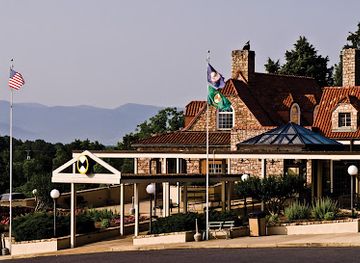
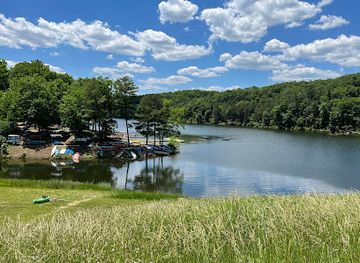
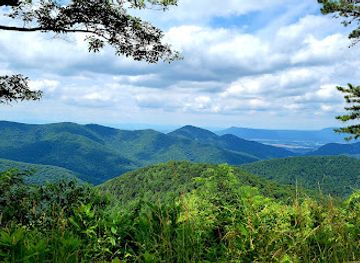
Best landmarks in Skyline Drive
The defining landmark is Skyline Drive itself, a historic ridge-top road running through Shenandoah National Park and presenting a succession of overlooks across the Blue Ridge, Shenandoah Valley and eastern Virginia. Big Meadows is the route’s most recognisable open landscape, contrasting with the surrounding hardwood forest and providing an important high-elevation habitat. The Appalachian Trail is another major cultural and recreational landmark, crossing and paralleling sections of the drive along its long route through the eastern United States. Dark Hollow Falls and other mountain streams express the region’s steep drainage patterns, while rocky summits and exposed outcrops mark the crest. Historic stonework, former homesteads, cemeteries and remaining rural structures provide reminders that the park landscape was shaped by communities before protected-area creation, adding human history to the scenery of the road.
-
National park
Shenandoah National Park
Explore the breathtaking landscapes, diverse wildlife, and outdoor adventures waiting at Shenandoah National Park in Virginia.
-
Scenic spot
Buck Hollow Overlook
Experience the stunning vistas of Buck Hollow Overlook, a scenic gem along Skyline Drive in Virginia's Shenandoah National Park, perfect for nature lovers and photographers.
-
Vista point
Lewis Mountain
Explore the stunning vistas of Lewis Mountain in Virginia's Shenandoah National Park, a must-visit for nature lovers and photographers seeking breathtaking views.
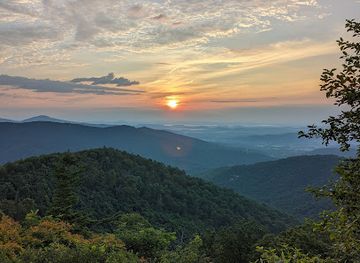
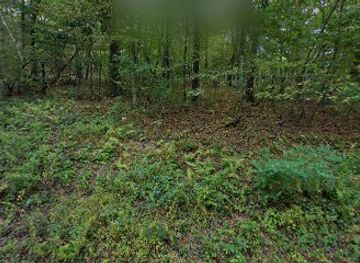
Explore Skyline Drive on the map
Plan your trip on one map. See where the top attractions, landmarks, restaurants and hotels are, and book hotels and experiences in a few clicks.
Best hotels in Skyline Drive
Best restaurants in Skyline Drive
Skyline Drive itself has limited dining infrastructure, so visitors should plan meals around gateway towns, park concessions and their accommodation. Front Royal, Luray, Elkton and Waynesboro offer the broadest selection of restaurants, cafés, takeaway food and groceries near the four access points, while smaller communities along the Shenandoah Valley provide additional local options. Within Shenandoah National Park, food services are concentrated at selected developed areas rather than distributed continuously along the road, making a packed lunch and adequate water sensible for longer excursions. Regional menus often draw on Appalachian and Piedmont traditions, with seasonal vegetables, apples, trout, country ham, barbecue and baked goods appearing in Virginia’s wider mountain food culture. Farm shops and roadside producers outside the park can provide local fruit, cider and other provisions, though opening arrangements vary.
-
Breakfast
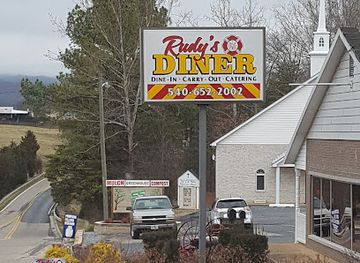
Rudy’s Diner
Experience the charm of Rudy's Diner in Shenandoah – where hearty breakfasts meet friendly service in a cozy atmosphere.
-
Italian
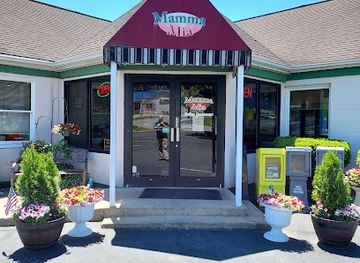
Mamma Mia Italian Restaurant
Discover the rich flavors of Italy at Mamma Mia Italian Restaurant in Shenandoah—your go-to destination for authentic cuisine and fine wines.
-
Restaurant
Spottswood Dining Room
Experience exquisite American cuisine with breathtaking views at Spottswood Dining Room in Shenandoah National Park.

Best bars in Skyline Drive
Skyline Drive is a quiet, nature-focused route with no nightlife district and little reason to expect late-night entertainment inside Shenandoah National Park. Evenings are generally centred on campsites, lodges, cabins or the dining facilities associated with established park areas, subject to seasonal operation and current regulations. Traditional pubs, breweries and restaurants are more likely to be found in gateway communities such as Front Royal, Luray, Elkton and Waynesboro, where the atmosphere is rural and social rather than club-oriented. Some accommodation providers may offer a bar or evening dining, but visitors should not rely on this without checking in advance. Night driving requires particular caution because of darkness, fog, wildlife and limited roadside services, while open fires and other evening activities remain subject to park rules.
-
Hotel
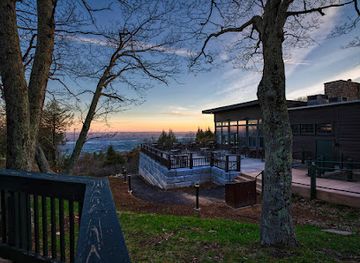
Skyland
Discover the serenity and breathtaking views of Skyland, a stunning hotel nestled in Shenandoah National Park, perfect for nature lovers and adventure seekers.
-
American
O'Neill's Grill
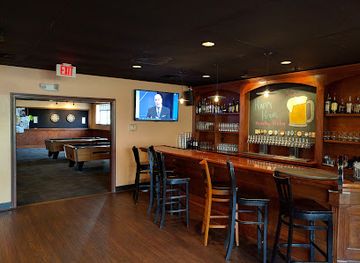
Experience a delightful blend of American and Irish cuisines at O'Neill's Grill in Harrisonburg, where every meal is a celebration of flavor.
-
Bar
Jimmy Madison's
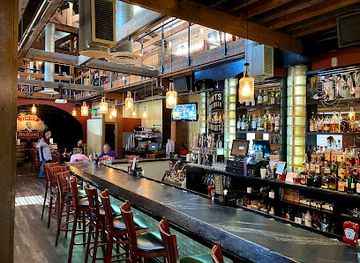
Experience the vibrant Southern flavors and warm hospitality at Jimmy Madison's, a must-visit bar and restaurant in Harrisonburg, Virginia.
-
Bar
Capital Ale House
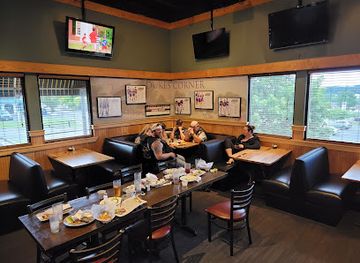
Experience the best of local craft beers and delicious meals at Capital Ale House in Harrisonburg, a vibrant spot for food and drinks.
Best shops in Skyline Drive
Shopping on Skyline Drive is limited and functional rather than extensive. Park facilities may offer maps, books, souvenirs and practical items, while the principal range of supplies is found in gateway towns such as Front Royal, Luray, Elkton and Waynesboro. Visitors can look for regional food products, Virginia apples and cider, preserves, baked goods, outdoor equipment and locally made crafts in the wider Shenandoah Valley, with availability varying between businesses and seasons. Luray and Front Royal are particularly useful for replenishing provisions before entering the park, while farm shops and independent retailers outside the park provide a closer connection to the agricultural character of the surrounding valleys. There is no continuous shopping street along the drive, so food, fuel, medication and hiking essentials should be obtained before travelling into a remote section.
-
Gift shop
Shenandoah Heritage Market
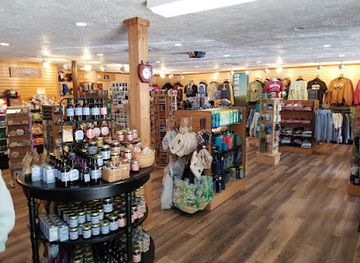
Explore Shenandoah Heritage Market for unique gifts, antiques, and local produce that capture the essence of Virginia's rich culture and craftsmanship.
-
Shopping mall
Skyline Village
Discover Skyline Village in Harrisonburg, VA - your ultimate shopping destination with a variety of stores, dining options, and entertainment for all ages.
-
Gift shop
Loft Mountain Wayside
Discover local crafts and souvenirs at Loft Mountain Wayside, a charming gift shop along Virginia's iconic Skyline Drive.
-
Gift shop
Hawksbill Trading Company
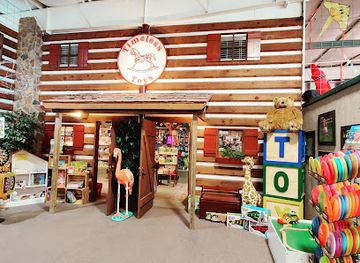
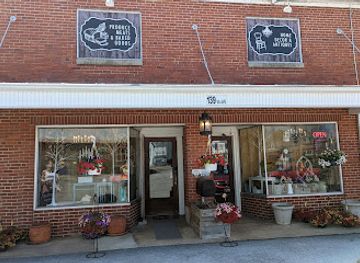
Discover unique antiques, home goods, and local treasures at Hawksbill Trading Company in Luray, Virginia.
Get your free copy of our complete guide to Skyline Drive, delivered straight to you.
Everything on this page, from attractions and restaurants to essentials and local phrases, in one PDF you can read offline, print or share.
Already have an account? Sign in
Your Skyline Drive guide is ready.
We'll send it to · Not you? Sign out

Getting your guide ready…
We are putting together a fresh copy of the Skyline Drive guide. This can take up to a minute.
This can take a few moments. If your browser asks, choose Allow so the download can start. You'll find the guide in your Downloads folder.
Nothing happened? Download it again
Sorry, the guide is taking longer than usual. Please try again in a minute, or get it by email instead.
Skyline Drive essentials
Currency and Payment
Safety
Emergency Situations
Do's and Don'ts
Local Tips
From Eve
Local phrases worth knowing
You don't need to get them perfect. A few words go a long way, and locals appreciate the effort.
Basics
| English | Local | Say it |
|---|---|---|
| Hello | Howdy | [haw-dee] |
| Goodbye | See ya | [see yuh] |
| Yes | Yup | [yuhp] |
| No | Nah | [nah] |
| Please/You're welcome | Please/No problem | [pleez/no proh-bluhm] |
| Thank you | Thanks | [thaynks] |
| Excuse me/Sorry | Pardon me | [pahr-dn me] |
| How are you? | How y'all doin'? | [haw yawl doo-in] |
| Fine. And you? | I'm good. You? | [ahm good. yuh] |
| Do you speak English? | Ya speak English? | [yuh speak ing-glish] |
| I don't understand | I ain't gettin' it | [ah aint get-tin it] |
Eating & Drinking
| English | Local | Say it |
|---|---|---|
| I'd like to see the menu, please | Can I check out the menu? | [kan eye chek out the men-yoo] |
| I don't eat meat | I don't do meat | [ah dohnt doh meet] |
| Cheers! | Bottoms up! | [bot-ums up] |
| I would like to pay, please | Can I settle up? | [kan eye set-tl up] |
Emergencies
| English | Local | Say it |
|---|---|---|
| Help! | SOS! | [ess-oh-ess] |
| Go away! | Scat! | [skat] |
| Call the Police! | Ring the sheriff! | [ring the sher-iff] |
| Call a doctor! | Get the doc! | [get the dok] |
| I'm lost | I done got turned around | [ah dun got turnd uh-round] |
| I'm ill | I ain't feelin' right | [ah aint feel-in rahyt] |
Shopping
| English | Local | Say it |
|---|---|---|
| I'd like to buy... | I'm fixin' to buy... | [ahm fiks-in toh buy] |
| I'm just looking | Just browsin' | [just brow-zin] |
| How much is it? | What's the damage? | [whats the dam-ij] |
| That's too expensive | That's a bit steep | [thats uh bit steep] |
| Can you lower the price? | Can ya come down on the price? | [kan yuh kum down on the prahs] |
Time & Numbers
| English | Local | Say it |
|---|---|---|
| What time is it? | What's the time by you? | [whats the time byu yuh] |
| It's one o'clock | It's one on the dot | [its wuhn on the daht] |
| Half past (10) | Ten-thirty | [ten-thur-tee] |
| Morning | Mornin' | [morn-in] |
| Afternoon | Afternoon | [af-tur-noon] |
| Evening | Evenin' | [eev-nin] |
| Yesterday | Yest'day | [yest-duh] |
| Today | Today | [toh-day] |
| Tomorrow | Tomorrah | [toh-mor-rah] |
| 1 | One | [wuhn] |
| 2 | Two | [too] |
| 3 | Three | [three] |
| 4 | Four | [for] |
| 5 | Five | [fahyv] |
| 6 | Six | [siks] |
| 7 | Seven | [sev-un] |
| 8 | Eight | [ayt] |
| 9 | Nine | [nahyn] |
| 10 | Ten | [ten] |
Transport & Directions
| English | Local | Say it |
|---|---|---|
| Where's a/the...? | Where's the... at? | [wheres the at] |
| What's the address? | What's the street? | [whats the street] |
| Can you show me (on the map)? | Can ya point it out (on the map)? | [kan yuh point it out on the map] |
| When's the next (bus)? | When's the next one (bus)? | [whens the next wuhn bus] |
| A ticket (to ....) | A pass (to ....) | [a pass to] |
History of Skyline Drive
The Blue Ridge Landscape
Skyline Drive occupies the crest of the Blue Ridge, an ancient mountain system whose ridges and valleys were shaped by prolonged erosion, uplift and weathering. The route’s scenery is therefore the product of geological processes operating over immense timescales rather than a single dramatic formation. Streams descend from the ridge into the Shenandoah Valley and eastern Piedmont, while elevation, exposure and soils create varied woodland habitats. Earlier human communities used, travelled through and cultivated parts of these mountains long before the modern park and road existed.
Communities Before the Park
Before Shenandoah National Park was established, the Blue Ridge contained farms, orchards, small settlements, churches, mills and family homesteads. Residents included descendants of long-established Virginia families as well as communities shaped by regional migration and labour. The landscape was not an untouched wilderness: fields, roads and managed forests reflected generations of local use. Remnants of homes, cemeteries, walls and woodland clearings still help reveal this earlier cultural landscape, although many communities were disrupted when land was assembled for the national park.
Park Creation and Displacement
Shenandoah National Park was authorised in 1926 and established in 1935, during a period when national parks were being expanded as public recreation landscapes. Creating the park required the acquisition of privately held land and the removal or relocation of many residents, a history that remains one of the most important and difficult parts of the area’s heritage. Some people left voluntarily, while others faced pressure from government land acquisition. Historic structures and family cemeteries across the park preserve evidence of the communities that preceded the present recreational landscape.
Building Skyline Drive
Skyline Drive was developed during the New Deal era, with substantial work carried out by the Civilian Conservation Corps and other labour programmes. Construction began in the 1930s, and the road was opened in stages as engineering, grading, bridges, overlooks and recreational facilities progressed along the ridge. Its design sought to make mountain scenery accessible by motor vehicle while fitting the route into the contours of the landscape. Stonework, overlooks and roadside features associated with this period contribute to the drive’s historic character.
Conservation and Public Access
Since the park’s creation, management has balanced public access with the protection of forests, streams, wildlife and historic resources. Skyline Drive became a major route for viewing the Blue Ridge and reaching Shenandoah’s extensive trail network, while the surrounding park developed as a place for hiking, camping, education and nature observation. Today, conservation work addresses invasive plants, habitat change, erosion, fire and the effects of heavy visitation. The drive’s significance lies in this continuing relationship between a carefully engineered scenic road and a protected mountain environment.
Skyline Drive in Photos
Browse through our photo collection highlighting the charm and character of the destination.
Cities in Skyline Drive
The towns and cities of Skyline Drive, and the easiest places to base yourself.

Swipe for more cities
Neighbouring destination travel guides
The closest destinations to Skyline Drive, if you have time for more than one.
-

-

-

-

-


Swipe for more destinations
Explore more

Explore more of Shenandoah Valley
Explore Virginia’s Shenandoah Valley for Civil War history, cave systems, mountain scenery, historic towns, farms and locally produced food.
Explore Shenandoah Valley
Explore more of Virginia
Discover Virginia: A blend of historic landmarks, natural beauty, and vibrant culture perfect for history buffs, nature lovers, and culture seekers.
Explore Virginia