

Canaan Valley Travel Guide - Free Web & App
Your ultimate guide to Canaan Valley. Discover top landmarks, proposed trips, and local tips. Free on the web or via the Evendo companion app.


Canaan Valley, West Virginia, pairs high-elevation wetlands, mountain trails, skiing, wildlife and nearby Davis and Thomas in the Allegheny Highlands.
A Highland Valley of Water and Forest
Canaan Valley lies in the Allegheny Highlands of north-eastern West Virginia, a broad, elevated basin surrounded by forested mountains and drained by the upper Blackwater River. At roughly 3,200 feet above sea level, it has a cooler, wetter climate than much of the state and supports an unusual mosaic of open meadows, peat-rich wetlands, spruce stands, hardwood forest and winding streams. The Canaan Valley National Wildlife Refuge protects a substantial part of this landscape, providing habitat for waterfowl, beaver, otter, black bear and a wide variety of wetland and woodland birds. Wildlife sightings are seasonal and never guaranteed, but the open valley makes changes in weather, light and vegetation particularly apparent.Read more about Canaan Valley
Outdoor Recreation Across the Seasons
Mountain Communities and Local Character
When is the best time to visit Canaan Valley?
Best: June–August · 23–26°C| Month | High (°C) | Rainfall (mm) |
|---|---|---|
| January | 1 | 102 |
| February | 3 | 89 |
| March | 8 | 102 |
| April | 13 | 114 |
| May | 19 | 127 |
| June (best) | 23 | 127 |
| July (best) | 26 | 140 |
| August (best) | 25 | 127 |
| September | 21 | 114 |
| October | 15 | 102 |
| November | 9 | 102 |
| December | 3 | 114 |
Getting to and around Canaan Valley
How to get there
Transportation
Best attractions in Canaan Valley
Canaan Valley National Wildlife Refuge is the defining attraction, with broad wetlands, open meadows, forest edges and streams that offer opportunities for walking, birdwatching and quiet landscape observation where access is permitted. Canaan Valley Resort State Park provides an established base for hiking, golf and winter recreation, including downhill skiing and snow-based activities during suitable conditions. The surrounding Allegheny Highlands lead towards Davis and Thomas, whose historic streets, galleries and small-town atmosphere add a cultural dimension to the natural landscape. Nearby Blackwater Falls State Park lies outside the central valley but is a natural companion to a visit, with the Blackwater River, forest trails and overlooks around its well-known waterfall. Higher ridges and spruce forests around the valley provide varied scenery, while the wider region includes opportunities for cycling, fishing and independent hiking subject to local rules, weather and access conditions.
-
State park
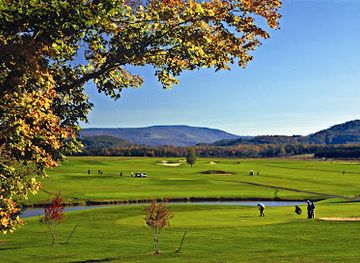
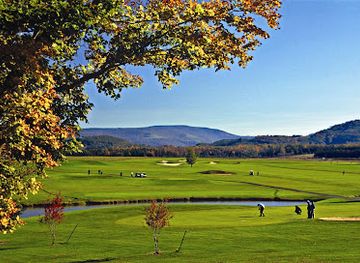
Canaan Valley Resort State Park
Discover the beauty and adventure of Canaan Valley Resort State Park, a premier destination for outdoor activities in West Virginia's breathtaking landscapes.
-
Tourist attraction
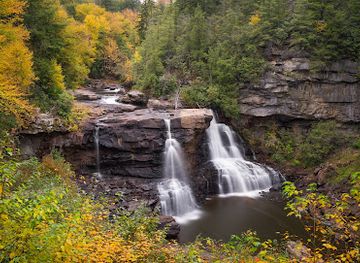
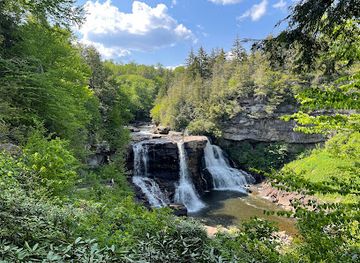
Blackwater Falls Boardwalk
Explore the breathtaking beauty of Blackwater Falls Boardwalk, a scenic gem in West Virginia perfect for nature lovers and outdoor enthusiasts.
-
Nature preserve
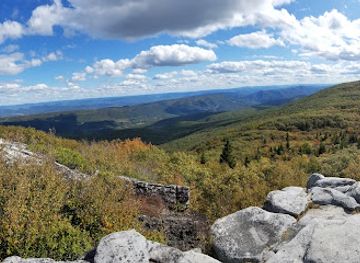
Bear Rocks Preserve
Explore the breathtaking views and serene trails of Bear Rocks Preserve, a nature lover's paradise in West Virginia.
-
Hiking area
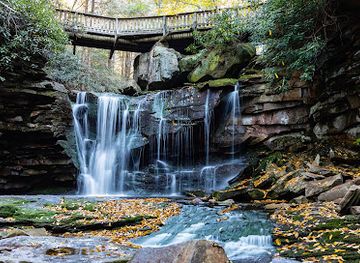
Elakala Trail
Experience the stunning beauty of Elakala Trail, a premier hiking area featuring captivating waterfalls and lush landscapes in West Virginia.
Best landmarks in Canaan Valley
The open wetlands of Canaan Valley National Wildlife Refuge are the area’s principal natural landmark, representing one of the most distinctive high-elevation valley environments in the eastern United States. The surrounding Allegheny ridges and spruce-dominated uplands form a continuous mountain frame, while the upper Blackwater River and its tributary streams express the valley’s water-shaped geography. Canaan Valley Resort State Park is an important recreational landmark, linking the landscape with the region’s modern outdoor-tourism identity. In the wider area, Blackwater Falls is a major natural landmark just beyond the valley, where the Blackwater River drops through a rugged gorge. The historic communities of Davis and Thomas provide the principal cultural landmarks nearby, preserving associations with timber, rail transport, mountain commerce and the later growth of arts and recreation.
-
State park
Blackwater Falls State Park
Explore the breathtaking beauty of Blackwater Falls State Park, where stunning waterfalls meet lush landscapes in West Virginia's natural paradise.
-
State park
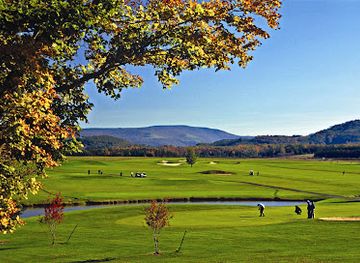
Canaan Valley Resort State Park
Explore the natural wonders of Canaan Valley Resort State Park, offering hiking, golfing, and year-round outdoor adventures in a stunning natural setting.
-
Scenic spot
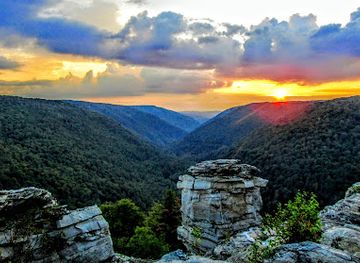
Lindy Point Observation Deck
Experience breathtaking views at Lindy Point Observation Deck, a scenic gem in West Virginia perfect for hiking and relaxing amidst nature's beauty.
-
Tourist attraction
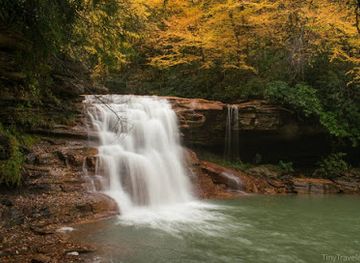
Douglas Falls
Explore Douglas Falls in West Virginia, a breathtaking natural wonder offering scenic hikes and stunning waterfalls amidst the beauty of Blackwater Canyon.
Explore Canaan Valley on the map
Plan your trip on one map. See where the top attractions, landmarks, restaurants and hotels are, and book hotels and experiences in a few clicks.
Best hotels in Canaan Valley
Best restaurants in Canaan Valley
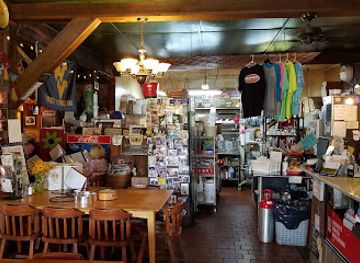
Dining in Canaan Valley is closely linked to the resort, inns and the nearby communities of Davis and Thomas rather than concentrated in a large restaurant district. Visitors can find casual meals, cafés, pub-style food and sit-down dining in these small mountain towns, with local menus often drawing on Appalachian traditions, seasonal produce and familiar West Virginian comfort food. Thomas is particularly associated with arts and evening hospitality, while Davis serves as a practical stop for provisions and meals on the way to outdoor activities. The valley’s rural setting means that options may be more limited outside established settlements, and self-catering accommodation can be useful for early starts or longer stays. Farm stands and small local food businesses may appear seasonally, but opening arrangements vary, so supplies should be obtained before heading into more isolated areas.
-
Italian
Sirianni's Café
Discover authentic Italian cuisine at Sirianni's Café in Davis – where every dish tells a story!
-
Burritos
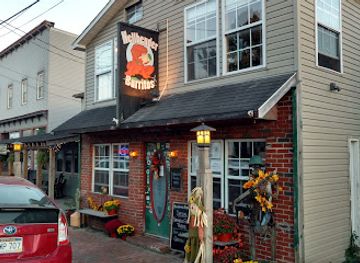
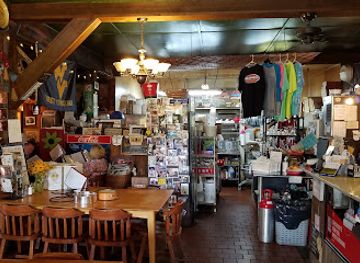
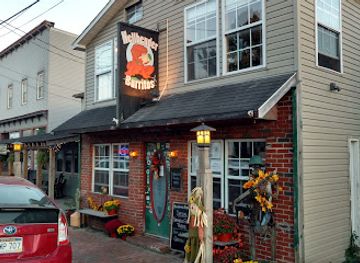
Hellbender Burritos
Experience flavorful burritos crafted with fresh ingredients at Hellbender Burritos in Davis, West Virginia—a must-visit culinary stop.
-
 Motel
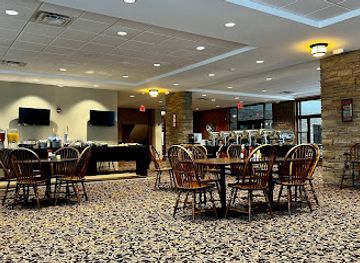
MotelAlpine Lodge Sawmill Restaurant
Experience rustic charm and delicious local cuisine at Alpine Lodge Sawmill Restaurant in beautiful West Virginia.
-
American
The Smokehouse at Blackwater Falls
Discover culinary delights amidst breathtaking landscapes at The Smokehouse in Blackwater Falls State Park.
Best bars in Canaan Valley
Canaan Valley does not have a substantial nightclub scene; evenings are generally quiet and centred on restaurants, resort facilities, accommodation lounges and the small-town hospitality of Davis and Thomas. Traditional pubs and casual bars offer places to meet over food or drinks, while Thomas is known for a stronger arts-oriented atmosphere, including galleries and cultural venues that may host evening activity at particular times. Seasonal events and live performances can occur, but they should not be assumed to run daily or year-round. In the valley itself, darkness, open scenery and the sound of streams are often more characteristic than late-night entertainment. Visitors staying outside the towns should plan transport in advance and avoid relying on an extensive taxi or night bus network.
-
Bar
Purple Fiddle
Discover the lively Purple Fiddle, a must-visit bar and live music venue in Thomas, WV, offering great food, drinks, and unforgettable performances.
-
Italian
Sirianni's Café
Experience the essence of Italy with every bite at Sirianni's Café, the premier Italian restaurant in Davis, West Virginia.
-
Burritos
Hellbender Burritos
Indulge in fresh, flavorful burritos at Hellbender Burritos, a delightful restaurant in Davis, West Virginia, perfect for food lovers and adventurers alike.
-
Restaurant
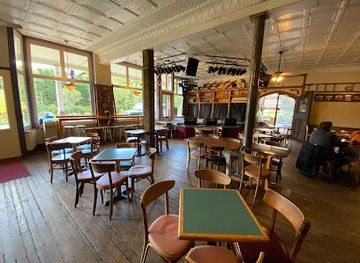
Alpine Lodge Sawmill Restaurant
Discover the cozy Alpine Lodge Sawmill Restaurant in West Virginia, where delicious comfort food meets stunning mountain views and warm hospitality.
Best nightclubs in Canaan Valley
Canaan Valley does not have a substantial nightclub scene; evenings are generally quiet and centred on restaurants, resort facilities, accommodation lounges and the small-town hospitality of Davis and Thomas. Traditional pubs and casual bars offer places to meet over food or drinks, while Thomas is known for a stronger arts-oriented atmosphere, including galleries and cultural venues that may host evening activity at particular times. Seasonal events and live performances can occur, but they should not be assumed to run daily or year-round. In the valley itself, darkness, open scenery and the sound of streams are often more characteristic than late-night entertainment. Visitors staying outside the towns should plan transport in advance and avoid relying on an extensive taxi or night bus network.
-
Lounge
Laurel Lounge
Discover the charm of Laurel Lounge, a cozy retreat in Canaan Valley, perfect for unwinding after a day of exploring West Virginia's natural beauty.

Best shops in Canaan Valley
Shopping is modest and locally focused, with the greatest concentration in Davis and Thomas rather than in the more rural parts of Canaan Valley. Independent galleries, studios, antique and vintage shops, book and gift businesses, outdoor retailers and small food shops reflect the area’s combination of Appalachian heritage, creative culture and outdoor tourism. Thomas is particularly associated with arts and galleries along its compact main street, while Davis is convenient for equipment, provisions and practical supplies. Visitors may find locally made art, crafts, pottery, woodwork, textiles and regional food products, although stock and opening arrangements vary. The valley itself has limited retail infrastructure, so those staying in remote accommodation should purchase essentials in a gateway town. These shops are working small businesses, and local products are generally more meaningful souvenirs than generic destination merchandise.
-
State park
Canaan Valley Resort State Park
Discover the wonders of Canaan Valley Resort State Park, where adventure meets tranquility in the heart of West Virginia's breathtaking landscapes.
-
Coffee shop
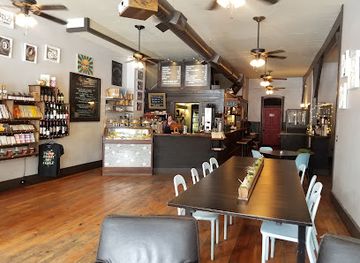
TipTop
Discover TipTop, the go-to coffee shop in Thomas, WV, serving artisanal brews, fresh baked goods, and local treats in a cozy atmosphere.
-
Ski resort
Canaan Valley Ski Resort
Experience breathtaking winter adventures at Canaan Valley Ski Resort, West Virginia's charming destination for skiing, snowboarding, and family fun.
-
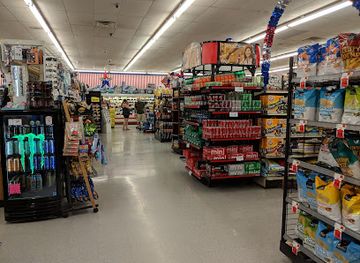
Grocery store
Shop 'n Save Express
Discover the charm of Shop 'n Save Express in Davis, your trusted grocery store for local produce and essentials while exploring Canaan Valley.
Get your free copy of our complete guide to Canaan Valley, delivered straight to you.
Everything on this page, from attractions and restaurants to essentials and local phrases, in one PDF you can read offline, print or share.
Already have an account? Sign in
Your Canaan Valley guide is ready.
We'll send it to · Not you? Sign out

Getting your guide ready…
We are putting together a fresh copy of the Canaan Valley guide. This can take up to a minute.
This can take a few moments. If your browser asks, choose Allow so the download can start. You'll find the guide in your Downloads folder.
Nothing happened? Download it again
Sorry, the guide is taking longer than usual. Please try again in a minute, or get it by email instead.
Canaan Valley essentials
Currency and Payment
Safety
Emergency Situations
Do's and Don'ts
Local Tips
From Eve
Local phrases worth knowing
You don't need to get them perfect. A few words go a long way, and locals appreciate the effort.
Basics
| English | Local | Say it |
|---|---|---|
| Hello | Howdy | [haw-dee] |
| Goodbye | See ya | [see yuh] |
| Yes | Yep | [yep] |
| No | Nah | [nah] |
| Please/You're welcome | Please | [pleez] |
| Thank you | Thanks | [thaynks] |
| Excuse me/Sorry | Pardon | [pahr-dn] |
| How are you? | How y'all doin'? | [haw y'all doo-in] |
| Fine. And you? | Fine. And you? | [fine. and yoo?] |
| Do you speak English? | Y'all speak English? | [y'all speak ing-glish] |
| I don't understand | I ain't catchin' on | [eye ent catch-in on] |
Eating & Drinking
| English | Local | Say it |
|---|---|---|
| I'd like to see the menu, please | I'd like to see the menu, please | [I'd like to see the menu, please] |
| I don't eat meat | I don't eat meat | [I don't eat meat] |
| Cheers! | Cheers! | [Cheers!] |
| I would like to pay, please | I would like to pay, please | [I would like to pay, please] |
Emergencies
| English | Local | Say it |
|---|---|---|
| Help! | Help! | [Help!] |
| Go away! | Git! | [git] |
| Call the Police! | Call the Sheriff! | [call the sher-iff] |
| Call a doctor! | Call the doc! | [call the dock] |
| I'm lost | I'm lost | [eye'm lost] |
| I'm ill | I'm feelin' poorly | [eye'm feel-in' poor-lee] |
Shopping
| English | Local | Say it |
|---|---|---|
| I'd like to buy... | I reckon I'll buy... | [eye ree-kin eye'll buy] |
| I'm just looking | I'm just lookin' | [eye'm just look-in] |
| How much is it? | How much fer it? | [how much fur it] |
| That's too expensive | That's too much | [that's too much] |
| Can you lower the price? | Kin ya go lower? | [kin yuh go lower] |
Time & Numbers
| English | Local | Say it |
|---|---|---|
| What time is it? | What time is it? | [what time is it] |
| It's one o'clock | It's one o'clock | [it's one o'clock] |
| Half past (10) | Half past ten | [half past ten] |
| Morning | Mornin' | [mor-nin'] |
| Afternoon | Afternoon | [after-noon] |
| Evening | Evenin' | [even-in'] |
| Yesterday | Yest'day | [yes-t'day] |
| Today | Today | [to-day] |
| Tomorrow | Tomorrah | [tom-or-rah] |
| 1 | One | [wun] |
| 2 | Two | [too] |
| 3 | Three | [three] |
| 4 | Four | [four] |
| 5 | Five | [five] |
| 6 | Six | [six] |
| 7 | Seven | [sev-en] |
| 8 | Eight | [ait] |
| 9 | Nine | [nine] |
| 10 | Ten | [ten] |
Transport & Directions
| English | Local | Say it |
|---|---|---|
| Where's a/the...? | Where's the...? | [where's the] |
| What's the address? | What's the address? | [what's the address] |
| Can you show me (on the map)? | Can you show me on the map? | [can yuh show me on the map] |
| When's the next (bus)? | When's the next bus? | [when's the next bus] |
| A ticket (to ....) | A ticket to... | [a ticket to] |
History of Canaan Valley
A Valley Shaped by Ice and Water
Canaan Valley is a high basin of the Allegheny Plateau whose cool climate, shallow drainage and elevated wetlands distinguish it from the surrounding ridges. Rather than being shaped by the dramatic glaciation found farther north, its modern character developed through long geological erosion, mountain uplift and the accumulation of organic soils in poorly drained hollows. Streams gathering in the valley feed the Blackwater River system, while surrounding ridges preserve extensive forest. These physical conditions created the open wetland and meadow landscape that later attracted scientific interest and eventually became central to conservation planning.
Indigenous Routes and Early Settlement
Before European settlement, the Allegheny Highlands were used by Indigenous peoples, including communities associated with the wider Monongahela and Middle Ohio Valley cultural regions. The mountains were travelled for hunting and seasonal purposes rather than densely settled. European American settlement expanded more slowly in Canaan Valley than in lower agricultural areas because of elevation, severe winters, wetlands and difficult transport. Small farms, hunting and limited rural industries developed around the valley and its approaches, while nearby communities grew at more accessible points along roads and later rail connections.
Timber, Railways and Mountain Towns
The late nineteenth and early twentieth centuries brought intensified timber extraction to the surrounding highlands. Railways and logging operations helped establish or expand communities such as Davis and Thomas, and the Blackwater region became associated with spruce and hardwood forests, sawmills and demanding mountain work. Logging altered large areas of the upland landscape, although the central valley remained less densely developed than many surrounding slopes. The surviving town architecture, rail history and industrial traces around Davis and Thomas provide an important human context for the wetlands and forests visited today.
From Working Landscape to Protected Valley
As large-scale timber activity declined, recreation and conservation became increasingly important to the region’s identity. Canaan Valley Resort State Park developed as a public recreation destination, with facilities supporting summer and winter visits. The federal government established the Canaan Valley National Wildlife Refuge in 1994 to protect the valley’s wetlands, forests and associated habitats, creating a framework for wildlife management and public enjoyment. Conservation has not removed the landscape from human use: roads, farms, recreation areas and nearby communities remain part of its character, while refuge management seeks to maintain ecological functions in a changing mountain environment.
Canaan Valley in Photos
Browse through our photo collection highlighting the charm and character of the destination.
Neighbouring destination travel guides
The closest destinations to Canaan Valley, if you have time for more than one.
-

-

-

-

-


Swipe for more destinations
Explore more

Explore more of Allegheny Highlands
Explore West Virginia's Allegheny Highlands for cool mountain valleys, ancient forests, historic railways, outdoor recreation and Appalachian culture.
Explore Allegheny Highlands
Explore more of West Virginia
Discover West Virginia's natural beauty, historic charm, and outdoor adventures in the heart of the Appalachian Mountains.
Explore West Virginia