

Apostle Islands Travel Guide - Free Web & App
Your ultimate guide to Apostle Islands. Discover top landmarks, proposed trips, and local tips. Free on the web or via the Evendo companion app.


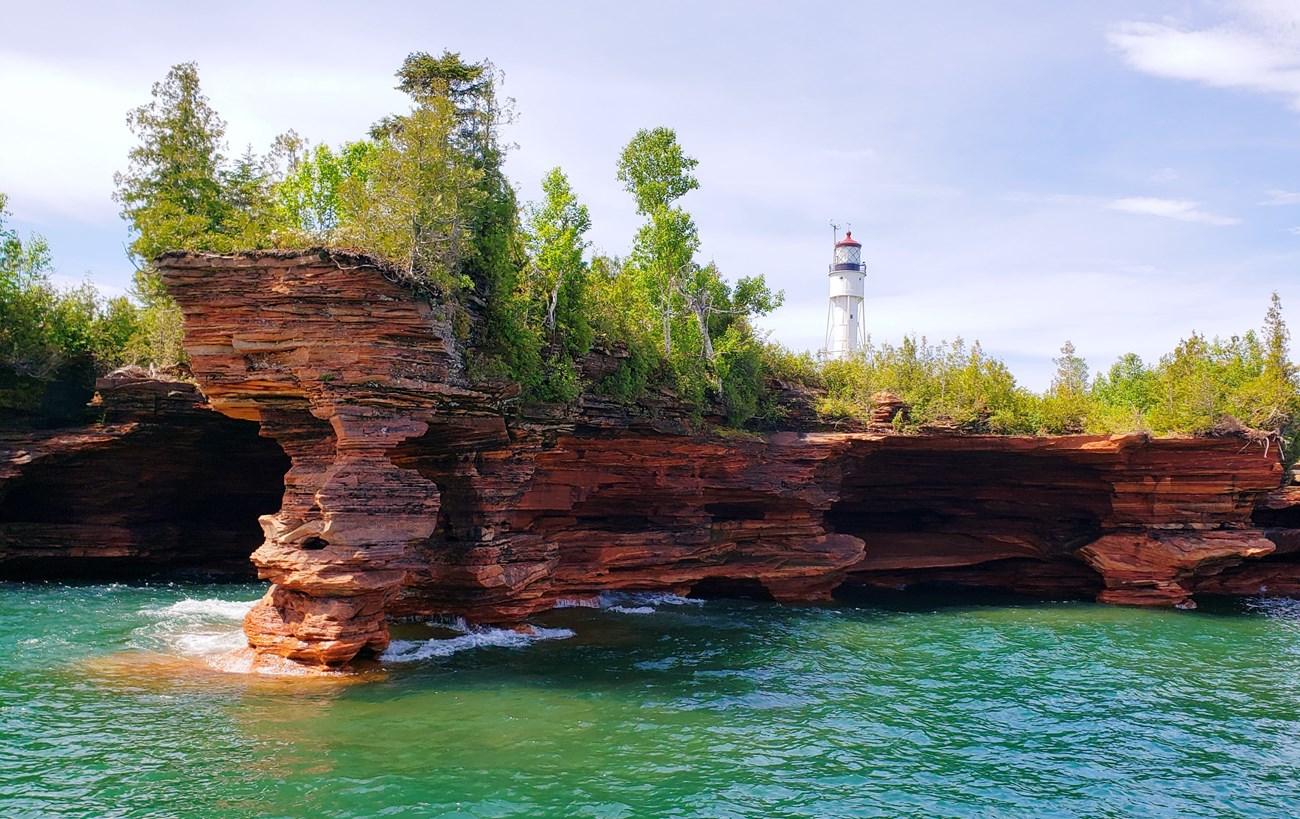


Apostle Islands in Wisconsin’s Lake Superior offer sea caves, lighthouses, kayaking, sailing, islands, wildlife and memorable coastal walks.
Islands, Water and Sandstone
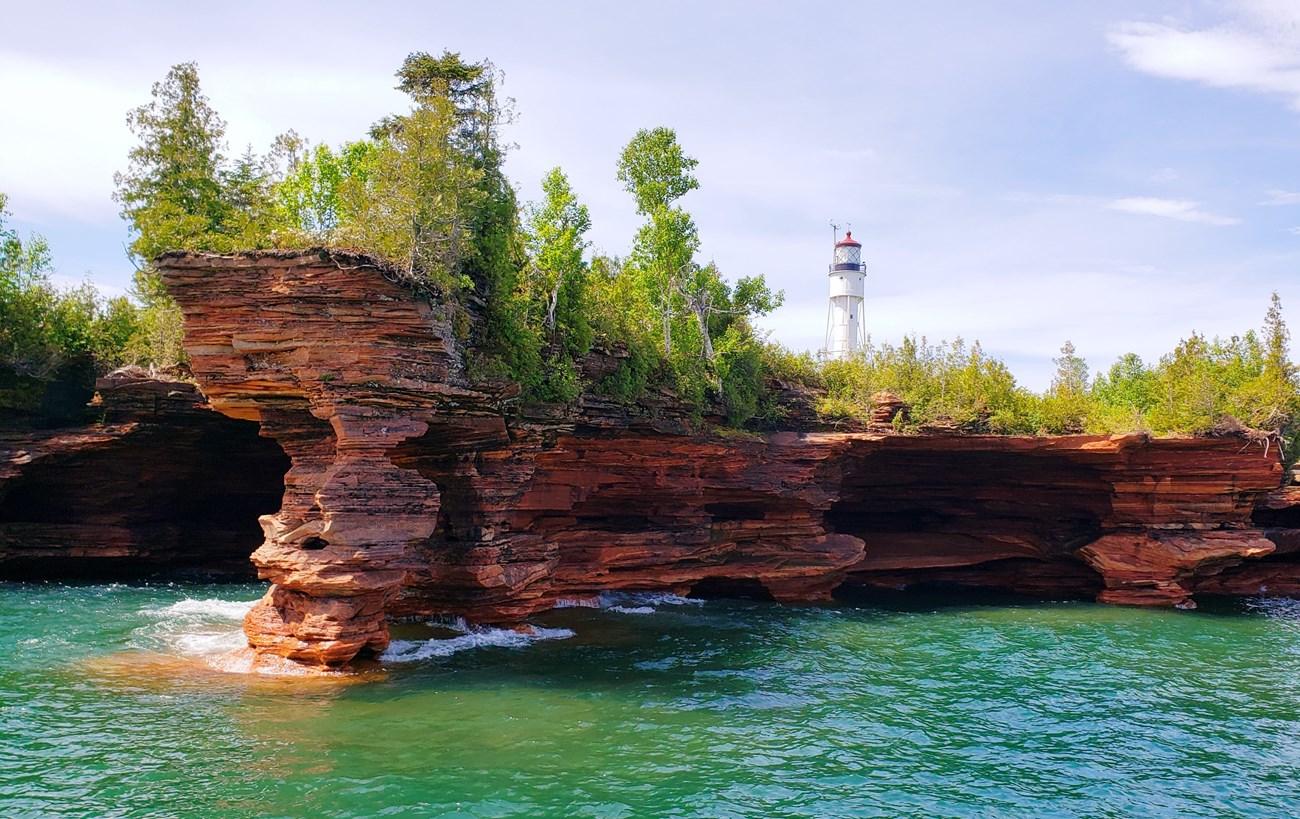
Apostle Islands is an archipelago of 22 forested islands scattered along Wisconsin’s northern Lake Superior coast, where clear water, red-brown sandstone and long horizons define the landscape. Twenty-one islands, together with a stretch of mainland shoreline, form Apostle Islands National Lakeshore; Madeline Island, the largest and only permanently inhabited island, lies outside the national lakeshore. The archipelago is part of the traditional homeland of the Ojibwe, whose cultural connections with the islands and surrounding waters remain important today.Read more about Apostle Islands
A Maritime Landscape
Gateway Communities and Conservation
When is the best time to visit Apostle Islands?
Best: June–August · 22–25°C| Month | High (°C) | Rainfall (mm) |
|---|---|---|
| January | -4 | 25 |
| February | -3 | 23 |
| March | 4 | 31 |
| April | 10 | 46 |
| May | 17 | 72 |
| June (best) | 22 | 89 |
| July (best) | 25 | 90 |
| August (best) | 24 | 88 |
| September | 20 | 80 |
| October | 13 | 66 |
| November | 4 | 51 |
| December | -2 | 36 |
Getting to and around Apostle Islands
How to get there
Transportation
Best attractions in Apostle Islands
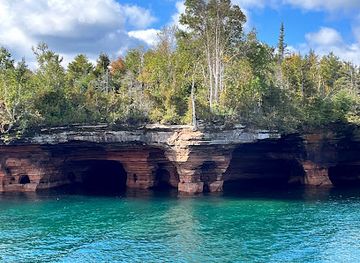
Apostle Islands National Lakeshore’s principal attractions are its sandstone coast, forested islands and changing relationship with Lake Superior. Mainland sea caves near Meyers Beach are reached by a shoreline trail, although access to the caves themselves depends on conditions. On the islands, visitors can explore beaches, dunes, cliffs, sheltered coves and wooded trails, with particularly distinctive scenery around Devils Island, Sand Island and Raspberry Island. Six historic lighthouse stations provide a strong maritime focus, and several can be visited by boat or through seasonal organised trips. The Bayfield Headquarters area and nearby mainland shoreline support orientation and access, while Madeline Island offers a separate island experience centred on La Pointe, beaches and rural roads rather than National Park Service facilities. Wildlife observation may include bald eagles, waterfowl, beavers and other woodland or aquatic species, but sightings are never guaranteed and should be made without disturbing habitats.
-
State park
Big Bay State Park
Discover the tranquil beauty of Big Bay State Park in Wisconsin, where outdoor adventure meets serene landscapes on the shores of Lake Superior.
-
Tourist attraction
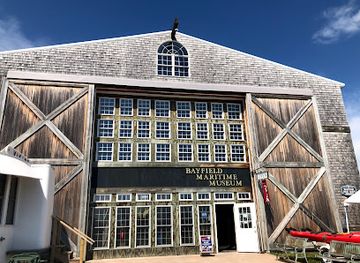
Bayfield Maritime Museum
Discover the maritime history of Lake Superior at the Bayfield Maritime Museum, where local culture and fascinating artifacts come to life.
-
Campground
Little Sand Bay Campground
Experience the tranquility of Little Sand Bay Campground, a serene getaway on the shores of Lake Superior, perfect for outdoor enthusiasts and families.
-
Distillery
Copper Crow Distillery, LLC
Discover Copper Crow Distillery in Bayfield, WI, where artisanal spirits meet local craftsmanship for an unforgettable tasting experience.
Best landmarks in Apostle Islands
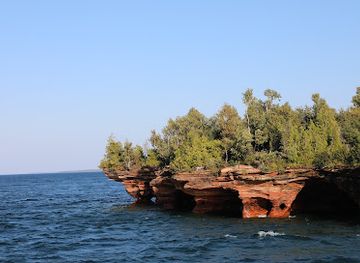
The most defining landmarks are natural: Lake Superior’s red sandstone sea caves, cliffs, beaches and narrow island channels establish the visual character of the archipelago. The mainland caves near Meyers Beach are especially associated with winter ice formations, although their condition and accessibility vary. Historic lighthouse stations on Raspberry, Devils, Michigan, Sand, Outer and Long islands mark the islands’ importance to shipping and navigation, with surviving towers, keepers’ buildings and associated landscapes forming a distributed maritime heritage. Madeline Island’s La Pointe is a cultural and historical landmark in its own right, with deep Ojibwe connections and a long association with regional trade and settlement. Together, these places show how geology, Indigenous history, commercial navigation and conservation have shaped the identity of the Apostle Islands.
-
Tourist attraction
Apostle Islands National Lakeshore
Explore Apostle Islands National Lakeshore: a stunning natural paradise with breathtaking sea caves, diverse wildlife, and rich history along the shores of Lake Superior.
-
Historical landmark
Apostle Islands Town Historic Site
Explore the Apostle Islands Town Historic Site, a captivating blend of history and natural beauty in Wisconsin's stunning National Lakeshore.
Explore Apostle Islands on the map
Plan your trip on one map. See where the top attractions, landmarks, restaurants and hotels are, and book hotels and experiences in a few clicks.
Best hotels in Apostle Islands
Best restaurants in Apostle Islands
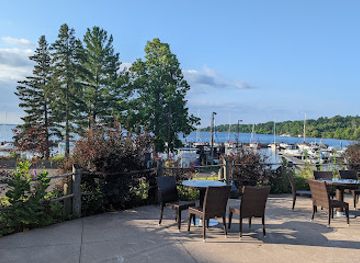
Dining is concentrated in Bayfield, La Pointe on Madeline Island and nearby gateway communities rather than on the national lakeshore islands themselves. Restaurants, cafés, bakeries and pubs in these settlements reflect northern Wisconsin’s access to Lake Superior fish, locally grown produce, cheeses, berries and hearty country cooking, while seasonal menus may draw on regional agricultural and forest products. Bayfield is the most useful place for arranging meals before or after boat trips and for buying provisions for camping. La Pointe has its own small-town dining scene, though visitors should not assume that every option operates throughout the year. Away from the gateways, facilities are extremely limited: visitors camping or paddling among the islands need to plan supplies carefully and should not rely on finding a shop, café or restaurant at a landing point.
-
Bar
Manypenny Bistro
Discover Manypenny Bistro in Bayfield: where local flavors meet cozy charm in every bite.
-
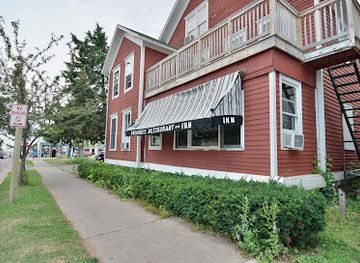
Inn
Greunke's First Street Inn & Dining
Discover comfort and delicious American cuisine at Greunke's First Street Inn & Dining in beautiful Bayfield, Wisconsin.
-
Fine Dining
The Copper Trout
Discover fine dining at The Copper Trout in Bayfield – where American comfort meets Italian tradition amid stunning lakeside views.
-
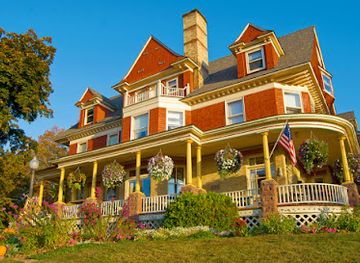
Bed & breakfast
Old Rittenhouse Inn
Experience unparalleled hospitality at Old Rittenhouse Inn in Bayfield - where comfort meets scenic beauty on Lake Superior.

Best bars in Apostle Islands
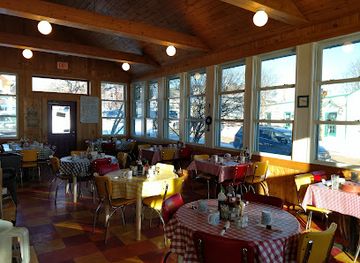
Apostle Islands is not a nightlife destination, and the national lakeshore islands have no conventional bar or nightclub scene. Evening entertainment is centred on the traditional pubs, taverns, brewery-style venues and casual restaurants of Bayfield and La Pointe, where the atmosphere is generally social but unhurried and may reflect the seasonal rhythm of a lakeside community. Local cultural programming and occasional community events can add variety, but schedules change and should be checked locally. On the islands and at remote campsites, evenings are shaped by darkness, weather, forest sounds and the open lake rather than organised entertainment. Visitors staying in Bayfield or on Madeline Island can enjoy a drink or meal before returning to accommodation, while those camping should plan for quiet, self-contained evenings and comply with park regulations.
-
Bar
Manypenny Bistro
Savor the flavors of Bayfield at Manypenny Bistro, where fresh ingredients meet cozy ambiance for a memorable dining experience.
-
Tourist attraction
Apostle Islands National Lakeshore
Discover the enchanting Apostle Islands National Lakeshore, a breathtaking haven of natural beauty and adventure along Lake Superior's shores.
-
Casino
Legendary Waters Resort & Casino
Discover the thrill of gaming and the beauty of nature at Legendary Waters Resort & Casino in Bayfield, Wisconsin, a top destination for relaxation and adventure.
-
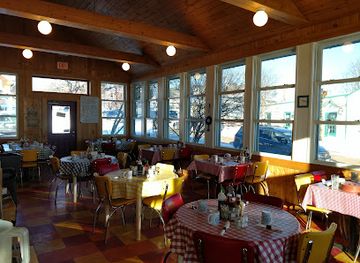
Bar
The Bayfield Inn
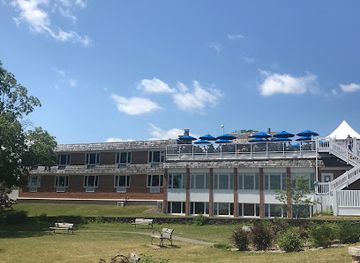
Experience the charm of The Bayfield Inn, a lakeside retreat offering stunning views, delightful dining, and access to the natural wonders of Wisconsin's Apostle Islands.
Best nightclubs in Apostle Islands
Apostle Islands is not a nightlife destination, and the national lakeshore islands have no conventional bar or nightclub scene. Evening entertainment is centred on the traditional pubs, taverns, brewery-style venues and casual restaurants of Bayfield and La Pointe, where the atmosphere is generally social but unhurried and may reflect the seasonal rhythm of a lakeside community. Local cultural programming and occasional community events can add variety, but schedules change and should be checked locally. On the islands and at remote campsites, evenings are shaped by darkness, weather, forest sounds and the open lake rather than organised entertainment. Visitors staying in Bayfield or on Madeline Island can enjoy a drink or meal before returning to accommodation, while those camping should plan for quiet, self-contained evenings and comply with park regulations.
-
Bar
The Creamery Bar
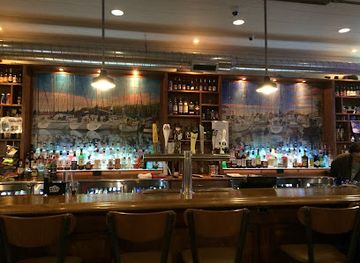
Experience vibrant nightlife at The Creamery Bar in Bayfield, WI with great drinks, live music, and a welcoming atmosphere.
Best shops in Apostle Islands
Shopping is focused on Bayfield and La Pointe rather than the national lakeshore islands. Independent shops, galleries, small food businesses and seasonal retailers in the gateway communities offer practical provisions alongside regional products such as locally made foods, preserves, artwork, books, outdoor equipment and craft goods. Bayfield is associated with the agricultural landscape of northern Wisconsin as well as its maritime setting, while La Pointe provides a distinct island retail atmosphere and opportunities to learn about local Ojibwe culture through appropriate community-based businesses and institutions. The range of goods and opening patterns can vary by season, and remote campsites have no meaningful retail facilities. Visitors heading onto the water should purchase fuel, food, drinking water and specialist outdoor supplies before departure rather than expecting to obtain them on an island.
-
Ice Cream
Sweet & Salty
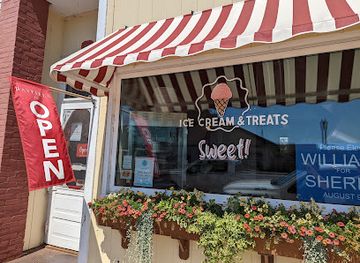
Experience the delightful flavors of Sweet & Salty, where homemade ice cream, candies, and gourmet popcorn await in the heart of Bayfield, Wisconsin.
-
Gift shop
Erickson Orchard & Country Str
Explore Erickson Orchard & Country Store in Bayfield, WI for unique gifts, antiques, and fresh local produce amidst a picturesque orchard setting.
-
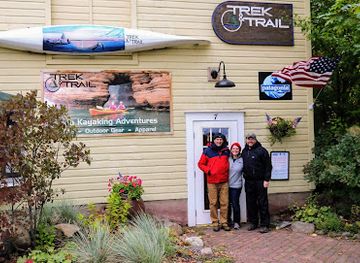
Canoe & kayak tour agency
Trek & Trail
Discover the beauty of Bayfield with outdoor adventures at Trek & Trail, offering canoeing, kayaking, and biking experiences for all levels.
-
Boat tour agency
Escape Excursions LLC
Discover the beauty of the Apostle Islands with Escape Excursions LLC, offering unforgettable boat tours and kayaking adventures in Bayfield, Wisconsin.
Get your free copy of our complete guide to Apostle Islands, delivered straight to you.
Everything on this page, from attractions and restaurants to essentials and local phrases, in one PDF you can read offline, print or share.
Already have an account? Sign in
Your Apostle Islands guide is ready.
We'll send it to · Not you? Sign out

Getting your guide ready…
We are putting together a fresh copy of the Apostle Islands guide. This can take up to a minute.
This can take a few moments. If your browser asks, choose Allow so the download can start. You'll find the guide in your Downloads folder.
Nothing happened? Download it again
Sorry, the guide is taking longer than usual. Please try again in a minute, or get it by email instead.
Apostle Islands essentials
Currency and Payment
Safety
Emergency Situations
Do's and Don'ts
Local Tips
From Eve
Local phrases worth knowing
You don't need to get them perfect. A few words go a long way, and locals appreciate the effort.
Basics
| English | Local | Say it |
|---|---|---|
| Hello | Boozhoo | [Boo-zhoo] |
| Goodbye | Aaniin | [Ah-nee] |
| Yes | Eya | [Ay-yah] |
| No | Aani | [Ah-nee] |
| Please/You're welcome | Bozhoo/Bozhoo | [Boo-zhoo/Boo-zhoo] |
| Thank you | Miigwech | [Mee-gwetch] |
| Excuse me/Sorry | Miigwech/Aaniin | [Mee-gwetch/Ah-nee] |
| How are you? | Aaniin ezhi-niimi'idiwag? | [Ah-nee en-zhee-nee-mee-dee-wug?] |
| Fine. And you? | Boozhoo. Aaniin? | [Boo-zhoo. Ah-nee?] |
| Do you speak English? | Gaa wiin daa-aangoshk? | [Gah-ween dah-ahn-goshk?] |
| I don't understand | Aapiji | [Ah-ah-pee-jee] |
Eating & Drinking
| English | Local | Say it |
|---|---|---|
| I'd like to see the menu, please | Niizhwaaswi mashkikiwan, bozhoo | [Nee-shwaas-wee mash-kee-kee-wan, boo-zhoo] |
| I don't eat meat | Gaawiin niwii ayaabinesi | [Gah-ween nee-wee ah-yah-bee-neh-see] |
| Cheers! | Boozhoo! | [Boo-zhoo!] |
| I would like to pay, please | Niizhwaaswi mashkikiwan, bozhoo | [Nee-shwaas-wee mash-kee-kee-wan, boo-zhoo] |
Emergencies
| English | Local | Say it |
|---|---|---|
| Help! | Gimaajii! | [Gee-mah-jee!] |
| Go away! | Biindigoo! | [Been-dee-goo!] |
| Call the Police! | Giiwedinong Mishkwaadiziwin | [Gee-weh-dee-nong Mish-kwah-diz-ee-win] |
| Call a doctor! | Giiwedinong Midaaswi | [Gee-weh-dee-nong Me-dah-swee] |
| I'm lost | Giiwenh niwii-wiindam | [Gee-wen nee-wee-wee-dahm] |
| I'm ill | Niigaan | [Nee-gahn] |
Shopping
| English | Local | Say it |
|---|---|---|
| I'd like to buy... | Niizhwaaswi gii-wiidan... | [Nee-shwaas-wee gee-wee-dahn...] |
| I'm just looking | Gaawiin niwii gii-wiidan | [Gah-ween nee-wee gee-wee-dahn] |
| How much is it? | Giiwenh | [Gee-wen] |
| That's too expensive | Giiwenh gashkitoon | [Gee-wen gahsh-kee-toon] |
| Can you lower the price? | Gaa-izhi-gashkitoon? | [Gah-ee-zhee-gahsh-kee-toon?] |
Time & Numbers
| English | Local | Say it |
|---|---|---|
| What time is it? | Giiwenh gwa'andakii? | [Gee-wen gwa-an-dah-key?] |
| It's one o'clock | Bezhig o'clock | [Beh-zheeg o'clock] |
| Half past (10) | Niiwin dash (midaaswi) | [Nee-win dash (me-dah-swee)] |
| Morning | Biindigen | [Been-dee-gen] |
| Afternoon | Zaaganaashi | [Zah-gah-nah-shee] |
| Evening | Bikwakwi | [Beek-wahk-wee] |
| Yesterday | Gikendaas | [Gee-ken-daas] |
| Today | Biinjitiwaabish | [Been-jee-tee-wah-bish] |
| Tomorrow | Waaban | [Wah-bahn] |
| 1 | Bezhig | [Beh-zheeg] |
| 2 | Niizh | [Neezh] |
| 3 | Niswi | [Nee-swee] |
| 4 | Niiwin | [Nee-win] |
| 5 | Naanan | [Nah-nahn] |
| 6 | Ngodwaaswi | [Ngo-dwah-swee] |
| 7 | Niizhwaaswi | [Nee-shwaas-wee] |
| 8 | Niiwaaswi | [Nee-wahs-wee] |
| 9 | Zhaangaswi | [Zhaan-gah-swee] |
| 10 | Midaaswi | [Me-dah-swee] |
Transport & Directions
| English | Local | Say it |
|---|---|---|
| Where's a/the...? | Giiwenh onji... | [Gee-wen ohn-jee...] |
| What's the address? | Giiwenh aadres? | [Gee-wen aah-dres?] |
| Can you show me (on the map)? | Gaa-izhi-gikendam (onendam)? | [Gah-ee-zhee-gee-ken-dahm (ohn-en-dahm)?] |
| When's the next (bus)? | Giiwenh gwa'andakii onji (baazhishi)? | [Gee-wen gwa-an-dah-key ohn-jee (bah-zhee-shee)?] |
| A ticket (to ....) | Waaban | [Wah-bahn] |
History of Apostle Islands
A Sandstone Archipelago Forms
The Apostle Islands landscape was shaped by ancient sedimentary rock, glacial movement and the erosive force of Lake Superior. The islands’ reddish sandstone produces cliffs, arches, beaches and sea caves, while ice, waves and changing water levels continue to modify the shoreline. Glacial deposits and exposed bedrock give different islands their individual character, from open beaches and dunes to heavily forested interiors. This geological setting explains both the archipelago’s visual identity and its maritime vulnerability: sandstone can be eroded into dramatic forms, but those same formations may be unstable and access can change with water and weather.
Ojibwe Homeland and Early Exchange
The islands are part of the traditional homeland of the Ojibwe, also known as the Anishinaabe, whose communities have long used the waters and shorelines of Lake Superior for travel, fishing, harvesting and cultural life. Madeline Island, or Mooningwanekaaning, holds particular importance in Ojibwe history and tradition and remains associated with the La Pointe community of the Red Cliff Band of Lake Superior Chippewa. European and American traders later entered this established Indigenous world through the fur trade and regional exchange networks, bringing new commercial pressures without displacing the continuing cultural presence of Ojibwe communities.
Trade, Fishing and Settlement
During the nineteenth century, La Pointe on Madeline Island became an important regional centre for trade, mission activity and transport on Lake Superior. Fishing, logging, quarrying and shipping shaped the wider coast, while the islands provided timber, sheltered anchorages and access to productive waters. Commercial activity was rarely simple or stable: storms, difficult navigation and changing markets affected the fortunes of settlements and businesses. Bayfield later emerged as the principal mainland service centre, linking island communities and visitors with roads, boats and supplies.
Lighthouses on a Difficult Waterway
The growth of Lake Superior shipping made reliable navigation increasingly important, and lighthouse stations were established across the archipelago from the mid-nineteenth century onwards. Raspberry Island, Devils Island, Michigan Island, Sand Island, Outer Island and Long Island each gained navigational infrastructure at different stages, with buildings and towers adapted to their isolated settings. Keepers and their families lived in demanding conditions, maintaining lights and responding to the practical challenges of fog, ice and storms. The surviving stations are now among the clearest reminders of the islands’ maritime history.
From Working Landscape to National Lakeshore
Logging, fishing and other commercial uses continued around the islands into the twentieth century, while improved navigation gradually reduced the everyday role of lighthouse keepers. Growing public interest in the archipelago’s scenery, historic structures and natural habitats helped build support for protection. Congress established Apostle Islands National Lakeshore in 1970, safeguarding 21 islands and a mainland shoreline while recognising both natural and cultural resources. Today the National Park Service manages forests, beaches, historic lighthouse properties, archaeological resources and visitor access, working within a landscape that remains connected to Ojibwe communities, local residents and Lake Superior’s changing conditions.
Apostle Islands in Photos
Browse through our photo collection highlighting the charm and character of the destination.
Neighbouring destination travel guides
The closest destinations to Apostle Islands, if you have time for more than one.
-
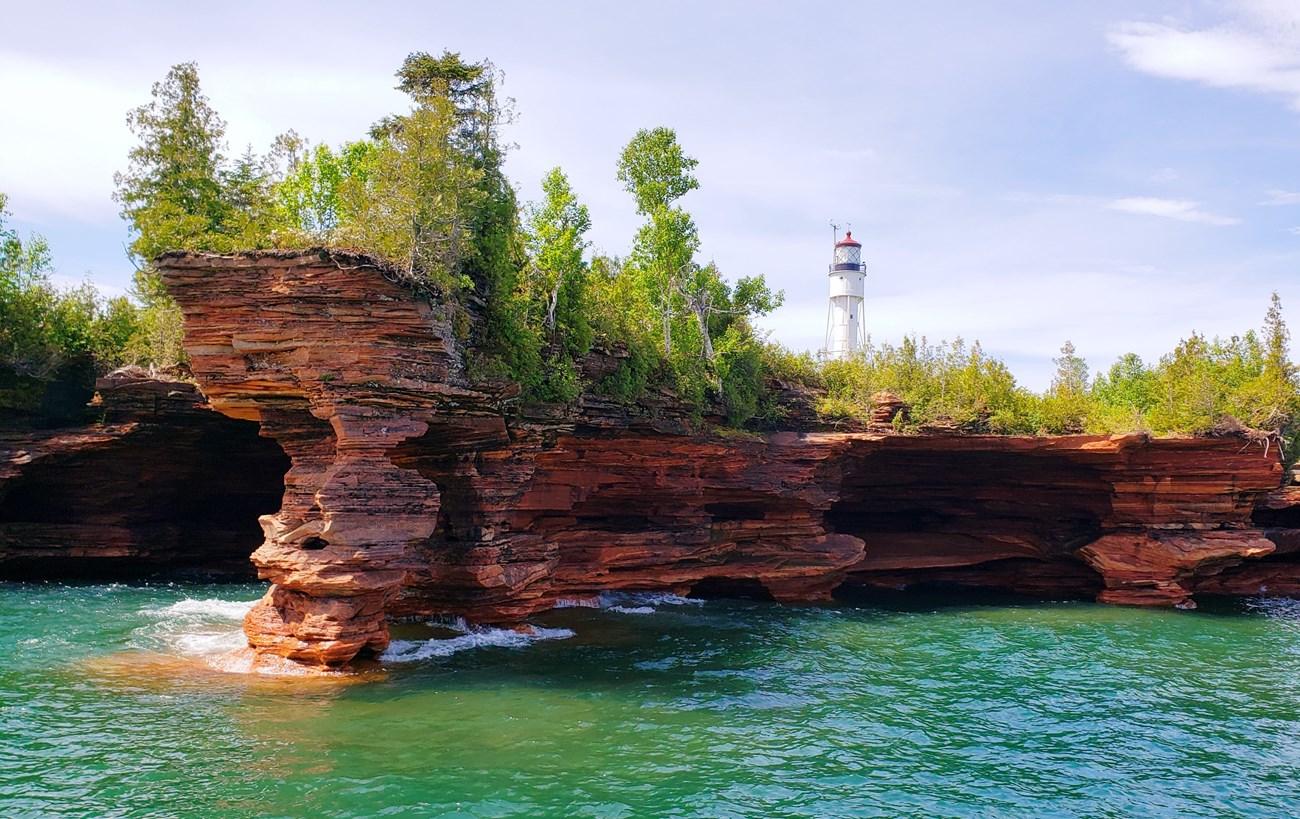 Apostle Islands National Lakeshore
 in Wisconsin offers Lake Superior sea caves, historic lighthouses, island camping, kayaking and winter ice formations.
Apostle Islands National Lakeshore
Apostle Islands National Lakeshore in Wisconsin offers Lake Superior sea caves, historic lighthouses, island camping, kayaking and winter ice formations.
-

-
 Bayfield
Explore Bayfield, Wisconsin: A scenic lakeside town offering outdoor adventures, historic charm, and a vibrant arts scene on the shores of Lake Superior.
Bayfield
Explore Bayfield, Wisconsin: A scenic lakeside town offering outdoor adventures, historic charm, and a vibrant arts scene on the shores of Lake Superior.
-

-


Swipe for more destinations
Explore more

Explore more of Lake Superior Lowland
Explore Wisconsin’s Lake Superior Lowland for Ojibwe heritage, working harbours, sandstone shores, orchards, forests and the Apostle Islands.
Explore Lake Superior Lowland
Explore more of Wisconsin
Discover Wisconsin: A Midwestern gem offering stunning natural landscapes, rich cultural experiences, and a taste of America's finest dairy products.
Explore Wisconsin