

Best Landmarks in Toskëria
Planning a trip to Toskëria? Discover the best landmarks in Toskëria with history, expert tips, and routes. Free on web or the Evendo app.


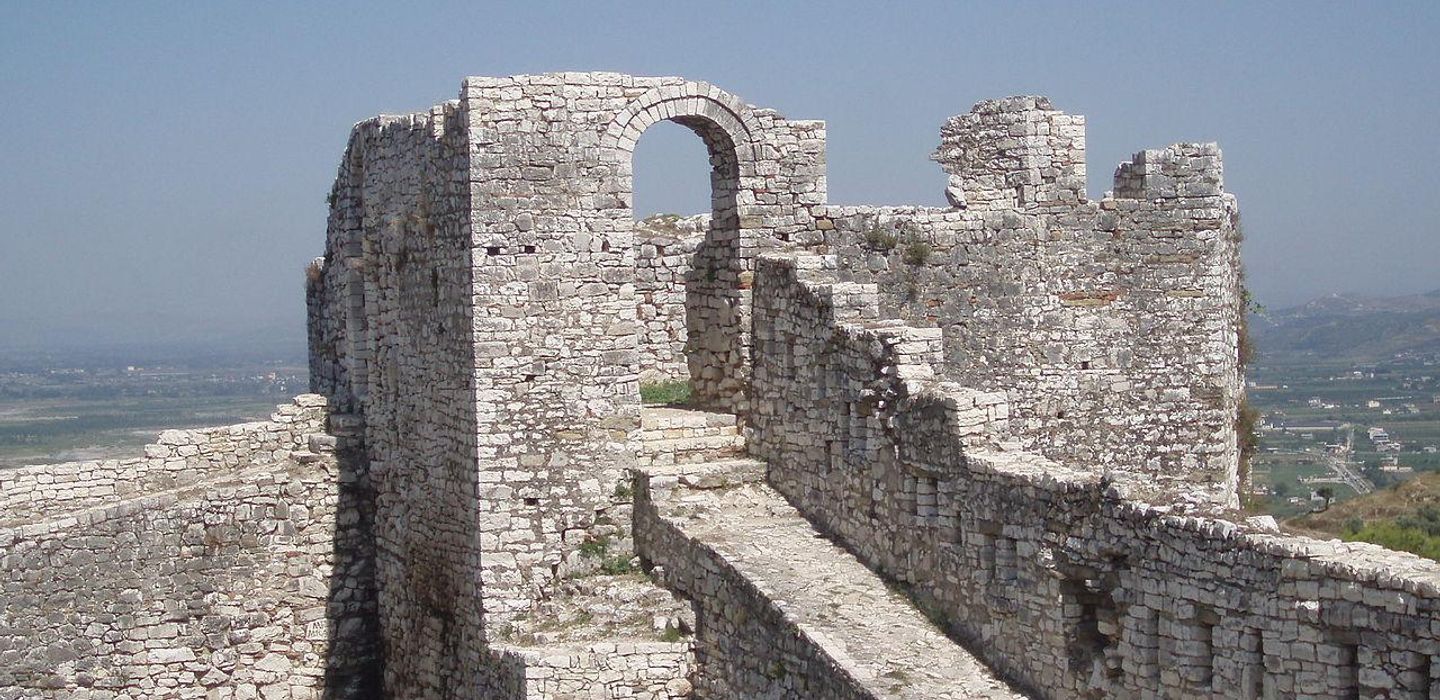
The best landmarks in Toskëria
- Top rated
- Closest to the centre
- A–Z
95 landmarks
-
National park4.6★10,235 reviews
Butrint National Archaeological Park
Explore the ancient city of Butrint, a UNESCO World Heritage site in southern Albania, where ruins from Greek, Roman, Byzantine, and Venetian civilizations intertwine with the natural beauty of forests, wetlands, and the Ionian Sea. Discover a microcosm of Mediterranean history in this open-air museum.
-
Nature preserve4.5★9,564 reviews
The Blue Eye
The Blue Eye (Syri i Kaltër) is a stunning freshwater spring near Saranda, Albania, known for its mesmerizing turquoise waters and lush natural surroundings. This natural monument is a popular destination, offering visitors a chance to witness the raw beauty of Albanian nature. The spring's name comes from its resemblance to a human eye, with a deep blue center and lighter blue-green 'iris'.
Daily 8:00–20:00
-
Tourist attraction4.5★8,881 reviews
Skanderbeg Square
Skanderbeg Square, the central plaza of Tirana, Albania, is named after the national hero Gjergj Kastrioti Skënderbeu. This expansive square is a pedestrian-friendly zone surrounded by significant cultural and historical landmarks, reflecting Albania's complex history.
Open 24 hours
-
Castle4.6★7,968 reviews
Castle of Gjirokastra
Perched atop a commanding hill, Gjirokastra Castle is one of the largest castles in the Balkans, offering a glimpse into Albania's layered history. From its early origins to its role as a prison during the communist era, the castle stands as a testament to the region's resilience and strategic importance.
Daily 9:00–19:00
-
Castle4.7★6,668 reviews
Berat Castle
Perched atop a hill overlooking Berat, Albania, Berat Castle, or Kalaja e Beratit, is a historic fortress dating back to the 4th century BC. Still inhabited, it offers a unique blend of ancient architecture, cultural heritage, and stunning panoramic views.
-
Castle4.6★6,897 reviews
Castle of Kruja
Perched on a rocky hill, Kruja Castle is a historic fortress that served as the center of Albanian resistance against the Ottoman Empire in the 15th century. It offers stunning views, museums, and a glimpse into Albania's rich past.
Open 24 hours
-
City park4.6★4,164 reviews
Tirana Park
Tirana Park, also known as the Grand Park, is a sprawling green space in the heart of Tirana, Albania, offering a peaceful retreat from the bustling city. With an artificial lake, botanical gardens, and various recreational facilities, it's a favorite among locals and tourists alike.
Open 24 hours
-
Castle4.6★4,026 reviews
Rozafa Castle
Rozafa Castle, perched on a rocky hill overlooking Shkodër, Albania, is a historic fortress with Illyrian roots. It offers panoramic views and a glimpse into the region's past, steeped in legend and the echoes of empires.
Daily 9:00–20:30
-
Castle4.3★4,407 reviews
Kalaja e Lëkurësit
Kalaja e Lëkurësit, or Lëkurësi Castle, is a ruined castle that stands on a strategic hill overlooking Sarandë, Albania, and the Ionian Sea. Built in 1537 by Sultan Suleiman the Magnificent, it offers panoramic views and a glimpse into the region's past.
Daily 8:00–23:00
-
Historical landmark4.1★4,621 reviews
Durrës Amphitheatre
The Durrës Amphitheatre, located in the heart of Durrës, Albania, is the largest Roman amphitheater in the Balkans, dating back to the 2nd century AD. Built during the reign of Emperor Trajan, it once hosted gladiatorial combats and public spectacles, accommodating up to 20,000 spectators. Today, it stands as a remarkable testament to Roman engineering and Albania's rich cultural history.


Pyramid of Tirana
The Pyramid of Tirana, once a mausoleum for communist leader Enver Hoxha, has transformed into a vibrant technology and cultural center. Its unique architecture and tumultuous history make it a must-see attraction in Tirana.
Open 24 hours

BUNK'ART
BUNK'ART is a unique museum experience in Tirana, Albania, housed within a former anti-nuclear bunker. It showcases Albania's communist history and the paranoia of the Cold War era, offering a glimpse into a secretive past.
Daily 9:30–18:00

Tirana Castle
Tirana Castle, also known as the Fortress of Justinian, is a historical site in the heart of Tirana, Albania, with remnants dating back to the Byzantine era. Today, it's a vibrant area with restaurants, shops, and cultural spaces within its walls.
Daily 7:00–2:00

Apollonia Archaeological Park
Explore the ruins of Apollonia, an ancient city founded by Greek colonists in the 7th century BCE, which later flourished under Roman rule. Wander through the remains of temples, theaters, and villas, and discover the rich history and cultural significance of this once-thriving center of trade and learning in the heart of Albania.
Daily 9:00–19:00

National Historical Museum
The National Historical Museum in Tirana is Albania's largest museum, showcasing the country's history from ancient times to the post-communist era. Though currently closed for renovations until 2028, its monumental facade and rich collection of artifacts make it a significant cultural landmark.

Et'hem Bej Mosque
Located in the heart of Tirana on Skanderbeg Square, the Et'hem Bey Mosque stands as a testament to Albania's religious history and Ottoman-era artistry. Completed in the early 19th century, its unique frescoes and resilient story make it a must-see landmark.

Elbasan Castle
Elbasan Castle, a 15th-century fortress in the heart of Elbasan, Albania, stands as a testament to the region's rich and layered past. Built upon Roman and Byzantine foundations, the castle has been a strategic military and cultural center, witnessing the rise and fall of empires and the enduring spirit of Albanian nationalism.
Open 24 hours

Tirana Free Walking Tour
Embark on a captivating journey through Tirana with the Free Walking Tour, a top-rated experience that unveils the city's rich history, vibrant culture, and hidden gems. Led by knowledgeable and engaging local guides, this tour offers an insightful introduction to Albania's capital, exploring its major landmarks and sharing personal stories that bring the city to life.
Open 24 hours

Gorica Bridge
The Gorica Bridge in Berat, Albania, is a historic Ottoman-era stone bridge connecting the city's Gorica and Mangalem districts. Originally built of wood in 1780, it was later reconstructed with stone in the 1920s, becoming a lasting symbol of Berat and a key element of its UNESCO World Heritage status.
Open 24 hours

Tanners' Bridge
The Tanners' Bridge (Ura e Tabakëve) is an 18th-century Ottoman stone footbridge in Tirana, Albania. Once part of the Saint George Road, it connected Tirana to the eastern highlands, facilitating the transport of livestock and produce. Restored in the 1990s, it now serves as a pedestrian haven, offering a glimpse into the city's rich history.
Open 24 hours

St. Mary's Monastery
Nestled on Zvërnec Island in Albania's Narta Lagoon, St. Mary's Monastery is a captivating Byzantine monument dating back to the 13th-14th centuries. Accessible via a scenic wooden bridge, this serene Orthodox Christian site offers a glimpse into Albania's rich religious and cultural history.

Resurrection of Christ Orthodox Cathedral
The Resurrection of Christ Orthodox Cathedral in Tirana is a striking symbol of religious revival in Albania. Completed in 2012, it stands as one of the largest Eastern Orthodox churches in the Balkans, blending Byzantine architectural elements with a modern design. Its grand dome, intricate mosaics, and serene atmosphere make it a must-see landmark.
Daily 10:00–21:30

Himara Castle
Perched high above the Ionian coast, Himara Castle is a historic fortress with roots stretching back to antiquity. Explore its ancient walls, churches, and cobblestone streets while enjoying panoramic views of the sea and surrounding landscapes. A visit here offers a glimpse into Albania's rich past and stunning natural beauty.
Open 24 hours

The Castle of Porto Palermo
The Castle of Porto Palermo, also known as Ali Pasha Tepelena Fortress, is a historic castle located on a small peninsula in Porto Palermo Bay, Albania. Built in the early 19th century by Ali Pasha, it stands as a testament to both strategic military architecture and a symbol of love. With its well-preserved triangular shape and stunning coastal views, it's a must-see destination on the Albanian Riviera.
Daily 9:00–18:00

Kanionet e Osumit
The Osumi Canyon, often called the 'Grand Canyon of Albania,' is a stunning natural wonder carved by the Osumi River over millions of years. Located near Çorovodë, this dramatic gorge offers breathtaking views, unique rock formations, and opportunities for adventure, making it a popular destination for nature enthusiasts.
Daily 8:00–20:00

Kanina Castle
Kanina Castle, perched high above Vlora, Albania, offers a captivating blend of ancient history and stunning panoramic views. Dating back to the 3rd century BC, this fortress has witnessed the rise and fall of empires, serving as a strategic stronghold for Illyrians, Byzantines, and Ottomans alike. Explore its weathered walls and imagine centuries of battles and cultural exchange while enjoying the breathtaking vistas of Vlora Bay and the surrounding landscape.
Daily 8:00–18:00

Petrela Castle
Perched atop a rocky hill near Tirana, Petrela Castle is a historic fortress dating back to the 6th century. Offering panoramic views and housing a traditional restaurant, it's a captivating blend of history and Albanian cuisine.
Daily 10:00–20:00

Zekate house & outdoor cozy bar
The Zekate House, built in the early 19th century, stands as one of Gjirokastër's most iconic Ottoman-era tower houses. Once home to Beqir Zeko, a local administrator, it offers a glimpse into the lives of the city's wealthy families and provides stunning panoramic views.
Daily 7:00–23:30

Katedralja Ortodokse Ringjallja e Krishtit
The Katedralja Ortodokse Ringjallja e Krishtit (Resurrection of Christ Orthodox Cathedral) in Korçë stands as a powerful symbol of the city and the resurgence of Orthodox Christianity in Albania following the end of communism. Its impressive architecture and serene atmosphere make it a must-see landmark in this cultural hub.
Daily 0:00–23:30

Skënduli House
Step back into 19th-century Albanian life at Skënduli House, a remarkably preserved Ottoman-era residence in Gjirokastër. Explore the intricate architecture, authentic artifacts, and captivating stories of the Skënduli family, one of the wealthiest families in southern Albania, offering a unique glimpse into the region's rich heritage.
Daily 9:00–19:00

The Cloud
The Cloud, also known as 'Reja', is a unique art installation in front of Tirana's National Gallery of Arts, designed by Japanese architect Sou Fujimoto. This delicate, three-dimensional structure of white steel rods forms a semi-transparent canopy, inviting visitors to explore its immersive environment and attend cultural events.
Open 24 hours

Saranda Embankment
The Saranda Embankment, also known as the promenade, is a vibrant and picturesque waterfront area in Saranda, Albania. Stretching along the Ionian Sea, it's lined with cafes, restaurants, shops, and palm trees, offering stunning views and a lively atmosphere for locals and tourists alike.

Kuzum Baba
Kuzum Baba, a significant shrine for the Bektashi order, crowns a hill overlooking Vlorë, Albania, offering panoramic views and a tranquil escape. It's a blend of spiritual significance, cultural history, and natural beauty.

Palace of Culture
The Palace of Culture in Tirana, Albania, is a monumental building housing the National Library and the National Theatre of Opera and Ballet. Built during the communist era, it stands as a significant example of Stalinist architecture and a reminder of Albania's complex history.
Mon–Sat 8:00–23:00

The cold war tunnel
Delve into Albania's communist past at the Cold War Tunnel in Gjirokastra, an 800-meter underground bunker constructed in the 1970s. This once-secret complex, featuring 59 rooms, offers a chilling glimpse into the paranoia of dictator Enver Hoxha and the nation's preparations for a potential nuclear attack.
Daily 9:00–18:00

Checkpoint
Checkpoint in Tirana is a poignant memorial commemorating Albania's political prisoners during the communist regime. It features a bunker, pillars from the Spaç labor camp, and a piece of the Berlin Wall, symbolizing isolation and oppression.
Open 24 hours

Enver Hoxha's Former Residence
The former residence of Enver Hoxha, Albania's communist dictator, stands as a stark reminder of the country's isolated past. Located in the once-exclusive Blloku area of Tirana, the villa offers a glimpse into the life of the leader and the stark contrast between the elite and the general population. Although the house is closed to the public, its imposing architecture and historical significance make it a compelling site to witness.

Tirana National Archaeological Museum
The National Archaeological Museum in Tirana, established in 1948, showcases Albania's rich history from prehistoric times to the Middle Ages. Located on Mother Teresa Square, the museum houses a vast collection of artifacts, offering a glimpse into the country's diverse cultural heritage.

Sazan Island
Sazan Island, the largest in Albania, sits strategically between the Adriatic and Ionian Seas. Once a top-secret military base during the Cold War, it's now open to the public, offering a unique blend of history and natural beauty. Explore abandoned bunkers, swim in pristine waters, and discover a hidden side of Albania.

Byllis Archaeological Park
Explore the extensive ruins of Byllis, once the largest city in Southern Illyria, offering a glimpse into its Hellenistic and Roman past. Discover the remains of a theater, stadium, basilicas, and more, set against the stunning backdrop of the Vjosa River valley.
Daily 8:00–18:00

Ismail Kadare's House
Explore the childhood home of Albania's most celebrated writer, Ismail Kadare, now a museum showcasing his life and works. Located in the historic Palorto neighborhood of Gjirokaster, the house offers a glimpse into Kadare's early life and the cultural influences that shaped his writing.
Daily 9:00–18:00

Friendship Monument
The Friendship Monument in Tirana, Albania, stands as a symbol of the enduring friendship between Albania and Kuwait. Donated by Kuwait and inaugurated in 2016, the monument serves as a reminder of the cooperation and strong ties between the two countries.
Open 24 hours

Xhura Mosque
The Xhura Mosque, built after the fall of communism, stands as a symbol of religious revival in Tirana. While not traditionally Ottoman in style, its prominent minaret and serene interior make it a significant place of worship and a growing tourist attraction.
Open 24 hours

Mosaic of Tirana
The Mosaic of Tirana is a significant historical landmark, believed to be remnants of a 3rd-century Roman villa. Discovered in 1972, it later became the site of a 5th-6th century Paleo-Christian Basilica. Today, it stands as an archaeological complex showcasing ancient mosaics with intricate geometrical patterns and depictions of animals.

The Clock Tower of Tirana
The Clock Tower of Tirana, or Kulla e Sahatit, is an iconic Ottoman-era monument in Skanderbeg Square. Built in the 1820s, it stands as a symbol of the city's history and offers panoramic views from its narrow, spiral staircase.
Mon–Fri 9:00–18:00 · Sat 9:00–14:00

Town Square of Durrës - Sheshi Liria
Sheshi Liria, or Town Square, is the central hub of Durrës, Albania, a vibrant space where locals and tourists converge. Surrounded by colorful buildings, shops, and cafes, the square offers a lively atmosphere and serves as a gateway to the city's rich history and culture. Key landmarks like the Archaeological Museum and Aleksandër Moisiu Theater are just steps away.
Open 24 hours

Lapidari
Lapidari, located in Sauk near Tirana, is a historical landmark dedicated to the Third Assault Brigade during World War II. It offers panoramic views of Tirana and the surrounding area and is a popular spot for hiking and enjoying the outdoors.
Open 24 hours

Tyrbja e Kapllan Pashës
The Tomb of Kapllan Pasha (Tyrbja e Kapllan Pashës) is a significant historical and cultural site in the heart of Tirana. Built in the early 19th century, this open-air Muslim tomb stands as a testament to the city's Ottoman past. Its unique octagonal shape and carved stone columns make it an architectural gem and a cultural monument.
Open 24 hours

Reconciliation Tower
The Reconciliation Tower in Theth, Albania, also known as the 'Lock-in Tower' or 'Kulla e Pajtimit,' is a historical monument with cultural significance. Serving as a neutral ground for resolving conflicts, it embodies the region's steps toward peace and unity.
Daily 8:00–20:00

Archaeological Park of Antigonea
Explore the ruins of Antigonea, an ancient city in Albania founded in 295 BC by King Pyrrhus of Epirus, who named it after his wife, Antigone. Discover Hellenistic-era remains, including city walls, streets, and an early Christian basilica, set amidst stunning views of the Drino Valley.
Daily 9:00–18:00

Bachelors' Mosque
The Bachelors' Mosque, or Xhamia e Beqarëve, is a charming 19th-century mosque in Berat's Mangalem quarter. Built for the city's unmarried shop assistants and craftsmen, its elegant design and peaceful atmosphere offer a glimpse into Berat's rich Islamic heritage.

Muzeu i Dëshmorëve dhe Salla e Relikeve të Luftës
The Muzeu i Dëshmorëve dhe Salla e Relikeve të Luftës (Martyrs' Museum and Hall of War Relics) in Durrës is a poignant memorial dedicated to the individuals who sacrificed their lives for Albania's freedom and independence. The museum showcases artifacts, photographs, and documents related to various periods of conflict in Albanian history.
Mon–Fri 8:00–15:00

Phoenice Archaeological Park
Explore the ruins of Phoenice, the ancient capital of the Chaonian tribe and once the wealthiest city in Epirus, Albania. Discover Hellenistic-era fortifications, a Roman theater, and Byzantine-era religious structures, all set against a backdrop of stunning natural beauty.
Daily 9:30–19:30

Ruins of the Red Mosque
The Red Mosque, or Xhamia e Kuqe, is a ruined mosque located within the historic Berat Castle. Built in the 15th century, it stands as one of the oldest mosques in Albania and a testament to the Ottoman influence in the region. Its distinctive red brick construction and unique minaret design make it a fascinating historical site to explore.

Independence Memorial
The Independence Memorial in Tirana commemorates Albania's declaration of independence from the Ottoman rule in 1912. This monument stands as a tribute to the country's freedom fighters and reflects the spirit of the Albanian people.
Open 24 hours

Ottoman bridge
The Ottoman Bridge in Kruje, Albania, stands as a picturesque reminder of the region's Ottoman past. Located near Kruje, this well-preserved bridge offers visitors a glimpse into the architectural and historical influences of the Ottoman Empire in Albania. The bridge is easily accessible and provides a tranquil spot to appreciate the surrounding natural beauty.
Daily 8:00–18:00

Kokonozi Mosque
The Kokonozi Mosque, also known as the New Bazaar Mosque, is a historical mosque in Tirana, Albania, dating back to 1750. Surviving the communist dictatorship, it stands as a testament to the city's rich Ottoman heritage and the resilience of its Muslim community.
Mon–Sat 5:00–19:30 · Sun 5:00–21:00

Clock Tower of Korçë
The Clock Tower of Korçë, a reconstructed Ottoman-era landmark, stands proudly in the city's Old Bazaar. Originally built in 1784 and rebuilt in 2016, it reflects a blend of Albanian and Ottoman influences, marking time and serving as a historical focal point.

Selvia
Selvia, meaning 'Cypress' in Albanian, is a well-known landmark in Tirana, marked by a towering old cypress tree. Once a simple reference point, it's now surrounded by bars and buildings, representing a blend of old Tirana with the new.
Mon–Sat 8:30–9:30

Archaeological Museum of Apolonia
Located within a restored 14th-century monastery, the Archaeological Museum of Apolonia showcases artifacts from the nearby ancient city, founded in the 6th century BC. Explore relics from the Illyrian, Greek, and Roman periods, offering a glimpse into Albania's rich cultural heritage.

St. Michael's Church
Perched atop a rocky hill overlooking the Osumi River, St. Michael's Church is a small but striking example of medieval Byzantine architecture in Berat, Albania. Dating back to the 14th century, its unique construction and picturesque setting make it a must-see landmark within the UNESCO World Heritage site of Berat.
Daily 9:00–13:00

Kepi I Shëngjergjit
Kepi I Shëngjergjit is a captivating coastal attraction near Vlorë, Albania, characterized by dramatic cliffs and clear waters. It's a serene escape ideal for nature lovers and photographers seeking panoramic views of the Adriatic Sea.
Open 24 hours

Basilica of Bezistan
The Basilica of Bezistan, discovered in 2007, is a cultural heritage monument in Elbasan, Albania, with origins tracing back to the 5th century AD. The Basilica showcases the city's rich history and Byzantine past through its ruins, including mosaic layers and architectural remnants.
Open 24 hours

Pllakë përkujtimore në nderim të János Hunyadit
The Pllakë Përkujtimore në Nderim të János Hunyadit (Memorial Plaque in Honor of János Hunyadi) in Tirana, Albania, commemorates János Hunyadi, a 15th-century Hungarian military leader and a key ally of the Albanian national hero Skanderbeg. The plaque symbolizes the historical ties and friendship between Albania and Hungary.
Open 24 hours

Lulishte Ismail Qemali
Lulishte Ismail Qemali, named after a key figure in Albanian history, is a serene park in the heart of Tirana. It offers a refreshing escape with lush gardens, peaceful walkways, and quiet seating areas. The park also features remnants of Albania's communist past, including a section of the Berlin Wall and concrete bunkers.
Open 24 hours

Concrete Bunkers
The Concrete Bunkers in Durrës are a stark reminder of Albania's communist past, built during Enver Hoxha's regime to defend against invasion. Today, these bunkers stand as historical landmarks, offering visitors a glimpse into a dark chapter of Albanian history and a unique contrast to the city's coastal beauty.
Open 24 hours

The wall ruins of the ancient city of Aulon ( VLORË)
Explore the remnants of Aulon, an ancient city near Vlorë, Albania, dating back to the 6th century BC. Wander through the historic walls and structures, offering a glimpse into the region's rich past and strategic importance, with stunning views of the Ionian Sea.

Church of Saint Thomas
The Church of Saint Thomas, an Orthodox church in Berat, Albania, showcases remarkable Byzantine architecture and rich cultural heritage. Perched on a hillside, it offers spiritual solace and stunning views, inviting visitors to explore its intricate details and serene ambiance.
Mon–Fri 8:00–10:00, 17:00–19:00

Ruins of the Meçite
Explore the Ruins of the Meçite in Gjirokastër, remnants of a 17th-century mosque destroyed during Albania's communist regime. See the unique polygonal minaret and the Seven Fountains used for ritual washing, offering a glimpse into the city's layered past.

Xhamia e Pazarit
The Xhamia e Pazarit, or Bazaar Mosque, is a significant cultural and historical landmark in Gjirokastër, Albania. Built in 1757 during the Ottoman era, it stands as a testament to the city's rich heritage and Islamic architectural artistry.
Daily 3:00–23:00

Çezma e Tarikos
Çezma e Tarikos is a historic spring in Qafë Dardhë, Albania, built in 1923 by a grieving mother in memory of her son, Tariko. The spring offers cold, refreshing water and a tranquil setting for reflection, connecting visitors to local traditions and legends.

Postbllok Memorial
The Postbllok Memorial in Tirana is a poignant art installation commemorating the victims of Albania's communist regime. It features a bunker, prison girders, and a piece of the Berlin Wall, symbolizing isolation and oppression.

Kulla e Sahatit
Kulla e Sahatit, or the Clock Tower, is a historical landmark in Tirana, Albania. Built in 1822 during the Ottoman era, it stands as a symbol of the city's rich history and offers visitors panoramic views from its viewing platform.

Dormition Church, Sopik
Nestled in the village of Sopik, the Dormition Church, also known as the Church of the Assumption of the Blessed Virgin Mary, stands as a serene example of Albanian Orthodox architecture. Built in 1778, its stone facade and peaceful setting offer a tranquil escape and a glimpse into the region's rich cultural heritage.

Church of the Intercessor
Nestled in the village of Labovë e Madhe, Albania, the Church of the Intercessor stands as a remarkable example of Orthodox architecture and a significant cultural landmark. Its intricate frescoes and ornate wooden iconostasis reflect the artistic prowess and rich spiritual heritage of the region.

Rrapi i Libohovës
Rrapi i Libohovës, a towering plane tree in the heart of Libohovë, Albania, stands as a living monument with a rich history spanning over five centuries. This natural landmark offers visitors a tranquil escape surrounded by lush greenery and the stunning landscapes of the Libohovë region.

Eye Saranda
Eye Saranda is a charming playground in Sarandë, Albania, offering a delightful blend of outdoor fun and breathtaking views of the Adriatic Sea. It's a perfect spot for families with children looking to unwind and enjoy the stunning vistas.

Rrethrrotullimi Shkozet Tiranë
Rrethrrotullimi Shkozet is a bustling roundabout in Durrës, Albania, offering a blend of coastal scenery and local culture. As a gateway to the Adriatic coast, it provides access to beaches, historical sites, and authentic Albanian experiences.

Mali i Milese
Mali i Milese, a majestic mountain peak in Albania, offers stunning vistas and a serene natural environment for outdoor enthusiasts. With hiking trails for all levels, it's a must-visit destination for those seeking adventure and natural beauty.

Brunnen Shatervani
Brunnen Shatervani, also known as Durrës Main Square, is a serene fountain and garden area located near the Clock Tower (Sahati Durresit) and Rruga Aleksander Goga in Durrës, Albania. It offers a peaceful escape, blending nature and culture in the heart of the bustling city.
Open 24 hours

Albanian Flag
The Albanian Flag in Tirana is more than just a piece of fabric; it's a potent symbol of national pride and resilience. Featuring a black double-headed eagle on a red background, it embodies Albania's rich history and cultural heritage, reminding visitors of the nation's long struggle for independence and unity.

Via Egnatia
The Via Egnatia was a Roman road built in the 2nd century BC that connected the Adriatic Sea to Byzantium, traversing what is now Albania, North Macedonia, Greece, and Turkey. A section of this historic route can be seen near Mirakë, Albania, offering a glimpse into the past.

Tower C of Castle Wall
Tower C, part of the Durrës Castle fortifications, offers a glimpse into the city's layered history. Originally built in the Byzantine era, the tower has seen modifications through Venetian and Ottoman rule. It stands as a testament to Durrës's strategic importance throughout the centuries.

Sheshi Bukureshti
Sheshi Bukureshti, or Bucharest Square, is a vibrant historical landmark in the heart of Tirana, Albania. Surrounded by notable architecture, including the Ministry of Education, it serves as a gathering place for locals and tourists, blending traditional Albanian culture with modern urban life.

Former Embassy of Yugoslavia
The Former Embassy of Yugoslavia in Tirana is a historical landmark reflecting Albania's past political ties. Built in the 1930s, its architecture blends classic and modern styles, offering a glimpse into a bygone era. Though no longer an embassy, its exterior remains a point of interest for those exploring Tirana's urban landscape.
Open 24 hours

Church of the 40 Saints remains. (6th.C.ce. Basilica)
The Church of the 40 Saints, dating back to the 6th century, stands as a historical landmark in Sarandë, Albania. These basilica ruins offer visitors a glimpse into the region's rich past and stunning views of the Ionian Sea. The site is named in honor of the Forty Martyrs of Sebaste and holds cultural significance for the local community.

Bujar Lako Square
Bujar Lako Square, nestled in the heart of Tirana, Albania, is a historical landmark named after the renowned Albanian actor. This square serves as a vibrant hub, embodying Albanian culture and history with its stunning architecture and lively atmosphere.
Open 24 hours

Rrapi te Ura e Tabakes
Rrapi te Ura e Tabakes, located near the Tanners' Bridge in Tirana, Albania, is a historical landmark that stands as a testament to the city's rich cultural heritage. The area offers a blend of natural beauty and historical significance, making it a must-visit for tourists exploring Tirana.
Open 24 hours

Rruga Abdyl Frashëri
Rruga Abdyl Frashëri is a vibrant street in Tirana, Albania, known for its historical buildings and lively atmosphere. Named after Abdyl Frashëri, a key figure in the Albanian National Renaissance, the street offers a blend of historical significance and modern culture.

Illyrian Castle
The Illyrian Castle in Tirana, Albania, offers a captivating journey into the region's ancient history. Believed to have been built by the Illyrians, this historical landmark provides panoramic views of the city and a tangible connection to Albania's rich cultural heritage.

Pamje nga rruga Myslym Shyri
Myslym Shyri Street is one of Tirana's most lively and historically significant streets, blending Ottoman, Italian, and modern architectural styles. It's a hub for shopping, dining, and experiencing Tirana's vibrant atmosphere.

Kryqëzimi i rr. Durrësit me rr. Fortuzi
Kryqëzimi i rr. Durrësit me rr. Fortuzi is a historical landmark in Tirana, Albania, marking the intersection of two significant roads. This bustling area reflects the city's blend of historical and modern influences, offering a glimpse into Tirana's vibrant urban life.

Eagle Square
Eagle Square (Sheshi Shqiponja), in the heart of Tirana, is a powerful symbol of Albanian national identity. Dominated by a striking statue of a double-headed eagle, the square serves as a focal point for cultural events, social gatherings, and historical reflection.

Kryqëzimi i rr. Durrësit me rr. Mine Peza
Kryqëzimi i rr. Durrësit me rr. Mine Peza (the intersection of Durrës Street and Mine Peza Street) is a vibrant historical landmark in the heart of Tirana, Albania. This bustling crossroads marks the meeting point of two significant streets, reflecting the city's dynamic spirit and historical evolution.

DO NOT JUDGE - Artez (Mural)
A thought-provoking mural in Tirana by Serbian artist Artez, titled 'DO NOT JUDGE,' encourages viewers to question their initial assumptions and appreciate the hidden details within the urban landscape. The mural, depicting an older man with a bicycle, is a striking example of Tirana's vibrant street art scene.
Explore Toskëria on the map
A handpicked selection of must-see spots in Toskëria, mapped for you.
More about Toskëria
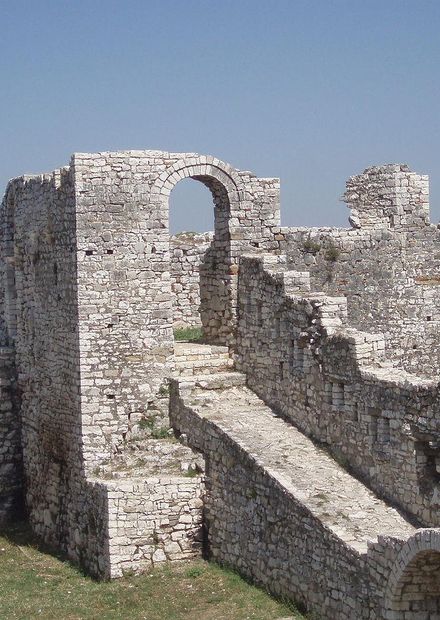
Toskëria travel guide
Explore Toskëria in southern Albania for UNESCO stone towns, mountain valleys, thermal springs, rivers, regional food and living cultural traditions.
Tell me more about ToskëriaMore to explore in Toskëria

 Best attractions in Toskëria

 Best shops in Toskëria

 Best bars in Toskëria

 Best restaurants in Toskëria

 Best nightclubs in Toskëria

 Best experiences in Toskëria

 Best hotels in Toskëria
Explore more

Explore more of Albania
Discover Albania: A land of untamed beauty, rich history, and warm hospitality, offering stunning beaches, rugged mountains, and vibrant cities.
Explore Albania
Getting your guide ready…
We are putting together a fresh copy of the Toskëria guide. This can take up to a minute.
This can take a few moments. If your browser asks, choose Allow so the download can start. You'll find the guide in your Downloads folder.
Nothing happened? Download it again
Sorry, the guide is taking longer than usual. Please try again in a minute, or get it by email instead.

