Tsughrughasheni Monastery: A Jewel of Georgian Architecture
Discover the serene beauty of Tsughrughasheni Monastery, a 13th-century Georgian architectural gem with intricate carvings and panoramic views.
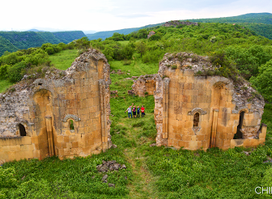
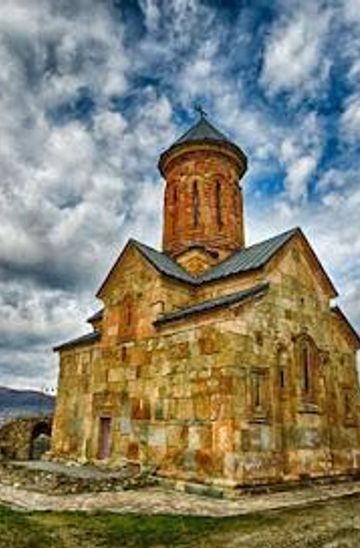
Nestled in the Bolnisi region of Georgia, Tsughrughasheni Monastery is a 13th-century Orthodox church celebrated for its intricate stonework, soaring cupola, and serene atmosphere. Overlooking the Bolnisistskali River, it offers visitors a peaceful retreat and a glimpse into Georgia's rich cultural heritage.
A brief summary to Tsughrughasheni
- Sioni Monastery-Tsughrughasheni, Bolnisi, GE
- Click to display
- Click to display
- Monday 9 am-7 pm
- Tuesday 9 am-7 pm
- Wednesday 9 am-7 pm
- Thursday 9 am-7 pm
- Friday 9 am-7 pm
- Saturday 9 am-7 pm
- Sunday 9 am-7 pm

Know before you go
Hi, I'm Eve. Here are a few practical things to know before exploring Tsughrughasheni.
- Dress modestly when visiting to respect the religious significance of the monastery.
- Visit in the early morning or late afternoon to avoid crowds and enjoy cooler temperatures.
- Take a walk around the monastery grounds to fully appreciate the tranquil atmosphere and scenic views.
Do you manage this location?
Take control to get all the benefits, like improved information, better appearance, and stronger visibility across AI-powered discovery. Learn more
Activate your presenceOther nearby places you may find interesting

Getting There
-
Public Transport
From Tbilisi, take a marshrutka (minibus) to Bolnisi from Didube bus station. Once in Bolnisi, you can take a local taxi to Tsughrughasheni Monastery. The marshrutka from Tbilisi to Bolnisi costs around 5-7 GEL. A taxi from Bolnisi to the monastery will cost approximately 10-15 GEL.
-
Walking
From the center of Bolnisi, you can walk to Tsughrughasheni Monastery. The distance is approximately 2 kilometers and will take around 20-25 minutes. Follow the road signs directing you to Tsughrughasheni.
Discover more about Tsughrughasheni
Explore the best of what Tsughrughasheni has to offer













More about Lori
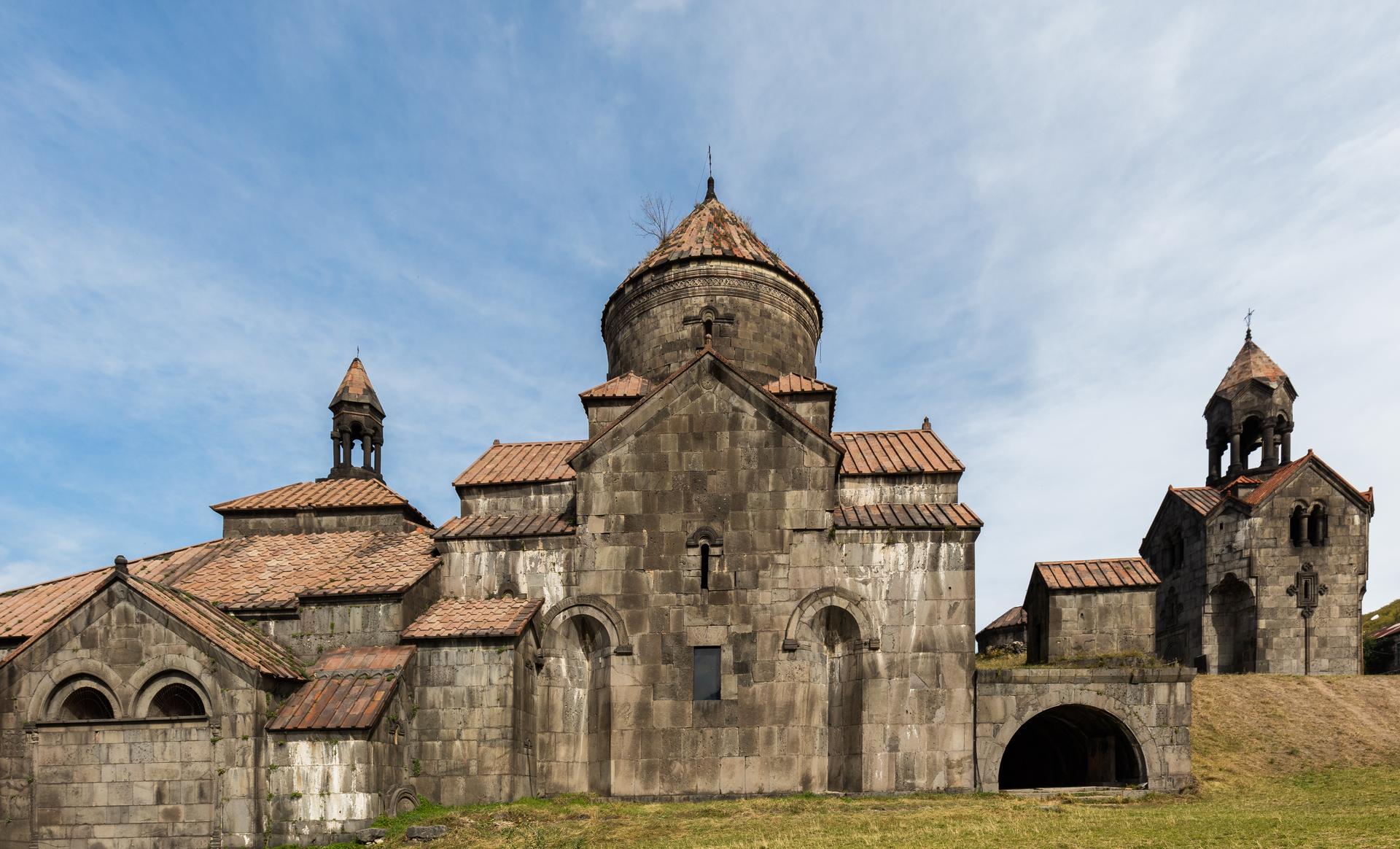
Discover Lori, Armenia: A land of lush landscapes, ancient monasteries, and hidden cultural treasures perfect for nature enthusiasts and history lovers.
Tell me more about Lori