Ramna Park: Dhaka's Green Oasis
Discover Dhaka's green heart: Ramna Park, a historic oasis offering tranquility, cultural experiences, and a refreshing escape from the city's hustle and bustle.
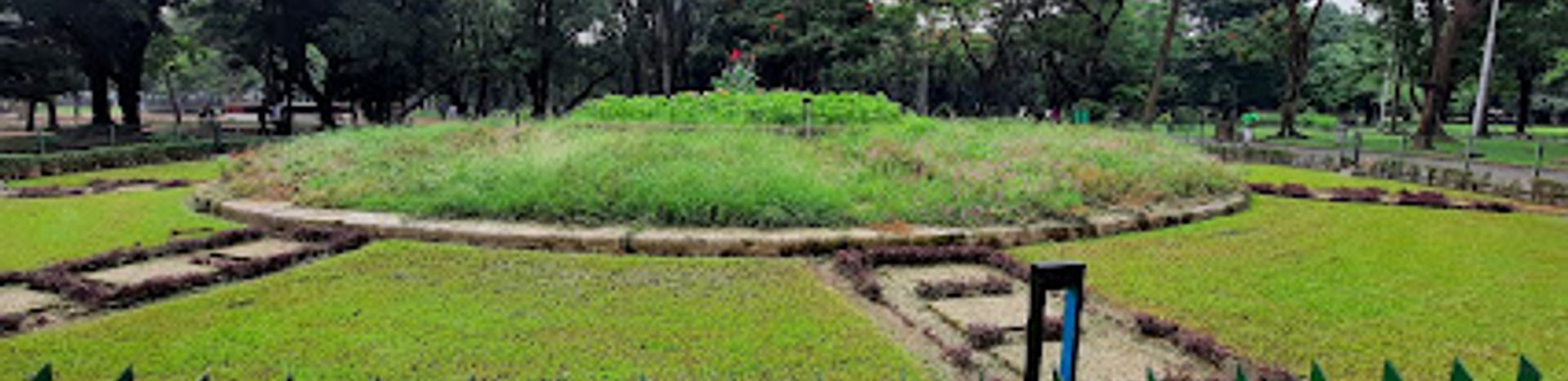
Escape the Dhaka's frenetic energy in Ramna Park, a sprawling green space steeped in history and offering a tranquil retreat for locals and tourists alike. Originally established during the Mughal era and redesigned during British colonial rule, this 68.5-acre park serves as the "lungs of Dhaka," providing fresh air and a connection to nature. Wander along winding pathways shaded by towering trees, discover vibrant flower beds, and relax by the serene Ramna Lake. The park hosts various cultural events throughout the year, including concerts, festivals, and art exhibitions, offering a glimpse into the local culture. Whether you seek a leisurely stroll, a family picnic, or a moment of quiet contemplation, Ramna Park provides a welcome respite from the urban chaos. Don't miss the Pohela Boishakh (Bengali New Year) celebrations at the historic Ramna Batamul banyan tree, a cultural extravaganza that transforms the park into a vibrant hub.
A brief summary to Ramna Park
- Moulana Bhasani Rd, Dhaka, Ramna, 1217, BD
- Visit website
Local tips
- Visit during the cooler months (November to February) for pleasant weather and comfortable exploration.
- Attend the Pohela Boishakh (Bengali New Year) celebrations for a vibrant cultural experience.
- Dress comfortably and modestly, especially when visiting cultural sites within the park.
- Be mindful of your belongings and surroundings, especially in crowded areas.
- Take advantage of the park's walking paths for a refreshing morning or evening stroll.

Getting There
-
Public Transport
Reaching Ramna Park via public transport is convenient due to its central location. Several bus routes connect different parts of Dhaka to the park. Bus fares typically range from BDT 10 to BDT 30 depending on the distance and type of bus (government or private). The Dhaka Metro also provides access; disembark at Shahbagh station, which is adjacent to the park. A monthly public transport ticket costs approximately BDT 2,176.
-
Taxi/Ride-Share
Taxis and ride-sharing services like Uber and Pathao are readily available in Dhaka. A short ride to Ramna Park from nearby areas typically costs between BDT 100 to BDT 300, depending on the distance and traffic conditions. Be sure to negotiate the fare beforehand with CNG rickshaws, which are also a common mode of transport.
-
Walking
If you are in the vicinity of Dhaka University or Shahbagh, walking to Ramna Park is a pleasant option. The park is easily accessible on foot from these areas, allowing you to enjoy the surrounding cityscape. Be aware of pedestrian traffic and road crossings.
Discover more about Ramna Park
Iconic landmarks you can’t miss

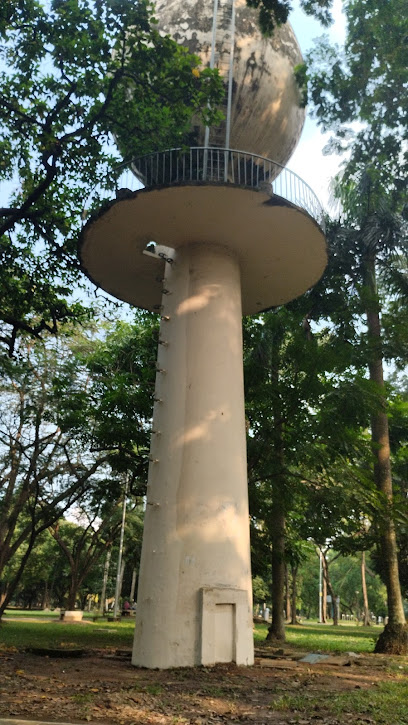
Ramna Park Water Tank
0.2 km
Discover Dhaka's green heart: Ramna Park, a historic urban oasis offering tranquility, diverse flora, and vibrant cultural celebrations in the center of the bustling capital.
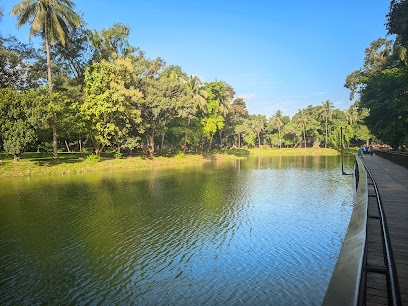
Ramna Park walkway
0.2 km
Discover Dhaka's green heart at Ramna Park, a historic oasis offering tranquility, cultural experiences, and a refreshing escape from the city's hustle, with vibrant Bengali New Year celebrations.
Old High Court Building
0.9 km
Discover Dhaka's colonial past at the Old High Court Building, a stunning example of European Renaissance architecture and historical significance.
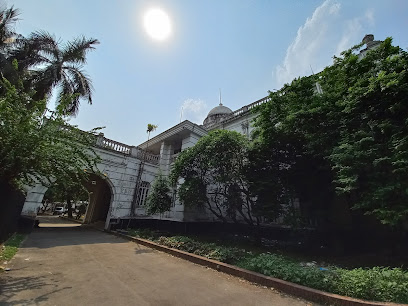
Dhaka Gate
1.0 km
Discover Dhaka Gate, a historical landmark blending Mughal and European architecture, offering a glimpse into Dhaka's rich past and cultural heritage, now renovated for visitors to explore and appreciate.
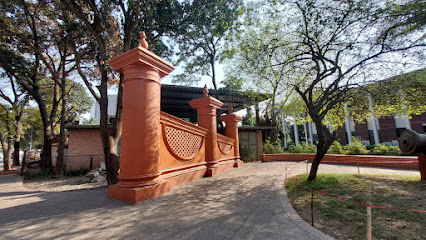
Jagannath Hall Killing Field
1.1 km
Reflect on Bangladesh's history at Jagannath Hall Killing Field, a memorial to the 1971 Liberation War within Dhaka University.
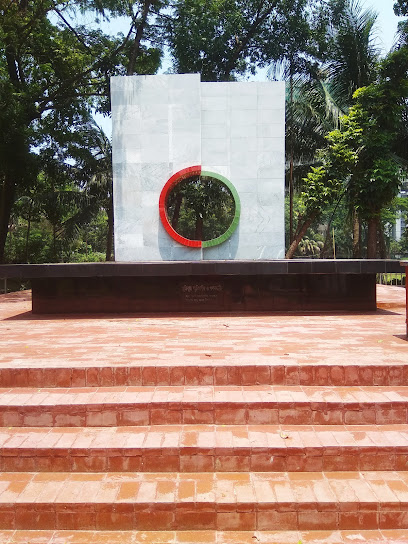
Curzon Hall
1.1 km
Discover Curzon Hall in Dhaka, a stunning blend of Mughal and European architecture, and a symbol of Bangladesh's rich history and cultural significance within the heart of Dhaka University.
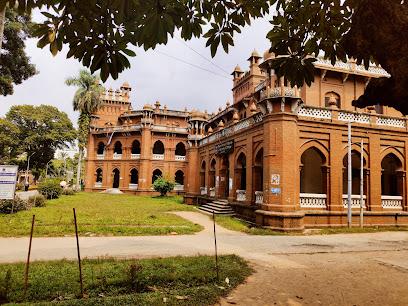
Shahidullah Hall Pond
1.3 km
Discover a serene escape in the heart of Dhaka at Shahidullah Hall Pond, a historic oasis offering tranquility and natural beauty within the vibrant Dhaka University campus.
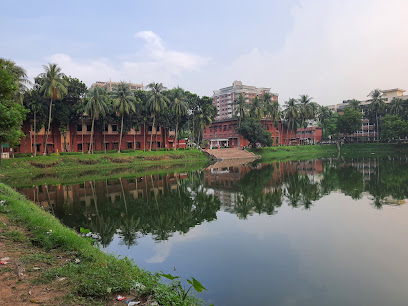
Panthokunjo
1.4 km
Escape the Dhaka bustle at Panthokunjo, a green oasis offering tranquility and recreation in the heart of the city. A perfect spot for a peaceful break and a breath of fresh air.
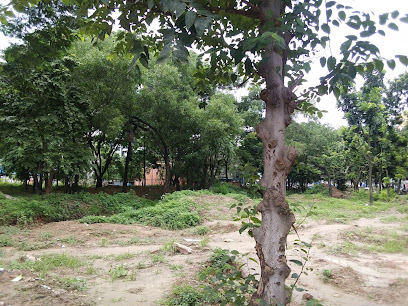
Bijoy Batayan
1.4 km
Discover Bijoy Batayan in Dhaka, a historical landmark symbolizing Bangladesh's victory and heritage, offering a poignant reminder of the nation's journey to independence and cultural identity.
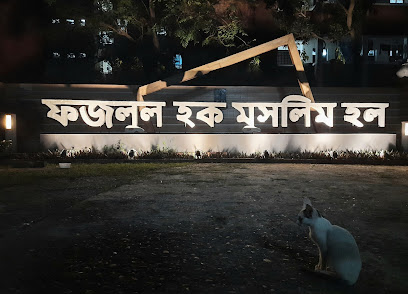
Baitul Mukarram National Mosque
1.5 km
Discover Baitul Mukarram National Mosque in Dhaka, a unique architectural marvel blending Mughal and modern styles, accommodating 40,000 worshippers in the heart of Bangladesh.
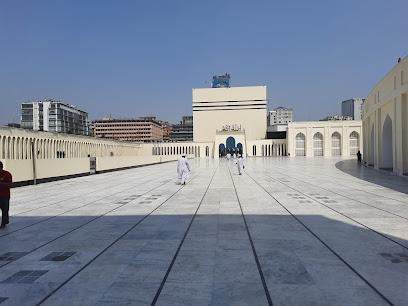
স্বাধীনতার দেয়াল
1.5 km
Experience Dhaka's vibrant street art at the স্বাধীনতার দেয়াল, a dynamic landmark reflecting Bangladesh's journey to freedom and ongoing social dialogue.
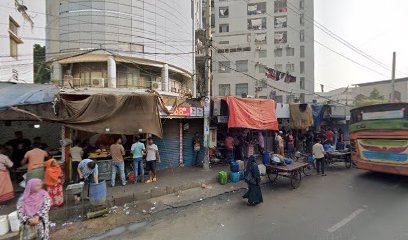
Book sale
1.7 km
Explore Dhaka's literary heart: Nilkhet Book Market, where affordable books and academic resources meet vibrant culture.
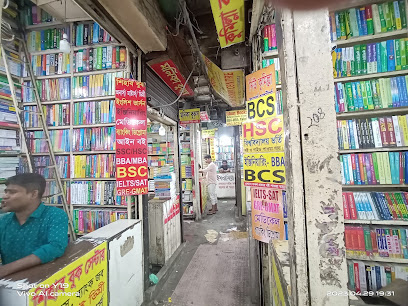
সাবেক ঢাকা রেলওয়ে স্টেশন। The former Dhaka Railway Station area
1.7 km
Explore the historic heart of Dhaka at the former Railway Station: a vibrant blend of colonial architecture, bustling markets, and cultural experiences, offering a unique glimpse into the city's past.
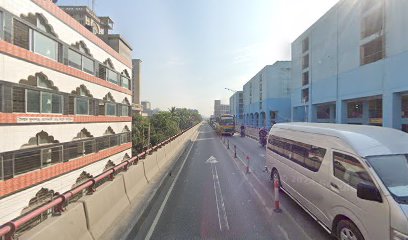
Hussaini Dalan
1.7 km
Explore the architectural beauty and cultural significance of Hussaini Dalan, a historical landmark in the heart of Old Dhaka, Bangladesh.

Gulistan Shaheed Matiur Park
2.0 km
Find serenity in Dhaka's bustling heart at Gulistan Shaheed Matiur Park, a green oasis honoring a martyr with recreation and history.
Unmissable attractions to see

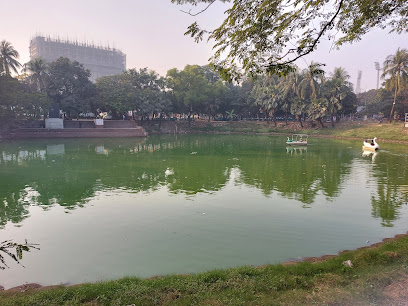
Ramna Lake
0.1 km
Escape the city in Dhaka's historic Ramna Park, a serene lake and green space with Mughal-era roots and vibrant cultural celebrations.
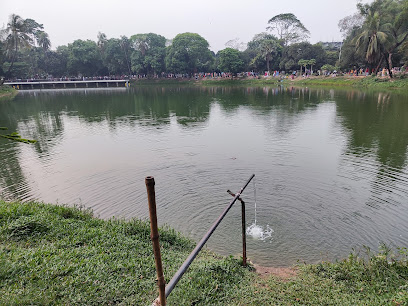
Ramna Botmul
0.2 km
Discover the historical charm and cultural significance of Ramna Botmul, a serene park in Dhaka and the heart of Bengali New Year celebrations.
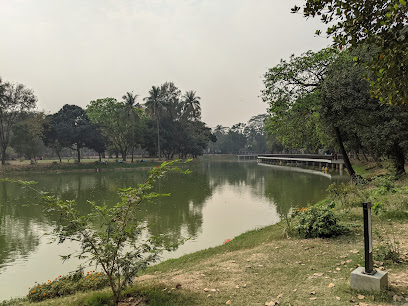
Shahid Zia Shishu Park
0.4 km
Dhaka's first children's amusement park, a nostalgic escape undergoing modernization for future generations of fun and recreation.
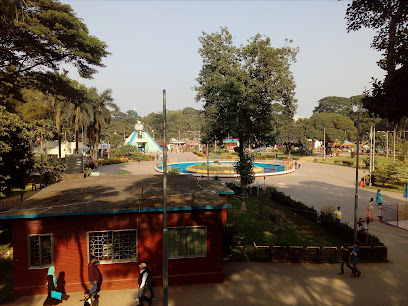
Museum of Independence
0.5 km
Explore Bangladesh's struggle for independence at this poignant Dhaka museum, featuring historical exhibits & the iconic Independence Monument.
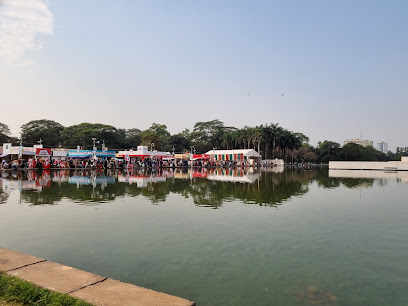
Swadhinata Stambha
0.5 km
A towering monument in Dhaka's Sohrawardi Udyan, commemorating Bangladesh's independence struggle with a museum and eternal flame.
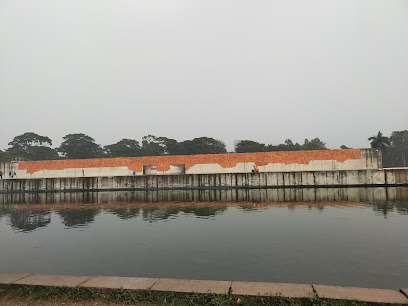
Sohrawardy Udyan
0.6 km
Explore Bangladesh's history and find serenity in the heart of Dhaka at Sohrawardy Udyan, a national memorial and urban oasis.
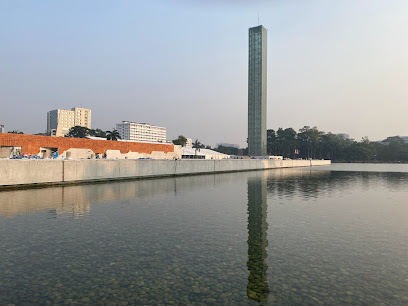
Bangladesh National Museum
0.7 km
Discover Bangladesh's rich history and culture at the National Museum in Dhaka, showcasing artifacts, art, and historical relics from ancient times to the present.
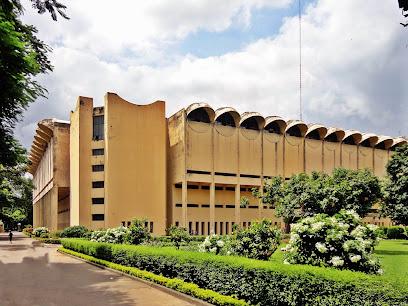
Charukola, Bokultola
0.7 km
Explore the artistic heart of Dhaka University at Charukola, a vibrant hub of Bengali art, culture, and history. A must-see landmark!
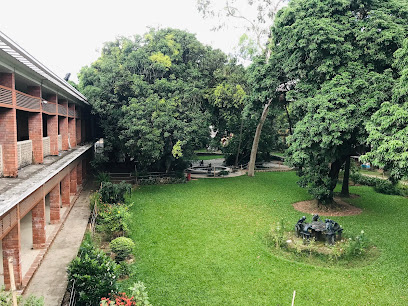
Ramna Kali Temple
0.7 km
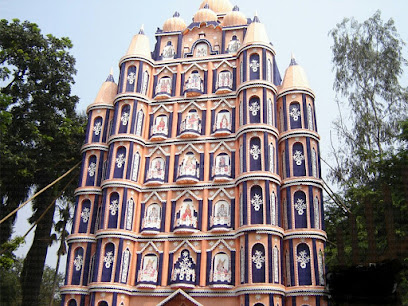
Discover the Ramna Kali Temple in Dhaka, a symbol of resilience and spiritual heritage, offering a serene escape and a glimpse into Bengali Hindu culture.
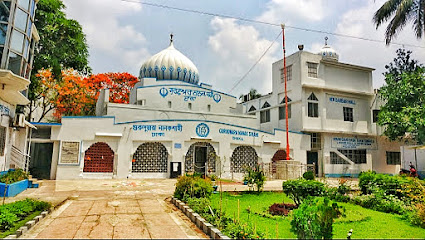
Gurudwara Nanak Shahi
0.9 km
Visit Gurudwara Nanak Shahi in Dhaka, a historical Sikh temple promoting unity and selfless service, open to all faiths on the Dhaka University campus.
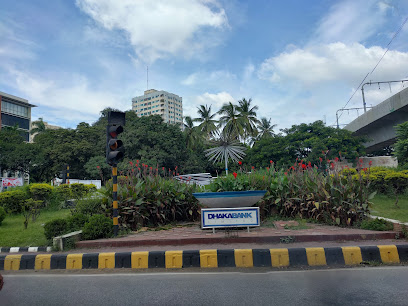
Kadam Foara
0.9 km
Find serenity amidst Dhaka's hustle at Kadam Foara, a flower-inspired fountain offering a peaceful escape in the heart of the city.
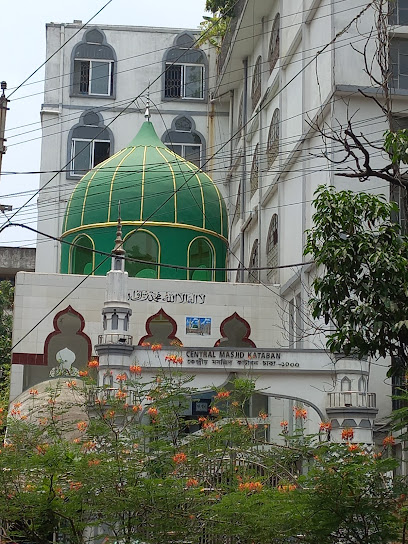
Kataban Mosque
1.0 km
A key center for Islamic learning and missionary work in Dhaka, easily accessible in the vibrant Shahbag area.
VC Chattar
1.2 km
Experience the historical and cultural heart of Dhaka University at VC Chattar, home to the iconic century-old Korai tree.
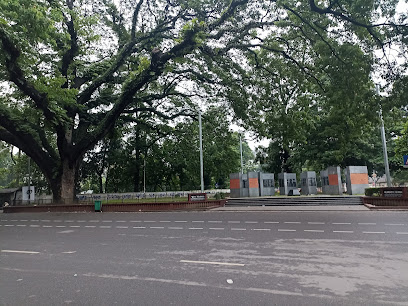
The Great Musa Khan Mosque
1.2 km
Explore the Mughal-era Great Musa Khan Mosque in Dhaka University, a historical landmark with unique architectural significance.
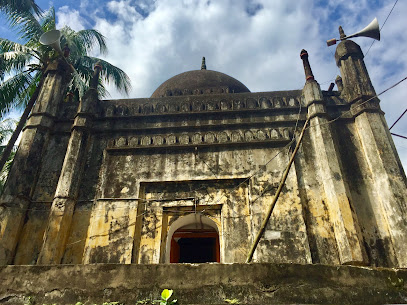
Central Shaheed Minar
1.2 km
A national monument in Dhaka, commemorating the martyrs of the Bengali Language Movement and symbolizing Bengali identity and cultural pride.
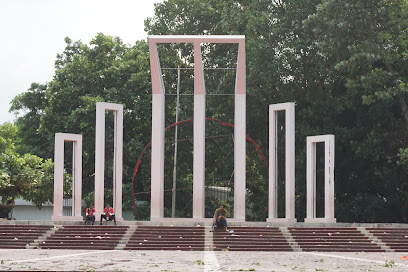
Essential places to dine

The Amber Room, InterContinental Dhaka
0.6 km
Discover fine dining at The Amber Room in Dhaka - where exquisite cuisine meets elegant ambiance for an unforgettable culinary journey.
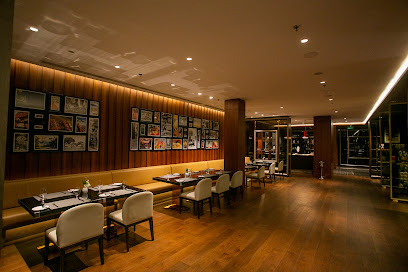
Aquadeck, InterContinental Dhaka
0.6 km
Experience exquisite continental dining at Aquadeck in InterContinental Dhaka - where luxury meets culinary excellence.
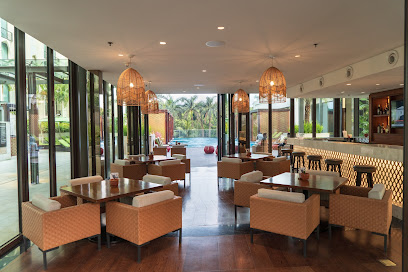
Elements Global Dining, InterContinental Dhaka
0.6 km
Experience a world of flavors at Elements Global Dining in InterContinental Dhaka – where every bite tells a story.
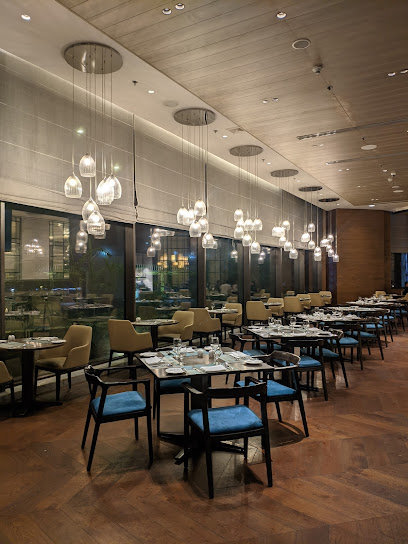
Bhoj
0.7 km
Explore authentic Bangladeshi and Indian cuisine at Bhoj - where tradition meets flavor in Dhaka.
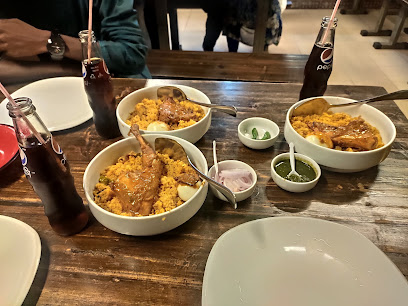
Bhaat Ghor ~ SegunBagicha
0.7 km
Experience the essence of Bengali and Middle Eastern cuisine at Bhaat Ghor in Dhaka – where every dish tells a story.
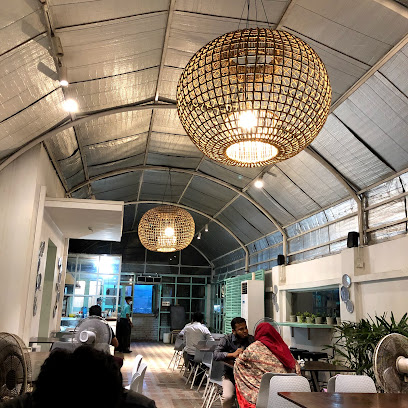
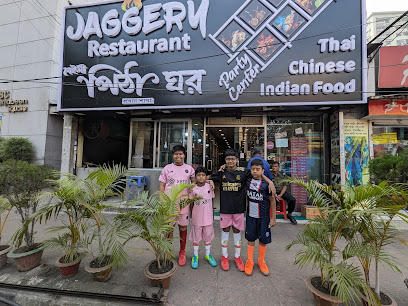
Baily Pitha Ghar & Jaggery Restaurant
0.9 km
Discover the heart of Bangladeshi cuisine at Baily Pitha Ghar & Jaggery Restaurant – where tradition meets flavor.
Super Supper
1.0 km
Experience an unforgettable culinary journey at Super Supper - Dhaka's premier buffet restaurant featuring diverse cuisines.
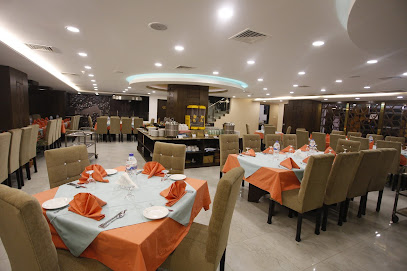
The Green Lounge Bailey Road
1.0 km
Experience the ultimate buffet dining at The Green Lounge Bailey Road in Dhaka – where every meal is a celebration of flavors.
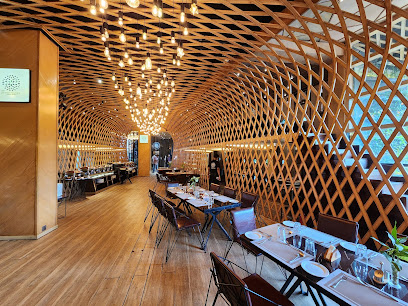
China Kitchen
1.1 km
Experience the vibrant fusion of Chinese, Bangladeshi, and Thai cuisines at China Kitchen in Dhaka's Rose View Plaza.
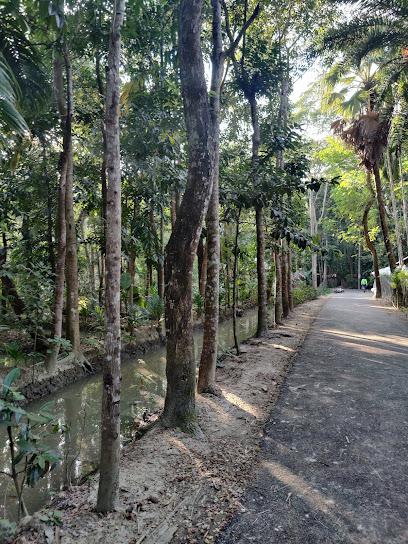
Waterfall Restaurant & Convention Hall
1.1 km
Discover exquisite Chinese cuisine at Waterfall Restaurant & Convention Hall - where authentic flavors meet elegant ambiance in Dhaka.
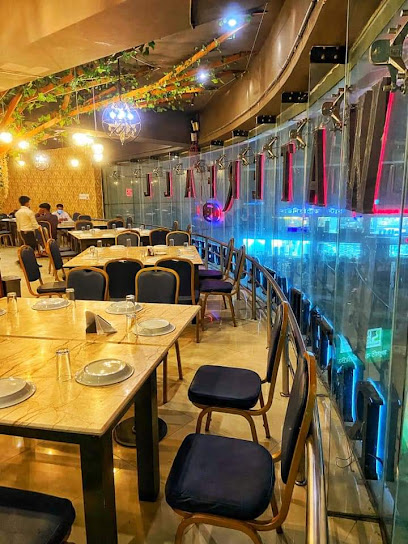
FEAST Restaurant
1.1 km
Experience the vibrant culinary scene at FEAST Restaurant in Dhaka, where traditional flavors meet contemporary dining.
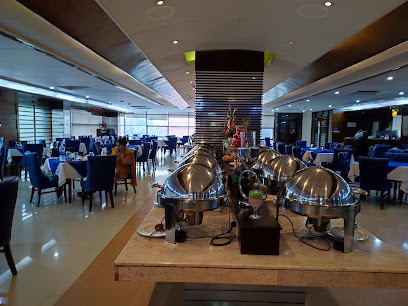
Oshto Banjon Restaurant
1.2 km
Experience authentic Bangladeshi flavors at Oshto Banjon Restaurant in Dhaka - a must-visit for food lovers seeking local delicacies.
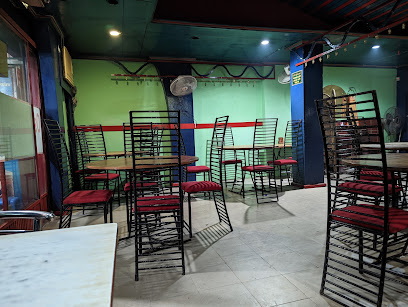
Noakhali Hotel And Restaurant
1.2 km
Savor the rich flavors of India at Noakhali Hotel And Restaurant in Dhaka – where every meal is a culinary journey.
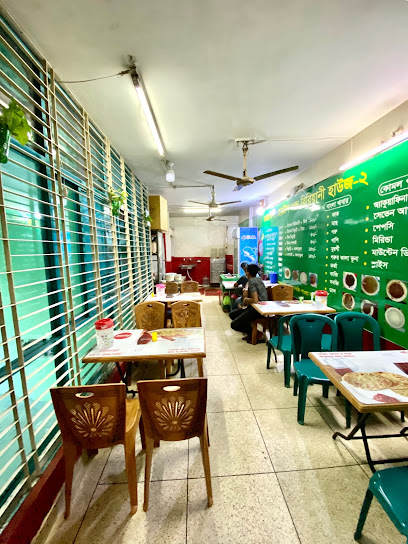
Weston Restaurant
1.2 km
Discover the rich flavors of China at Weston Restaurant in Dhaka - where every meal tells a story.
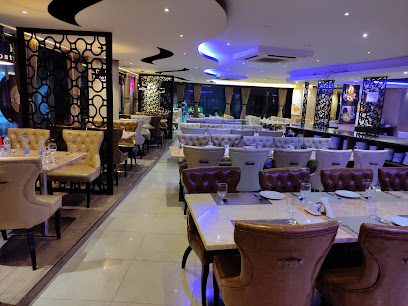
Radhuni Restaurant
1.2 km
Experience authentic Bengali flavors at Radhuni Restaurant in Dhaka – where tradition meets taste in every dish.
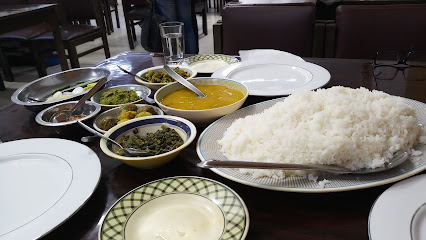
Markets, malls and hidden boutiques

Express Fashion, Aziz Super Market, Dhaka
0.9 km
Explore the vibrant world of fashion at Express Fashion in Aziz Super Market, Dhaka - your ultimate shopping destination!
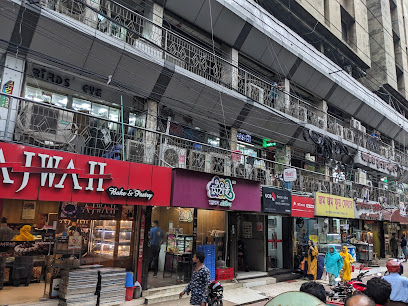
Gift City
1.1 km
Explore Gift City in Dhaka for unique souvenirs that embody the rich culture and craftsmanship of Bangladesh.

Mini Love Mall
1.1 km
Discover unique souvenirs and local crafts at Mini Love Mall in Dhaka, the perfect gift shop for memorable keepsakes.
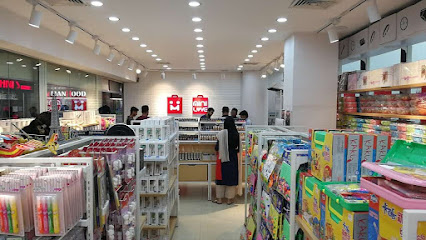
Team14 Gift Shop Dhaka
1.1 km
Explore Team14 Gift Shop Dhaka for unique handcrafted gifts and souvenirs that capture the essence of Bangladeshi culture and artistry.
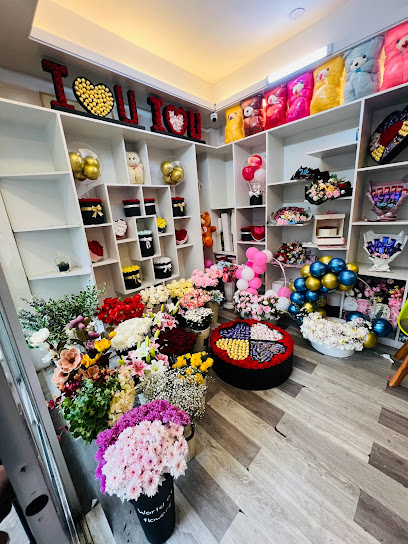
Desh Bangla Gift Corner
1.1 km
Discover the heart of Dhaka through unique gifts and traditional handicrafts at Desh Bangla Gift Corner, your go-to souvenir shop.
Adventurous Paradise
1.1 km
Explore Adventurous Paradise in Dhaka, your go-to hunting and fishing store with expert advice and a wide range of gear for outdoor lovers.
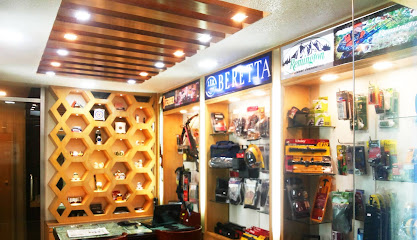
Bazar-Wala.com :: Grocery Online Shop & Store in Bangladesh
1.2 km
Discover the essence of Bangladesh at Bazar-Wala.com, your one-stop online shop for authentic groceries and unique gifts in Dhaka.
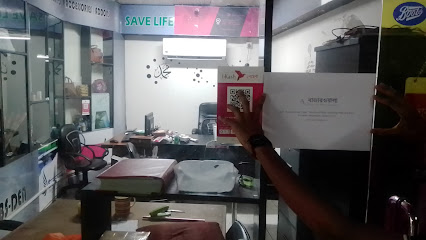
www.uniqueshopbd.com
1.2 km
Explore Unique Shop BD in Dhaka for authentic Bangladeshi crafts and trendy fashion, a true e-commerce experience in the heart of the city.

Royal Bengal Sign
1.3 km
Explore the charm of Dhaka at the Royal Bengal Sign, where unique gifts and authentic souvenirs await every traveler.
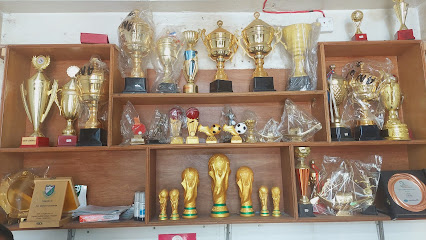
Eastern Plus Shopping Complex
1.4 km
Explore the vibrant Eastern Plus Shopping Complex in Dhaka, your ultimate shopping haven for local and international treasures.
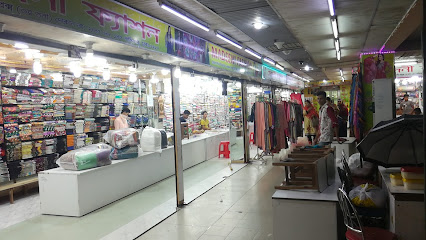
Fortune Shopping Mall
1.5 km
Explore Fortune Shopping Mall in Dhaka, where shopping meets local culture, offering a variety of stores and dining options for every traveler.
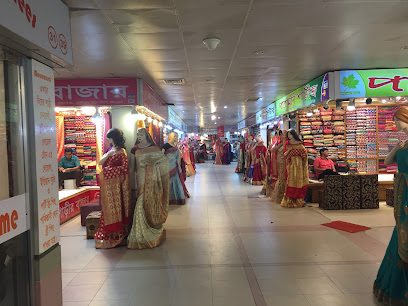
Krishnochura Fashion
1.5 km
Discover unique women's clothing that blends tradition and modernity at Krishnochura Fashion in Dhaka's Eastern Mollika Shopping Complex.
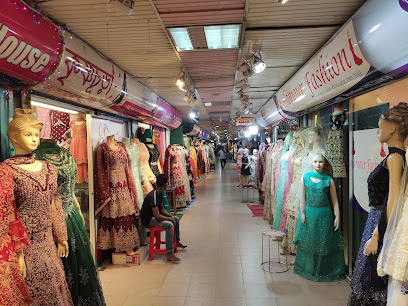
Yara Mart
1.6 km
Discover unique gifts, stunning flowers, and festive balloons at Yara Mart, your ultimate shopping destination in Dhaka.

Bongo Bazar Shopping Complex
1.6 km
Explore Bongo Bazar Shopping Complex for an authentic Dhaka experience with vibrant markets, local handicrafts, and delicious street food.
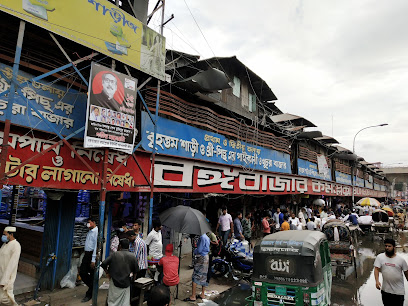
Fashion & Boutique
1.7 km
Discover the vibrant shopping scene at Fashion & Boutique in Dhaka, a must-visit destination for fashion lovers and cultural explorers alike.
Essential bars & hidden hideouts

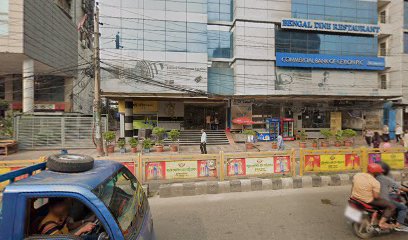
Sakura Restaurant & Bar
0.7 km
Discover the vibrant nightlife of Dhaka at Sakura Restaurant & Bar, where delicious food and drinks await in a lively atmosphere.
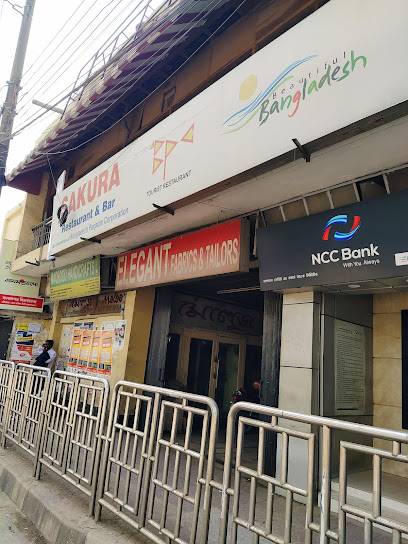
Md Riyad
0.9 km
Experience the lively atmosphere and local flavors at Md Riyad, a popular bar in the heart of Dhaka, perfect for unwinding after a day of exploration.
Gentleman’s Rest Bar
1.0 km
Discover the lively spirit of Dhaka at Gentleman’s Rest Bar, where live music and exquisite drinks create unforgettable nights.
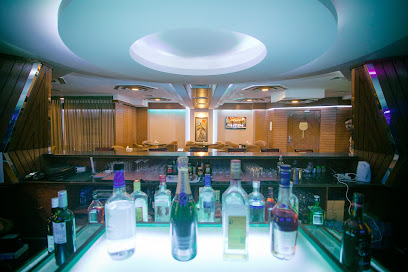
Chalet Restaurant & Bar
1.1 km
Discover the vibrant culinary experience at Chalet Restaurant & Bar in Dhaka, where local flavors meet international cuisine.
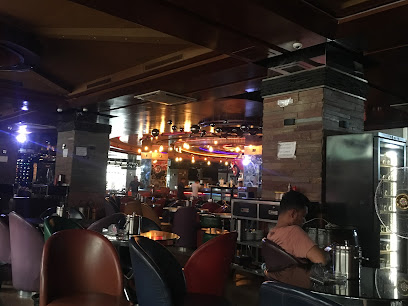
Golden Dragon Bar
1.2 km
Experience the vibrant nightlife at Golden Dragon Bar in Dhaka with signature cocktails, live music, and a lively atmosphere perfect for socializing.
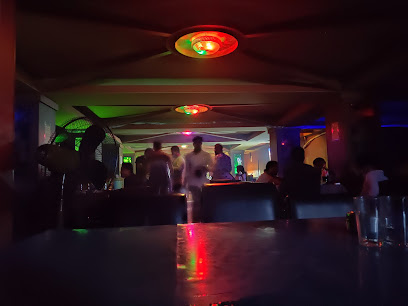
Dhaka Restaurant & Recreation Center
1.2 km
Discover the culinary delights of Dhaka at the vibrant Dhaka Restaurant & Recreation Center, where local flavors meet a lively atmosphere.
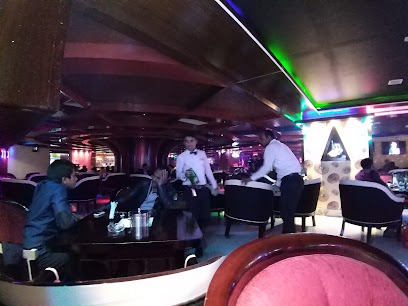
Piyashi Restaurant and Bar
1.4 km
Experience the vibrant culinary scene at Piyashi Restaurant and Bar in Dhaka, where delicious cuisine meets a lively bar atmosphere.
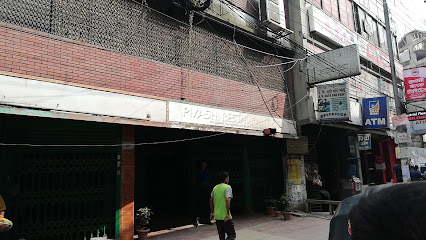
Dhanmondi Club Limited
1.5 km
Experience the vibrant nightlife of Dhaka at Dhanmondi Club Limited, where great drinks meet a lively atmosphere.
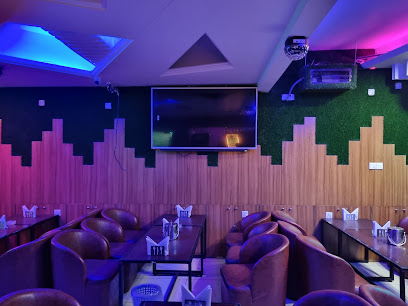
নাইটিংগেল বার
1.6 km
Explore the vibrant nightlife at Nightingale Bar in Dhaka, where great drinks and lively atmosphere await.
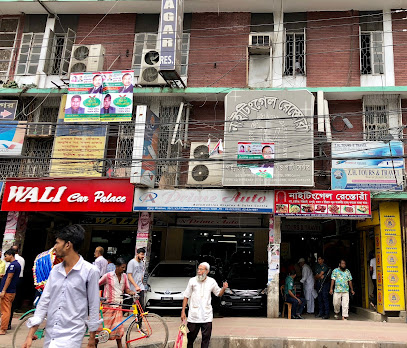
Bengal Bar
1.7 km
Experience the lively atmosphere and unique flavors at Bengal Bar, a must-visit destination in Dhaka for tourists and locals alike.
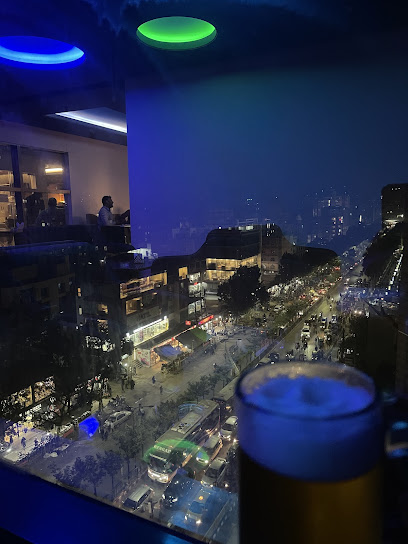
Hotel Grand Galaxy
1.8 km
Discover the lively charm of Hotel Grand Galaxy, Dhaka's top spot for chicken wings, wine, and a vibrant nightlife experience.
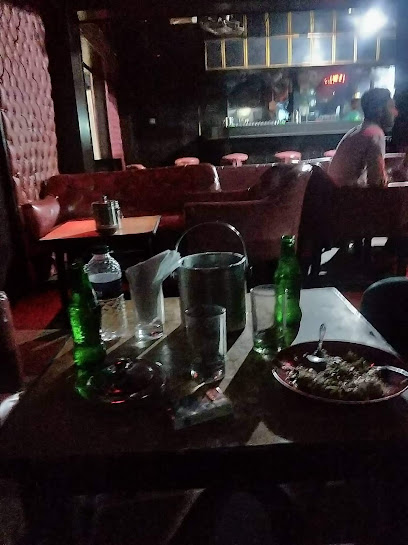
DPL Restaurant & Bar
2.2 km
Discover the vibrant flavors of Dhaka at DPL Restaurant & Bar – where local cuisine meets a lively atmosphere.
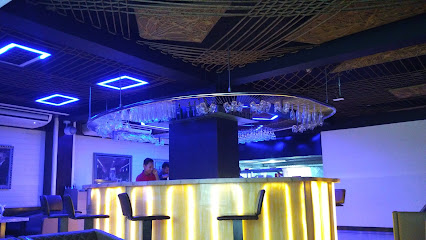
Adda KH
2.3 km
Dive into Dhaka's nightlife at Adda KH, where vibrant energy meets exquisite drinks in a stylish setting.
Red Button
2.8 km
Discover Red Button, a vibrant bar and restaurant in Dhaka, offering delicious continental cuisine and a lively atmosphere for relaxation.
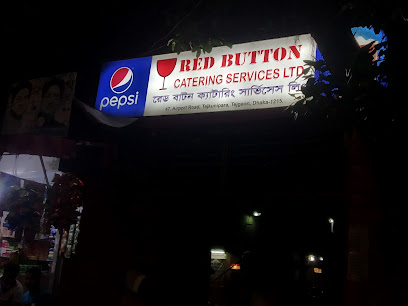
Canton Chinese Restaurant & Bar
2.8 km
Savor authentic Chinese flavors in Dhaka's vibrant Canton Chinese Restaurant & Bar, where culinary tradition meets a lively atmosphere.
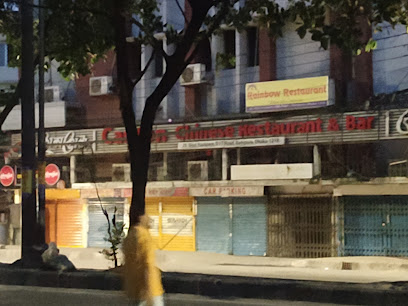
Nightclubs & after hour spots

FBS Boys Common Room and Ice Cream Parlour
0.9 km
Discover a delightful blend of relaxation and indulgence at FBS Boys Common Room and Ice Cream Parlour, a must-visit lounge in Dhaka University.
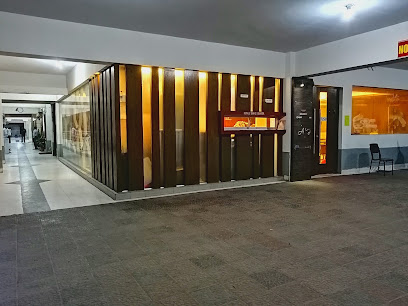
Teachers Lounge । Faculty of Arts, University of Dhaka
0.9 km
Experience a tranquil escape at the Teachers Lounge in the University of Dhaka, where scholarly vibes meet relaxation in an inspiring setting.
Noakhali Club Dhaka Ltd
1.5 km
Experience the vibrant nightlife at Noakhali Club Dhaka Ltd, where socializing meets stunning views in the heart of Dhaka.
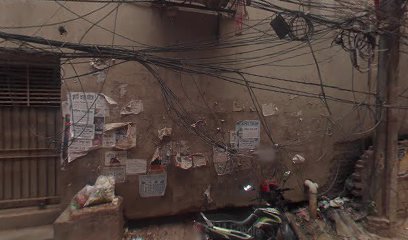
Bangladesh Bank Club
2.7 km
Discover the heart of Dhaka's nightlife at Bangladesh Bank Club, where music, dance, and unforgettable memories await you.
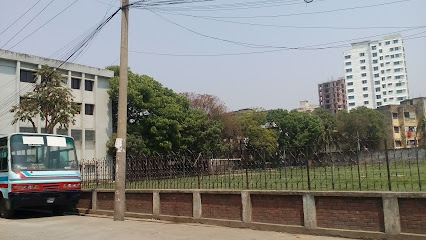
Eker Chad/ The Eker roof top
3.2 km
Discover the vibrant nightlife at Eker Roof Top in Dhaka, where stunning views and lively music create unforgettable memories.
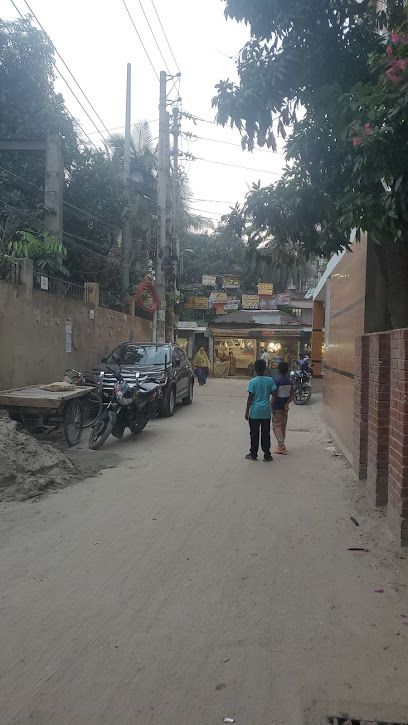
Griddle Cafe & Lounge
3.4 km
Discover the vibrant culinary scene at Griddle Cafe & Lounge in Dhaka, where delicious flavors meet a cozy atmosphere.
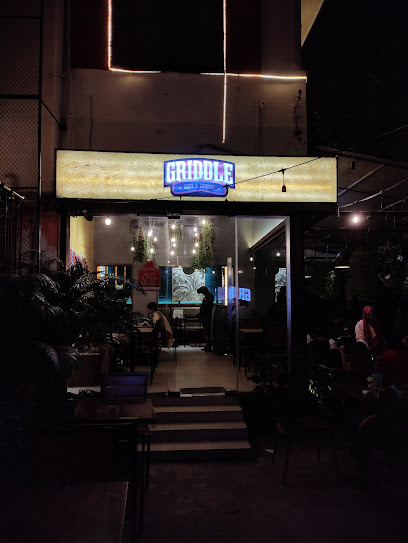
Fuwang Club
3.8 km
Experience the nightlife in Dhaka at Fuwang Club, where great drinks and vibrant atmosphere create unforgettable memories.
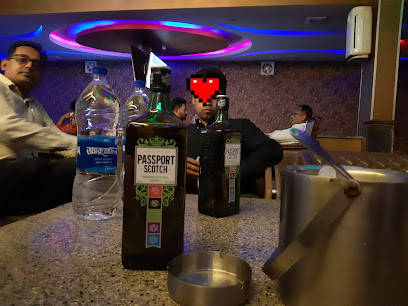
Lake View Recreation Club, Gulshan-1
5.2 km
Experience the perfect blend of relaxation and socializing at Lake View Recreation Club in Gulshan-1, Dhaka, with stunning lake views and a welcoming atmosphere.
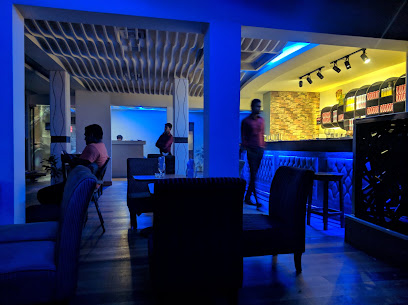
Hanif Khan
5.3 km
Experience the heart of Dhaka's nightlife at Hanif Khan, where music, dance, and culture come alive for an unforgettable evening.
Adda Jone
5.3 km
Discover the energy and excitement of Dhaka's nightlife at Adda Jone, a premier night club where vibrant music and unforgettable experiences await.
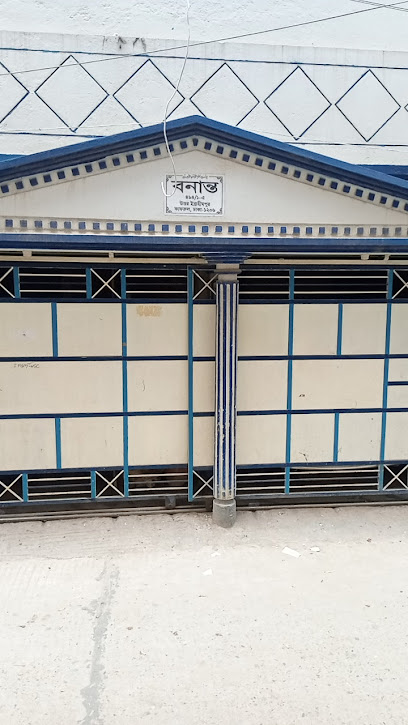
উত্তর ইব্রাহিমপুর আশিদাগ
5.9 km
Discover the heart of Dhaka's nightlife at Uttar Ibrahimpur Ashidag, a vibrant night club offering music, dance, and local culture.
TRIBE Rooftop Lounge
5.9 km
Discover the perfect blend of ambiance and flavor at TRIBE Rooftop Lounge in Dhaka, offering stunning views and an exquisite menu.
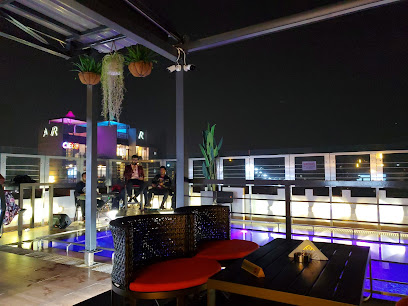
Bluemoon Recreation Club
5.9 km
Explore the vibrant atmosphere of Bluemoon Recreation Club in Dhaka, offering dining, socializing, and fitness for the perfect leisure experience.
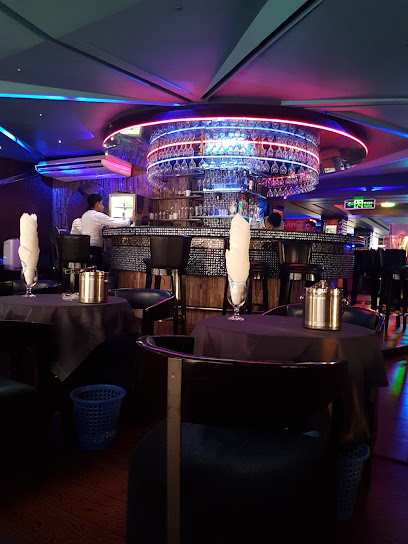
Jazz Reloaded Lounge
6.0 km
Jazz Reloaded Lounge: A vibrant Dhaka hotspot blending live jazz, exquisite dining, and a welcoming atmosphere for travelers.
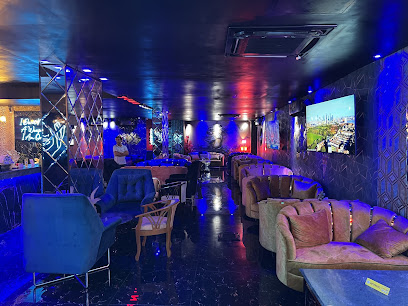
Signature lounge
6.0 km
Discover the electrifying nightlife at Signature Lounge in Dhaka, where vibrant music and exceptional service create unforgettable experiences.