

Telegraph Avenue (Berkeley) Travel Guide - Free
Explore Telegraph Avenue in Berkeley with Evendo's free guide. Find the best shops, historic streets, restaurants, and gems on web or mobile.


Telegraph Avenue in Berkeley blends UC culture, independent bookshops, vintage stores, murals, live music and globally influenced food near People's Park.
Street Culture and University Life
Telegraph Avenue is one of Berkeley’s most recognisable urban corridors, running south from the University of California, Berkeley campus through a dense mix of bookshops, cafés, restaurants, record stores, vintage clothing outlets and student-oriented businesses. In the Berkeley portion, the avenue is closely associated with the campus neighbourhood and with the public life of the university, although its character changes as it moves south towards Ashby Avenue. Shopfronts, murals, posters and hand-painted signs give the street a visual language shaped by commerce, activism, music and decades of informal creativity.Read more about Telegraph Avenue
Books, Music and Public Space
Food and Everyday Berkeley
Best attractions in Telegraph Avenue
Telegraph Avenue’s attractions are primarily cultural and street-based rather than monumental. The northern stretch beside the UC Berkeley campus offers views towards university buildings and gateways, while the avenue itself supplies a changing display of murals, posters, independent shopfronts and informal street activity. Moe’s Books is a landmark for readers, with a long-established presence that reflects the corridor’s intellectual and independent character, and Amoeba Music draws visitors interested in recorded music and browsing culture. People’s Park, immediately east of the avenue near Dwight Way, is an historically significant public space whose use and accessibility have been subject to continuing local debate. South of the university, cafés, vintage shops, record-related businesses and international eateries provide the main reasons to wander. Telegraph is best experienced slowly, combining window-shopping and people-watching with short detours into the surrounding Southside streets.
-
Park
Codornices Park
Discover the natural beauty and recreational charm of Codornices Park in Berkeley, a serene oasis perfect for relaxation and outdoor activities.
6 min drive · 2.1 km from neighbourhood centre
-
Science museum
The Lawrence Hall of Science
Explore hands-on science exhibits, stunning views, and educational programs at The Lawrence Hall of Science in Berkeley, California.
5 min drive · 1.7 km from neighbourhood centre
Best landmarks in Telegraph Avenue
Telegraph Avenue’s most significant landmarks are closely tied to the UC Berkeley campus, public space and independent commerce. The avenue’s northern relationship with the university, particularly around Bancroft Way, marks the meeting point between campus institutions and the Southside commercial district. Moe’s Books is a recognisable local landmark whose long presence represents Telegraph’s literary culture, while Amoeba Music embodies the corridor’s continuing connection with recorded music and independent retail. People’s Park, near the avenue and Dwight Way, is an important symbolic site in Berkeley’s political history, particularly because of the confrontations surrounding its creation and use in 1969. The avenue’s hand-painted signs, murals and low-rise shopfronts are not a uniform architectural ensemble, but together they form a distinctive cultural streetscape shaped by student life, activism and small-scale commerce.
-
Adventure sports center
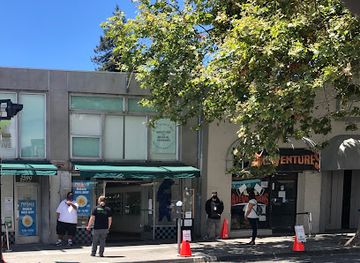
AxeVentures Axe Throwing Berkeley
Experience the thrill of axe throwing at AxeVentures Berkeley, your go-to adventure sports center for fun and competitive challenges.
5 min walk · 0.4 km from neighbourhood centre
-
Park
Memorial Glade
Explore the tranquil beauty and historical significance of Memorial Glade, a must-visit park at the University of California, Berkeley.
9 min walk · 0.7 km from neighbourhood centre
-
Tourist attraction
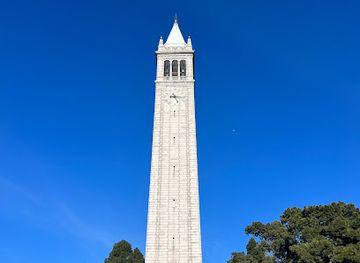
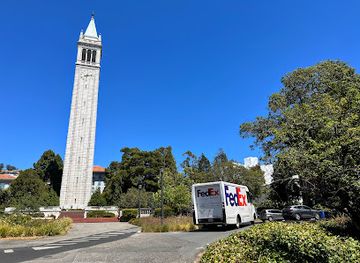
The Campanile
Experience the stunning views and rich history of The Campanile, Berkeley's iconic bell tower and a must-see tourist attraction.
7 min walk · 0.6 km from neighbourhood centre
-
Historical landmark
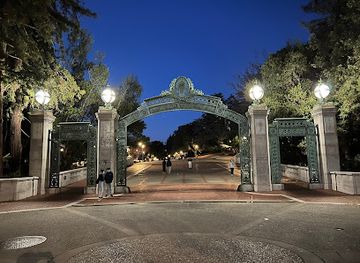
Sather Gate
Explore Sather Gate, the historic gateway of UC Berkeley, and immerse yourself in the vibrant academic spirit of this iconic institution.
5 min walk · 0.4 km from neighbourhood centre
Explore Telegraph Avenue on the map
A handpicked selection of must-see spots in Telegraph Avenue, mapped for you.
Best hotels in Telegraph Avenue
Best restaurants in Telegraph Avenue
Eating along Telegraph Avenue reflects Berkeley’s long association with university life, international food and informal independent commerce. The northern section around Bancroft Way and Durant Avenue is lined with casual restaurants, cafés and places designed for quick meals between classes, while farther south the choices become more mixed with neighbourhood businesses and small eateries. Visitors can find vegetarian-friendly food, pizzas, sandwiches, bakeries, coffee and a range of Asian and other globally influenced cuisines, often in compact premises with a student-oriented atmosphere. The avenue is more useful for variety and browsing than for a single defined culinary tradition: menus and businesses change as the university population and local economy shift. Nearby side streets add further cafés and restaurants, but visitors should distinguish the Berkeley corridor from Telegraph’s continuation into Oakland. For a quieter meal, look beyond the busiest blocks around the campus edge.
-
Hamburger
The Smokehouse
Discover mouth-watering hamburgers and delightful American fast food at The Smokehouse in Berkeley - a must-visit culinary gem!
5 min drive · 1.5 km from neighbourhood centre
-
Pizza
Sliver Pizzeria
Experience the unique flavors of gourmet pizzas at Sliver Pizzeria in Berkeley—where creativity meets quality in every bite.
2 min walk · 0.2 km from neighbourhood centre
-
Japanese
Kiraku
Experience authentic Japanese tapas at Kiraku in Berkeley - where culinary art meets flavorful innovation.
5 min walk · 0.4 km from neighbourhood centre
-
Restaurant
Raleigh's Pub
Discover Raleigh's Pub in Berkeley: A lively restaurant-bar experience with delicious food and local craft beers.
1 min walk · 0.1 km from neighbourhood centre
Best bars in Telegraph Avenue
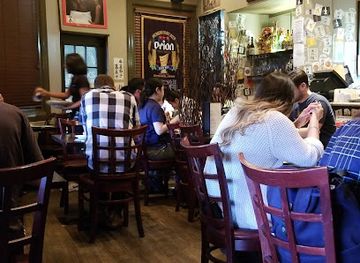
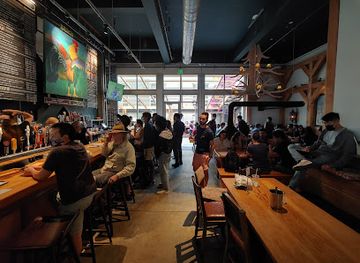
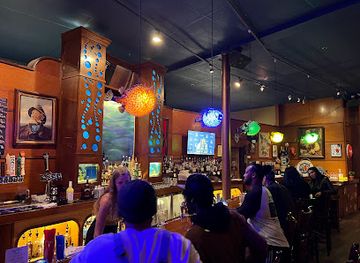
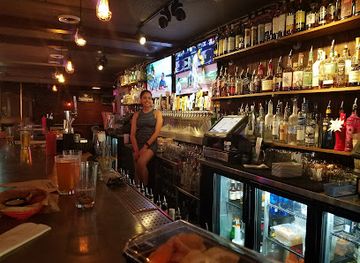
Telegraph Avenue has an evening scene centred more on casual bars, music culture and student socialising than on a dense procession of nightclubs. Restaurants and bars around the university end attract a mixed crowd after dark, while the avenue’s independent music and book businesses contribute to its nocturnal cultural identity even when they are not nightlife venues themselves. Live music and performances have long been part of the wider Telegraph tradition, though particular events and venues change, so current listings should be checked locally. The street can feel active around dining and campus areas but becomes less consistently busy farther south, where residential streets begin to dominate. Visitors should keep noise down near homes, use care on crowded pavements and crossings, and avoid assuming that every shopfront remains open late.
-
Pub
The Starry Plough Pub
Experience the vibrant atmosphere of The Starry Plough Pub in Berkeley, where Irish charm meets American cuisine and live music.
5 min drive · 1.7 km from neighbourhood centre
-
Bar
Raleigh's Pub
Experience the lively atmosphere and flavorful menu at Raleigh's Pub, a must-visit bar and grill in the heart of Berkeley, California.
1 min walk · 0.1 km from neighbourhood centre
-
Bar
The Tap Haus
Experience the lively ambiance at The Tap Haus in Berkeley, a perfect blend of great drinks, pool games, and vibrant nightlife.
1 min walk · 0.1 km from neighbourhood centre
-
Grill
Kip’s Bar and Grill
Experience the vibrant atmosphere and delicious grilled dishes at Kip's Bar and Grill in Berkeley, your go-to spot for great food and sports.
2 min walk · 0.2 km from neighbourhood centre
Best nightclubs in Telegraph Avenue
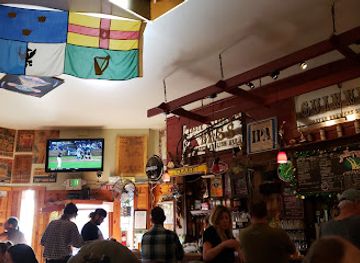
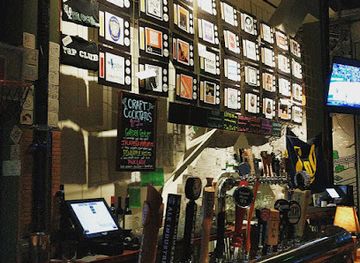
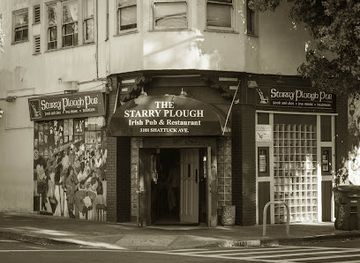
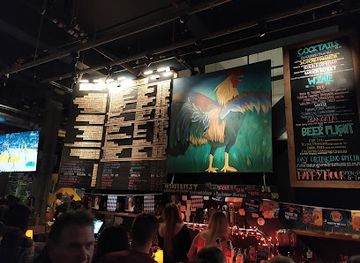
Telegraph Avenue has an evening scene centred more on casual bars, music culture and student socialising than on a dense procession of nightclubs. Restaurants and bars around the university end attract a mixed crowd after dark, while the avenue’s independent music and book businesses contribute to its nocturnal cultural identity even when they are not nightlife venues themselves. Live music and performances have long been part of the wider Telegraph tradition, though particular events and venues change, so current listings should be checked locally. The street can feel active around dining and campus areas but becomes less consistently busy farther south, where residential streets begin to dominate. Visitors should keep noise down near homes, use care on crowded pavements and crossings, and avoid assuming that every shopfront remains open late.
-
Pub
The Starry Plough Pub
Discover the vibrant atmosphere of The Starry Plough Pub in Berkeley, a blend of Irish charm and American cuisine with live music.
5 min drive · 1.7 km from neighbourhood centre
-
Bar
Raleigh's Pub
Discover Raleigh's Pub in Berkeley, a lively bar and grill offering delicious fast food and a vibrant atmosphere for unforgettable experiences.
1 min walk · 0.1 km from neighbourhood centre
-
Lounge
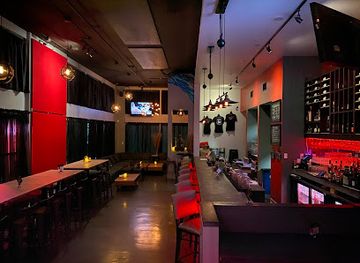
Beta Lounge
Experience the vibrant atmosphere and diverse menu at Beta Lounge, Berkeley's premier destination for relaxation and socializing.
9 min walk · 0.7 km from neighbourhood centre
-
Karaoke bar
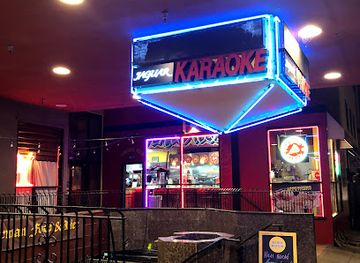
Jaguar Karaoke Berkeley
Experience the lively atmosphere of Jaguar Karaoke Berkeley, a premier karaoke bar where everyone can enjoy singing and entertainment in a fun environment.
1 min walk · 0.1 km from neighbourhood centre
Best shops in Telegraph Avenue
Shopping on Telegraph Avenue is defined by independent and specialist retail rather than conventional department stores. Moe’s Books remains the best-known destination for browsing new and used books, with the kind of deep stock and informal browsing culture associated with the street. Amoeba Music gives the corridor a major presence for records, CDs and music-related discovery, while nearby businesses sell vintage clothing, alternative fashion, jewellery, posters, gifts and other items linked to student and countercultural tastes. Small shops, cafés and service businesses fill the spaces between these established names, and window displays, murals and hand-lettered signs are part of the shopping experience. The strongest concentration lies between the university and Dwight Way; farther south, retail becomes more intermittent and mixed with residential uses. Telegraph’s appeal lies in independent browsing and cultural atmosphere rather than uniform high-street convenience.
-
Clothing store
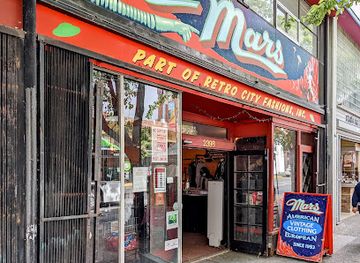
Mars Mercantile
Explore eclectic fashion at Mars Mercantile, your go-to clothing store in Berkeley for unique styles and accessories.
1 min walk · 0.1 km from neighbourhood centre
-
Gift shop
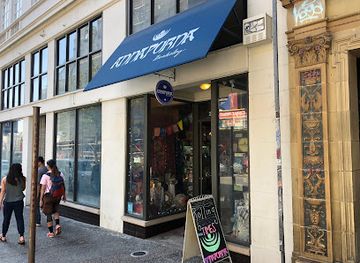
Annapurna
Discover unique gifts at Annapurna, Berkeley's charming shop filled with local artisan creations and global treasures, perfect for every traveler.
1 min walk · 0.1 km from neighbourhood centre
-
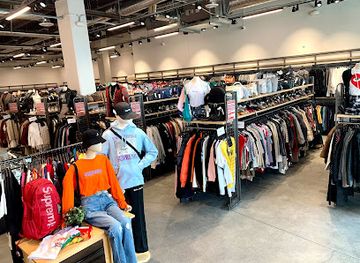
Second hand store
2nd STREET Telegraph
Uncover vintage treasures and sustainable fashion at 2nd STREET Telegraph in Berkeley, where every find tells a story.
4 min walk · 0.3 km from neighbourhood centre
-
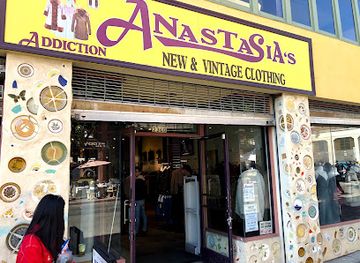
Vintage clothing store
Anastasia's vintage clothing
Discover unique vintage fashion at Anastasia's Vintage Clothing in Berkeley, a treasure trove for fashion enthusiasts and retro lovers.
1 min walk · 0.1 km from neighbourhood centre
Telegraph Avenue essentials
Getting There
Getting Around
Safety
Emergency Situations
Do's and Don'ts
Local Tips

From Eve
Local phrases worth knowing
You don't need to get them perfect. A few words go a long way, and locals appreciate the effort.
Basics
| English | Local | Say it |
|---|---|---|
| Hello | Hey | [Hey] |
| Goodbye | Later | [Lay-ter] |
| Yes | Yup | [Yup] |
| No | Nah | [Nah] |
| Please/You're welcome | Please | [Please] |
| Thank you | Thanks | [Thanks] |
| Excuse me/Sorry | My bad | [My bad] |
| How are you? | Sup? | [Sup?] |
| Fine. And you? | Chillin. You? | [Chillin. You?] |
| Do you speak English? | You speak English? | [You speak English?] |
| I don't understand | I'm lost | [I'm lost] |
Eating & Drinking
| English | Local | Say it |
|---|---|---|
| I'd like to see the menu, please | Check out the menu, bro | [Check out the menu, bro] |
| I don't eat meat | No meat for me | [No meat for me] |
| Cheers! | Cheers! | [Cheers!] |
| I would like to pay, please | Cash me out, thanks | [Cash me out, thanks] |
Emergencies
| English | Local | Say it |
|---|---|---|
| Help! | SOS! | [SOS!] |
| Go away! | Back off! | [Back off!] |
| Call the Police! | Dial 911! | [Dial 911!] |
| Call a doctor! | Get a doc! | [Get a doc!] |
| I'm lost | I'm lost | [I'm lost] |
| I'm ill | Feeling sick | [Feeling sick] |
Shopping
| English | Local | Say it |
|---|---|---|
| I'd like to buy... | I wanna cop... | [I wanna cop...] |
| I'm just looking | Just browsing | [Just browsing] |
| How much is it? | How much? | [How much?] |
| That's too expensive | That's mad pricey | [That's mad pricey] |
| Can you lower the price? | Can you hook it up? | [Can you hook it up?] |
Time & Numbers
| English | Local | Say it |
|---|---|---|
| What time is it? | What time is it? | [What time is it?] |
| It's one o'clock | It's one | [It's one] |
| Half past (10) | Ten thirty | [Ten thirty] |
| Morning | Morning | [Morning] |
| Afternoon | Afternoon | [Afternoon] |
| Evening | Evening | [Evening] |
| Yesterday | Yesterday | [Yesterday] |
| Today | Today | [Today] |
| Tomorrow | Tomorrow | [Tomorrow] |
| 1 | One | [One] |
| 2 | Two | [Two] |
| 3 | Three | [Three] |
| 4 | Four | [Four] |
| 5 | Five | [Five] |
| 6 | Six | [Six] |
| 7 | Seven | [Seven] |
| 8 | Eight | [Eight] |
| 9 | Nine | [Nine] |
| 10 | Ten | [Ten] |
Transport & Directions
| English | Local | Say it |
|---|---|---|
| Where's a/the...? | Where's the...? | [Where's the...?] |
| What's the address? | Address? | [Address?] |
| Can you show me (on the map)? | Show me (on the map) | [Show me (on the map)] |
| When's the next (bus)? | Next (bus) time? | [Next (bus) time?] |
| A ticket (to ....) | Ticket (to ...) | [Ticket (to ...)] |
History of Telegraph Avenue
From County Road to Telegraph Avenue
Telegraph Avenue developed from routes linking Berkeley and Oakland, with the name emerging in the nineteenth century from telegraph infrastructure associated with the corridor. The avenue was subsequently shaped by the growth of the University of California in Berkeley and by the expansion of Southside as a residential and commercial area. Its position between the university and East Bay neighbourhoods made it a natural route for students, workers and shoppers, while street-facing businesses established the mixture of retail and casual dining that still defines much of the avenue.
University Expansion and Commercial Growth
During the late nineteenth and early twentieth centuries, the Berkeley campus became a major presence at the avenue’s northern end, encouraging nearby housing, cafés, shops and services. Telegraph Avenue’s proximity to the university gave it a distinct student economy, while nearby residential streets developed a mixture of early twentieth-century houses, flats and small businesses. The avenue was never simply a campus boundary: it became a shared commercial space where university life met the wider city, and where independent retailers could serve both local residents and a transient student population.
The Free Speech and Counterculture Era
Telegraph Avenue became nationally associated with Berkeley’s political and cultural ferment during the 1960s. The Free Speech Movement began on the university campus in 1964, while demonstrations, anti-war activism, political organising and countercultural commerce extended into the surrounding Southside streets and along Telegraph. In 1969, the conflict over People’s Park brought confrontations between protesters and authorities into the immediate neighbourhood. The avenue’s bookshops, record stores, poster culture and informal street life helped preserve its association with dissent, music and alternative ideas.
An Evolving Cultural Corridor
From the late twentieth century onwards, Telegraph Avenue retained long-established independent businesses while facing the pressures affecting many commercial streets near major universities: changing retail habits, rising property costs and shifts in student life. Businesses such as Moe’s Books and Amoeba Music became durable reference points, while restaurants, cafés, clothing shops and street-facing creative activity continued to change. People’s Park remained central to local debates about public space, housing and university development. Today, Telegraph’s identity rests less on a single historical period than on the visible layering of campus commerce, political memory and independent street culture.
Telegraph Avenue in Photos
Browse through our photo collection highlighting the charm and character of the destination.
Neighbourhoods near Telegraph Avenue
The closest neighbourhoods to Telegraph Avenue, if you have time for more than one stop.
-

-


Swipe for more neighbourhoods
Explore more

Explore more of Berkeley
Berkeley, California blends UC Berkeley’s intellectual legacy with East Bay food, arts, gardens, and bay views for rewarding city sightseeing and culture.
Explore Berkeley