

Free Daly City Travel Guide & Mobile App
Plan your Daly City trip with Evendo. Get free guides to top attractions, restaurants, hotels, and bars. Web access or download the mobile app.


Daly City, California offers coastal trails, Pacific views, Filipino culture, Cow Palace events and easy BART access near San Francisco for sightseeing.
Coastal Setting and Suburban Character
Daly City occupies the Pacific-facing hills immediately south of San Francisco, where broad residential neighbourhoods meet rugged bluffs, open grassland and the restless edge of the ocean. Its streets climb and dip across a landscape shaped by wind, fog and earthquake country, while the city’s position beside San Francisco makes it a practical base for exploring the wider Bay Area. The coastline is most dramatic around Mussel Rock Park, where trails follow high ground above cliffs and reveal long views across the Pacific.Read more about Daly City
Community and Everyday Life
Green Spaces and Regional Access
When is the best time to visit Daly City?
Best: July–September · 18–19°C| Month | High (°C) | Rainfall (mm) |
|---|---|---|
| January | 13 | 120 |
| February | 14 | 110 |
| March | 14 | 100 |
| April | 14 | 60 |
| May | 16 | 30 |
| June | 17 | 20 |
| July (best) | 18 | 10 |
| August (best) | 18 | 10 |
| September (best) | 19 | 20 |
| October | 17 | 50 |
| November | 15 | 90 |
| December | 13 | 110 |
Getting to and around Daly City
How to get there
Transportation
Best attractions in Daly City
Daly City’s principal attractions are shaped by its coast, neighbourhoods and position beside San Francisco. Mussel Rock Park is the city’s defining outdoor space, with open trails, Pacific horizons and dramatic views across a rugged shoreline; visitors should keep clear of unstable cliffs and steep ground. The Cow Palace, a long-established events venue near the northern boundary, hosts changing programmes of exhibitions, concerts, sporting events and community gatherings. Westlake Shopping Center and Serramonte Center offer a window into the city’s everyday life, with retail, dining and strong Filipino-American community connections. For broader landscapes, San Bruno Mountain State and County Park lies nearby, with trails and elevated Bay Area views, although parts of the park are outside Daly City. The city is also a useful base for exploring San Francisco, but its own appeal lies less in a historic core than in coastal walks, local businesses and the character of its hillside residential districts.
-
Zoo
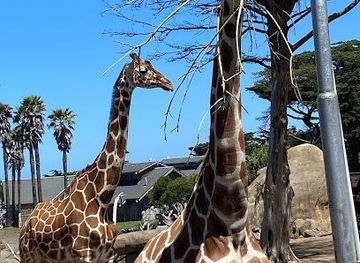
San Francisco Zoo
Explore the San Francisco Zoo, where wildlife conservation meets family fun in a stunning natural setting, perfect for tourists of all ages.
15 min drive · 4.9 km from city centre
-
Park
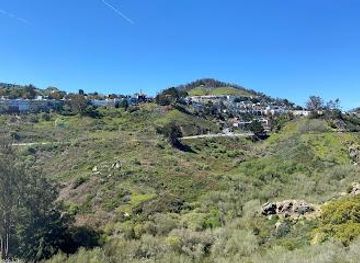
Glen Canyon Park
Experience the natural beauty and tranquility of Glen Canyon Park in San Francisco, a perfect escape for nature lovers and outdoor enthusiasts.
13 min drive · 4.4 km from city centre
-
Event venue
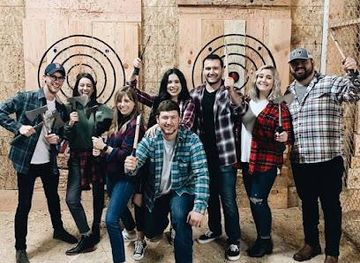
Bad Axe Throwing San Francisco
Experience the thrill of axe throwing at Bad Axe Throwing San Francisco, where fun meets competition in a vibrant and safe environment.
5 min drive · 1.8 km from city centre
-
Tourist attraction
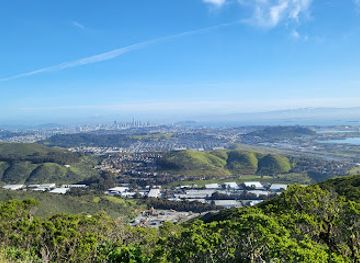
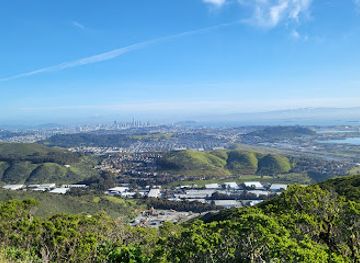
San Bruno Mountain State & County Park
Explore the breathtaking trails and rich biodiversity of San Bruno Mountain State & County Park, a natural sanctuary in the Bay Area.
7 min drive · 2.5 km from city centre
Best landmarks in Daly City
Daly City’s landmarks are primarily civic, commercial and geological rather than remnants of a preserved historic centre. The Cow Palace is the city’s best-known built landmark, an expansive event venue associated with decades of concerts, exhibitions, rodeo events, sporting fixtures and public gatherings near the San Francisco boundary. Mussel Rock is the city’s most distinctive natural landmark, marking a rugged Pacific coastline shaped by erosion and active geological forces; its setting also forms part of the landscape’s earthquake story. Westlake Shopping Center represents the postwar suburban growth that transformed former dairy country into a planned residential and retail district, while Serramonte Center reflects the later expansion of Daly City’s commercial identity. The city’s rolling streets, weathered coastal grassland and views towards San Bruno Mountain are themselves important features, illustrating how geography has influenced its development more strongly than monumental architecture.
-
State park
San Bruno Mountain State & County Park
Discover the breathtaking trails and stunning vistas at San Bruno Mountain State & County Park, a natural oasis in the Bay Area.
7 min drive · 2.5 km from city centre
-
Motel
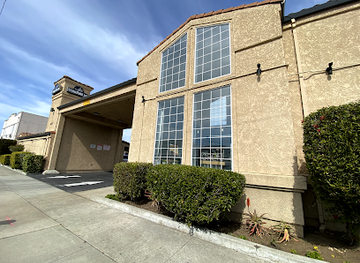
BridgePoint Inn Daly City
Discover comfort and convenience at BridgePoint Inn Daly City, your perfect base for exploring San Francisco and the Bay Area delights.
14 min drive · 4.6 km from city centre
-
Historical landmark
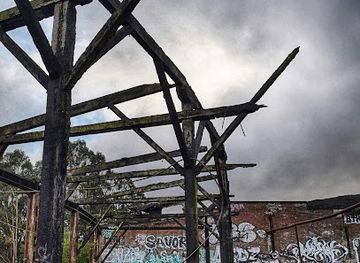
Bayshore Roundhouse
Explore the Bayshore Roundhouse, a historical landmark in Brisbane, CA, where transportation history meets stunning coastal views.
14 min drive · 4.7 km from city centre
-
Museum
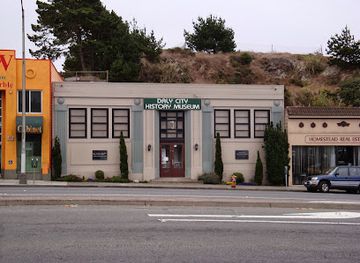
Daly City History Museum
Explore Daly City's rich heritage at the Daly City History Museum, where local stories and artifacts come alive for every visitor.
2 min walk · 0.2 km from city centre
Explore Daly City on the map
Plan your Daly City trip on one map. See where the top attractions, landmarks, restaurants, bars and hotels are, find what's near where you're staying, and book hotels and experiences in a few clicks.
Best hotels in Daly City
Best restaurants in Daly City
Daly City’s dining scene reflects its large Filipino-American community and its location within the diverse Bay Area. Filipino restaurants, bakeries and grocery counters are among the city’s most distinctive food experiences, offering dishes such as adobo, sinigang, pancit, lumpia and grilled specialities alongside sweet breads, pastries and halo-halo. Westlake, Serramonte and the commercial corridors around them contain a broad mix of family-run eateries, cafés, Asian supermarkets and casual restaurants, while Chinese, Vietnamese, Korean, Mexican and other cuisines reflect the Peninsula’s international population. Dining is generally neighbourhood-based rather than concentrated in a single restaurant quarter, and supermarkets can be as revealing as formal dining rooms for discovering sauces, snacks and regional ingredients. Visitors should expect a practical, community-oriented food culture in which Filipino flavours and family businesses are especially prominent.
-
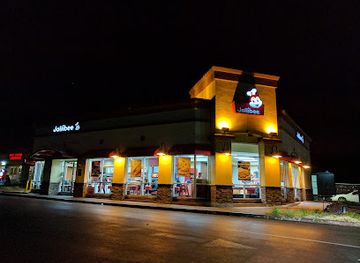
Chicken
Jollibee
Discover the vibrant flavors of Filipino cuisine at Jollibee in Daly City - home of Chickenjoy and joyful moments.
10 min walk · 0.8 km from city centre
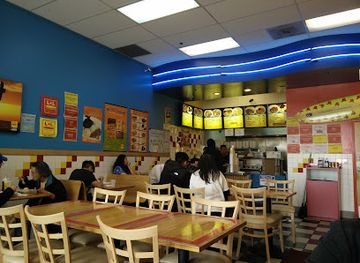
-
Hawaiian
L&L Hawaiian Barbecue - DC
Savor authentic Hawaiian barbecue in Daly City at L&L Hawaiian Barbecue - a must-visit for island flavor enthusiasts!
10 min walk · 0.8 km from city centre
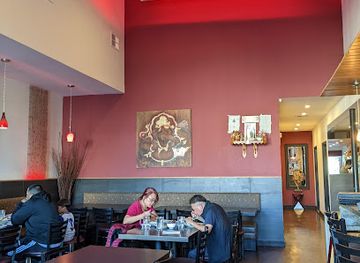
-
Laotian
Champa Garden Restaurant
Experience authentic Laotian and Thai cuisine at Champa Garden Restaurant in San Francisco - where every dish tells a story.
7 min drive · 2.3 km from city centre
-
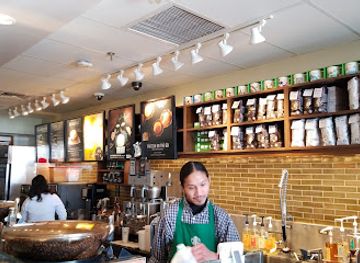
Coffee shop
Starbucks
Discover your favorite brews at Starbucks in Daly City - where every cup is crafted with care and comfort.
10 min walk · 0.8 km from city centre
Best bars in Daly City
Daly City has a modest, neighbourhood-oriented evening scene rather than a concentrated nightclub district. Bars and restaurants around Westlake, Serramonte and major commercial roads provide casual places for drinks, conversation and dinner, while the city’s Filipino-American community is represented in eateries and social venues that may remain active into the evening. The Cow Palace supplies the largest organised source of nightlife-style activity, with concerts, sporting events, exhibitions and cultural programmes varying by schedule. For a wider choice of cocktail bars, live music, theatres and late-night clubs, visitors generally travel north into San Francisco by BART, taxi or app-based car service. Fog, hills and busy arterial roads make returning on foot between distant districts impractical, so evening transport is best planned around the venue and the last suitable public service.
-
Bar
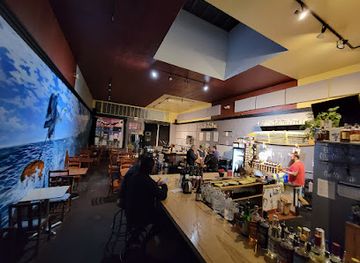
Ocean Ale House
Discover the vibrant atmosphere of Ocean Ale House, a premier bar in San Francisco offering a diverse selection of craft beers and delightful food pairings.
7 min drive · 2.3 km from city centre
-
Bar
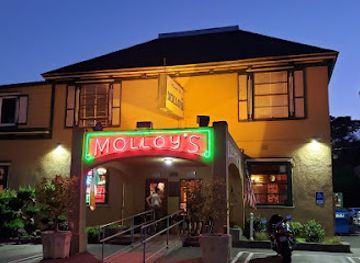
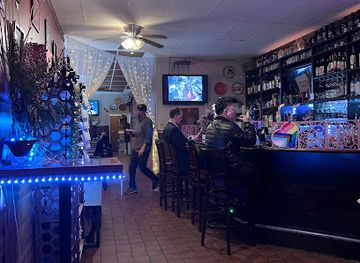
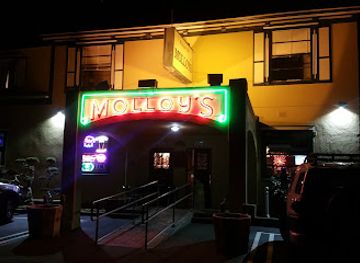
Molloy's
Experience the lively spirit of an Irish pub at Molloy's, a favorite bar in South San Francisco blending food, drinks, and entertainment.
12 min drive · 3.9 km from city centre
-
Pub
The Dark Horse Inn
Discover the charm of The Dark Horse Inn, a cozy pub in San Francisco's Crocker-Amazon neighborhood, perfect for enjoying American cuisine and local brews.
7 min drive · 2.2 km from city centre
-
Mexican
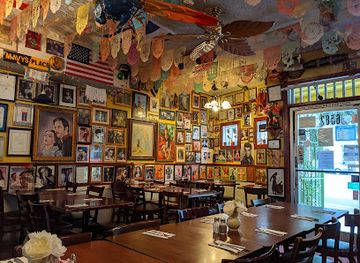
Lisa's Mexican Restaurant
Discover the rich flavors of Mexico at Lisa's Mexican Restaurant in Daly City, offering authentic dishes in a vibrant and welcoming setting.
3 min walk · 0.2 km from city centre
Best nightclubs in Daly City
Daly City has a modest, neighbourhood-oriented evening scene rather than a concentrated nightclub district. Bars and restaurants around Westlake, Serramonte and major commercial roads provide casual places for drinks, conversation and dinner, while the city’s Filipino-American community is represented in eateries and social venues that may remain active into the evening. The Cow Palace supplies the largest organised source of nightlife-style activity, with concerts, sporting events, exhibitions and cultural programmes varying by schedule. For a wider choice of cocktail bars, live music, theatres and late-night clubs, visitors generally travel north into San Francisco by BART, taxi or app-based car service. Fog, hills and busy arterial roads make returning on foot between distant districts impractical, so evening transport is best planned around the venue and the last suitable public service.
-
Night club
Molloy's
Experience the vibrant blend of Irish culture and California nightlife at Molloy's, where great food, live music, and a welcoming atmosphere await.
12 min drive · 3.9 km from city centre
-
Cocktail bar
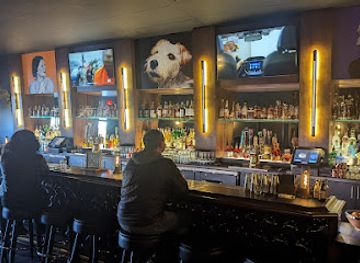
Nick & Nora
Discover the elegance of Nick & Nora, Daly City's premier cocktail bar offering a blend of chic ambiance and crafted beverages perfect for any occasion.
3 min walk · 0.2 km from city centre
-
Hookah bar
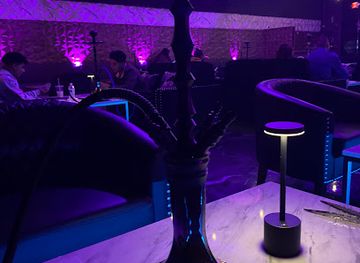
Lava Hookah Lounge & Grill
Experience the vibrant ambiance and delicious offerings of Lava Hookah Lounge & Grill in Daly City, where relaxation meets flavor.
4 min walk · 0.3 km from city centre
-
Night club
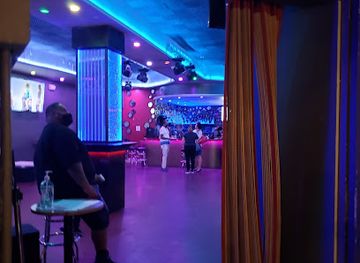
Stratos Nightclub
Dive into the electrifying nightlife of Stratos Nightclub, where music, dance, and unforgettable moments come together in San Francisco's vibrant scene.
8 min drive · 2.5 km from city centre
Best shops in Daly City
Shopping in Daly City is centred on neighbourhood retail and large commercial centres rather than an old-fashioned market street. Westlake Shopping Center combines everyday shops, services, cafés and restaurants within one of the city’s most recognisable postwar districts, while Serramonte Center provides another substantial concentration of retailers and dining. Independent Filipino groceries, bakeries and specialty food shops are particularly valuable for visitors interested in the city’s community life, with shelves carrying imported ingredients, snacks, sauces and sweets that are less familiar elsewhere in the region. Asian supermarkets and small businesses around the wider commercial corridors broaden the choice with products from across the Pacific and East Asia. Shopping is therefore closely linked to food and daily life: the most distinctive purchases are often packaged ingredients, baked goods and regional treats rather than conventional souvenirs or locally made craft products.
-
Shopping mall
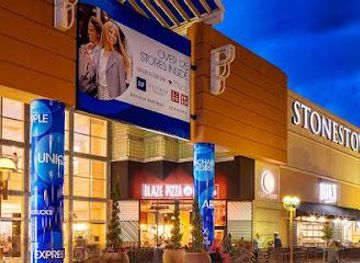
Stonestown Galleria
Explore Stonestown Galleria in San Francisco, a vibrant shopping mall offering diverse retail stores, dining, and entertainment for all visitors.
9 min drive · 3.0 km from city centre
-
Department store
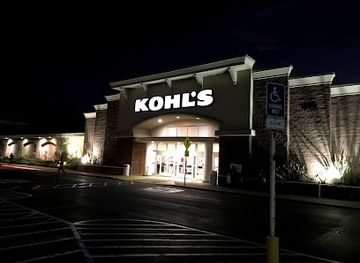
Kohl's
Discover unbeatable deals and a diverse selection of fashion and home goods at Kohl's in Colma, California, your ultimate shopping destination.
10 min drive · 3.2 km from city centre
-
Supermarket
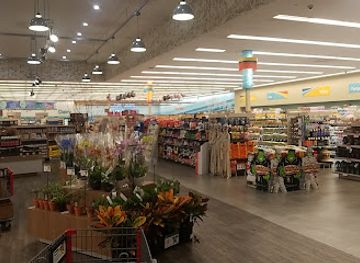
Lucky
Discover Lucky, your go-to supermarket in Daly City, California, offering fresh groceries and local flavors for an enjoyable shopping experience.
9 min walk · 0.7 km from city centre
-
Coffee shop
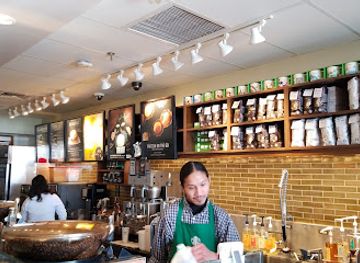
Starbucks
Experience the ultimate coffee escape at Starbucks in Daly City, where quality brews and a friendly atmosphere await every visitor.
10 min walk · 0.8 km from city centre
Get your free copy of our complete guide to Daly City, delivered straight to you.
Everything on this page, from attractions and restaurants to essentials and local phrases, in one PDF you can read offline, print or share.
Already have an account? Sign in
Your Daly City guide is ready.
We'll send it to · Not you? Sign out

Getting your guide ready…
We are putting together a fresh copy of the Daly City guide. This can take up to a minute.
This can take a few moments. If your browser asks, choose Allow so the download can start. You'll find the guide in your Downloads folder.
Nothing happened? Download it again
Sorry, the guide is taking longer than usual. Please try again in a minute, or get it by email instead.
Daly City essentials
Currency and Payment
Safety
Emergency Situations
Do's and Don'ts
Local Tips
From Eve
Local phrases worth knowing
You don't need to get them perfect. A few words go a long way, and locals appreciate the effort.
Basics
| English | Local | Say it |
|---|---|---|
| Hello | Hey | [hey] |
| Goodbye | Later | [lay-ter] |
| Yes | Yeah | [yah] |
| No | Nah | [nah] |
| Please/You're welcome | Please/No worries | [pleez/no wor-eez] |
| Thank you | Thanks | [thanks] |
| Excuse me/Sorry | Pardon me/My bad | [par-dun me/my bad] |
| How are you? | How's it going? | [hows it go-in?] |
| Fine. And you? | Good. You? | [good. yoo?] |
| Do you speak English? | You speak English? | [yoo speak ing-lish?] |
| I don't understand | I don't get it | [eye dont get it] |
Eating & Drinking
| English | Local | Say it |
|---|---|---|
| I'd like to see the menu, please | Can I see the menu? | [can eye see the menu?] |
| I don't eat meat | I don't eat meat | [eye dont eat meet] |
| Cheers! | Cheers! | [cheers!] |
| I would like to pay, please | Can I pay, please | [can eye pay, please] |
Emergencies
| English | Local | Say it |
|---|---|---|
| Help! | Help! | [help!] |
| Go away! | Get lost! | [get lost!] |
| Call the Police! | Call the cops! | [call the cops!] |
| Call a doctor! | Get a doctor! | [get a doctor!] |
| I'm lost | I'm lost | [eye-m lost] |
| I'm ill | I'm sick | [eye-m sick] |
Shopping
| English | Local | Say it |
|---|---|---|
| I'd like to buy... | I wanna buy... | [eye wanna buy...] |
| I'm just looking | Just browsing | [just brows-ing] |
| How much is it? | How much? | [how much?] |
| That's too expensive | Too pricey | [too pry-see] |
| Can you lower the price? | Can you do a deal? | [can yoo do a deal?] |
Time & Numbers
| English | Local | Say it |
|---|---|---|
| What time is it? | What's the time? | [whats the time?] |
| It's one o'clock | It's one | [its one] |
| Half past (10) | Ten thirty | [ten thur-tee] |
| Morning | Morning | [morning] |
| Afternoon | Afternoon | [after-noon] |
| Evening | Evening | [ee-ven-ing] |
| Yesterday | Yesterday | [yes-ter-day] |
| Today | Today | [to-day] |
| Tomorrow | Tomorrow | [to-mor-row] |
| 1 | One | [wun] |
| 2 | Two | [too] |
| 3 | Three | [three] |
| 4 | Four | [four] |
| 5 | Five | [five] |
| 6 | Six | [six] |
| 7 | Seven | [seven] |
| 8 | Eight | [ate] |
| 9 | Nine | [nine] |
| 10 | Ten | [ten] |
Transport & Directions
| English | Local | Say it |
|---|---|---|
| Where's a/the...? | Where's the...? | [wheres the...?] |
| What's the address? | What's the address? | [whats the address?] |
| Can you show me (on the map)? | Can you show me (on the map)? | [can yoo show me (on the map)?] |
| When's the next (bus)? | When's the next (bus)? | [whens the next (bus)?] |
| A ticket (to ....) | A ticket (to ....) | [a ticket (to ....)] |
History of Daly City
Ohlone Lands Before European Settlement
The area now called Daly City formed part of the homeland of Ohlone peoples, whose communities lived across the San Francisco Peninsula before European colonisation. They gathered seasonal foods, managed landscapes through established practices and travelled among coastal, valley and upland environments. Spanish expeditions reached the region in the eighteenth century, followed by the establishment of Mission San Francisco de Asís in 1776. Mission activity brought profound disruption through introduced diseases, forced labour and religious colonisation. The mission’s influence extended across the northern Peninsula, linking the future Daly City area to the wider transformation of Indigenous life under Spanish and later Mexican rule.
Rancho Buri Buri and Mexican California
After Mexican independence from Spain, large land grants reshaped the Peninsula. Much of the land around present-day Daly City became associated with Rancho Buri Buri, granted in 1835 to José Sánchez. The rancho supported cattle raising and agriculture across a territory that extended well beyond the modern city. Its open hills and coastal margins were part of a rural landscape rather than an urban settlement. Following the United States’ acquisition of California in 1848, rancho lands were divided and sold, creating the property patterns that later enabled farming, dairying and suburban development around San Francisco.
John Daly and the Farming Community
Irish immigrant John Daly acquired land in the area during the 1850s and became associated with a dairy farm and a growing local settlement. The foggy, cool climate and proximity to San Francisco favoured milk production, and dairies became an important part of the local economy. The community was still rural when the 1906 San Francisco earthquake and fire sent thousands of displaced residents southwards. Some refugees established temporary camps and later homes in the area, accelerating development and strengthening its connection with the larger city. Daly’s name gradually became attached to the settlement and surrounding district.
Incorporation and Early Urban Growth
Daly City incorporated as a municipality in 1911, as housing, roads and small businesses spread across former agricultural land. Its location on the route between San Francisco and the Peninsula encouraged continued growth, while rail and streetcar connections helped link residents to employment and commerce beyond the city. During the twentieth century, dairy farms steadily gave way to subdivisions, schools and shopping areas. The terrain produced a distinctive pattern of winding roads and hillside neighbourhoods rather than a single compact historic centre, a form that remains visible in districts such as Westlake and Serramonte.
Postwar Suburbia and a Diverse City
Daly City expanded rapidly after the Second World War as Bay Area housing demand transformed the remaining open land into a suburban city. Westlake, developed in the postwar period, became one of the most recognisable planned residential and retail districts on the Peninsula, while Serramonte grew as another important commercial and housing area. Later immigration, especially from the Philippines, helped shape the city’s contemporary identity through family networks, religious institutions, businesses and food culture. Today Daly City is closely integrated with the San Francisco metropolitan area while retaining a civic character shaped by its coastal geography, suburban development and diverse population.
Daly City in Photos
Browse through our photo collection highlighting the charm and character of the destination.
Cities near Daly City
The closest cities to Daly City, if you have time for more than one stop.
-

-

-

-

-


Swipe for more cities
Explore more
Explore more of California
Discover California: A land of diverse landscapes, iconic cities, and endless adventures, from sun-soaked beaches to towering redwoods and vibrant cultural experiences.
Explore California