

Lake Tahoe, California Travel Guide
Discover Lake Tahoe: A stunning alpine lake offering year-round outdoor adventures, breathtaking scenery, and vibrant cultural experiences in the Sierra Nevada mountains.
Lake Tahoe is a stunning alpine lake nestled in the Sierra Nevada mountains. It is famous for its crystal-clear waters and breathtaking mountain scenery. The lake straddles the border between California and Nevada, offering a unique blend of natural beauty and diverse recreational activities. Visitors to Lake Tahoe can enjoy a wide range of outdoor activities year-round. In the summer, the lake is perfect for swimming, boating, and fishing. There are numerous hiking and biking trails that offer spectacular views of the lake and surrounding mountains. Winter transforms Lake Tahoe into a snowy wonderland, ideal for skiing, snowboarding, and other snow sports at world-class resorts like Heavenly and Squaw Valley. Beyond the outdoor adventures, Lake Tahoe also has a vibrant cultural scene. The area is home to charming towns with great dining, shopping, and entertainment options. South Lake Tahoe, in particular, is known for its lively nightlife and casinos. For those seeking a more tranquil experience, the north shore offers peaceful retreats and quiet beaches. Lake Tahoe’s natural beauty and diverse activities make it a perfect destination for all types of travelers. Whether you are looking for adventure, relaxation, or a bit of both, Lake Tahoe has something to offer everyone.

Know before you go
Hi, I'm Eve. Here are a few practical things to know before exploring Lake Tahoe.
- Visit in the shoulder seasons (spring or fall) to avoid the crowds and enjoy milder weather.
- Pack layers, as temperatures can vary greatly between day and night.
- Book accommodations early, especially during peak seasons like summer and winter.
- Explore both the California and Nevada sides of the lake for diverse experiences.
- Take a scenic drive around the lake for stunning views and photo opportunities.
- Don't miss Emerald Bay State Park, a picturesque spot with hiking trails and a historic mansion.
- Try the local cuisine, including fresh mountain trout and hearty comfort food.
Explore Lake Tahoe: Things to Do, Places to Eat, Hotels & More
Handpicked recommendations for top attractions, local dining, accommodations, and more

Best attractions in Lake Tahoe
Top-rated picks
Best Attractions

Sand Harbor
Explore the breathtaking beauty of Sand Harbor at Lake Tahoe, a perfect escape for adventure seekers and nature lovers with stunning views and activities.

Emerald Bay State Park
Discover the breathtaking beauty of Emerald Bay State Park, a serene escape into nature's wonders in California's Lake Tahoe.

Heavenly Mountain Resort
Experience the thrill of skiing at Heavenly Mountain Resort, where adventure meets breathtaking scenery in the heart of the Sierra Nevada.

Inspiration Point (Emerald Bay)
Discover stunning views at Inspiration Point, where Emerald Bay's breathtaking scenery meets the tranquility of nature in South Lake Tahoe.

Best landmarks in Lake Tahoe
Top-rated picks
Best Landmarks
Emerald Bay State Park
Explore the breathtaking beauty and rich wildlife at Emerald Bay State Park, a must-visit destination in California's stunning Sierra Nevada mountains.

Inspiration Point (Emerald Bay)
Experience the stunning vistas of Inspiration Point in Emerald Bay, a breathtaking natural wonder in South Lake Tahoe, California.

Pope Beach
Experience the tranquility of Pope Beach, a stunning lakeside retreat in South Lake Tahoe, perfect for relaxation and outdoor adventures.

Eagle Falls
Explore the stunning Eagle Falls in Emerald Bay State Park, where nature's beauty meets adventure in breathtaking landscapes.

Best restaurants in Lake Tahoe
Top-rated picks
Best Restaurants

Riva Grill On the Lake
Experience culinary delights at Riva Grill On the Lake, where exquisite American cuisine meets breathtaking views in South Lake Tahoe.

The Red Hut Café
Experience hearty breakfasts and cozy vibes at The Red Hut Café in South Lake Tahoe—your perfect retreat after outdoor adventures.

The Grove Beach Bar & Grill
Experience lakeside dining at The Grove Beach Bar & Grill in South Lake Tahoe—where delicious American cuisine meets stunning natural beauty.

My Thai Cuisine
Experience authentic Thai cuisine at My Thai Cuisine in South Lake Tahoe - where every dish tells a flavorful story.

Best bars in Lake Tahoe
Top-rated picks
Best Bars

Lucky Beaver, Bar & Burger
Discover Lucky Beaver: a vibrant sports bar and grill in Stateline, NV, serving delicious burgers and lively entertainment for an unforgettable experience.

The Grove Beach Bar & Grill
Experience the perfect blend of beachside dining and vibrant American cuisine at The Grove Beach Bar & Grill in South Lake Tahoe.

MacDuff's Pub
Discover MacDuff's Pub in South Lake Tahoe - a local favorite for hearty meals, refreshing drinks, and a warm, inviting atmosphere.

McP's Taphouse Grill
Discover the vibrant atmosphere and delicious Irish pub fare at McP's Taphouse Grill in South Lake Tahoe, a must-visit for food and beer lovers.

Best nightclubs in Lake Tahoe
Top-rated picks
Best Nightclubs

RoJo's Tavern
Discover RoJo's Tavern in South Lake Tahoe: An eclectic dining experience featuring barbecue, Italian cuisine, karaoke, and live music in a vibrant setting.

Whiskey Dicks
Experience the vibrant nightlife at Whiskey Dicks, a bar and grill in South Lake Tahoe, where great drinks and delicious food meet sports excitement.

The Loft Restaurant/Lounge
Discover The Loft Restaurant/Lounge in South Lake Tahoe - where exquisite dining meets unforgettable entertainment in a cozy atmosphere.

The Turn - Bar and Lounge
Experience the lively atmosphere and delicious drinks at The Turn - Bar and Lounge in South Lake Tahoe, your perfect retreat after outdoor adventures.

Best shops in Lake Tahoe
Top-rated picks
Best Shops

The Shops at Heavenly Village
Explore The Shops at Heavenly Village for a unique shopping experience amidst the stunning natural beauty of South Lake Tahoe.

Bijou Center
Discover Bijou Center, a shopping paradise in South Lake Tahoe, offering diverse shops, dining, and a vibrant community atmosphere for tourists.

The Crossing at Tahoe Valley
Experience the charm of The Crossing at Tahoe Valley, a delightful shopping mall in South Lake Tahoe with unique boutiques, dining, and breathtaking views.

Gift Shop at Lake Tahoe
Discover unique souvenirs and local crafts at the charming Gift Shop at Lake Tahoe, perfect for capturing memories of your visit.

Explore Lake Tahoe on the Map
A handpicked selection of must-see spots in Lake Tahoe, mapped for you.
Lake Tahoe Essentials
-
Lake Tahoe is accessible by various modes of transportation. The nearest major airports are Reno-Tahoe International Airport (RNO) in Nevada and Sacramento International Airport (SMF) in California. From these airports, you can rent a car or take a shuttle service to reach Lake Tahoe. Driving is also a popular option, with major highways such as Interstate 80 and U.S. Route 50 providing access to the area.
-
Once you arrive at Lake Tahoe, getting around is relatively easy. Renting a car is the most convenient option for exploring the area at your own pace. Public transportation is available through the Tahoe Transportation District, offering bus services that connect various parts of the lake. Additionally, there are taxi services, ride-sharing options like Uber and Lyft, and bike rentals for those who prefer a more active way to explore.
-
The official currency of the United States is the US Dollar (USD). Credit cards are widely accepted in Lake Tahoe, including in hotels, restaurants, and shops. ATMs are available in the area for cash withdrawals. It is advisable to carry some cash, especially if you plan to visit more remote areas or local markets.
-
Lake Tahoe is generally a safe destination for tourists. However, standard safety precautions should be taken. Avoid walking alone at night in unfamiliar areas and be mindful of your belongings in crowded places. While Lake Tahoe does not have specific high-crime neighborhoods targeting tourists, it is always best to stay vigilant and aware of your surroundings.
-
In case of emergency, dial 911 for immediate assistance. The area has local police stations, fire departments, and medical facilities to handle emergencies. It is recommended to have travel insurance that covers medical emergencies. For minor health issues, there are pharmacies where you can purchase over-the-counter medications.
-
Fashion: Do dress in layers, as the weather can change quickly in the mountains. Don't forget comfortable walking shoes for hiking and exploring. Religion: Do respect local customs and traditions. Lake Tahoe is not particularly known for religious sites, but general respect is appreciated. Public Transport: Do be courteous to other passengers and give up your seat to those in need. Don't eat or drink on public transport. Greetings: Do greet people with a friendly hello or a handshake. Lake Tahoe has a laid-back, friendly vibe. Eating & Drinking: Do try local delicacies and enjoy the fresh, local cuisine. Don't litter; always dispose of your trash properly to keep the natural environment pristine.
-
To experience Lake Tahoe like a local, consider visiting during the shoulder seasons (spring and fall) to avoid the crowds. Engage with locals at community events or farmers' markets. Hiking and outdoor activities are a big part of life here, so join in! Don't miss out on visiting both the North and South shores of the lake, as each has its unique charm and attractions. For a unique experience, take a boat tour to see the lake from a different perspective.
When is the best time to visit Lake Tahoe?
Useful Local Phrases for Lake Tahoe
You don't need to speak the language perfectly. Even learning a few simple words can make conversations warmer—and locals usually appreciate the effort.
— Eve

Here are the phrases I use most often in Lake Tahoe. Try a few—you'll be surprised how far they go! 😊
❤️
-
- HelloHowdy
[h-ow-d-ee] - GoodbyeCatch you later
[k-ah-ch y-oo l-ey-t-er] - YesYep
[y-eh-p] - NoNah
[n-ah] - Please/You're welcomePlease/No worries
[pl-ee-z/n-oh w-er-ee-z] - Thank youThanks a bunch
[th-anks ah b-uhn-ch] - Excuse me/SorryPardon me/My bad
[p-ah-r-d-ah-n m-ee/m-ahy b-ah-d] - How are you?How's it going?
[h-owz ih-t g-oh-ing] - Fine. And you?Good. You?
[g-oo-d y-oo] - Do you speak English?You speak English?
[y-oo sp-ee-k ih-ng-g-lish] - I don't understandI'm lost
[ahy-m l-oh-st]
- HelloHowdy
-
- I'd like to see the menu, pleaseCan I check out the menu?
[k-ah-n ay ch-eh-k aw-t th-eh m-eh-n-oo] - I don't eat meatNo meat for me
[n-oh m-ee-t f-er m-ee] - Cheers!Bottoms up!
[b-ah-t-ah-m-z ah-p] - I would like to pay, pleaseCheck, please
[ch-eh-k pl-ee-z]
- I'd like to see the menu, pleaseCan I check out the menu?
-
- Help!SOS!
[eh-s-oh-eh-s] - Go away!Get lost!
[g-eh-t l-oh-st] - Call the Police!Get the cops!
[g-eh-t th-eh k-ah-ps] - Call a doctor!Get a medic!
[g-eh-t ah m-eh-d-ih-k] - I'm lostI'm turned around
[ahy-m t-er-n-d ah-r-ow-nd] - I'm illI'm under the weather
[ahy-m ah-nd-er th-eh w-eh-dh-er]
- Help!SOS!
-
- I'd like to buy...I'm interested in...
[ahy-m ih-n-ter-eh-st-eh-d ih-n] - I'm just lookingJust browsing
[j-uh-s-t b-r-ow-z-ih-ng] - How much is it?What's the damage?
[w-ah-t-s th-eh d-ah-m-ah-j] - That's too expensiveThat's steep
[th-ah-t-s st-ee-p] - Can you lower the price?Can you do better?
[k-ah-n y-oo d-oo b-eh-t-er]
- I'd like to buy...I'm interested in...
-
- What time is it?What's the time?
[w-ah-t-s th-eh t-ah-y-m] - It's one o'clockIt's one
[ih-t-s w-ah-n] - Half past (10)Half ten
[h-ah-f t-eh-n] - MorningMornin'
[m-oh-r-n-ih-n] - AfternoonAfternoon
[ah-f-ter-n-oo-n] - EveningEvenin'
[ih-v-eh-n-ih-n] - YesterdayYest'day
[y-eh-s-t-d-ay] - TodayToday
[t-oo-d-ay] - TomorrowTomorrer
[t-oh-m-oh-r-er] - 1One
[w-ah-n] - 2Two
[t-oo] - 3Three
[th-r-ee] - 4Four
[f-oh-er] - 5Five
[f-ah-y-v] - 6Six
[s-ih-k-s] - 7Seven
[s-eh-v-eh-n] - 8Eight
[ay-t] - 9Nine
[n-ay-n] - 10Ten
[t-eh-n]
- What time is it?What's the time?
-
- Where's a/the...?Where's the...?
[w-er-s th-eh] - What's the address?Where's it located?
[w-er-s ih-t l-oh-k-ey-t-ed] - Can you show me (on the map)?Can you point it out?
[k-ah-n y-oo p-oy-nt ih-t aw-t] - When's the next (bus)?When's the next (bus)?
[w-eh-n-s th-eh n-eh-k-s-t b-ah-s] - A ticket (to ....)A pass (to ....)
[ah p-ah-s (t-oo ....)]
- Where's a/the...?Where's the...?
History of Lake Tahoe
-
Long before European settlers arrived, the Washoe people inhabited the Lake Tahoe Basin for thousands of years. They called the area 'Da ow a ga', meaning 'the lake'. The Washoe lived a semi-nomadic lifestyle, relying on the lake's abundant resources such as fish and plants. Their deep spiritual connection to the land is evident in their traditions and customs, many of which continue to be honored today.
-
The first European to set eyes on Lake Tahoe was John C. Frémont in 1844 during his second expedition of the American West. Frémont, along with his guide Kit Carson, mapped the area and documented their findings, bringing the lake to wider attention. Frémont initially named it 'Lake Bonpland' after a French botanist, but the name did not stick.
-
The discovery of gold in nearby California in 1848 brought a surge of settlers and fortune seekers to the region. The Comstock Lode silver strike in Virginia City, Nevada, in 1859 further increased the influx. Lake Tahoe became a critical supply route for those heading to the mining fields, and small settlements began to sprout around the lake.
-
In the mid to late 19th century, the dense forests surrounding Lake Tahoe became a valuable resource for the booming mining industry. Timber companies moved in, and the area saw extensive logging to support the construction of mines and towns. By the early 20th century, conservation efforts started to take hold to protect the remaining natural beauty of the region.
-
The completion of the transcontinental railroad in 1869 made Lake Tahoe more accessible to visitors. The arrival of automobiles in the early 20th century further spurred tourism. Resorts, hotels, and casinos began to develop, transforming the area into a popular vacation destination. The 1960 Winter Olympics held at nearby Squaw Valley (now Palisades Tahoe) further cemented Lake Tahoe's status as a year-round tourist hotspot.
-
In the latter half of the 20th century, concerns over environmental degradation led to significant conservation efforts. Organizations like the Tahoe Regional Planning Agency (TRPA) were established to balance development with environmental protection. Various initiatives were launched to preserve the lake's pristine waters and surrounding ecosystems, making it one of the clearest lakes in the world.
Cities in Lake Tahoe
Browse our curated selection of top destinations, scenic points, and must-visit spots in the area.

Neighbouring destination travel guides
Browse our curated selection of top destinations, scenic points, and must-visit spots in the area.




Your all‑in‑one travel companion app
Explore expert travel guides, compare and book tours, experiences, hotels, and more—all from the palm of your hand. Download now for seamless trip planning wherever your wanderlust takes you.


Explore More of Gold Country
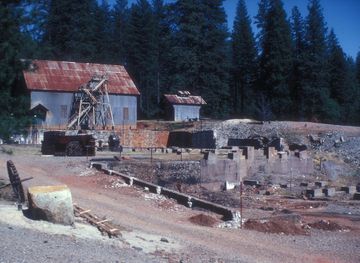
Looking beyond Lake Tahoe? Discover Gold Country for broader travel guides, local hot-spots, and regional highlights.
Explore Gold CountryExplore More of California
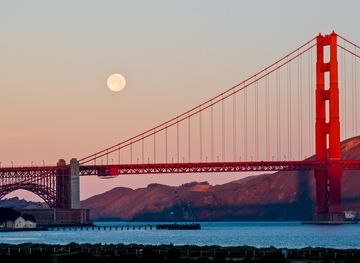
Looking beyond Lake Tahoe? Discover California for broader travel guides, local hot-spots, and regional highlights.
Explore CaliforniaLake Tahoe in Photos
Browse through our photo collection highlighting the charm and character of the destination.


The Jewel of the Sierra Nevada: Lake Tahoe
Lake Tahoe is a stunning alpine lake nestled in the Sierra Nevada mountains. It is famous for its crystal-clear waters and breathtaking mountain scenery. The lake straddles the border between California and Nevada, offering a unique blend of natural beauty and diverse recreational activities. Visitors to Lake Tahoe can enjoy a wide range of outdoor activities year-round. In the summer, the lake is perfect for swimming, boating, and fishing. There are numerous hiking and biking trails that offer spectacular views of the lake and surrounding mountains. Winter transforms Lake Tahoe into a snowy wonderland, ideal for skiing, snowboarding, and other snow sports at world-class resorts like Heavenly and Squaw Valley. Beyond the outdoor adventures, Lake Tahoe also has a vibrant cultural scene. The area is home to charming towns with great dining, shopping, and entertainment options. South Lake Tahoe, in particular, is known for its lively nightlife and casinos. For those seeking a more tranquil experience, the north shore offers peaceful retreats and quiet beaches. Lake Tahoe’s natural beauty and diverse activities make it a perfect destination for all types of travelers. Whether you are looking for adventure, relaxation, or a bit of both, Lake Tahoe has something to offer everyone.