

Montecito (Santa Barbara) Travel Guide - Free
Explore Montecito in Santa Barbara with Evendo's free guide. Find the best shops, historic streets, restaurants, and gems on web or mobile.


Montecito, Santa Barbara, blends coastal walks, historic estates, botanical gardens, village shopping, refined dining and mountain scenery in Southern California.
A Coastal Enclave East of Santa Barbara
Montecito lies between the Pacific Ocean and the foothills of the Santa Ynez Mountains, immediately east of Santa Barbara but distinctly quieter and more dispersed than the city itself. Roads such as Coast Village Road, South Jameson Lane, Olive Mill Road and San Ysidro Road thread through a landscape of palms, citrus trees, stone walls and generously planted private properties. The community is unincorporated, so its identity comes less from municipal borders than from its village centres, historic estates and semi-rural setting.Read more about Montecito
Gardens, Architecture and Local Character
Beach, Mountains and Everyday Life
Best attractions in Montecito
Montecito’s attractions are dispersed through a landscape of gardens, village streets and coastal viewpoints. Lotusland is the area’s major horticultural draw, with themed gardens, unusual plants and the former estate of Ganna Walska experienced through scheduled visits. Casa del Herrero offers a more architectural encounter, preserving a 1920s house, furnishings and formal gardens that illuminate Montecito’s estate culture. The Upper Village provides a compact setting for browsing, eating and observing local architecture, while Coast Village Road leads towards the coast and Butterfly Beach, whose broad ocean outlook is especially appealing in the late afternoon. Foothill roads and trailheads towards Romero Canyon and neighbouring mountain landscapes add a more rugged dimension, although access can change after storms or fires. Much of the pleasure lies in connecting these places by car, bicycle or carefully planned walks rather than following a single sightseeing circuit.
-
Zoo
Santa Barbara Zoo
Explore the Santa Barbara Zoo, a delightful blend of wildlife and gardens set against breathtaking coastal views in California.
9 min drive · 3.1 km from neighbourhood centre
-
Tourist attraction
Pier Santa Barbara
Experience the beauty and charm of Pier Santa Barbara, a must-visit destination for breathtaking views, fresh seafood, and exciting activities.
15 min drive · 5.0 km from neighbourhood centre
-
Botanical garden
Lotusland
Explore Lotusland, a breathtaking botanical garden in Montecito, California, featuring diverse plant collections and serene landscapes for nature lovers.
11 min drive · 3.6 km from neighbourhood centre
-
Hiking area
Hot Springs Canyon Trailhead
Hike to natural hot springs near Montecito, explore historic ruins, and enjoy therapeutic mineral waters in a lush canyon setting.
11 min drive · 3.6 km from neighbourhood centre


Best landmarks in Montecito
Montecito’s landmarks express its history as a landscaped retreat rather than a conventional downtown. Casa del Herrero is among the most significant, preserving a carefully designed 1920s Spanish Colonial Revival residence and garden associated with the estate era. Lotusland is another defining place, its botanical collections and garden rooms reflecting Ganna Walska’s decades of horticultural experimentation. Montecito Inn, built in 1928 for Charlie Chaplin, remains a recognisable reminder of the community’s early twentieth-century resort culture. The paths and public approaches around Coast Village Road and Butterfly Beach mark Montecito’s relationship with the Pacific, while the foothill roads leading towards the canyons reveal the natural setting that shaped settlement. Many of the area’s most impressive houses and gardens remain private, so public roads should be treated as viewpoints into a residential landscape, not as access routes through it.
-
Botanical garden
Lotusland
Discover Lotusland, a horticultural paradise in Montecito, CA, showcasing exotic plants and themed gardens created by Madame Ganna Walska; a unique botanical experience awaits.
11 min drive · 3.6 km from neighbourhood centre
-
Hiking area
Hot Springs Canyon Trailhead
Hike through history to Montecito's natural hot springs in Los Padres National Forest, where therapeutic waters and scenic beauty await those seeking a unique escape.
11 min drive · 3.6 km from neighbourhood centre
-
Beach
Butterfly Beach
Discover the enchanting beauty of Butterfly Beach in Montecito, California, where stunning sunsets and soft sands create a perfect coastal retreat.
15 min walk · 1.2 km from neighbourhood centre
-
Hiking area
Cold Spring Trailhead
Discover the natural beauty of Montecito at Cold Spring Trailhead, offering scenic hiking trails, seasonal waterfalls, and panoramic views of the Pacific Ocean and Channel Islands.
14 min drive · 4.6 km from neighbourhood centre


Explore Montecito on the map
A handpicked selection of must-see spots in Montecito, mapped for you.
Best hotels in Montecito
Best restaurants in Montecito
Montecito’s dining scene is concentrated around Coast Village Road, the Upper Village and the Montecito Country Mart, with further restaurants and cafés distributed along the roads linking the coast and foothills. The emphasis is generally on polished Californian cooking, seasonal produce, seafood, bakery fare, coffee and international influences rather than on one defining local cuisine. Visitors will find settings ranging from casual daytime cafés and food counters to more formal restaurants, hotel dining rooms and long-established establishments associated with the community’s resort identity. The area’s gardens, coastal climate and affluent residential character shape a food culture that values outdoor seating, carefully sourced ingredients and leisurely meals. It is worth distinguishing Montecito’s village-scale dining from Santa Barbara’s broader restaurant scene across the highway; options are more dispersed here, and evening plans are easiest when centred on one of the main commercial corridors.
-
Italian
Convivo Restaurant & Bar
Savor exquisite Italian cuisine with stunning ocean views at Convivo Restaurant & Bar in Santa Barbara.
11 min drive · 3.6 km from neighbourhood centre
-
New American
Honor Bar
Experience the best of New American cuisine at Honor Bar in Montecito - where flavor meets elegance in a stunning coastal setting.
10 min walk · 0.8 km from neighbourhood centre
-
French
Stella Mare's
Experience exquisite French dining at Stella Mare's in Santa Barbara - where culinary art meets coastal beauty.
7 min drive · 2.3 km from neighbourhood centre
-
Steak
Lucky's
Discover Lucky's in Montecito: A premier steakhouse offering exquisite American cuisine and fresh seafood in an elegant setting.
10 min walk · 0.8 km from neighbourhood centre


Best bars in Montecito
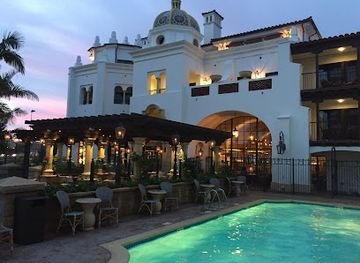
Montecito is not a concentrated clubbing district, and its evenings are generally quieter than those in central Santa Barbara. Nightlife centres on restaurants, hotel bars, lounges and relaxed drinks along Coast Village Road and in the Upper Village, where the atmosphere tends towards conversation and dining rather than late-night dancing. The area’s accommodation properties occasionally provide the most formal evening settings, while outdoor terraces and established local restaurants are important gathering places after dark. Residential roads become much less suitable for aimless wandering at night because distances are long, lighting varies and traffic remains present on the main routes. Visitors seeking a larger choice of live music, theatres or nightclubs will usually need to continue into Santa Barbara proper, outside Montecito, rather than expecting a dense entertainment strip within the community.
-
Bar
Honor Bar
Discover the vibrant flavors of New American cuisine at Honor Bar, Montecito's premier dining destination with a lively bar atmosphere.
10 min walk · 0.8 km from neighbourhood centre
-
French
Stella Mare's
Experience the charm of French cuisine at Stella Mare's, a beloved Santa Barbara bistro offering exquisite dishes and an inviting atmosphere.
7 min drive · 2.3 km from neighbourhood centre
-
Steak
Lucky's
Experience upscale dining at Lucky's, Montecito's premier steakhouse, offering exquisite steaks and seafood in an elegant atmosphere.
10 min walk · 0.8 km from neighbourhood centre
-
American
Coast & Olive
Experience the best of Californian cuisine at Coast & Olive, where fine dining meets breathtaking coastal views.
9 min walk · 0.8 km from neighbourhood centre


Best nightclubs in Montecito
Montecito is not a concentrated clubbing district, and its evenings are generally quieter than those in central Santa Barbara. Nightlife centres on restaurants, hotel bars, lounges and relaxed drinks along Coast Village Road and in the Upper Village, where the atmosphere tends towards conversation and dining rather than late-night dancing. The area’s accommodation properties occasionally provide the most formal evening settings, while outdoor terraces and established local restaurants are important gathering places after dark. Residential roads become much less suitable for aimless wandering at night because distances are long, lighting varies and traffic remains present on the main routes. Visitors seeking a larger choice of live music, theatres or nightclubs will usually need to continue into Santa Barbara proper, outside Montecito, rather than expecting a dense entertainment strip within the community.
-
Lounge
Ty Lounge
Discover the elegance of Ty Lounge in Santa Barbara, where exquisite cocktails, live music, and stunning views create an unforgettable experience.
11 min walk · 0.9 km from neighbourhood centre
-
Night club
Emerson Lower Rooms
Discover the energetic nightlife of Emerson Lower Rooms in Montecito, California, where music and camaraderie create unforgettable memories.
14 min drive · 4.5 km from neighbourhood centre
-
Lounge
Mar Vista
Experience the coastal charm of Mar Vista, a delightful lounge in Santa Barbara offering stunning views, refreshing cocktails, and a relaxing atmosphere.
10 min drive · 3.3 km from neighbourhood centre
-
Night club
La Pachanga
Dive into the electrifying nightlife of Santa Barbara at La Pachanga, the ultimate destination for music, dance, and unforgettable experiences.
15 min drive · 4.9 km from neighbourhood centre


Best shops in Montecito
Shopping in Montecito is arranged around two principal village-style areas: Coast Village Road near the ocean and the Upper Village along San Ysidro Road. Independent boutiques, galleries, interior-focused shops, beauty businesses, cafés and specialist food retailers reflect the community’s residential and affluent character, while Montecito Country Mart provides a compact contemporary setting for food, lifestyle and fashion shopping. The emphasis is on browsing and local services rather than department-store retail or a large traditional market. Visitors may encounter California-oriented clothing, design objects, gourmet provisions and gifts, but stock and individual businesses change, so the experience is best approached as a stroll through small commercial clusters. Santa Barbara’s larger retail streets lie nearby but outside Montecito; within the neighbourhood, the appeal is the combination of low-rise architecture, landscaped surroundings and independent village commerce.
-
Shopping mall
Montecito Country Mart
Discover the perfect blend of shopping, dining, and local culture at Montecito Country Mart, a true gem in California's coastal paradise.
5 min drive · 1.7 km from neighbourhood centre
-
Clothing store
Whiskey & Leather
Discover stylish clothing and antique treasures at Whiskey & Leather in Santa Barbara, a boutique that blends modern fashion with vintage charm.
17 min walk · 1.4 km from neighbourhood centre
-
Boutique
Maison K
Explore Maison K: A Boutique of Unique Women's Fashion and Accessories in Santa Barbara, Perfect for Style Enthusiasts.
11 min walk · 0.9 km from neighbourhood centre
-
Boutique
Mate Gallery
Explore Mate Gallery in Santa Barbara for an unforgettable boutique shopping experience featuring exquisite local and international art.
5 min drive · 1.8 km from neighbourhood centre


Montecito essentials
Getting There
Getting Around
Safety
Emergency Situations
Do's and Don'ts
Local Tips

From Eve
Local phrases worth knowing
You don't need to get them perfect. A few words go a long way, and locals appreciate the effort.
Basics
| English | Local | Say it |
|---|---|---|
| Hello | Hola | [oh-lah] |
| Goodbye | Adiós | [ah-dee-ohs] |
| Yes | Sí | [see] |
| No | No | [noh] |
| Please/You're welcome | Por favor/De nada | [por fah-vor/deh nah-dah] |
| Thank you | Gracias | [grah-see-ahs] |
| Excuse me/Sorry | Disculpe/Lo siento | [dee-skool-peh/loh see-ehn-toh] |
| How are you? | ¿Cómo estás? | [koh-moh ehs-tahs] |
| Fine. And you? | Bien. ¿Y tú? | [byehn. ee too] |
| Do you speak English? | ¿Hablas inglés? | [ah-blahs een-glays] |
| I don't understand | No entiendo | [noh ehn-tee-ehn-doh] |
Eating & Drinking
| English | Local | Say it |
|---|---|---|
| I'd like to see the menu, please | Me gustaría ver el menú, por favor | [meh goos-tah-ree-ah vehr ehl meh-noo, poor fah-vor] |
| I don't eat meat | No como carne | [noh koh-moh kahr-neh] |
| Cheers! | ¡Salud! | [sah-lood] |
| I would like to pay, please | Me gustaría pagar, por favor | [meh goos-tah-ree-ah pah-gahr, poor fah-vor] |
Emergencies
| English | Local | Say it |
|---|---|---|
| Help! | ¡Ayuda! | [ah-yoo-dah] |
| Go away! | Vete! | [veh-teh] |
| Call the Police! | ¡Llama a la policía! | [yah-mah ah lah poh-lee-see-ah] |
| Call a doctor! | ¡Llama a un médico! | [yah-mah ah oon meh-dee-koh] |
| I'm lost | Estoy perdido | [ehs-toy pehr-dee-doh] |
| I'm ill | Estoy enfermo | [ehs-toy ehn-fehr-moh] |
Shopping
| English | Local | Say it |
|---|---|---|
| I'd like to buy... | Me gustaría comprar... | [meh goos-tah-ree-ah kohm-prahr...] |
| I'm just looking | Sólo estoy mirando | [soh-loh ehs-toy mee-rahn-doh] |
| How much is it? | ¿Cuánto cuesta? | [kwan-toh kwehs-tah] |
| That's too expensive | Eso es demasiado caro | [eh-soh ehs deh-mah-syah-doh kah-roh] |
| Can you lower the price? | ¿Puede bajar el precio? | [pweh-deh bah-hahr ehl pree-syoh] |
Time & Numbers
| English | Local | Say it |
|---|---|---|
| What time is it? | ¿Qué hora es? | [keh oh-rah ehs] |
| It's one o'clock | Es la una en punto | [ehs lah oo-nah ehn poon-toh] |
| Half past (10) | Las diez y media | [lahs dyehs ee meh-dee-ah] |
| Morning | Mañana | [mah-nyah-nah] |
| Afternoon | Tarde | [tahr-deh] |
| Evening | Noche | [noh-cheh] |
| Yesterday | Ayer | [ah-yehr] |
| Today | Hoy | [oy] |
| Tomorrow | Mañana | [mah-nyah-nah] |
| 1 | Uno | [oo-noh] |
| 2 | Dos | [dohs] |
| 3 | Tres | [trehs] |
| 4 | Cuatro | [kwah-troh] |
| 5 | Cinco | [seen-koh] |
| 6 | Seis | [says] |
| 7 | Siete | [syeh-teh] |
| 8 | Ocho | [oh-choh] |
| 9 | Nueve | [nweh-veh] |
| 10 | Diez | [dyehs] |
Transport & Directions
| English | Local | Say it |
|---|---|---|
| Where's a/the...? | ¿Dónde está el/la...? | [dohn-deh ehs-tah ehl/lah] |
| What's the address? | ¿Cuál es la dirección? | [kwahl ehs lah dee-rehk-syohn] |
| Can you show me (on the map)? | ¿Puedes mostrarme (en el mapa)? | [pweh-dehs mohs-trar-meh (ehn ehl mah-pah)] |
| When's the next (bus)? | ¿Cuándo es el próximo (autobús)? | [kwan-doh ehs ehl proh-ksee-moh (ow-toh-boos)] |
| A ticket (to ....) | Un boleto (a ...) | [oon boh-leh-toh (ah ...)] |
History of Montecito
Chumash Homeland and Spanish Naming
The Montecito area forms part of the ancestral homeland of the Chumash, whose communities lived along the Santa Barbara coast and used the varied resources of the shoreline, creeks and foothills. Spanish colonisation, mission expansion and the later Mexican rancho system transformed land ownership and settlement patterns during the late eighteenth and nineteenth centuries. The name Montecito, usually translated as “little mountain”, reflects the area’s foothill setting and Spanish-language history. Local watercourses, native vegetation and the coastal plain remained important features as the area shifted from Indigenous-managed landscapes towards ranching and private agricultural use.
Ranches, Orchards and Water
During the nineteenth century, the land around present-day Montecito was used for ranching, farming and orchards, with irrigation helping agriculture develop on the relatively dry coastal plain. The creeks descending from the mountains shaped both cultivation and settlement, while small roads connected the area with Santa Barbara. From the later nineteenth century, improved transport and the region’s mild climate encouraged wealthy outsiders to establish country residences. The arrival of the Southern Pacific’s coastal rail connection in the 1880s made travel easier and strengthened Montecito’s role as a retreat beyond the denser town, although it retained a spacious, semi-rural character.
The Estate Landscape Takes Shape
In the early twentieth century, Montecito became increasingly associated with large residences, formal gardens and architects working in Mediterranean and Spanish Colonial traditions. The 1925 Santa Barbara earthquake influenced architectural expectations across the region, encouraging stronger construction and helping consolidate a locally favoured Spanish- and Mediterranean-influenced visual language. Buildings such as Casa del Herrero, completed in the 1920s, express this period’s interest in carefully designed houses set within elaborate gardens. Montecito Inn, built in 1928 for Charlie Chaplin, also embodies the community’s emergence as a fashionable coastal retreat.
Conservation, Disasters and Continuing Change
Later twentieth-century Montecito developed as a low-density residential community while some important estates and gardens gained protection as cultural resources. Lotusland, shaped by Ganna Walska from the 1940s onwards, became one of the area’s defining horticultural institutions, and Westmont College established its campus in the foothills. The community has also experienced the environmental pressures of a fire-prone and flood-sensitive landscape. The Thomas Fire in 2017 was followed by the January 2018 debris flow, which caused deaths and severe damage in Montecito, reinforcing the importance of watershed management, emergency planning and changing access conditions in the area’s contemporary life.
Montecito in Photos
Browse through our photo collection highlighting the charm and character of the destination.
Neighbourhoods near Montecito
The closest neighbourhoods to Montecito, if you have time for more than one stop.
-

-

-


Swipe for more neighbourhoods
Explore more
Explore more of Santa Barbara
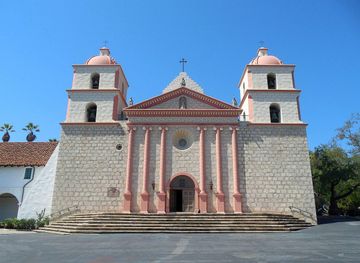
Santa Barbara blends Spanish Colonial architecture, Pacific beaches, Chumash heritage, wine-country flavours and refined California culture for sightseeing.
Explore Santa Barbara